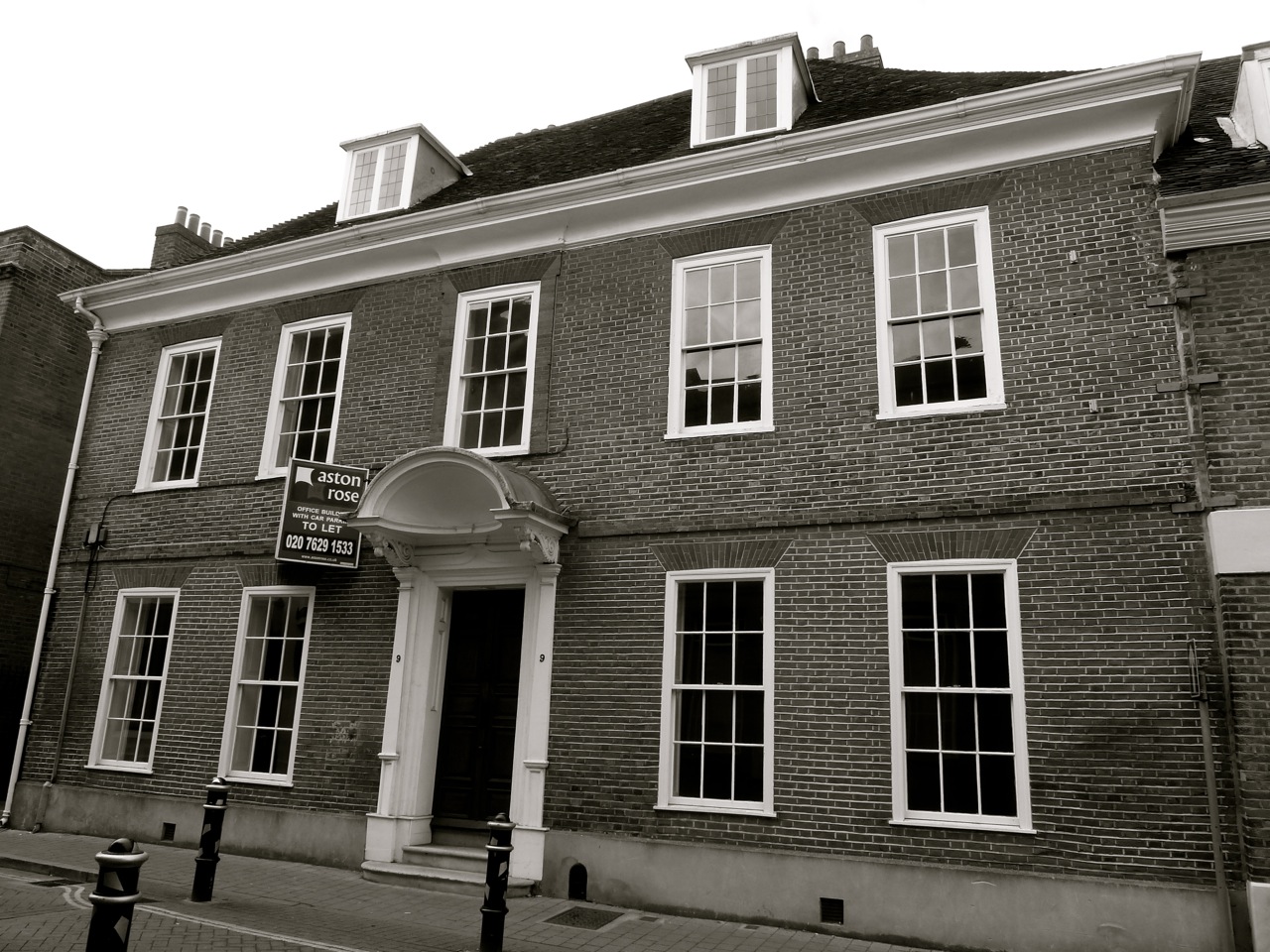
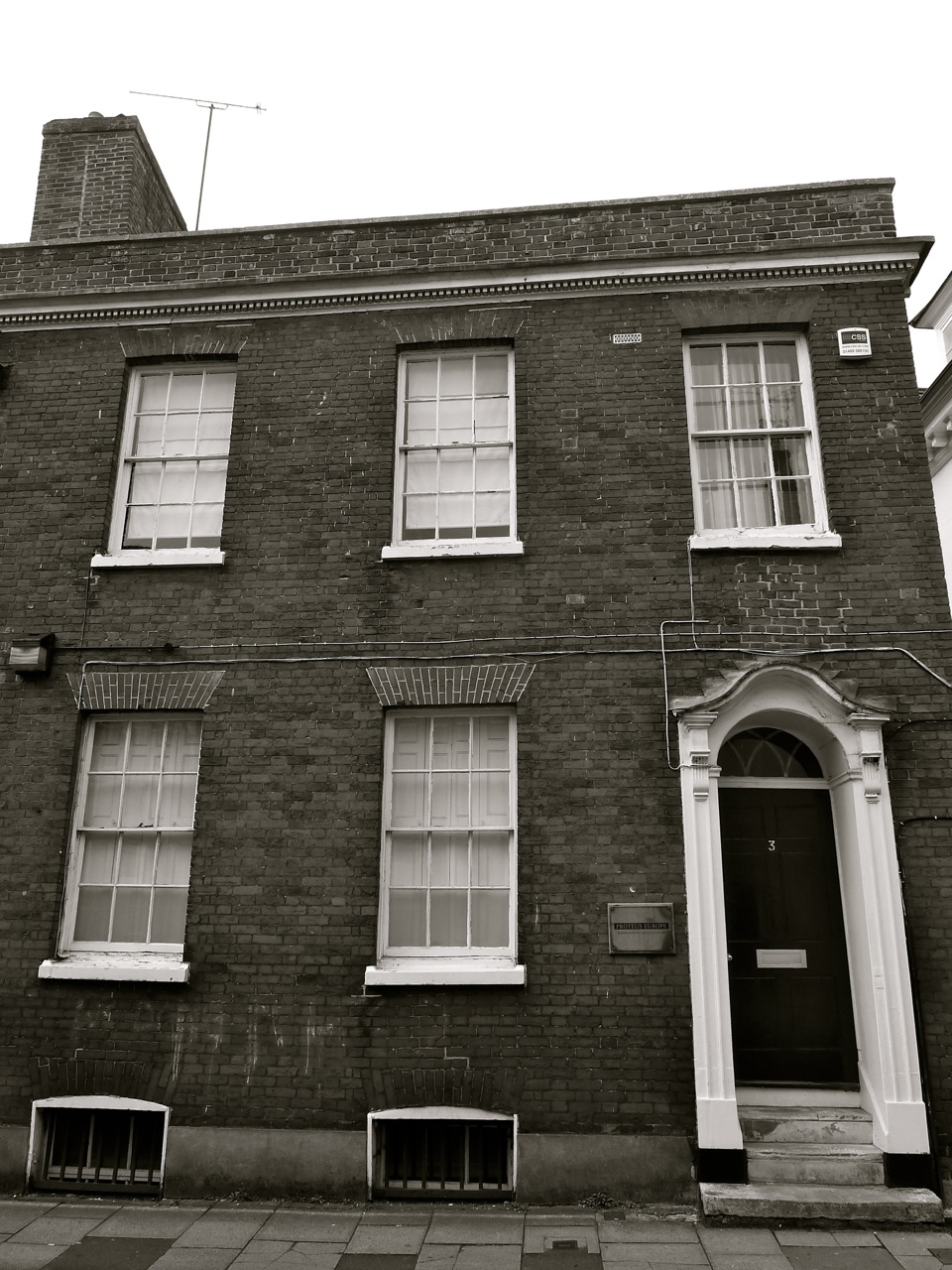
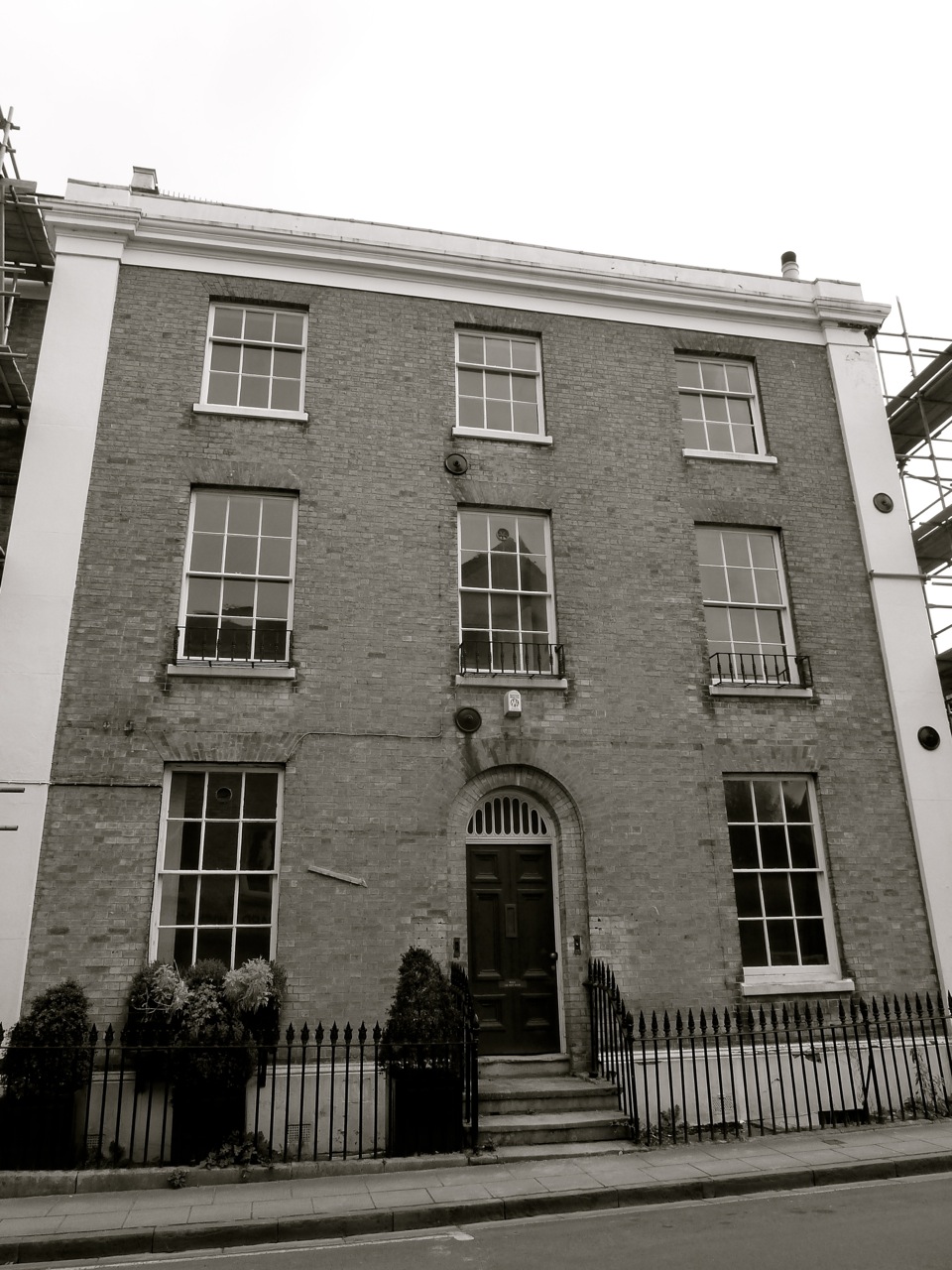
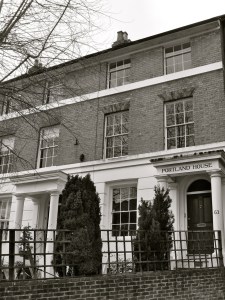
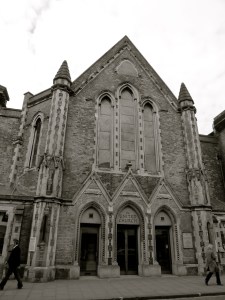
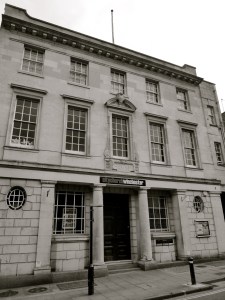
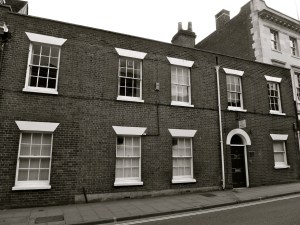
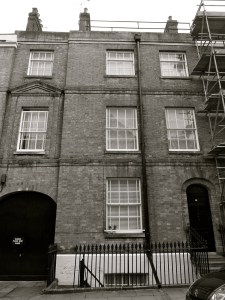
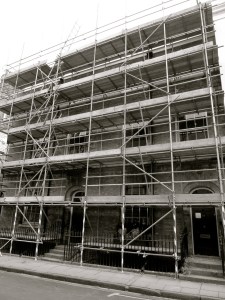
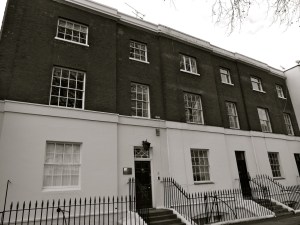
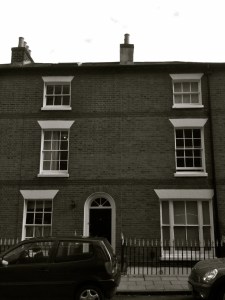
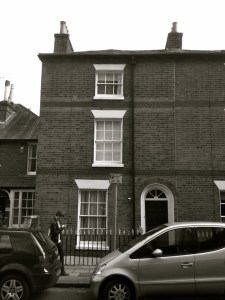
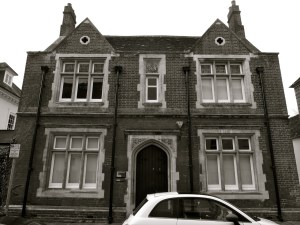
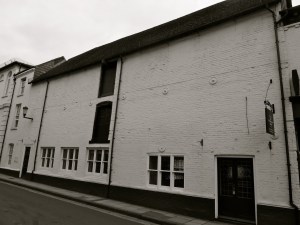
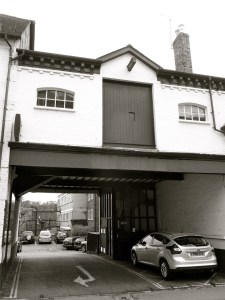
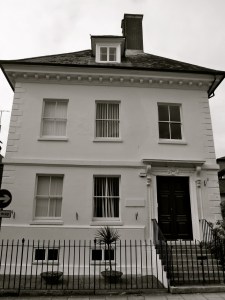
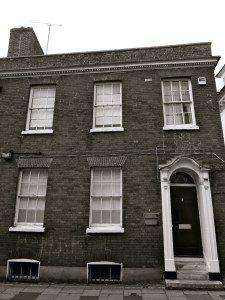
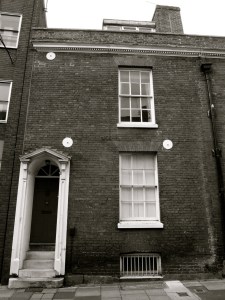
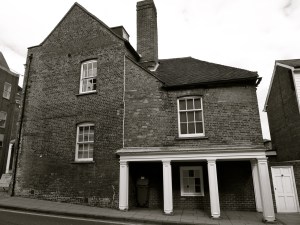
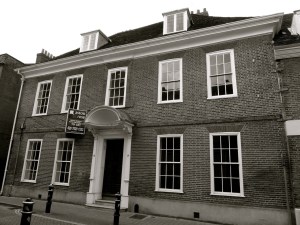
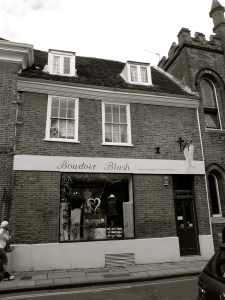
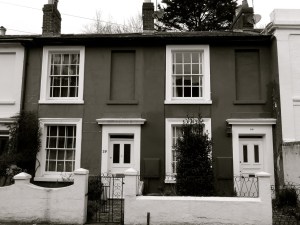
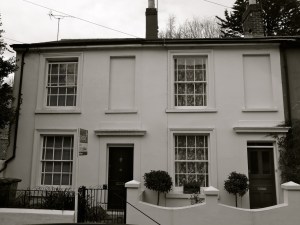
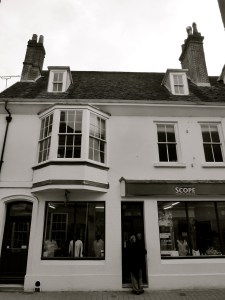
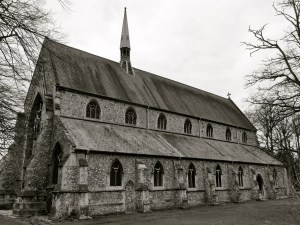
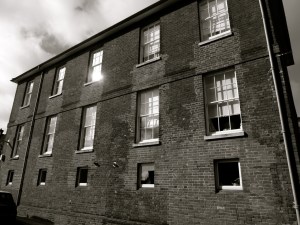
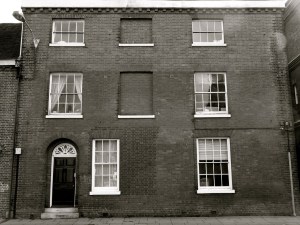
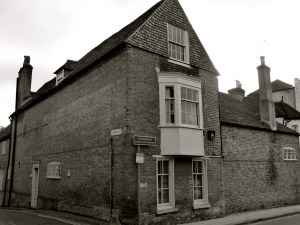
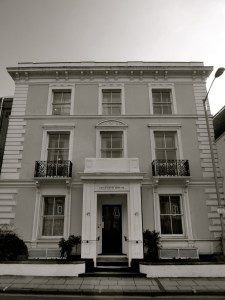
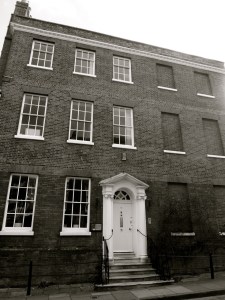
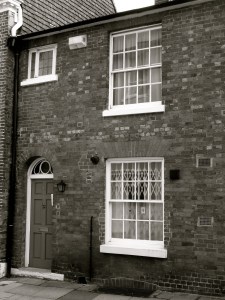
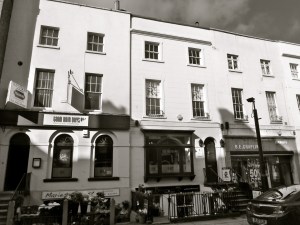
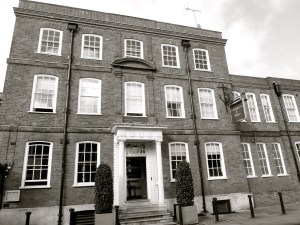
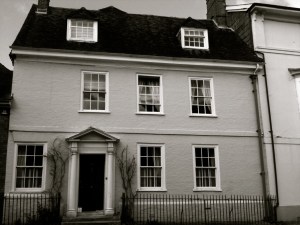
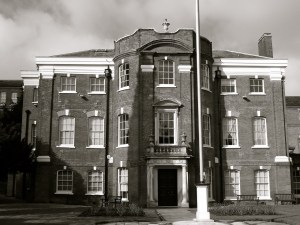
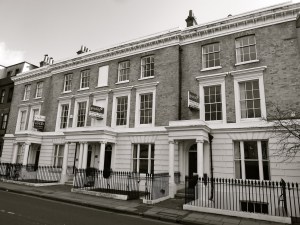
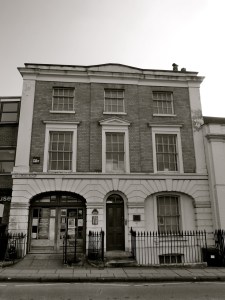
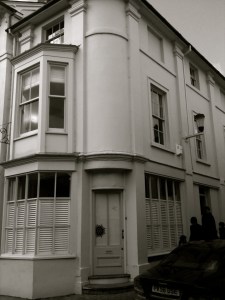
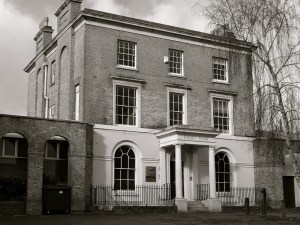
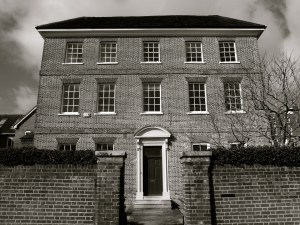
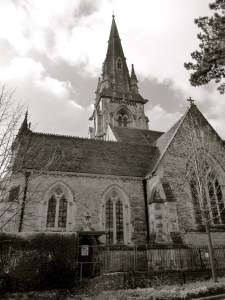
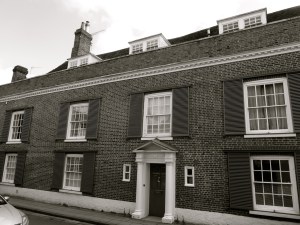
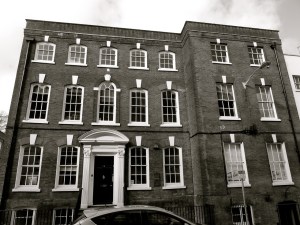
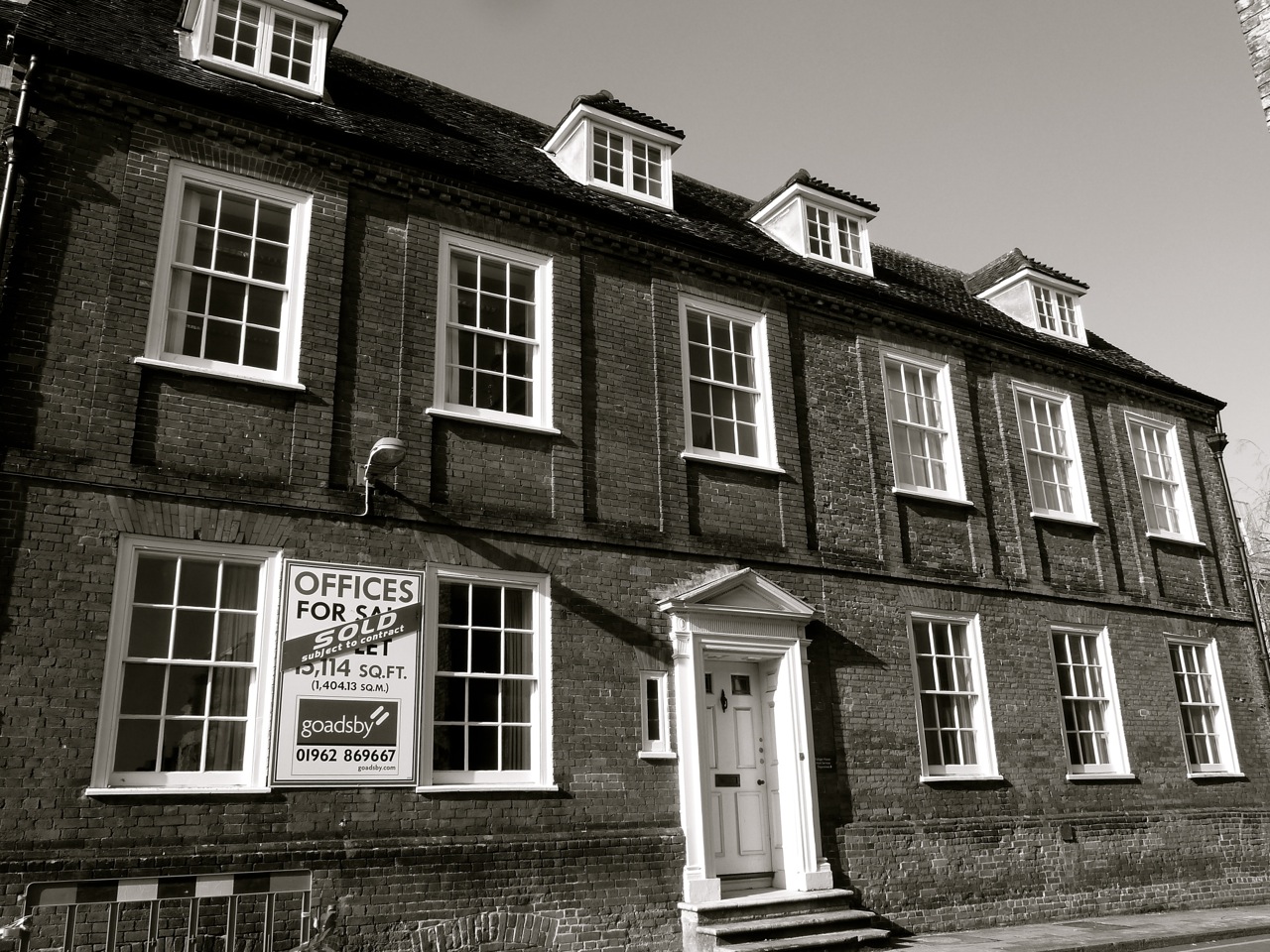
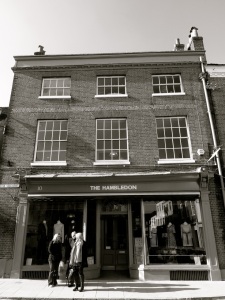
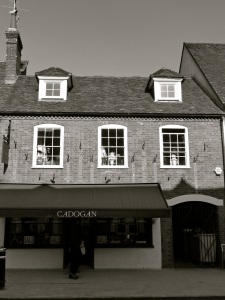
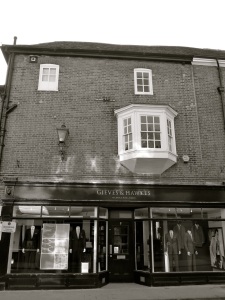
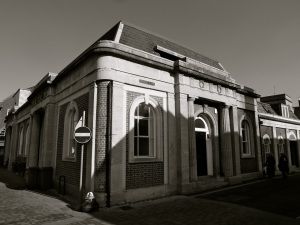
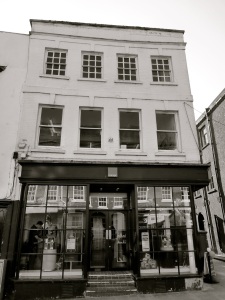
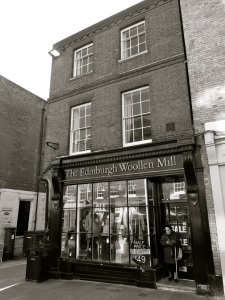
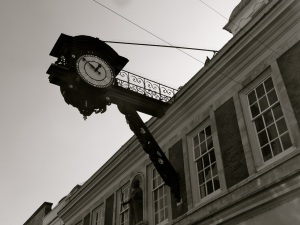
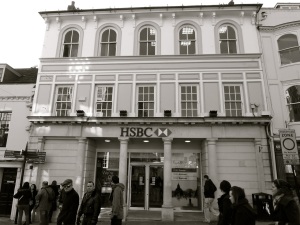
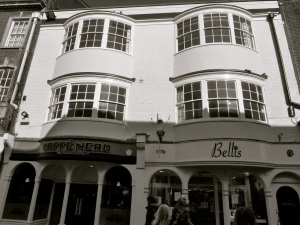
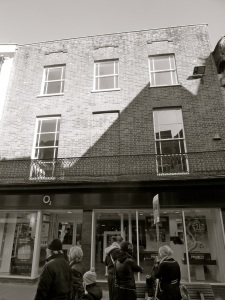
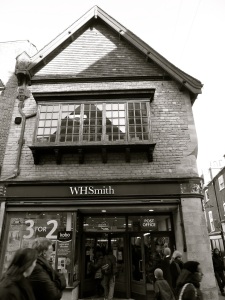
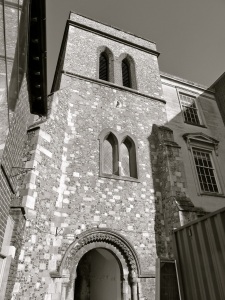
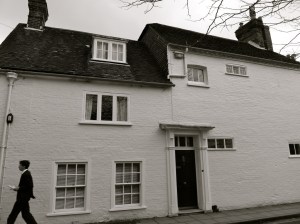
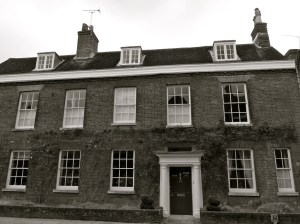
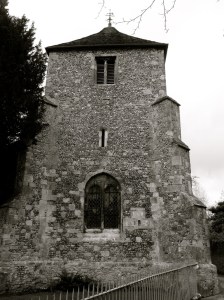
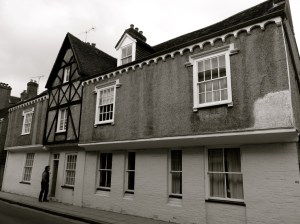
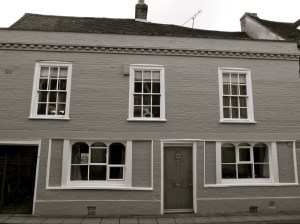
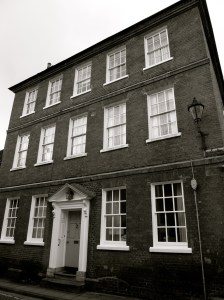
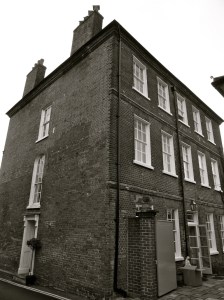
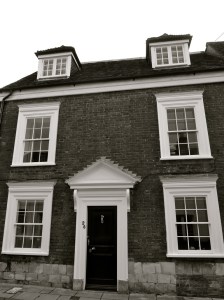
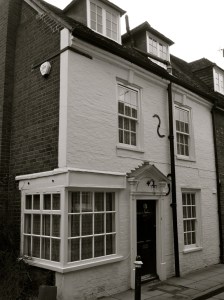
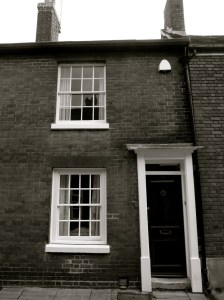
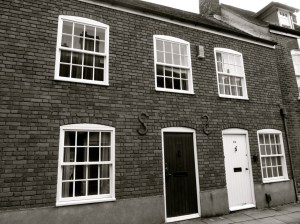
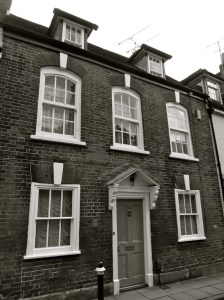
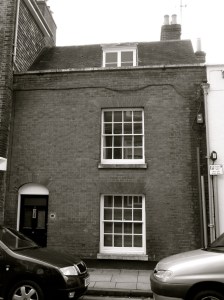
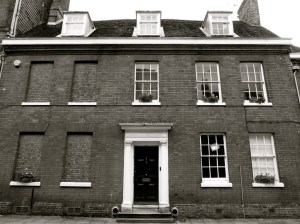
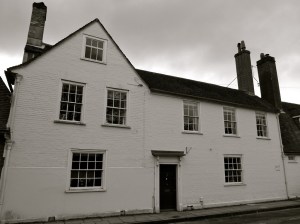
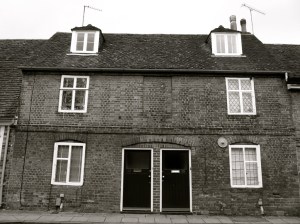
These streets run north from the shopping area, out towards the Roman North Wall. Upper and Lower Brook Streets are mainly residential, with a few shops and the Heritage Centre at the southern side. Parchment Street runs north from Boots and has many small shops at the southern end, turning residential. My new favourite street in Winchester is St Peter Street, a quiet street fortunately missing out of the one way system. It has a pleasing variety of buildings, from the Royal Hotel, a Georgian church hall, a Wren-attributed villa, a C20 church, and at the northern end, grand formal terraces. Jewry Street has a busy flow of traffic and in the bustle it’s easy to miss the architecture, from the Old Gaol to the C16 Loch Fyne, the library and theatre. A little further west is Tower Street, mainly Victorian and later.
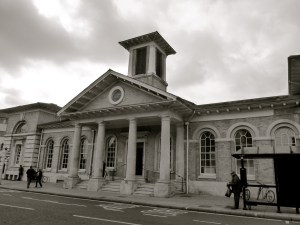
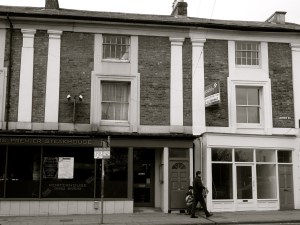
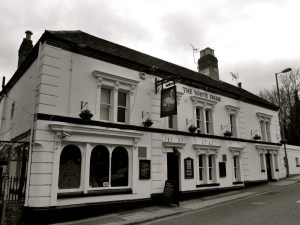
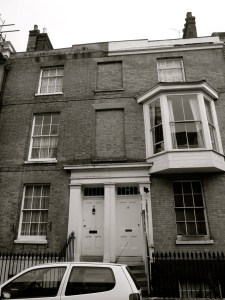
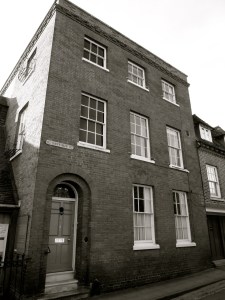
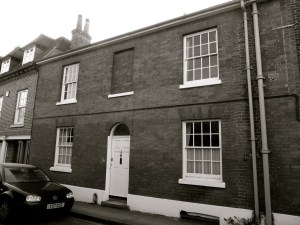
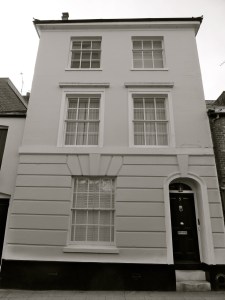
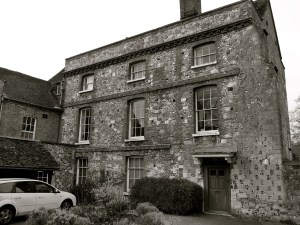
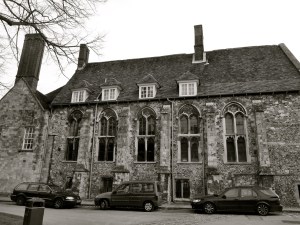
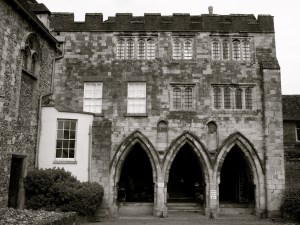
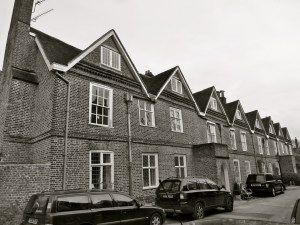
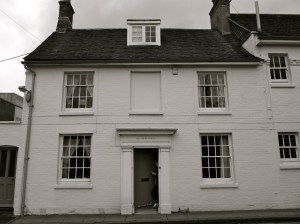
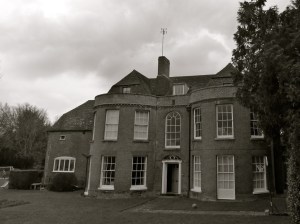
Favourites today are 9 Parchment Street, 3 St Peter Street, 4 St Peter Street and 19 St Peter Street. These are first in the photographs below. Hover over the photo for the address, and click to enlarge.
This morning’s earworm. No dark sarcasm in the classroom.
We don’t need no education.
We don’t need no thought control.
No dark sarcasm in the classroom.
Teacher, leave those kids alone.
Hey, Teacher, leave those kids alone!
All in all it’s just another brick in the wall.
All in all you’re just another brick in the wall.
We don’t need no education.
We don’t need no thought control.
No dark sarcasm in the classroom.
Teachers, leave those kids alone.
Hey, Teacher, leave those kids alone!
All in all you’re just another brick in the wall.
All in all you’re just another brick in the wall…
We brought you in to eat the beetles
But they were too high on the crop
And you hopped away
And mated making thousands
Who mated making thousands
And hopped away
And mated making thousands
And hopped away
Along the coast of Queensland
North and south
Greeny browny yellow and kind of panting
Bounded head-first though obstacles
Munched up the insects
And dog food
You popped when we run you down
You squirted poison when under attack
You half-killed Wallace the dog with your toxin
Then the dog came back
But wasn’t the same
It didn’t do doggy things any more they said
A little girl had you as a pet
Called you Dairy Queen
You didn’t poison her
You liked being played with
And your belly tickled
Melrose the Wonder Toad liked that too
Before he got too fat to hop
Bubbly backed
Most called you ugly
Some said beautiful
No right to be there
But it’s not your fault
Once they built a statue of you
And psychedelic postcards
And tourists came
A man made bags and hats out of your skin
Bags and hats with or without your head sticking out
Dogs licked your toxins
In just the right amount
Tripping on your ooze
Who knows what’s going on in those dogs’ minds?
I guess you might
We spiked you with spears
We froze you in bags
We melted you down into fertilizer
We tried fences and traps
And still you hopped on
Headed west on the highways
Once you numbered one hundred and two
Now one and a half billion
Hibernating in holes
Sometimes forming moving carpets
In your masses
Kimberley’s Toad Busters
Will bag you and gas you
But we can’t contain you
The country is yours, oh Cane Toad!
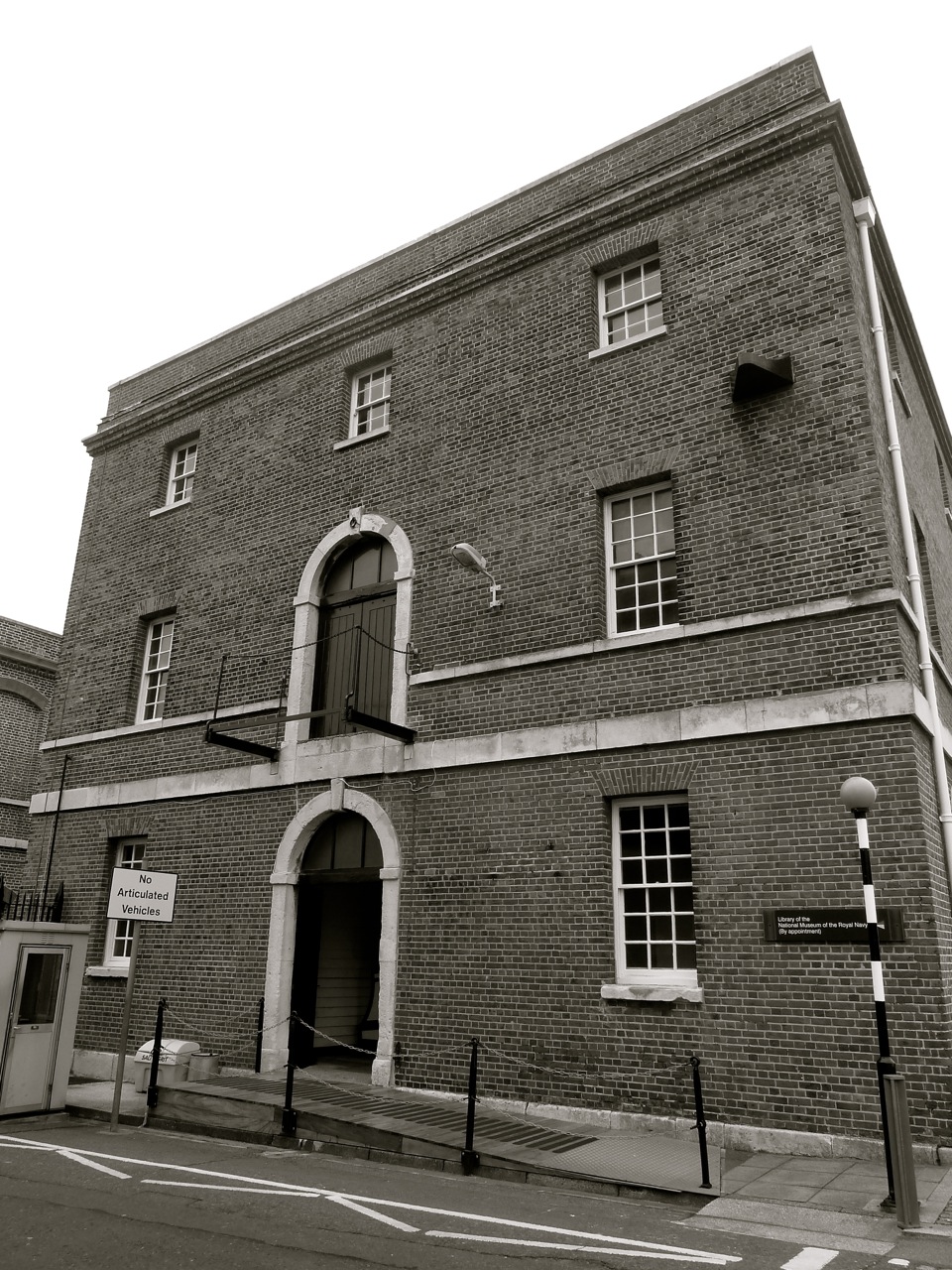
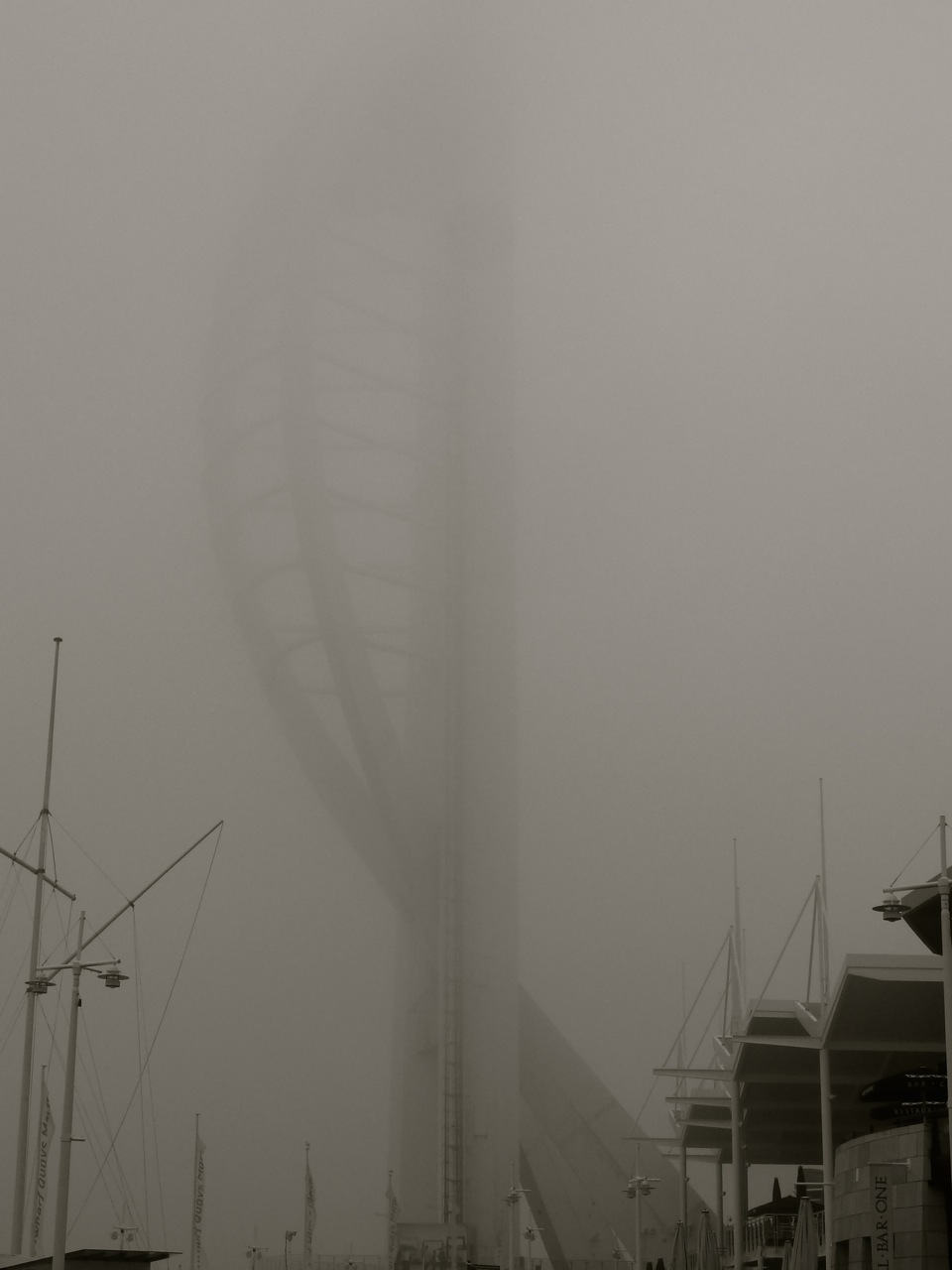
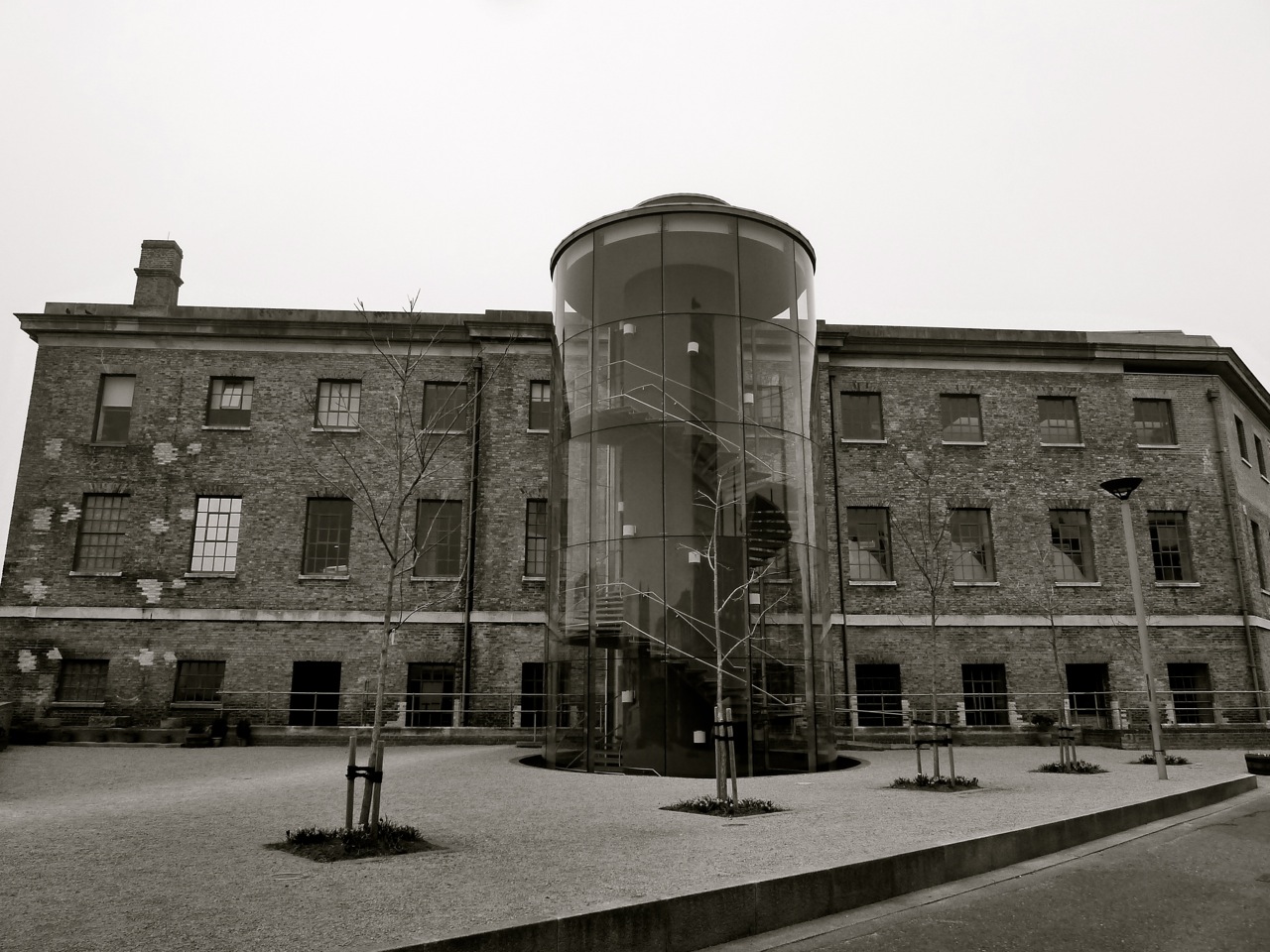
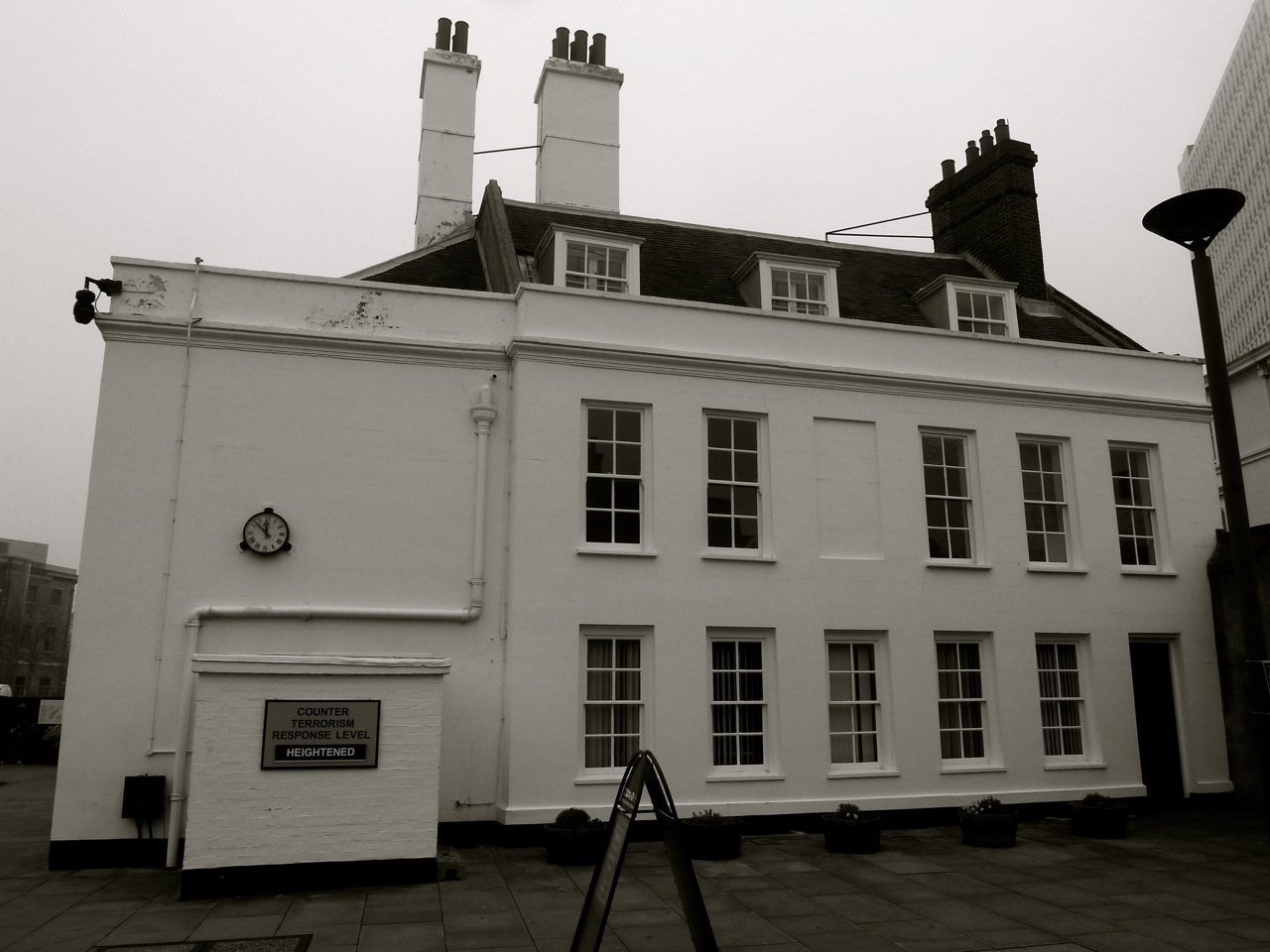
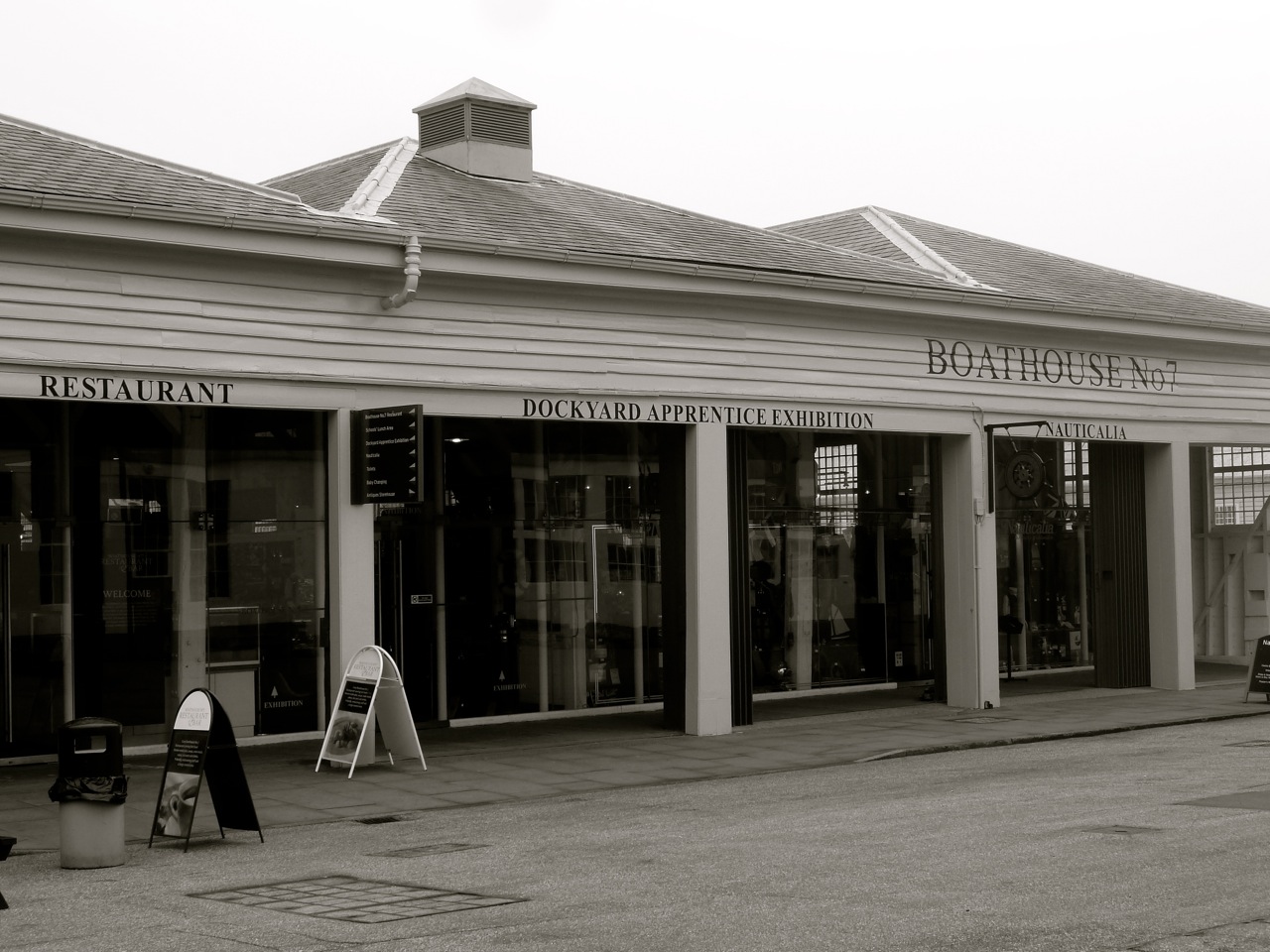
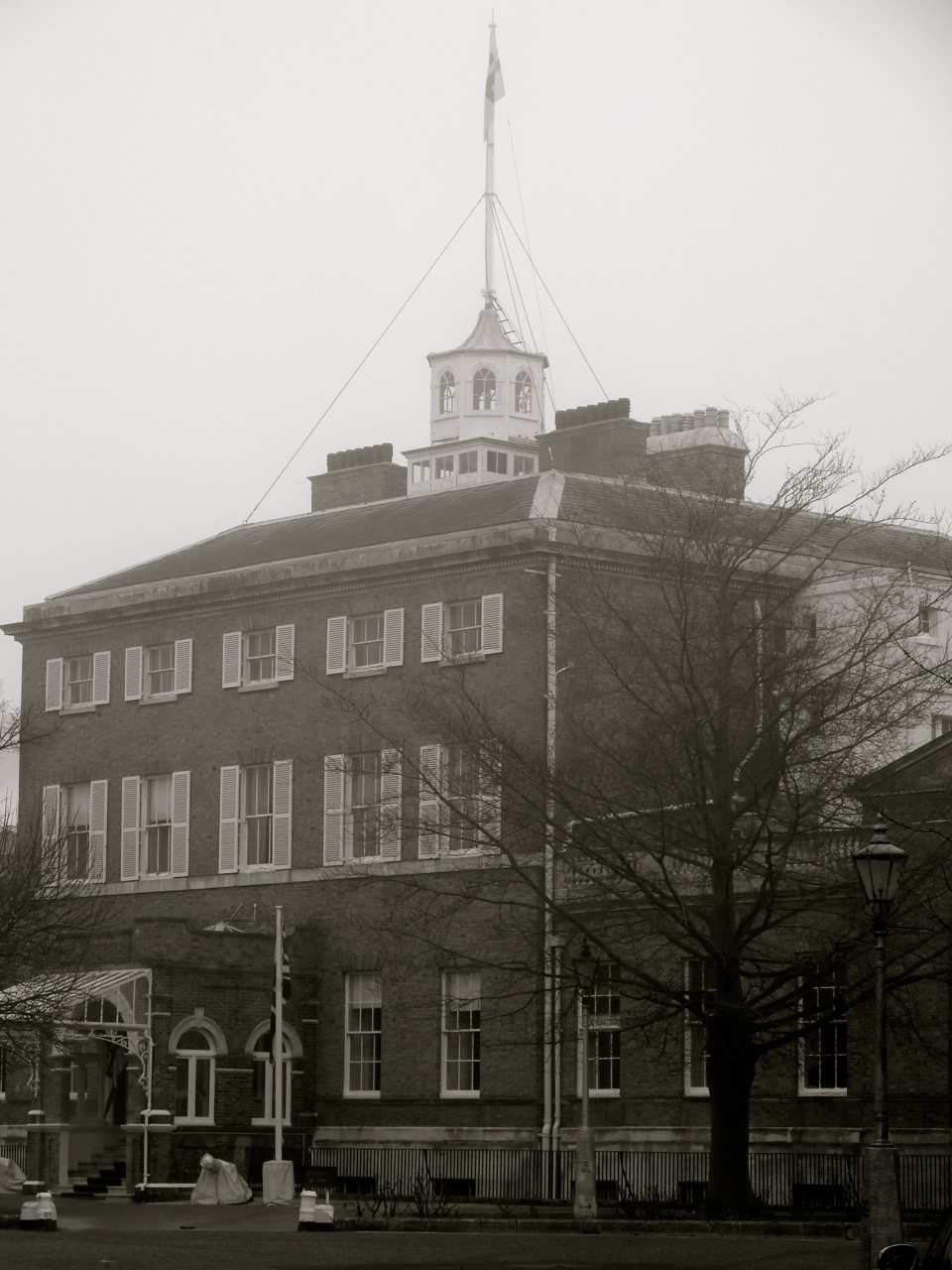
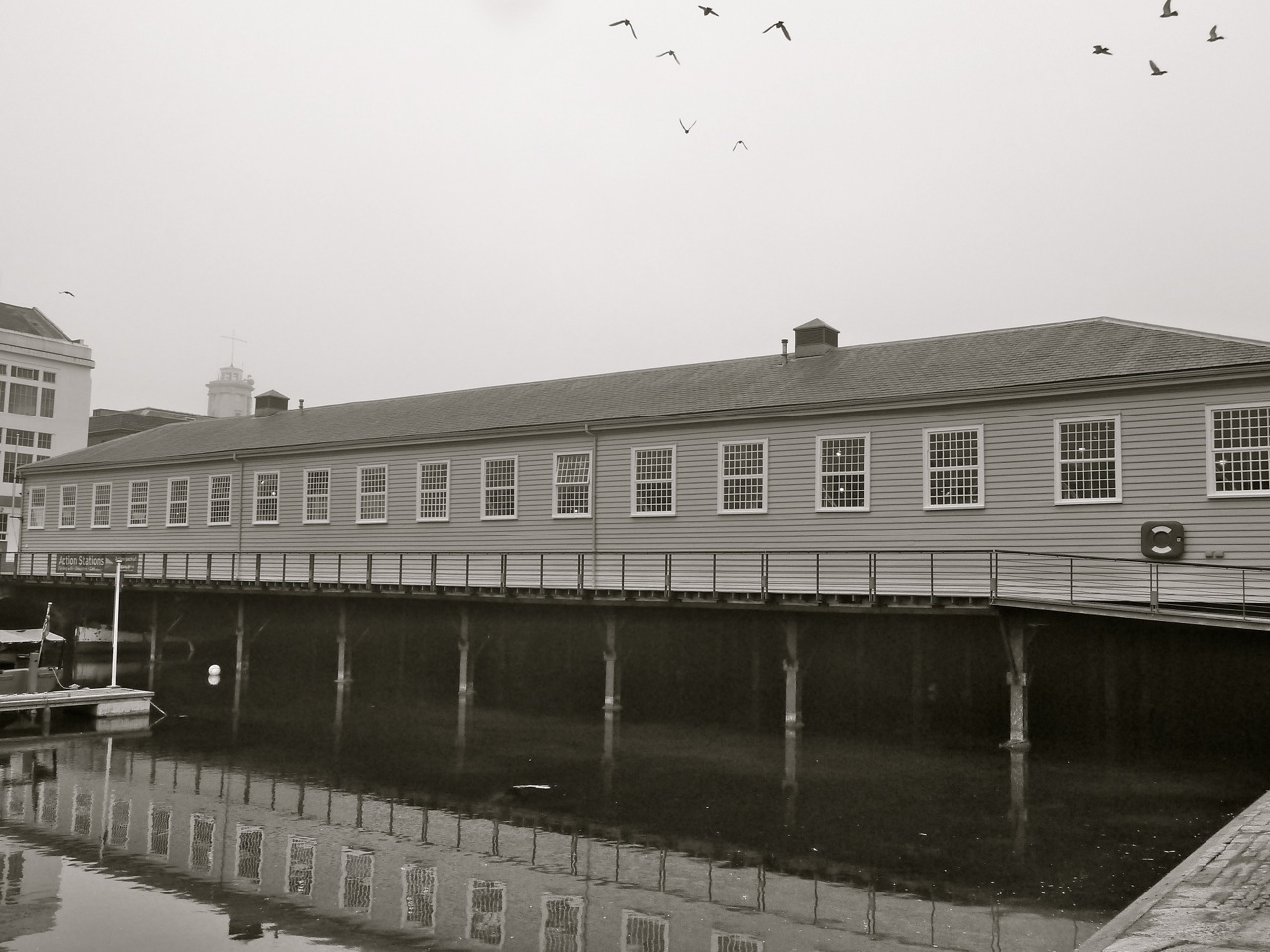
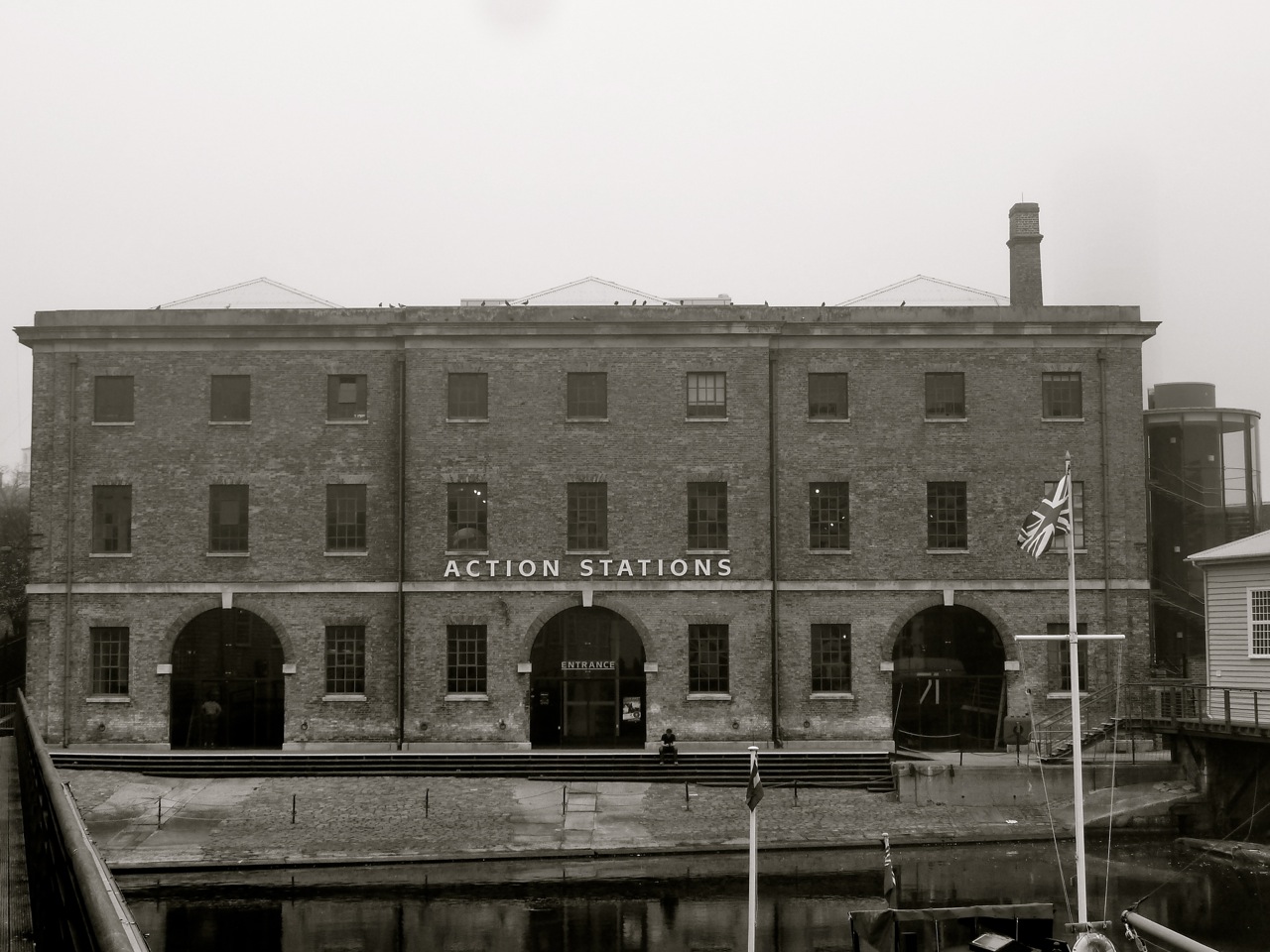
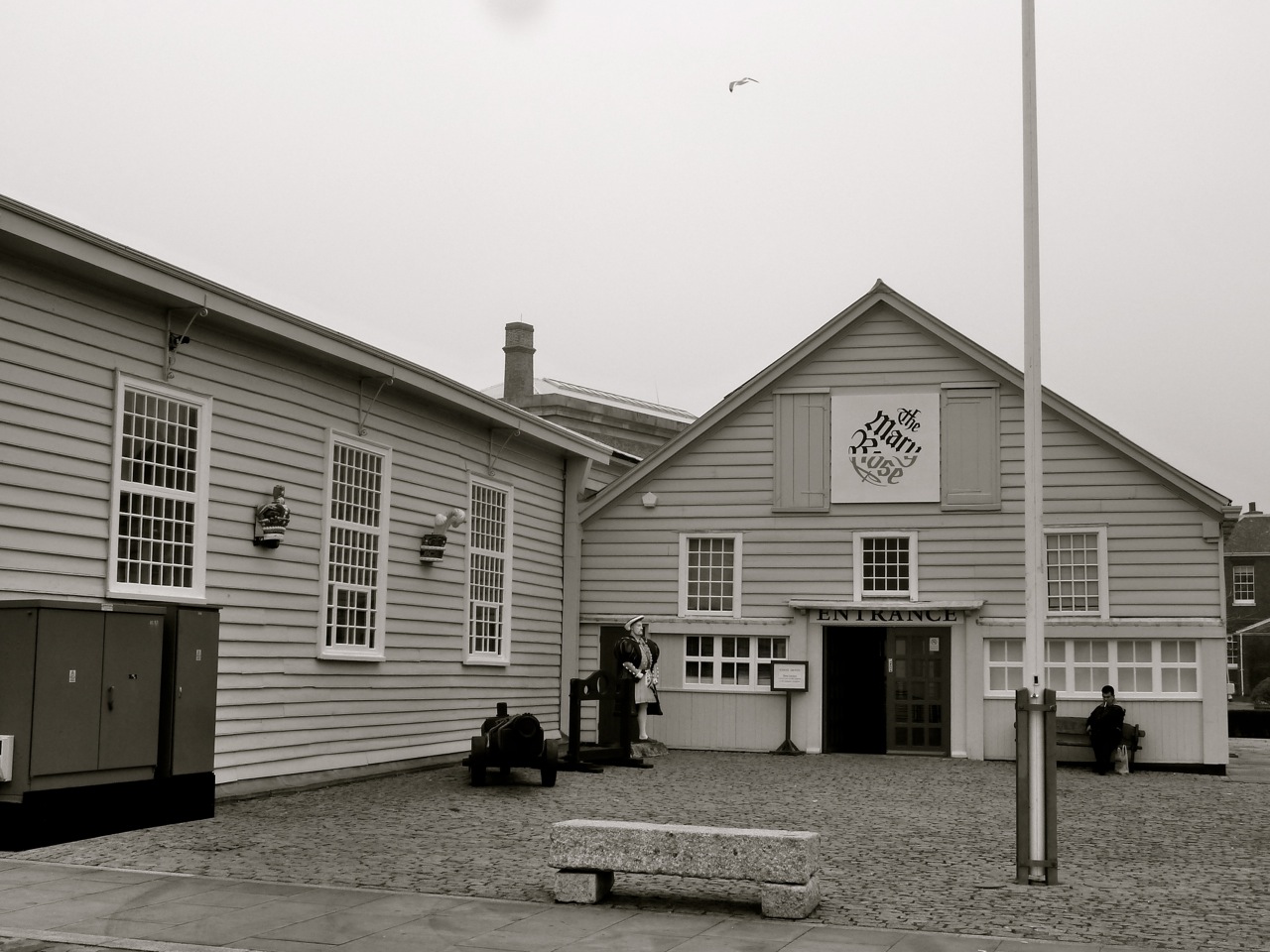
On Friday I was in Portsmouth and took the opportunity to photograph the listed buildings at The Hard and the Historic Dockyard. The public are only allowed along the western edge of the dockyard but I was able to also take a few photos of some of the listed buildings inside the Naval Base, through the railings. The dockyard listed buildings are C18 and C19, functional but with a formal elegance. There are large boathouses and stores, the Pay Office where Charles Dickens’ father worked, along with a detention centre and the Porters Lodge just inside the gate. I hope one day to be able to go into the restricted Naval Base as there are elegant officers’ terraces and other grand buildings. (Note that these are not all the listed buildings in the dockyard; some are obscured.)
The threat of climate change is an increasingly important environmental issue for the globe. Because the economic questions involved have received relatively little attention, I have been writing a nontechnical book for people who would like to see how market-based approaches could be used to formulate policy on climate change. When I showed an early draft to colleagues, their response was that I had left out the arguments of skeptics about climate change, and I accordingly addressed this at length.
But one of the difficulties I found in examining the views of climate skeptics is that they are scattered widely in blogs, talks, and pamphlets. Then, I saw an opinion piece in The Wall Street Journal of January 27, 2012, by a group of sixteen scientists, entitled “No Need to Panic About Global Warming.” This is useful because it contains many of the standard criticisms in a succinct statement. The basic message of the article is that the globe is not warming, that dissident voices are being suppressed, and that delaying policies to slow climate change for fifty years will have no serious economic or environment consequences.
My response is primarily designed to correct their misleading description of my own research; but it also is directed more broadly at their attempt to discredit scientists and scientific research on climate change. I have identified six key issues that are raised in the article, and I provide commentary about their substance and accuracy. They are:
• Is the planet in fact warming?
• Are human influences an important contributor to warming?
• Is carbon dioxide a pollutant?
• Are we seeing a regime of fear for skeptical climate scientists?
• Are the views of mainstream climate scientists driven primarily by the desire for financial gain?
• Is it true that more carbon dioxide and additional warming will be beneficial?
As I will indicate below, on each of these questions, the sixteen scientists provide incorrect or misleading answers. At a time when we need to clarify public confusions about the science and economics of climate change, they have muddied the waters. I will describe their mistakes and explain the findings of current climate science and economics.
No. 37 in the IMDB top 50 is North by Northwest directed by Alfred Hitchcock. Made at the end of the 1950s this is a fairly light adventure story of mistaken identity, cold war criminals and FBI agents. It’s mostly nonsensical but highly entertaining. An ad-man (Cary Grant) goes on the run after escaping an attempt on his life and then being falsely accused of murder. It’s funny in places, intentionally and dated-movie-wise, and sometimes suspenseful, as in the two most iconic scenes – the crop sprayer and up on Mt Rushmore at the end. You get plenty of 1950s acting and those car-driving scenes with the projected rear-view, and a very pretty supporting actress. It reminded me somewhat of a James Bond film. The ending is jarringly sudden, I found, and the opening credits ahead of their time.
Good lines:
Not that I mind a slight case of abduction now and then but I have tickets for the theatre this evening.
…
Thornhill: “Kaplan has dandruff.”
Mother: “In that case, I think we should leave.”
…
“I’m an advertising man not a red herring. I’ve got a job, a secretary, a mother, two ex-wives and several bartenders depended upon me, and I don’t intend to disappoint them all by getting slightly killed. The answer is no.”
Original poster:
Trailer (looks way more dated than the film itself):
Yesterday we watched The Shawshank Redemption, a film I hadn’t seen in a long while. I cried twice. Particularly moving is the story of Brooks the librarian who went to prison in the early 1900s and on his parole in the 50s he can’t take the change, having been institutionalised so long. Here’s the letter he writes to his friends inside:
Dear fellas, I can’t believe how fast things move on the outside. I saw an automobile once when I was a kid, but now they’re everywhere. The world went and got itself in a big damn hurry. The parole board got me into this halfway house called “The Brewer” and a job bagging groceries at the Foodway. It’s hard work and I try to keep up, but my hands hurt most of the time. I don’t think the store manager likes me very much. Sometimes after work, I go to the park and feed the birds. I keep thinking Jake might just show up and say hello, but he never does. I hope wherever he is, he’s doin’ okay and makin’ new friends. I have trouble sleepin’ at night. I have bad dreams like I’m falling. I wake up scared. Sometimes it takes me a while to remember where I am. Maybe I should get me a gun and rob the Foodway so they’d send me home. I could shoot the manager while I was at it, sort of like a bonus. I guess I’m too old for that sort of nonsense any more. I don’t like it here. I’m tired of being afraid all the time. I’ve decided not to stay. I doubt they’ll kick up any fuss. Not for an old crook like me.
Here’s that story in five minutes, five minutes of near-perfect film making.
Later while in solitary, Andy figures how to prevent the same thing happening to Red on his release.
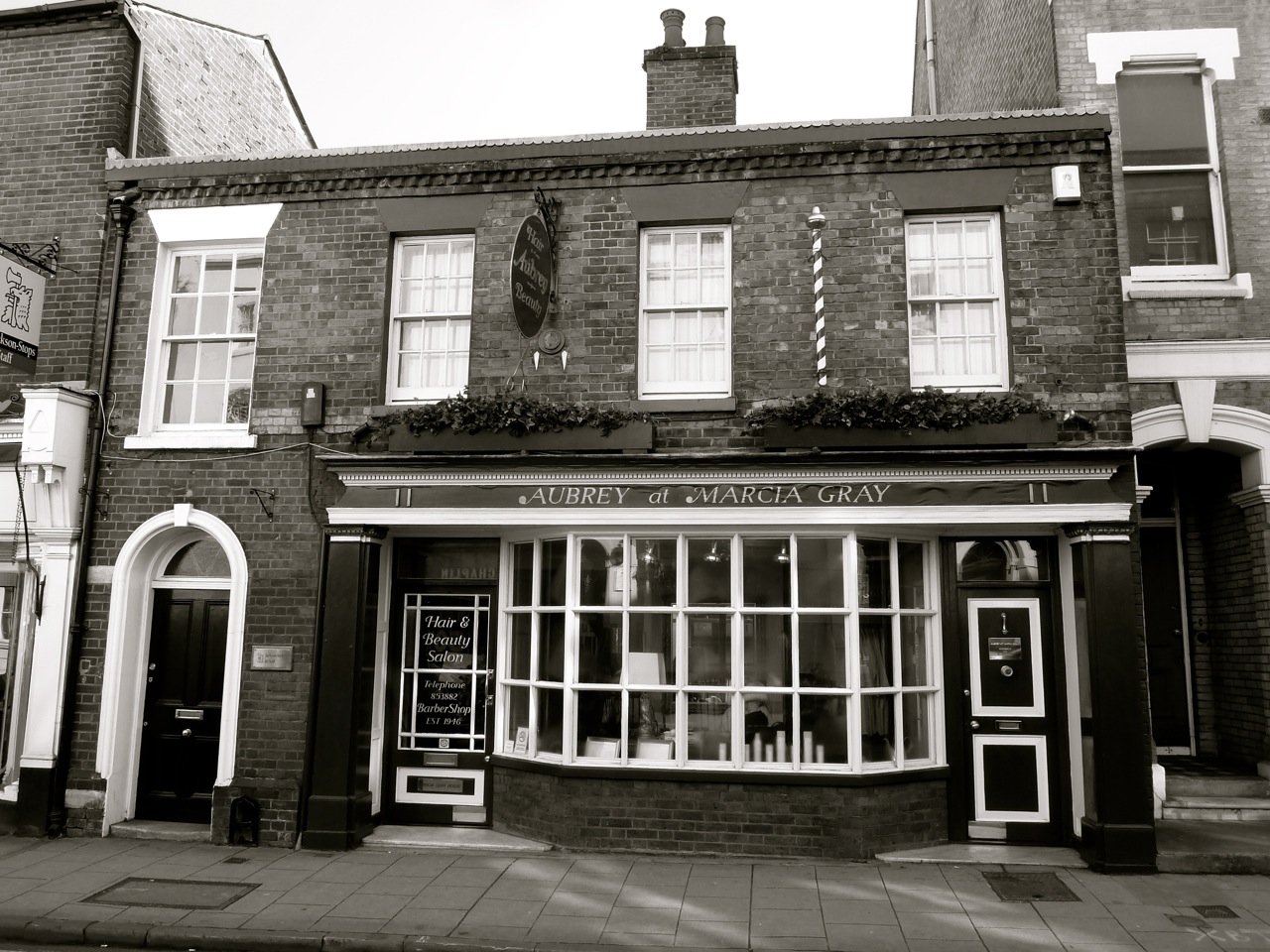
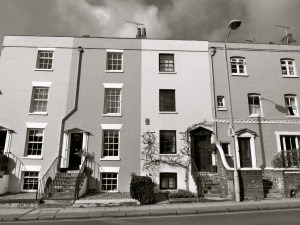
This area is to the south west of the city centre. St Thomas St is a fine street running from the High St to St Swithuns, with a variety of houses mainly C18. Southgate St runs parallel and is much wider, forming a main road out of Winchester to the south. Some of the buildings reflect the width, looking like terraces in London with their yellow-grey brick and white stucco. Southgate becomes St Cross Road as it heads towards St Cross, a village now part of the city. St Cross itself, and the military buildings to the west will be covered another day. I also included the west end of St Swithuns st as this forms a feature at the end of St Thomas St.
Highlights today for me are 11 Southgate St (Aubrey at Marcia Gray), 27a St Swithuns Rd, 26-27 St Swithuns Rd and 13 St Thomas Street (Well House). These are first in the photographs below. I remember when Well House used to be a centre for alternative therapies and I used to take yoga there. I’m sure it is now used for something far more exclusive.
Selected extracts and quotations I’ve chosen from the third chapter (Part 2):
The destructive nature of hatred is everywhere evidenced in intolerance, violence and war. But it also exists in our own lives when we wish others ill or envy what they have.
…
The fewer our demands on life, the greater our ability to see its bounty.
…
Knowledge of yoga is no substitute for practice.
…
Jealousy, envy and resentment impoverish the person who feels them, not just morally but energetically. They literally shrink you.
…
It is exhausting to spend one’s time disapproving of others. It causes the ego to form a hard shell of false pride and certainly has no reforming effect.
…
It is a modern illusion to imagine that positive emotions, sympathy, pity, kindness, and a general but diffused goodwill are the equivalent of virtues. These ‘soft’ emotions can serve as a form of narcissistic self-indulgence.
…
All illness fragments and so whatever integrates also heals.
…
Age may diminish our capacity for vicious action but not for vicious thought or intention. Wars may be fought by young men but they are started by old ones.
…
The practice of asana clears the inner channels for prana to move freely and uninterruptedly. If the nerves are corroded and blocked with stress, how can prana circulate? Asana and pranayama removes the partition that segregates body and mind.
…
If there is anxiety in the body the brain contracts. When the brain relaxes and empties itself it lets go of its fears and desires. It dwells neither on the past nor the future but inhabits the present.
…
Why worry about it? Death is certain. Let it comes when it comes.
Continuing through those films in the IMDB Top 50 I haven’t seen, number 38 is Citizen Kane. I knew very little about this film but had read in various places that it is the ‘best film ever made’. Maybe these writers have a different idea about ‘best’ than I have. I found it hard to like. Admire the technical aspects, yes, but like, no. Of course, ‘best’ doesn’t necessarily mean I have to like it. I can’t help think that it’s a ‘filmmaker film’, admired for it’s technical achievements and structure, it’s shortfalls glossed over. However one film maker, the Swedish director Ingmar Bergman “stated his dislike for the movie, calling it “a total bore” and claiming that the “performances are worthless.” He went on to call Orson Welles an “infinitely overrated filmmaker.”
Spoilers ahead.
I didn’t really understand the event that shaped the film, the mother sending her child away to be brought up by a trust fund manager or banker. This made no sense to me, except the minimal explanation that it was to protect Kane from his abusive father and that the small boarding house was no place to grow up. Or something. Why would a mother abandon her child so readily? This one event leads Kane into a grand, luxurious mess for the rest of his needy life. The plot follows a loose mystery of Kane’s dying word, ‘Rosebud’, showing his newspaper days, political and personal life, and then descent into madness, imposing his will to the extreme. There’s a proper full-on rage scene, smashing up his wife’s room, that just keeps going. Kane ends his days in a preposterous palace, alone, buying stuff, apparently dreaming of happy times on his sledge and throwing snowballs at his house.
A couple of memorable quotes:
“I think it would be fun to run a newspaper. Grrr!”
“What would you have liked to have been?”
“Everything you hate.”
“You never gave me anything in your whole life, you just tried to buy me into giving you something.”
I noticed some odd comedy music between some scenes, also a few surreal shots, such as the heads in the ‘welcome home trophy’ and the cockatoo transition.
The telling of the failure of Kane’s first marriage in just a few short scenes at the dining table was excellent.
Oh no I’ve filled my head with shit. Diverting fizzy tat that as I lie in bed waiting for sleep, comes back around with a slap. And then I’m asleep and my brain is undoing. Not enough time in a night when there’s all the other gumpf to unwind. From all these years. The media is so much filler. Brain cell stuffing. How much can I fit in before it bursts? Or turns sour like a tumour. Then the tunes get me. If there’s not images bouncing around there are the tunes. And these can be worse, like infinite loops; hooky as hell. Oh no I’ve filled my head with shit, and I want more. I’m a glutton for digits awaiting an exhaustion that’s no relief.
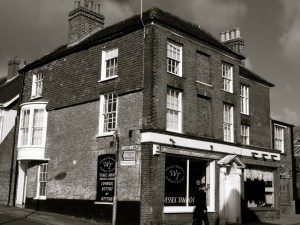
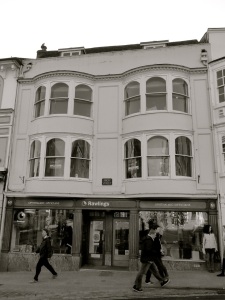
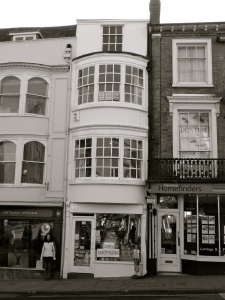
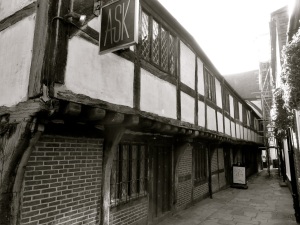
The familiar shopping area of Winchester, right in the city centre. Most of the shop fronts are modern but visible above are the C18 façades. The Prentice, a row of shops with a covered walkway, originates from the C16 with gabled roofs and timber frames. Some are however C19 imitations (for example, above Boots). The Prentice is on the site of the Norman palace. Further up High Street is the grander styling of the banks, one of which is in the old Guildhall. God Begot House was built in C16, it’s rear to the north still unaltered. Next to it is the Tudor-originating The Royal Oak. A sign says it is the oldest bar in England. This is just one of the hard to photograph buildings today, due to the narrowness of the streets and alleys in places. Between the High St and the Cathedral is The Square, a delightful collection of C18 buildings with some C19 shop fronts on fine Georgian buildings. Squished between The Square and Butter Cross (City Cross) is St Lawrence church. At the other end of High St is the tower of St Maurice church, the only part of this church remaining. Nearby, The Body Shop resides in a former chapel. Just off the west end of High St is Walcote Chambers and Trafalgar House, two of my favourites today. Other highlights are 63 High St, 57 High St, 30-31 The Square and 17 The Square. These are pictured first.
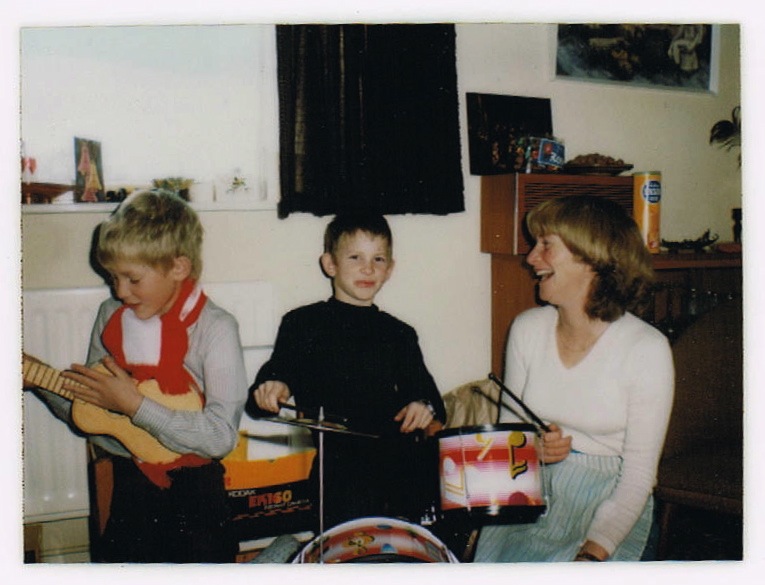
Here we are, Mum, Peter and I at Christmas. I don’t remember this in the slightest, nor our family being musical. Peter’s got his Arsenal scarf, I’m in jazz black and still with chicken pox scars. I probably thought I was in The Police, my favourite band at the time.
You don’t expect to see so many hungry people in a major European city. They line up each day looking for a handout in the soup kitchens and bread lines run by the municipality. But the 40 workers under contract to prepare a basic lunch of pasta and bread say they will lose their jobs in June because the city has run out of money to pay them.
Essentially, the country is broke. And to borrow enough money to stay solvent, the Greek government has agreed to severe austerity measures imposed by the European Union, European Central Bank and the International Monetary Fund. The money will run out next month unless another chunk of the bailout is handed over. But the European Union wants even more cuts in government job, salaries and benefits.
Public employees have already taken a 40 percent pay cut and pensions are being reduced. The private sector has also been hit and unemployment is nearing 20 percent. A staggering 40 percent of youths between the ages of 18 and 24 are without jobs.
Take, for instance, Leo, a 64-year-old painter of religious icons for devout Greeks and tourists. His business dried up. The money ran out and he ended up living on the street. Evicted for not paying rent, Leo, who didn’t give his last name, took warm clothes, books and ten boiled eggs to his new home – a metal bench near a park in central Athens. He spent 45 days in the open with what he called the “unhappy homeless.”
What makes Leo unhappy is the realization that the government is to blame. “They borrowed,” he said. “Every time they needed money they borrowed and then borrowed some more.”
Successive Greek governments borrowed an estimated $498 billion, in essence to bribe the Greek people into being happy. Governments who could offer cushy office jobs, fat pensions and long vacations got re-elected. It made perfect political sense, but it was economic suicide.
Imagine for a moment taking a 40 percent pay cut. Then suffer an increase in sales tax to 23 percent. Add on increased rates for electricity, a new tax on heating oil and the cost of a gallon of gas hitting almost $10. Oh and your pension is not secure, and your kids stay home because there aren’t enough teachers. It is enough to make you sick.
And that’s precisely what the Greeks are doing. Getting ill. Hospital admissions are up 25 percent. At the same time hospital budgets have been cut 40 percent so there are shortages of medicine and staff.
Nikitas Kanekis is the director of Doctors of the World, a charity that runs health clinics. He has the genteel manner necessary to be a pediatric dentist, but the economic decline has unsettled him. “We have seen four times the number of Greek patients over the last year,” he said. “We are afraid the humanitarian crisis can develop into a humanitarian catastrophe.”
It may already be happening. The department of health reports that suicides are up 40 percent. And violent crimes including murder are up almost 100 percent. “We have all the characteristics we see in big cities in the Third World,” said Kanekis. “People with no shelter, starving people and people looking for doctors and medicine.”
1 76.69 Switzerland
2 70.37 Latvia
3 69.92 Norway
4 69.2 Luxembourg
5 69.03 Costa Rica
6 69 France
7 68.92 Austria
8 68.9 Italy
9 68.82 United Kingdom
9 68.82 Sweden
Bottom 10 EPI
123 37.68 Libyan Arab Jamahiriya
124 36.76 Bosnia and Herzegovina
125 36.23 India
126 35.54 Kuwait
127 35.49 Yemen
128 34.55 South Africa
129 32.94 Kazakhstan
130 32.24 Uzbekistan
131 31.75 Turkmenistan
132 25.32 Iraq
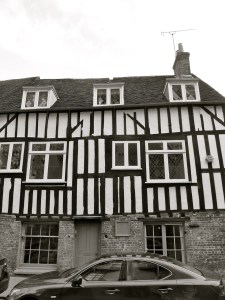
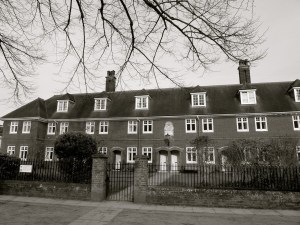
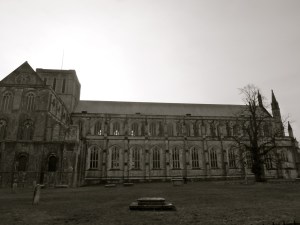
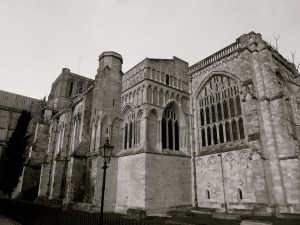
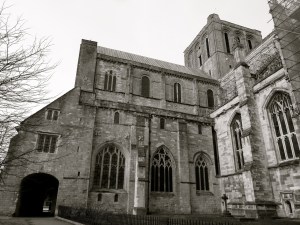
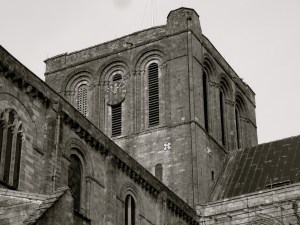
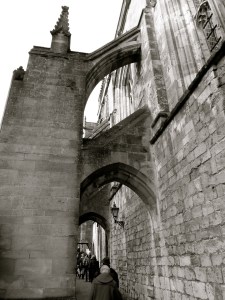
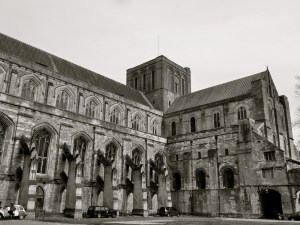
A tour of the listed buildings in the vicinity of the Cathedral. I started north of Kingsgate in St Swithuns St, to Little Minster St, Great Minster St, along the north of the Cathedral grounds (excluding The Square for now, except those whose rears face the green), then south to The Close and Dome Alley and through St Swithuns Gate to the start. Obviously this area in the city centre is dominated by this longest Gothic cathedral in Europe and one of the biggest churches in England with its enormous nave. To the south and west are typically charming C17 and C18 century town houses, and in The Close a variety of styles of buildings from medieval to C18. Dome Alley is an interesting example of a C17 purpose-built street, within the walls of the cathedral grounds. Christs Hospital and Morleys Alms Houses are also in the area.
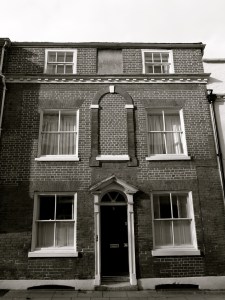
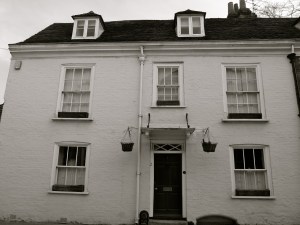
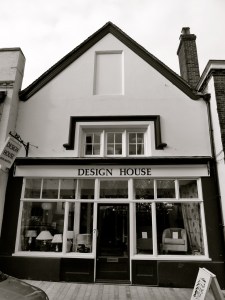
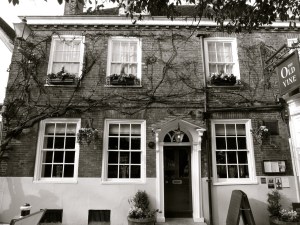
My favourites this time are 3 St Swithuns St, 2 Great Minster St and 8 Great Minster Street (same building as The Old Vine)
Due for completion in July this year, work on the pavilions is really moving forward, with most of the major construction work completed. Currently the verandahs and walkways are being built in a horseshoe, linking the seven buildings with boardwalks.
The pavilions are heated using a geothermal system. Deep down, the temperature is a constant 14 degrees C year round. Installed by a local company using the most efficient technique for heating, it uses a multiplier to build the heat enough for hot water and underfloor heating. A heat exchanger will circulate the warm air. The pavilions are highly insulated using paper pulp in the walls and polystyrene under the floor. The windows and patio doors are triple glazed, made in Sweden.
Each pavilion is for accommodation, with shared kitchen spaces. Two will be for students only, one for staff only, and the others a mix of students, mature students and staff. The staff pavilion has two flats, each with two bedrooms, designed for those staff with a family.
I’m looking forward to seeing the project move toward completion in the coming months, with the interior fittings, walkways and landscaping.
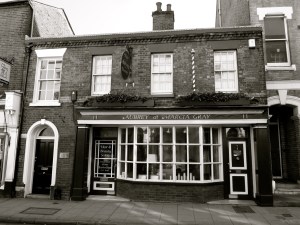
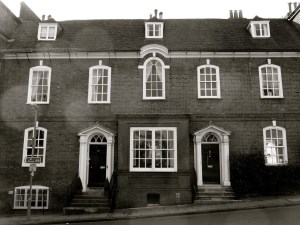
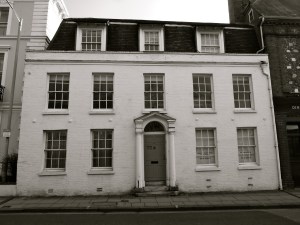
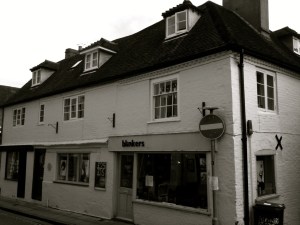
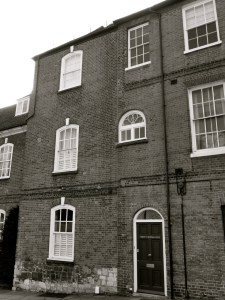
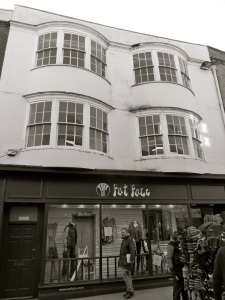
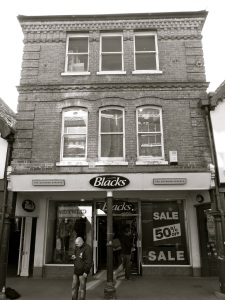
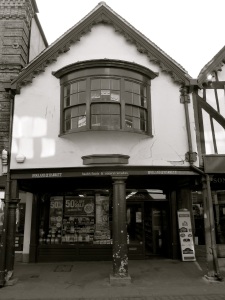
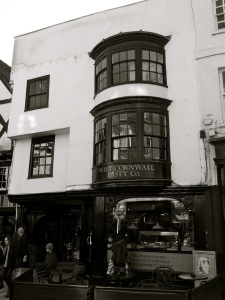
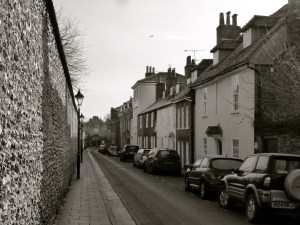
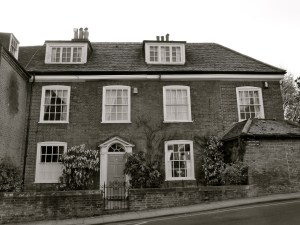
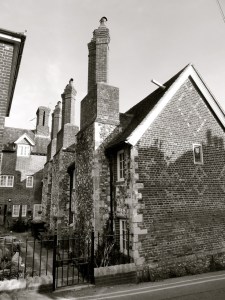
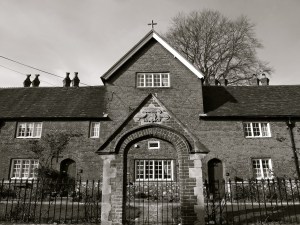
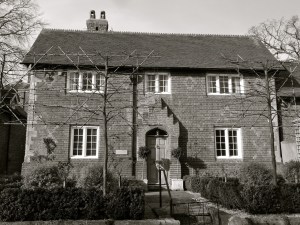
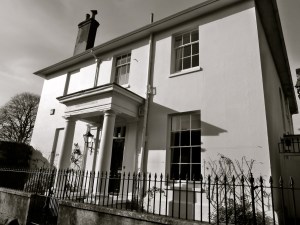
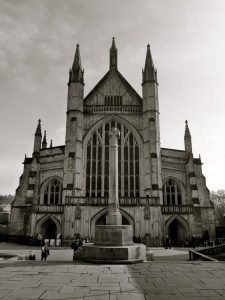
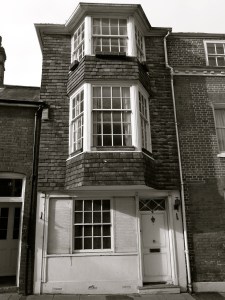
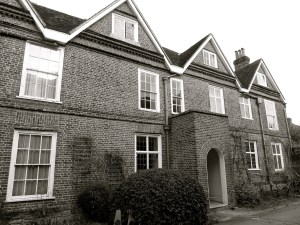
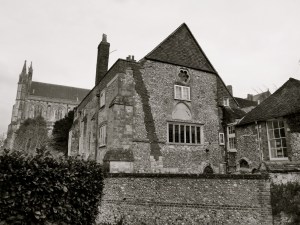
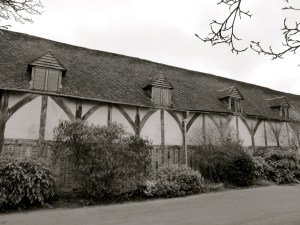
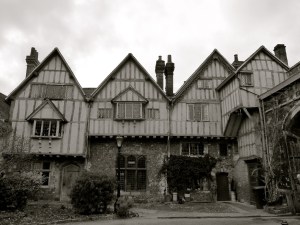
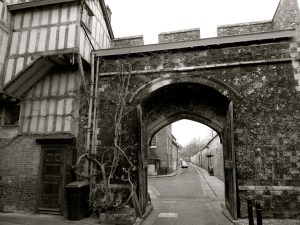
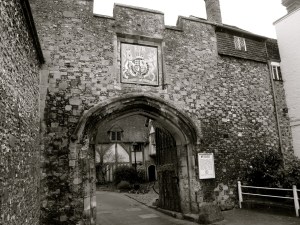
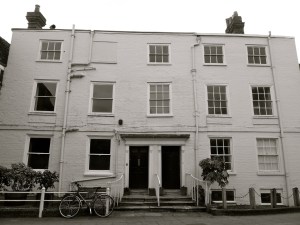
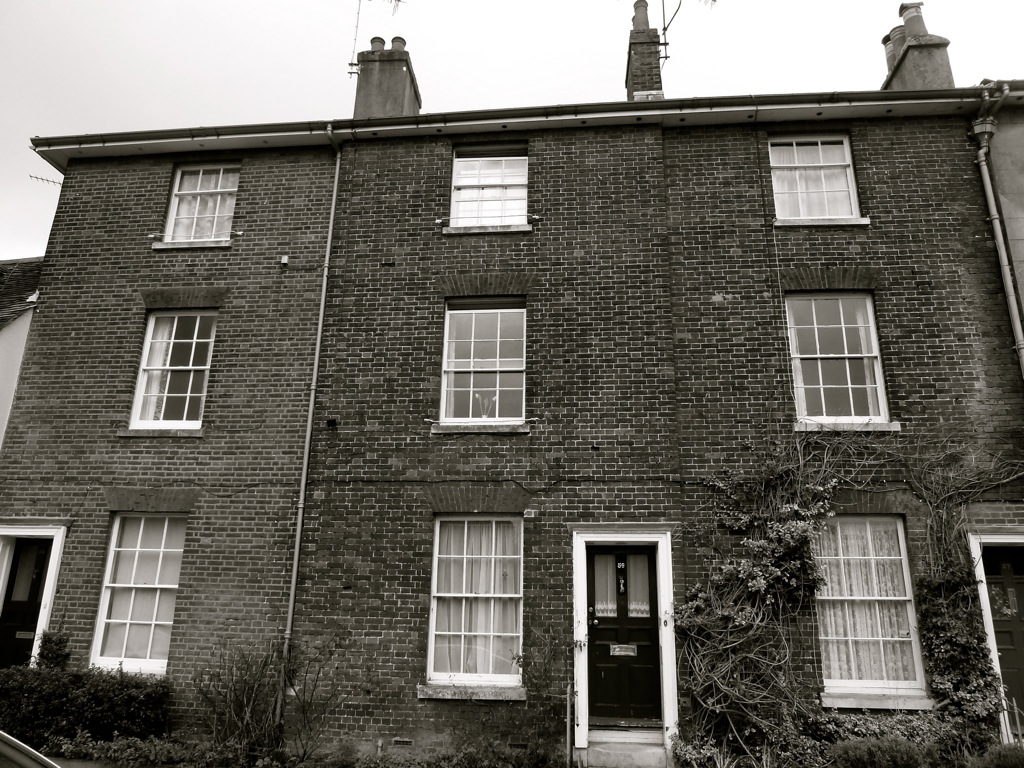
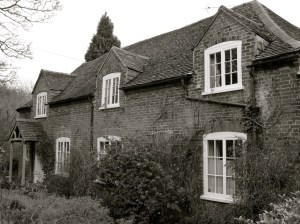
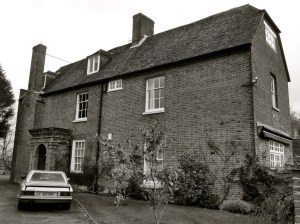
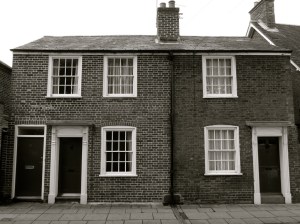
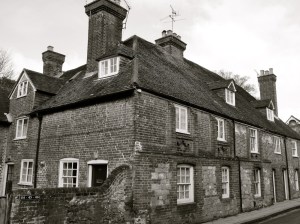
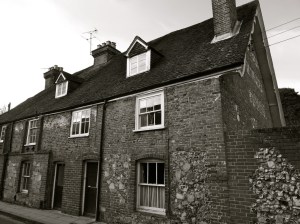
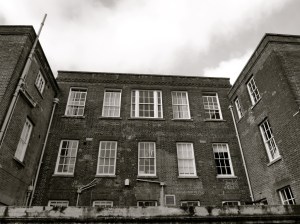
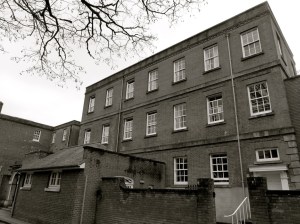
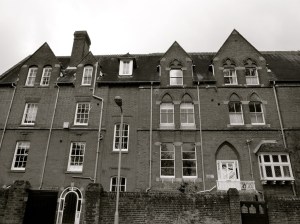
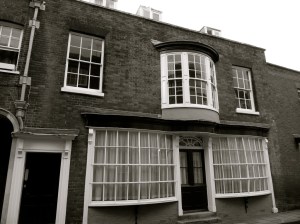
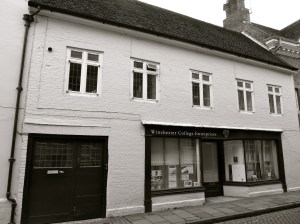
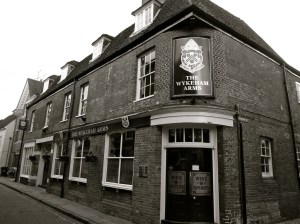
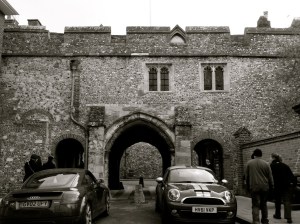
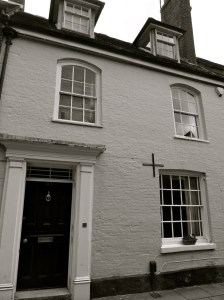
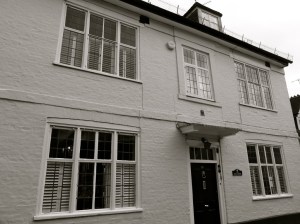
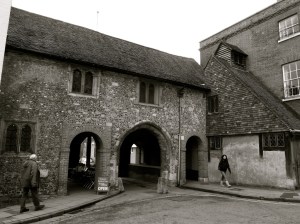
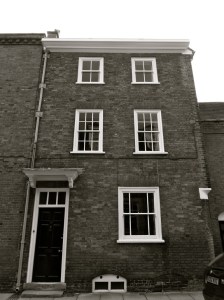
Continuing my tour of the Listed Buildings of Winchester, today I covered Kingsgate Rd/St and Canon St. This area is to the south of the city centre, outside of the old walls. From the medieval gate, Kingsgate Street runs directly south towards St Cross, transforming into Kingsgate Road after Romans Road. The road is wider and more rural as you head away from the gate, the buildings even becoming more mossy. Walking north towards the gate, as the street gets narrower there is a charming view of a gently winding Georgian road that can’t have changed very much in more than 200 years. To the east are the college playing fields and various faculty buildings (for another tour), and to the west many Victorian villas and more college buildings around Culver Rd and Romans Road, including the music department. Kingsgate St contains several college boarding houses, including the large purpose-built Kingsgate House (Beloe’s) and the far older Moberly’s. Near Kingsgate itself, running E-W is Canon St, flanked by the city wall for much of its north side. At the eastern end are several C18 houses from small terraced to the imposing No 64. Unusually, above the gate is a church, with its entrance on the north side of the gate.
My favourite buildings this time are 46 Kingsgate Rd, 55-57 Kingsgate St, 65 Kingsgate St, and 47 Canon St. These are ordered first below, after the view looking north up Kingsgate St:



































































































































 Falling Awake