Brockwood Park School Pavilions Project – Update May 2012

Brockwood Park School Pavilions Project - Clearing the area by the caravan (228/365) Sep 2010Weatherboarding - Brockwood Park School Pavilions ProjectRoof Tiles and Skylights - Brockwood Park School Pavilions ProjectRoofing - Brockwood Park School Pavilions ProjectRoof Tiling - Brockwood Park School Pavilions ProjectPulp Wall Insulation - Brockwood Park School Pavilions Project
Trustees and Visitors Tour - Brockwood Park School Pavilions ProjectDragon Tie - Brockwood Park School Pavilions ProjectInterior Corridor - Brockwood Park School Pavilions ProjectInterior Woodwork - Brockwood Park School Pavilions ProjectSwedish Triple Glazing - Brockwood Park School Pavilions ProjectPavilions 2 & 3 - Brockwood Park School Pavilions Project
Walkway roof - Brockwood Park School Pavilions ProjectHeat exchanger (geothermal) - Brockwood Park School Pavilions ProjectOak beam detail - Brockwood Park School Pavilions ProjectCeiling detail - Brockwood Park School Pavilions ProjectCommunal area, Pavilion 4 - Brockwood Park School Pavilions ProjectStudent sIngle bedroom - Brockwood Park School Pavilions Project
Pavilion 4 - Brockwood Park School Pavilions ProjectThe first students upstairs - Brockwood Park School Pavilions ProjectUpstairs Railing - Brockwood Park School Pavilions ProjectSkylight - Brockwood Park School Pavilions ProjectPavilion 5 - Brockwood Park School Pavilions ProjectPavilion 6 - Brockwood Park School Pavilions Project

With the recent visit of International Trustees, I was able to enter the site for the first time since January. The roof tiles and weatherboards are being put in place and all the of insulation has been pumped in. Wet paper pulp for the walls. A change to the original design are several mezzanine platforms for spare beds and home workspace.

The Vyne, Basingstoke

The Vyne - EntranceThe Vyne - LobbyThe Vyne - InteriorThe Vyne - TapestryThe Vyne - InteriorThe Vyne - Bedroom
The Vyne - Four Poster BedThe Vyne - InteriorThe Vyne - HallThe Vyne - FireplaceThe Vyne - WindowThe Vyne - Statue Charles I
The Vyne - StatueThe Vyne - PaintingThe Vyne - StatueThe Vyne - Main StairsThe Vyne - Staircase HallThe Vyne - Staircase Hall
The Vyne - SketchesThe Vyne - StudyThe Vyne - WheelchairThe Vyne - Plant RoomThe Vyne - Plant Room HeatingThe Vyne - Statue

The Vyne, a set on Flickr.

Photos of the interior and exterior of The Vyne, a National Trust Property near Basingstoke in Hampshire. There are many statues inside, and some freaky paintings. It was a relief to get outside away from the oppressive panelled rooms and into the grounds and woodland. I did like the Staircase Hall and the surprisingly simple bedrooms

Hampshire Architecture – Petersfield: College Street, Dragon Street, Sussex Road

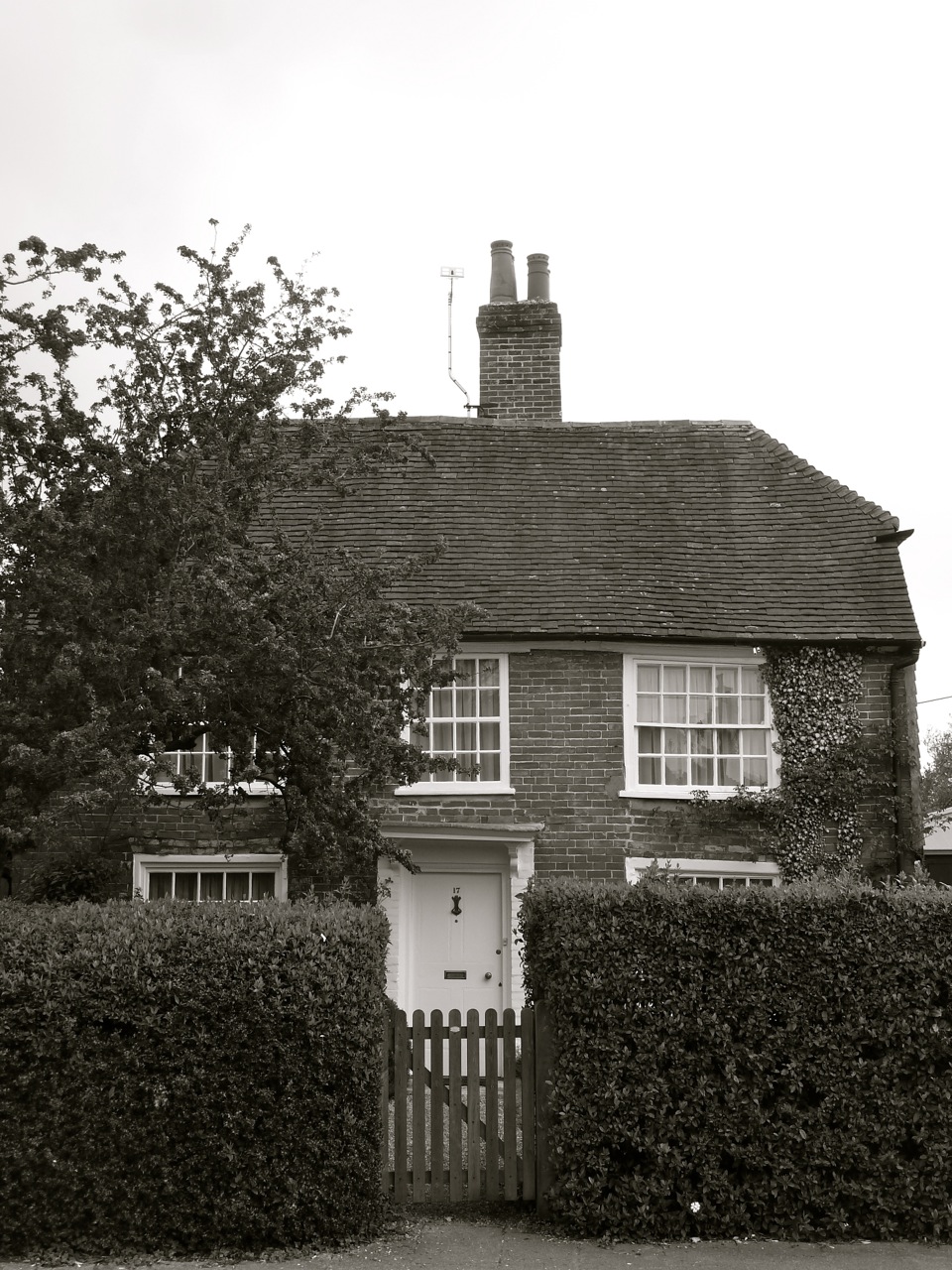
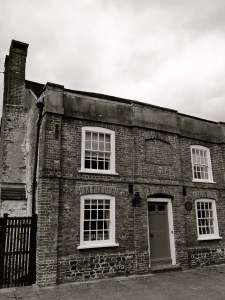
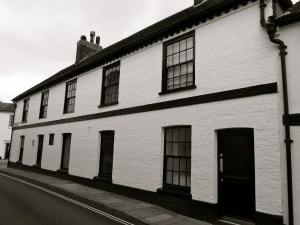
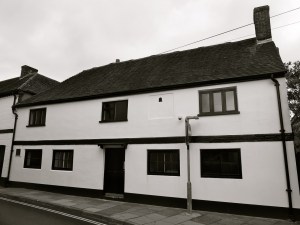
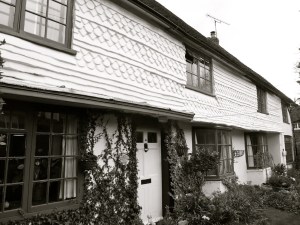
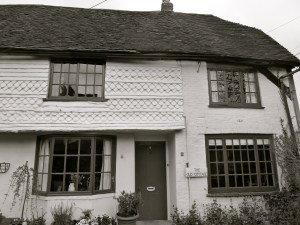
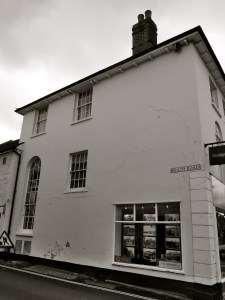
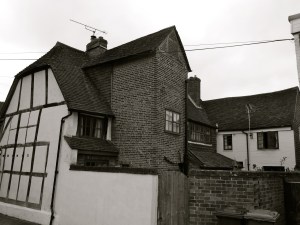
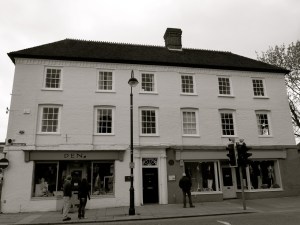
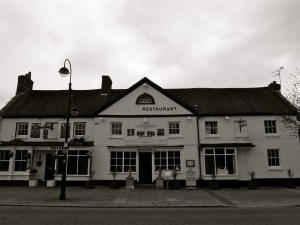
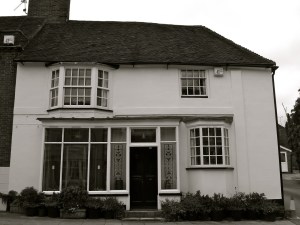
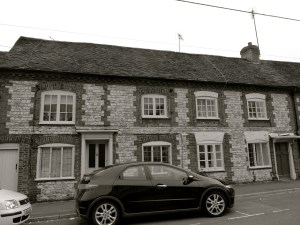
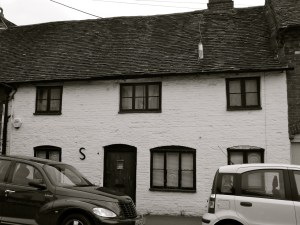
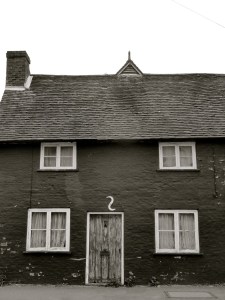
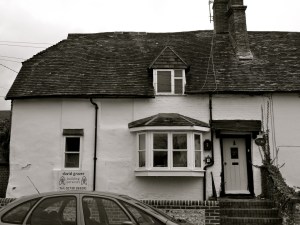
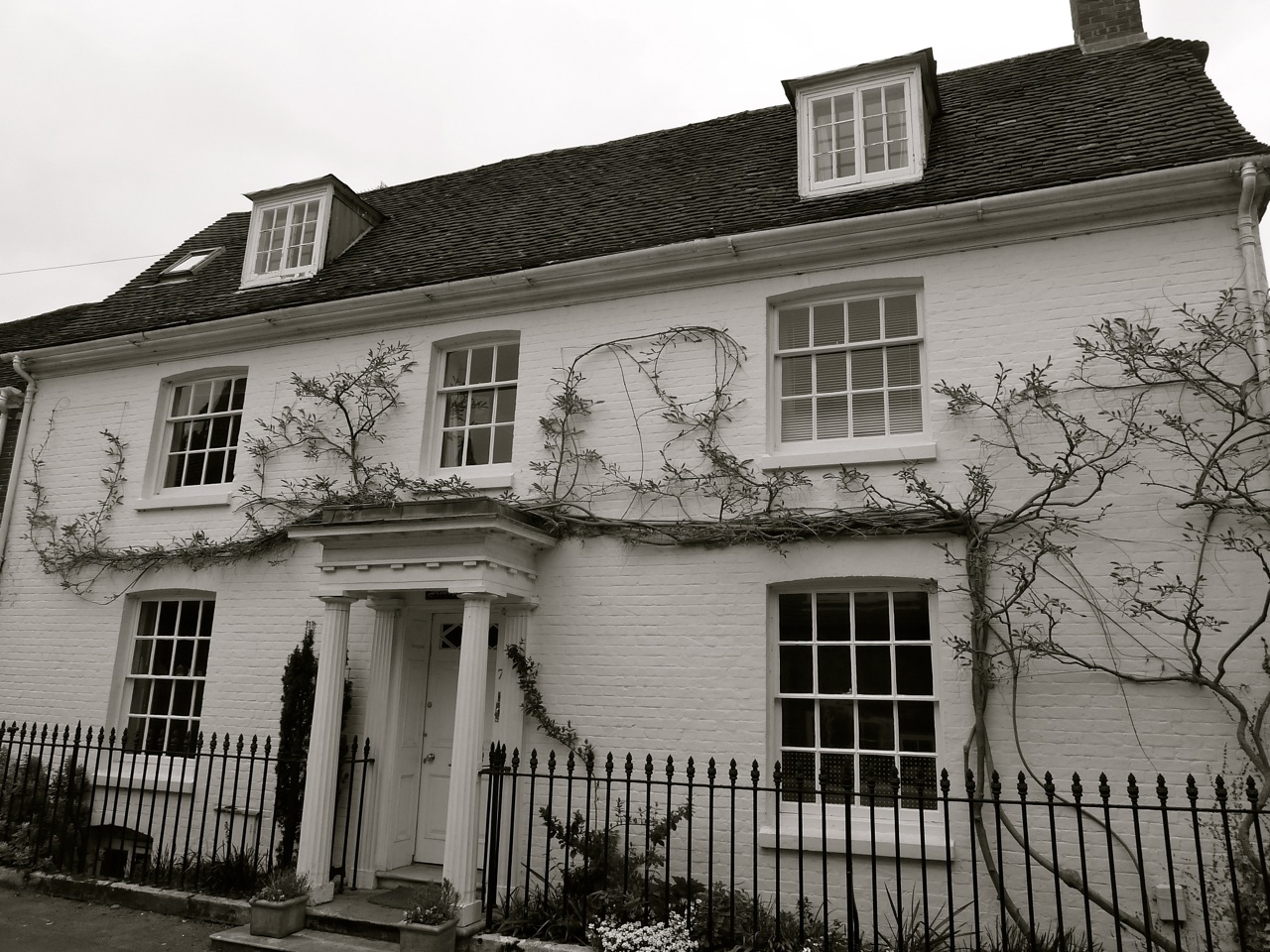
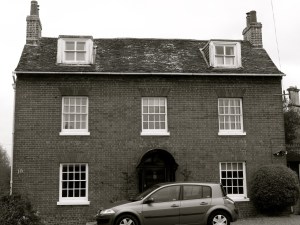
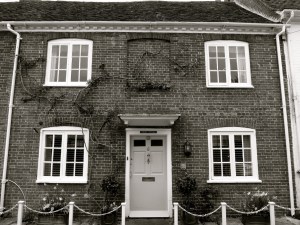
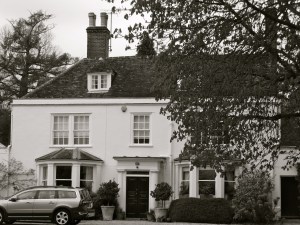
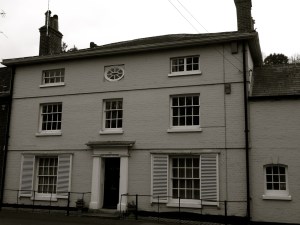
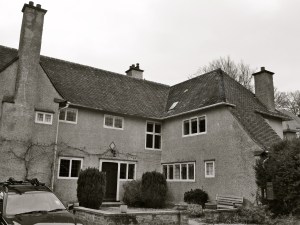
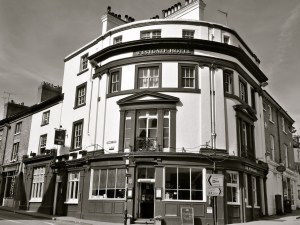
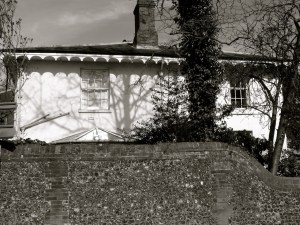
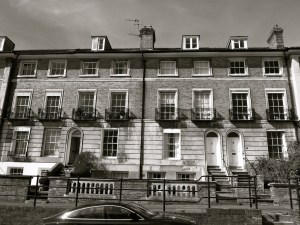
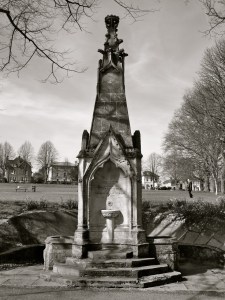
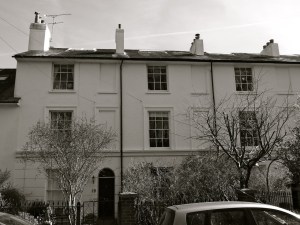
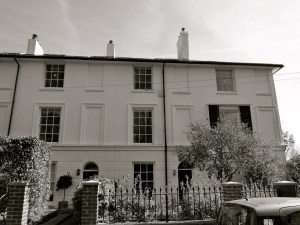
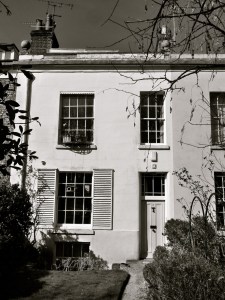
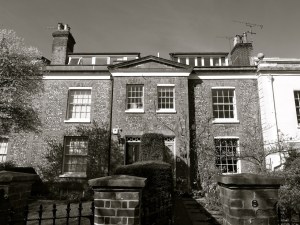
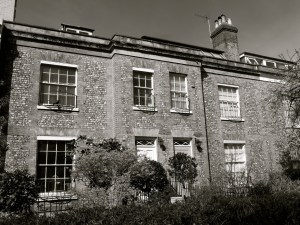
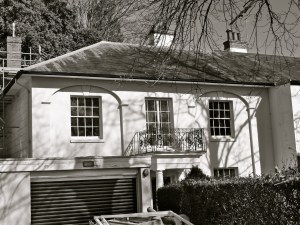
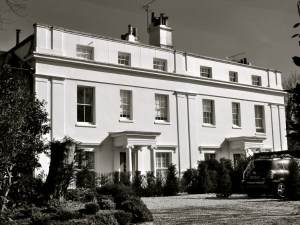
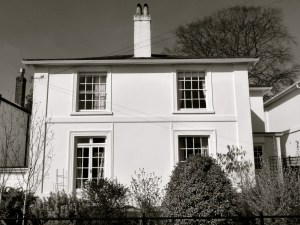
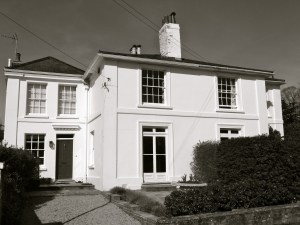
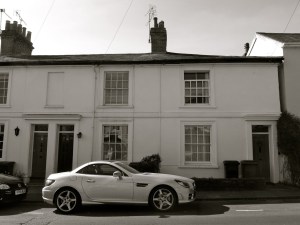
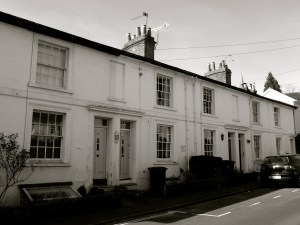
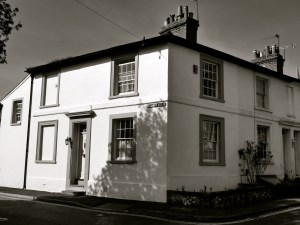
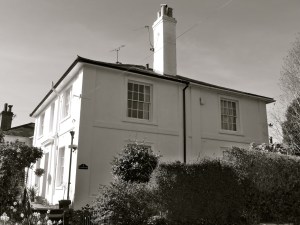
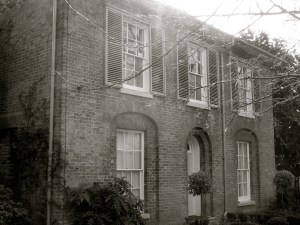
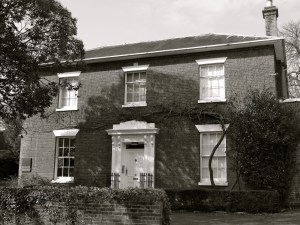
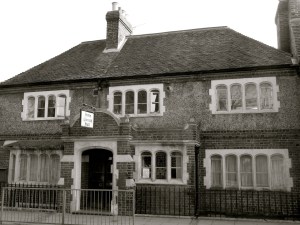
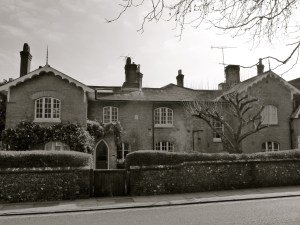
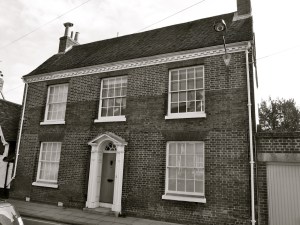
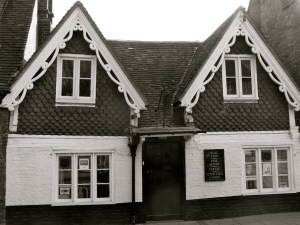
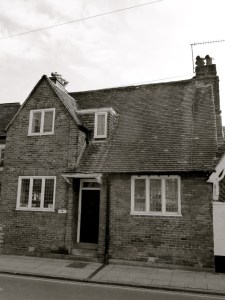
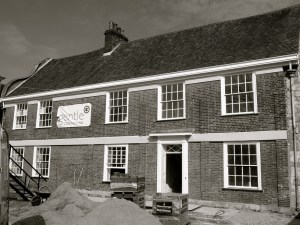
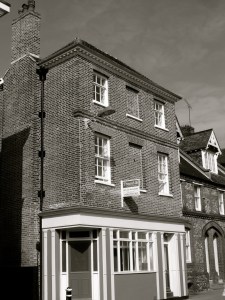
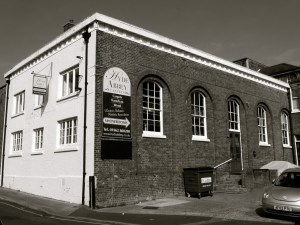
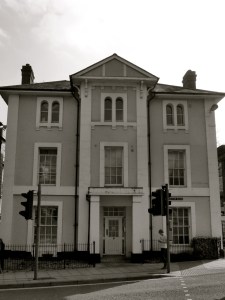
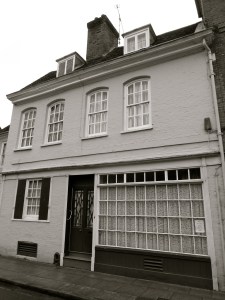
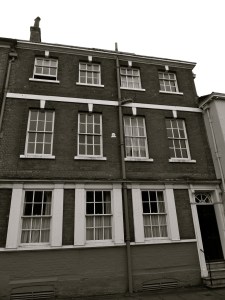
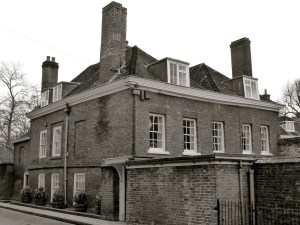
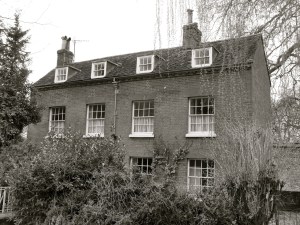
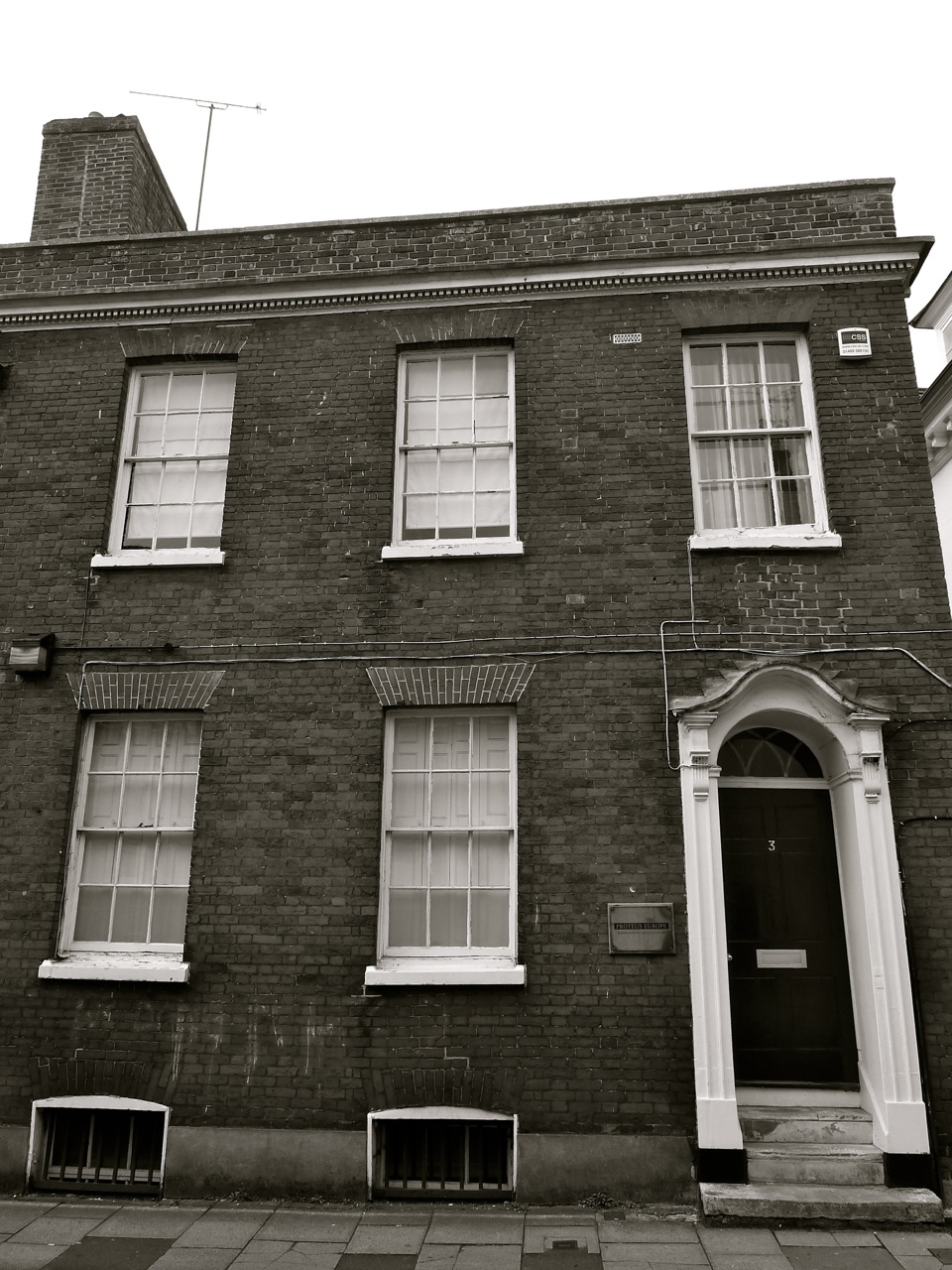
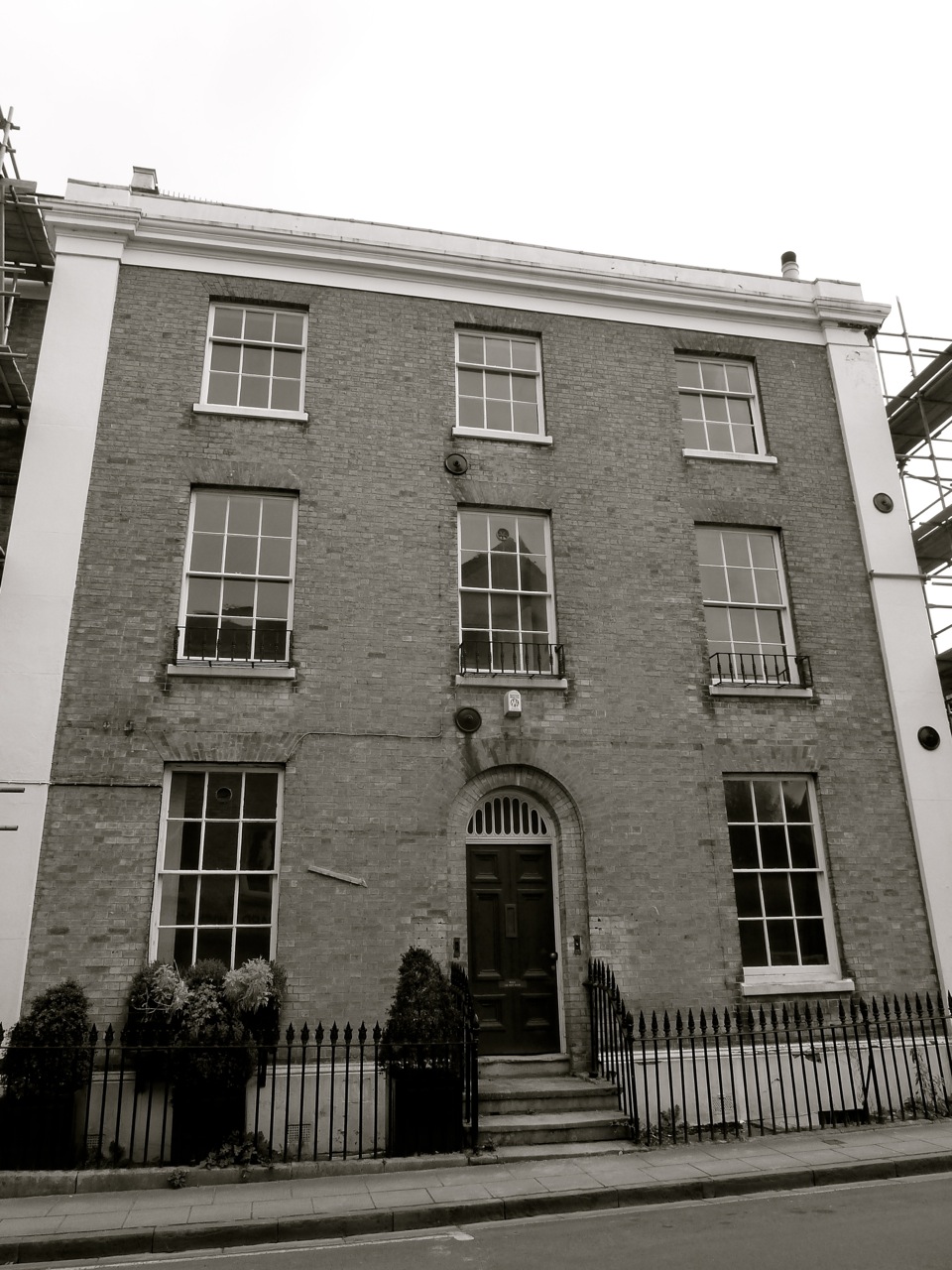
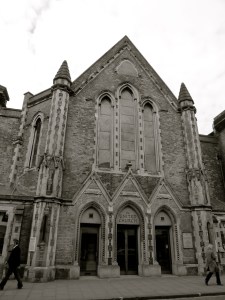
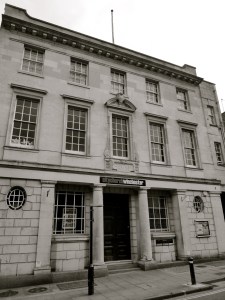
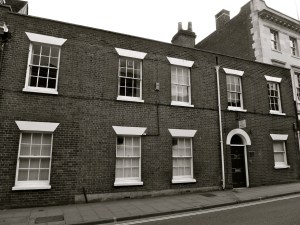
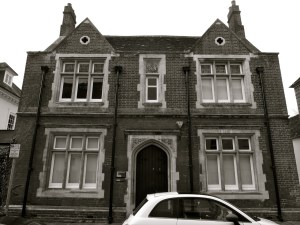
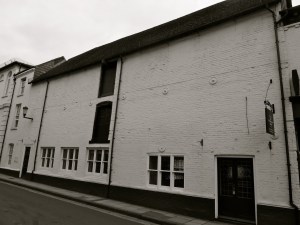
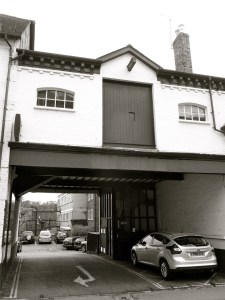
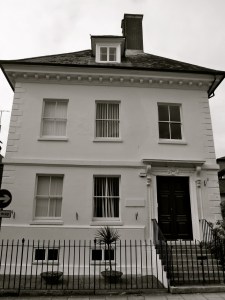
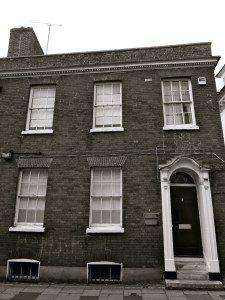
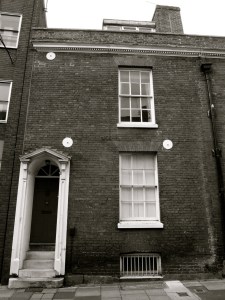
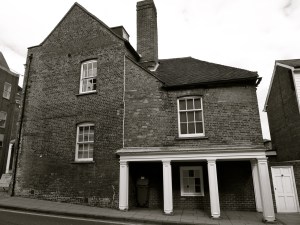
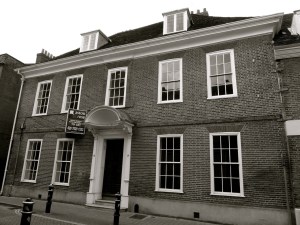
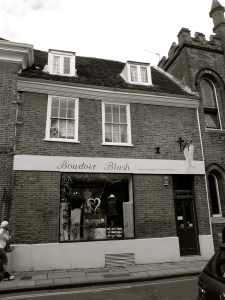
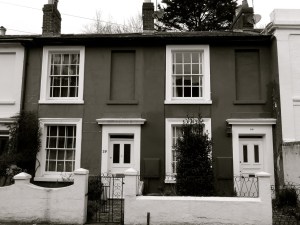
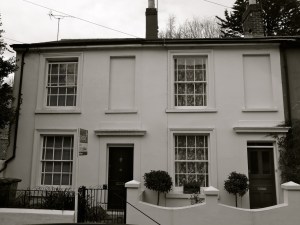
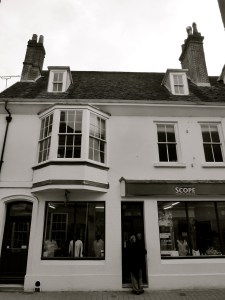
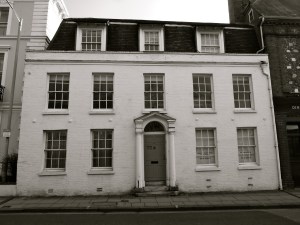
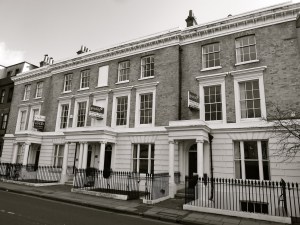
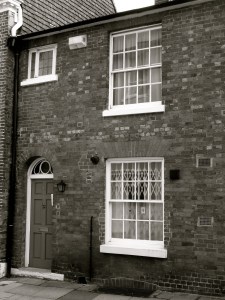
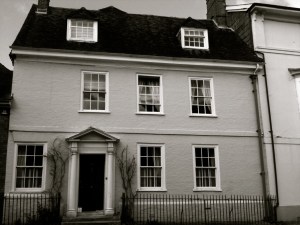
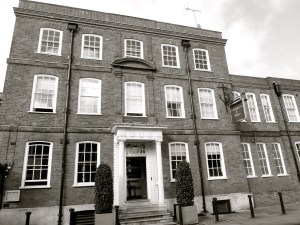
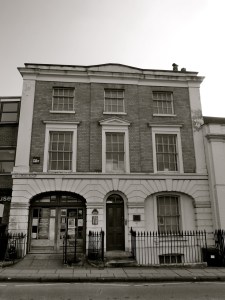
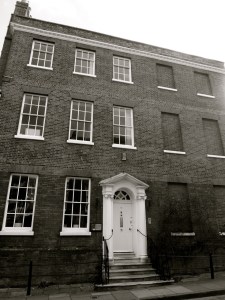
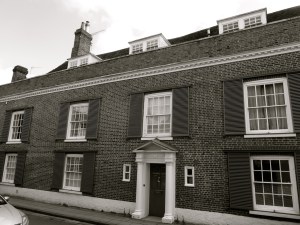
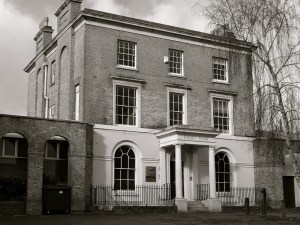
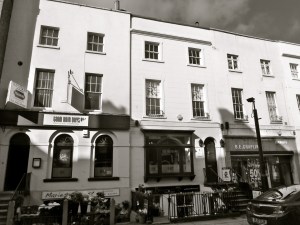
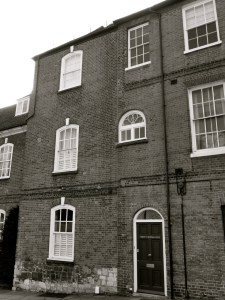
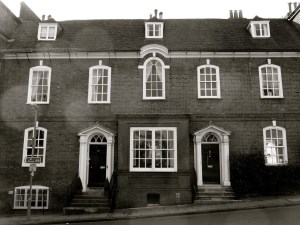
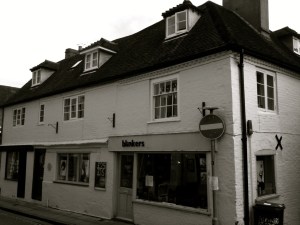
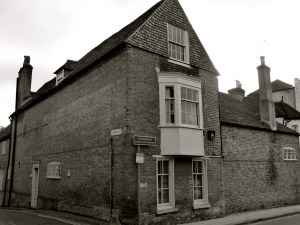
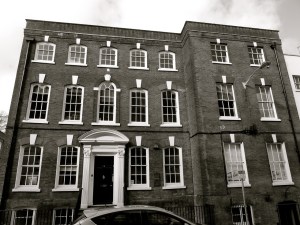
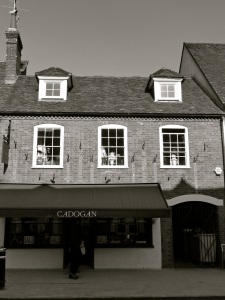
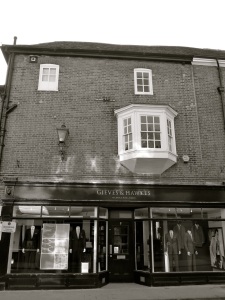
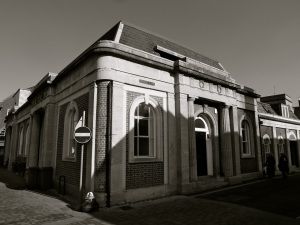
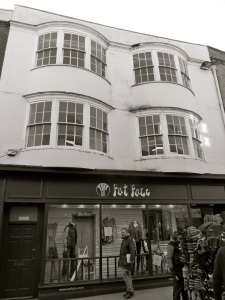
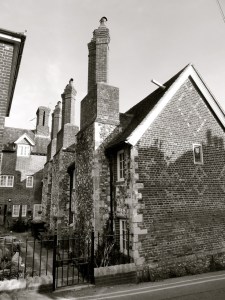
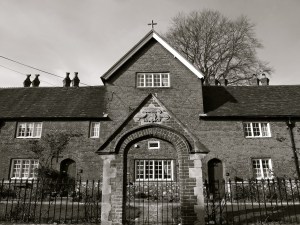
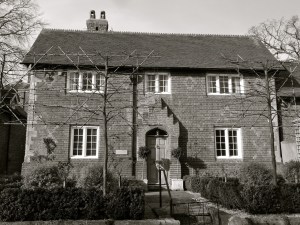
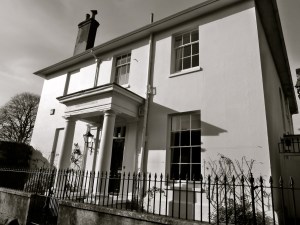
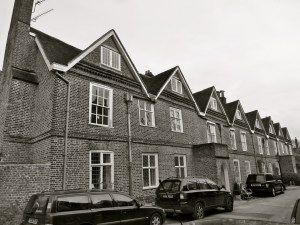
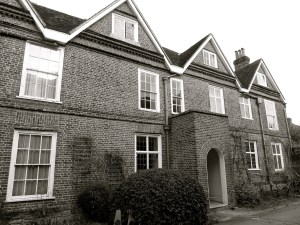
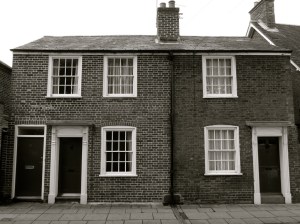
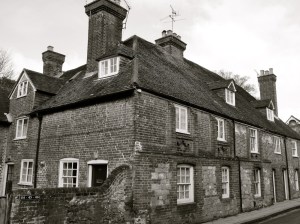
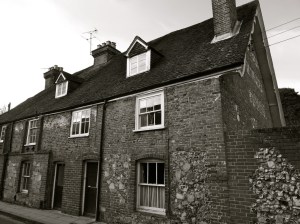
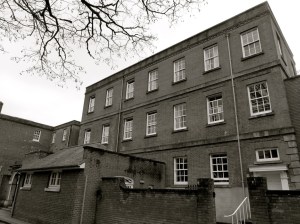
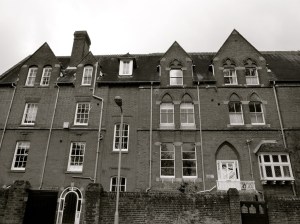
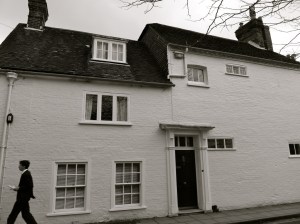
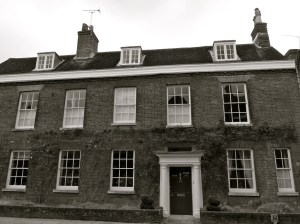
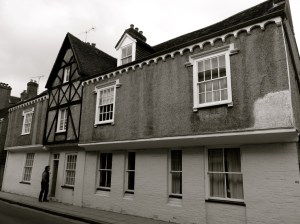
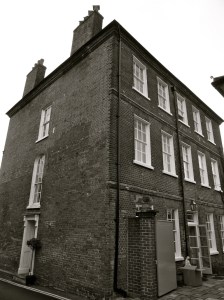
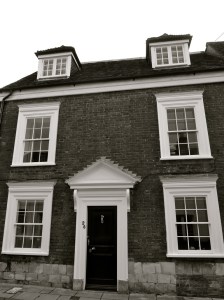
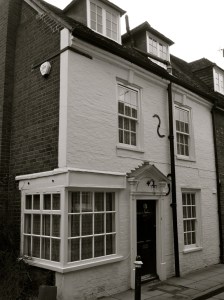
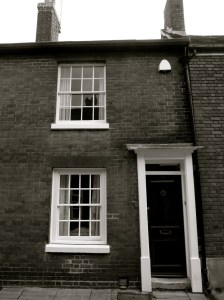
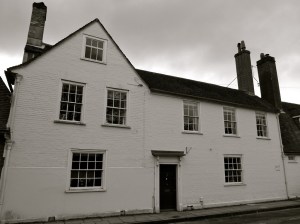
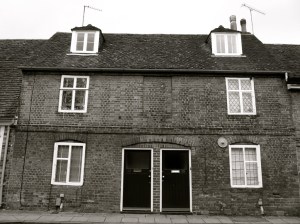
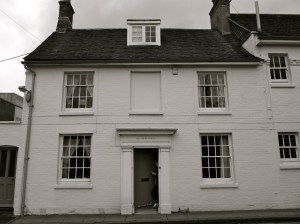
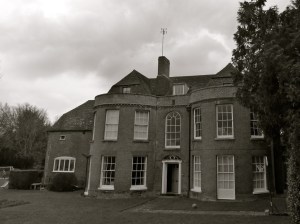
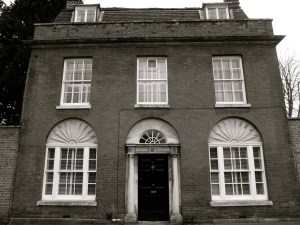
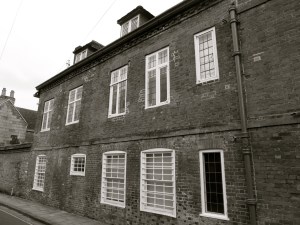
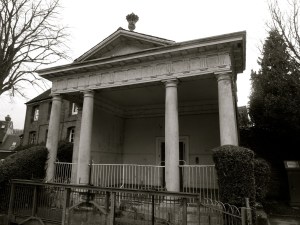
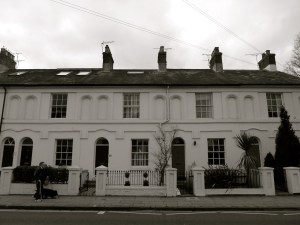
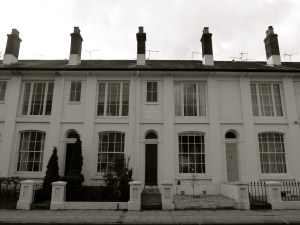
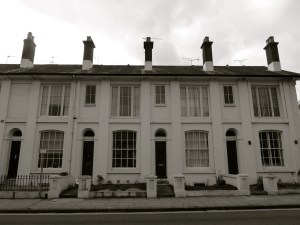
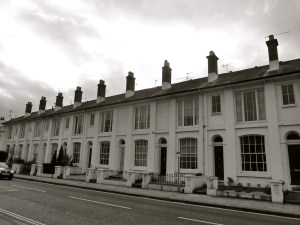
Petersfield is a market town 18 miles north of Portsmouth and about 20 miles east of Winchester. Today I explored the eastern side of the town centre from the old college in College St, past the western end of the High Street onto Dragon Street and further east into Sussex Road which leads to the heath. Most of the listed buildings here are C17 and C18, with some C16 and C19. Many have older sections behind the newer facades, evidenced by the uneven roofs. Compared to Winchester, the increased amount of space for building is apparent, with many of only two stories. Petersfield grew as a coach stop on the Portsmouth-London route and due to its market. The Red Lion is a large in on this historic route. The pictures below are all of Grade II buildings, with the exception of Dragon House and Heath Lodge, both II*. Pictured first, my favourites today are Fir Cottage, The Masonic Hall, and 24/26 Dragon St. I am grateful to the owner of Wych Elm Cottage for allowing me onto her property to take that photograph.

Hampshire Architecture: St Cross

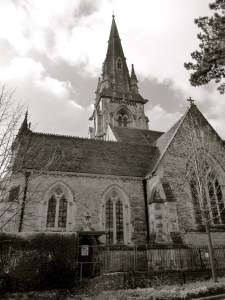
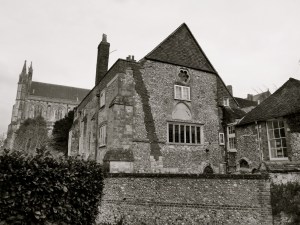
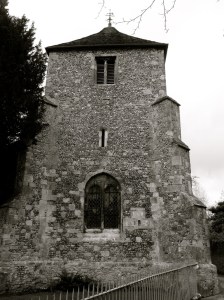
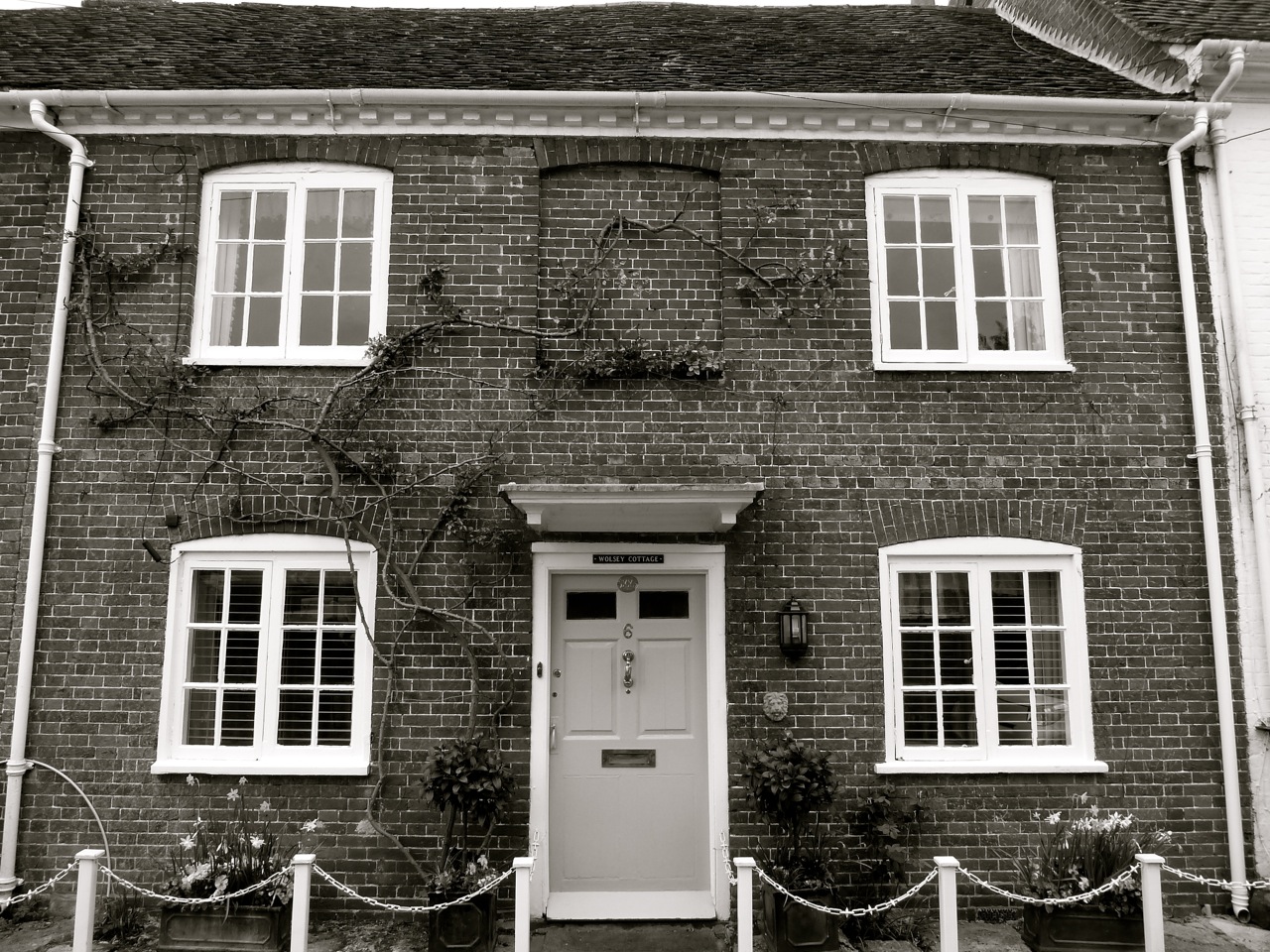
Is St Cross a Winchester suburb or is it a village? St Cross is one mile south of central Winchester next to the meadows of the Itchen, underneath St Catherine’s Hill. Away from the main road there is the feel of a village, in the Back Street and around the medieval Hospital founded in 1130, along with some old cottages. On the busy St Cross Road it’s very much part of the city, with groups of C18 and C19 town houses, Georgian and Regency. The group of buildings of the hospital is described in the Listed Buildings section of English Heritage as “One of the most beautiful groups of buildings in the country”

Favourites today are 6, 7 and 10 St Cross Back Street, and of course the mini-cathedral of St Cross Church. These are ordered first in the photographs below:
Winchester Architecture – Villas, Terraces and Outskirts

The final collection of listed buildings in Winchester. This set includes the urban eastern end of St James Lane, up onto West Hill, Romsey Road, then Stockbridge Road and Worthy Lane. In the C19 the wealthy of the city built villas and terraces up on the downs to the west, away from the diseases that were plaguing the lower areas. St James Lane is steep and leafy once it leaves St Cross Rd. St James Terrace runs alongside the railway. Further up are Clifton and West End Terraces. To the west are the hospital (note Butterfield Wing), prison, and the university which includes turn of the century (19-20) West Down School buildings. The northern outskirts include some thatched cottages and the old farmhouse of Abbotts Barton – C17 rural architecture in amongst the 70s housing estates.

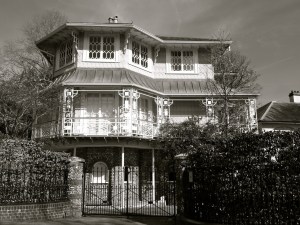
Favourites in this last set include St James Villas, The Pagoda House and Stapenhill. These are first in the photographs. Click for larger images.

Previously

Winchester Architecture – Peninsular Square and Castle Hill

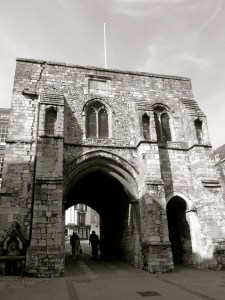
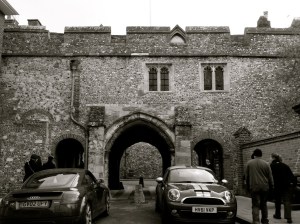
This is the area of the former Winchester Castle, at the south western corner of the medieval city walls, rising above the city. Following this historical land use, the area continues to house the administrative offices of Hampshire County Council, whilst Peninsula Square, now residential, was once a complex of military Barracks and army buildings c1900. All that remains of the castle is the Great Hall and some remains of walls, although The Westgate is of a similar age to the hall. The council offices are C19-C20 despite the Elizabethan style.

Winchester Architecture – Hyde

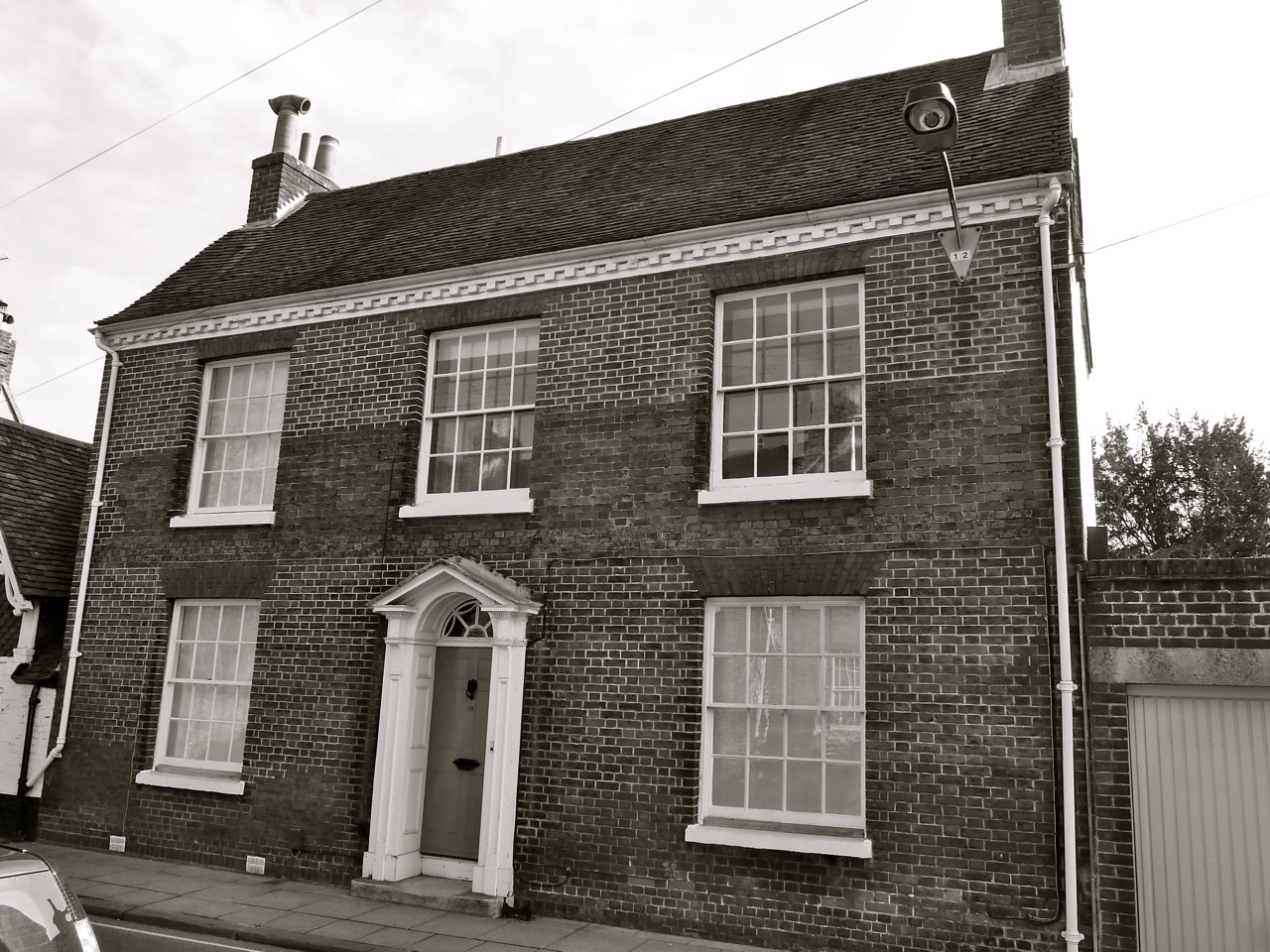
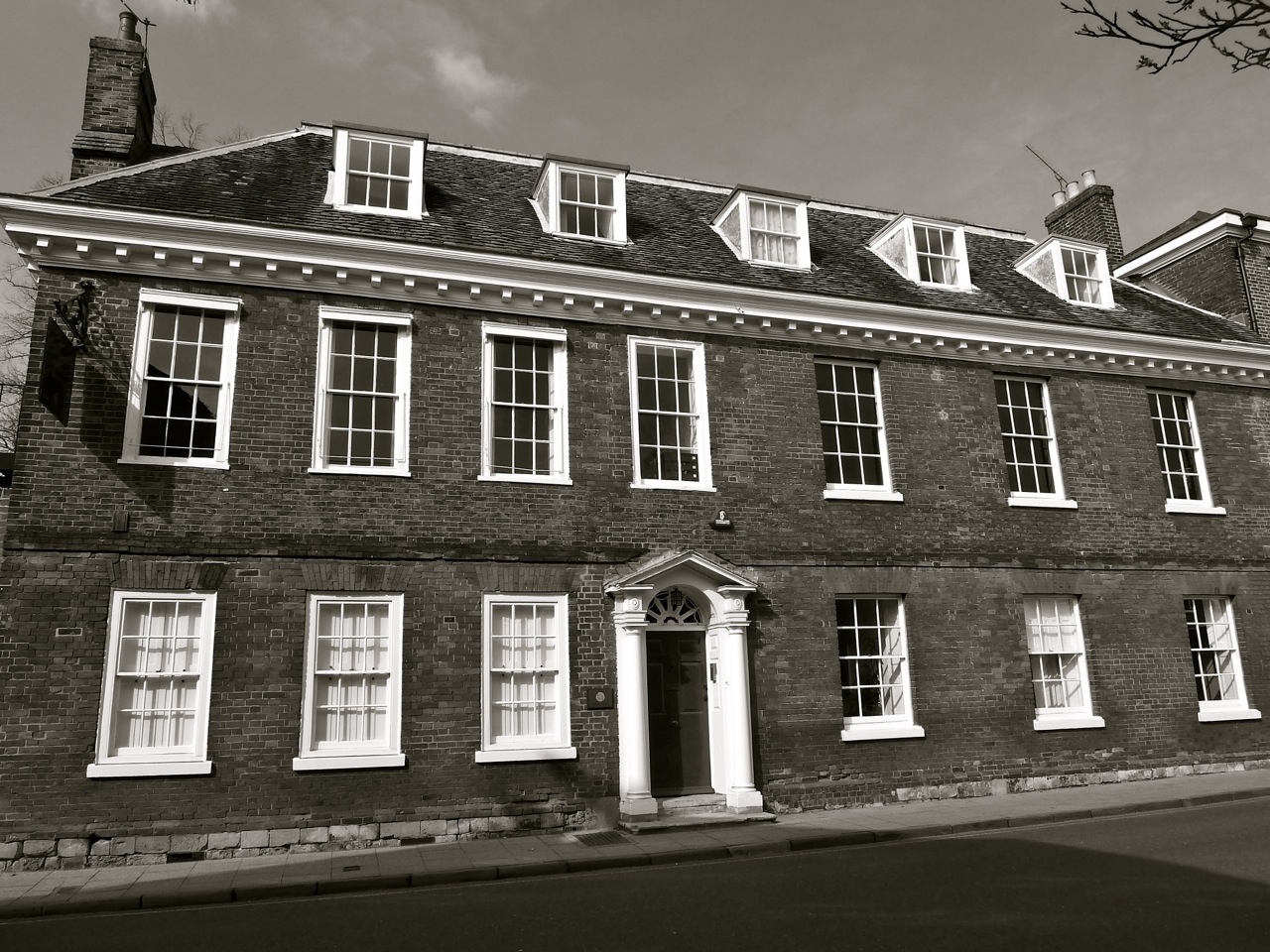
The site of the medieval Hyde Abbey is north of the old city walls. It has the feel of a village and a character of its own, set apart from the rest of Winchester, although very close by. The area around St Bartholomews Church is very peaceful and quite charming, except for the men drinking in the Abbey Gateway at 10am. Only a couple of buildings and bridges remain of the Abbey itself. Most of the listed buildings here are on Hyde Street, with some fine C17 and C18 detached properties, often matching. Also included are a couple of C20 buildings, listed ‘for group value’. A little further west is an old schoolhouse and the former Eagle hotel.

My favourites today are the church, 58 Hyde St, 33 Hyde St, and Hyde Abbey House. These are first in the photographs below:

Winchester Architecture – Winchester College and College Street

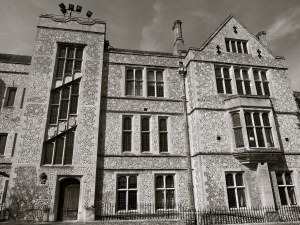
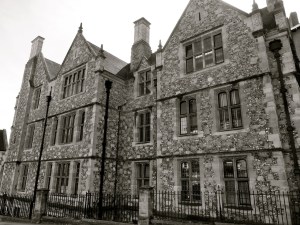
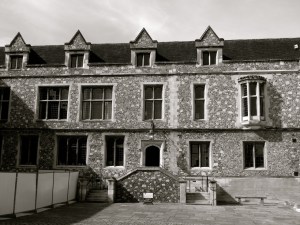
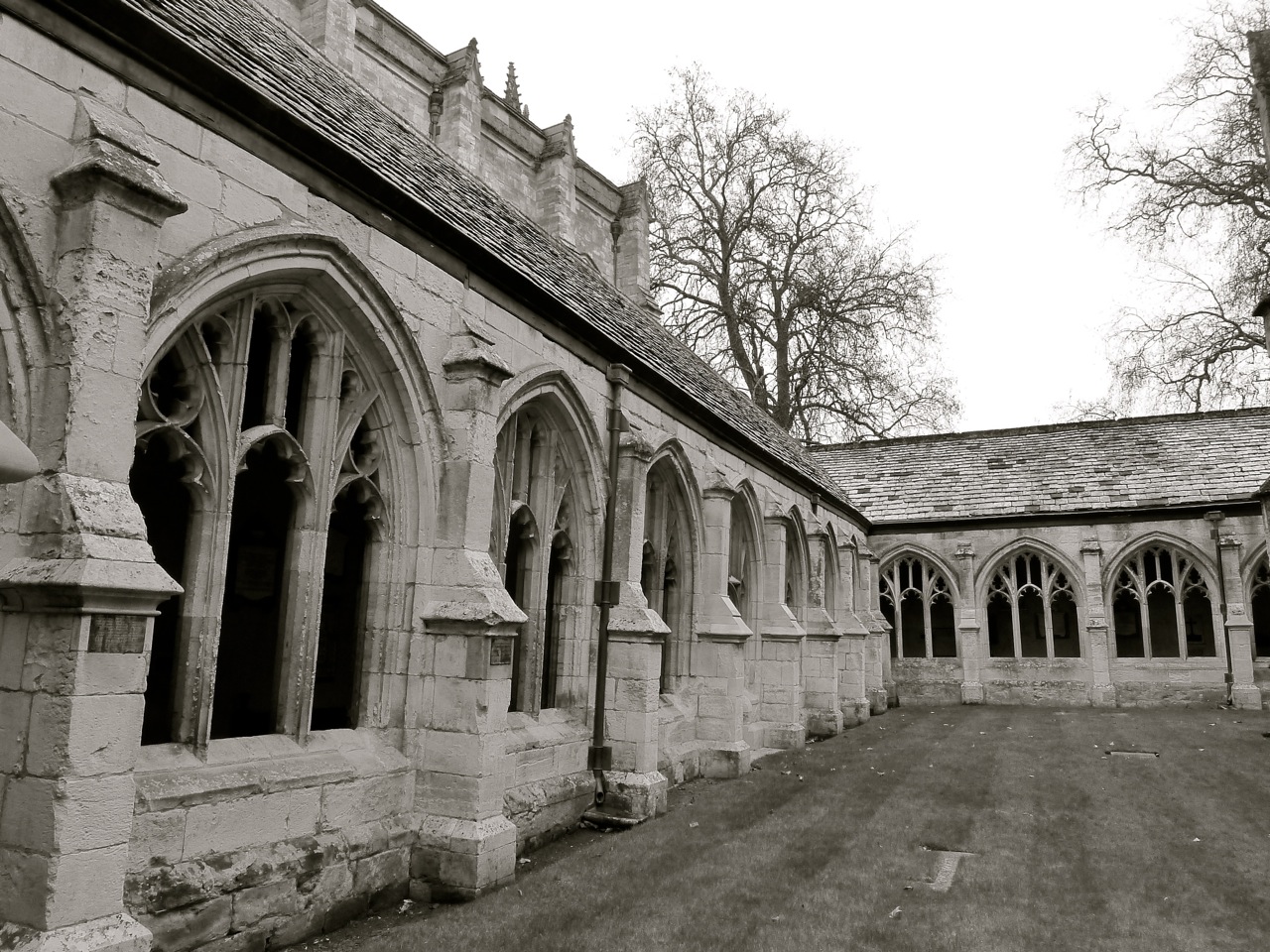
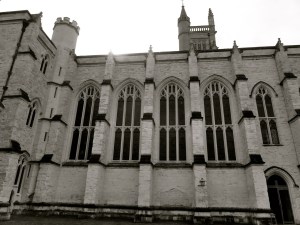
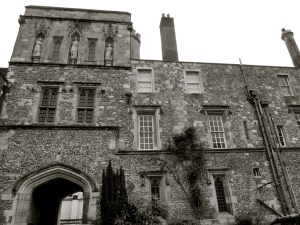
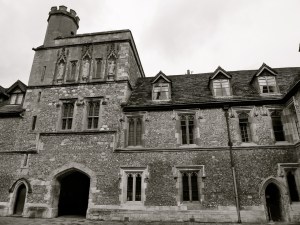
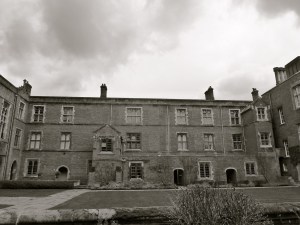
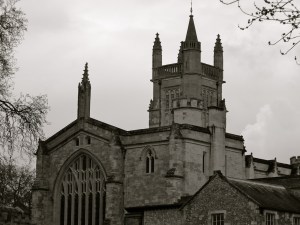
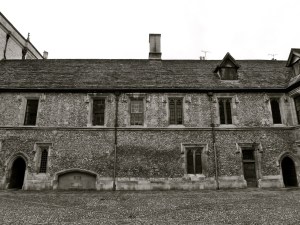
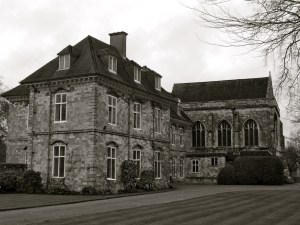
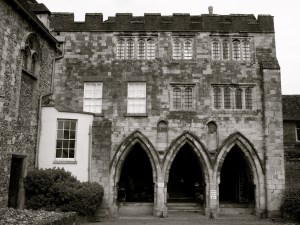
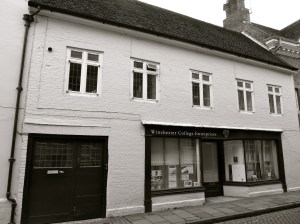
College Street runs east from Kingsgate, south of Cathedral Close. The street begins typically, with a few shops in C18 buildings. Further along is the house where Jane Austen died, and Wolvesey Palace, the home and offices of the Bishop of Winchester. Attached to this Christopher Wren building is the former chapel of Wolvesey Castle, a medieval palace now in ruins. To the south is the campus of Winchester College. From outside the walls one can see the Warden’s Lodgings, a grand house built above (and forming) the flint walls of the college boundary. Also built into the wall is the C14 Brewhouse, now Moberley Library and a little further back, the Headmaster’s House. The Outer court is largely C14, with the middle gate, Chambers Court, Hall, Chapel and Cloisters all built around the same time. This formed the early school. Expansion took place with a new building simply called School in the C17, and the Sick House. Then in the C19 came Flint Court, Moberleys Court and the Memorial Building. In the C20, the college expanded further south with the War Memorial Cloisters and Art and Science Departments (not listed). To the east are a couple of mills on the Itchen. The boarding for students is all on or around Kingsgate St (see other post). Winchester College forms a unique architectural history, with continued educational and religious use since the late thirteen-hundreds. (Entry is via a tour: £6)

9 College Street, Wolvesey Palace, and the College Cloisters were today’s favourites and are first in the photo set below.

Winchester Architecture – Brooks, Parchment St, St Peter St, Jewry St, Tower St

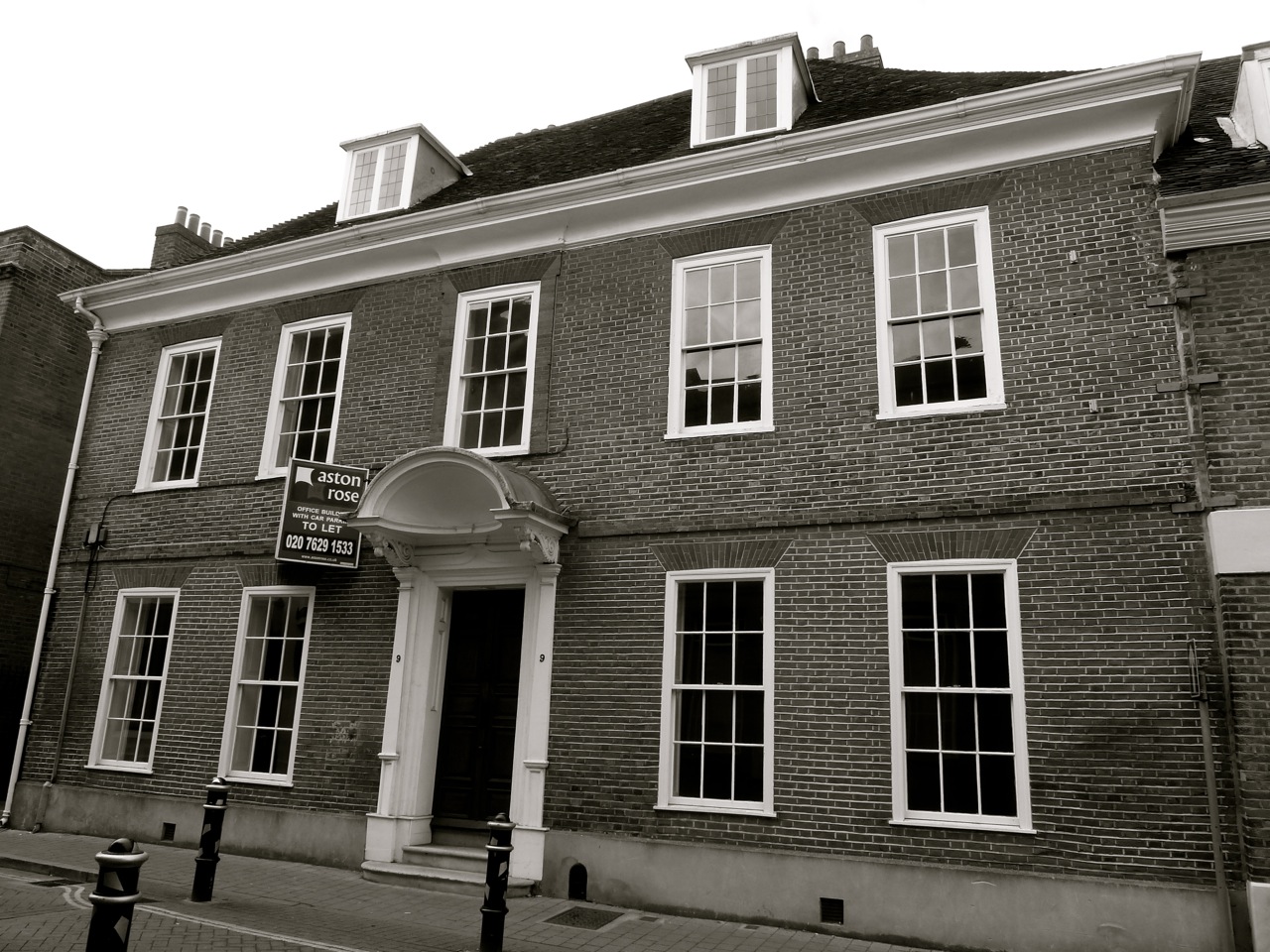
These streets run north from the shopping area, out towards the Roman North Wall. Upper and Lower Brook Streets are mainly residential, with a few shops and the Heritage Centre at the southern side. Parchment Street runs north from Boots and has many small shops at the southern end, turning residential. My new favourite street in Winchester is St Peter Street, a quiet street fortunately missing out of the one way system. It has a pleasing variety of buildings, from the Royal Hotel, a Georgian church hall, a Wren-attributed villa, a C20 church, and at the northern end, grand formal terraces. Jewry Street has a busy flow of traffic and in the bustle it’s easy to miss the architecture, from the Old Gaol to the C16 Loch Fyne, the library and theatre. A little further west is Tower Street, mainly Victorian and later.

Favourites today are 9 Parchment Street, 3 St Peter Street, 4 St Peter Street and 19 St Peter Street. These are first in the photographs below. Hover over the photo for the address, and click to enlarge.

Hampshire Architecture: Portsmouth – Dockyard and The Hard

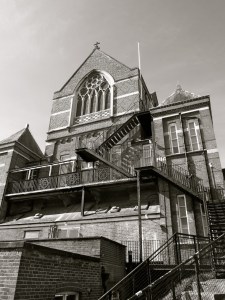
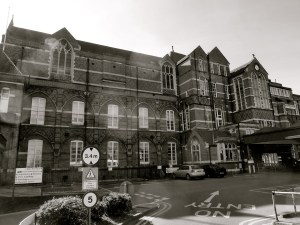
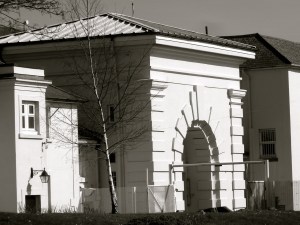
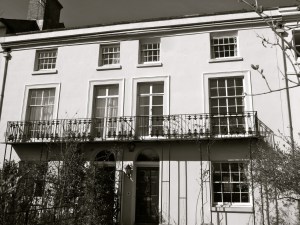
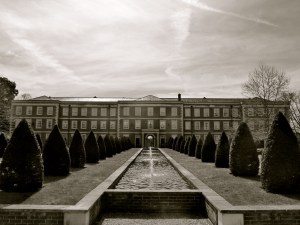
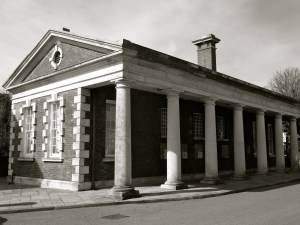
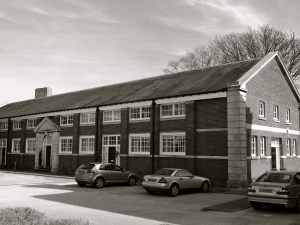
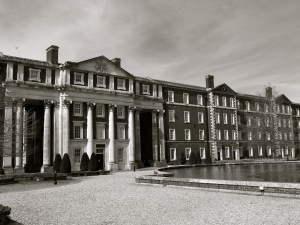
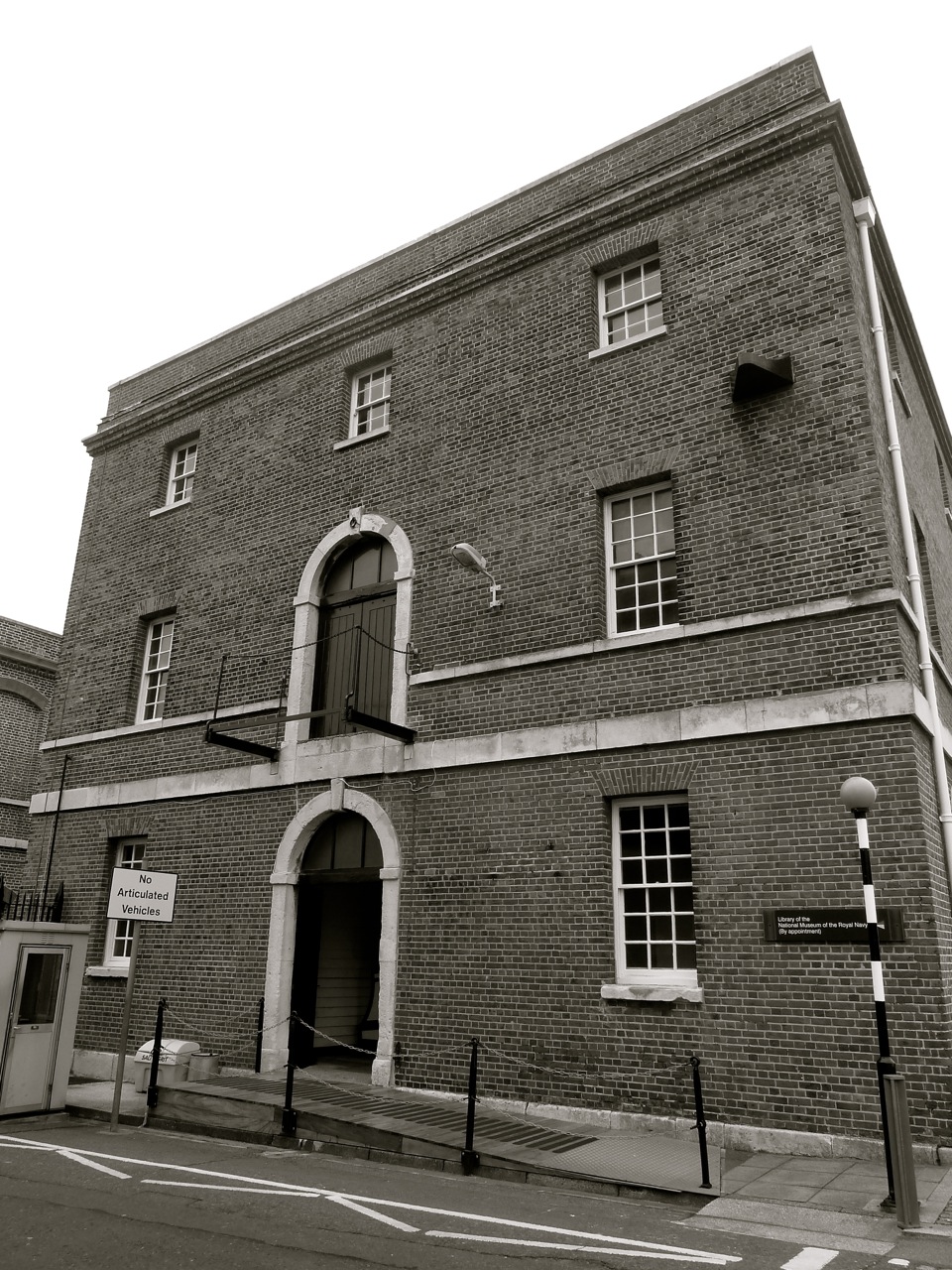
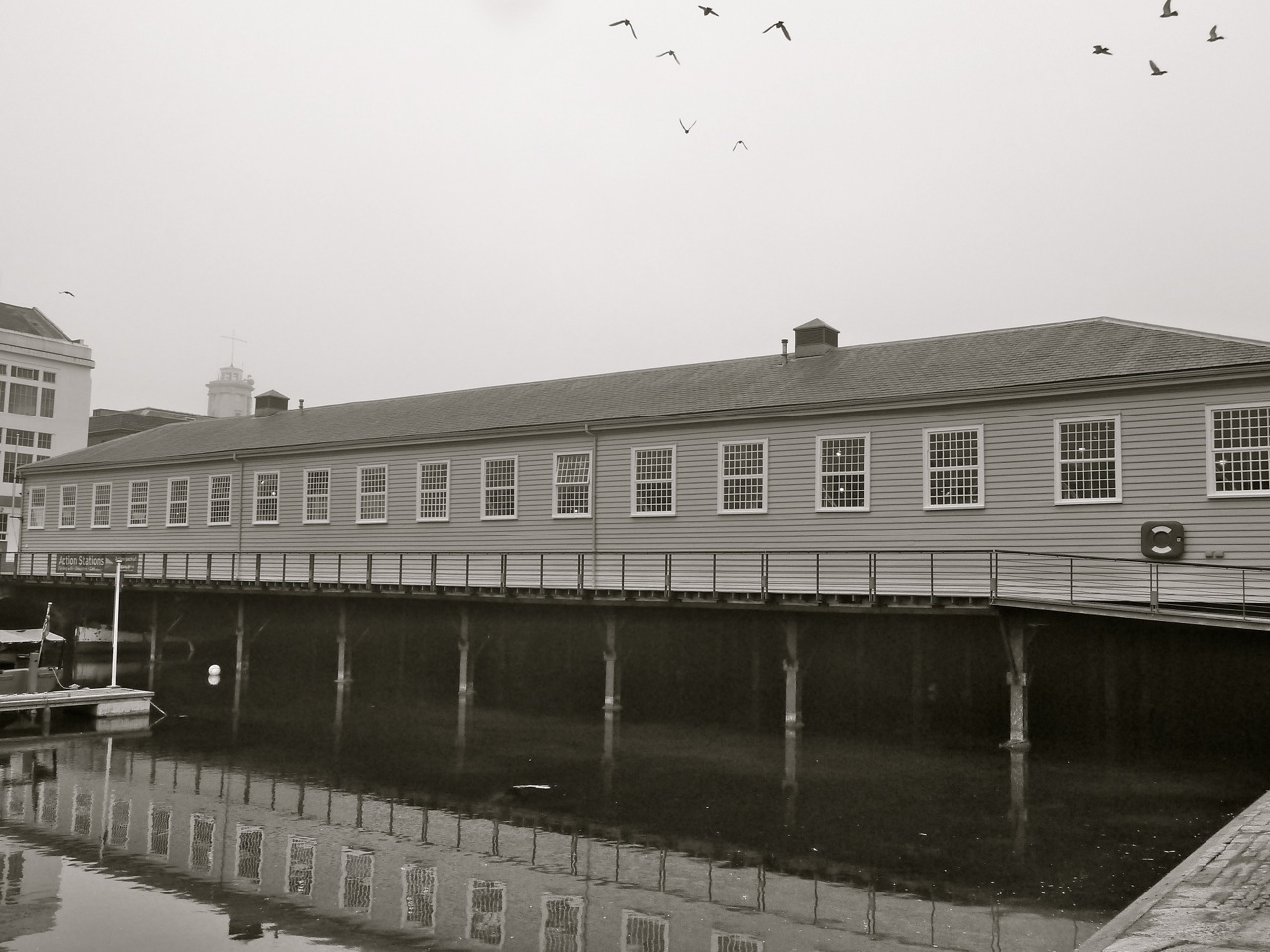
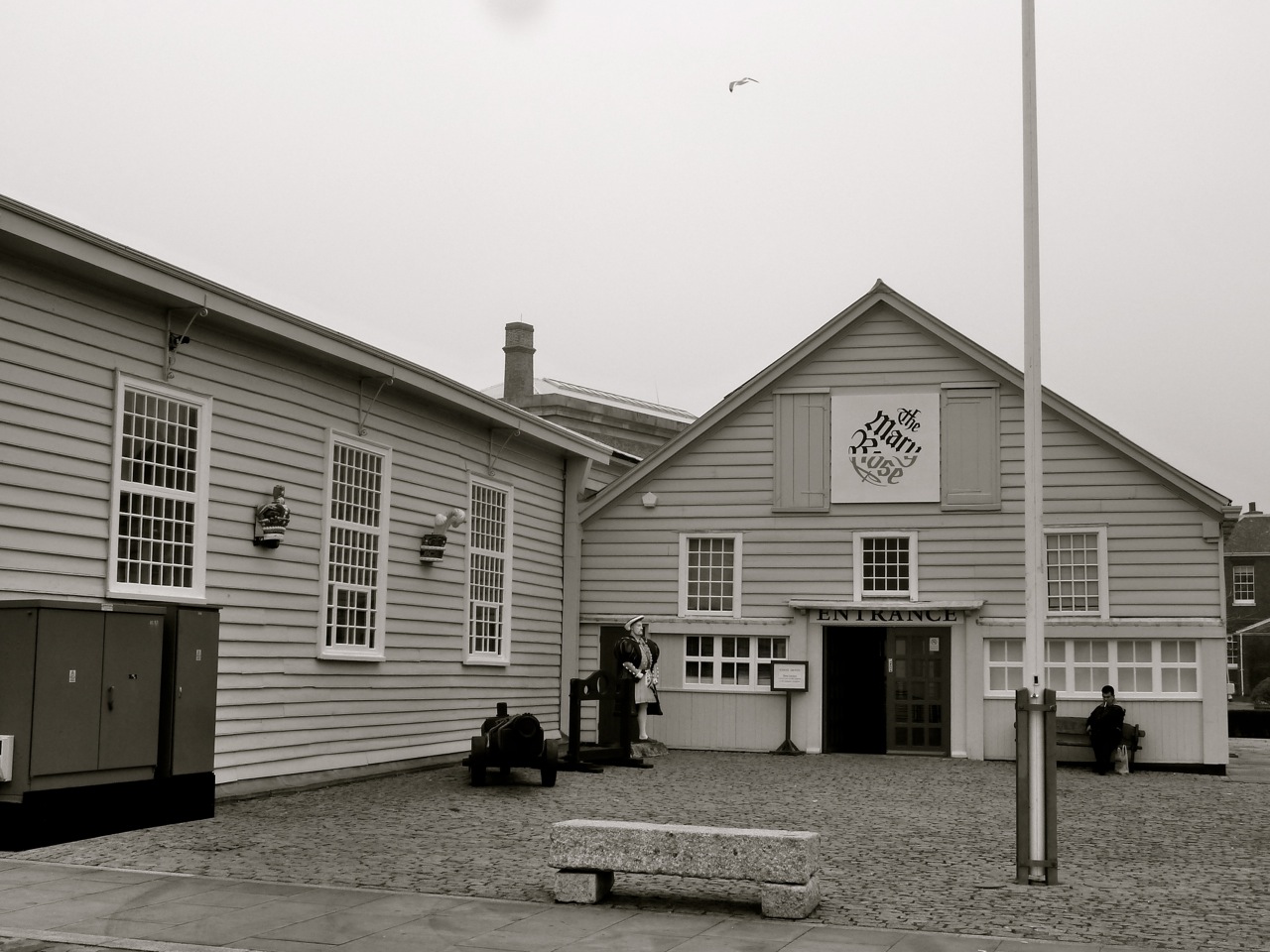
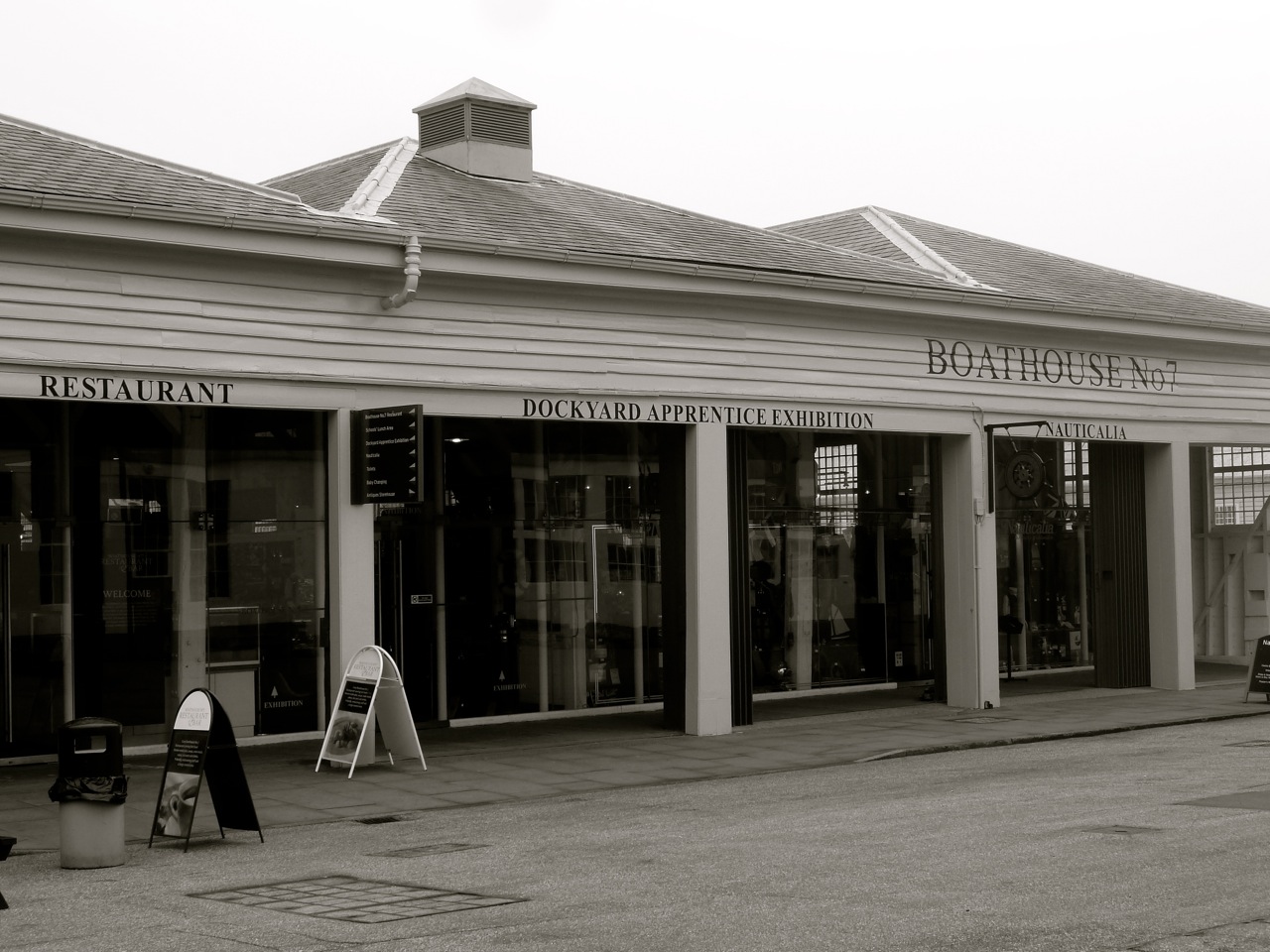
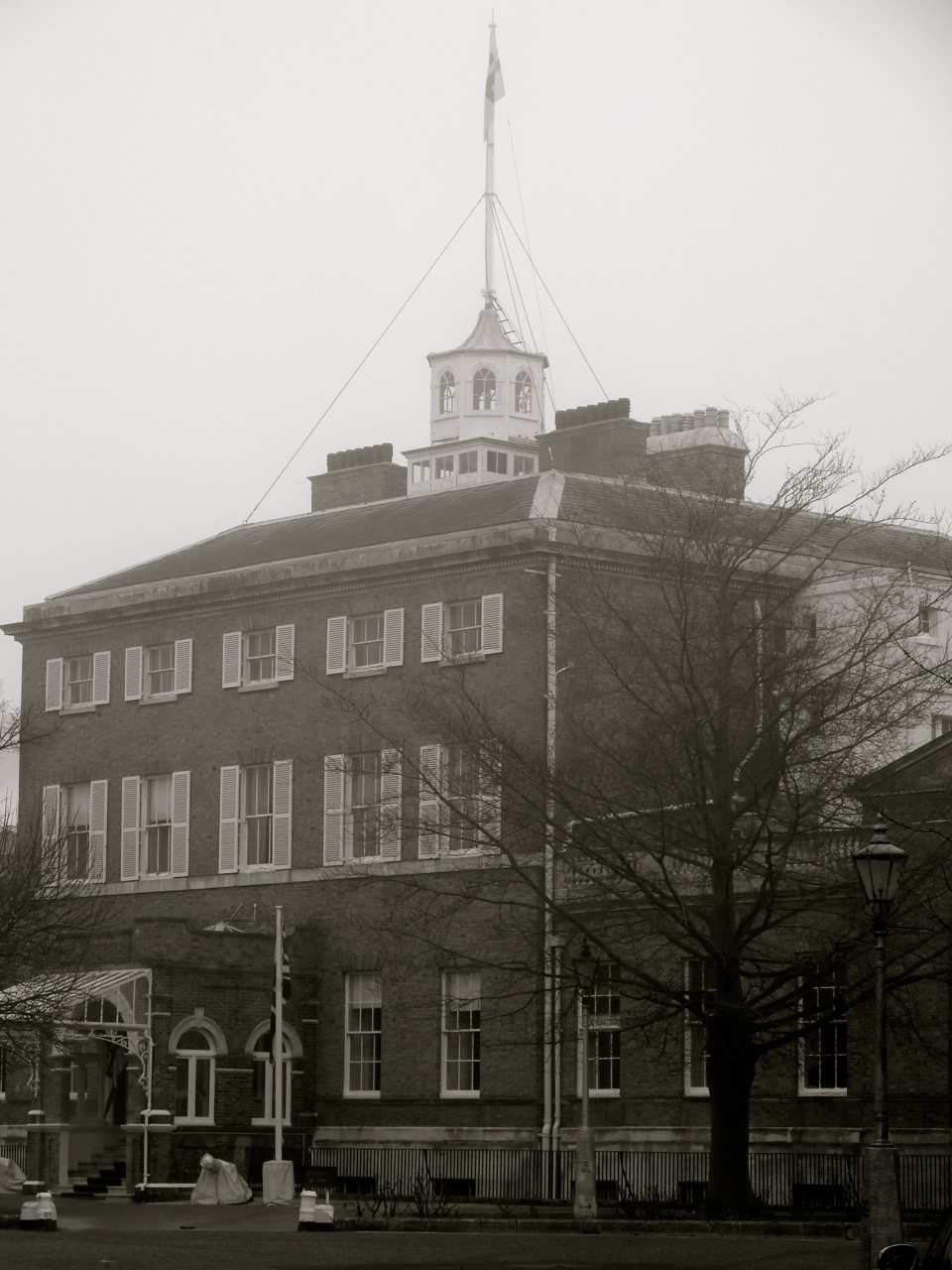
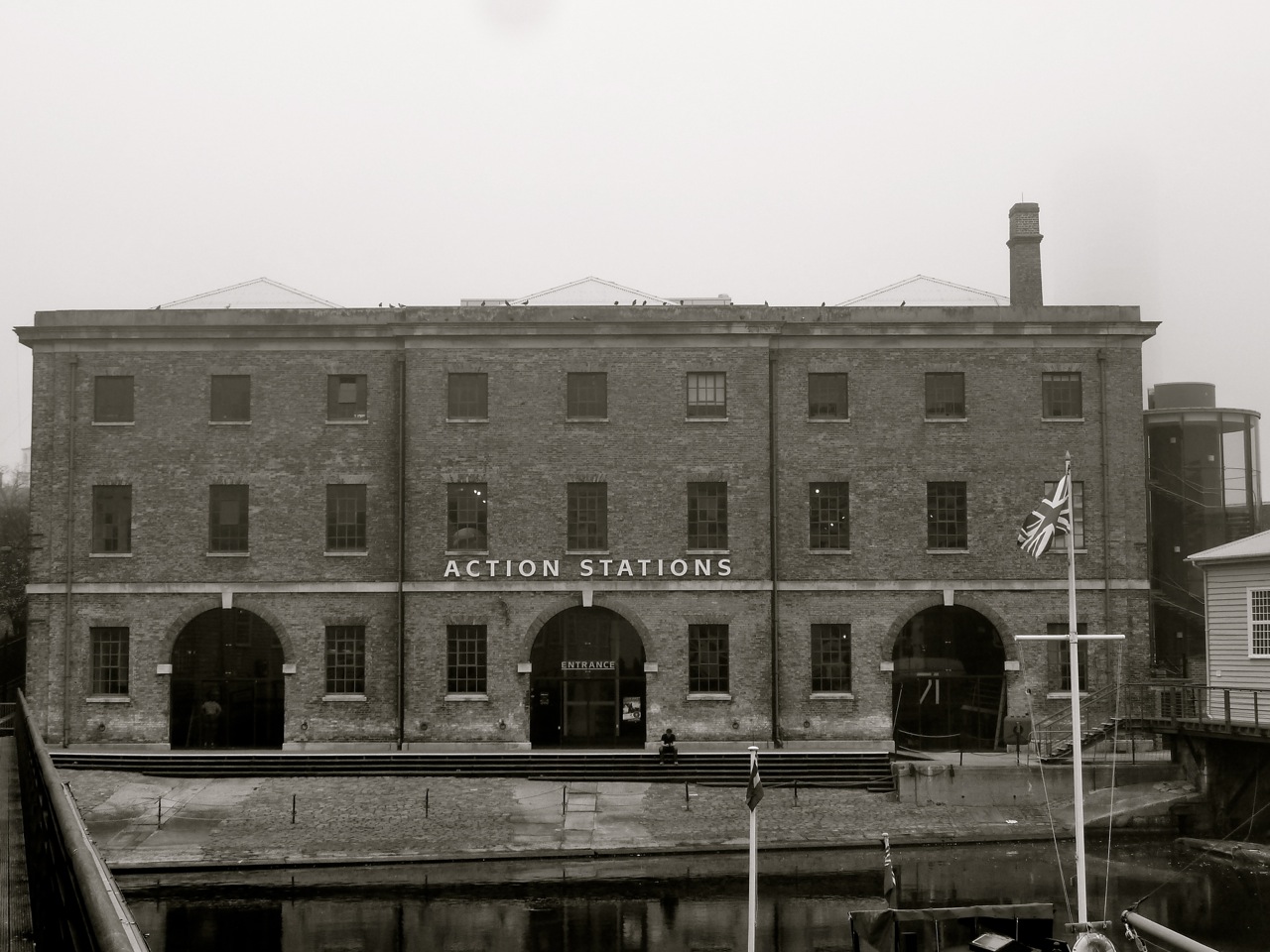
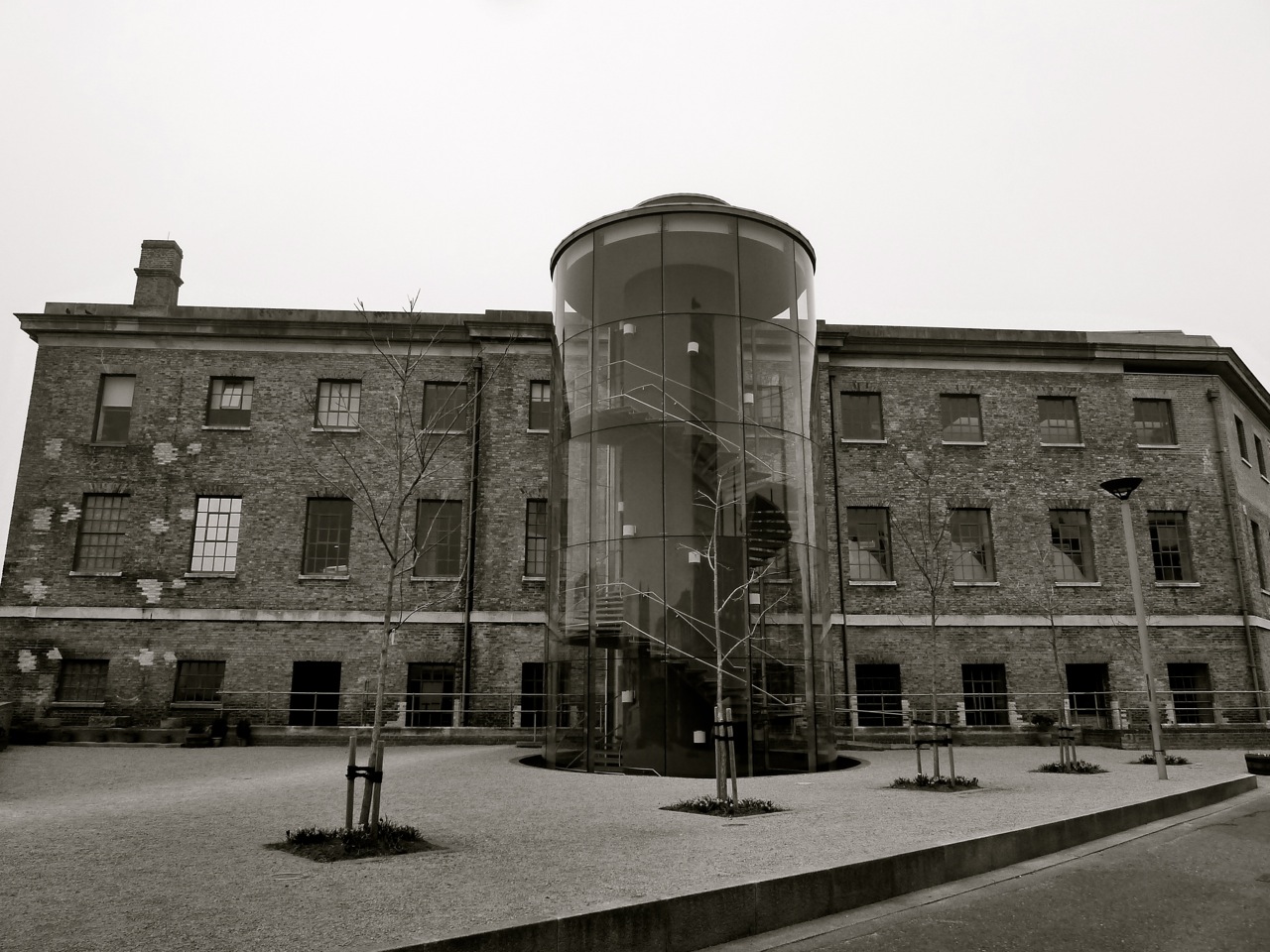
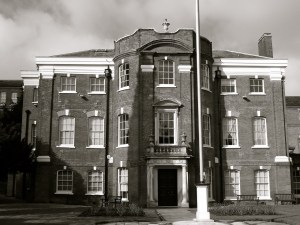
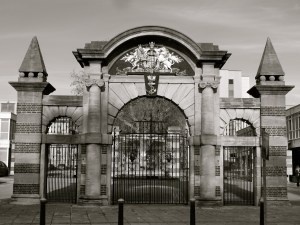
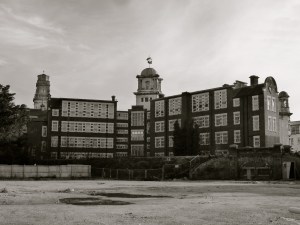
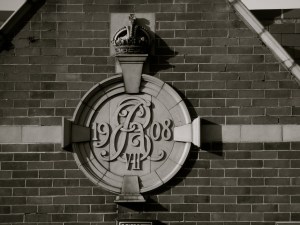
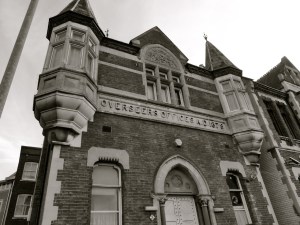
On Friday I was in Portsmouth and took the opportunity to photograph the listed buildings at The Hard and the Historic Dockyard. The public are only allowed along the western edge of the dockyard but I was able to also take a few photos of some of the listed buildings inside the Naval Base, through the railings. The dockyard listed buildings are C18 and C19, functional but with a formal elegance. There are large boathouses and stores, the Pay Office where Charles Dickens’ father worked, along with a detention centre and the Porters Lodge just inside the gate. I hope one day to be able to go into the restricted Naval Base as there are elegant officers’ terraces and other grand buildings. (Note that these are not all the listed buildings in the dockyard; some are obscured.)

Winchester Architecture – St Thomas Street / Southgate Street / St Cross Road

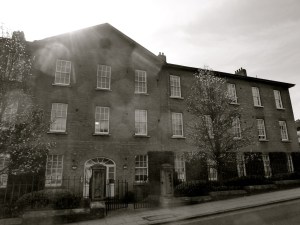
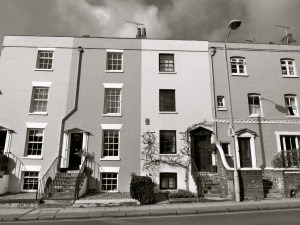
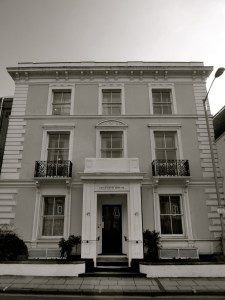
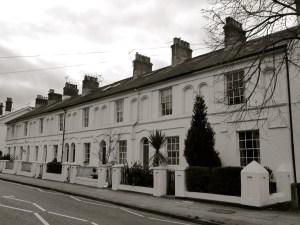
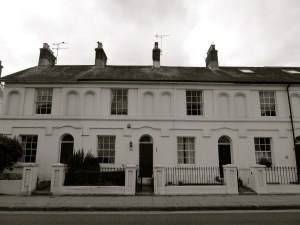
This area is to the south west of the city centre. St Thomas St is a fine street running from the High St to St Swithuns, with a variety of houses mainly C18. Southgate St runs parallel and is much wider, forming a main road out of Winchester to the south. Some of the buildings reflect the width, looking like terraces in London with their yellow-grey brick and white stucco. Southgate becomes St Cross Road as it heads towards St Cross, a village now part of the city. St Cross itself, and the military buildings to the west will be covered another day. I also included the west end of St Swithuns st as this forms a feature at the end of St Thomas St.

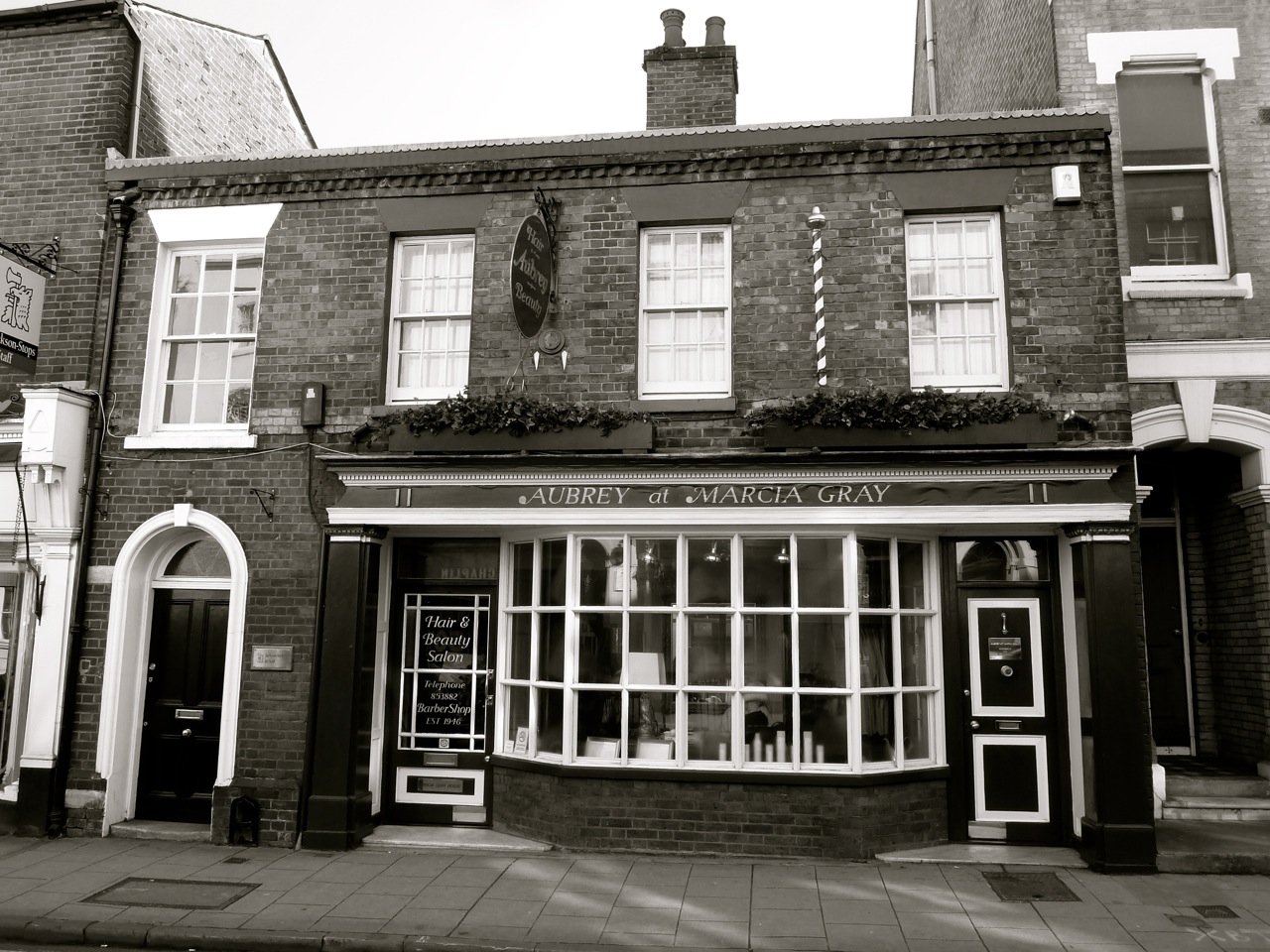
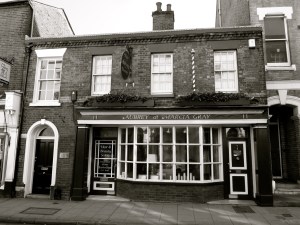
Highlights today for me are 11 Southgate St (Aubrey at Marcia Gray), 27a St Swithuns Rd, 26-27 St Swithuns Rd and 13 St Thomas Street (Well House). These are first in the photographs below. I remember when Well House used to be a centre for alternative therapies and I used to take yoga there. I’m sure it is now used for something far more exclusive.

Winchester Architecture – High Street and The Square

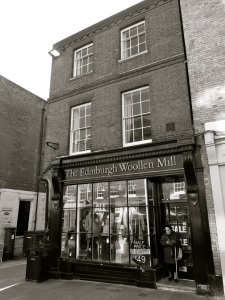
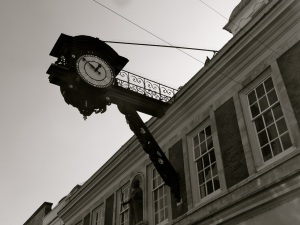
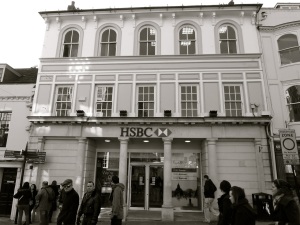
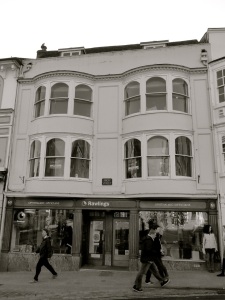
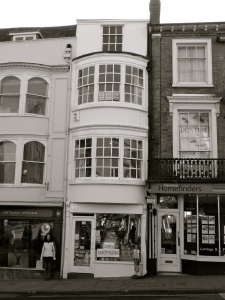
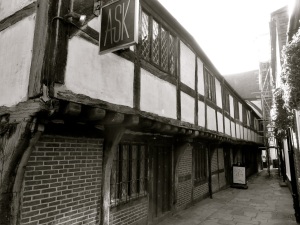
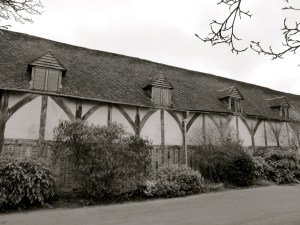
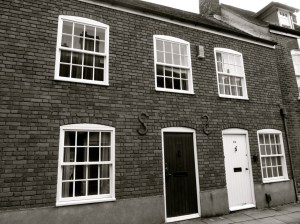
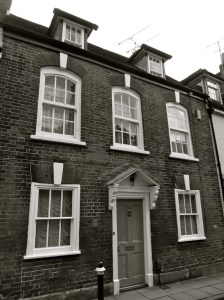
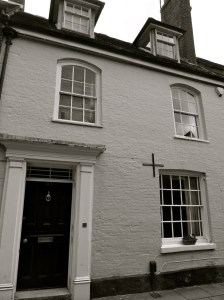
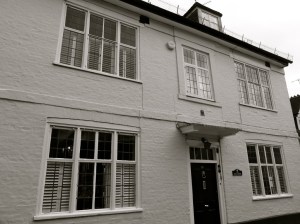
The familiar shopping area of Winchester, right in the city centre. Most of the shop fronts are modern but visible above are the C18 façades. The Prentice, a row of shops with a covered walkway, originates from the C16 with gabled roofs and timber frames. Some are however C19 imitations (for example, above Boots). The Prentice is on the site of the Norman palace. Further up High Street is the grander styling of the banks, one of which is in the old Guildhall. God Begot House was built in C16, it’s rear to the north still unaltered. Next to it is the Tudor-originating The Royal Oak. A sign says it is the oldest bar in England. This is just one of the hard to photograph buildings today, due to the narrowness of the streets and alleys in places. Between the High St and the Cathedral is The Square, a delightful collection of C18 buildings with some C19 shop fronts on fine Georgian buildings. Squished between The Square and Butter Cross (City Cross) is St Lawrence church. At the other end of High St is the tower of St Maurice church, the only part of this church remaining. Nearby, The Body Shop resides in a former chapel. Just off the west end of High St is Walcote Chambers and Trafalgar House, two of my favourites today. Other highlights are 63 High St, 57 High St, 30-31 The Square and 17 The Square. These are pictured first.

Winchester Architecture – Cathedral Area

A tour of the listed buildings in the vicinity of the Cathedral. I started north of Kingsgate in St Swithuns St, to Little Minster St, Great Minster St, along the north of the Cathedral grounds (excluding The Square for now, except those whose rears face the green), then south to The Close and Dome Alley and through St Swithuns Gate to the start. Obviously this area in the city centre is dominated by this longest Gothic cathedral in Europe and one of the biggest churches in England with its enormous nave. To the south and west are typically charming C17 and C18 century town houses, and in The Close a variety of styles of buildings from medieval to C18. Dome Alley is an interesting example of a C17 purpose-built street, within the walls of the cathedral grounds. Christs Hospital and Morleys Alms Houses are also in the area.

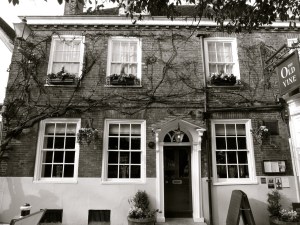
My favourites this time are 3 St Swithuns St, 2 Great Minster St and 8 Great Minster Street (same building as The Old Vine)

Brockwood Park School Pavilions Project Update January 2012

Brockwood Park School Pavilions Project - Clearing the area by the caravan (228/365) Sep 2010Swedish Triple Glazing - Brockwood Park School Pavilions ProjectPavilions 2 & 3 - Brockwood Park School Pavilions ProjectWalkway roof - Brockwood Park School Pavilions ProjectHeat exchanger (geothermal) - Brockwood Park School Pavilions ProjectOak beam detail - Brockwood Park School Pavilions Project
Ceiling detail - Brockwood Park School Pavilions ProjectCommunal area, Pavilion 4 - Brockwood Park School Pavilions ProjectStudent sIngle bedroom - Brockwood Park School Pavilions ProjectPavilion 4 - Brockwood Park School Pavilions ProjectBalcony - Brockwood Park School Pavilions ProjectUpstairs Railing - Brockwood Park School Pavilions Project
Skylight - Brockwood Park School Pavilions ProjectPavilion 5 - Brockwood Park School Pavilions ProjectPavilion 6 - Brockwood Park School Pavilions ProjectConstructing the walkways - Brockwood Park School Pavilions ProjectBrockwood Park School Pavilions Nov 2011Brockwood Park School Pavilions Nov 2011
Brockwood Park School Pavilions Nov 2011Brockwood Park School Pavilions Nov 2011Brockwood Park School Pavilions Nov 2011Brockwood Park School Pavilions Nov 2011Brockwood Park School Pavilions Nov 2011Oak frames Sep 2011

Due for completion in July this year, work on the pavilions is really moving forward, with most of the major construction work completed. Currently the verandahs and walkways are being built in a horseshoe, linking the seven buildings with boardwalks.

The pavilions are heated using a geothermal system. Deep down, the temperature is a constant 14 degrees C year round. Installed by a local company using the most efficient technique for heating, it uses a multiplier to build the heat enough for hot water and underfloor heating. A heat exchanger will circulate the warm air. The pavilions are highly insulated using paper pulp in the walls and polystyrene under the floor. The windows and patio doors are triple glazed, made in Sweden.

Each pavilion is for accommodation, with shared kitchen spaces. Two will be for students only, one for staff only, and the others a mix of students, mature students and staff. The staff pavilion has two flats, each with two bedrooms, designed for those staff with a family.

I’m looking forward to seeing the project move toward completion in the coming months, with the interior fittings, walkways and landscaping.

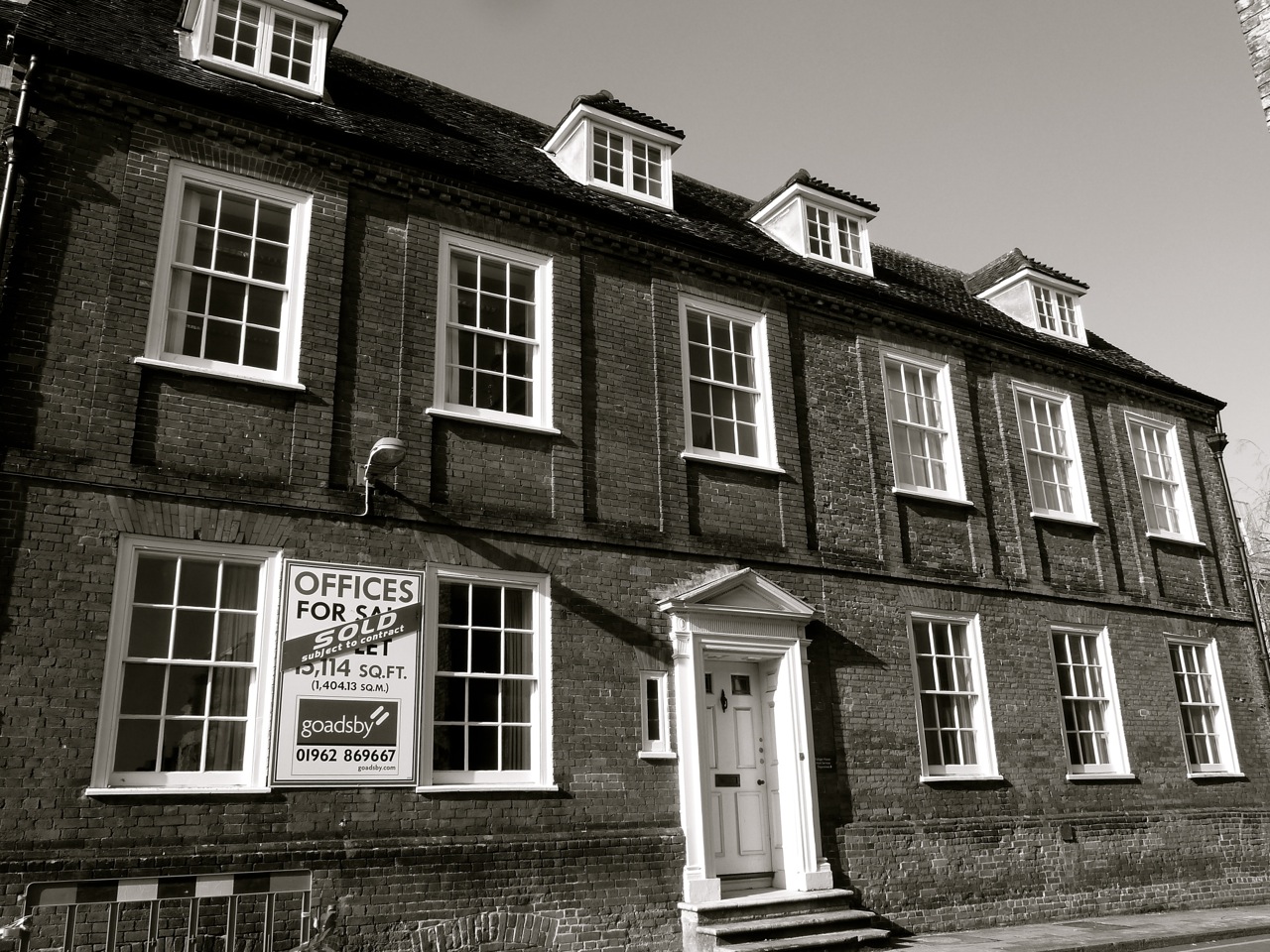
Winchester Architecture – Kingsgate and Canon Street

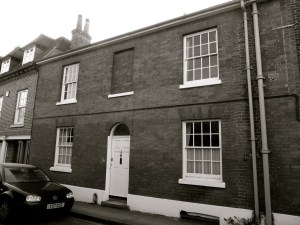
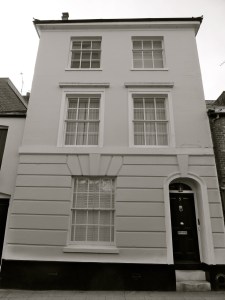
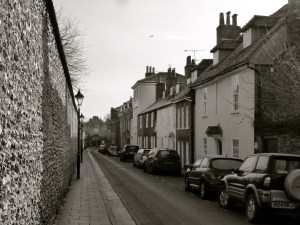
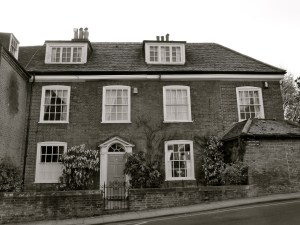
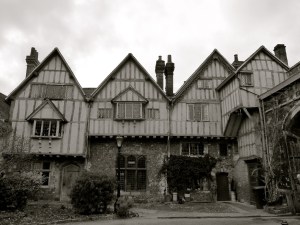
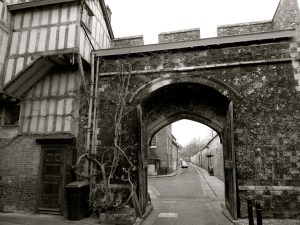
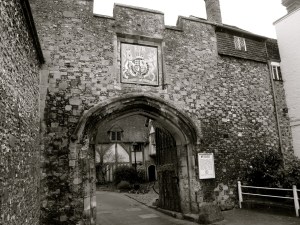
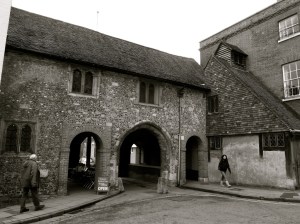
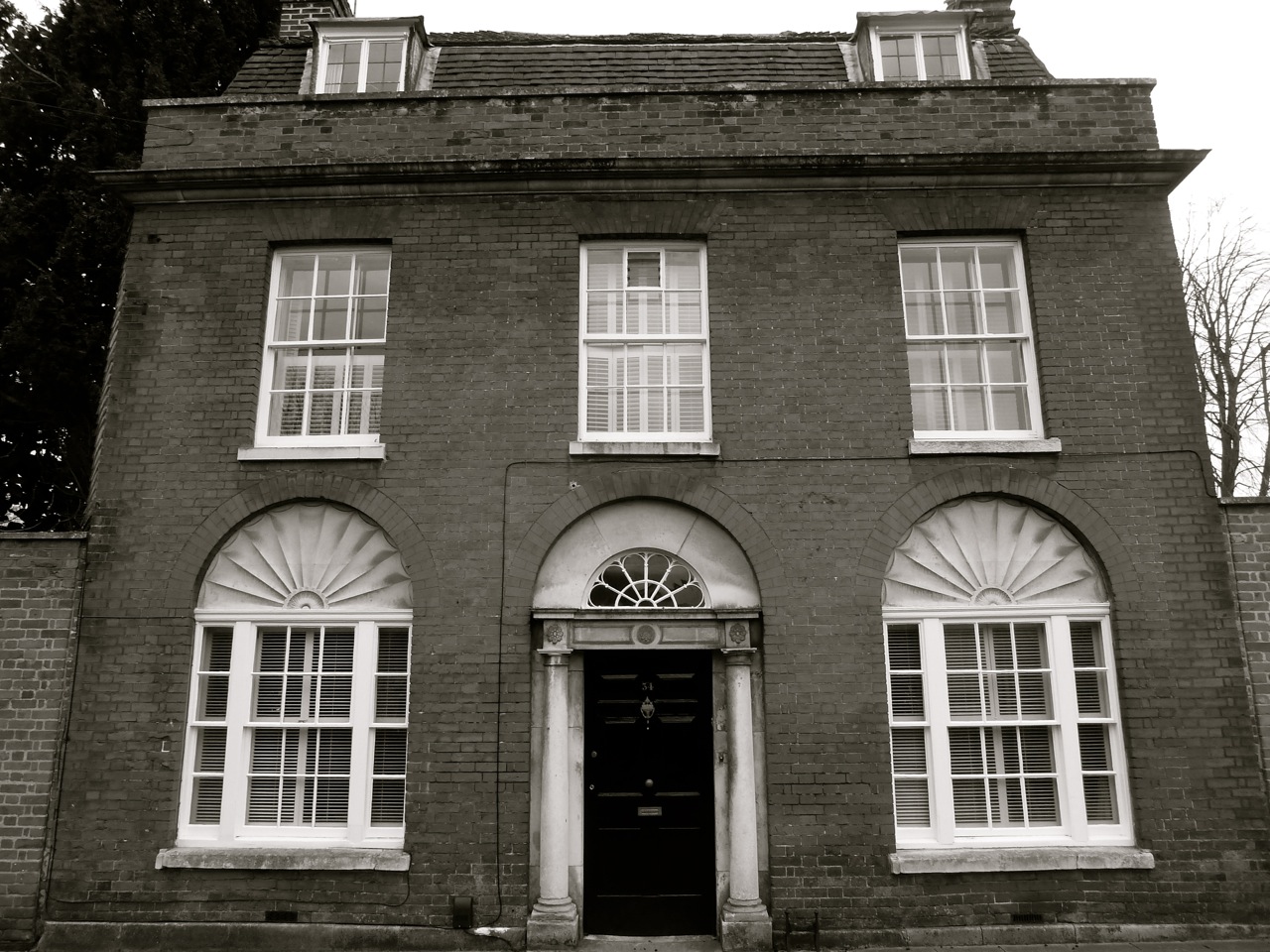
Continuing my tour of the Listed Buildings of Winchester, today I covered Kingsgate Rd/St and Canon St. This area is to the south of the city centre, outside of the old walls. From the medieval gate, Kingsgate Street runs directly south towards St Cross, transforming into Kingsgate Road after Romans Road. The road is wider and more rural as you head away from the gate, the buildings even becoming more mossy. Walking north towards the gate, as the street gets narrower there is a charming view of a gently winding Georgian road that can’t have changed very much in more than 200 years. To the east are the college playing fields and various faculty buildings (for another tour), and to the west many Victorian villas and more college buildings around Culver Rd and Romans Road, including the music department. Kingsgate St contains several college boarding houses, including the large purpose-built Kingsgate House (Beloe’s) and the far older Moberly’s. Near Kingsgate itself, running E-W is Canon St, flanked by the city wall for much of its north side. At the eastern end are several C18 houses from small terraced to the imposing No 64. Unusually, above the gate is a church, with its entrance on the north side of the gate.

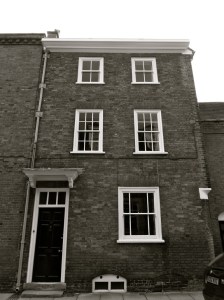
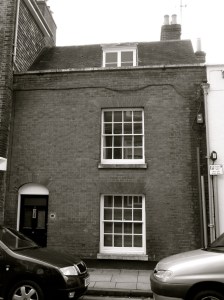
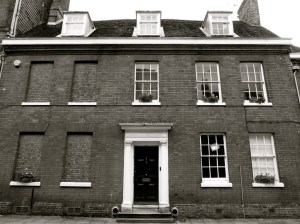
My favourite buildings this time are 46 Kingsgate Rd, 55-57 Kingsgate St, 65 Kingsgate St, and 47 Canon St. These are ordered first below, after the view looking north up Kingsgate St:

Winchester Architecture – Wales Street / St Johns / Chesil Street Areas (The Soke)

Ther is a suburbe at the est gate of sum caullid the Soken: and is the biggest of al the suburbes longging to the cyte of Winchester.

Minns says:- The Soke, so called from the Saxon soc, which signifies a free domain, the independent jurisdiction of the Bishop with its own Courts and a taxation probably lighter than that within the city.

Outside the old East Gate of the city the suburb of ‘The Soke’ was established. This is in the area of Chesil Street and St Johns Street running along the bottom of St Giles Hill. Here are photos I took today of those Listed Buildings, ranging from the C19 to the churches from C12. To the north, at Blue Ball Hill the buildings have a more rural feel, with the C18 workers cottages and the stables at St Johns Croft. Indeed this area feels more like a village than a part of the city, with its own church. Chesil Street runs parallel with the Itchen and is a very busy road, with many of the buildings sooted up, tight to the street. There are some fine C18 town houses here, many with gardens backing onto the river, along with smaller house from C13 on. Further south is the Wharf area with a Black Rat, Black Boy and Black Bridge, around the top of the Itchen Navigation. Favourites this time are 34 Beggars Lane, 21 St Johns Street, Chesil House, and The Black Boy pub. I have put these images before the rest of the gallery below:

This slideshow requires JavaScript.

Winchester Architecture – Broadway / Eastgate St / Colebrook Area

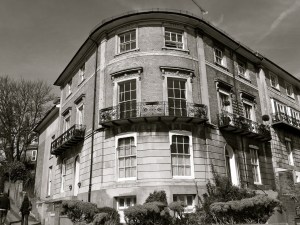
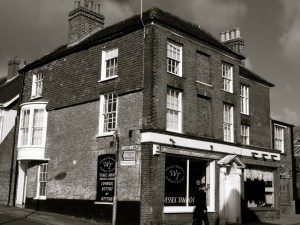
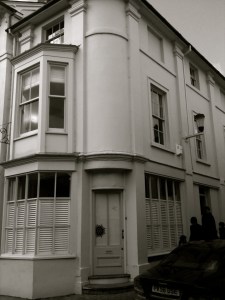
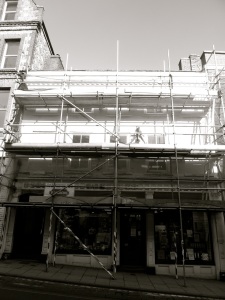
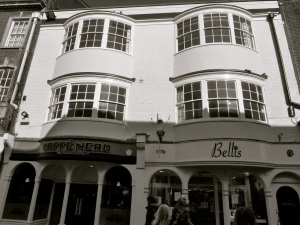
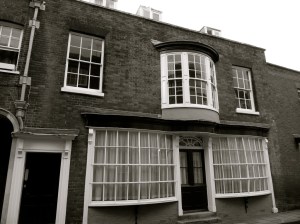
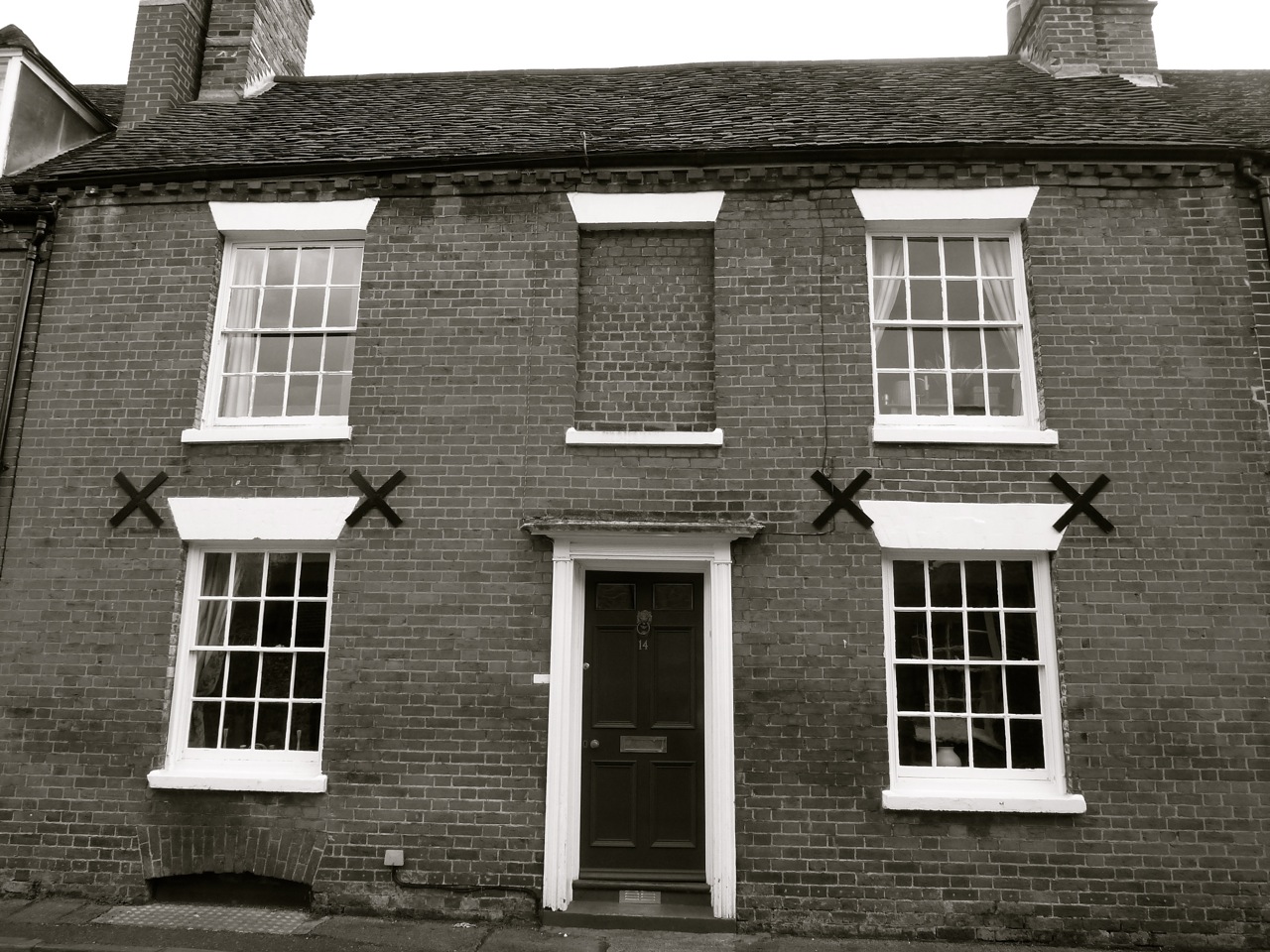
An architectural tour of the Listed Buildings in the Broadway, Eastgate and Colebrook areas of Winchester, in the east of the city. These buildings include The Guildhall, St Johns Chapel, mills, old hospitals, shops and houses, and are mostly from the 18th and 19th Century. I’m not sure how old the statue is. The shops on the north side of Broadway are built upon much older wooden structures. Colebrook St is a quiet, bricky street near the river, with many fine houses surrounding the park. Eastgate street is very busy, with traffic with three impressive terraces. Behind are the almshouses of St Johns, probably the oldest charitable foundation in the UK. In the park is Abbey House, home of the Mayor. My favourite buildings today are No 34 and No 14 Colebrook St, and the unusual curved bays at the beginning of Eastgate St.

Landport Architecture, Portsmouth

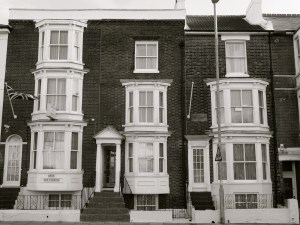
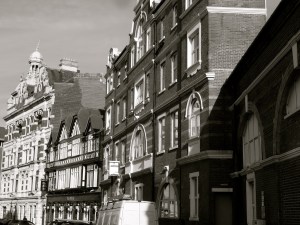
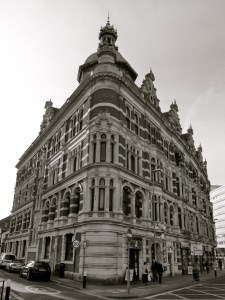
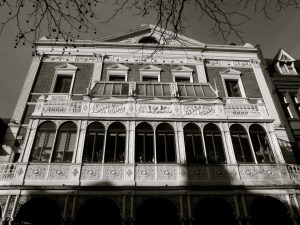
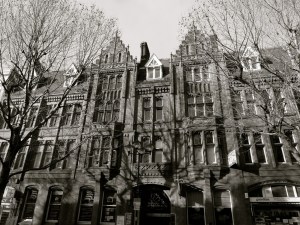
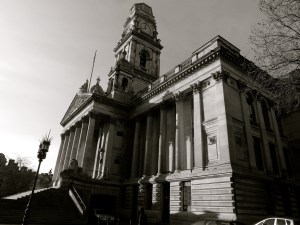
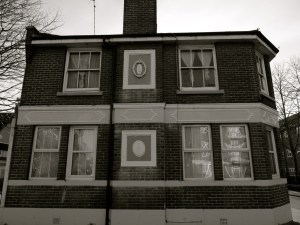
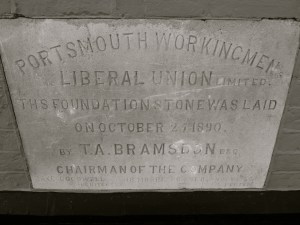
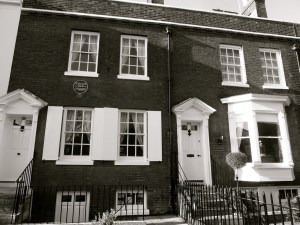
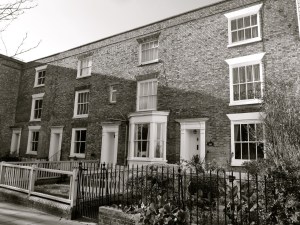
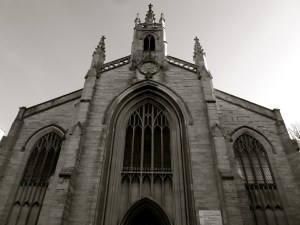
Today I walked around the Landport area of Portsmouth, seeking out those buildings not destroyed in WWII. Landport was a development outside of the original city’s defences and dockyard. Being near to the naval base, it was heavily bombed in the 1940s meaning large areas were cleared of the existing buildings. After the war and into the 1950’s, more buildings were raised in slum clearance ahead of new housing projects in Landport and to the north of the city. The walk took a couple of hours, from Old Commercial Road to the north (with the home place of Charles Dickens) down to the city centre and the terraces east of the University, then past the museum and up the west side of the centre. Here are the photos I took of the architecture, the most unusual being the museum in French Château style.

I didn’t use this beforehand or while walking, but here is a Google map of the listed buildings of Portsmouth.

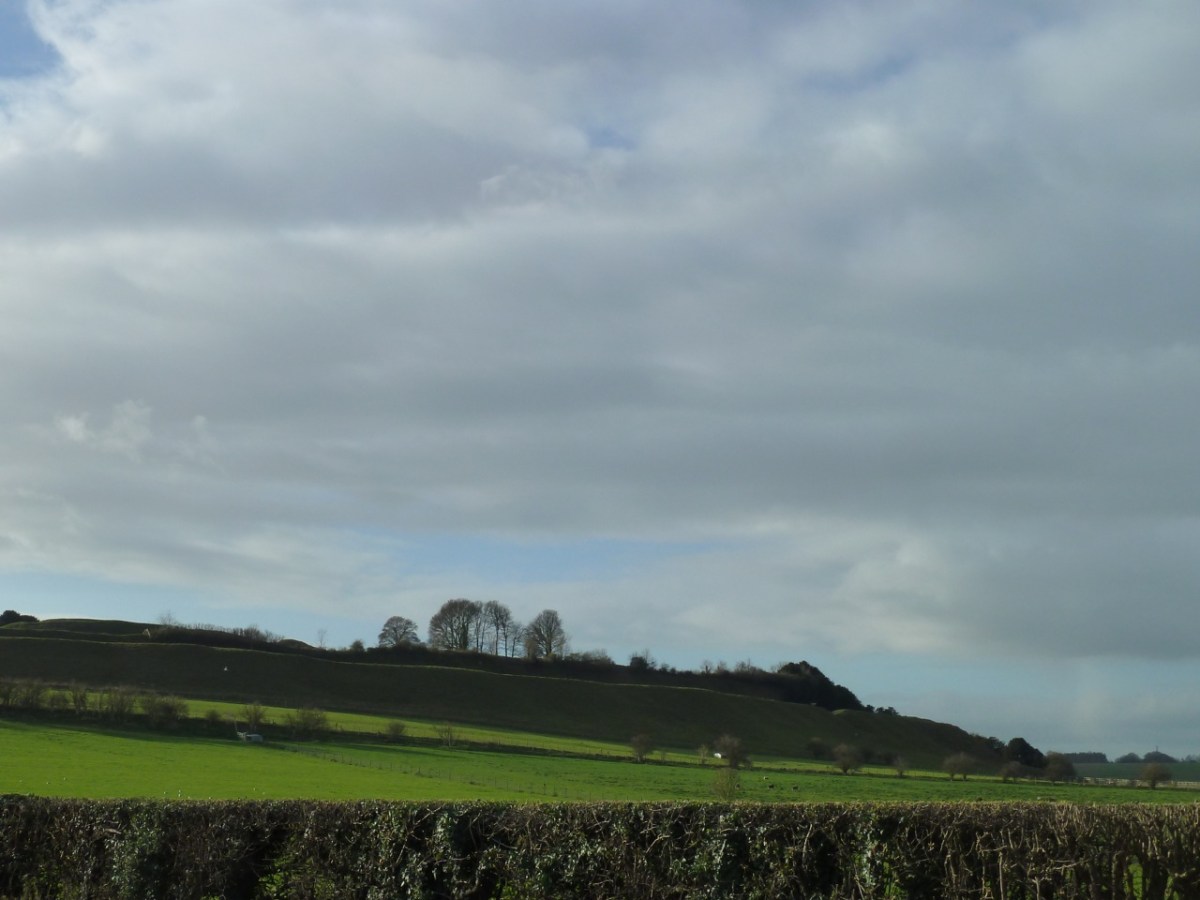
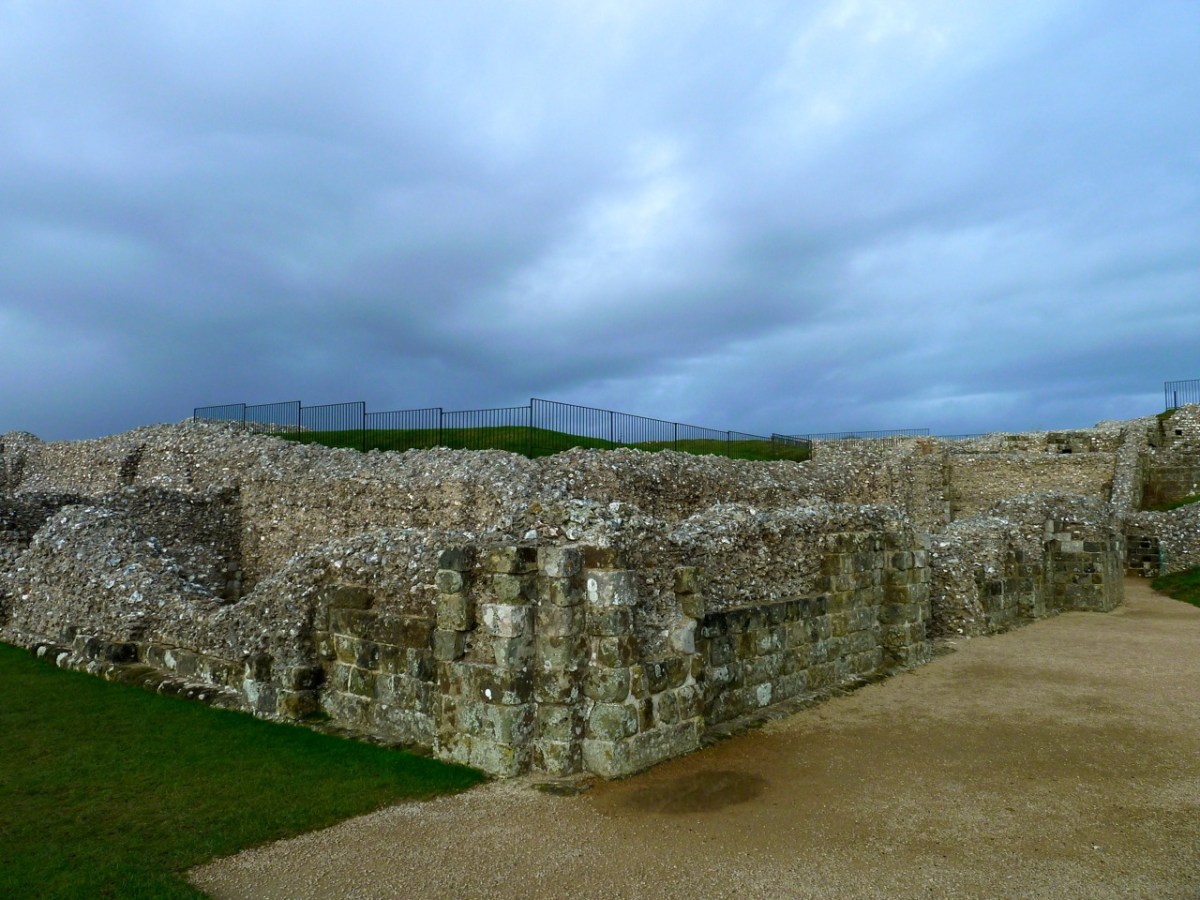
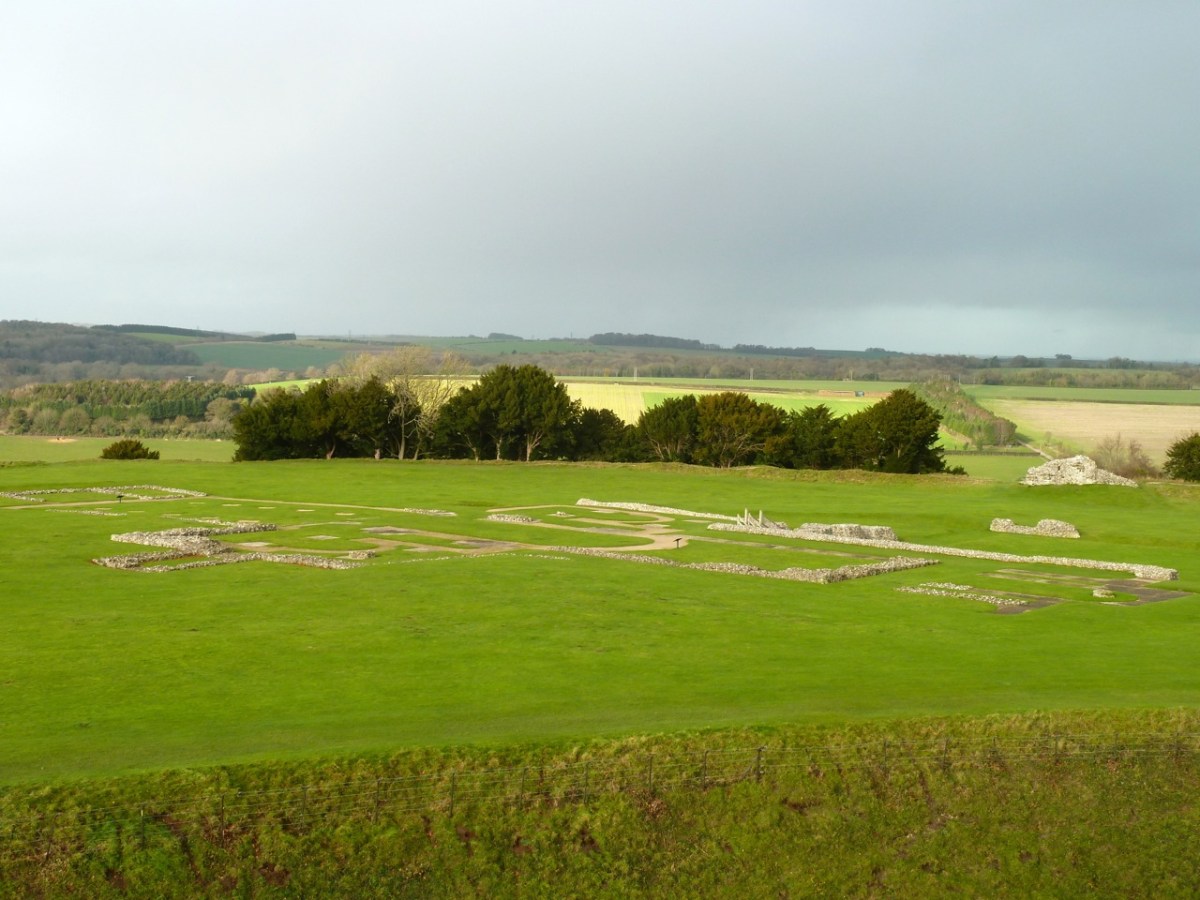
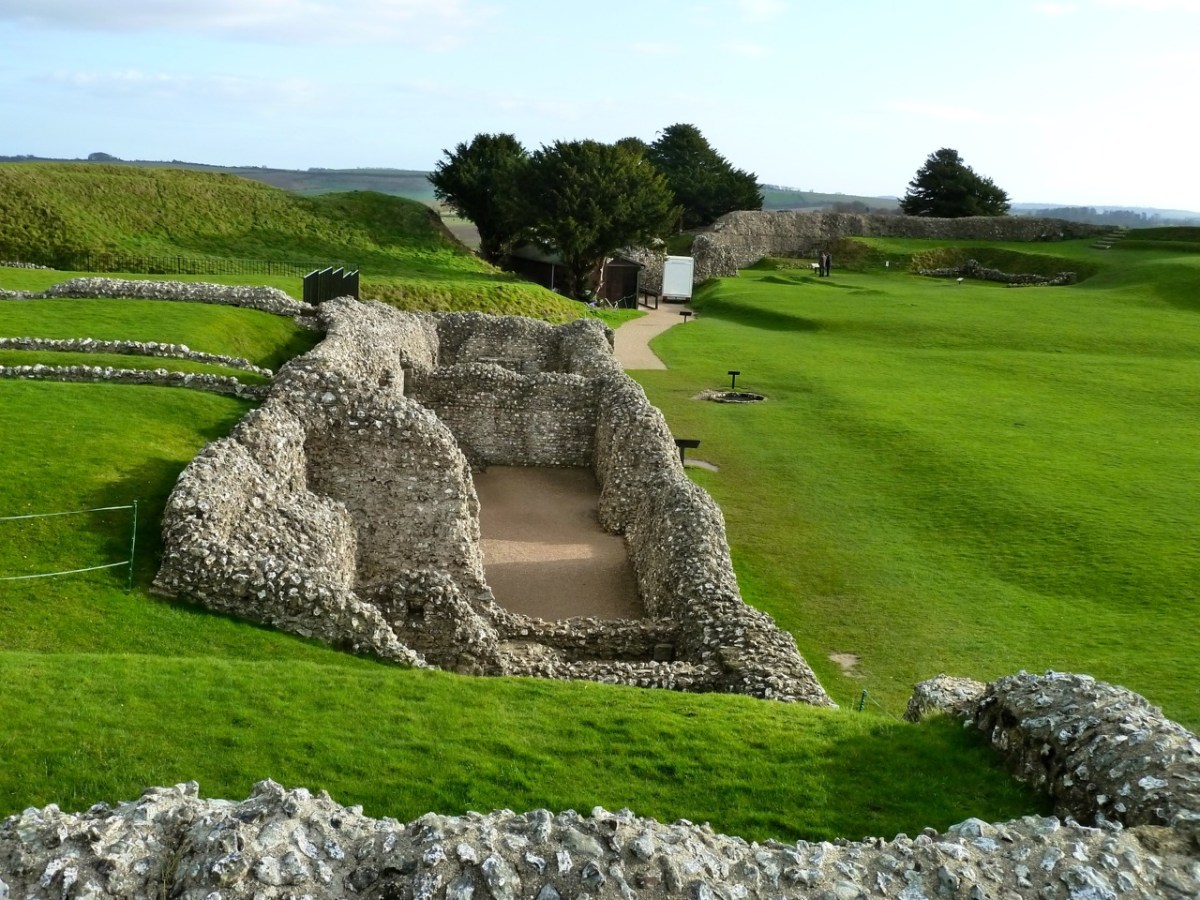
Old Sarum

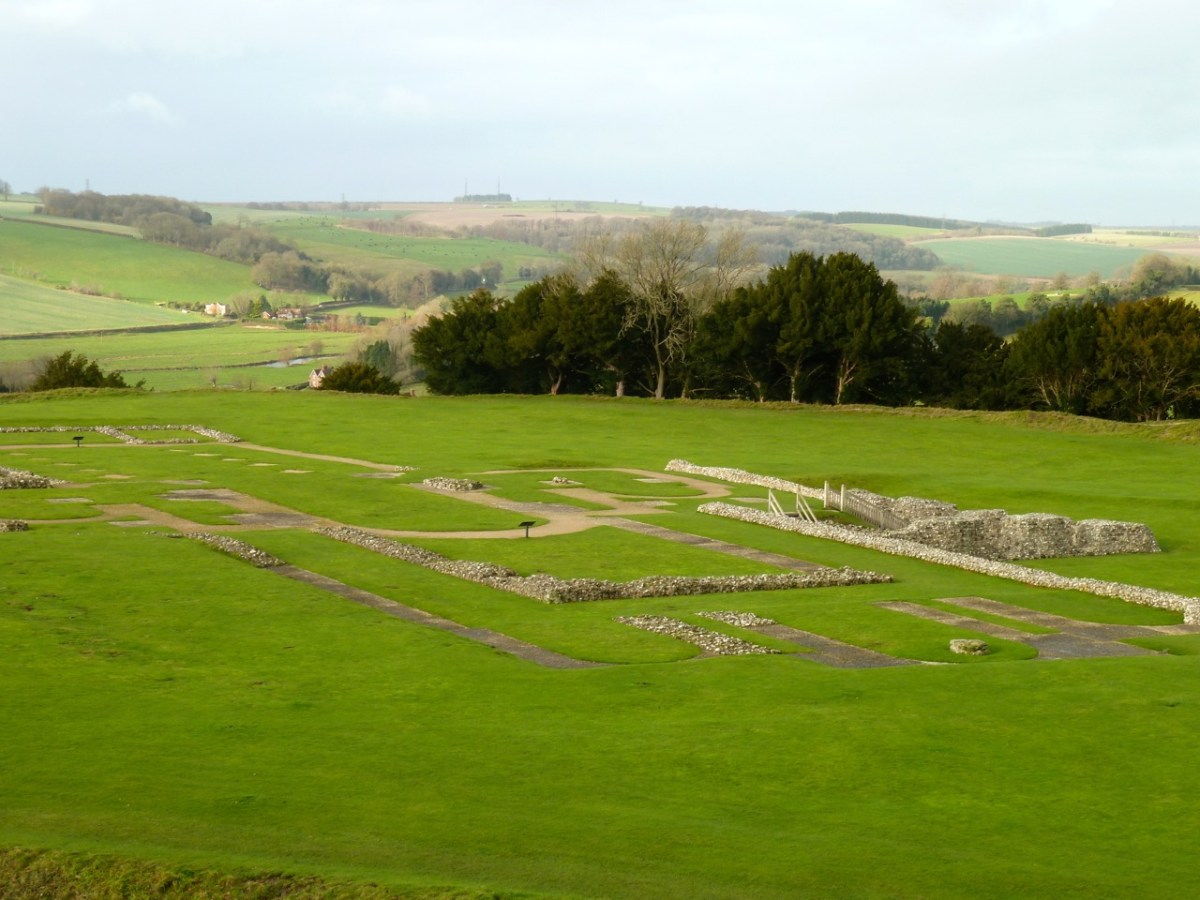
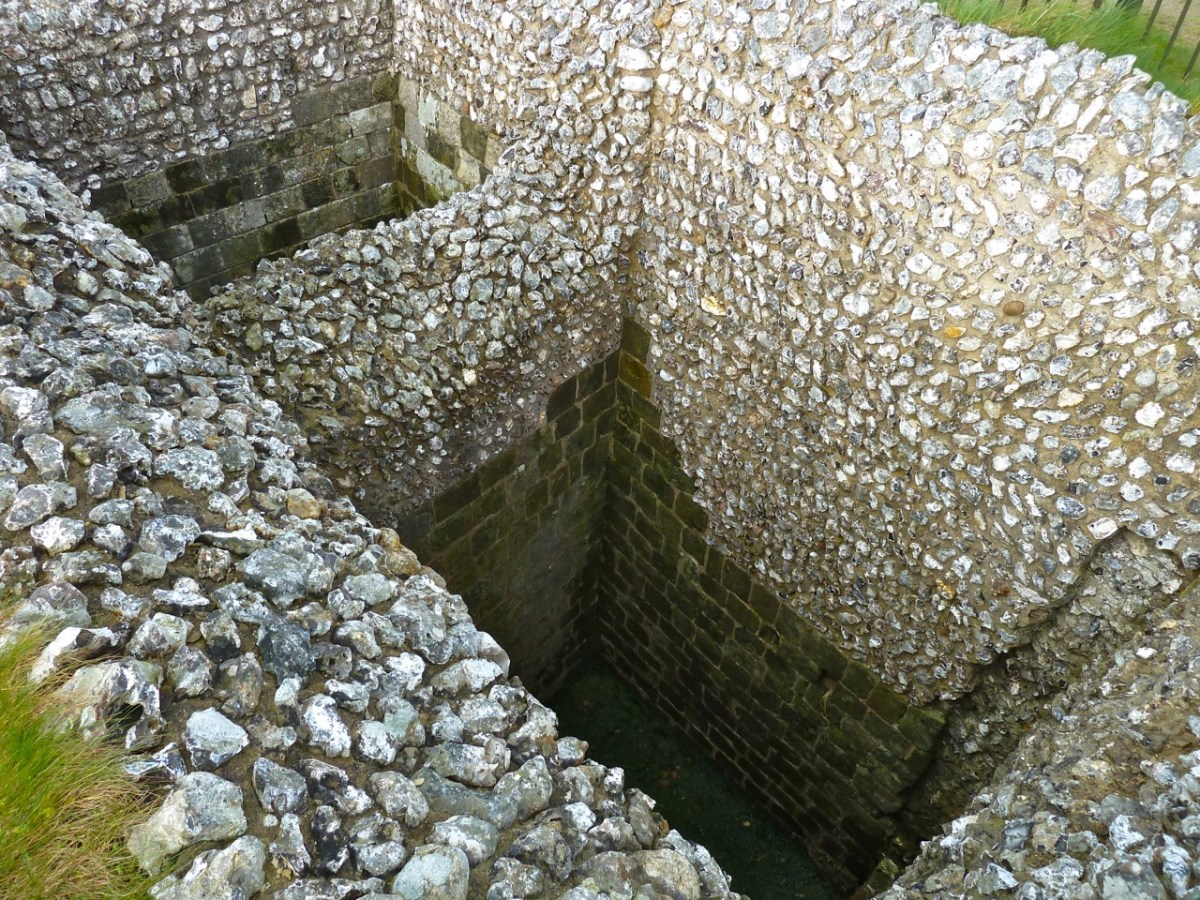
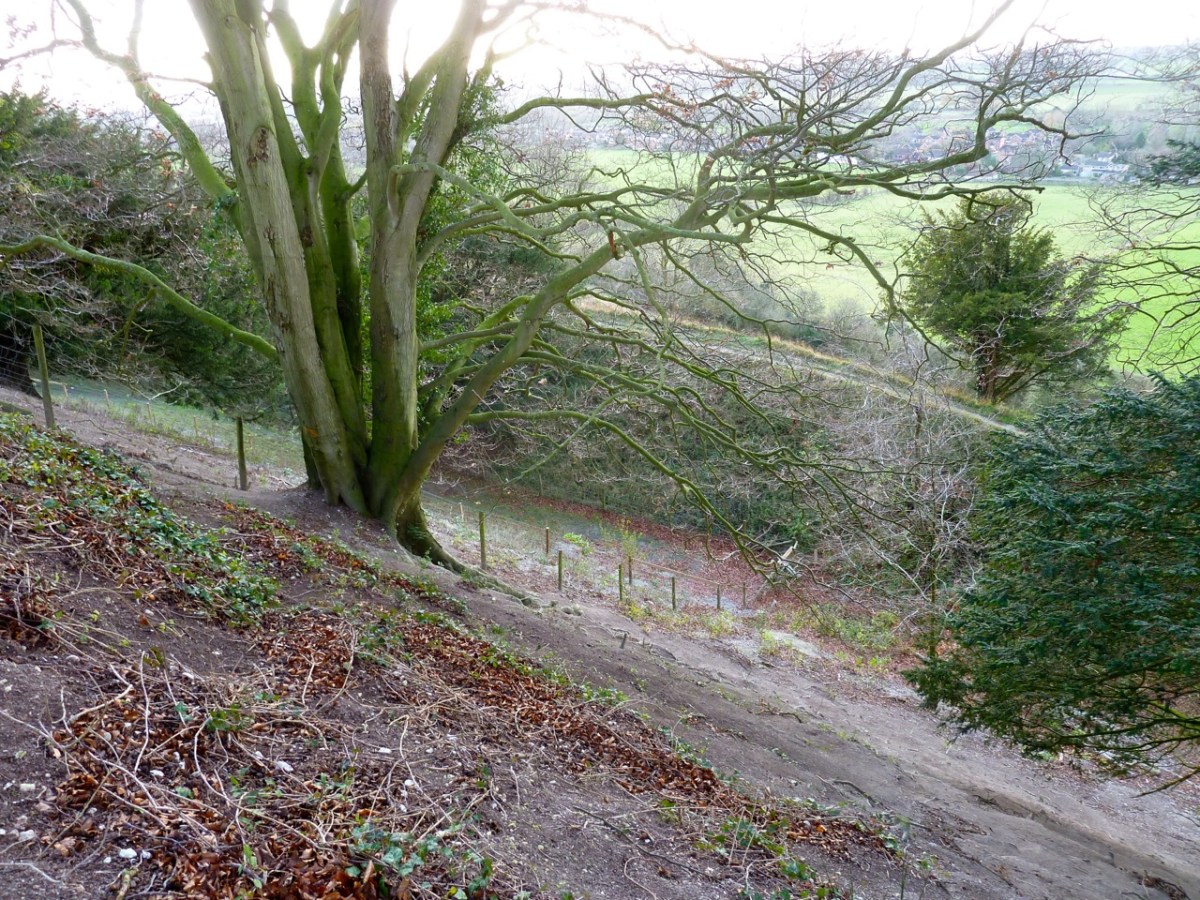
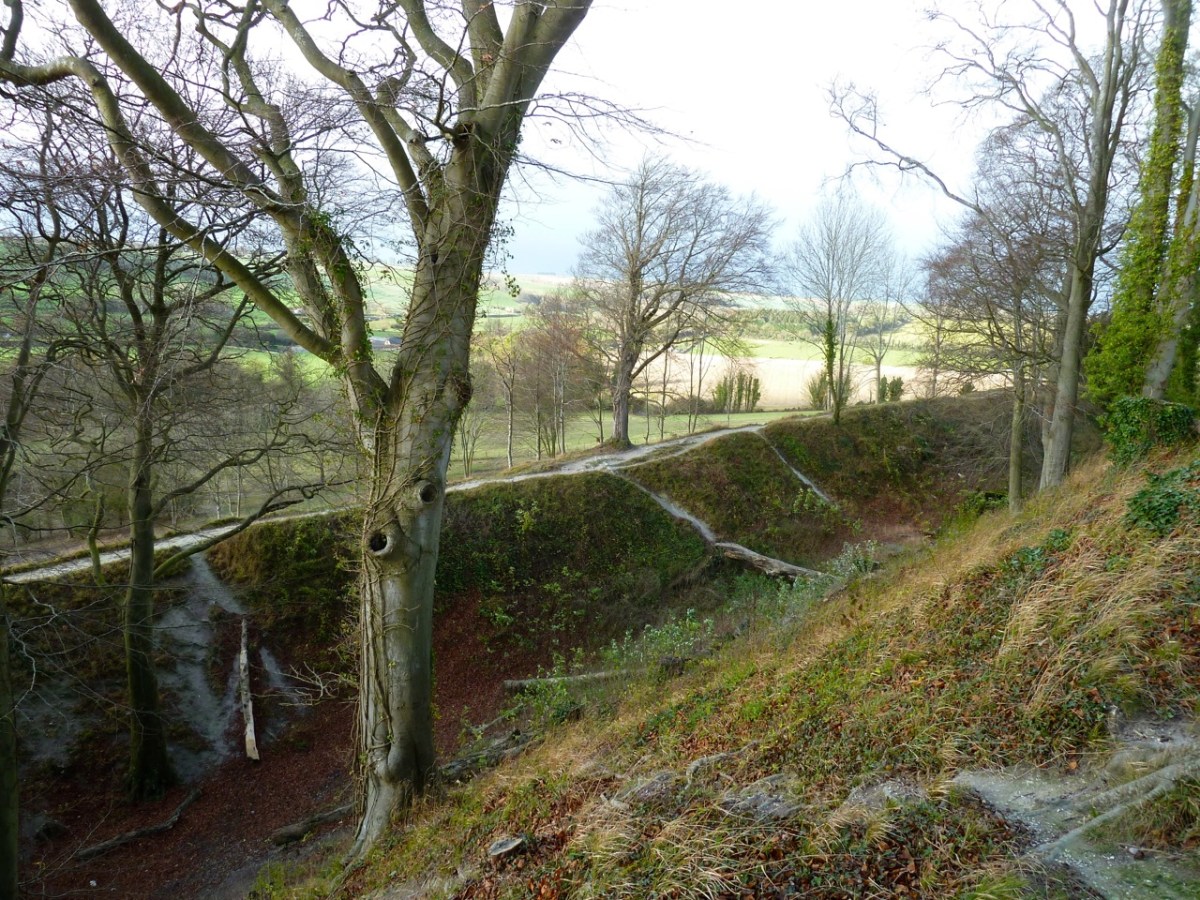
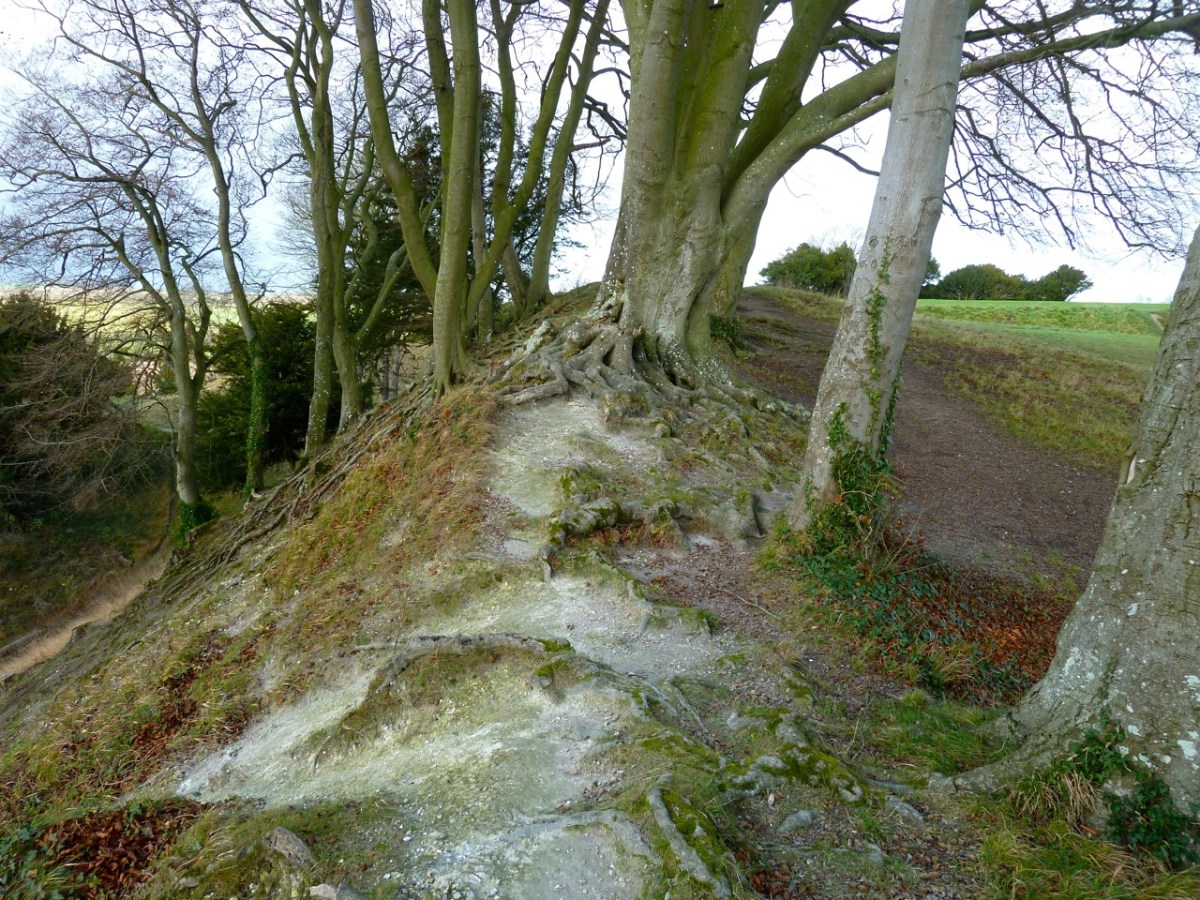
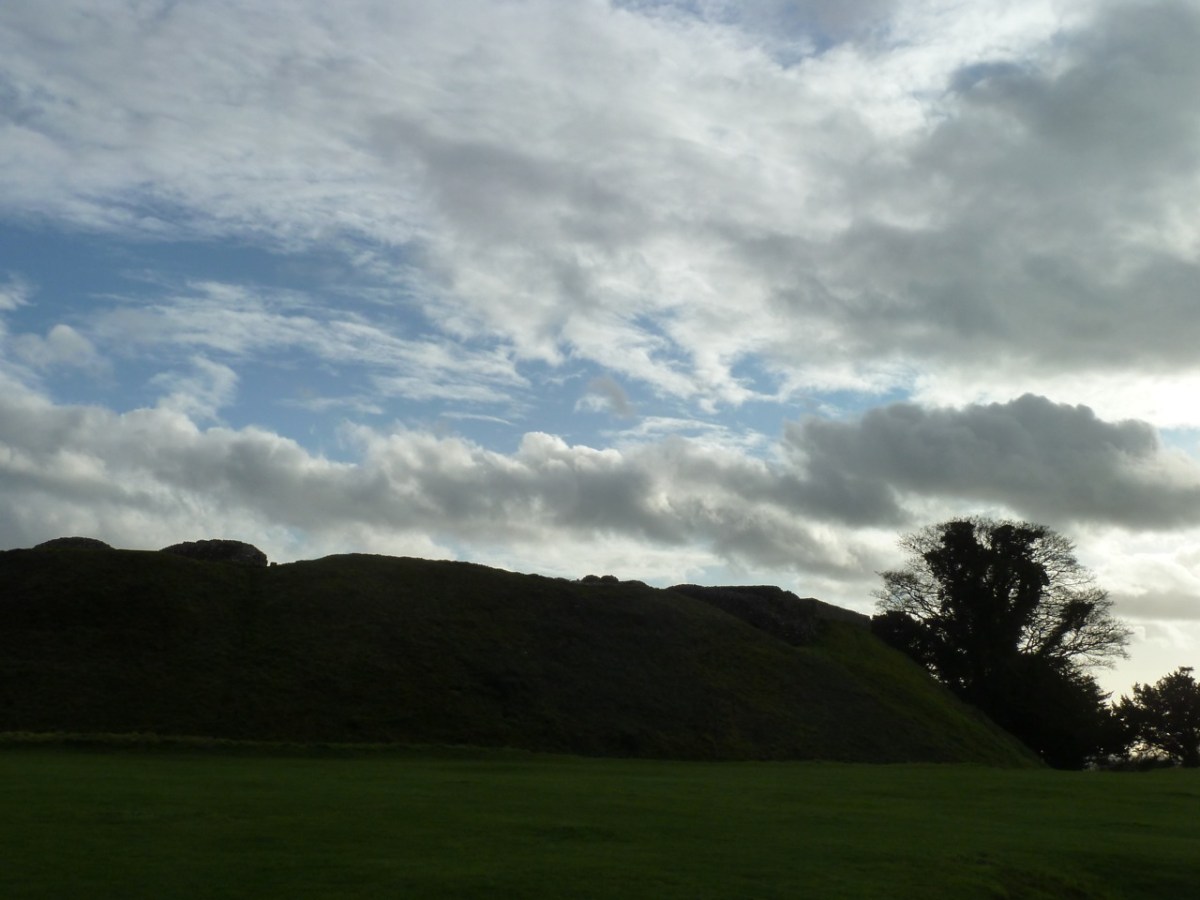
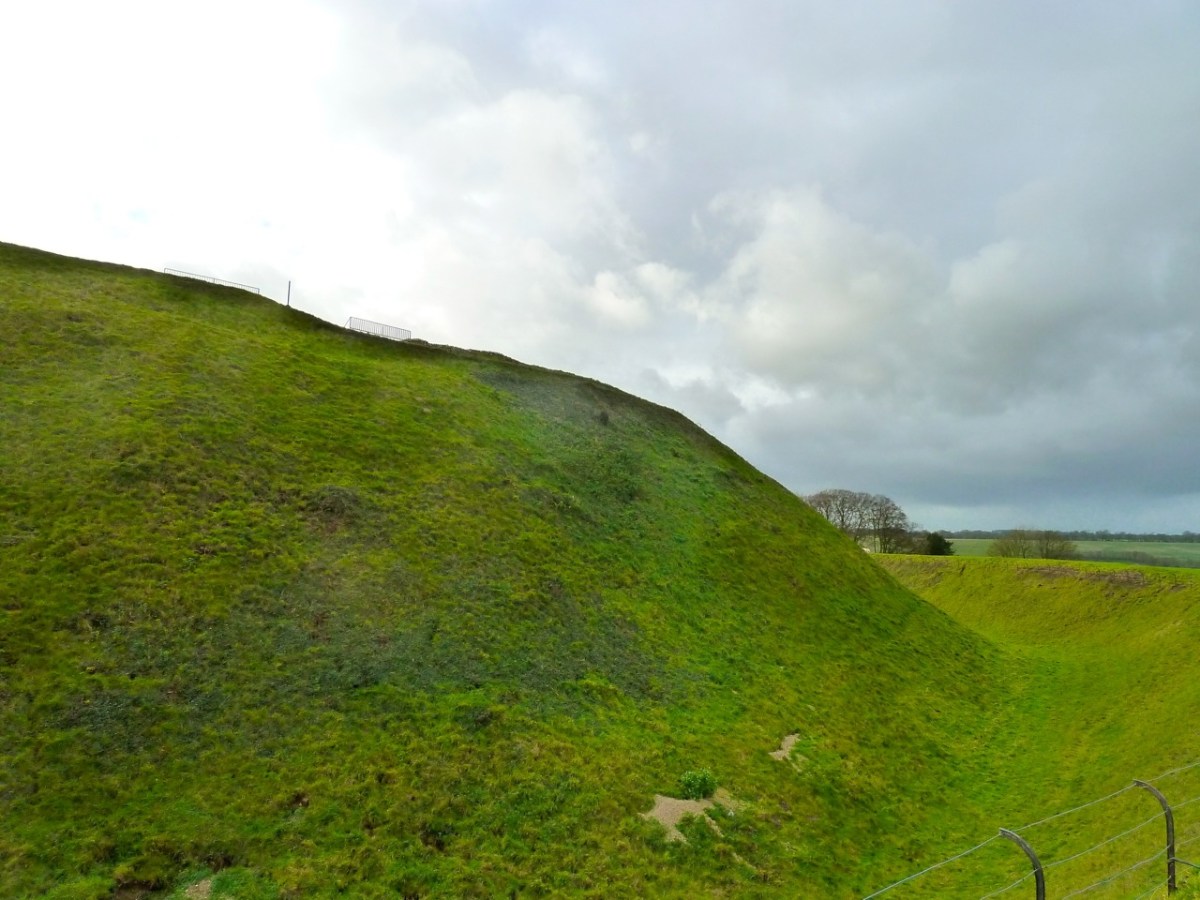
Feel the ancientness! Just north of the city of Salisbury sits the site of Old Sarum hill fort and castle. From Wiki:

The site contains evidence of human habitation as early as 3000 BC. Old Sarum is mentioned in some of the earliest records in the country. It is located on a hill about two miles north of modern Salisbury adjacent to the A345 road.

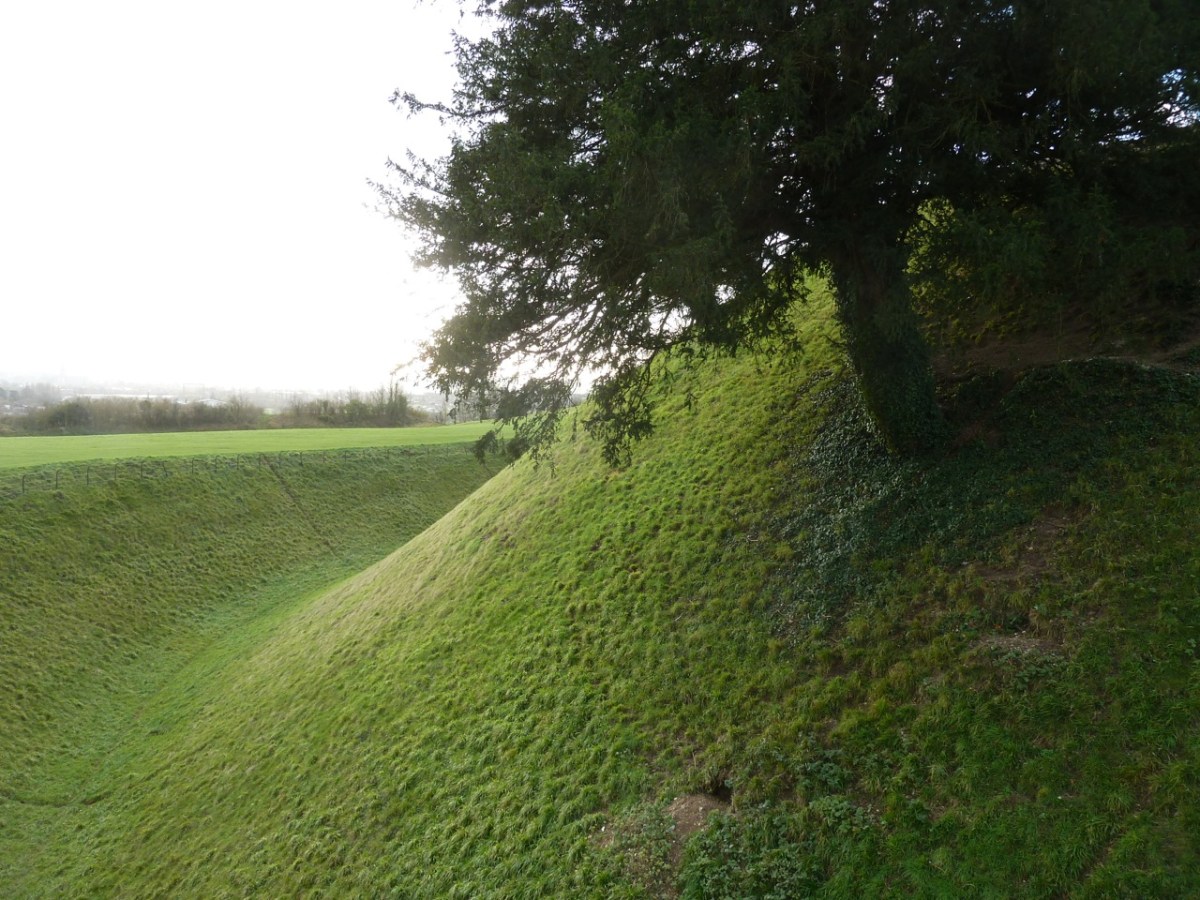
Old Sarum was originally an Iron age hill fort strategically placed on the conjunction of two trade routes and the River Avon. The hill fort is broadly oval in shape, 400 metres (1,300ft) in length and 360 metres (1,180ft) in width, it consists of a double bank and intermediate ditch with an entrance on the eastern side. The site was used by the Romans, becoming the town of Sorviodunum. The Saxons used the site as a stronghold against marauding Vikings, and the Normans built a stone curtain wall around the Iron age perimeter and a centrally placed castle on a motte protected by a deep dry moat. A royal palace was built within the castle for King Henry I and subsequently used by Plantagenet monarchs. A Norman cathedral and bishop’s residence were built at the western end of the town.

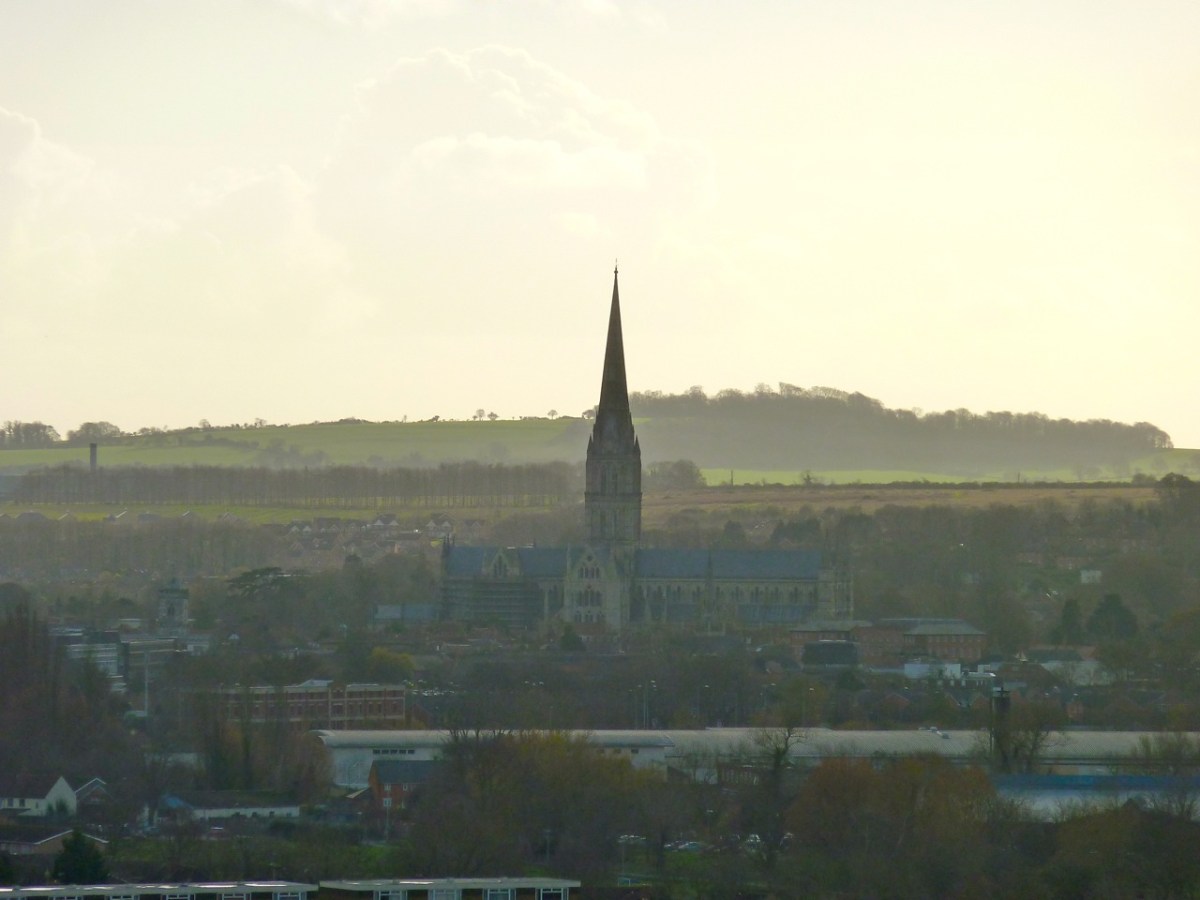
In 1219, the cathedral was demolished in favour of the new one built near the river and the townspeople moved down to the new city, then called New Salisbury or New Sarum. The castle fell out of use and was sold for materials by King Henry VIII.

Portsea Buildings

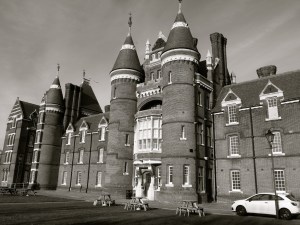
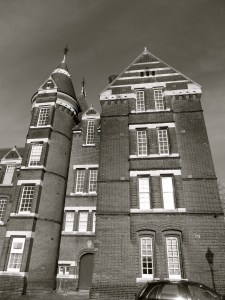
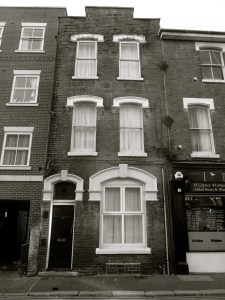
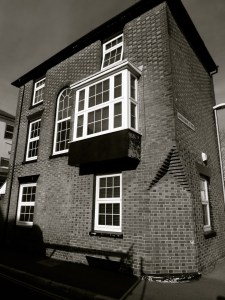
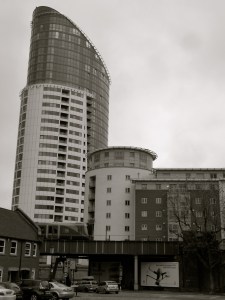
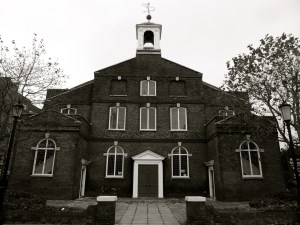
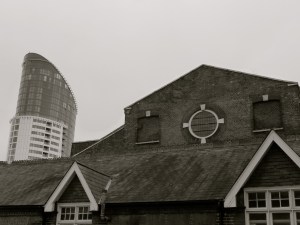
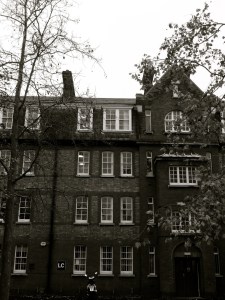
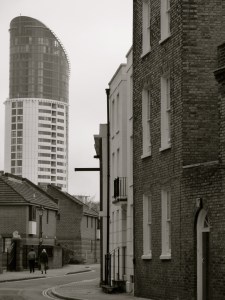
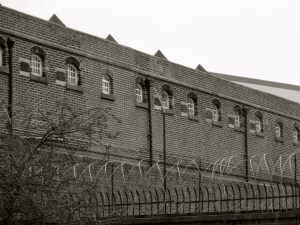
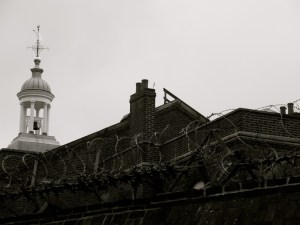
Today I walked around Portsea, between Gunwharf, the university and the naval base. The area has a much less genteel, more rugged feeling than Old Portsmouth but in amongst the council housing and blocks are some interesting old buildings. The area being right next to the naval base was heavily bombed in WWII and before that, the old slums and buildings were cleared. These photos largely focus on those buildings prior to 1900, including St George’s Square, Burnaby Terrace, Queens Street and Bonfire Corner, up against the barbed-wire walls. I didn’t get as far as The Hard, nor the base itself.

This page has some interesting history and photos of Portsea in the c19, including areas cleared of decaying houses.