Hampshire Architecture – New Alresford: East Street

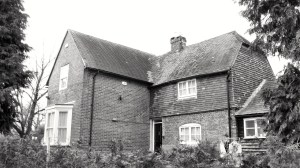
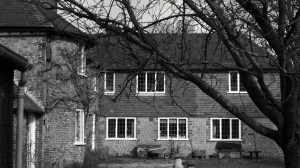
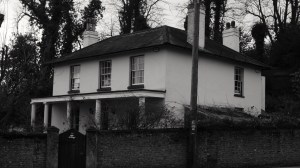
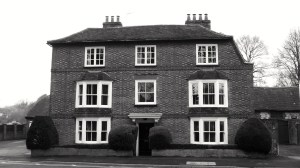
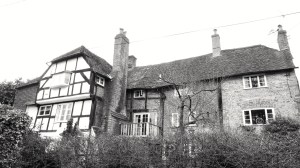
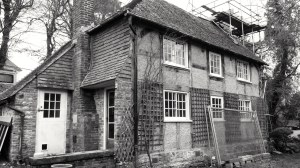
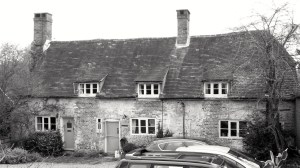
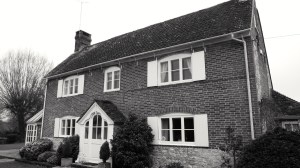
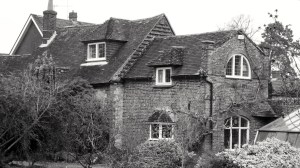
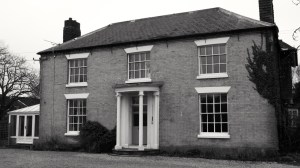
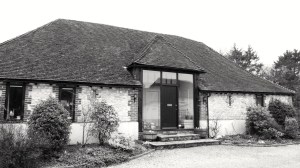
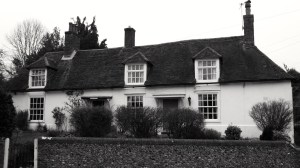
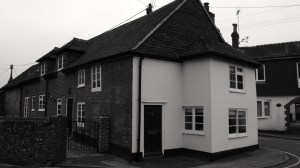
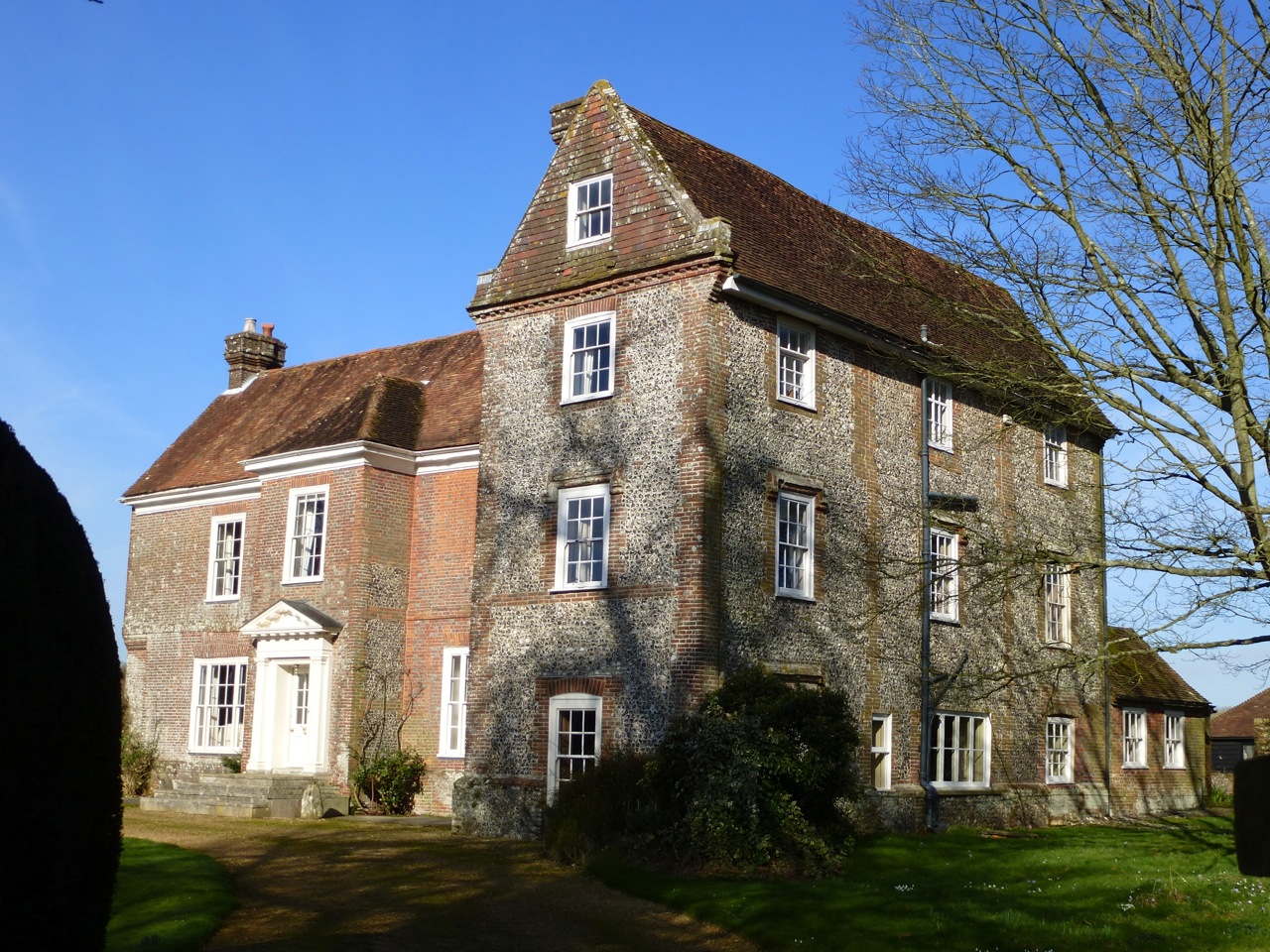
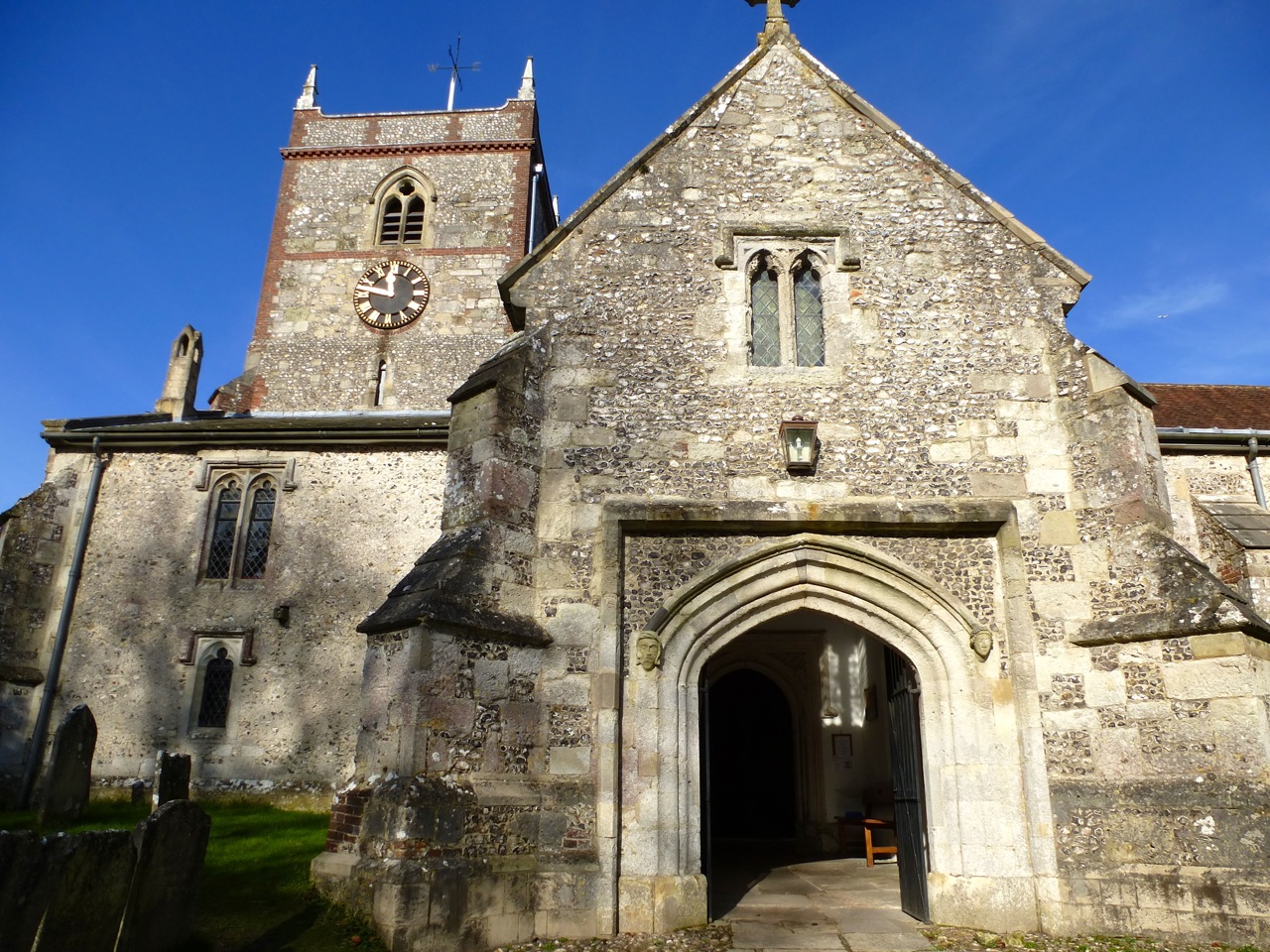
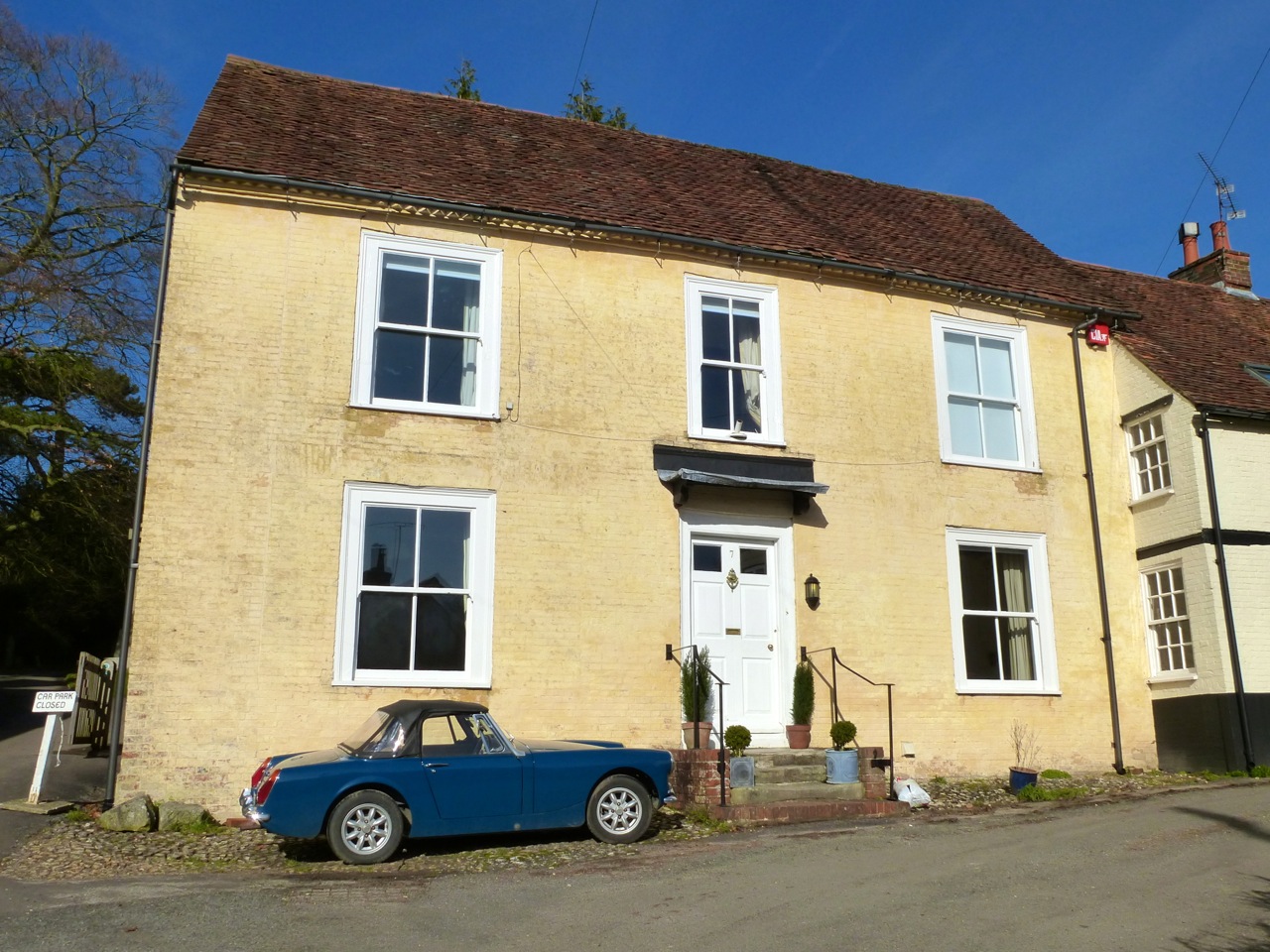
New Alresford is about 7 miles east of Winchester. The ‘New’ distinguishes it from Old Alresford village a mile to the north. The old part of New Alresford centres around East St, West St and Broad St, a T-shape. Pretty much the entirety of this area is listed. Many of the houses in East St feature old shop windows, now bay-windowed living rooms. At least two are former pubs – the Peaceful Home and the Sun Inn. This collection also includes the old mill, then warehouse, now offices, next to the (steam train) station, the church, and just beyond East St the unusual Hurdle House (literally to store sheep hurdles for the fair, now converted) and Langtons, a grand house behind high walls where East St meets Sun Lane. The majority of these buildings are 18th Century.

Here’s a panorama shot of the south side of the street, showing the many colours, followed by all the listed buildings of this area.

East St Alresford

Meditation Journal 22 March 2013

Vipassana Meditation March 22

So angry and irritable as I sat down after a morning walk. Long term frustration, not really to do with any one thing, but very ready to fight or at least bicker. Sat down, felt it, listened to it. Upset digestion, perhaps the cause? Often the belly would draw right back toward the spine, squeezing the insides. A deep feeling of exhaustion close by, occasionally washing over my whole being and it felt like I could sleep for years. Many years of not enough of the right kind of rest and relaxation. Shoulders scrunched up toward the ears, head bowed as the neck and shoulders tensed as tight as they could, then waves of release, breath returning to normal after quite a pant. Somewhere in all of the physicality and exhaustion, the irritation lessened, the wanting to fight a thing of the past, for now at least.

Meditation Journal 21 March 2013

Vipassana Meditation March 21

am 1hr

Noticing the internal struggles, the sides against sides, it’s easy to think of multiple voices, each having an entity behind it, but it doesn’t seem to be that way. As we have a head and a body, a being, to put to voices externally, it’s probably the case that we think there is a ‘person’ behind internal voices. One of these we think of as ‘me’. It’s not clear though that there is any entity or entities at all. Currently it seems more like a series of reactions of thought and feeling, all taking place within this particular body and brain. To say ‘it’s mine’ or ‘me’ is a bit of a leap, a very very common leap.

Sat with the body quiet after an early morning walk. Nearby to the thoughts and wonderings was an area of intense tiredness, frustration, a bundle of pissedoffness. Thought stemming from and skirting this area, seemingly at any cost. ‘Over here,’ thought calls, skipping along, nervously or confidently. But there’s no avoiding the area for too long, and it begins to open up and the body starts responding. A new one today: the throat. Lower jaw open wide and a stretch through the jowls and into the front neck, while mentally this darker area becomes all there is. There’s not much to say about it now, no words there yet, but a scrunched face, intense forehead centre and multiple colours, with a sense that there is nowhere other to be.

Meditation Journal 20 March 2013

Vipassana Meditation March 20

am 1hr

All about the right hand, arm, wrist. Not so much shaking this time but minute by agonising minute, tight in a fist. Images of schoolboy fights but mainly white light as my face scrunched, a kaleidoscope of limited palate: whites, yellows, greys, shiny grey stars. In the hand such inground pain, right in by the bones, even white fire in there. I no longer know what’s in the hand and what’s in the mind. Deep tension. Held. Is it the hand holding or the mind? Both. A mutual pact that is now being renegotiated by this neutral observing newcomer. Of course the pain isn’t from fights but from the use of the dominant hand on mouse, trackpad and keyboard over the years. Before that, wrapped around a pen or pencil or joystick or controller. And now, only now, it has a chance to change. And I’m letting it as best I can. Same for all so-called gross sensations. Not so many thoughts at three-something, deep in the night at my girl’s house.

Meditation Journal 19 March 2013

Vipassana Meditation March 19

am 1hr

The sense of returning to myself continues. In touch with parts of my body it feels like I left behind years and years ago. At the beginning today there was nothing going on, just sitting at 7 o’clock in the morning, breathing, feeling. So I began the practice of moving from part to part. And yet I didn’t want to: part of me felt that would be almost neglect to do that so, to leave an element behind in the mind that asked for attention, more of a younger aspect of myself.  So this feeling of connecting, of integrating for me is the most valuable aspect of meditation. Later, when the time was right, I began the practice of moving through the body and the usual suspects were apparent: right arm, foot arches, shoulders, neck – all had the tension areas which when met with attention faded away. The warm light of awareness. At one point I was curled into a little ball, at another point shaking as fast as I can shake, but without ‘doing’ any shaking. Changes, changes. By the end my right arm was entirely stiff like I could never move it again.

I’m really into this now and I’m no longer scared of it so I’ll endeavour to make time twice a day.

pm 50 mins.

The ‘no longer scared’ comes and goes, of course. The fear of stopping still is stronger in the evening when in full daytime buzz mode and just wanting to kick back for the evening. But there’s this crazy notion not to do that but to sit in silence instead. So, to make the sitting still into the kicking back that I desire. Why can’t it be restful? If I keep it up, maybe the aches and pains cease or settle and it can be the most kicking back of kicking backness. This evening: pains in the back of the right leg, nervy. Intensity in the centre of the forehead, still there. Other pains coming and going, appearing, disappearing. Amazing really how they do that. Mind spending some time thinking about some things I hadn’t thought of. How about that! Making some plans, having some ideas. I can’t fight thoughts. Why would I? Yet there’s an ‘ouch’ as I come back out of thought. So I make the ‘ouch’ what I come back to, the attack on myself itself the object, the sensation. So there’s aches and pains mentally too, all to be explored, gently, gently.

Meditation Journal 18 March 2013

Vipassana Meditation 18 March

am 1hr

Awake at three-something, back to the cushion that’s been waiting for me while I squirm and shirk, and yet somehow I always want to return. It’s the realest thing I know. Not the cushion, the practice. Take away the drama and keep it simple. An inner smile as I sat down, and soon a sense of returning home. Layers I have added over the years, various attempts at an attitude, a self in the world, fading away or seen as superfluous. Almost immediately the right arm, doing some kind of Rod Hull & Emu thing again. Later the neck. Later the head, shaking side to side. That’s always the wildest, not in terms of movement, although it is strong, but it’s like there’s nothing left inside the head but the left right movement of it. Deep tension in right shoulder and neck, and then mostly the lips and mouth. Major pouts seemingly undoing years of reacting to this world. A sense that I don’t need to operate like I thought I had to: some kind of artificial coolness, some kind of fitting in. There’s a simpler way, a truer self – dare I put it that way. Glad to be back at it, this non-at-it-ing. There’s nothing else for it. Left to own devices the habit and the norms sweep me on along. Lay an anchor into the cushion and let it all sweep by a while. 

pm 1hr

Back to the old moving attention through the body from the head, part by part, all the way down to the toes and back again. For an hour. I was reluctant to begin, preferring just to carry on with my routines, which basically means on a free evening: browsing watching listening reading. So I did some exercises for the fitness class that I’m attending and then I was more connected and with my intuition, so I decided, before I could find any more excuses, to just sit down. Why is sitting down the hardest thing? Just sitting still. It’s clear why I’m running, why we are running. Running from ourselves is the cliche, but I’d say we are running from our bodies. There’s so much in the body, so much to avoid, so much awkwardness, so much stored, so much, well, sensation. And this practice is great for learning to observe and not respond. Of course there are responses. I can’t help that. But just to remain equal, to be aware of them all, the many many different sensations, from the most delightful tingles and energy movement through to intense pain in the face around the mouth, in the cheeks, and in the arches of the feet. It amazes me how one minute the shoulders can be the stiffest, most aching they have ever felt, and then, some intensity later, the most relaxed and free. This is real work and I’m not giving up on it.

Hampshire Architecture – Petersfield: Away from the Town Centre

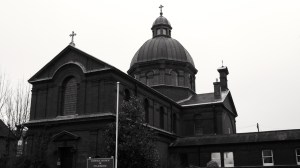
Petersfield is a market town 18 miles north of Portsmouth and about 20 miles east of Winchester. Today I explored the outlying areas of the town, away from the centre. There are villas, old farmhouses, cottages and a mill, dotted between the C20 housing and along lanes headed to the countryside. Also the Roman Catholic church and the octagonal chapels at the cemetery. The pictures below are all of Grade II Listed buildings.

Meditation Journal 4 March 2013

Vipassana Meditation March 4

Each pass down the body is different. Feeling each part anew. Each part expressing something. Sensation. And to be in touch with the entire body in this way feels fo very genuine, like everything else I get up to during a day is fritting about, insubstantial. This sitting is substantial. Continually surprised at the depth of the aches and tensions. By being in touch with all of it, there is no longer anything to be afraid of. I thought I was afraid of the things half touched upon. Then there is fear of half of something, I didn’t know what, and imagination as to what it is takes over. It is simpler than that: what is happening now. No imagination. No reaction needed. No resistance required.

Meditation Journal Sunday 4 March 2013

Vipassana Meditation March 3

Strong sensation of fear. Feeling it in the chest but it’s very slippery. Which suggests to me that I am tying to do something about it. After some now obvious cat and mouse, I resume the head to foot practice of feeling sensation in each part of the body. A knot deep in the right shoulder. This time the sensation is way less slippery and my gentle attention is able to penetrate. The sensation gradually builds to a climax until I just can’t take it anymore, an overwhelming fire until it fades rapidly away. Perhaps even a little disappointing when it’s over as I’m back to the everyday. In the direct connection it feels I am really living, that this is life itself. The norm seems to be a game of avoidance and attempted action to do something about the state of affairs. In such close observation, there is nothing to do about anything. Pain in the right calf, which eventually leaves me sobbing. I suspect the reason we are so frenetic is avoidance of sensation. If I stop, I need to start again soon, else I’ll start to feel, heaven forbid.

Meditation Journal 28 Feb 2013

Vipassana Meditation Feb 28

To what extent am I controlling the breath? To what extent is it natural? A long inquiry into the subtlety of breath. Am I with the breath? Where am ‘I’? Then the body starts to move. Am I moving it? Back off; observe. Am I observing with a motive for things to change? Observe. The arm shakes to a maximum intensity, then ceases. A pain in my right foot. How am I watching it? It’s pain, must be bad. It’s pain, must stay with it. It’s pain, it should change. It’s still there: what is it like, this pain thing? Is it static or shifting? It’s shifting. It’s more intense. It’s actually almost ticklish way inside the pain, not painful. I almost want to smile. Headline: pain isn’t painful! Then it’s over and there’s sensation elsewhere. Building through my neck. How am I aware of it? I want it gone! What’s it like? A deep ache. Terrible. Why say terrible? I don’t want to feel it. Run! Off into daydreams. There’s the pain again. Not pain, sensation. The deep ache spreads into a wider area, dissipates. Energy rushing through the spine into the neck, head. The head shakes wildly until all sensation is focussed on a tense area in the head; the ultimate headache. Shaking, head shaking, into that spot. Intensifying then just as there’s nothing else but the headache, it’s over and I’m still, breath is soft, the body strong and upright, and it’s just another morning.

Meditation Journal 27 Feb 2013

Vipassana Meditation Feb 27

Following the breath. While with the breath the craze of thought is readily apparent. Upper back and neck arching back. Hands tight, fingers rods. Jaw stiff, jutting. Lips contorting. Feet flexed. Breath steady. The sense of a continuous self is tenuous, a series of moments of attention bundled into a chain of me-ness. 

Mindfulness In Plain English – Henepola Gunaratana – What’s In It For You

Extracts from Chapter 16, the final chapter

There is no static self to be found; it is all process. You find thoughts but no thinker, you find emotions and desires, but nobody doing them. The house itself is empty. There is nobody home.

Those things that we called hindrances or defilements are more than just unpleasant mental habits. They are the primary manifestations of the ego process itself. The ego sense itself is essentially a feeling of separation — a perception of distance between that which we call me, and that which we call other. This perception is held in place only if it is constantly exercised, and the hindrances constitute that exercise.

Greed and lust are attempts to get ‘some of that’ for me; hatred and aversion are attempts to place greater distance between ‘me and that’.

Mindfulness perceives things deeply and with great clarity. It brings our attention to the root of the defilements and lays bare their mechanism. It sees their fruits and their effects upon us. It cannot be fooled.

Clear mindfulness inhibits the growth of hindrances; continuous mindfulness extinguishes them. Thus, as genuine mindfulness is built up, the walls of the ego itself are broken down, craving diminishes, defensiveness and rigidity lessen, you become more open, accepting and flexible. You learn to share your loving-kindness.

Once your mind is free from thought, it becomes clearly wakeful and at rest in an utterly simple awareness. This awareness cannot be described adequately. Words are not enough. It can only be experienced.

This is simplified, rudimentary awareness which is stripped of all extraneous detail. It is grounded in a living flow of the present, and it is marked by a pronounced sense of reality. You know absolutely that this is real, more real than anything you have ever experienced. Once you have gained this perception with absolute certainty, you have a fresh vantage point, a new criterion against which to gauge all of your experience.

In this state of perception, nothing remains the same for two consecutive moments. Everything is seen to be in constant transformation. All things are born, all things grow old and die. There are no exceptions.

Actions, thoughts, feelings, desires — you see all of them intimately linked together in a delicate fabric of cause and effect.

You begin to perceive dukkha at all levels of our human life, from the obvious down to the most subtle. You see the way suffering inevitably follows in the wake of clinging, as soon as you grasp anything, pain inevitably follows. Once you become fully acquainted with the whole dynamic of desire, you become sensitized to it. You see where it rises, when it rises and how it affects you.

There is no static self to be found; it is all process. You find thoughts but no thinker, you find emotions and desires, but nobody doing them. The house itself is empty. There is nobody home.

The entity of self evaporates. All that is left is an infinity of interrelated non-personal phenomena which are conditioned and ever changing. Craving is extinguished and a great burden is lifted. There remains only an effortless flow, without a trace of resistance or tension. There remains only peace, and blessed Nibbana, the uncreated, is realized.


Mindfulness In Plain English – Henepola Gunaratana – Meditation in everyday life

Extracts from Chapter 15

Meditation that is not applied to daily living is sterile and limited.

The purpose of Vipassana meditation is nothing less than the radical and permanent transformation of your entire sensory and cognitive experience. It is meant to revolutionize the whole of your life experience. Those periods of seated practice are times set aside for instilling new mental habits. You learn new ways to receive and understand sensation. You develop new methods of dealing with conscious thought, and new modes of attending to the incessant rush of your own emotions. These new mental behaviors must be made to carry over into the rest of your life.

One of the most memorable events in your meditation career is the moment when you first realize that you are meditation in the midst of some perfectly ordinary activity. You are driving down the freeway or carrying out the trash and it just turns on by itself. This unplanned outpouring of the skills you have been so carefully fostering is a genuine joy. It gives you a tiny window on the future. You catch a spontaneous glimpse of what the practice really means. The possibility strikes you that this transformation of consciousness could actually become a permanent feature of your experience.

We specifically cultivate awareness through the seated posture in a quiet place because that’s the easiest situation in which to do so. Meditation in motion is harder. Meditation in the midst of fast-paced noisy activity is harder still. And meditation in the midst of intensely egoistic activities like romance or arguments is the ultimate challenge.

Carrying your meditation into the events of your daily life is not a simple process. Try it and you will see. That transition point between the end of your meditation session and the beginning of ‘real life’ is a long jump. It’s too long for most of us. We find our calm and concentration evaporating within minutes, leaving us apparently no better off than before. In order to bridge this gulf, Buddhists over the centuries have devised an array of exercises aimed at smoothing the transition.

Walking is especially good for those times when you are extremely restless. An hour of walking meditation will often get you through that restless energy and still yield considerable quantities of clarity.

We are learning here to escape into reality, rather than from it. Whatever insights we gain are directly applicable to the rest of our notion-filled lives.

Your body goes through all kinds of contortions in the course of a single day. You sit and you stand. You walk and lie down. You bend, run, crawl, and sprawl. Meditation teachers urge you to become aware of this constantly ongoing dance. As you go through your day, spend a few seconds every few minutes to check your posture.

Intentionally slowing down your thoughts, words and movements allows you to penetrate far more deeply into them than you otherwise could. What you find there is utterly astonishing. In the beginning, it is very difficult to keep this deliberately slow pace during most regular activities, but skill grows with time. Profound realizations occur during sitting meditation, but even more profound revelations can take place when we really examine our own inner workings in the midst of day-to-day activities.

You start to see the extent to which you are responsible for your own mental suffering. You see your own miseries, fears, and tensions as self-generated. You see the way you cause your own suffering, weakness, and limitations. And the more deeply you understand these mental processes, the less hold they have on you.

Ideally, meditation should be a 24 hour-a-day practice. This is a highly practical suggestion.

A state of mindfulness is a state of mental readiness. The mind is not burdened with preoccupations or bound in worries. Whatever comes up can be dealt with instantly. When you are truly mindful, your nervous system has a freshness and resiliency which fosters insight. A problem arises and you simply deal with it, quickly, efficiently, and with a minimum of fuss.

Every spare moment can be used for meditation. Sitting anxiously in the dentist’s office, meditate on your anxiety. Feeling irritated while standing in a line at the bank, meditate on irritation. Bored, twiddling you thumbs at the bus stop, meditate on boredom. Try to stay alert and aware throughout the day.

You should try to maintain mindfulness of every activity and perception through the day, starting with the first perception when you awake, and ending with the last thought before you fall asleep. This is an incredibly tall goal to shoot for. Don’t expect to be able to achieve this work soon. Just take it slowly and let you abilities grow over time.

The practice of mindfulness is supposed to be a universal practice. You don’t do it sometimes and drop it the rest of the time. You do it all the time. Meditation that is successful only when you are withdrawn in some soundproof ivory tower is still undeveloped. Insight meditation is the practice of moment-to-moment mindfulness.

Meditating your way through the ups and downs of daily life is the whole point of Vipassana. This kind of practice is extremely rigorous and demanding, but it engenders a state of mental flexibility that is beyond comparison. A meditator keeps his mind open every second. He is constantly investigating life, inspecting his own experience, viewing existence in a detached and inquisitive way. Thus he is constantly open to truth in any form, from any source, and at any time. This is the state of mind you need for Liberation.

Meditation Journal 18 Feb 2013

Vipassana Meditation Feb 18

Coming back to the cushion after nine days I wonder where I’ve been. Awareness is more consistent during the days but its nothing like when sitting still. Back to the cushion, back to sensation after so much distraction. Delaying tactics. Delaying what I don’t and can’t know of, but think I do. Certainly sensation. Gross sensation as they say. And that means pain. And there’s a response to it that can be seen and understood and so pain isn’t what we think. And the pains themselves, forever subtly changing, even if in their intensity it will seemingly last forever. In listening there is shifting, movement, aliveness.

Such deep aches! I’ve been living with this, going about my days, weeks, months, years, carrying so much within the organism. It’s incredible really that the body and mind can do such a good storage job. Hold it and lock it down with thought. And yet there’s really no need. No one wants it, this task, heavy heavy task. It does a very good job but entirely unnecessarily. Just that we were taught this way, how it’s been done. In sitting still I am finding out simply and clearly what is needed and what is not.

Hampshire Architecture – Petersfield: High St, Square, Sheep St, The Spain

Petersfield is a market town 18 miles north of Portsmouth and about 20 miles east of Winchester. Today I explored the town centre: High Street, The Square, Sheep Street, The Spain, Swan Street, Hylton Road, Church Path and St Peters Street. Most of the listed buildings here are C17 and C18, with some as old as C16. Many have older sections behind the newer facades. Petersfield grew as a coach stop on the Portsmouth-London route and due to its sheep market in the square, to which Sheep Street leads. The pictures below are all of Grade II buildings, with the exception of the church and statue, both grade 1. Goodyers in The Spain is II*, it being a large C16 house, with an early C18 addition in brick. The Spain itself is almost like a village green, situated very close to the town centre. Here are two panoramas:

The Spain (East)

The Spain (West)

Chidden & Hambledon Walk

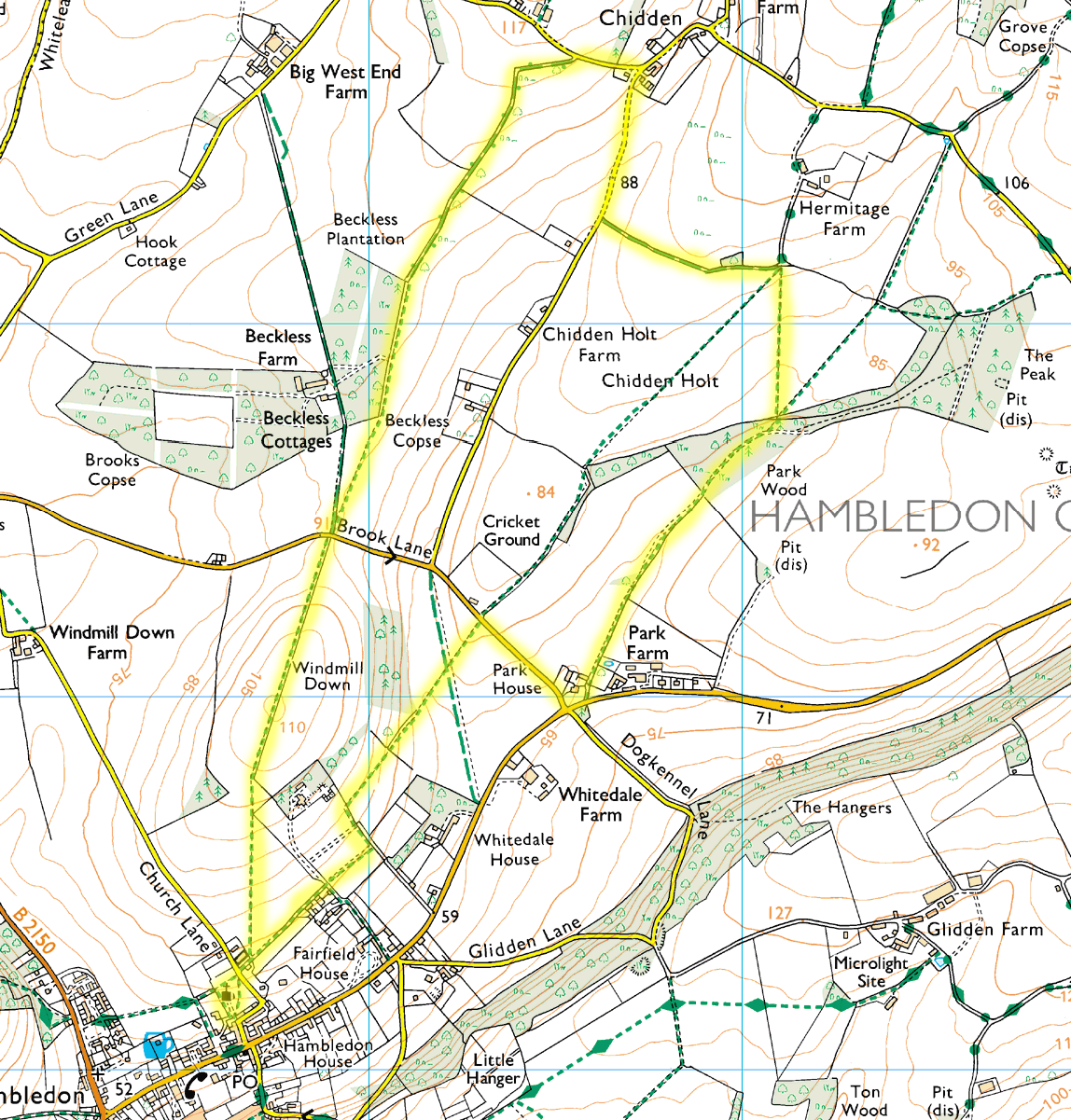
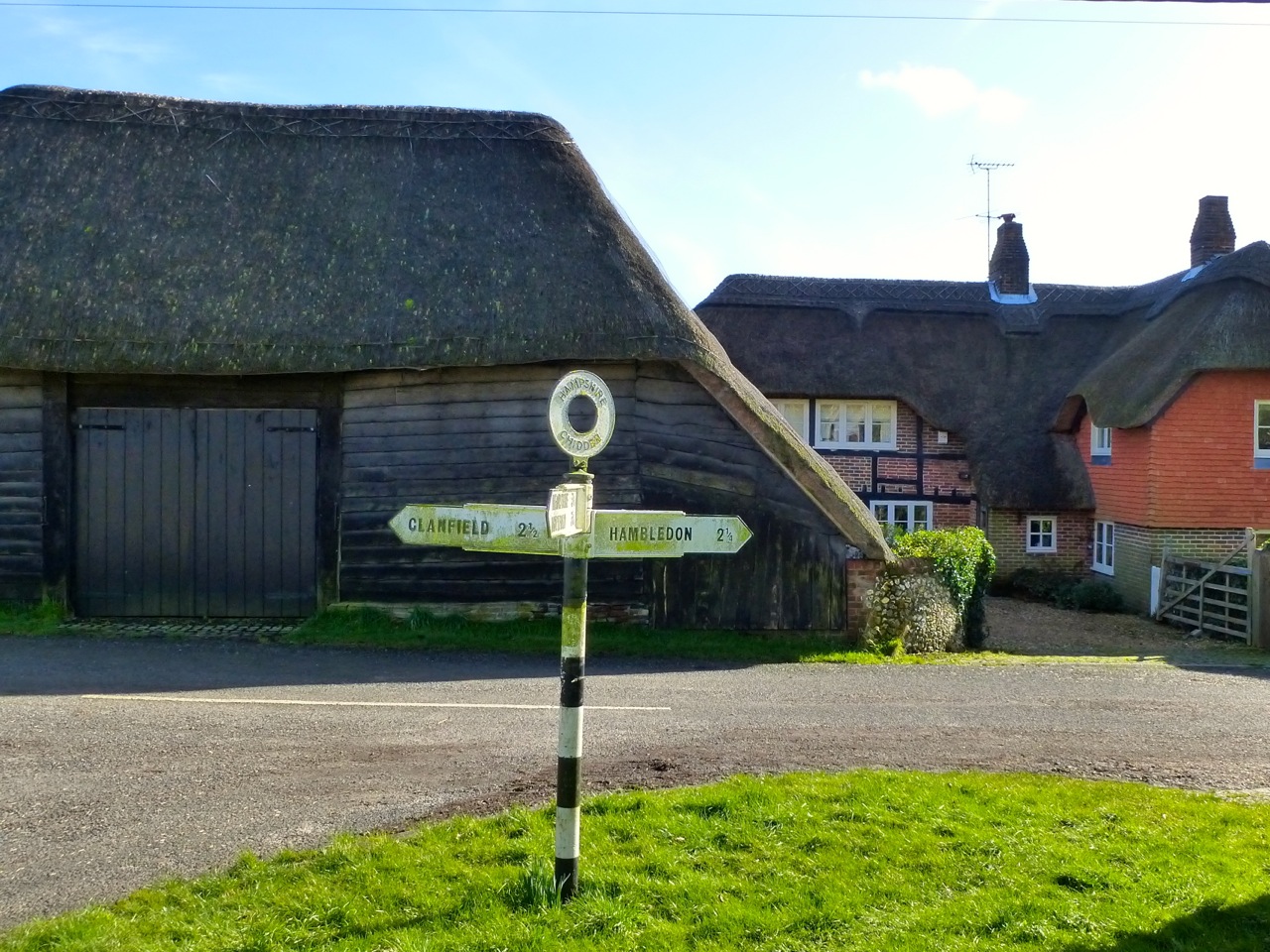
In warm sunshine and cool winter air, we walked from the hamlet of Chidden on the South Downs to Hambledon and back again in a loop.

Chidden Hambledon Walk Route

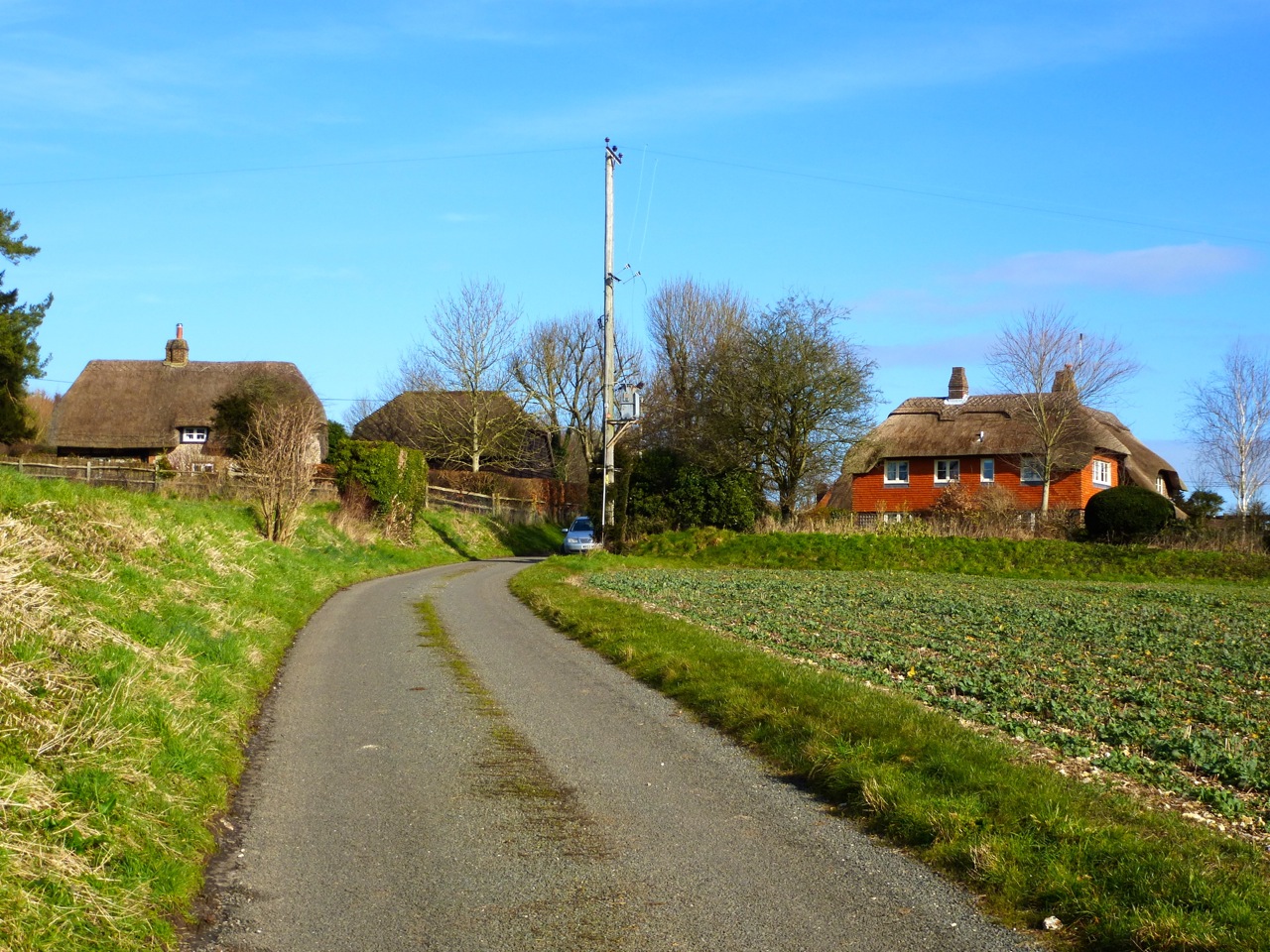
With larks calling high above (where are they?) we proceeded south from the village over open downland:

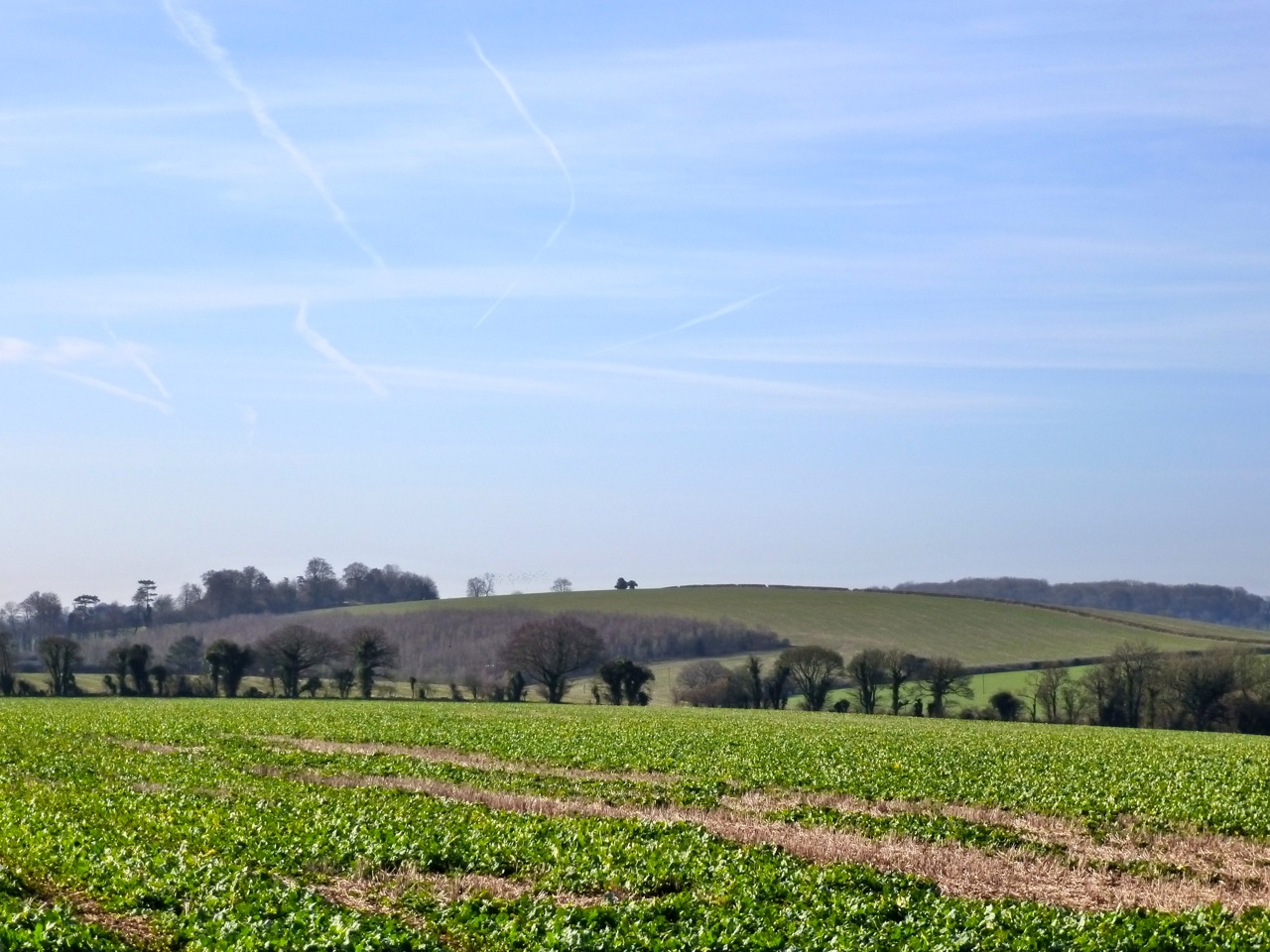
Chidden Hampshire

Near Chidden

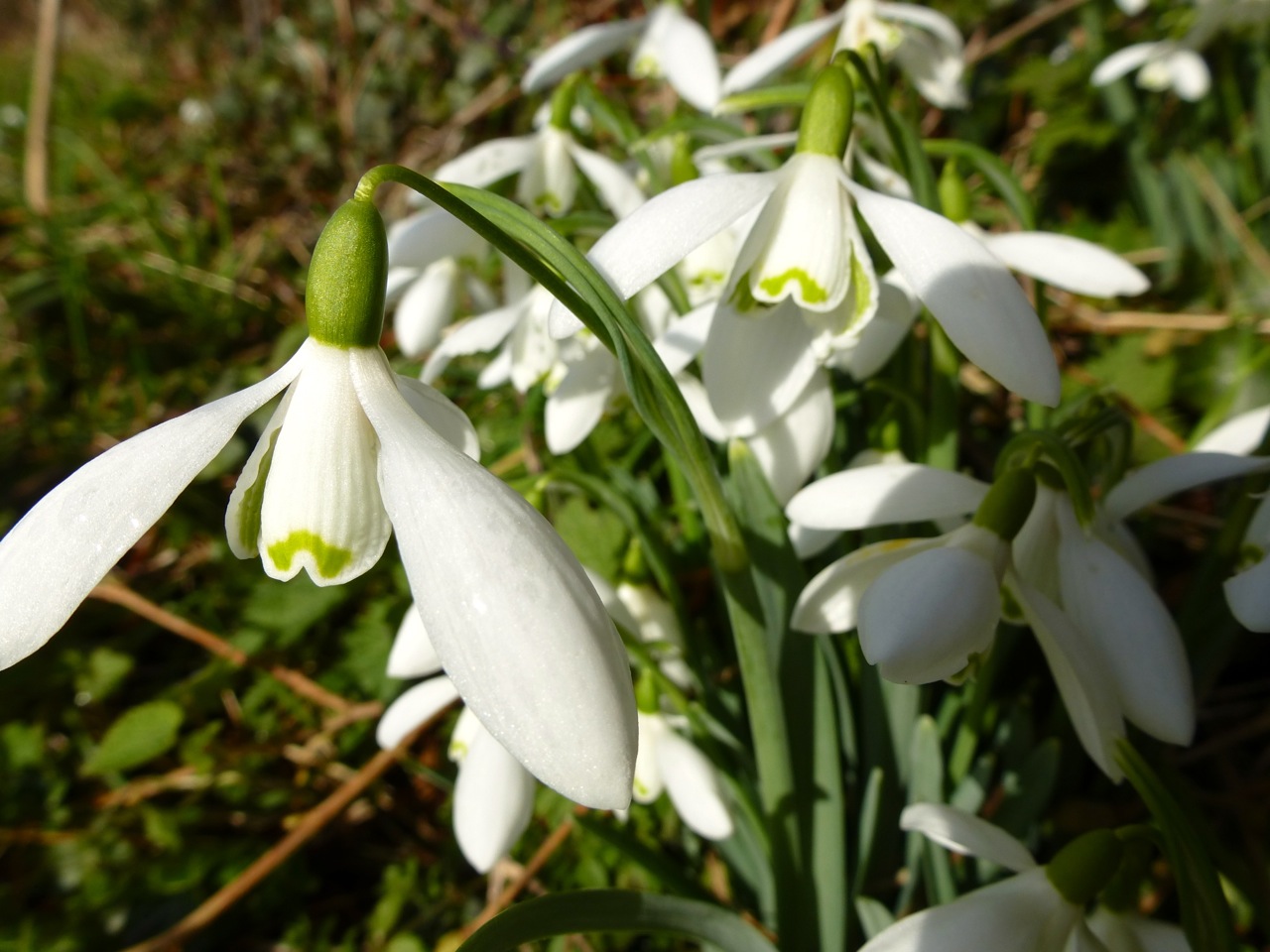
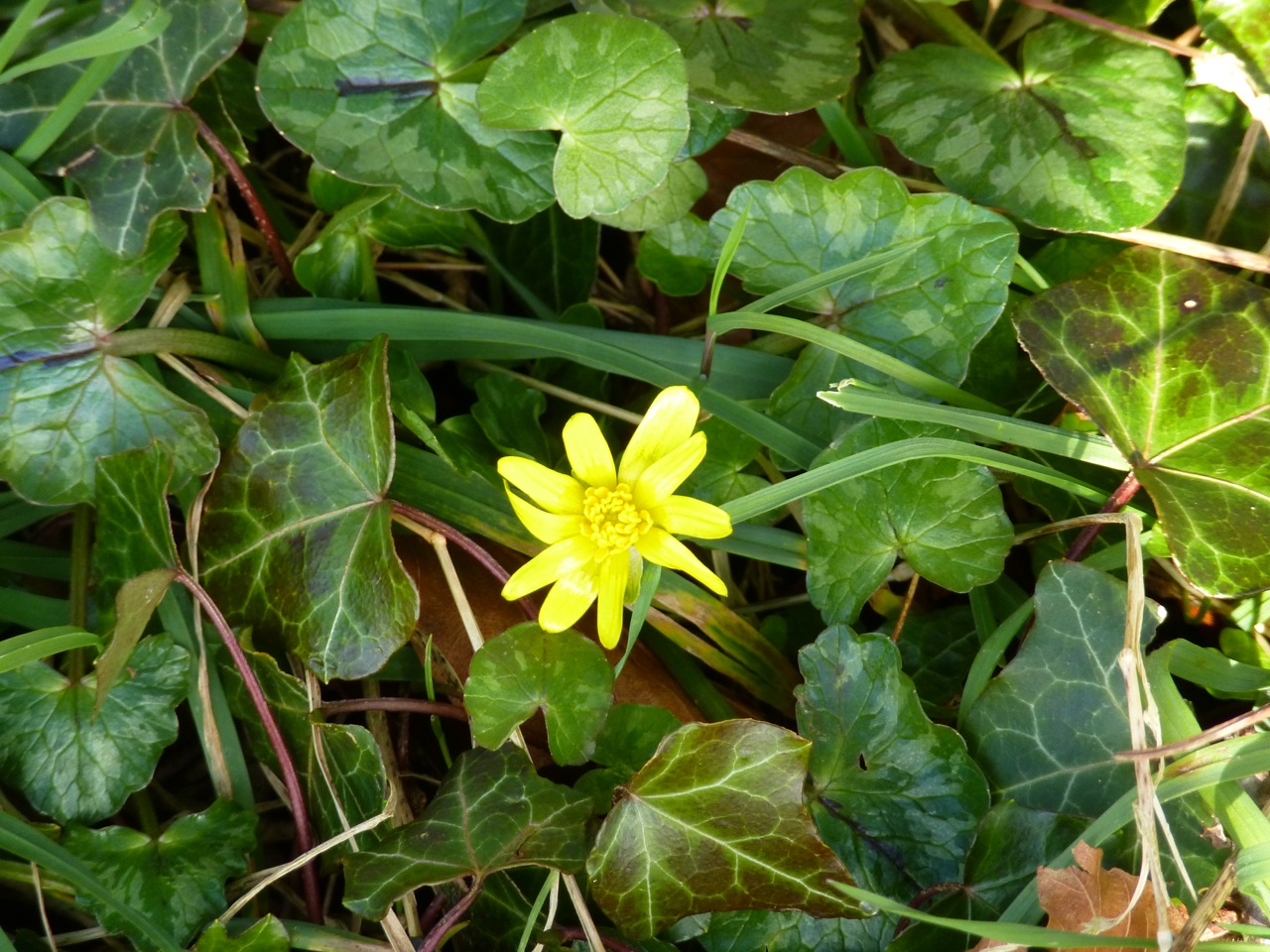
Some winter flowers hinting at spring:

Open snowdrops Yellow flower

Into Park Wood:

Park Wood Hambledon Park Wood Hambledon Park Wood Hambledon Park Wood Hambledon


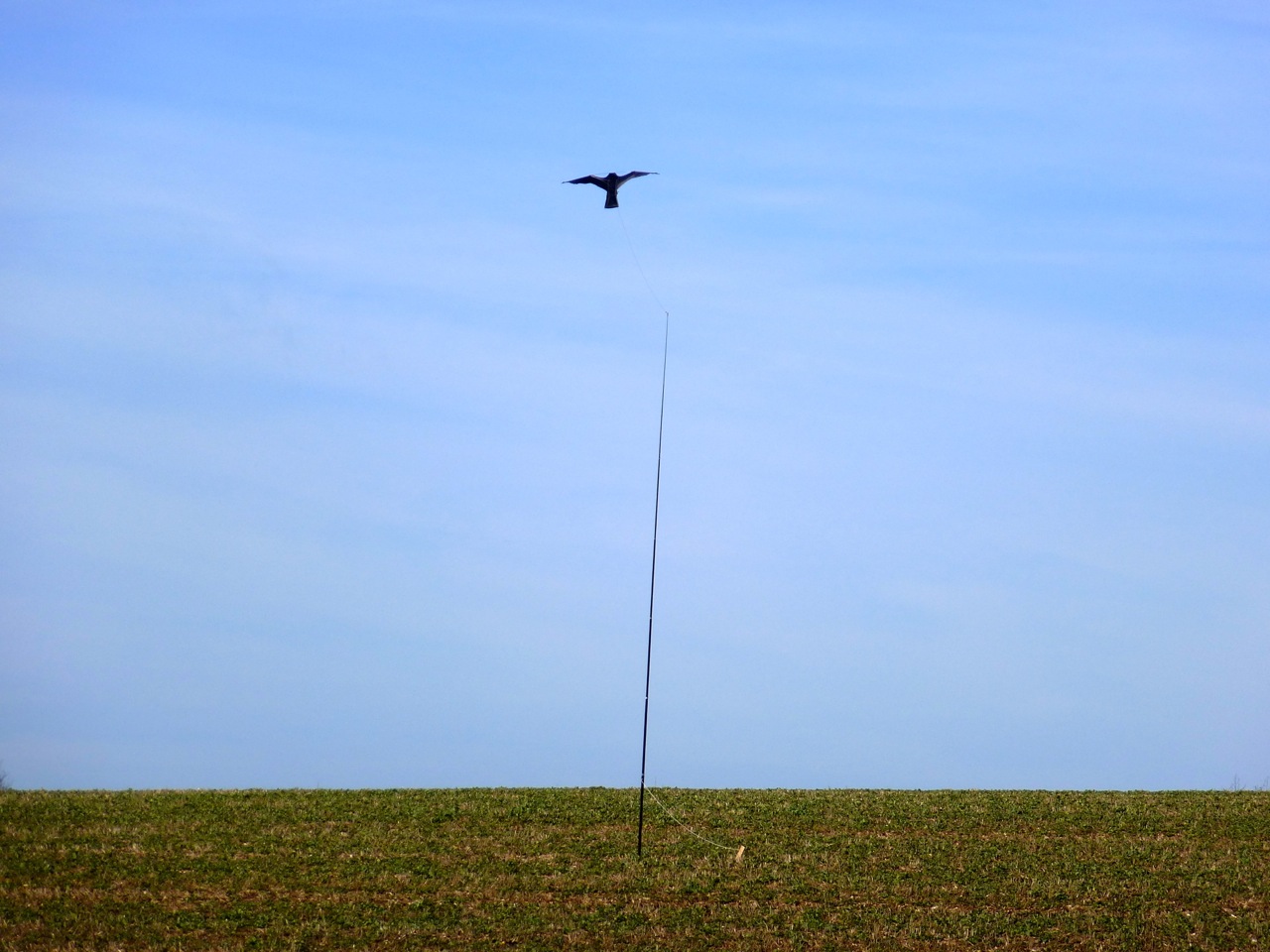
Bird of prey scarecrow:

Hawk scarecrow

Park House:

Park House Hambledon Park House Hambledon

Cricket has been played up on Windmill Down, Hambledon for more than 250 years:

Hambledon Cricket Club

Buds budding:

Spring bud

View north to Leydene Park:

Leydene Park, Hyden

Hampshire downland:

Hampshire downland

Horse and foal

Hambledon vineyards, producing English ‘champagne’:

English vineyards Hambledon vineyards

Into the village. Very nice. Very expensive. Sports cars in front of cottages:

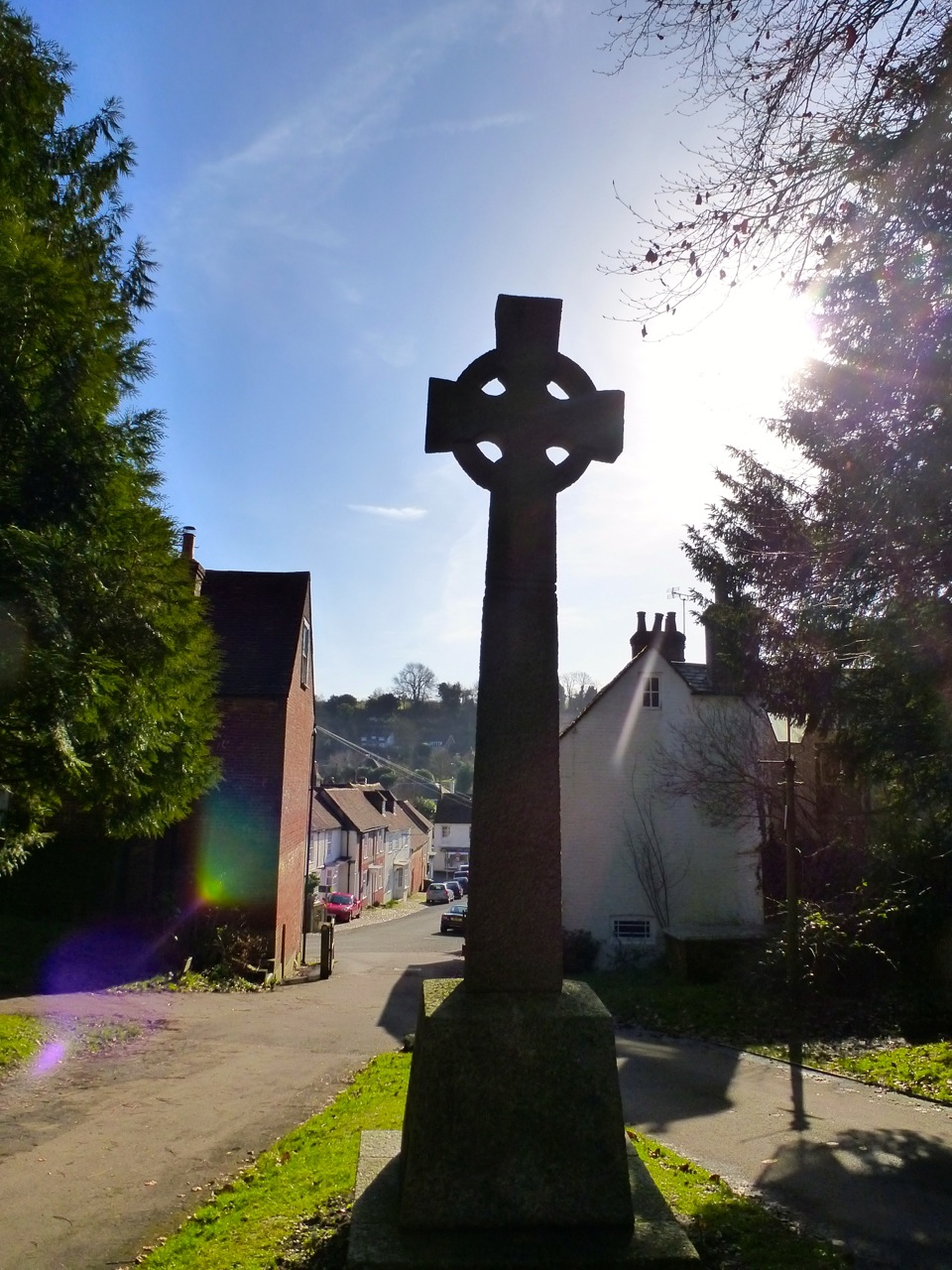
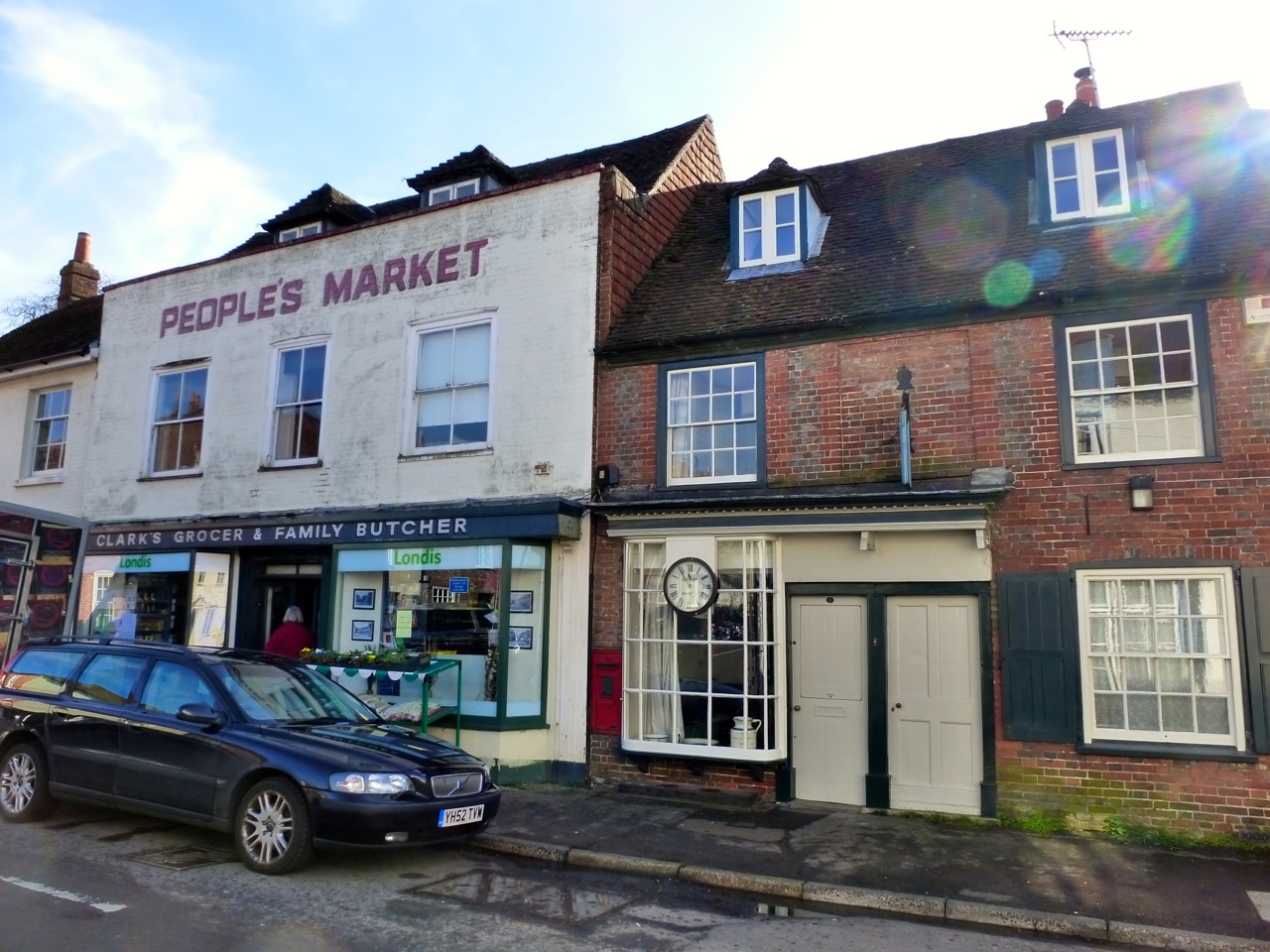
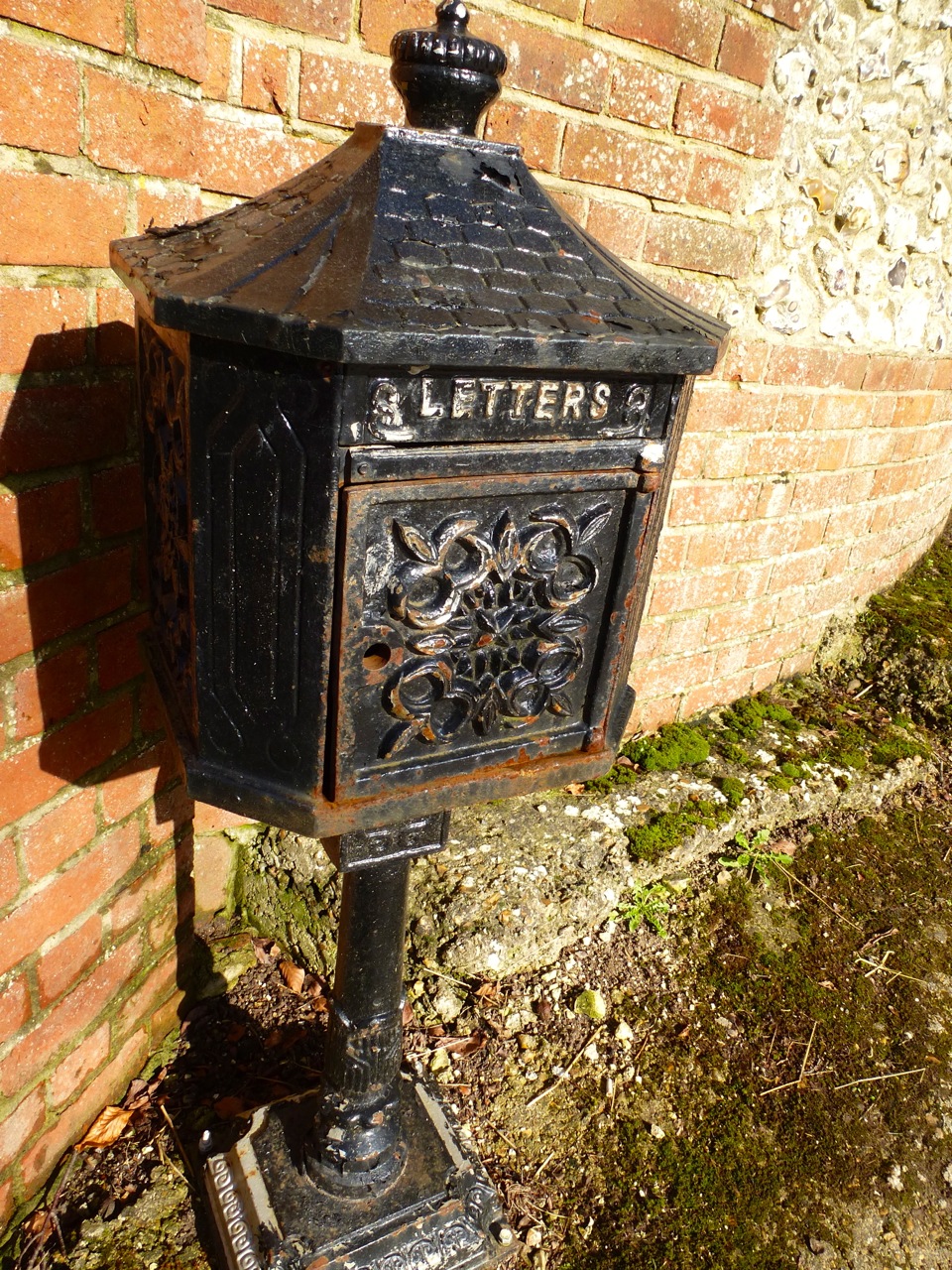
Hambledon churchyard Hambledon church Hambledon church cross Hambledon peoples market Hambledon High Street Old letter box MG, cottage

Footpath north through the vineyards:

Vineyard footpath

Panorama north to Chidden Down:

Chidden Down Chidden Down

And back to Chidden:

Chidden Hampshire

Meditation Journal 9 Feb 2013

Vipassana Meditation Feb 9

The pain takes me to the edge of what I can stand, the edge of myself even. I suspect this is what karma really is: the actions of the past are right here, embedded within us, locked in as stuckness, as ache, stiffness, tension. What goes around comes around, or maybe never left. We cannot get away with anything. But give it space and dare to feel and pay attention, in an atmosphere of awareness and equanimity and it starts to change, unfold, disperse. This is a right action, a karma undoer. You can’t will a pain to disperse, that’s furthering the same action that got you in this situation in the first place, but you can listen, feel, see, and the purity of that attention determines the rate of change. I just made that rate bit up; it’s not clear to me, but it does seem more instant in more complete awareness and slower in partial attention. Take a simple pain in my jaw. If I’m off somewhere else, thinking about last or this evening. In daily life I might not even notice it. In sitting, the experience is of pain, a bother, nothing much. Hone in on it, and allow it to have an expression, reveal itself and it grows and grows in severity. Keeping calm, watching, it gets so strong, overwhelming almost and then *!* it’s over. No pain. I suspect without the watcher experiencing it’s over in a flash, but in this dualistic game this is how it’s playing out.
East Meon Walk

In bright winter sunshine in a crisp breeze we walked a loop of a few km from East Meon church:

East Meon Walk Route Map

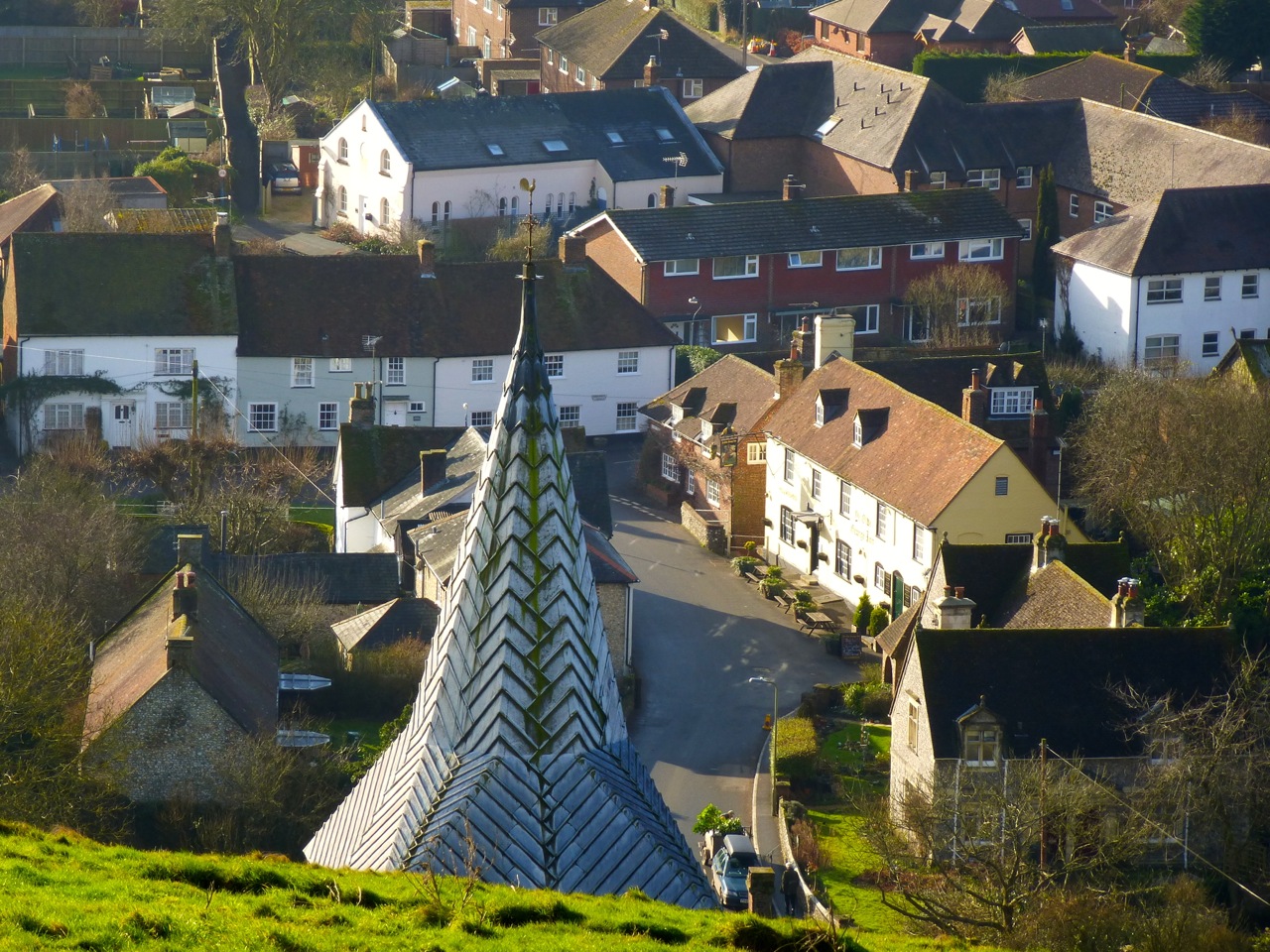
From the graveyard the path rapidly ascends 100m up into Park Hill giving great views over the village. Very soon we were higher than the steeple:

Over East Meon church


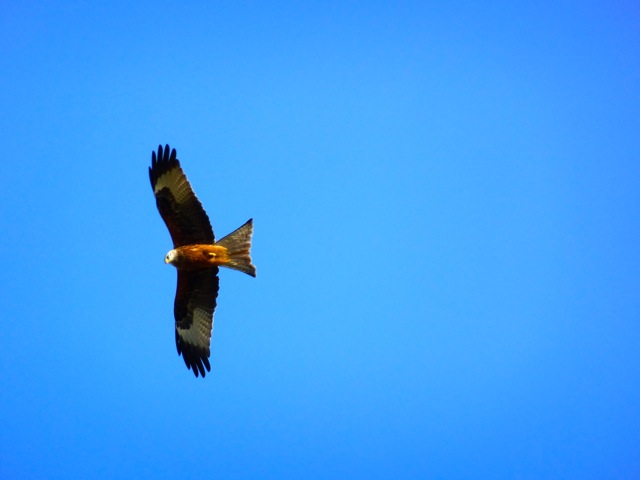
Even higher above some red kites effortlessly circled over a corn field. A local said they had been recently introduced:

Red kite

On the top of the hill looking east to the south downs stretching away in the haze beyond Butser Hill:

View to the downs

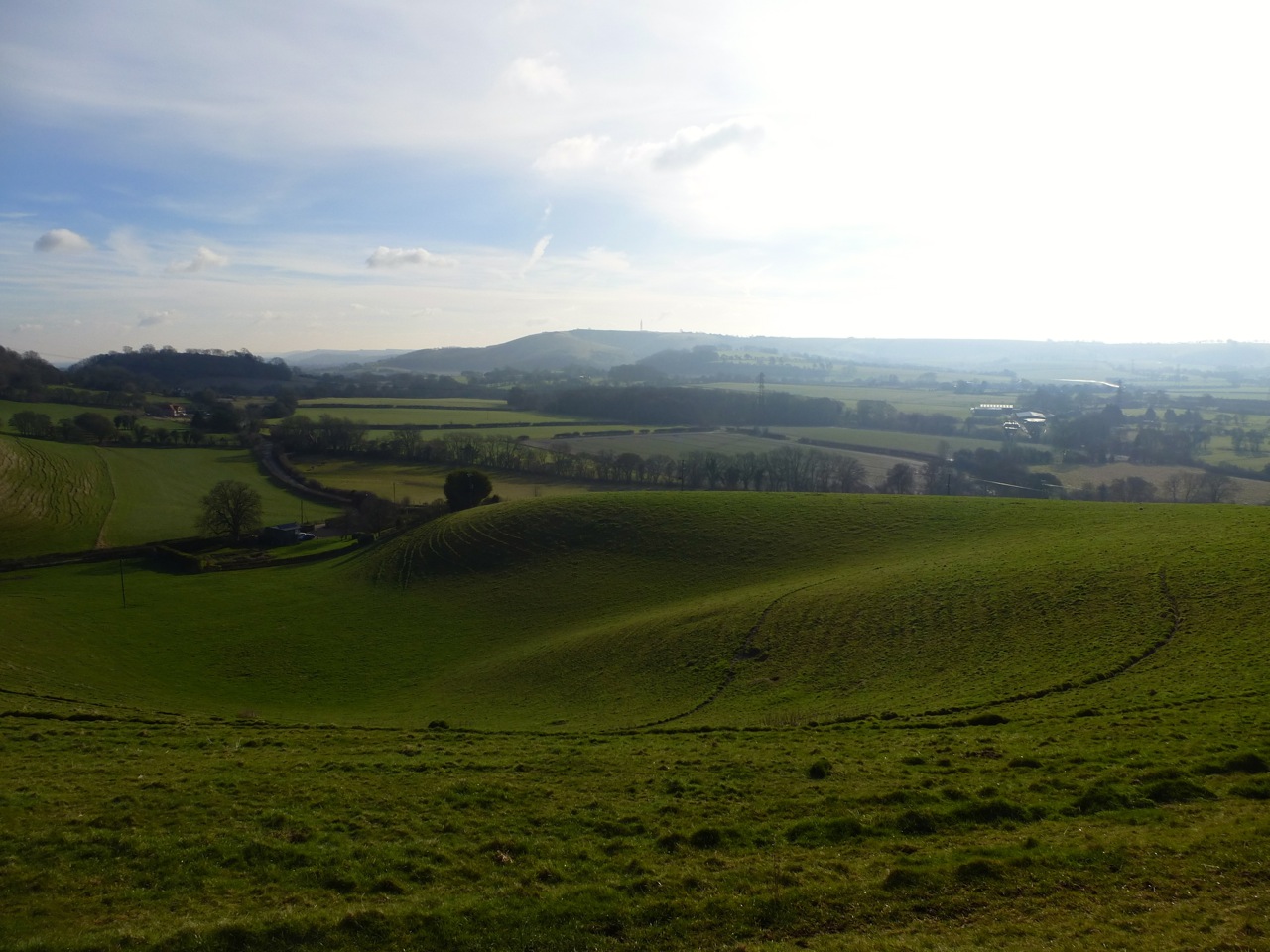
The rolling grassland of Park Hill near to Vineyard Hole. (Now there are some vines nearer the village at the Court House.)

From Park Hill-2 From Park Hill

On the Bereleigh Estate, Park Farm. The ice on the pond would be soon to melt:

Park Farm


Hey you forgot the hay!

Hey you forgot the hay!


Over open country, down through Rookham Copse, over the road to Pidham Lane. These sunken lanes with trees on the bank always remind me of The Fellowship of the Ring:

Tree roots


Old lanes eaten up by motorbikes and sodden led us to the gravel of the Greenway Track:

Greenway Track

No cars. Look how dated the sign design is, some kind of 1960s car:

No cars signpost UK


Frogmore lies to the east of East Meon. Only 2km from its source, the Meon turns west here into the Meon Valley proper. Old cottages and a bridge here:
Frogmore cottages The Meon at Frogmore


Taking the lane instead of more mud in the fields, we were soon in the village, with it’s thatched cottages and Georgian houses and pub:

Thatch East Meon East Meon-2 Ye Olde George Inn, East Meon East Meon-3


Then back to the church in it’s downland situation:

East Meon Church and Park Hill East Meon Church

The old Court House c14 onwards:

Old Court House


Ventilation tile:

Handmade ventilation tile


Scarecrow at the village allotments:

Scarecrow at East Meon Allotments