Maysleith Walk

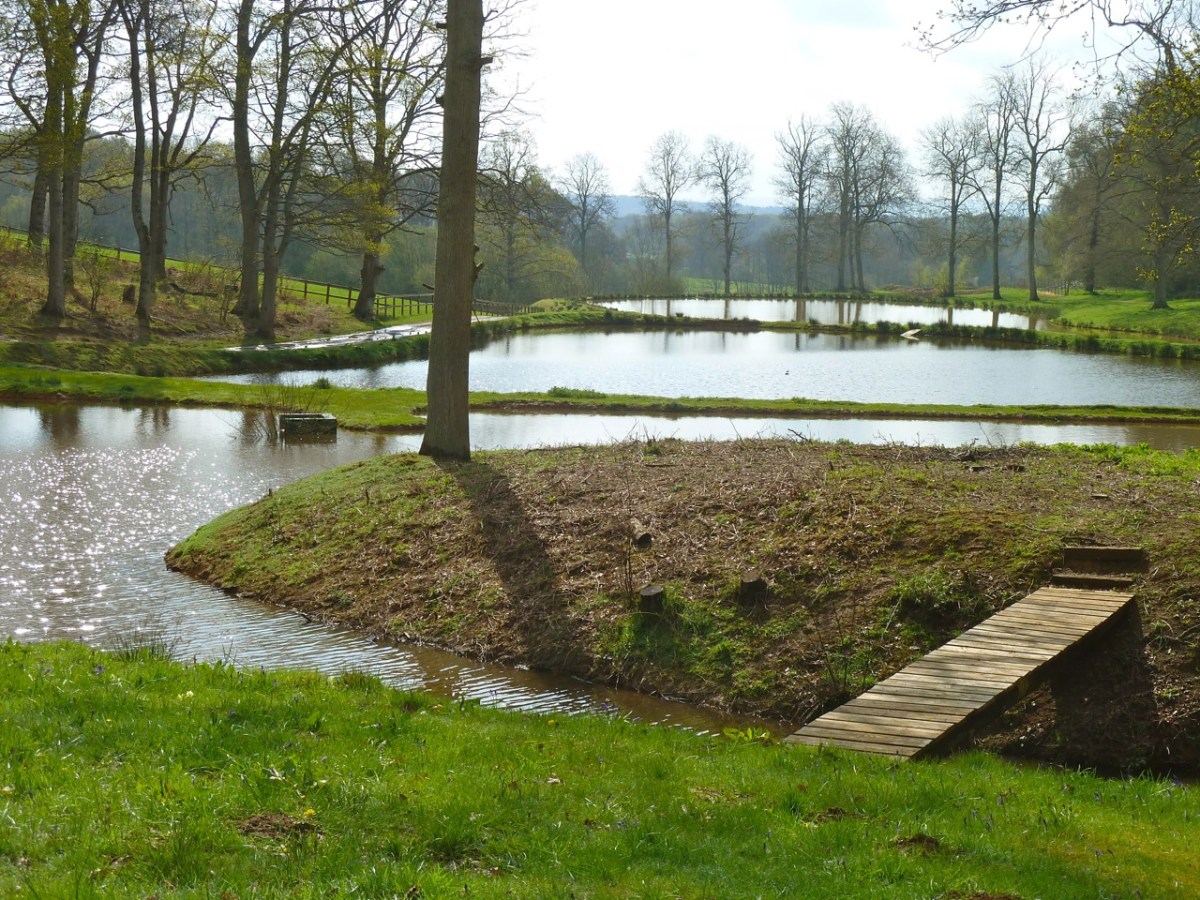
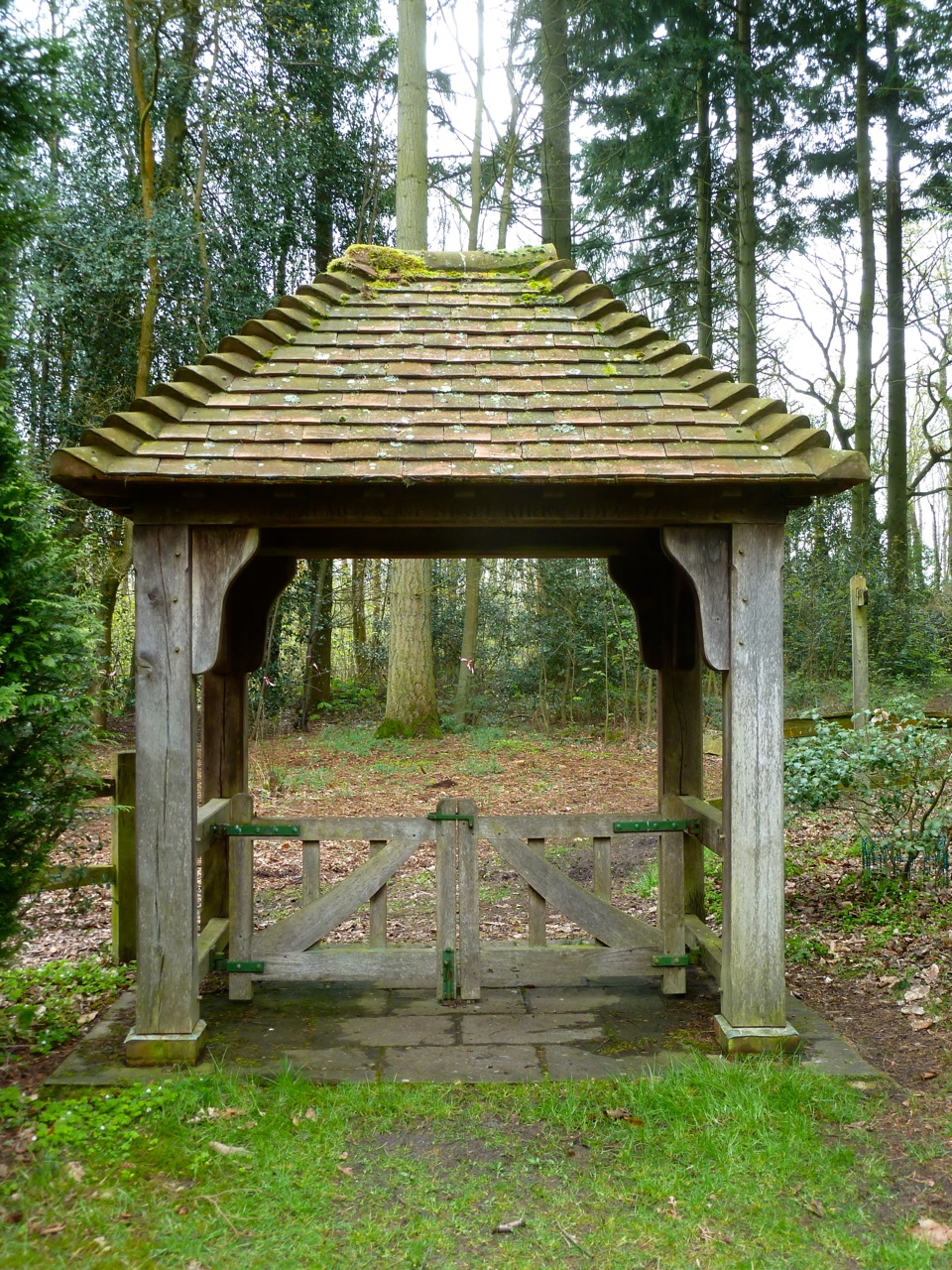
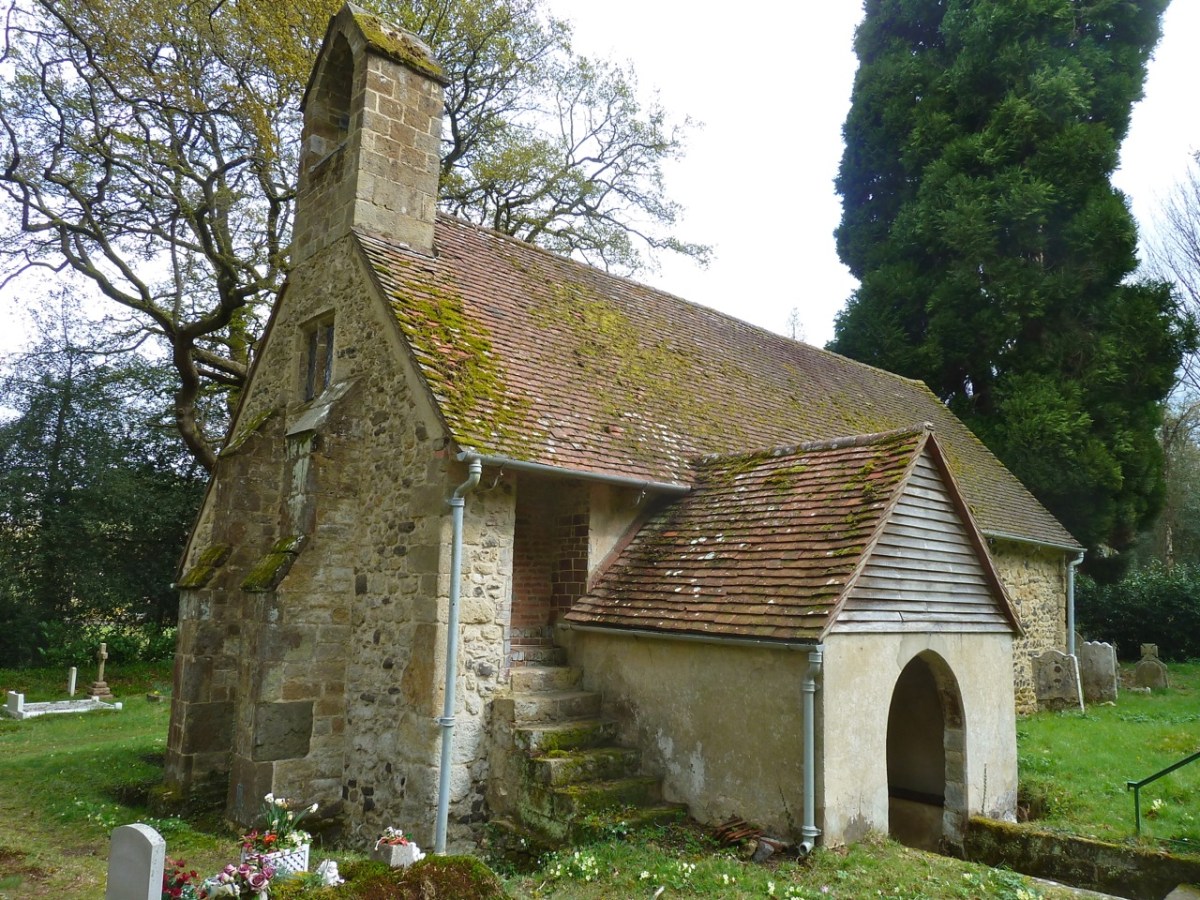
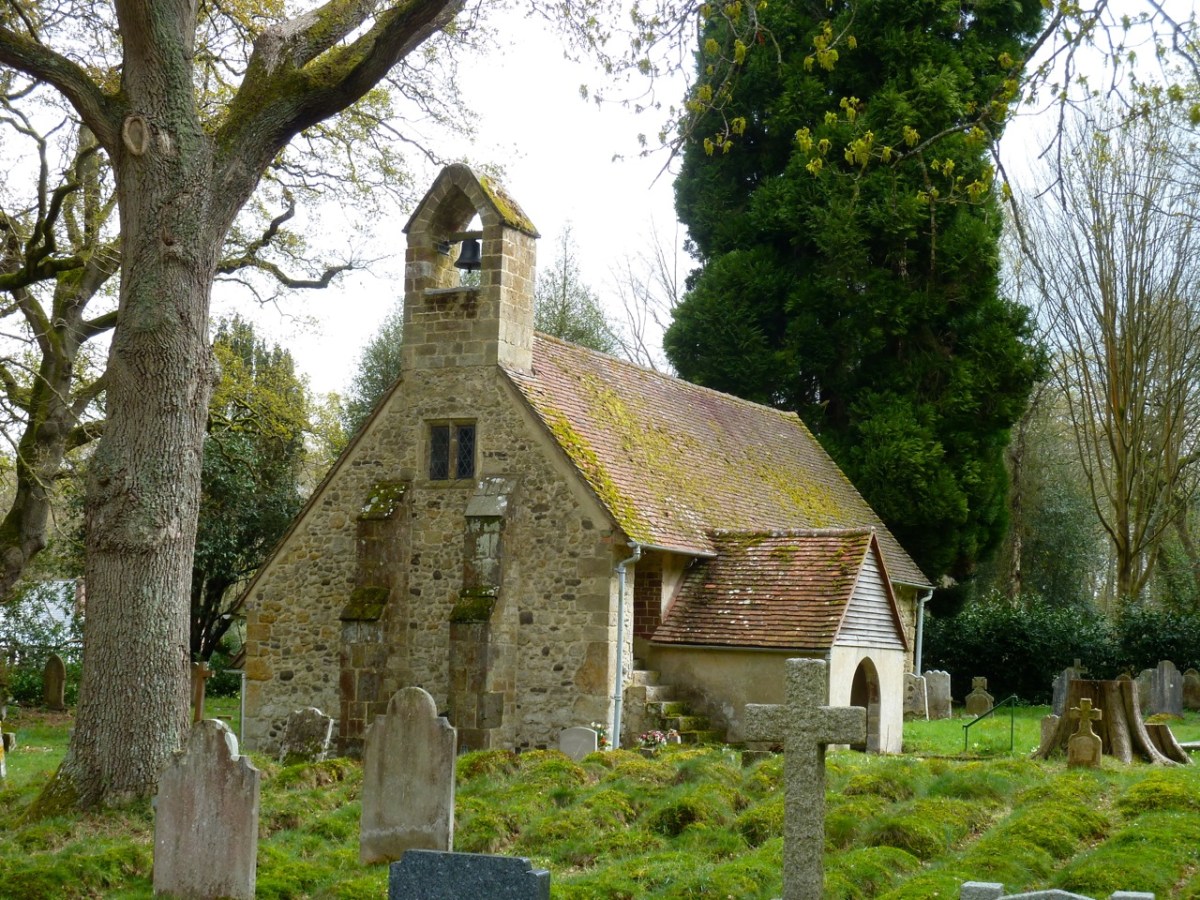
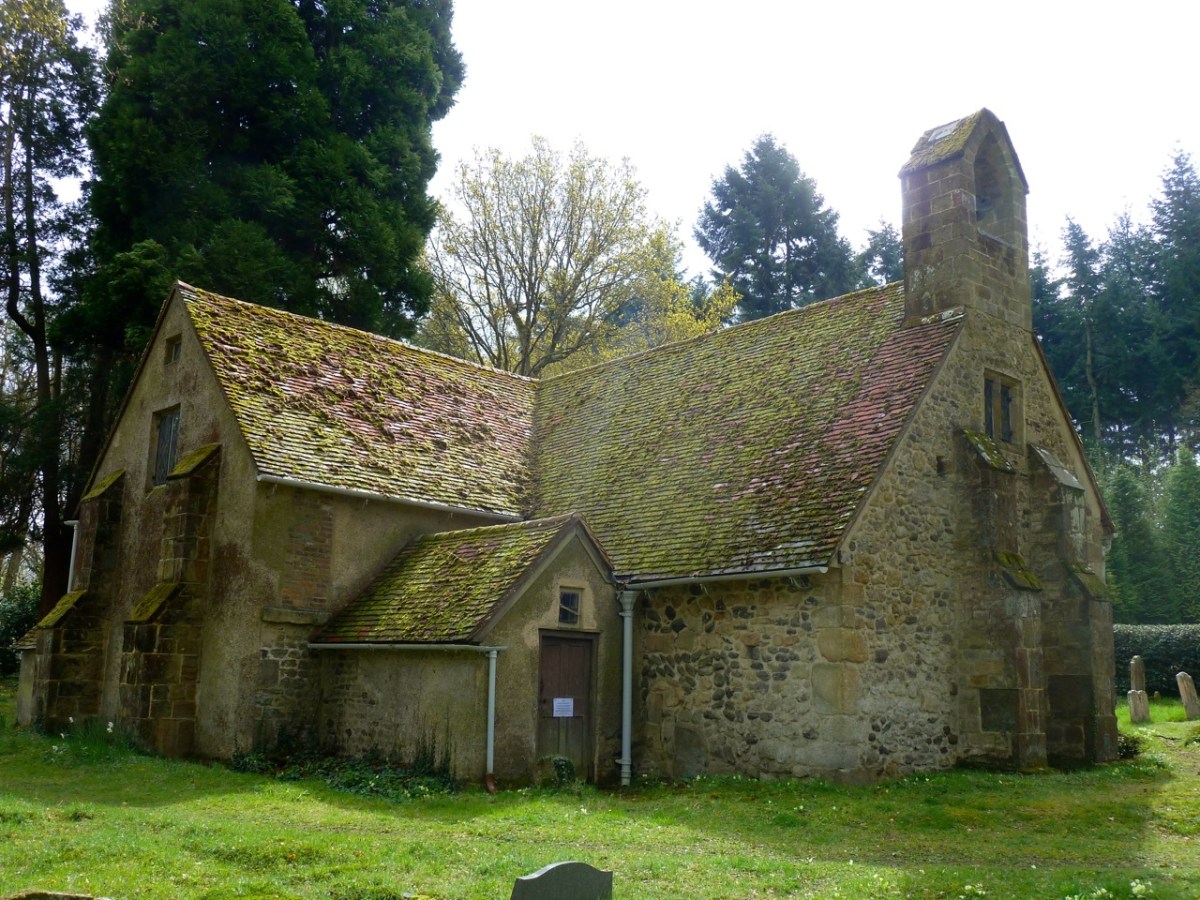
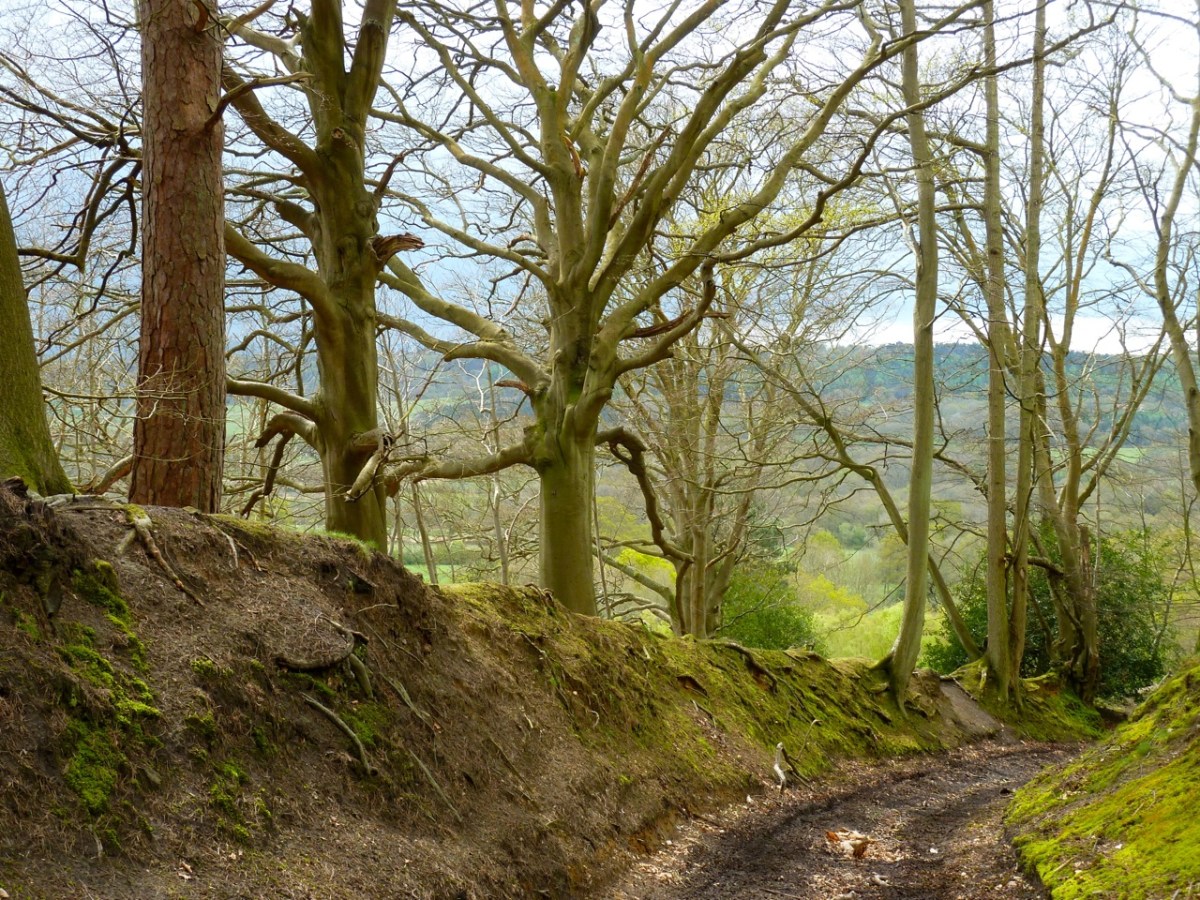
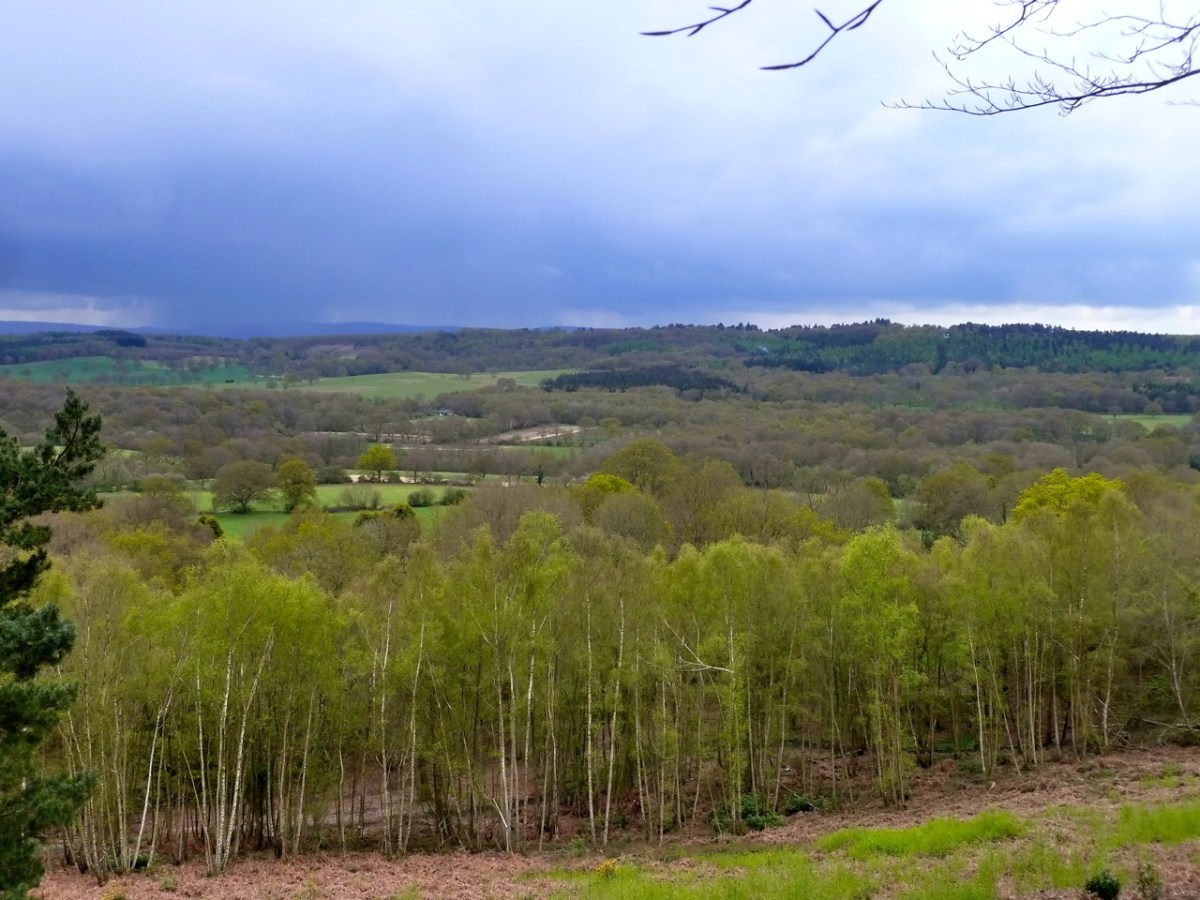
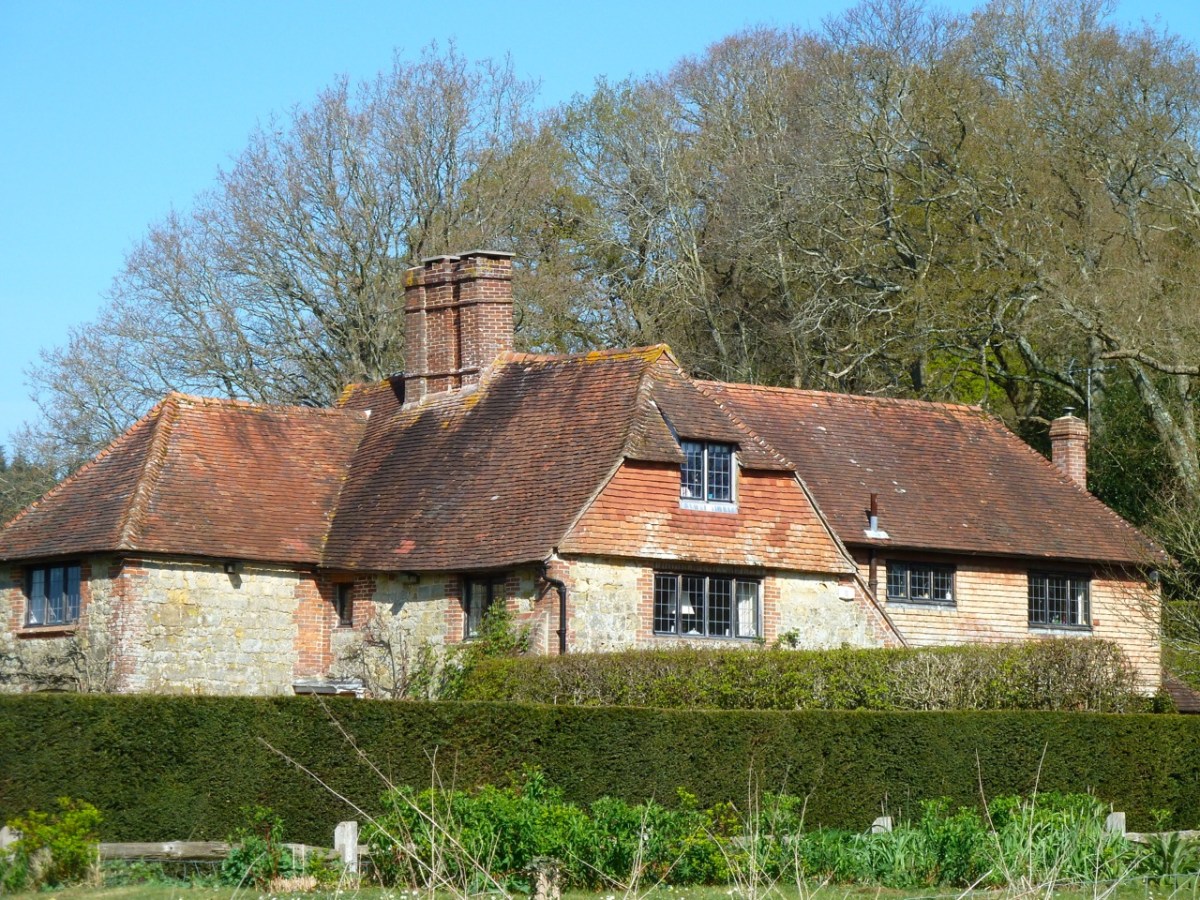
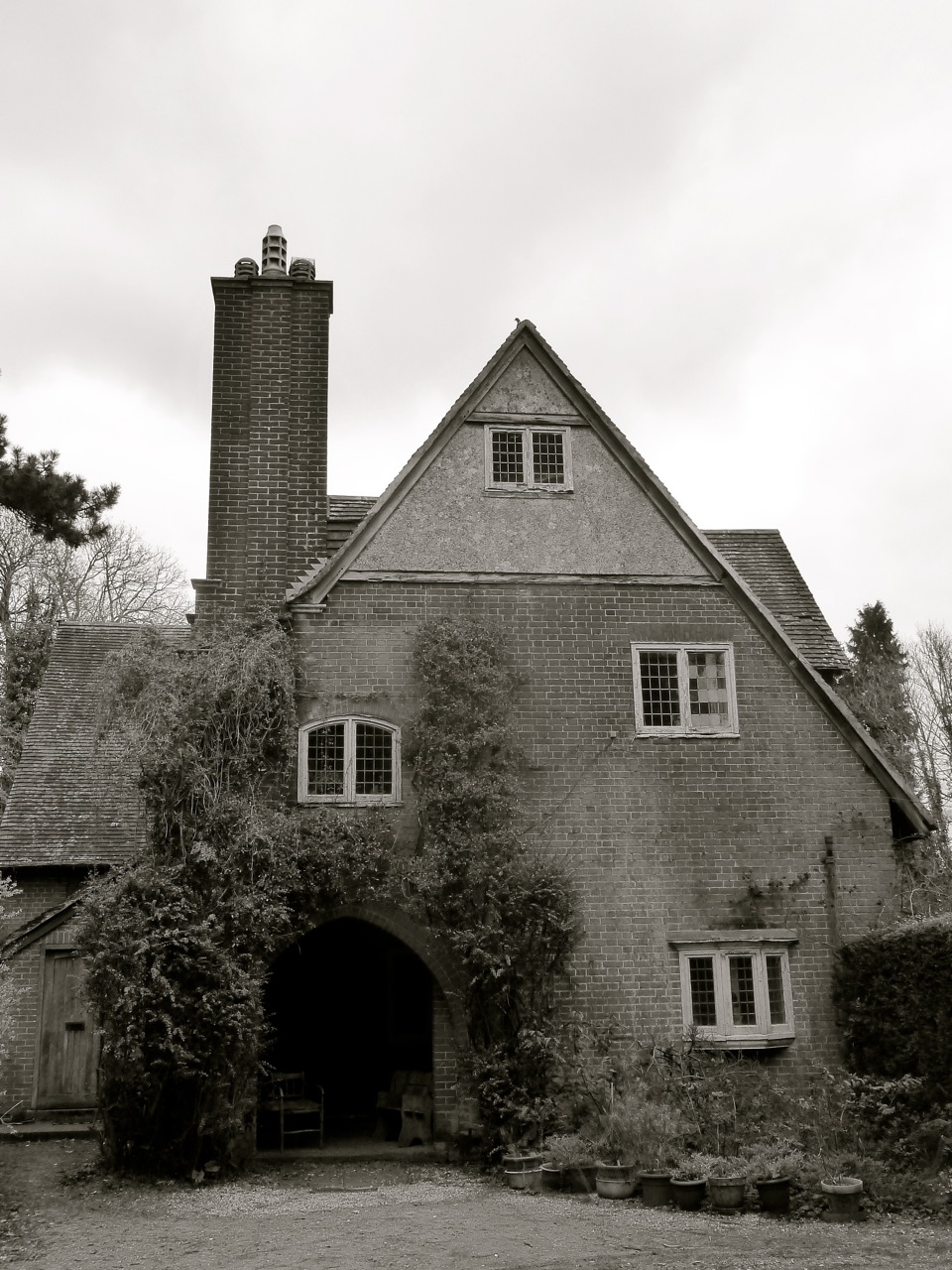
As soon as one crosses from Hampshire to West Sussex things turn a little bit odd, a little bit spooky, a little bit weird. I don’t know why. This is completely unfounded but I feel it every time. It’s fun to go over the border and explore a little into this wigglier county. Today we went to Maysleith, which isn’t really a place but there’s a wood and a hanger and an old house. It’s near the villages of Milland and Rake. We parked near Combeland Farm and walked north east underneath Maysleith Wood and then Maysleith Hanger, past Maysleith House (C17). Then a steep climb of path and stone steps up to the top of the hill. Soon we were in the churchyard of St Lukes church (Milland and Rake parishes). Unusually there is also a chapel in the same grounds. Tuxlith chapel was built in the 16th Century but there was probably something older on the site. Around it and the church were many rather bumpy graves, each with its own spongy mound. Some of the headstones were headirons, rusty and so very Victorian. The path took us through the woods near the old A3 then down through moss-banked tracks and to the start on Canhouse Lane.

Here’s some of what we saw:

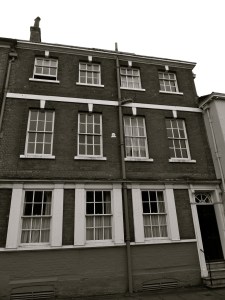
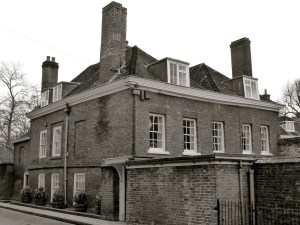
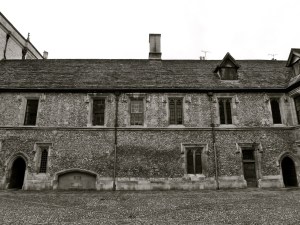
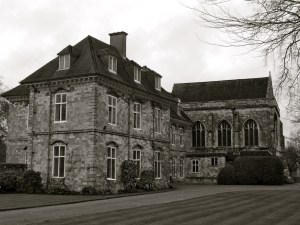
Hampshire Architecture – Petersfield: College Street, Dragon Street, Sussex Road

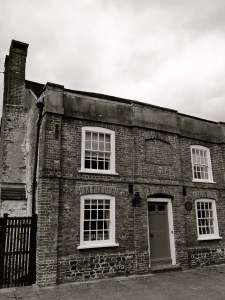
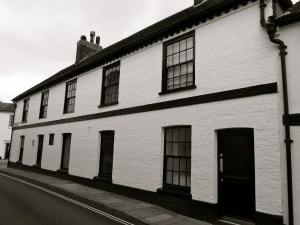
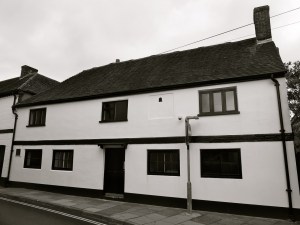
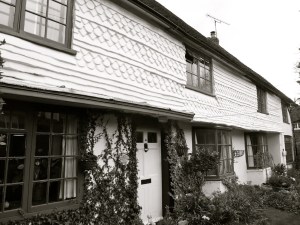
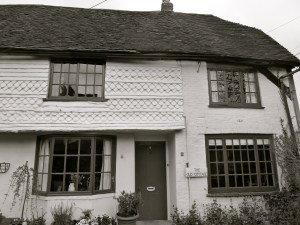
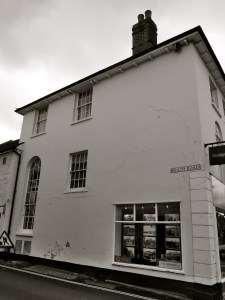
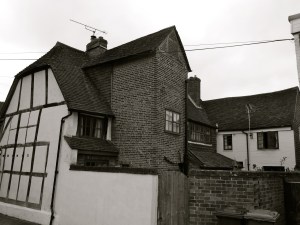
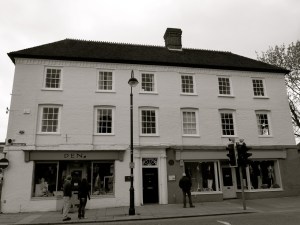
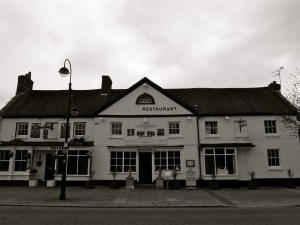
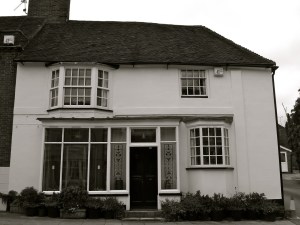
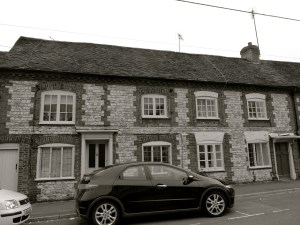
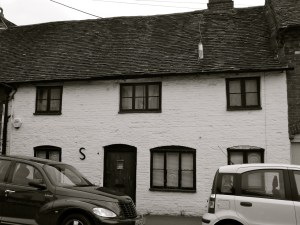
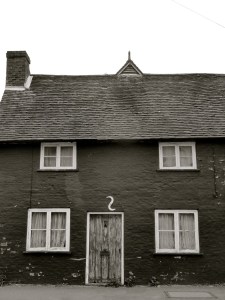
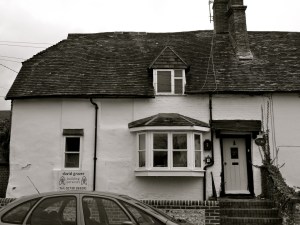
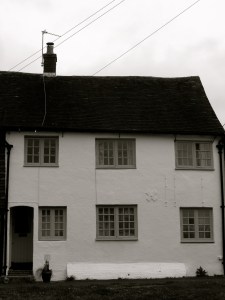
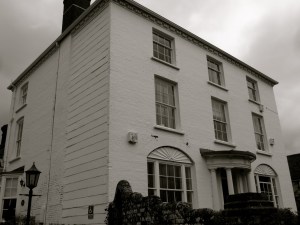
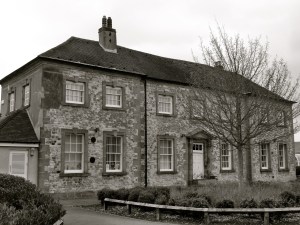
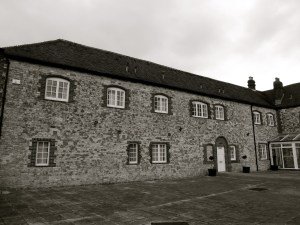
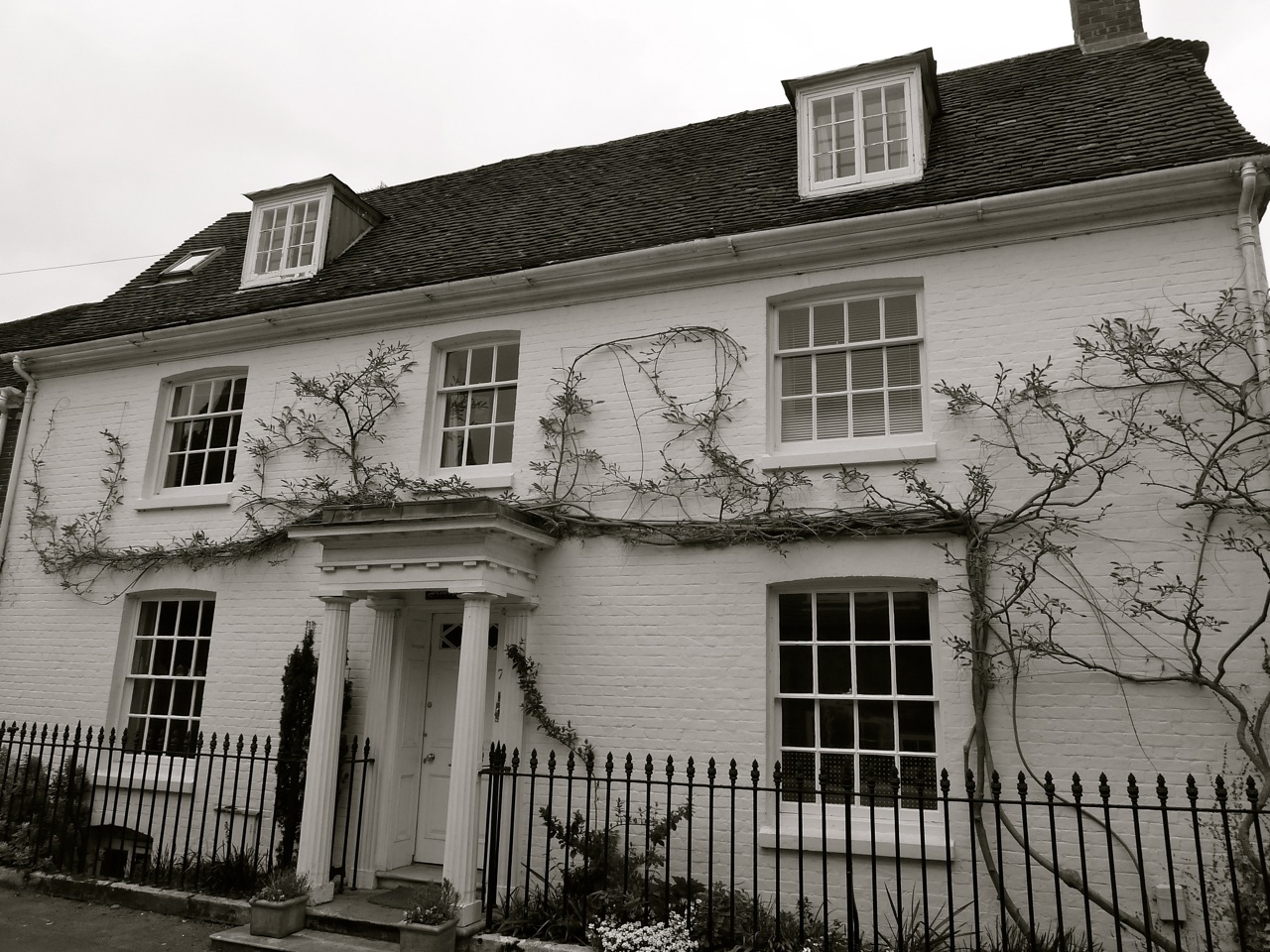
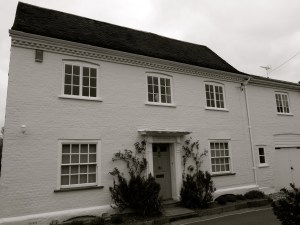
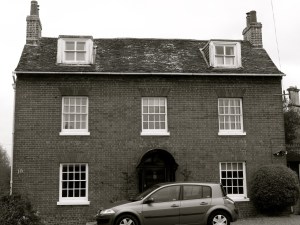
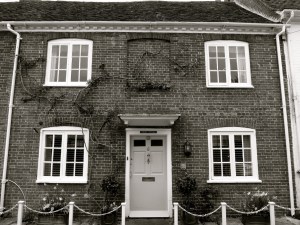
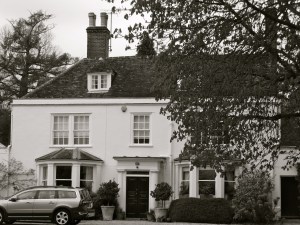
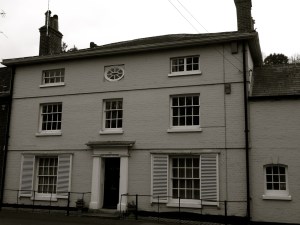
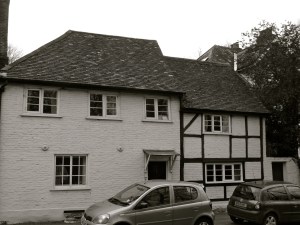
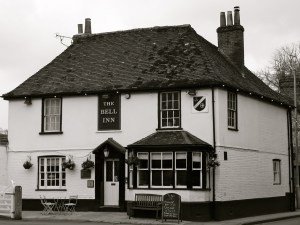
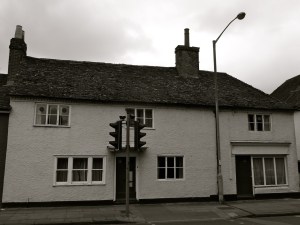
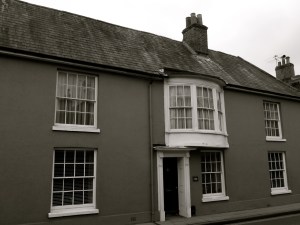
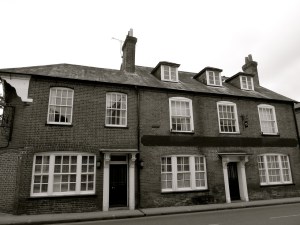
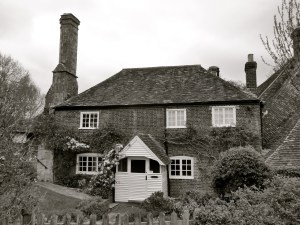
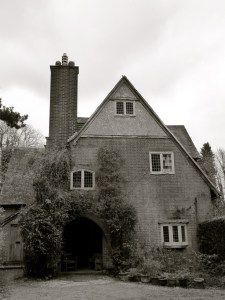
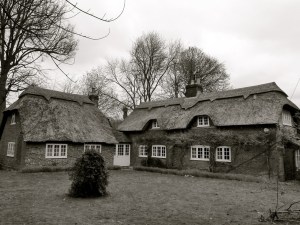
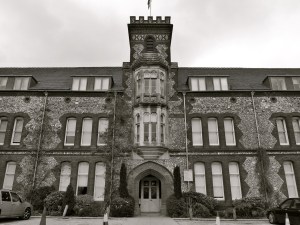
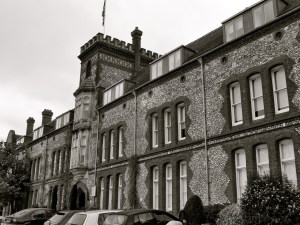
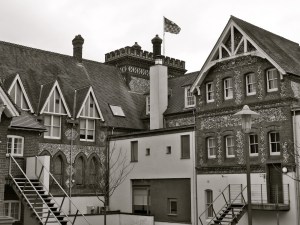
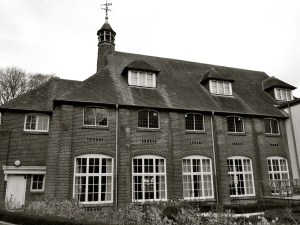
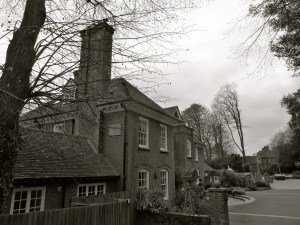
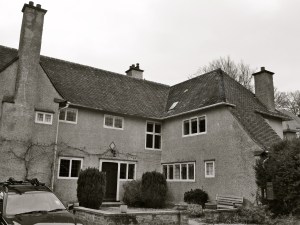
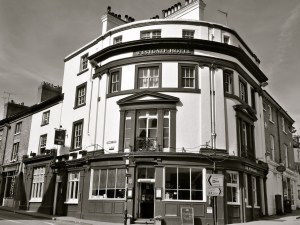
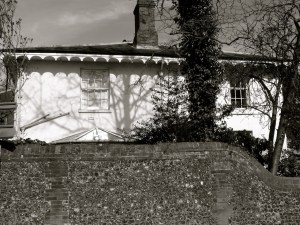
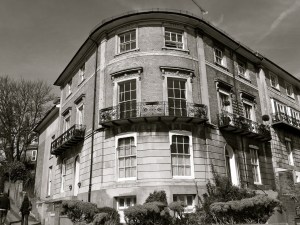
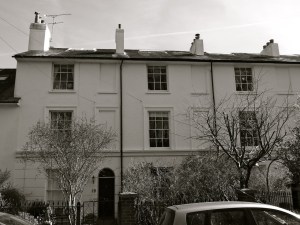
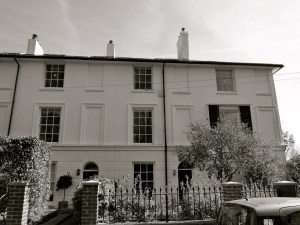
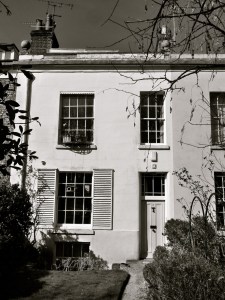
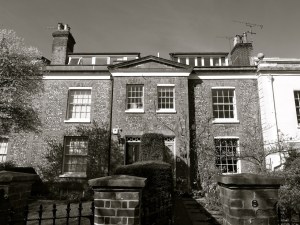
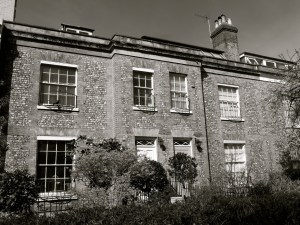
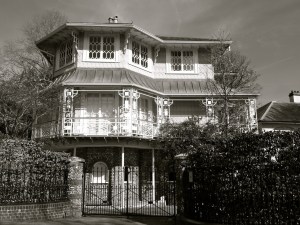
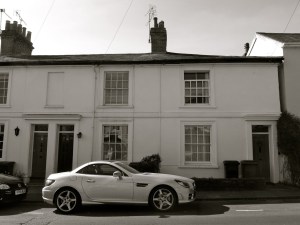
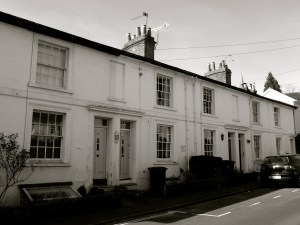
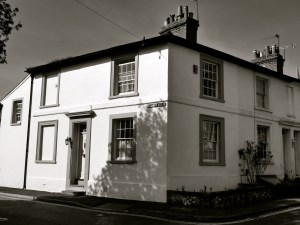
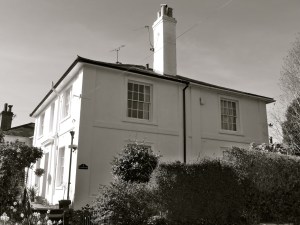
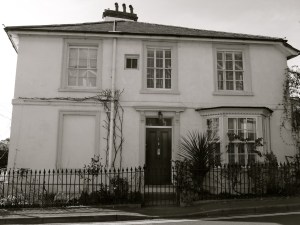
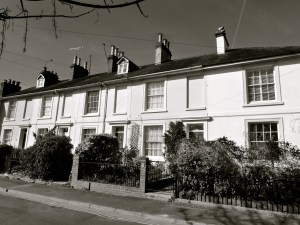
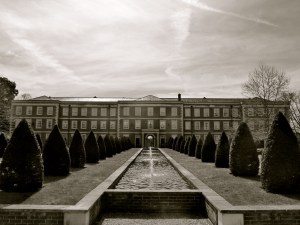
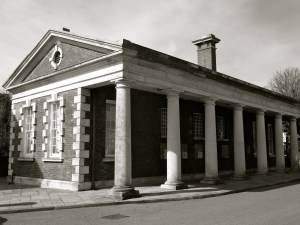
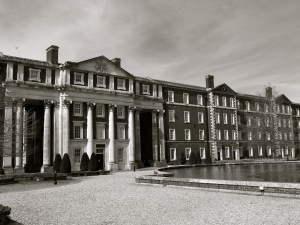
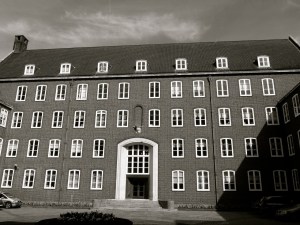
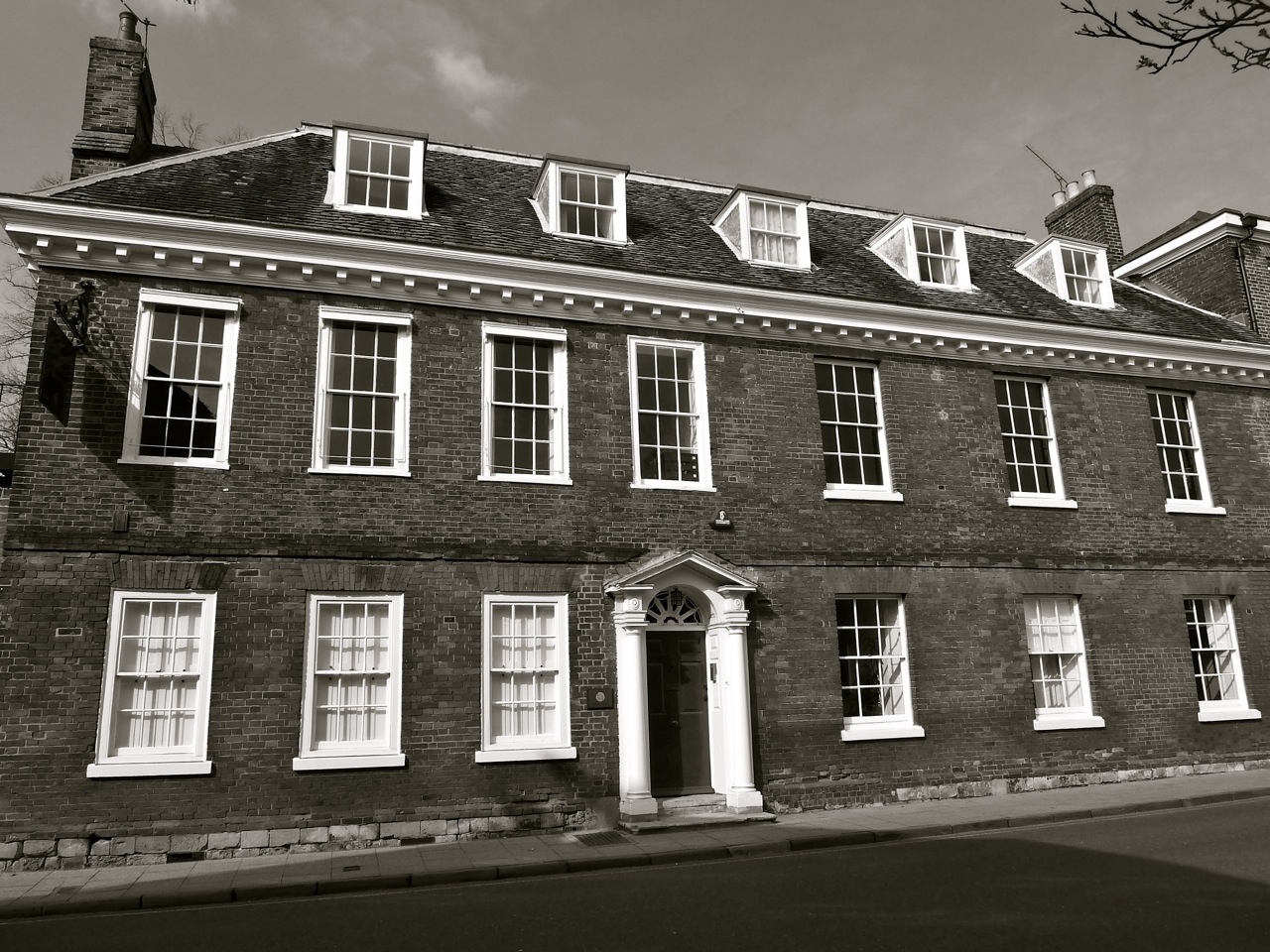
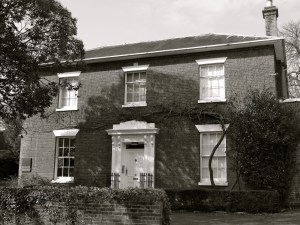
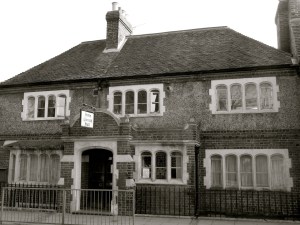
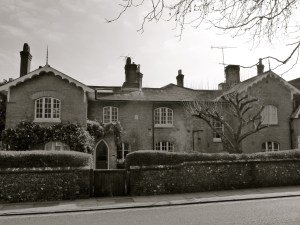
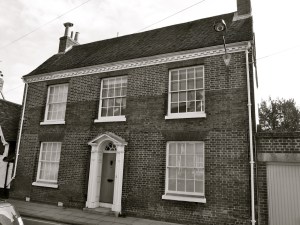
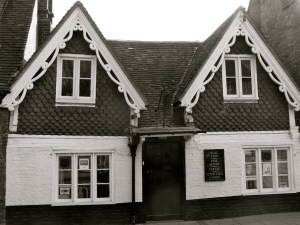
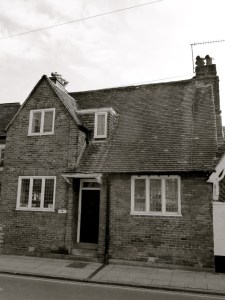
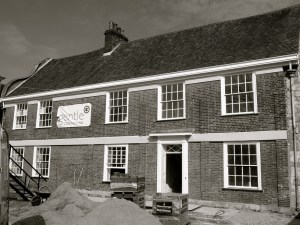
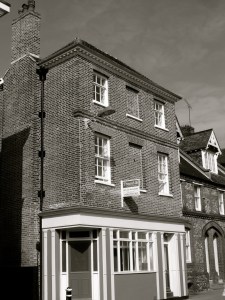
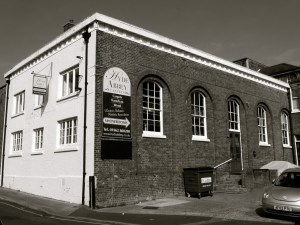
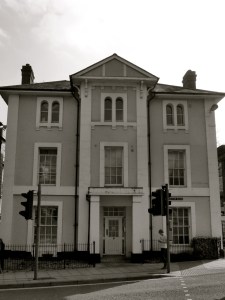
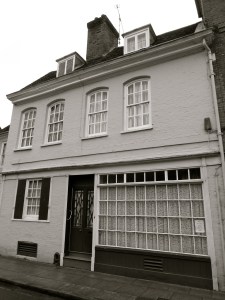
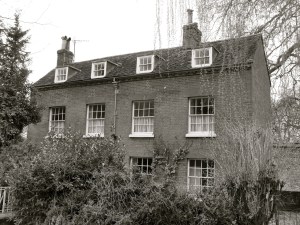
Petersfield is a market town 18 miles north of Portsmouth and about 20 miles east of Winchester. Today I explored the eastern side of the town centre from the old college in College St, past the western end of the High Street onto Dragon Street and further east into Sussex Road which leads to the heath. Most of the listed buildings here are C17 and C18, with some C16 and C19. Many have older sections behind the newer facades, evidenced by the uneven roofs. Compared to Winchester, the increased amount of space for building is apparent, with many of only two stories. Petersfield grew as a coach stop on the Portsmouth-London route and due to its market. The Red Lion is a large in on this historic route. The pictures below are all of Grade II buildings, with the exception of Dragon House and Heath Lodge, both II*. Pictured first, my favourites today are Fir Cottage, The Masonic Hall, and 24/26 Dragon St. I am grateful to the owner of Wych Elm Cottage for allowing me onto her property to take that photograph.

The Hunger Games: Battle Royale with Cheese

You’ve heard the joke, right? What do they call The Hunger Games in France? Battle Royale with Cheese.

That’s about right. Think Battle Royale without much battle and what battle there is over very quickly and in a flurry of muddled camerawork and editing for an age certificate. Think Truman Show. Think Lord of the Flies. Or should that be Lord of the Aphids? Think that garish film with Bruce Willis in the future with all those OTT future fashions. Think of a lot of missed opportunity for either a good adventure movie, or a good satire, or a dystopian nightmare. Think of forests and flashy computers, day-glow and streams. Think of characters you never get to know, allegiances never explained, and not knowing how many are left alive. Think of healing potions and special cammo cream. Think of very shaky cameras and disorientating editing. The girl was very watchable, and did the right thing most of the time. There’s a really quite touching funeral arrangement with flowers. I wanted to enjoy the film, but couldn’t due to how poorly, um, executed it was. There could have been some really cool action, hunting, chasing, hiding, etc. but the opportunities were for the most part lost. Whoops we went to see a teen movie, I thought half way through. Poor teens. I hope for their sakes the books are better.

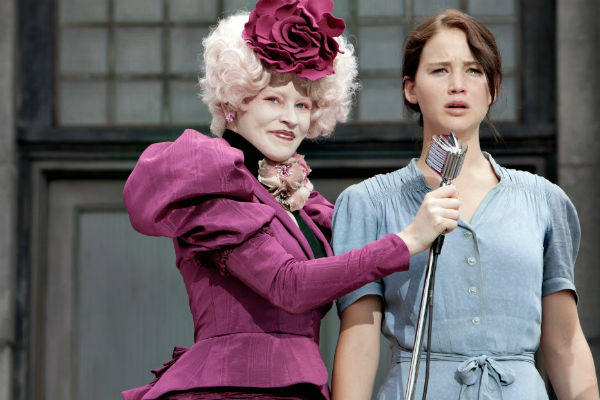
Dame Edna and Catnip

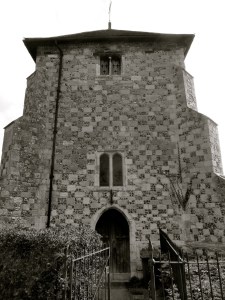
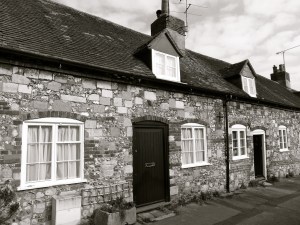
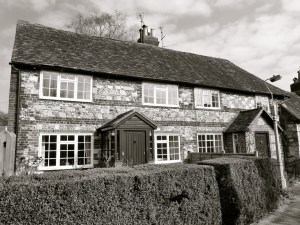
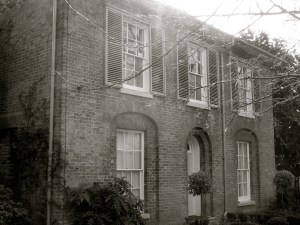
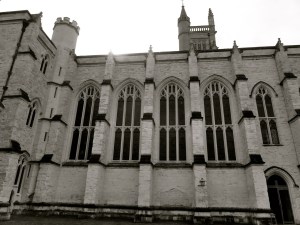
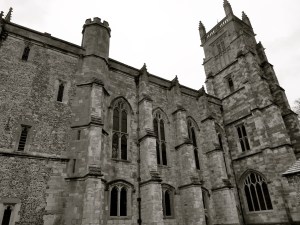
Hampshire Architecture: St Cross

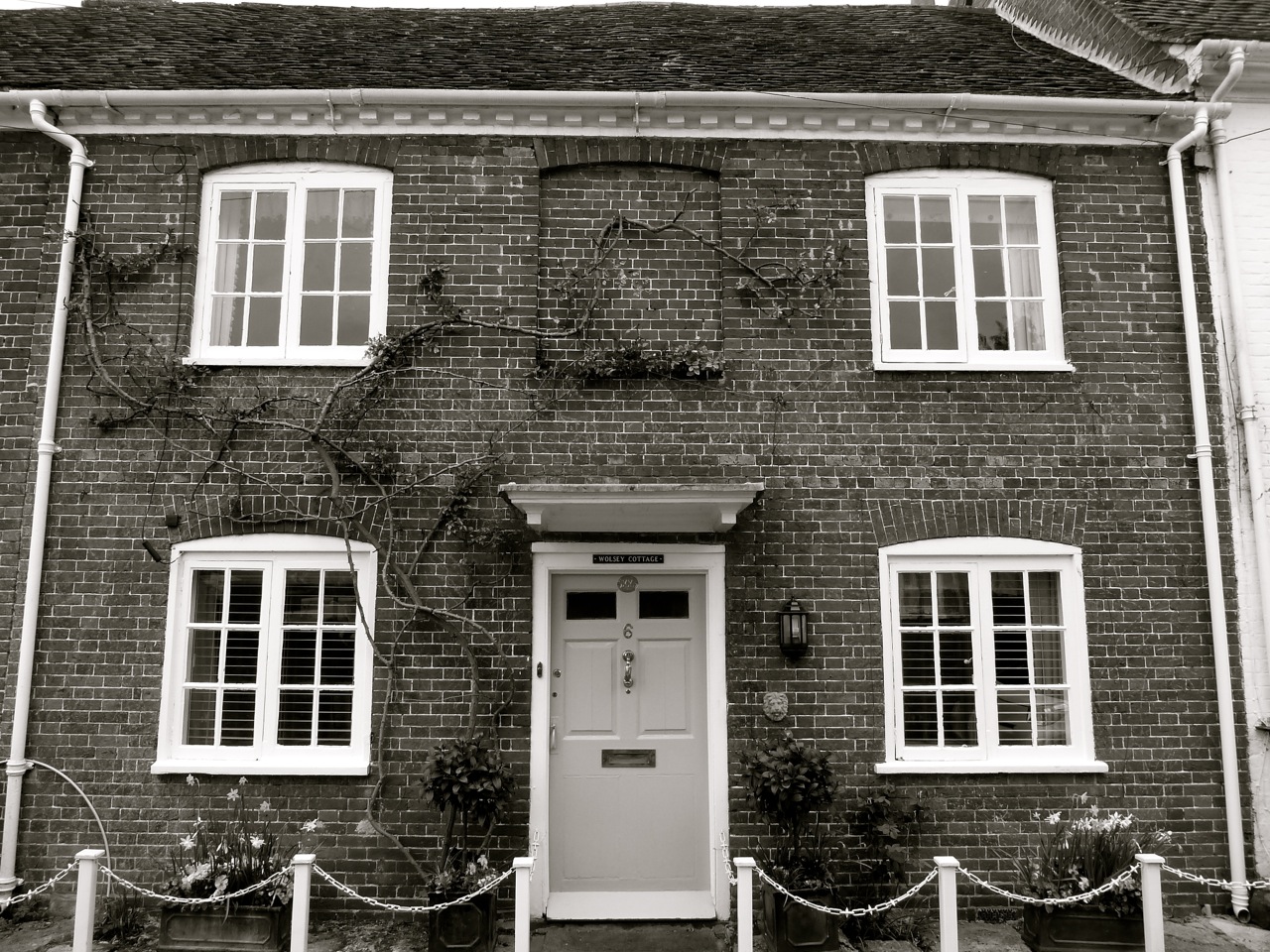
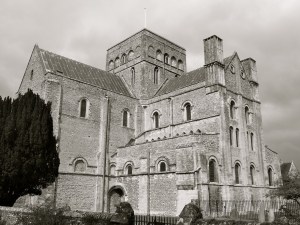
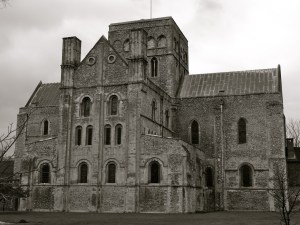
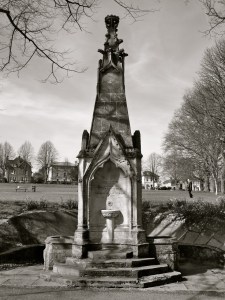
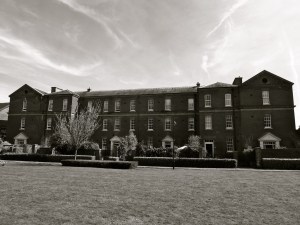
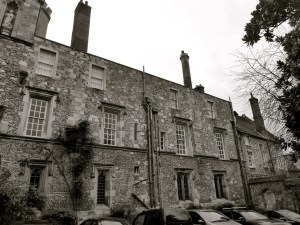
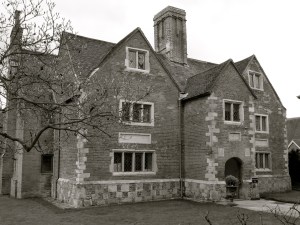
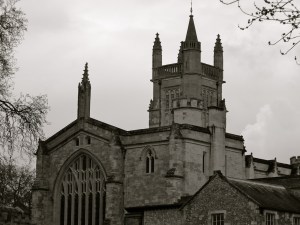
Is St Cross a Winchester suburb or is it a village? St Cross is one mile south of central Winchester next to the meadows of the Itchen, underneath St Catherine’s Hill. Away from the main road there is the feel of a village, in the Back Street and around the medieval Hospital founded in 1130, along with some old cottages. On the busy St Cross Road it’s very much part of the city, with groups of C18 and C19 town houses, Georgian and Regency. The group of buildings of the hospital is described in the Listed Buildings section of English Heritage as “One of the most beautiful groups of buildings in the country”

Favourites today are 6, 7 and 10 St Cross Back Street, and of course the mini-cathedral of St Cross Church. These are ordered first in the photographs below:

Earworm: Tainted Love by Soft Cell

I’d like to hear the other side of the story

Sometimes I feel I’ve got to
Run away I’ve got to
Get away
From the pain that you drive into the heart of me
The love we share
Seems to go nowhere
And I’ve lost my light
For I toss and turn I can’t sleep at night

(chorus)
Once I ran to you (I ran)
Now I’ll run from you
This tainted love you’ve given
I give you all a boy could give you
Take my tears and that’s not nearly all
Oh…tainted love
Tainted love

Now I know I’ve got to
Run away I’ve got to
Get away
You don’t really want IT any more from me
To make things right
You need someone to hold you tight
And you’LL think love is to pray
But I’m sorry I don’t pray that way

(chorus…)

Don’t touch me please
I cannot stand the way you tease
I love you though you hurt me so
Now I’m going to pack my things and go
Tainted love, tainted love (x2)
Touch me baby, tainted love (x2)
Tainted love (x3)

And the original, preferred version.

Winchester Architecture – Villas, Terraces and Outskirts

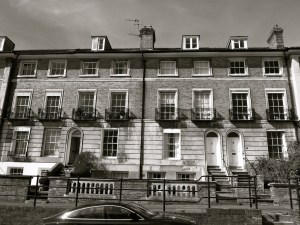
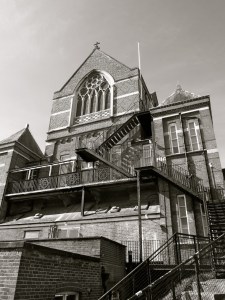
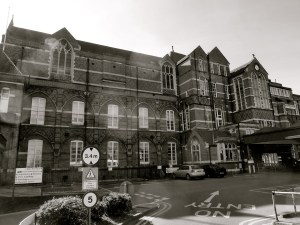
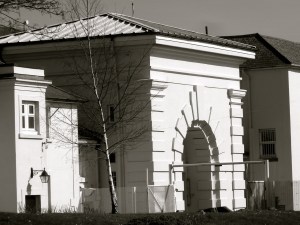
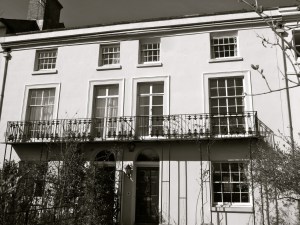
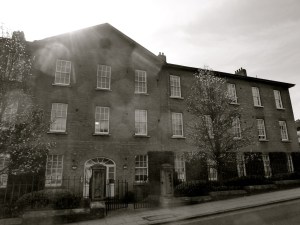
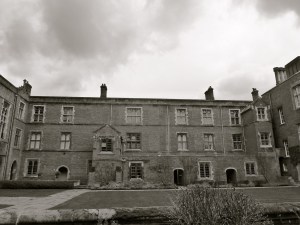
The final collection of listed buildings in Winchester. This set includes the urban eastern end of St James Lane, up onto West Hill, Romsey Road, then Stockbridge Road and Worthy Lane. In the C19 the wealthy of the city built villas and terraces up on the downs to the west, away from the diseases that were plaguing the lower areas. St James Lane is steep and leafy once it leaves St Cross Rd. St James Terrace runs alongside the railway. Further up are Clifton and West End Terraces. To the west are the hospital (note Butterfield Wing), prison, and the university which includes turn of the century (19-20) West Down School buildings. The northern outskirts include some thatched cottages and the old farmhouse of Abbotts Barton – C17 rural architecture in amongst the 70s housing estates.

Favourites in this last set include St James Villas, The Pagoda House and Stapenhill. These are first in the photographs. Click for larger images.

Previously

U.S. Military Desperate To Be Handed Just One Solid War It Can Knock Out Of The Park

ARLINGTON, VA—Reportedly fed up with complicated and protracted operations overseas, top Pentagon officials acknowledged this week they were desperate to be given just one straightforward, no-nonsense military engagement they could really knock out of the park.

“Given all these messy, ambiguous conflicts we’ve been fighting against enemies you can’t even put your finger on, what we could really use right now is a plain old war against a clear-cut bad guy employing conventional tactics and weaponry,” said Gen. Martin Dempsey, chairman of the Joint Chiefs of Staff. “No roadside bombs or plainclothes militants hiding out among innocent civilians—just a fair fight where two sides shoot at each other and someone wins. That’s it.”

“If Congress or our commander in chief could pull a few strings to make that happen, I swear we could totally nail a war like that, no question,” Dempsey added. “The sort of thing where you go in, blow up a number of actual tanks and jets, declare victory, plant a flag, and then exit—that’s all we’re asking for.”

Citing the country’s long history of winning wars against sovereign nations with actual standing armies, the Pentagon’s top brass repeatedly assured reporters they would “completely wipe the floor” with such an opponent if given the chance, and promised they would make America “very, very proud.”

Additionally, military leaders said that engaging in such a conflict “would be a huge confidence boost for [them] right now.”

“We’d be really grateful if the United States became embroiled in a war requiring us to bomb munitions factories, engage in aerial dogfights, or torpedo battleships,” said Marine Corps commandant Gen. James Amos, noting that when it comes to facing actual armies with actual naval and air weaponry, the U.S. is “great at that stuff.” “I guarantee it would be an absolute slam dunk for us.”

“Come on,” the four-star general added, “we really, really need this.”

Admitting they “can’t even look at a map of the Middle East anymore,” members of the Joint Chiefs also said they were still skittish about Southeast Asia and would prefer to “stay as far away as possible” from any situation in which the term “insurgency” might apply.

Additionally, the nation’s top generals stressed it was vitally important that any new conflict have a clear standard by which to measure victory, front lines “that are actually lines,” and conditions under which dropping bombs actually weakens the enemy instead of rallying more people to its cause and making it stronger.

“While we’d gladly take almost any conventional military confrontation, we’d really prefer to liberate an oppressed citizenry that would be unconditionally happy when we arrived,” said Gen. James Mattis, head of U.S. Central Command. “Ideally, we’d like to avoid that whole mixture of violent loathing toward us as occupiers and utter dependence on us as peacekeepers. That’s not really our strong suit.”

“I should also point out that it’s been a while since we last had a good old-fashioned European war,” Mattis continued. “Because that sort of thing might just do the trick for us. We know the area, the culture, and all the languages real well. Give us a war with a nice, dependable Western front, and we could bang that sucker out in our sleep, no problem. Just something to think about.”

Pentagon leaders also said they were open to the option of a sovereign nation attacking the United States directly, stating that nothing mobilizes a country or boosts troop morale faster than the defense of one’s home soil. In addition, they noted that a war in which America is not seen as the aggressor is “exactly the type of thing we’re talking about here.”

“Ultimately, we just want a chance to unleash our full land, air, and sea power on actual uniformed soldiers for a change,” Army chief of staff Gen. Ray Odierno said. “Believe me, if America let us do that, I’ve know doubt we could totally lay waste and come home victorious.”

As of press time, the Navy had positioned its entire Atlantic fleet along the coast of Portugal and informed the president and Congress it was “ready to go” if given the word.

Source

Winchester Architecture – Peninsular Square and Castle Hill

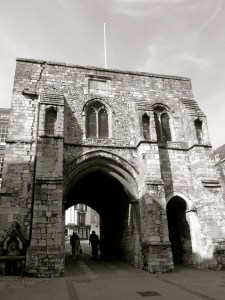
This is the area of the former Winchester Castle, at the south western corner of the medieval city walls, rising above the city. Following this historical land use, the area continues to house the administrative offices of Hampshire County Council, whilst Peninsula Square, now residential, was once a complex of military Barracks and army buildings c1900. All that remains of the castle is the Great Hall and some remains of walls, although The Westgate is of a similar age to the hall. The council offices are C19-C20 despite the Elizabethan style.

Winchester Architecture – Hyde

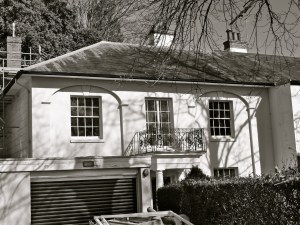
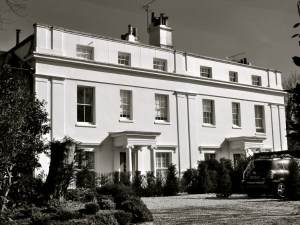
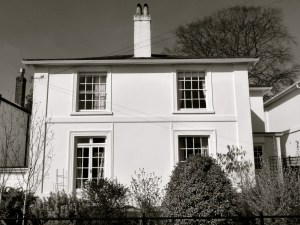
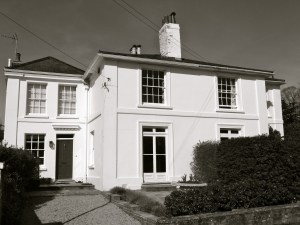
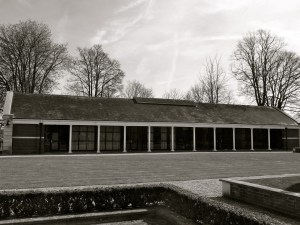
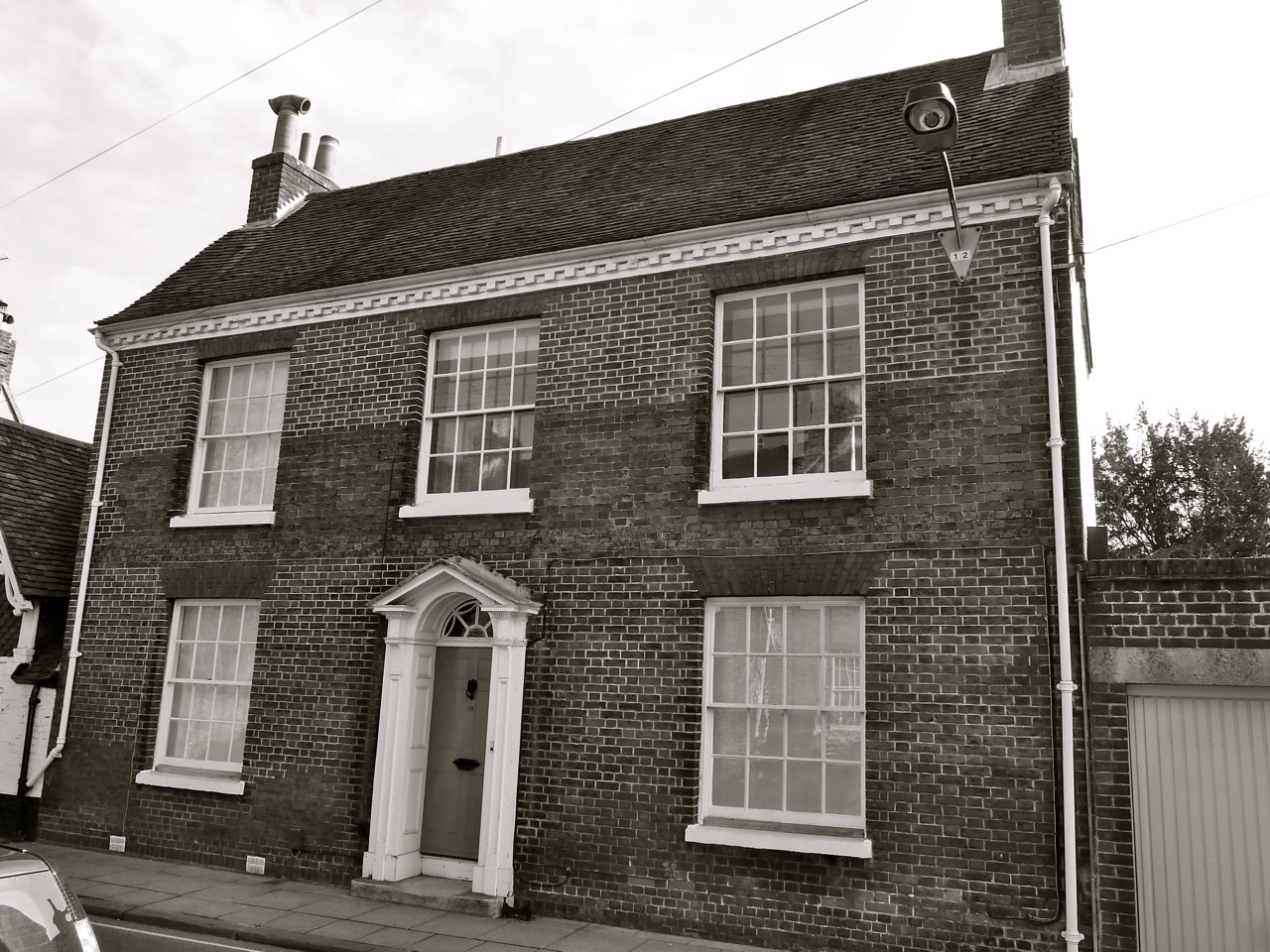
The site of the medieval Hyde Abbey is north of the old city walls. It has the feel of a village and a character of its own, set apart from the rest of Winchester, although very close by. The area around St Bartholomews Church is very peaceful and quite charming, except for the men drinking in the Abbey Gateway at 10am. Only a couple of buildings and bridges remain of the Abbey itself. Most of the listed buildings here are on Hyde Street, with some fine C17 and C18 detached properties, often matching. Also included are a couple of C20 buildings, listed ‘for group value’. A little further west is an old schoolhouse and the former Eagle hotel.

My favourites today are the church, 58 Hyde St, 33 Hyde St, and Hyde Abbey House. These are first in the photographs below:

A space used for one purpose with sacred intent

Half an hour from Brockwood near Chithurst is a monastery. A Buddhist monastery of a forest tradition. I don’t know the name of the tradition or founder. This evening a few friends and I went to their Saturday public service, with chanting, silence then a dharma talk. I’ve been a few times but not for a few years now. They have a (local) traditionally built meditation hall with oak beams, a stone floor and a big white Buddha. The moment I sat down in the hall my head felt different. Lighter, easier. Tingles spread from the temples, across the sides, top and back of the head and across the forehead. It remained for the two-hour session, the drive home, and is here now. I noticed, sitting in the hall more energy for awareness, attention, the same thought patterns more ready understood and with less power behind them. Tightness slipped away and there was a clean listening. Stepping out of time, falling out of time allows for a reset of accumulation. We all felt something in that hall; not imagined. The talk was given by a monk of twenty years who had just returned from eight months in the woods.

One friend was telling us about the time he was staying at the monastery and a group of physical special need pupils visited. (Sorry I don’t know if that is the PC term). Apparently one of their teachers was interested in Buddhism and had asked the Abbot for permission for them to visit. They entered the grounds, usual various behaviour of their bodies, shaking, rocking, dribbling, hitting, moaning (and good stuff besides, no doubt). They came to the meditation hall and at the routine time, the monks started their chanting. Very soon a girl who had been smacking herself in the side of the head stopped the smacking. Rockers stopped rocking. The children became very still. The teachers could hardly believe what had happened. Afterwards they said they had never known or heard of anything like it.

Some spaces have a very powerful affect, particularly those used for one purpose and with sacred intention.

Winchester Architecture – Winchester College and College Street

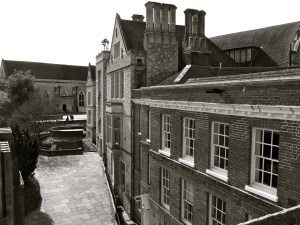
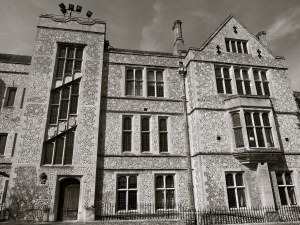
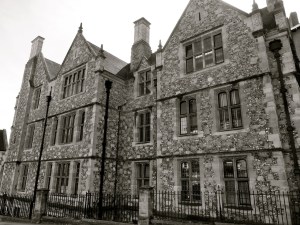
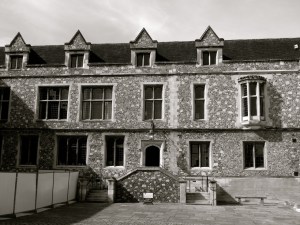
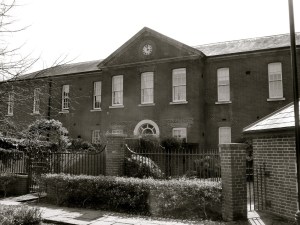
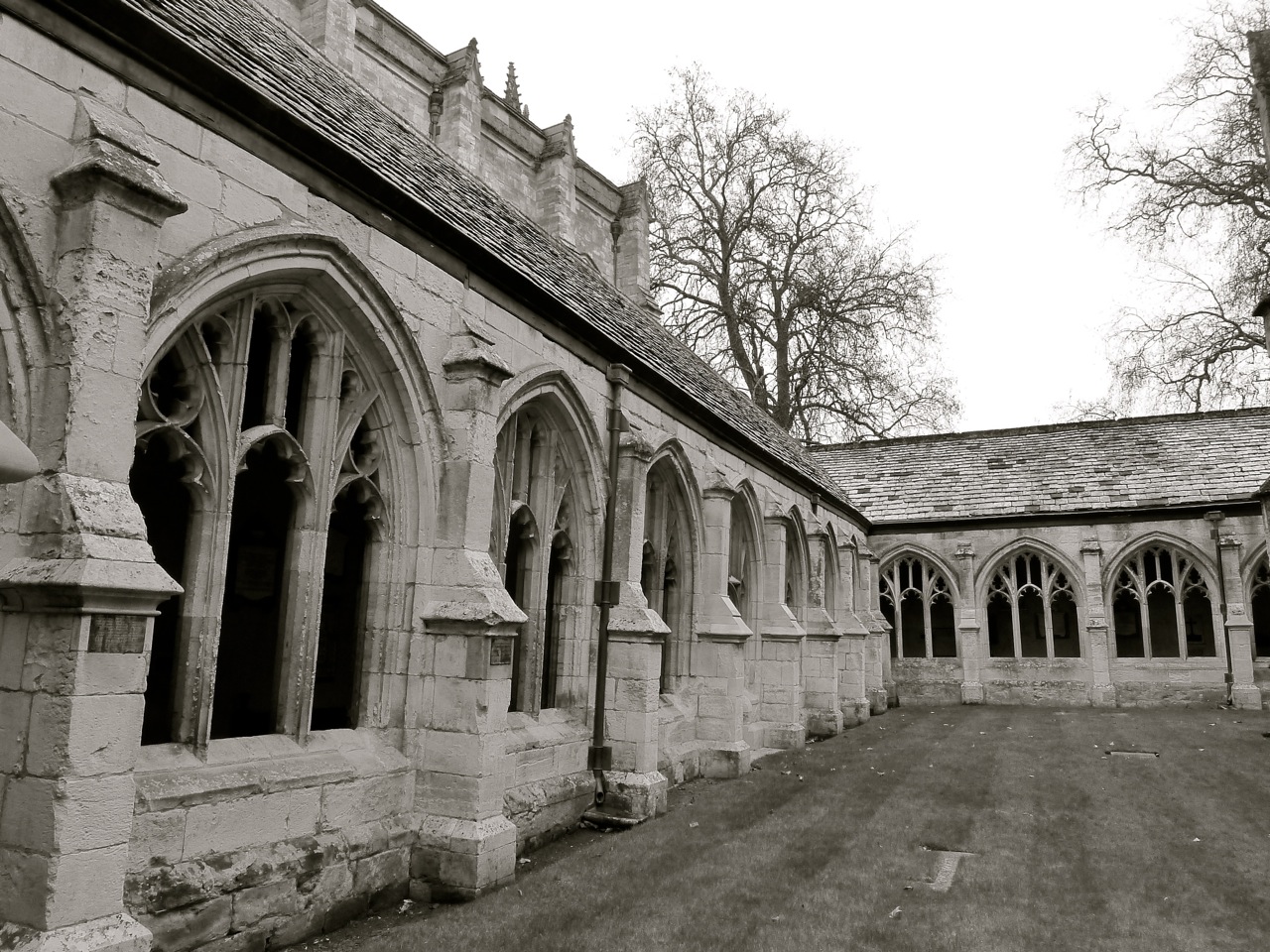
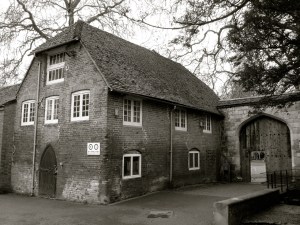
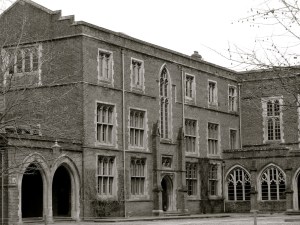
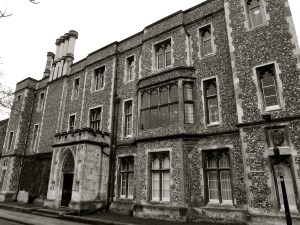
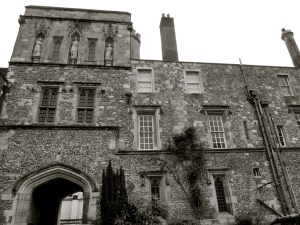
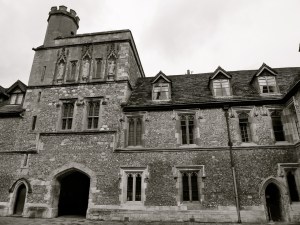
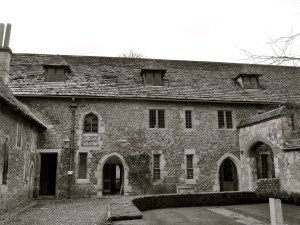
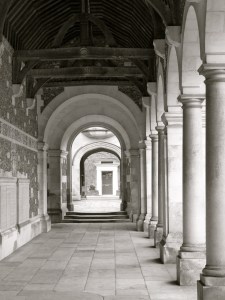
College Street runs east from Kingsgate, south of Cathedral Close. The street begins typically, with a few shops in C18 buildings. Further along is the house where Jane Austen died, and Wolvesey Palace, the home and offices of the Bishop of Winchester. Attached to this Christopher Wren building is the former chapel of Wolvesey Castle, a medieval palace now in ruins. To the south is the campus of Winchester College. From outside the walls one can see the Warden’s Lodgings, a grand house built above (and forming) the flint walls of the college boundary. Also built into the wall is the C14 Brewhouse, now Moberley Library and a little further back, the Headmaster’s House. The Outer court is largely C14, with the middle gate, Chambers Court, Hall, Chapel and Cloisters all built around the same time. This formed the early school. Expansion took place with a new building simply called School in the C17, and the Sick House. Then in the C19 came Flint Court, Moberleys Court and the Memorial Building. In the C20, the college expanded further south with the War Memorial Cloisters and Art and Science Departments (not listed). To the east are a couple of mills on the Itchen. The boarding for students is all on or around Kingsgate St (see other post). Winchester College forms a unique architectural history, with continued educational and religious use since the late thirteen-hundreds. (Entry is via a tour: £6)

9 College Street, Wolvesey Palace, and the College Cloisters were today’s favourites and are first in the photo set below.

‘Christopher Walken’ reads Where the Wild Things Are and describes the pictures

I like the way he says Wild Thing

I also like:

There’s a bear strung up. I assume murdered. Maybe a suicide. I don’t know.

Max doesn’t look scared, he’s kind of annoyed, like, you know: Who are these bastards? And there’s a goat bastard riding on the back of a rhinoceros.

The goat is kind of spooning the rhino a little in amazement and shock.

Sure enough he’s got a crown and one of those king-sticks

I don’t know where these people are coming from, but one’s by a tree and he looks like he needs help

Parrot Person is with Smiley McDuckfeet and they’re having a good time.

Every hour you work over 40 hours a week is making you less effective and productive over both the short and the long haul

If the boss asks you to work 50 hours, you work 55. If she asks for 60, you give up weeknights and Saturdays, and work 65. Odds are that you’ve been doing this for months, if not years, probably at the expense of your family life, your exercise routine, your diet, your stress levels and your sanity. You’re burned out, tired, achy and utterly forgotten by your spouse, kids and dog. But you push on anyway, because everybody knows that working crazy hours is what it takes to prove that you’re “passionate” and “productive” and “a team player” — the kind of person who might just have a chance to survive the next round of layoffs.

This is what work looks like now. It’s been this way for so long that most American workers don’t realize that for most of the 20th century, the broad consensus among American business leaders was that working people more than 40 hours a week was stupid, wasteful, dangerous and expensive — and the most telling sign of dangerously incompetent management to boot.

It’s a heresy now (good luck convincing your boss of what I’m about to say), but every hour you work over 40 hours a week is making you less effective and productive over both the short and the long haul. And it may sound weird, but it’s true: the single easiest, fastest thing your company can do to boost its output and profits — starting right now, today — is to get everybody off the 55-hour-a-week treadmill, and back onto a 40-hour footing.

Yes, this flies in the face of everything modern management thinks it knows about work. So we need to understand more. How did we get to the 40-hour week in the first place? How did we lose it? And are there compelling bottom-line business reasons that we should bring it back?

The most essential thing to know about the 40-hour work-week is that, while it was the unions that pushed it, business leaders ultimately went along with it because their own data convinced them this was a solid, hard-nosed business decision.

By the eighth hour of the day, people’s best work is usually already behind them (typically turned in between hours 2 and 6). In Hour 9, as fatigue sets in, they’re only going to deliver a fraction of their usual capacity. And with every extra hour beyond that, the workers’ productivity level continues to drop, until at around 10 or 12 hours they hit full exhaustion.

Without adequate rest, recreation, nutrition and time off to just be, people get dull and stupid. They can’t focus. They spend more time answering e-mail and goofing off than they do working. They make mistakes that they’d never make if they were rested; and fixing those mistakes takes longer because they’re fried. Robinson writes that he’s seen overworked software teams descend into a negative-progress mode, where they are actually losing ground week over week because they’re so mentally exhausted that they’re making more errors than they can fix.

The Business Roundtable study found that after just eight 60-hour weeks, the fall-off in productivity is so marked that the average team would have actually gotten just as much done and been better off if they’d just stuck to a 40-hour week all along. And at 70- or 80-hour weeks, the fall-off happens even faster: at 80 hours, the break-even point is reached in just three weeks.

So, to summarize: Adding more hours to the workday does not correlate one-to-one with higher productivity. Working overtime is unsustainable in anything but the very short term. And working a lot of overtime creates a level of burnout that sets in far sooner, is far more acute, and requires much more to fix than most bosses or workers think it does. The research proves that anything more than a very few weeks of this does more harm than good.

Knowledge workers actually have fewer good hours in a day than manual laborers do — on average, about six hours, as opposed to eight. It sounds strange, but if you’re a knowledge worker, the truth of this may become clear if you think about your own typical work day. Odds are good that you probably turn out five or six good, productive hours of hard mental work; and then spend the other two or three hours on the job in meetings, answering e-mail, making phone calls and so on. You can stay longer if your boss asks; but after six hours, all he’s really got left is a butt in a chair. Your brain has already clocked out and gone home.

The other thing about knowledge workers is that they’re exquisitely sensitive to even minor sleep loss. Research by the US military has shown that losing just one hour of sleep per night for a week will cause a level of cognitive degradation equivalent to a .10 blood alcohol level. Worse: most people who’ve fallen into this state typically have no idea of just how impaired they are. It’s only when you look at the dramatically lower quality of their output that it shows up. Robinson writes: “If they came to work that drunk, we’d fire them — we’d rightly see them as a manifest risk to our enterprise, our data, our capital equipment, us and themselves. But we don’t think twice about making an equivalent level of sleep deprivation a condition of continued employment.”

For employees, the fundamental realization is that an employer who asks for more than eight hours a day or 40 hours a week is stealing something vital and precious from you. Every extra hour at work is going to cost you, big time, in some other critical area of your life. How will you make up the lost time? Will you ditch dinner and grab some fast food? Skip the workout? Miss the kids’ game this week? Sleep less? (Sex? What’s that?) And how many consecutive days can you keep making that trade-off before you are weakened in some permanent and substantial way? (Probably not as many as you think.) Changing this situation starts with the knowledge that an hour of overtime is a very real, material taking from our long-term well-being — and salaried workers aren’t even compensated for it.

There are now whole industries and entire branches of medicine devoted to handling workplace stress, but the bottom line is that people who have enough time to eat, sleep, play a little, exercise and maintain their relationships don’t have much need of their help. The original short-work movement in 19th-century Britain demanded “eight for work, eight for sleep and eight for what we will.” It’s still a formula that works.

Working long days and weeks has been incontrovertibly proven to be the stupidest, most expensive way there is to get work done. Our bosses are depleting resources from of the human capital pool without replenishing them. They are taking time, energy and resources that rightfully belong to us, and are part of our national common wealth.

If we’re going to talk about creating a more sustainable world, let’s start by talking about how to live low-stress, balanced work lives that leave us refreshed, strong and able to carry on as economic contributors for a full four or five decades, instead of burned out and broken by a too-early middle age. A full, productive 40-year career starts with full, productive 40-hour weeks. And nobody should be able to take that away from us, not even for the sake of a paycheck.

Source

Tunguska by Fanfarlo

I came across Fanfarlo today via Word magazine’s cover disc. In this song they are singing about mysterious event in 1908 that destroyed 80 million trees in Siberia with a force 1,000 times more powerful than the atomic bomb dropped on Hiroshima. More songs about forests, I say!

An account of the event by a tribal child:

We had a hut by the river with my brother Chekaren. We were sleeping. Suddenly we both woke up at the same time. Somebody shoved us. We heard whistling and felt strong wind. Chekaren said, ‘Can you hear all those birds flying overhead?’ We were both in the hut, couldn’t see what was going on outside. Suddenly, I got shoved again, this time so hard I fell into the fire. I got scared. Chekaren got scared too. We started crying out for father, mother, brother, but no one answered. There was noise beyond the hut, we could hear trees falling down. Chekaren and I got out of our sleeping bags and wanted to run out, but then the thunder struck. This was the first thunder. The Earth began to move and rock, wind hit our hut and knocked it over. My body was pushed down by sticks, but my head was in the clear. Then I saw a wonder: trees were falling, the branches were on fire, it became mighty bright, how can I say this, as if there was a second sun, my eyes were hurting, I even closed them. It was like what the Russians call lightning. And immediately there was a loud thunderclap. This was the second thunder. The morning was sunny, there were no clouds, our Sun was shining brightly as usual, and suddenly there came a second one!

Chekaren and I had some difficulty getting out from under the remains of our hut. Then we saw that above, but in a different place, there was another flash, and loud thunder came. This was the third thunder strike. Wind came again, knocked us off our feet, struck against the fallen trees.

We looked at the fallen trees, watched the tree tops get snapped off, watched the fires. Suddenly Chekaren yelled ‘Look up’ and pointed with his hand. I looked there and saw another flash, and it made another thunder. But the noise was less than before. This was the fourth strike, like normal thunder.
Now I remember well there was also one more thunder strike, but it was small, and somewhere far away, where the Sun goes to sleep.

Whitney Houston’s Death and the Music Industry

As I’m writing this, Twitter, which is the ideal medium for bogus admiration and fake indignation, is up in arms over Sony raising the price of a Whitney Houston compilation only 24 hours after her death. … In cases like this the business simply follows the public mood, which is allegedly grief-stricken but really ready to shop. … The week before the artist died there were lots of members of the public who didn’t appear to give a fig about her work but now, having been tenderised by 24 hours of throbbing news coverage, decide that they really can’t do without it. … At the same time the newspapers and the TV channels go into the sort of frothing overdrive that can’t be justified as news coverage and the producers of the Grammys reorganise the running order so that LL Cool J can go on first and lead a prayer to “our fallen sister”. All these people do it because it sells papers or puts bums on sofas. … These are all forms of exploitation dressed up as tribute. … Nothing improves an artist’s reputation half as much as death, and that improvement is often expressed in pecuniary terms. I refer you to the wise words of Colonel Tom Parker on hearing news of Elvis Presley’s death: “This changes nothing.” Well, actually, it did change something. Elvis sold more records dead than alive, and he did it thanks to the very morbid interest that people denounce the record industry for feeding.

~ David Hepworth in the perennially excellent The Word magazine

Heroes

One by one, or all at once, heroes drop away
Leaving you lost
You’re looking for more
More of the same
Heroes real or imagined
Both are real
Heroes in fiction or friends
Or family
And are just like you
Those of fiction, dreamt up
As history
But one by one, or all at once, heroes drop away
Leaving you free

Light on Life by BKS Iyengar – Chapter 4: Clarity – The Mental Body (Manas)

Quotations I’ve selected from the forth chapter of Iyengar’s Light on Life.

You cannot hope to experience inner peace or freedom without understanding the workings of your mind and of human consciousness in general.

With right perception and understanding of our minds the door opens to our liberation, as we go through the veil of illusion into the bright day of clarity and wisdom. The study of mind and consciousness therefore lies at the heart of yoga.

Yoga points out how we generally react to the outside world by forming entrenched patterns of behaviour that doom us to relive the same events endlessly in a superficial variety of forms and combinations.

The historical change from killing with stone clubs, to swords, to guns, to nuclear weapons is clearly no change at all, and it’s certainly not evolution.

What we call consumer choice is not choice at all but selection. It offers only an illusion of freedom.

Lao Tzu: “Know yourself. Know what is good. Know when to stop.”

A bowl of rice is good. A full belly is desirable. But should it be full all day? Do we really want “more is better” to be the epitaph of the human race?

Every time we say the word “I” we feel something hard and monolithic inside us, like a great stone idol. … Whatever the shape of our “I”, however defenceless and permeable we allow ourselves to become, a separation between self and other continues in normal consciousness.

Overweening pride is the symptom of the diseased self.

Ego has been compared to the filament in a bulb, which, because it glows with light, proclaims itself to be the light’s source.

The soul is a separate entity and should not be confused with with any form of “I” consciousness.

The soul is democratic; if in us then equally in others. It is not personal; if anything it is we who belong to it.

From our ignorant identification with our ego and its morality arises man’s creativity and his destructiveness, the glory of culture, the horror of his history.

Consumerism is an ineffective and temporary balm against mortality.

The egoic self is an exhausting companion, forever demanding that his caprices be pandered to, that his whims be obeyed (though he is never satisfied), and his fears be calmed (though they never can be).

Intelligence does not chat. It is the quiet, determined, clear-eyed revolutionary of our consciousness.

The ego is comfortable rearranging the same old furniture in the same old room and standing back and saying, “Doesn’t it look different?” Does it? Yes. Is it? No.

Freedom is the innermost desire of all our hearts.

Yoga has the ability to take us further, to an unconditioned freedom, because yoga sees even good habits as a form of conditioning or limitation.

Direct action stems from direct perception, the ability to see reality in the present, as it is, without prejudice, and act accordingly.

The yogic action is an action that is absolutely unfettered by past habit and without desire for personal reward in the future. It is the right thing in this present moment just because it it right and is colourless or taint-free.

The yogi knows that pleasure leads to pain and pain to pleasure in and endless cycle.

Our consciousness increasingly becomes what we feed it.

When breath is calmed and attention focused on its inward movement then consciousness is no longer jerked by outer stimuli.

Time heals. It does but only if we allow it to.

While mind reacts to memory, intelligence interrogates memory. … Memory consulted by intelligence gives completely different answers to memory consulted by mind.

When intelligence is awakened in the cells then instinct is transformed into intuition and the past loses its deterministic grip on us, as our inner intelligence tells us what the future requires.