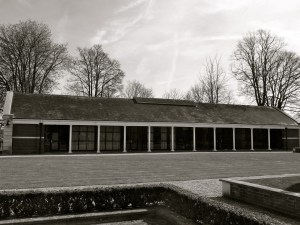
Weekend Walk 44 – Portchester & Portsdown – Allan King’s Way

The first stage of the Allan King’s Way, from Portchester Castle to Nelson’s Monument on Portsdown Hill. I then continued along the hill a way and back to Portchester at sunset. On the way: Portsmouth Harbour, Wicor, Foxbury Point, Cams Bay, Downend, Fort Nelson, DSTL Research Base, Portchester Common, Paulsgrove Lake, then the Roman Fort and castle right on the water’s edge.

One of my favourite walks so far, despite its proximity to urban areas.

South Downs Way – Final Leg – Alfriston to Eastbourne

For the final stage of the 100-mile SDW, I took the Coastal Route from the downland village of Alfriston, through the Cuckmere valley, across the Seven Sisters Country park with its bright white cliffs, via Birling Gap, up to Beachy Head before leaving the downs, descending into Eastbourne and it’s seafront promenade. A thoroughly enjoyable last twelve miles – a classic!

Prerequisites for climbing Everest: “enthusiasm” and “the potential to walk”

Lakpa Rita, the top sherpa for Seattle-based Alpine Ascents, was the first to see it. Just visible in the glow of his frost-covered headlamp, a body dangled from a fixed line. This was the second corpse his team had met on their overnight summit bid.

It was 4:30 a.m. on May 20, just beyond Everest’s South Summit, the dramatic rise and dip at 28,700 feet where climbers swap in fresh oxygen cylinders for the final push to the top. The frozen body hung from a line strung along the knife-edge ridge that leads to the Hillary Step, a 40-foot cliff 100 feet below the summit. Lakpa Rita, 47, and Garrett Madison, 33, the company’s head guide, paused to consider the unfortunate soul for a moment. The wind whipped by at nearly gale force. The sun, still below the horizon, barely brightened the fierce lenticular cloud that wrapped the upper mountain.

In tight formation with Madison and Lakpa Rita were six clients from the U.S., Britain, and Australia, a third guide, 46-year-old Jose Luis Peralvo of Ecuador, and six veteran climbing Sherpas. Later they would learn that the dead man was a German doctor named Eberhard Schaaf, who’d arrived at the summit the previous afternoon. Schaaf, 61, was guided by two Sherpas from a Nepal-based outfitter called Asian Trekking, and he likely succumbed to cerebral edema during his descent. The Sherpas had stayed with him for hours before one and then the other left to save themselves.

Madison’s group had avoided the crowds by going up on the night of the 19th, in worsening weather. For them, Schaaf presented a different kind of problem: he was blocking the way. “Lakpa went up and cut him off the fixed line,” Madison recalls. Schaaf’s body tumbled 15 feet down Everest’s southwest face, stopping among some rocks.

All night, the Alpine Ascents group had met with the carnage of the previous day, when four climbers died along the 29,035-foot mountain’s most popular route—the Southeast Ridge, which ascends the Nepalese side from the foot of the Khumbu Glacier. In addition to Schaaf, they were Nepali-Canadian Shriya Shah, 33, Korean Song Won-bin, 44, and Chinese Ha Wenyi, 55. There were other fatalities as well—two on the mountain’s north side and four earlier in the season—along with serious injuries that resulted in roughly two dozen helicopter evacuations. In all, 10 people perished on Everest in April and May of 2012, making it the third deadliest spring season on record, behind 1996’s total of 12 and 2006’s total of 11.

The Alpine Ascents team encountered all four of the doomed May 19 climbers on its way up, either dead (Schaaf and Shah), too far gone to rescue (Song), or not yet in distress (Ha). Had Madison and Lakpa Rita believed they could help Song, they would have been duty-bound to try. “Since there was nothing we could do,” client Rob Sobecki later blogged, “we carried on climbing upwards.”

In the days that followed, the international media would seize upon these deaths as the latest proof of a now familiar claim: that the climbing scene on Everest is out of control. Flocks of ill-prepared novices were crowding into Base Camp, paying outfitters between $30,000 and $120,000 for what, to a lot of sane people, looked like assisted suicide.

Comparisons between this single-day tragedy and the one that claimed the lives of five clients and three guides in 1996—and led to Outside’s publication of Jon Krakauer’s “Into Thin Air”—were on the lips of commentators from CNN to NPR. Even in the climbing community, which is still deeply divided by the differing accounts of the 1996 episode, people began to ask: Has anything changed?

I was embedded on Everest with a team of climbers, the four Americans of the Eddie Bauer First Ascent West Ridge expedition: David Morton, Jake Norton, Charley Mace, and Brent Bishop. Unlike Krakauer in ’96, I wasn’t trying to climb the mountain, which left me free to roam Base Camp reporting on the season’s events.

What I saw was a situation that resembled ’96 in some respects but in most ways did not. As happened back then, some of the 2012 teams lost precious time waiting in long lines in the Death Zone, above 26,000 feet, and summited too late in the day. But 2012’s victims weren’t caught by a freak, fast-moving storm. Their deaths were the result of exhaustion, climbing too slowly, ignoring serious altitude sickness, and refusing to turn around—which is to say, the steady toll of human error. Nobody was killed by the mountain’s roulette wheel of hazards such as rockfall, avalanches, and blizzards.

This matters because it points to a new status quo on Everest: the routinization of high-altitude death. By and large, the people running the show these days on the south side of Everest—the professional guides, climbing Sherpas, and Nepali officials who control permits—do an excellent job of getting climbers to the top and down again. Indeed, a week after this year’s blowup, another hundred people summited on a single bluebird day, without a single death or serious injury.

But that doesn’t mean Everest is being run rationally. There are no prerequisites for how much experience would-be climbers must have and no rules to say who can be an outfitter. Many of the best alpinists in the world still show up in Base Camp every spring. But, increasingly, so do untrained, unfit people who’ve decided to try their hand at climbing and believe that Everest is the most exciting place to start. And while some of the more established outfitters might turn them away, novices are actively courted by cut-rate start-up companies that aren’t about to refuse the cash.

It’s a recipe that doesn’t require a storm to kill people. In this regard, things are much different now than in the past: they’re worse.

Continues

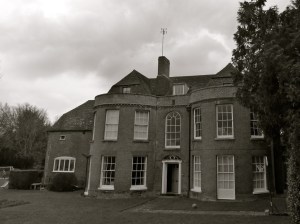
The Vyne, Basingstoke

The Vyne - EntranceThe Vyne - LobbyThe Vyne - InteriorThe Vyne - TapestryThe Vyne - InteriorThe Vyne - Bedroom
The Vyne - Four Poster BedThe Vyne - InteriorThe Vyne - HallThe Vyne - FireplaceThe Vyne - WindowThe Vyne - Statue Charles I
The Vyne - StatueThe Vyne - PaintingThe Vyne - StatueThe Vyne - Main StairsThe Vyne - Staircase HallThe Vyne - Staircase Hall
The Vyne - SketchesThe Vyne - StudyThe Vyne - WheelchairThe Vyne - Plant RoomThe Vyne - Plant Room HeatingThe Vyne - Statue

The Vyne, a set on Flickr.

Photos of the interior and exterior of The Vyne, a National Trust Property near Basingstoke in Hampshire. There are many statues inside, and some freaky paintings. It was a relief to get outside away from the oppressive panelled rooms and into the grounds and woodland. I did like the Staircase Hall and the surprisingly simple bedrooms

Weekend Walk 36 – Hamble to Southampton – Solent Way

The 5th stage of the Solent way, east to west. Around 6 miles, from the Warsash ferry at Hamble to the Hythe Ferry at Town Quay Southampton. The path leads from Hamble-le-Rice village, south to the common to pick up Southampton Water shoreline, then past Hamble oil terminal to Netley with its ruined Abbey and Victoria Country Park, then to Weston Shore, entering Southampton at Woolston, the aircraft and shipyards long gone, replaced with Centenary Quay. The across the huge expanse of 1977’s Itchen Bridge and through part of Southampton old town, with some walls and fortifications remaining.

The oil terminal at Hamble collects oil piped in from the field at Wareham in Dorset, 50 miles away, averaging 2-3 million gallons per day.

Much of Howard’s Way was filmed in Hamble. I quite like the theme tune:

I’ve walked this area in another video early on in my series of filmed hikes. More on Victoria Park here

Weekend Walk 35 – Lee-on-Solent to Warsash (Solent Way)

Continuing the Solent Way after a break for winter, this is the fourth stage. I started around 10am from Lee-on-Solent, past Hill Head, Titchfield Haven, Meon Shore, Brownwich Cliffs, Chilling Cliffs, Hook, and on to Warsash. From just north of the village, the Solent Way goes via ferry to Hamble, but I stopped today on the eastern shore. On the way I saw dogs (many), jetskis, birds, helicopters, the Isle of Wight, the nature reserve, erodind cliffs, fawley power station, oil refinery, and the village of Warsash.

Hampshire Architecture – Petersfield: College Street, Dragon Street, Sussex Road

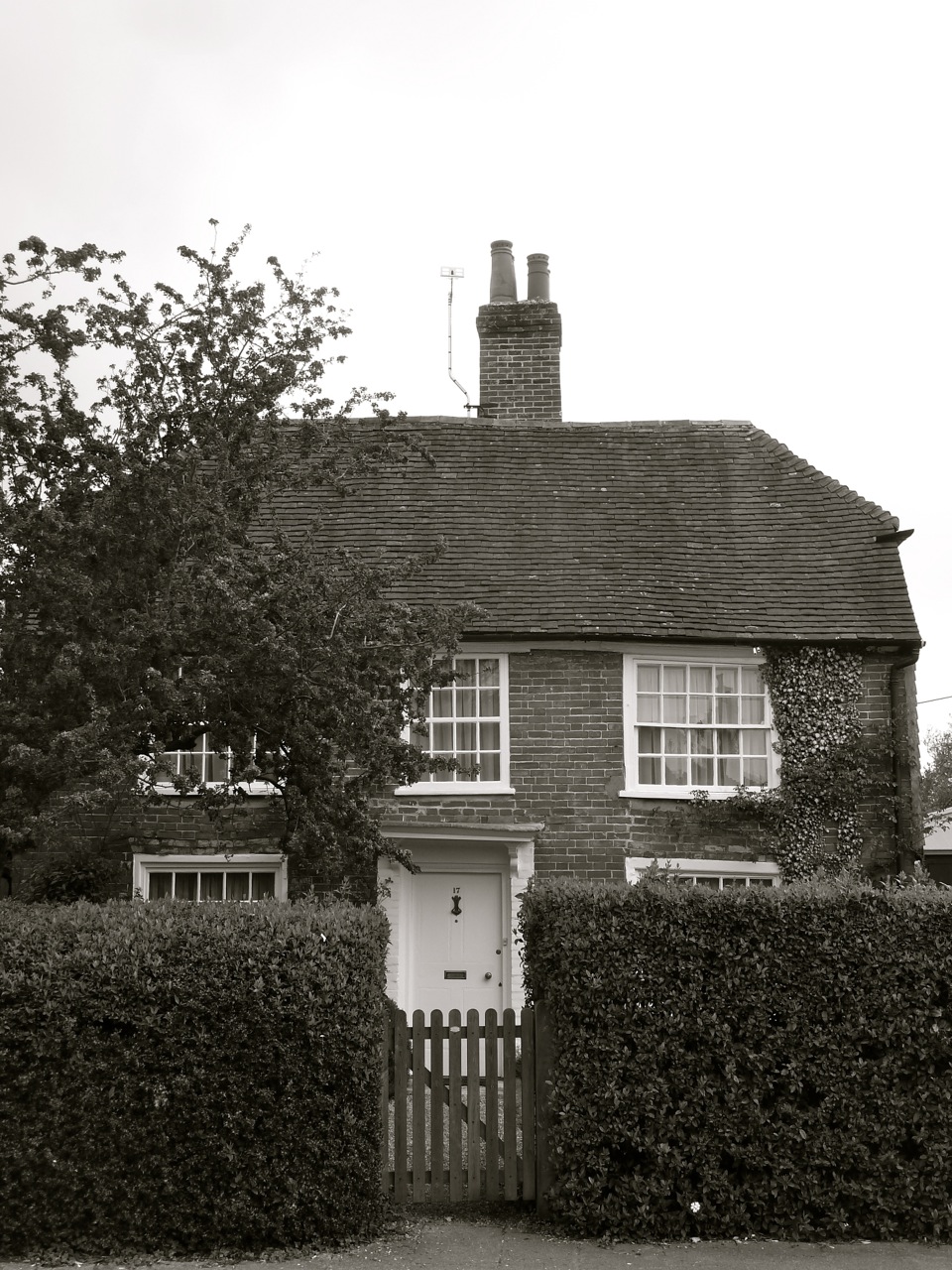
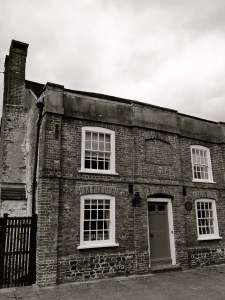
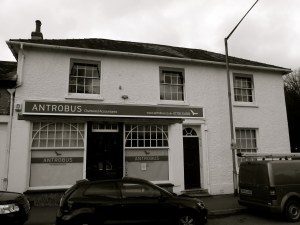
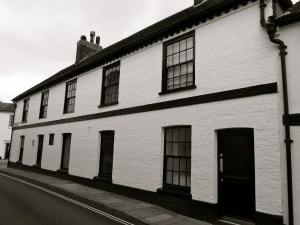
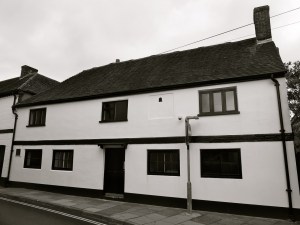
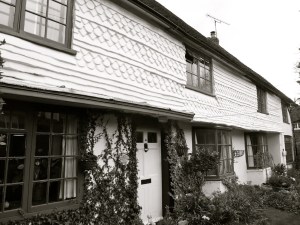
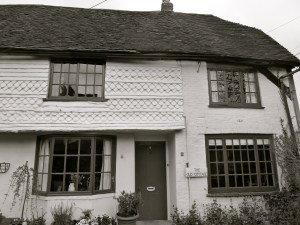
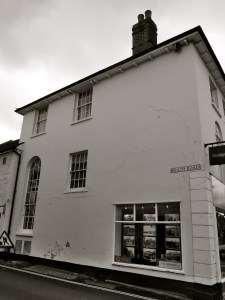
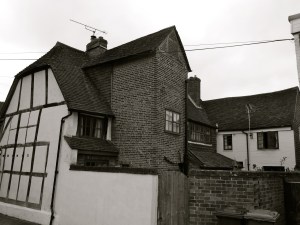
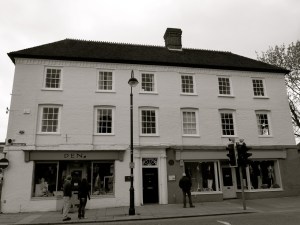
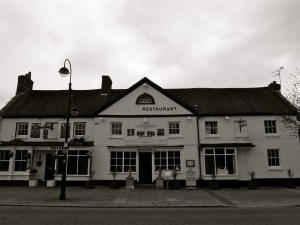
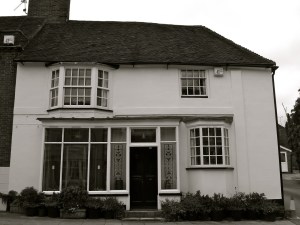
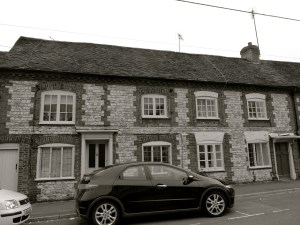
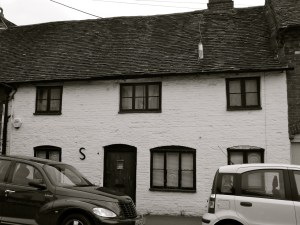
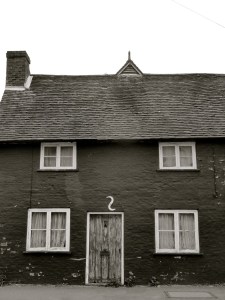
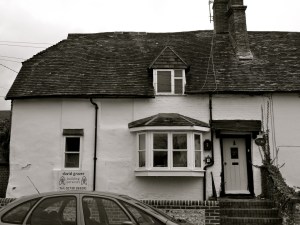
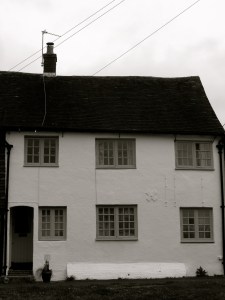
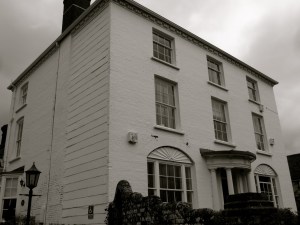
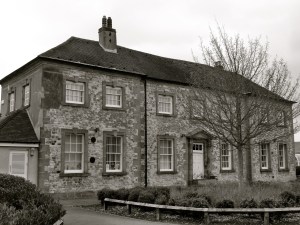
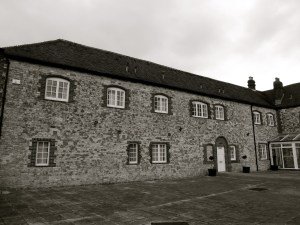
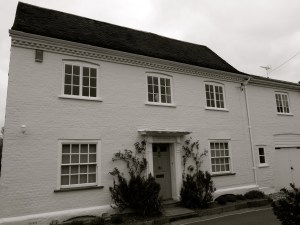
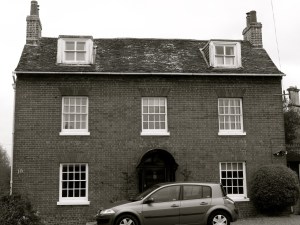
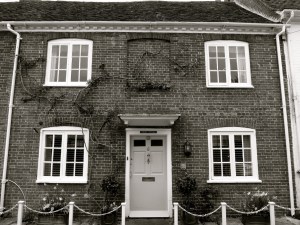
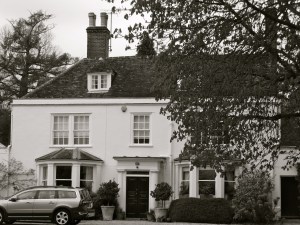
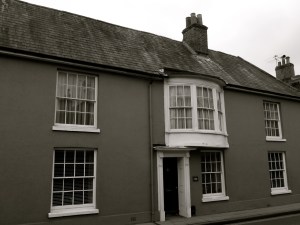
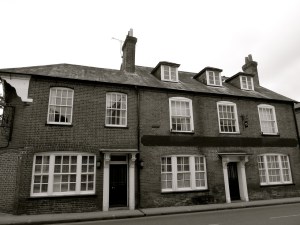
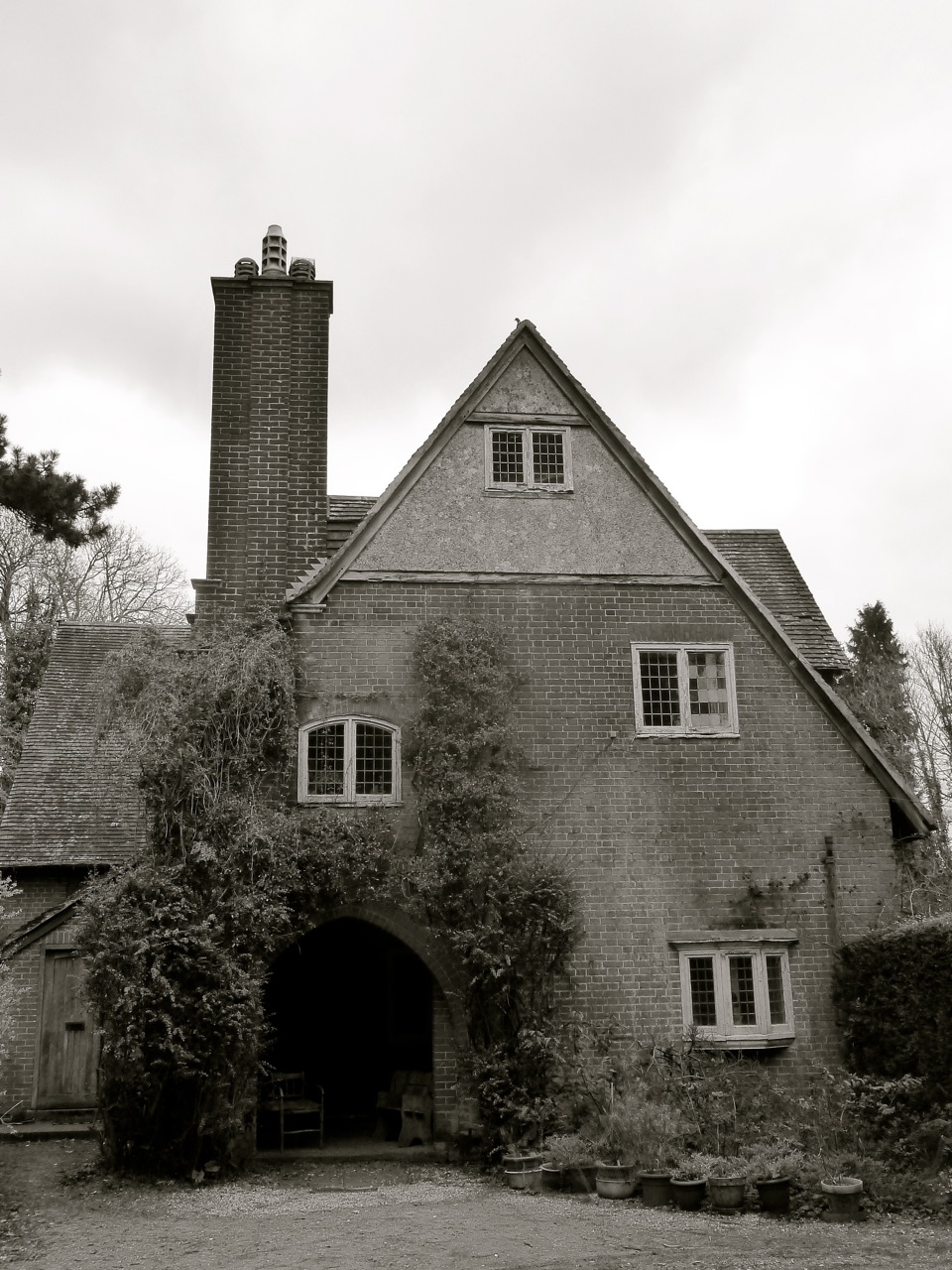
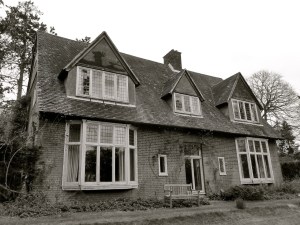
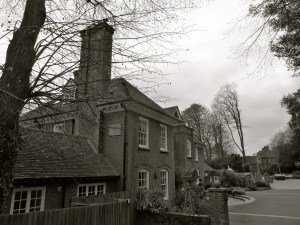
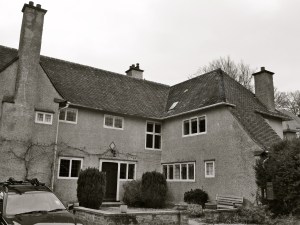
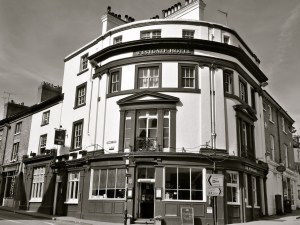
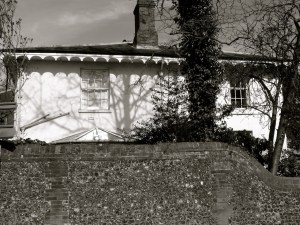
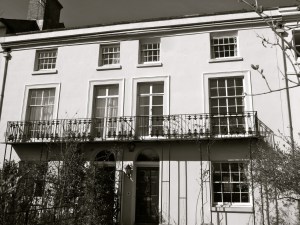
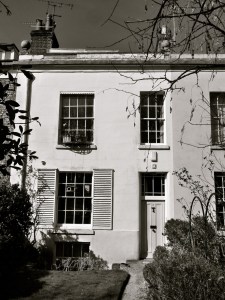
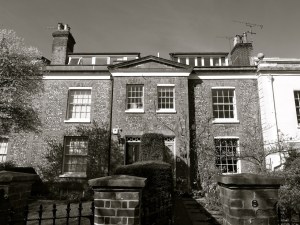
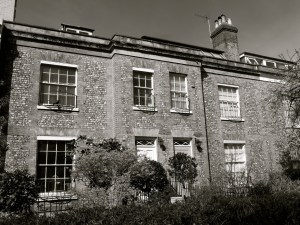
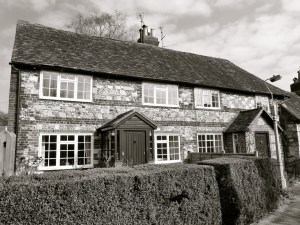
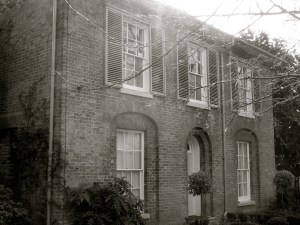
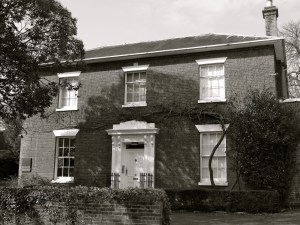
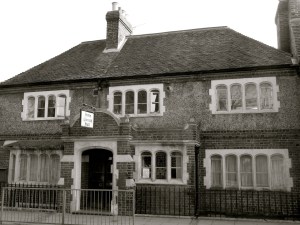
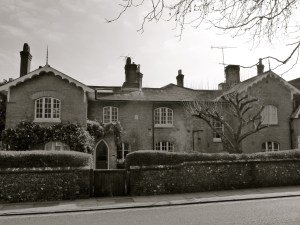
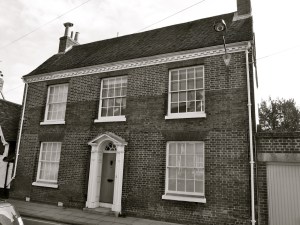
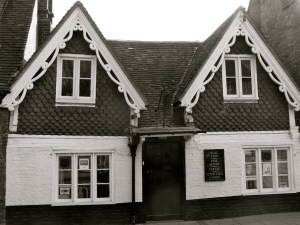
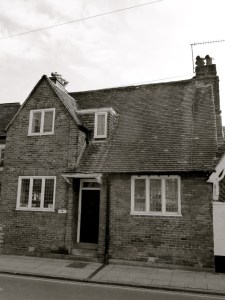
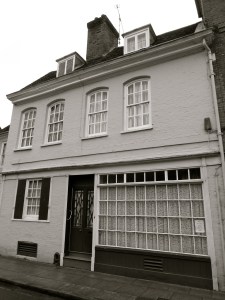
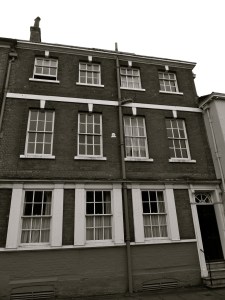
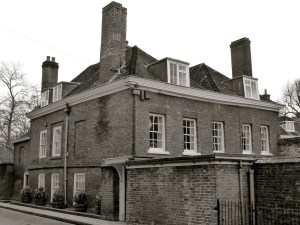
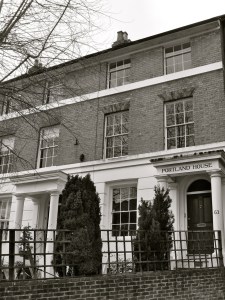
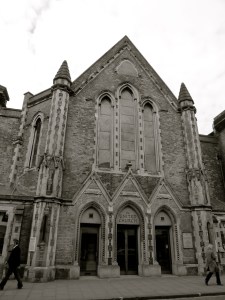
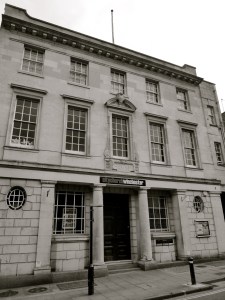
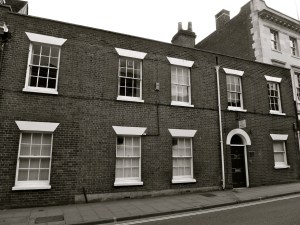
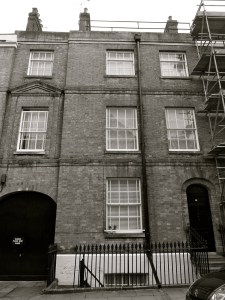
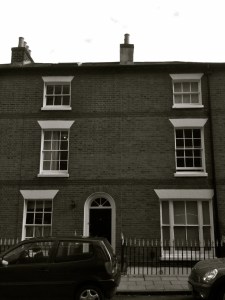
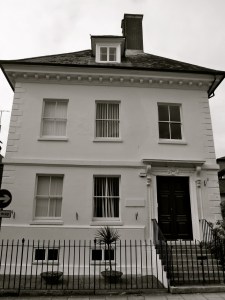
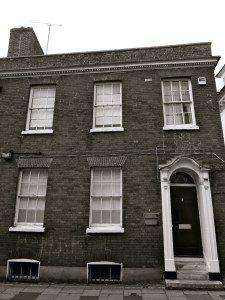
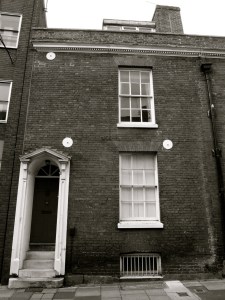
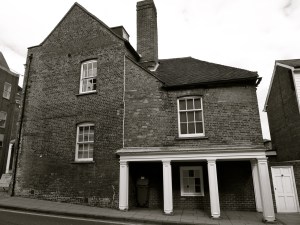
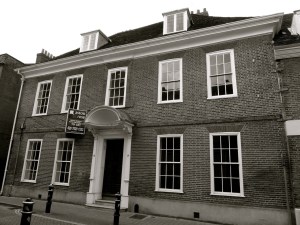
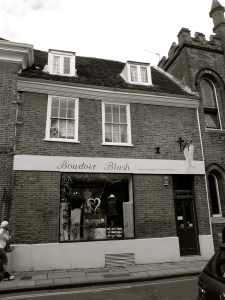
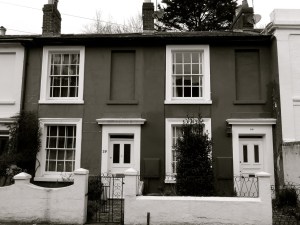
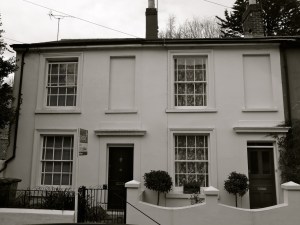
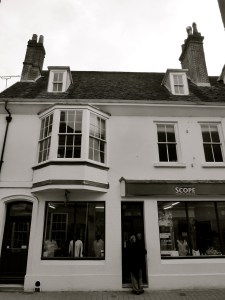
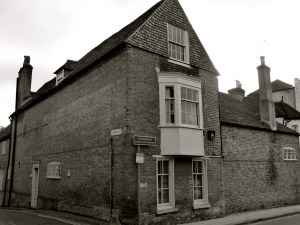
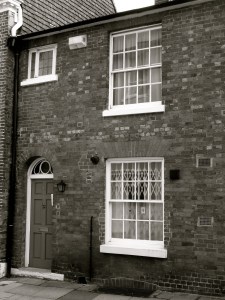
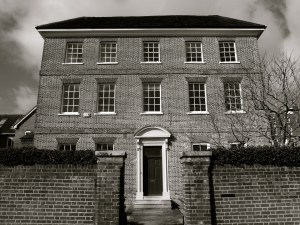
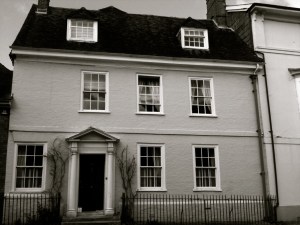
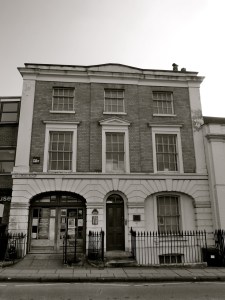
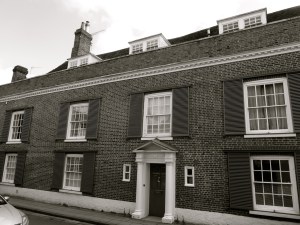
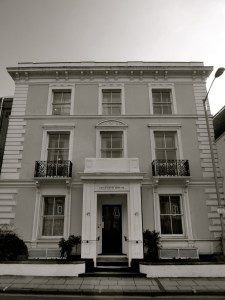
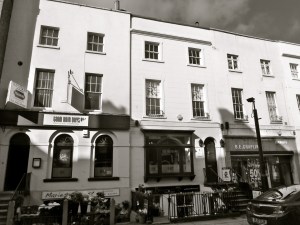
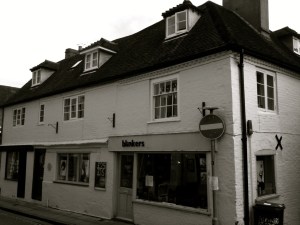
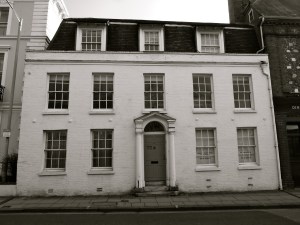
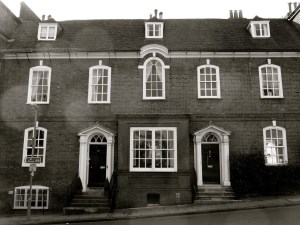
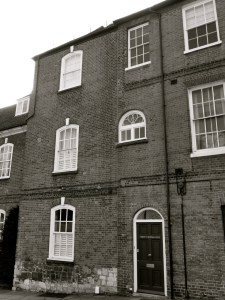
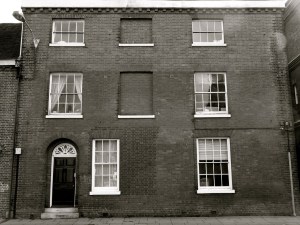
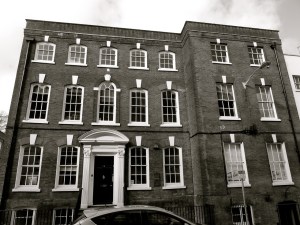
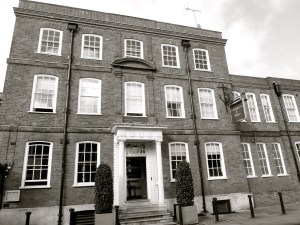
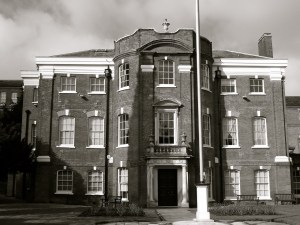
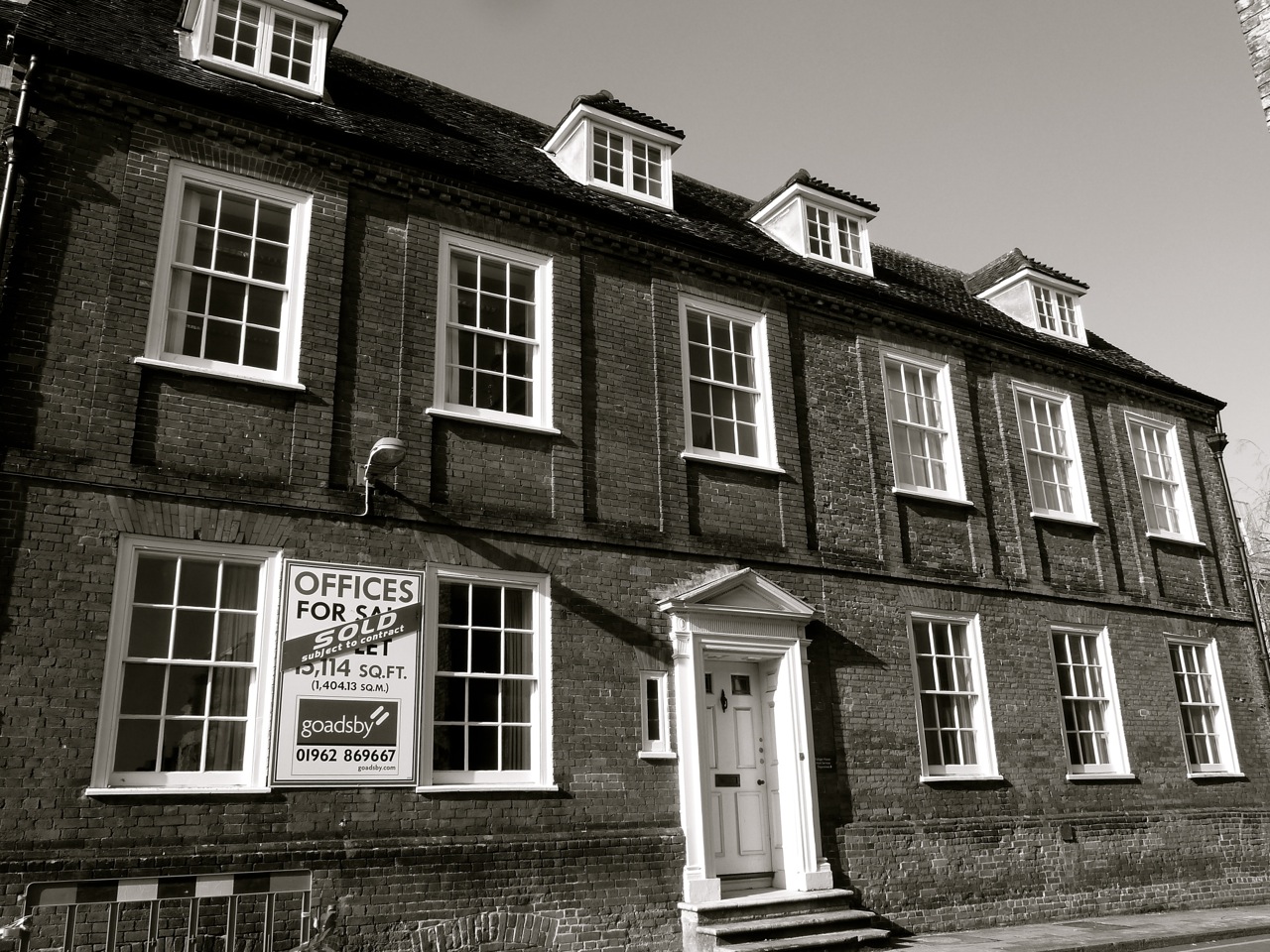
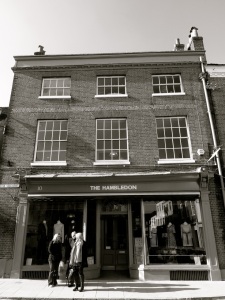
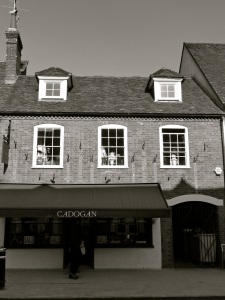
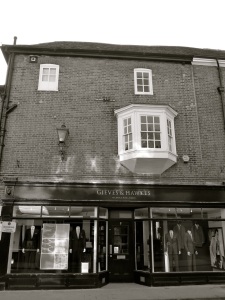
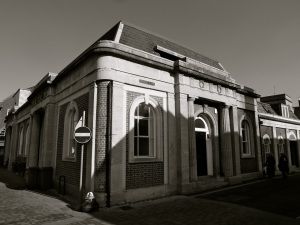
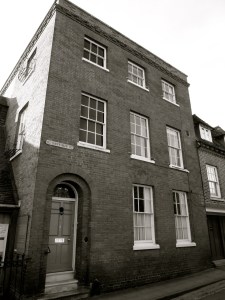
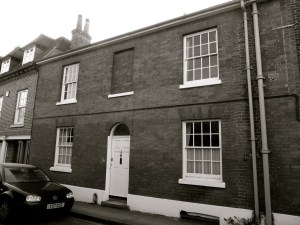
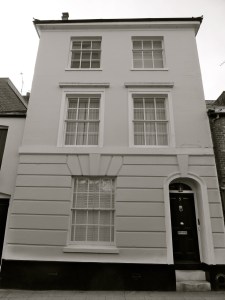
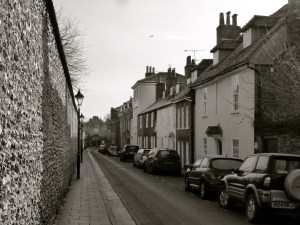
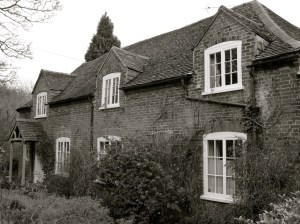
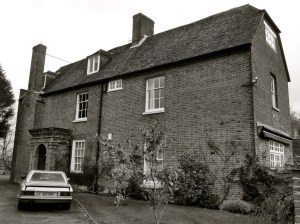
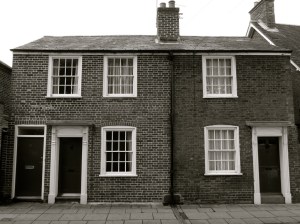
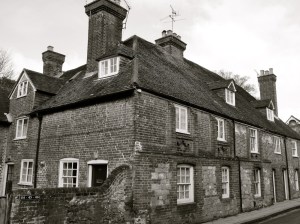
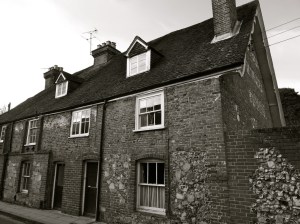
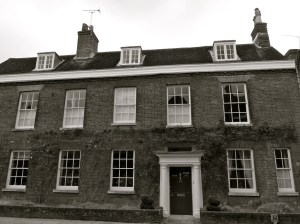
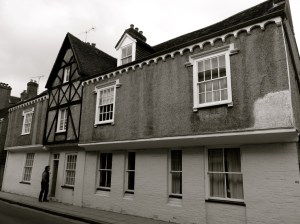
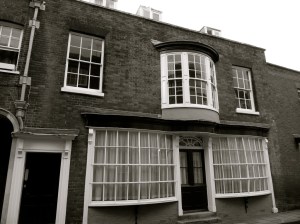
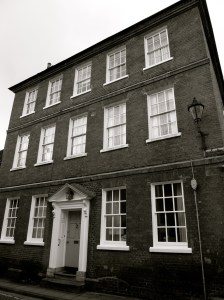
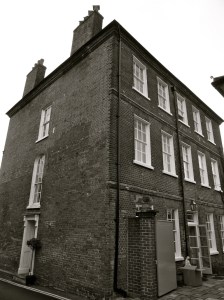
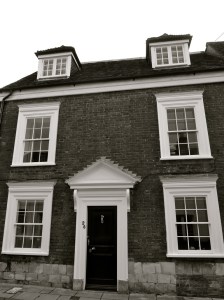
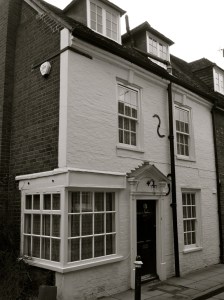
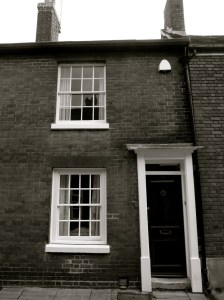
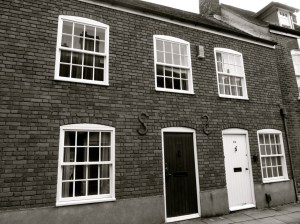
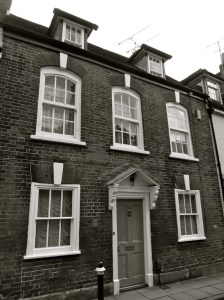
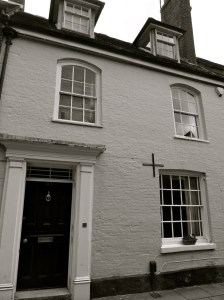
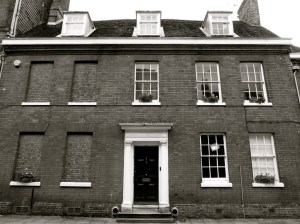
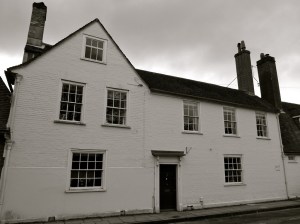
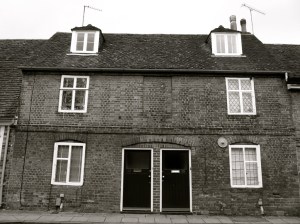
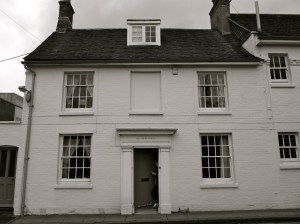
Petersfield is a market town 18 miles north of Portsmouth and about 20 miles east of Winchester. Today I explored the eastern side of the town centre from the old college in College St, past the western end of the High Street onto Dragon Street and further east into Sussex Road which leads to the heath. Most of the listed buildings here are C17 and C18, with some C16 and C19. Many have older sections behind the newer facades, evidenced by the uneven roofs. Compared to Winchester, the increased amount of space for building is apparent, with many of only two stories. Petersfield grew as a coach stop on the Portsmouth-London route and due to its market. The Red Lion is a large in on this historic route. The pictures below are all of Grade II buildings, with the exception of Dragon House and Heath Lodge, both II*. Pictured first, my favourites today are Fir Cottage, The Masonic Hall, and 24/26 Dragon St. I am grateful to the owner of Wych Elm Cottage for allowing me onto her property to take that photograph.

Hampshire Architecture: St Cross

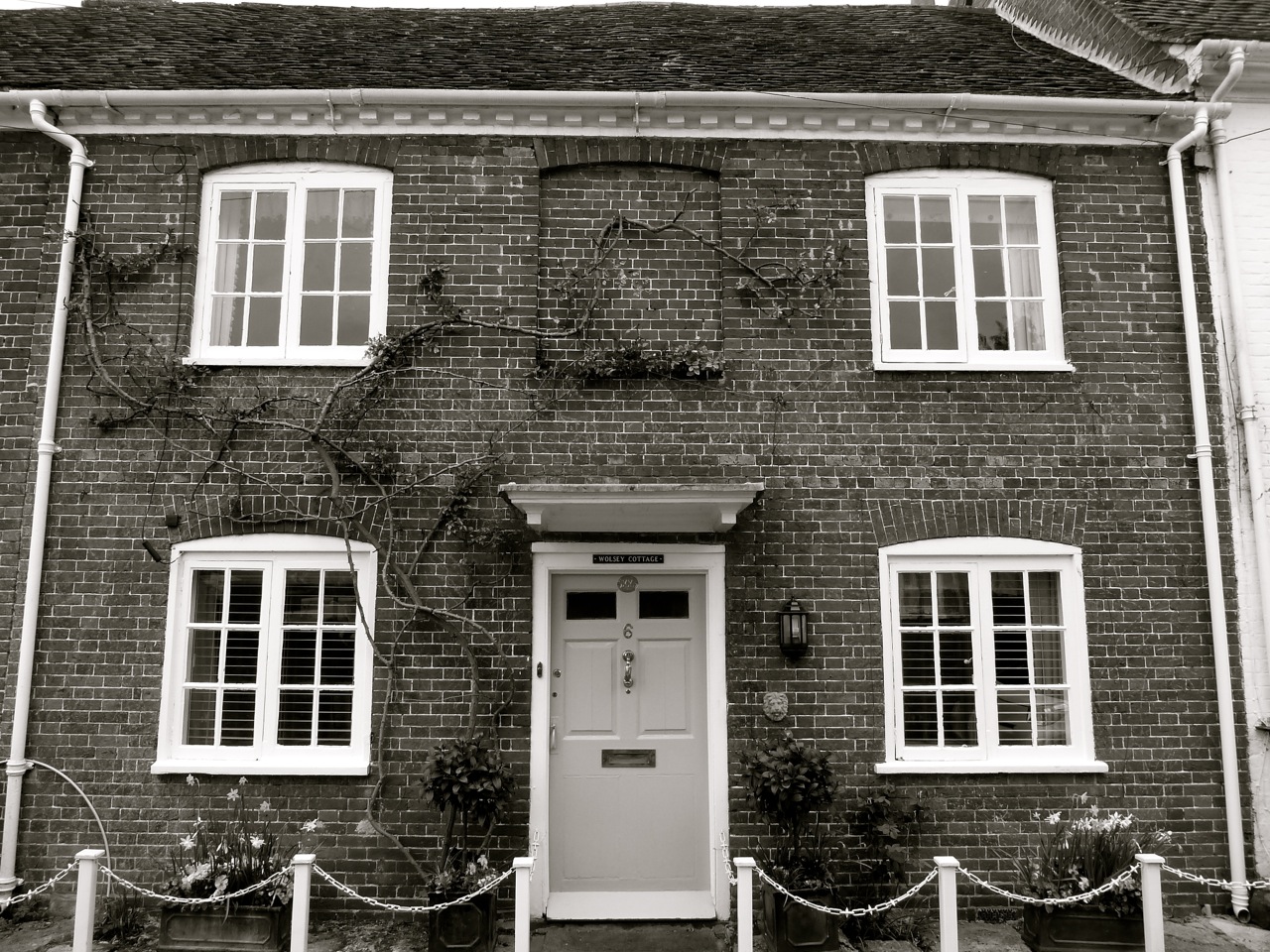
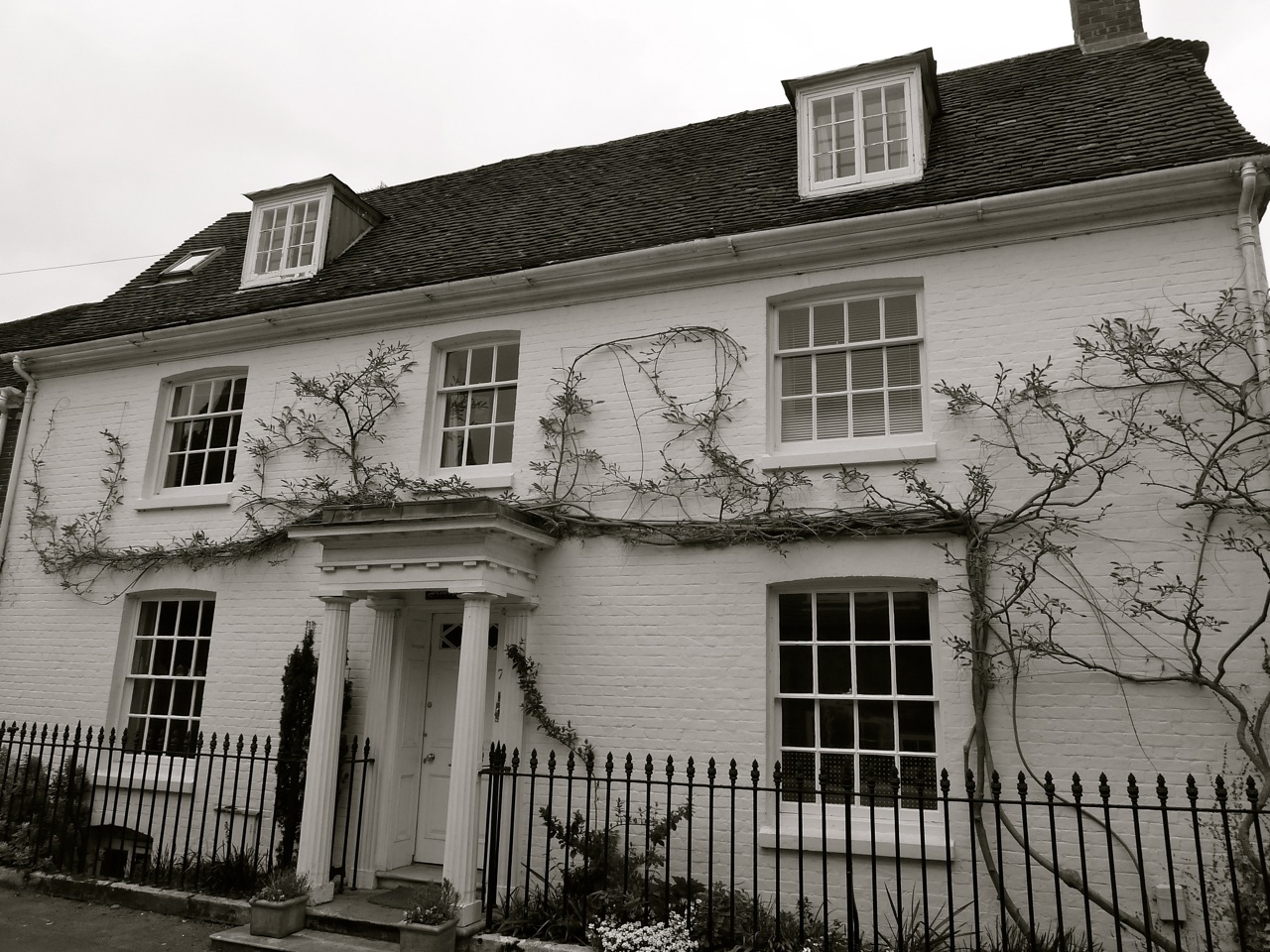
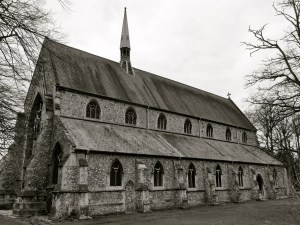
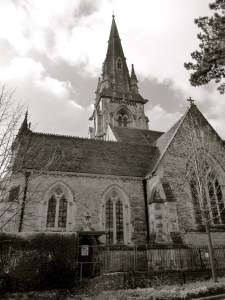
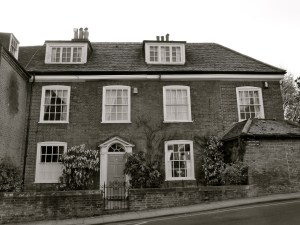
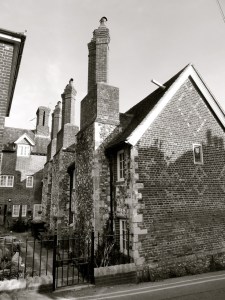
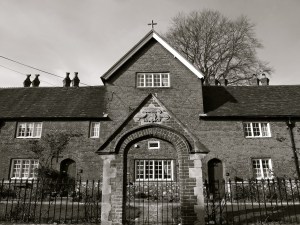
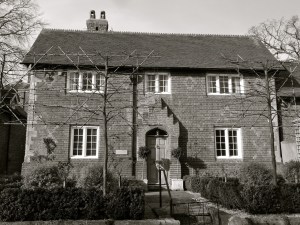
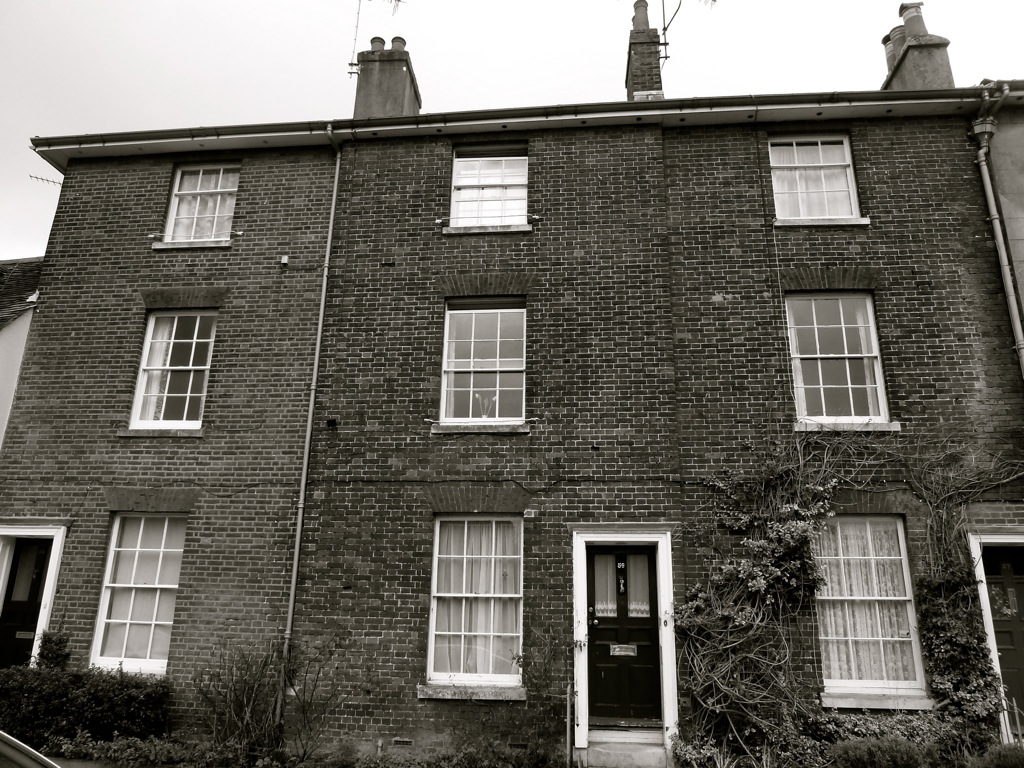
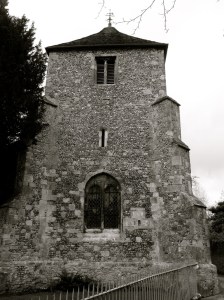
Is St Cross a Winchester suburb or is it a village? St Cross is one mile south of central Winchester next to the meadows of the Itchen, underneath St Catherine’s Hill. Away from the main road there is the feel of a village, in the Back Street and around the medieval Hospital founded in 1130, along with some old cottages. On the busy St Cross Road it’s very much part of the city, with groups of C18 and C19 town houses, Georgian and Regency. The group of buildings of the hospital is described in the Listed Buildings section of English Heritage as “One of the most beautiful groups of buildings in the country”

Favourites today are 6, 7 and 10 St Cross Back Street, and of course the mini-cathedral of St Cross Church. These are ordered first in the photographs below:

Winchester Architecture – Villas, Terraces and Outskirts

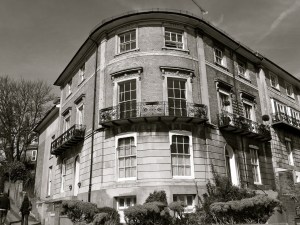
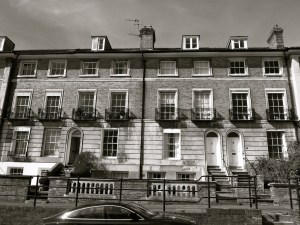
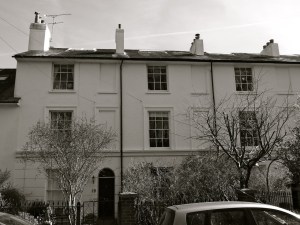
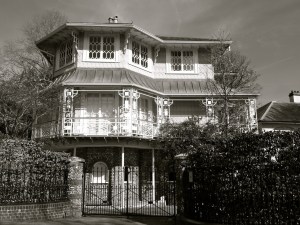
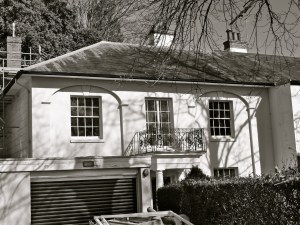
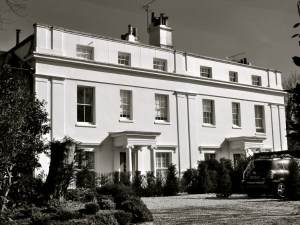
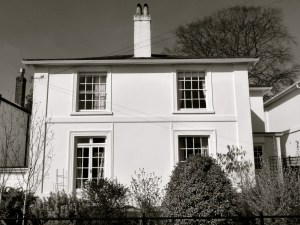
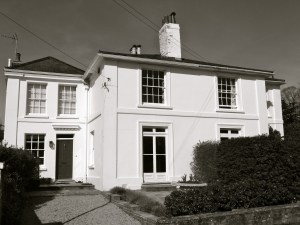
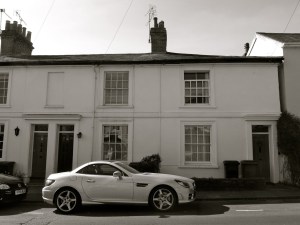
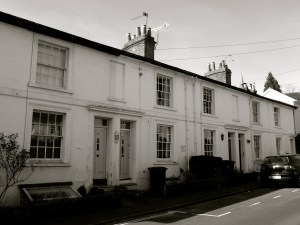
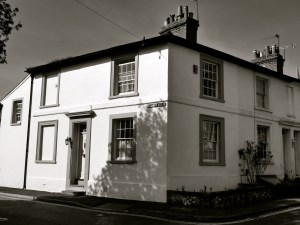
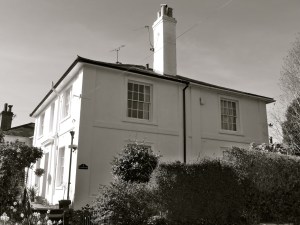
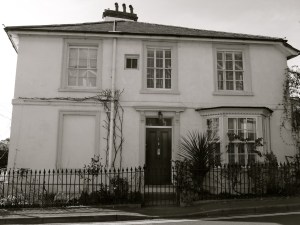
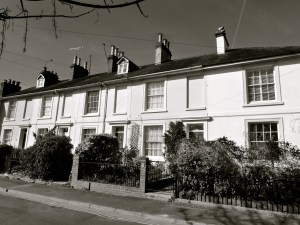
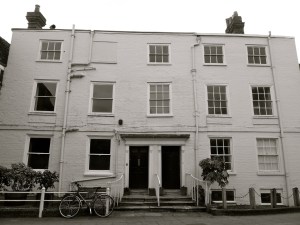
The final collection of listed buildings in Winchester. This set includes the urban eastern end of St James Lane, up onto West Hill, Romsey Road, then Stockbridge Road and Worthy Lane. In the C19 the wealthy of the city built villas and terraces up on the downs to the west, away from the diseases that were plaguing the lower areas. St James Lane is steep and leafy once it leaves St Cross Rd. St James Terrace runs alongside the railway. Further up are Clifton and West End Terraces. To the west are the hospital (note Butterfield Wing), prison, and the university which includes turn of the century (19-20) West Down School buildings. The northern outskirts include some thatched cottages and the old farmhouse of Abbotts Barton – C17 rural architecture in amongst the 70s housing estates.

Favourites in this last set include St James Villas, The Pagoda House and Stapenhill. These are first in the photographs. Click for larger images.

Previously

Winchester Architecture – Peninsular Square and Castle Hill

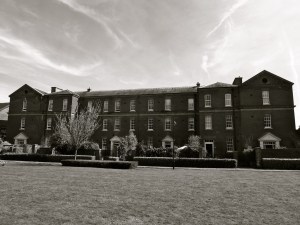
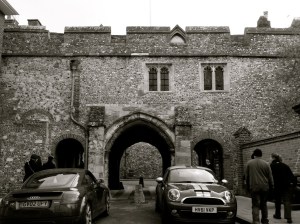
This is the area of the former Winchester Castle, at the south western corner of the medieval city walls, rising above the city. Following this historical land use, the area continues to house the administrative offices of Hampshire County Council, whilst Peninsula Square, now residential, was once a complex of military Barracks and army buildings c1900. All that remains of the castle is the Great Hall and some remains of walls, although The Westgate is of a similar age to the hall. The council offices are C19-C20 despite the Elizabethan style.

Winchester Architecture – Hyde

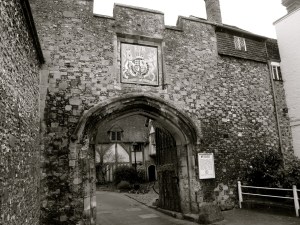
The site of the medieval Hyde Abbey is north of the old city walls. It has the feel of a village and a character of its own, set apart from the rest of Winchester, although very close by. The area around St Bartholomews Church is very peaceful and quite charming, except for the men drinking in the Abbey Gateway at 10am. Only a couple of buildings and bridges remain of the Abbey itself. Most of the listed buildings here are on Hyde Street, with some fine C17 and C18 detached properties, often matching. Also included are a couple of C20 buildings, listed ‘for group value’. A little further west is an old schoolhouse and the former Eagle hotel.

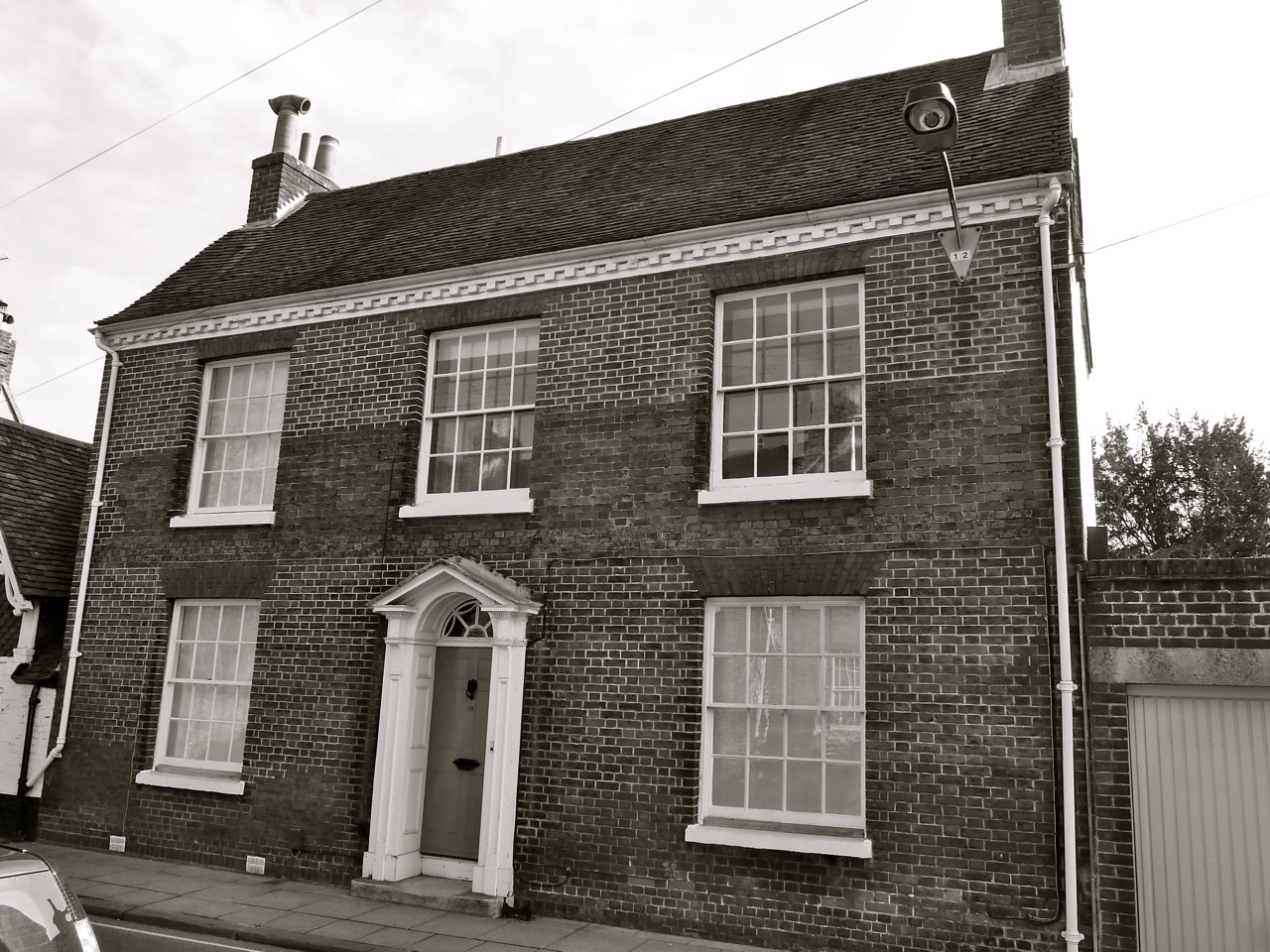
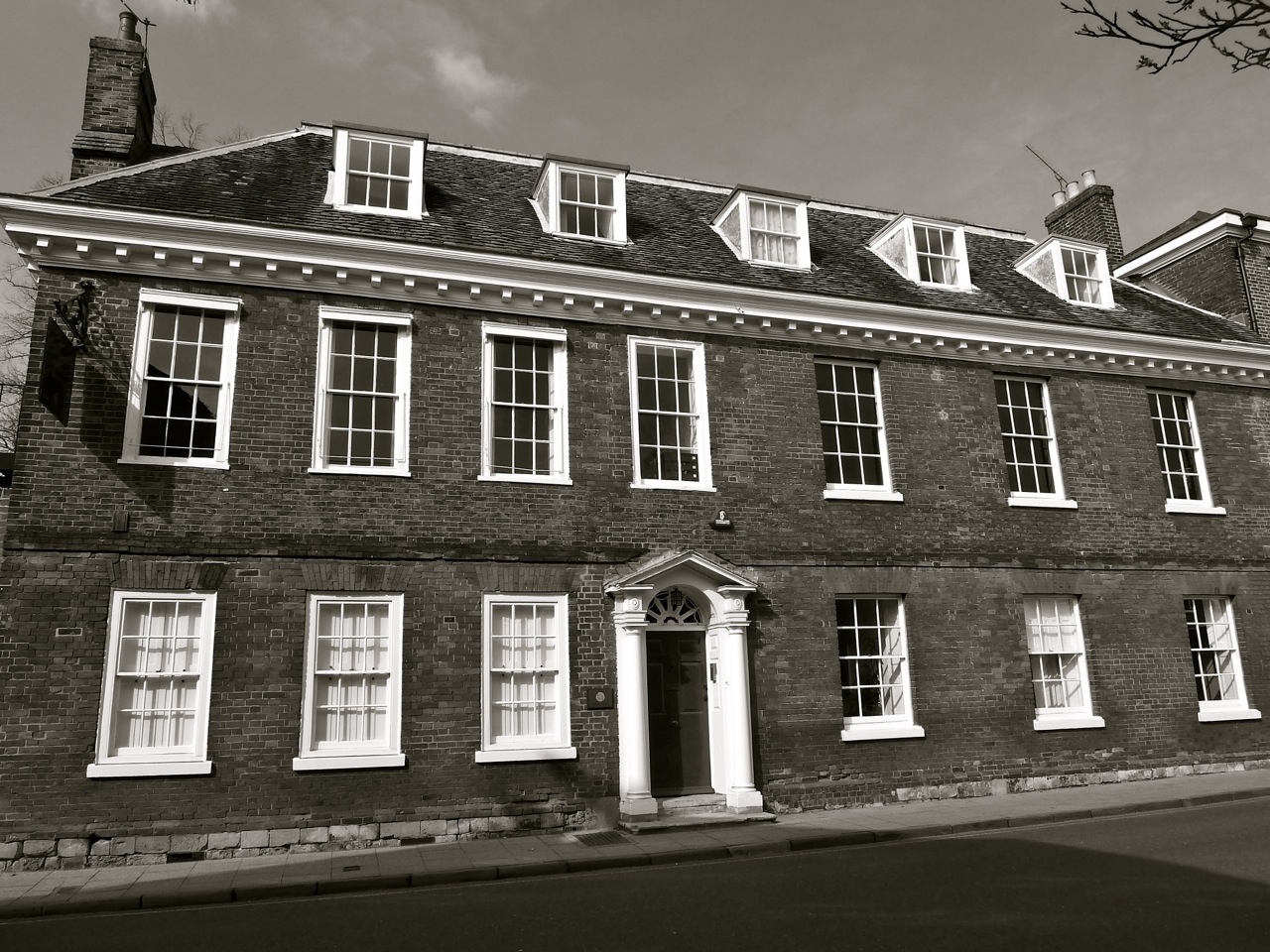
My favourites today are the church, 58 Hyde St, 33 Hyde St, and Hyde Abbey House. These are first in the photographs below:

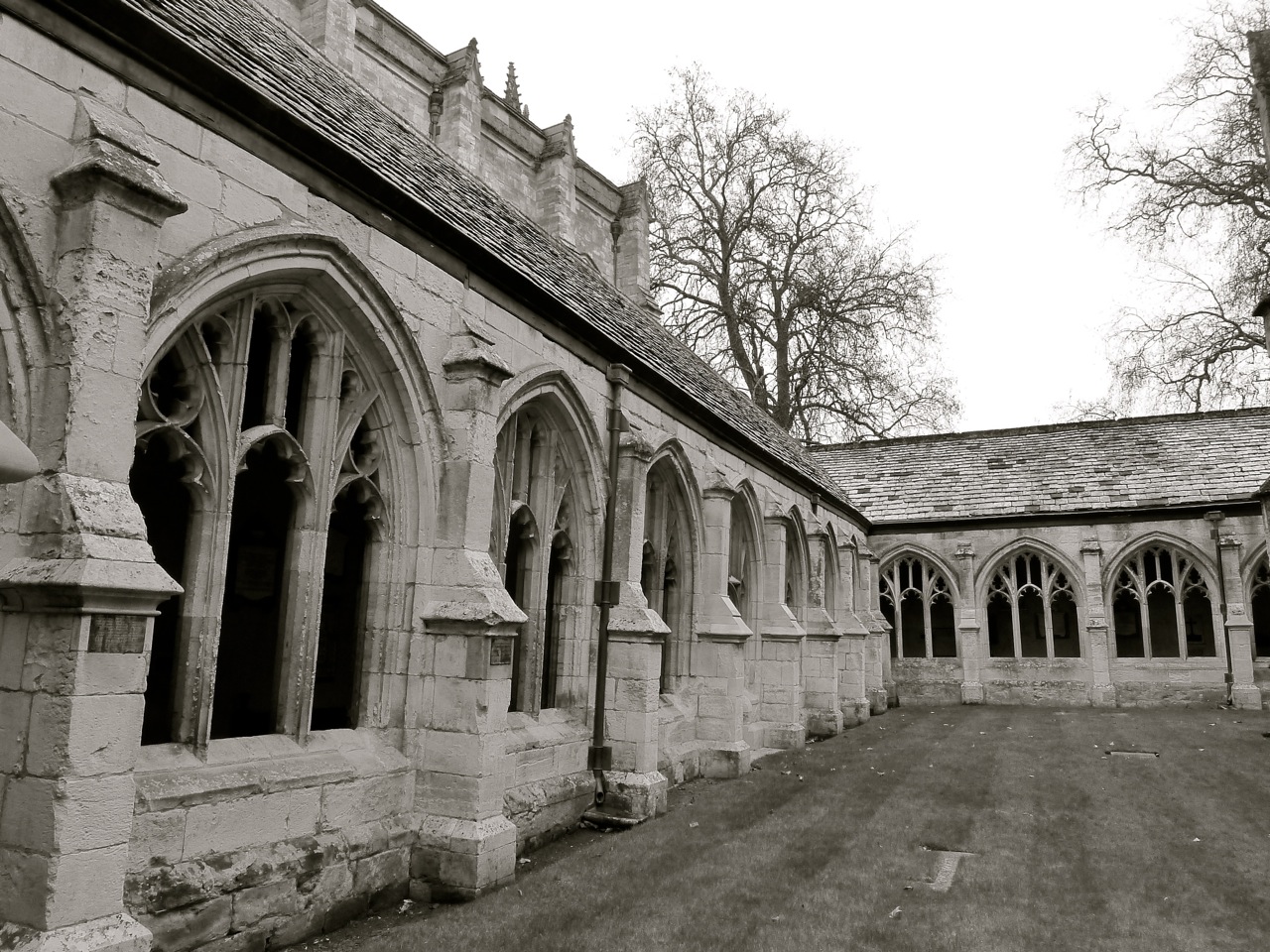
Winchester Architecture – Winchester College and College Street

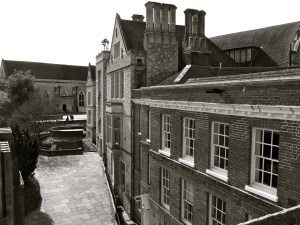
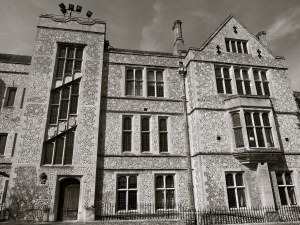
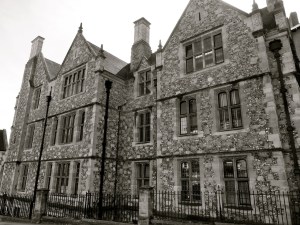
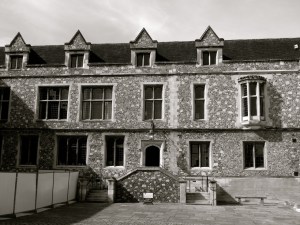
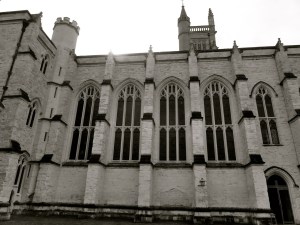
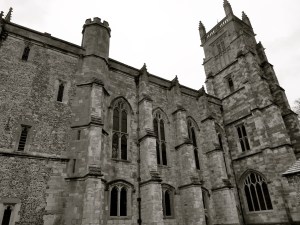
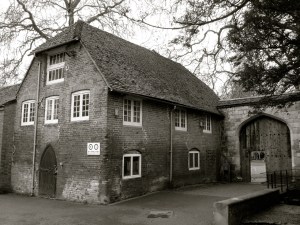
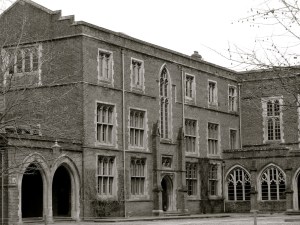
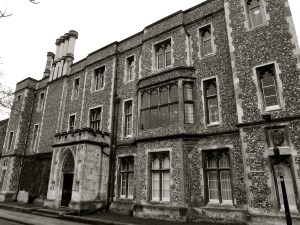
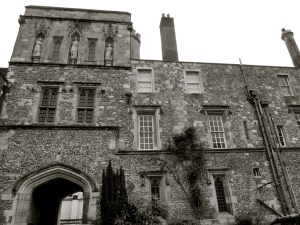
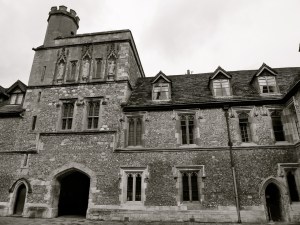
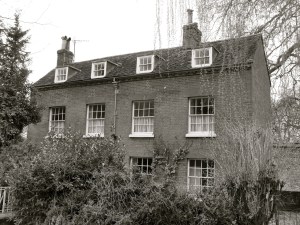
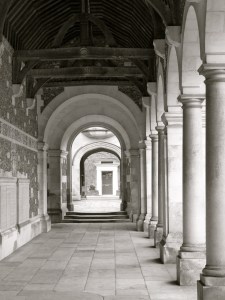
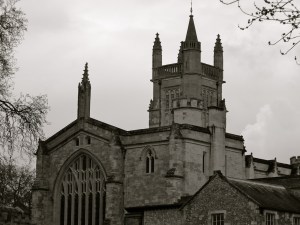
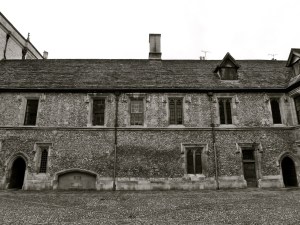
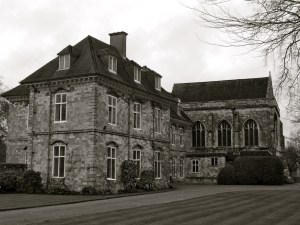
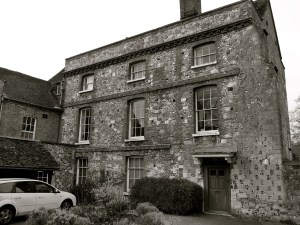
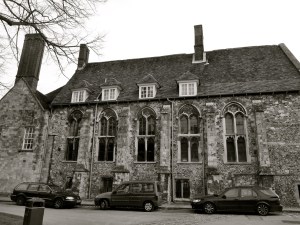
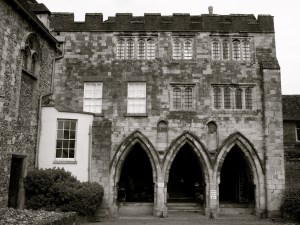
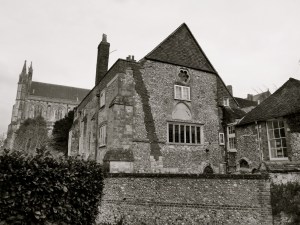
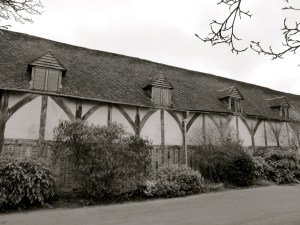
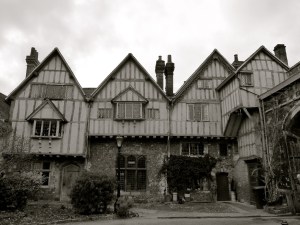
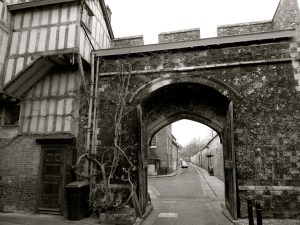
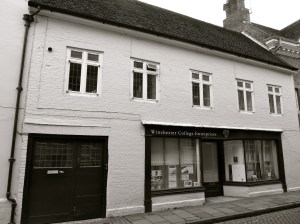
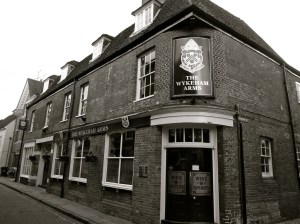
College Street runs east from Kingsgate, south of Cathedral Close. The street begins typically, with a few shops in C18 buildings. Further along is the house where Jane Austen died, and Wolvesey Palace, the home and offices of the Bishop of Winchester. Attached to this Christopher Wren building is the former chapel of Wolvesey Castle, a medieval palace now in ruins. To the south is the campus of Winchester College. From outside the walls one can see the Warden’s Lodgings, a grand house built above (and forming) the flint walls of the college boundary. Also built into the wall is the C14 Brewhouse, now Moberley Library and a little further back, the Headmaster’s House. The Outer court is largely C14, with the middle gate, Chambers Court, Hall, Chapel and Cloisters all built around the same time. This formed the early school. Expansion took place with a new building simply called School in the C17, and the Sick House. Then in the C19 came Flint Court, Moberleys Court and the Memorial Building. In the C20, the college expanded further south with the War Memorial Cloisters and Art and Science Departments (not listed). To the east are a couple of mills on the Itchen. The boarding for students is all on or around Kingsgate St (see other post). Winchester College forms a unique architectural history, with continued educational and religious use since the late thirteen-hundreds. (Entry is via a tour: £6)

9 College Street, Wolvesey Palace, and the College Cloisters were today’s favourites and are first in the photo set below.

Winchester Architecture – Brooks, Parchment St, St Peter St, Jewry St, Tower St

These streets run north from the shopping area, out towards the Roman North Wall. Upper and Lower Brook Streets are mainly residential, with a few shops and the Heritage Centre at the southern side. Parchment Street runs north from Boots and has many small shops at the southern end, turning residential. My new favourite street in Winchester is St Peter Street, a quiet street fortunately missing out of the one way system. It has a pleasing variety of buildings, from the Royal Hotel, a Georgian church hall, a Wren-attributed villa, a C20 church, and at the northern end, grand formal terraces. Jewry Street has a busy flow of traffic and in the bustle it’s easy to miss the architecture, from the Old Gaol to the C16 Loch Fyne, the library and theatre. A little further west is Tower Street, mainly Victorian and later.

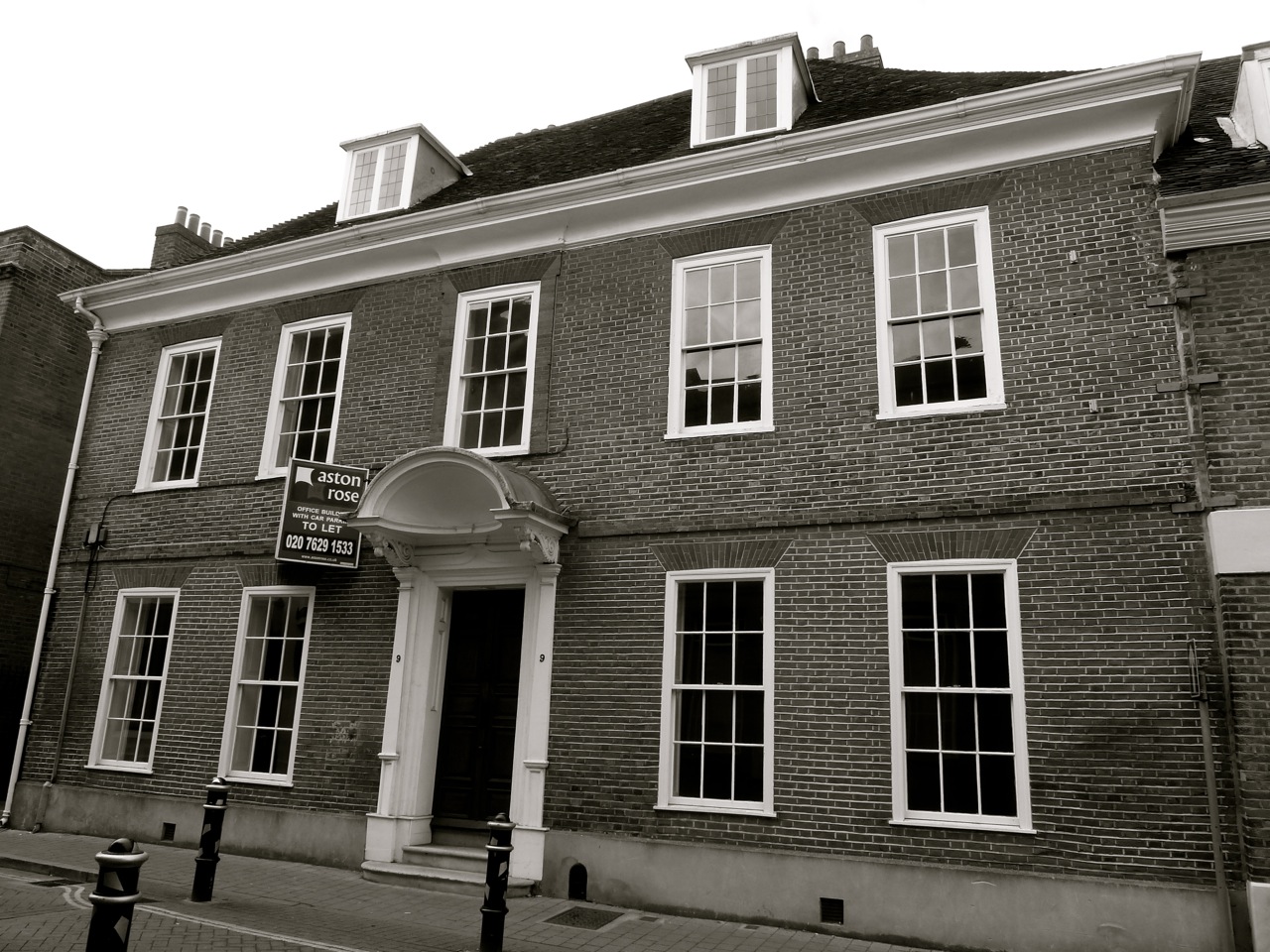
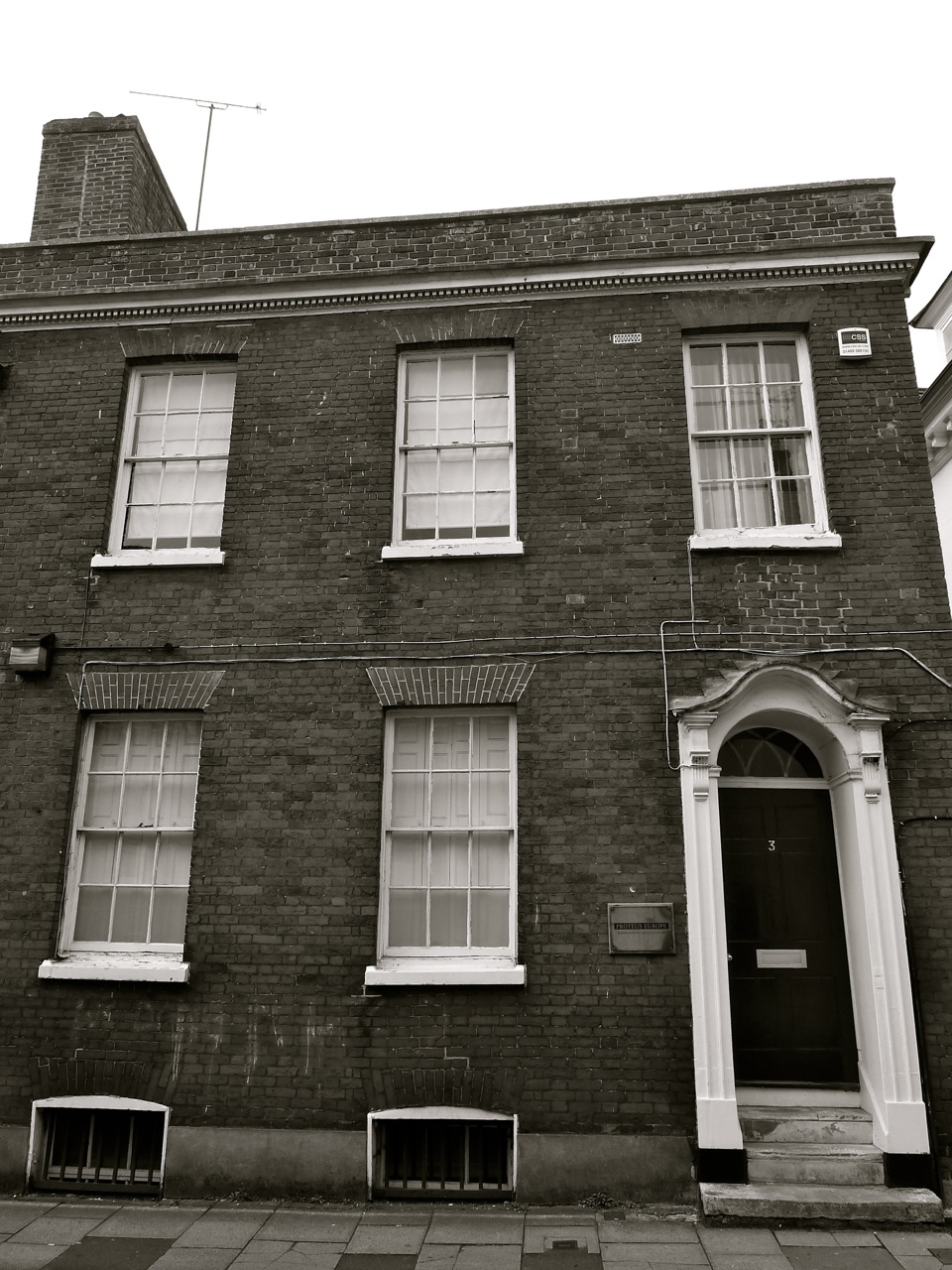
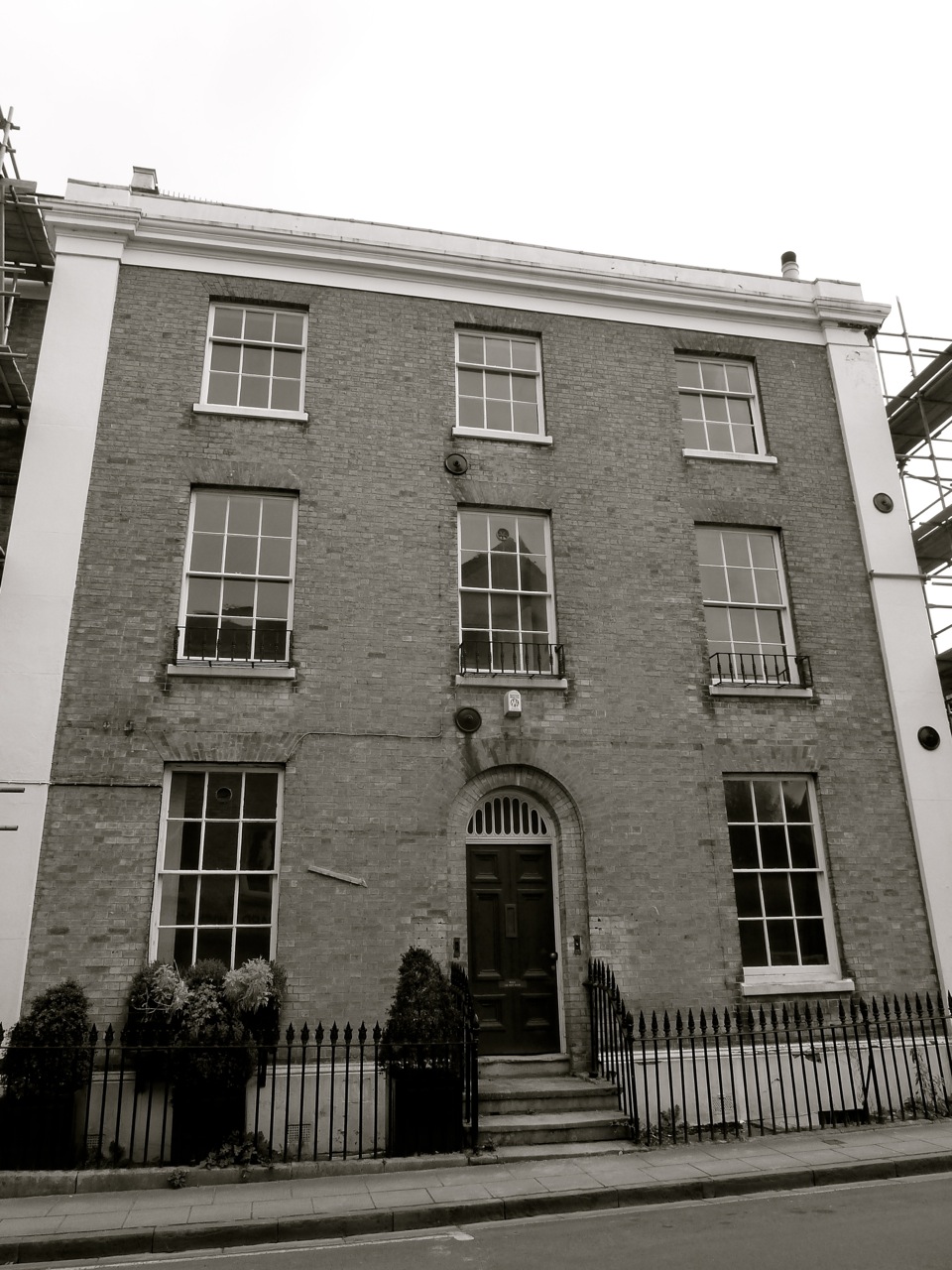
Favourites today are 9 Parchment Street, 3 St Peter Street, 4 St Peter Street and 19 St Peter Street. These are first in the photographs below. Hover over the photo for the address, and click to enlarge.

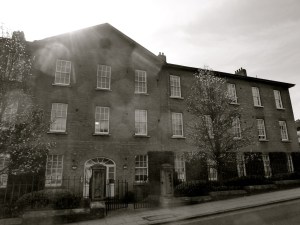
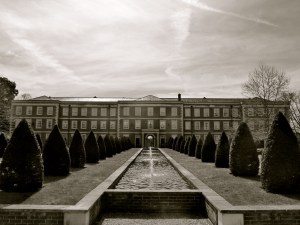
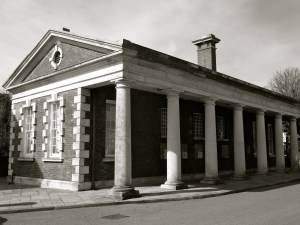
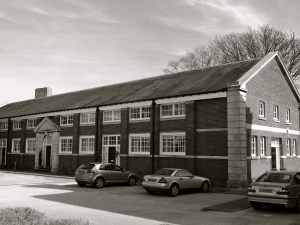
Hampshire Architecture: Portsmouth – Dockyard and The Hard

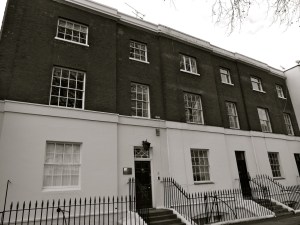
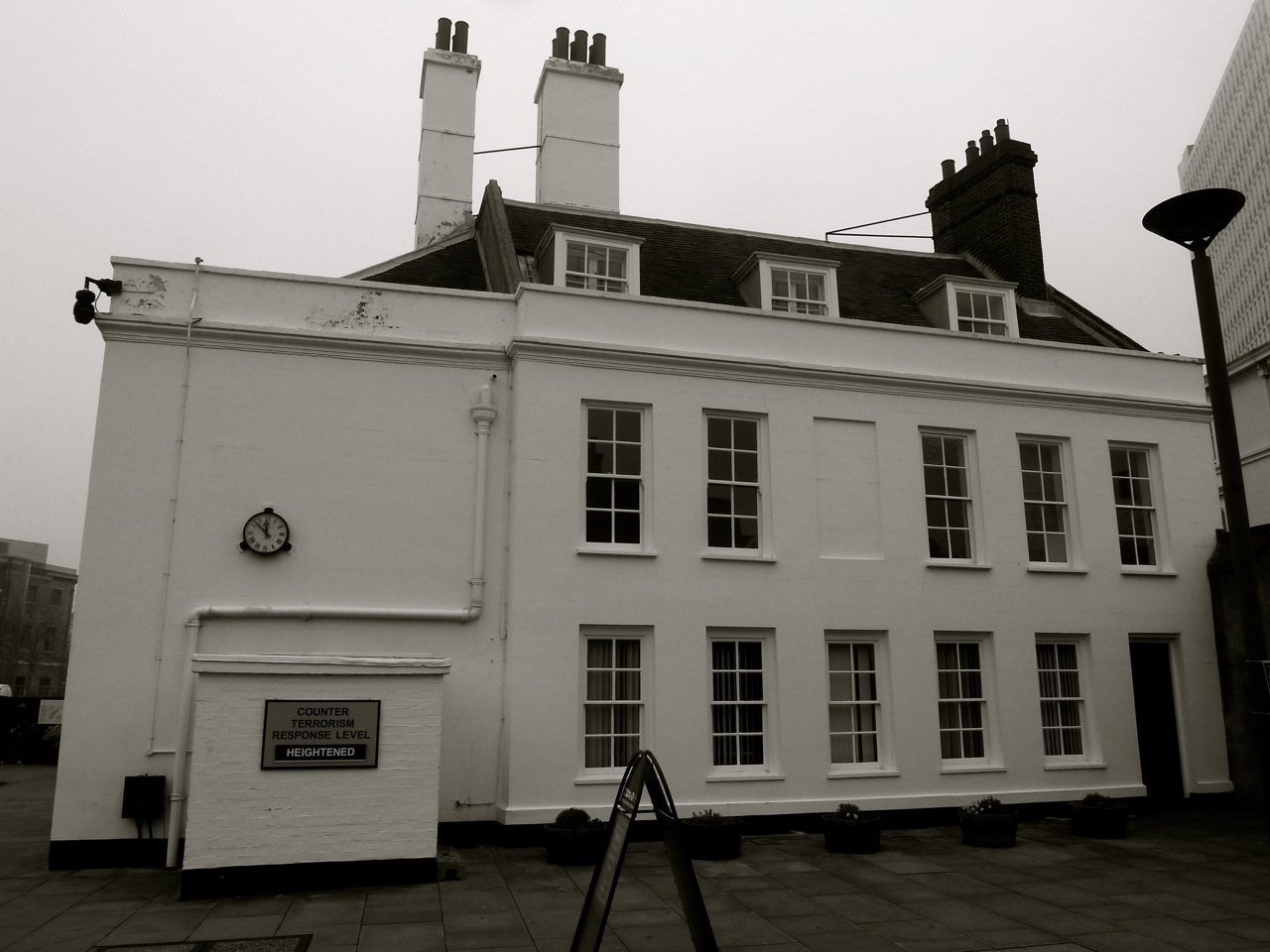
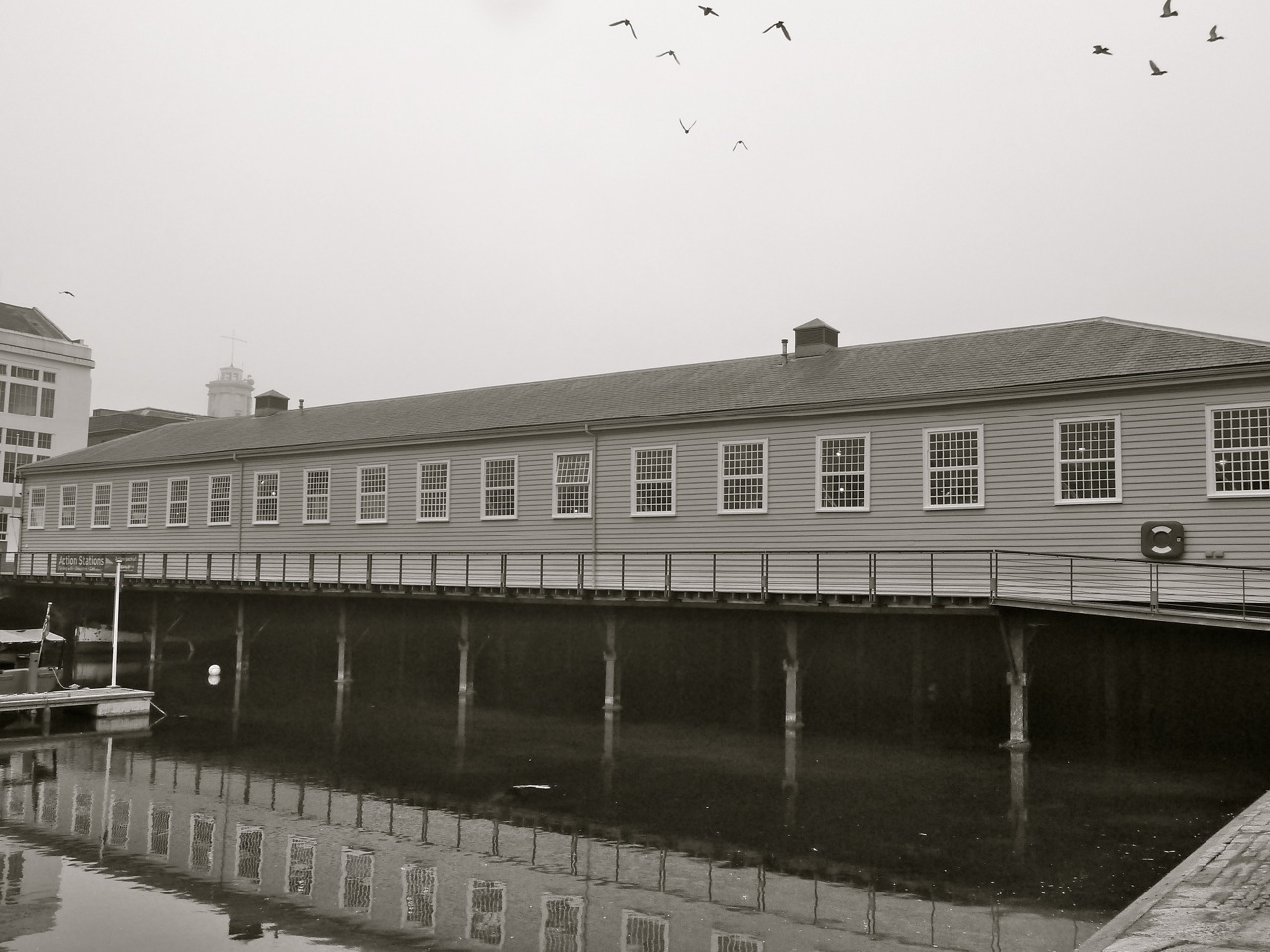
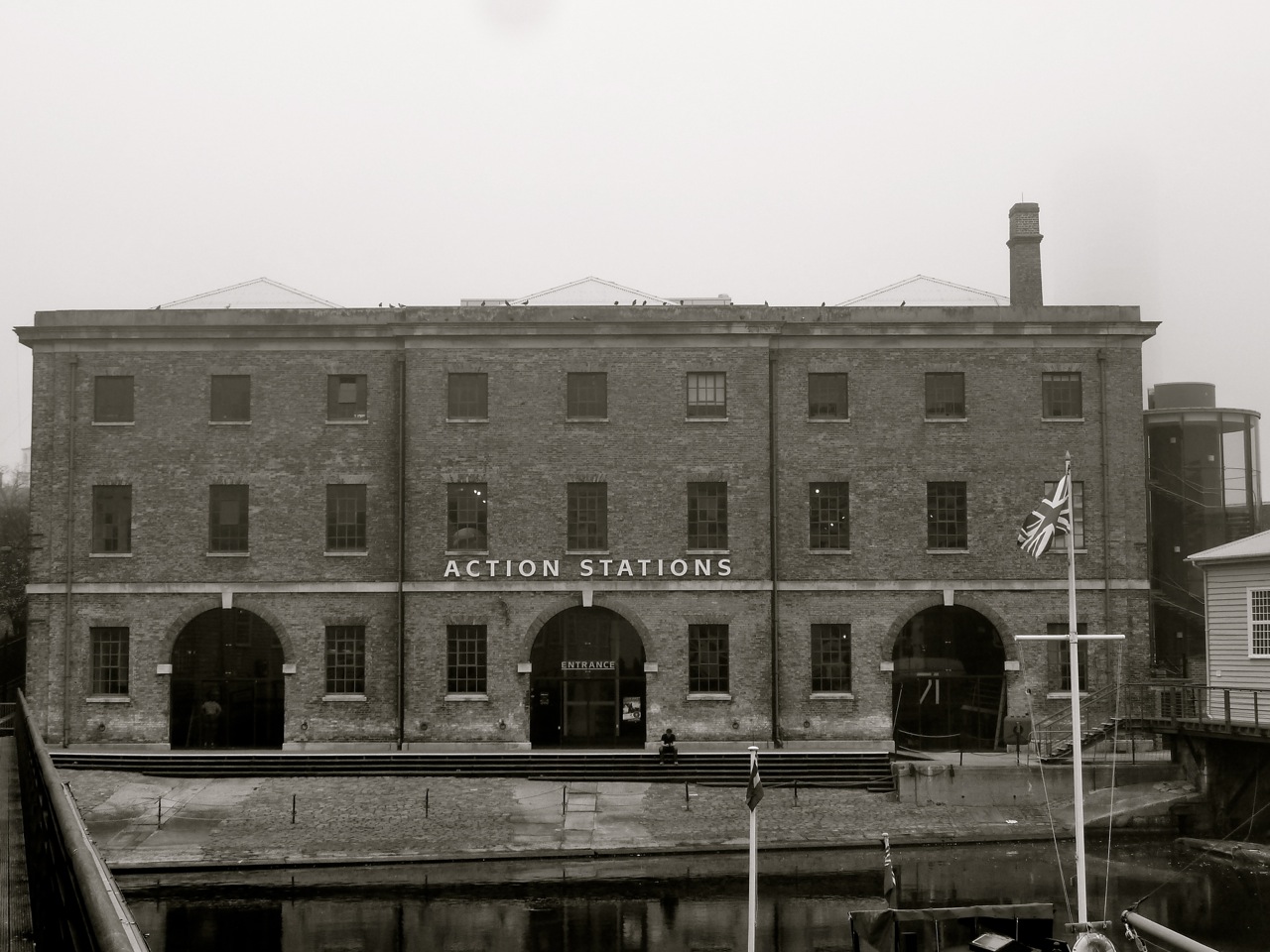
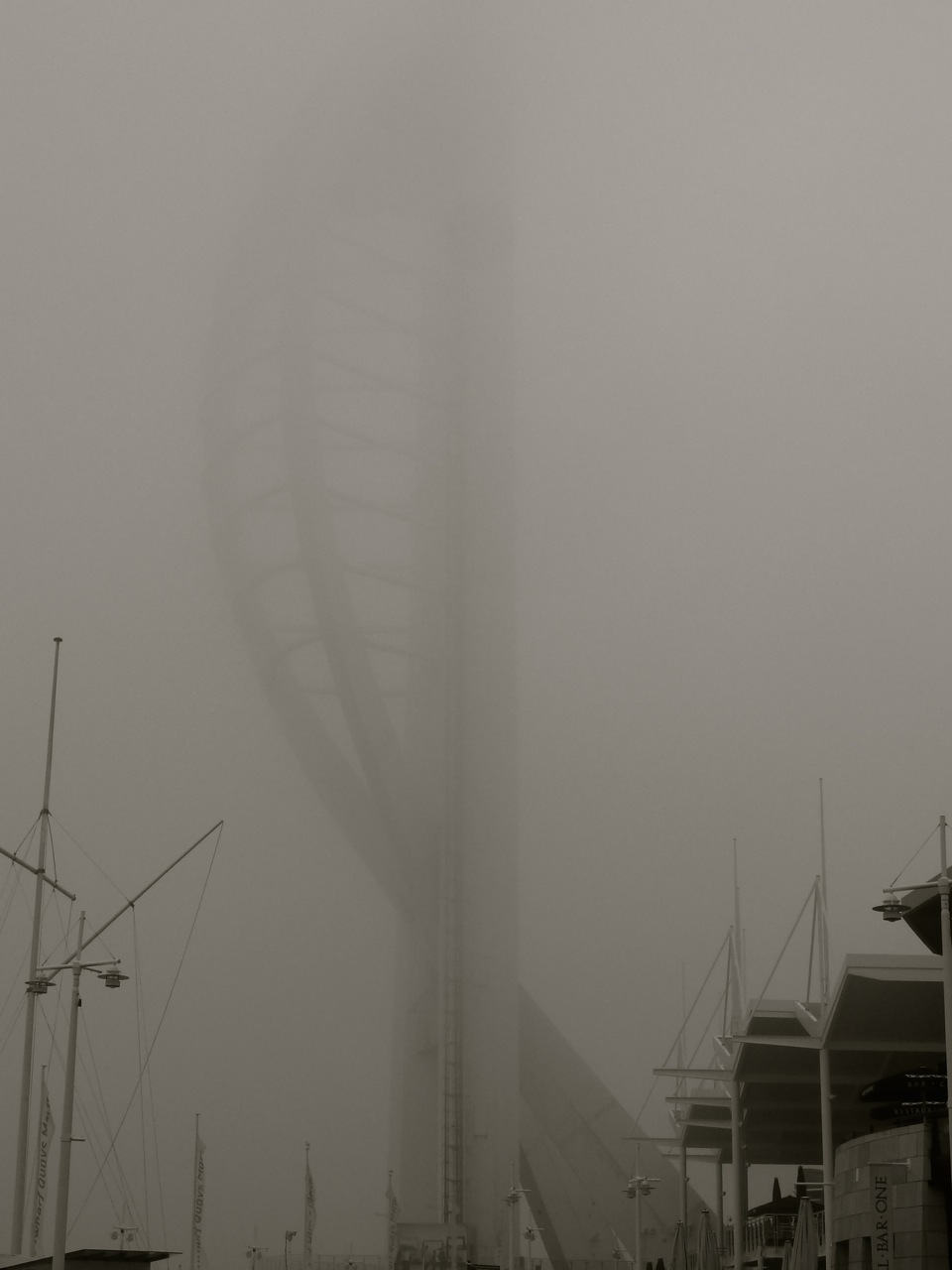
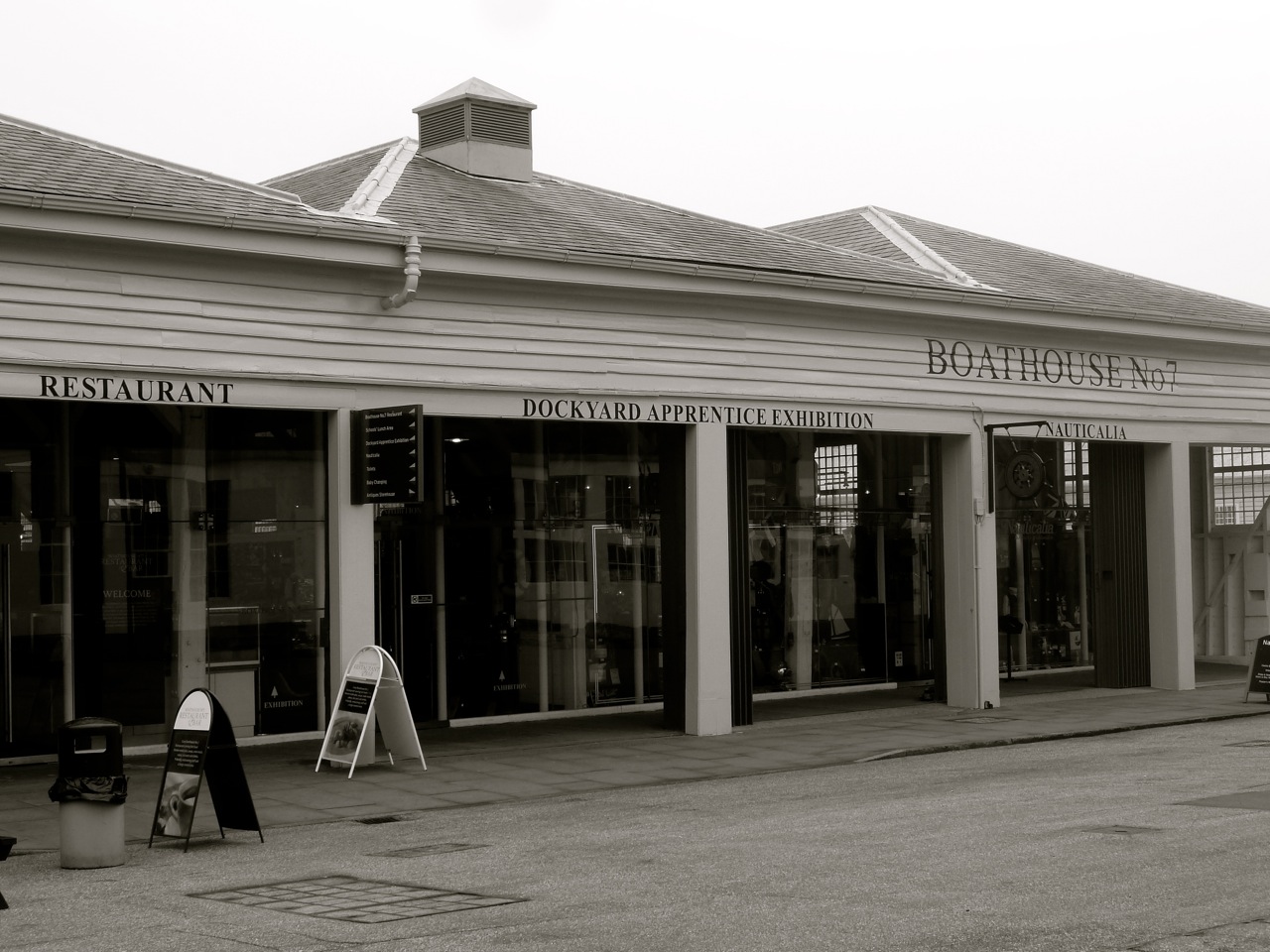
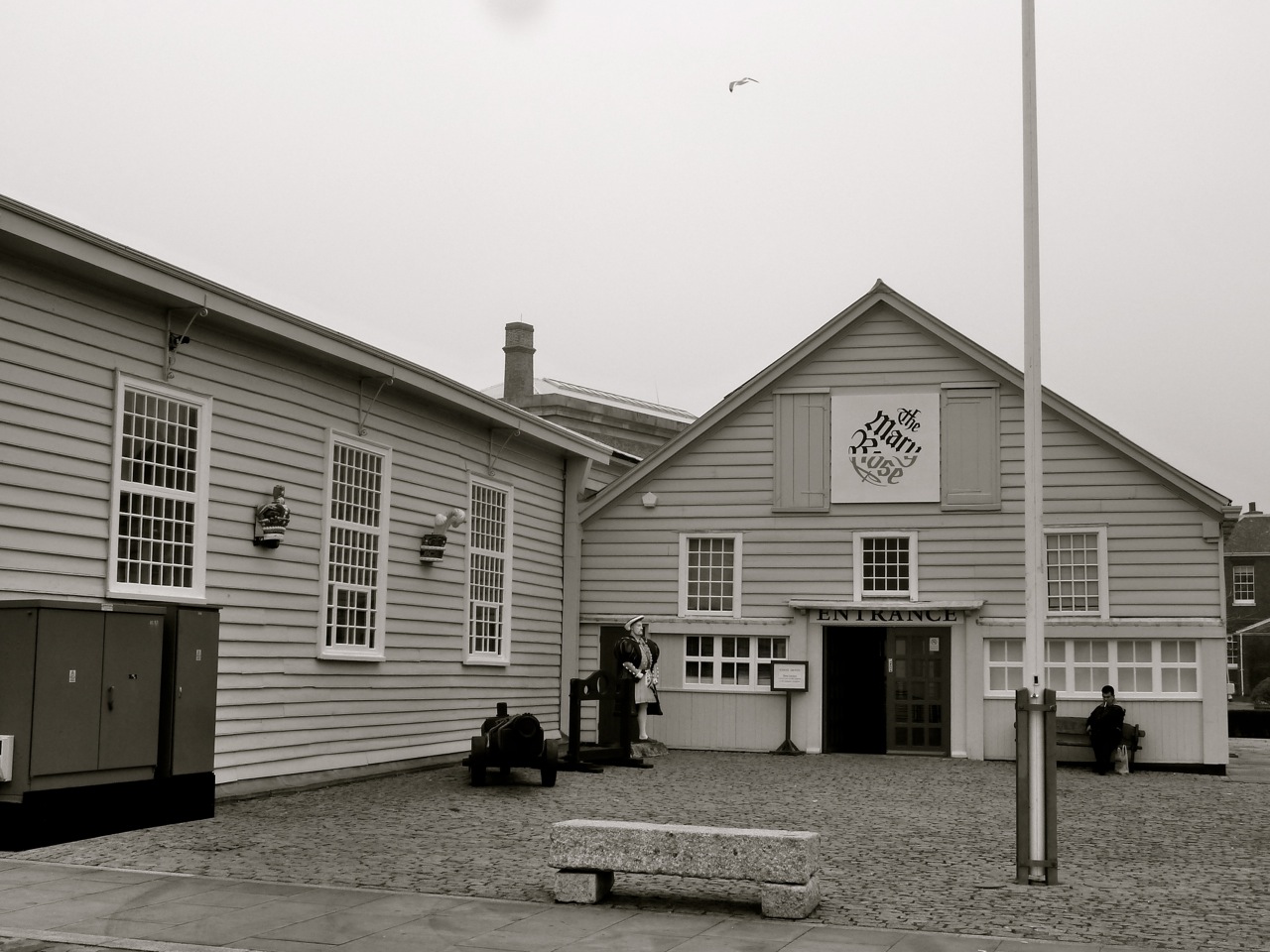
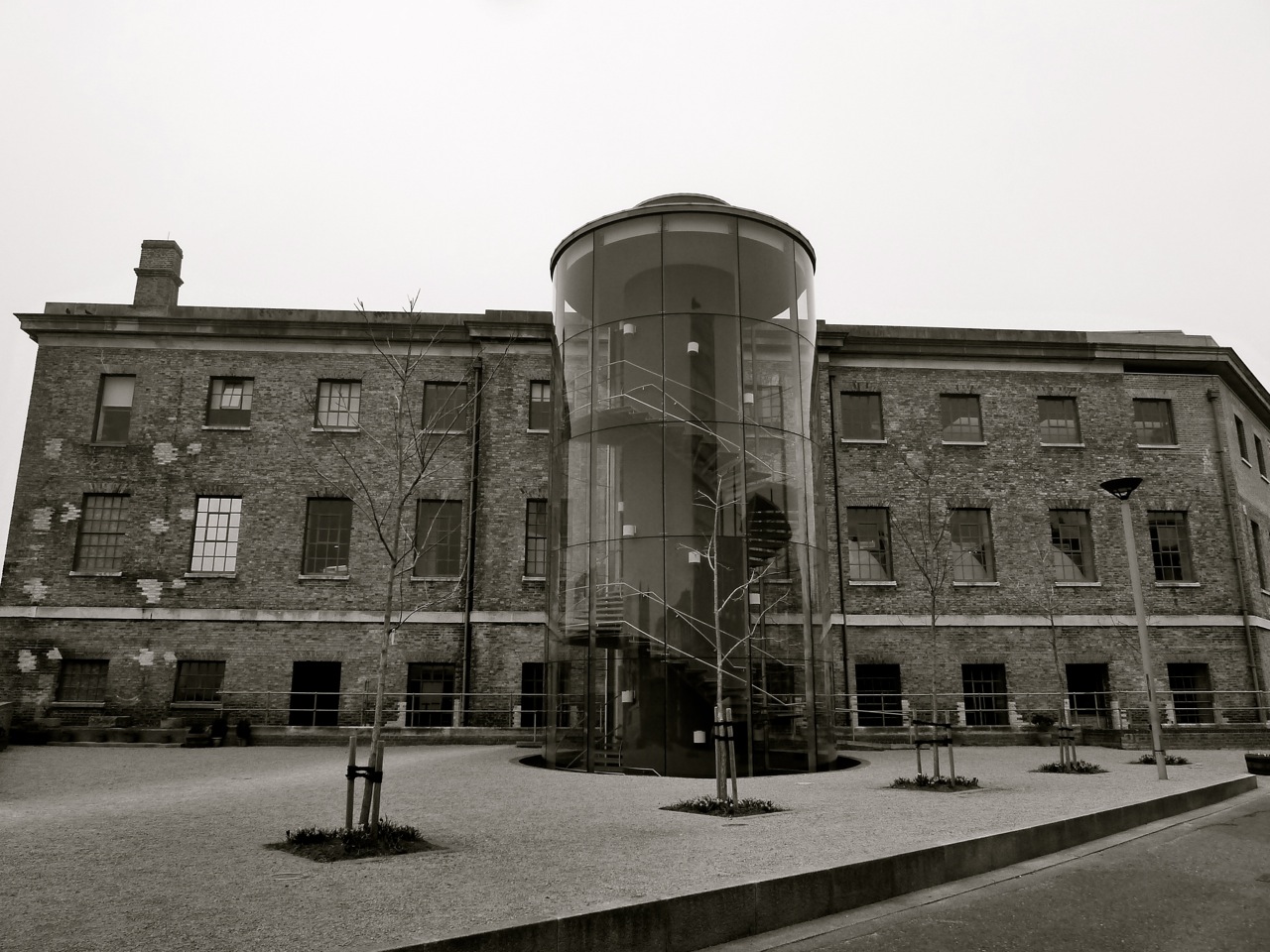
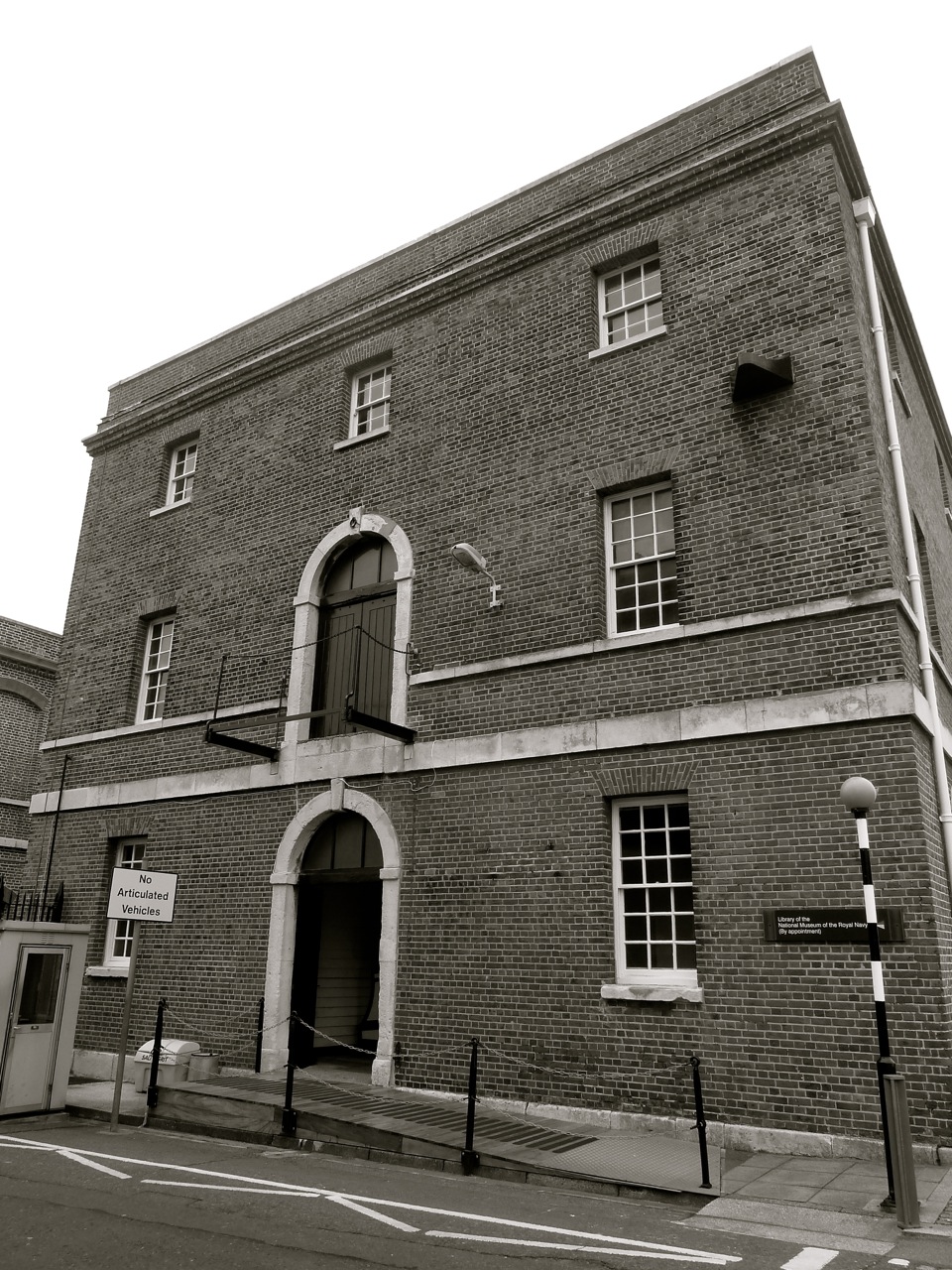
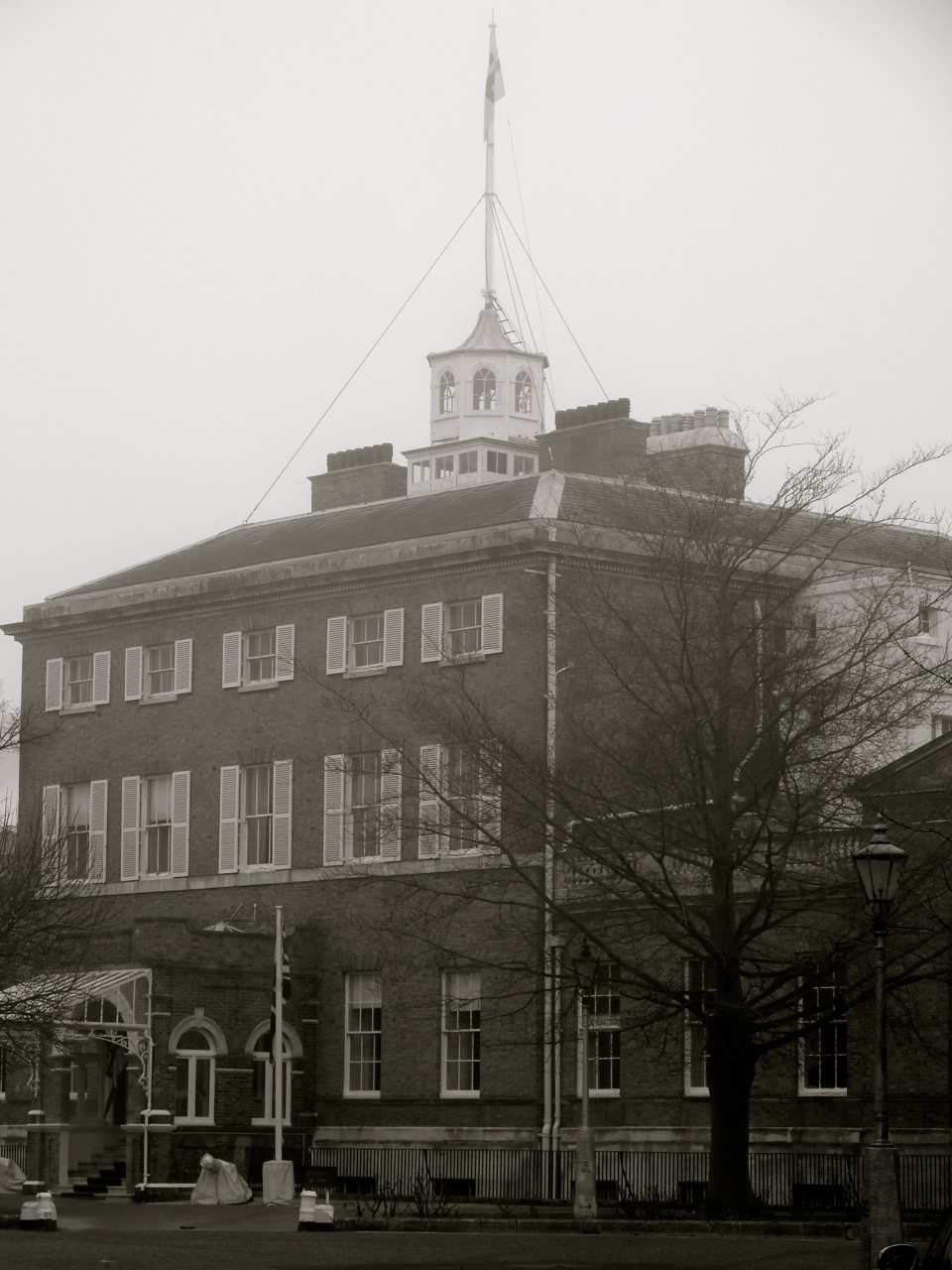
On Friday I was in Portsmouth and took the opportunity to photograph the listed buildings at The Hard and the Historic Dockyard. The public are only allowed along the western edge of the dockyard but I was able to also take a few photos of some of the listed buildings inside the Naval Base, through the railings. The dockyard listed buildings are C18 and C19, functional but with a formal elegance. There are large boathouses and stores, the Pay Office where Charles Dickens’ father worked, along with a detention centre and the Porters Lodge just inside the gate. I hope one day to be able to go into the restricted Naval Base as there are elegant officers’ terraces and other grand buildings. (Note that these are not all the listed buildings in the dockyard; some are obscured.)

Winchester Architecture – St Thomas Street / Southgate Street / St Cross Road

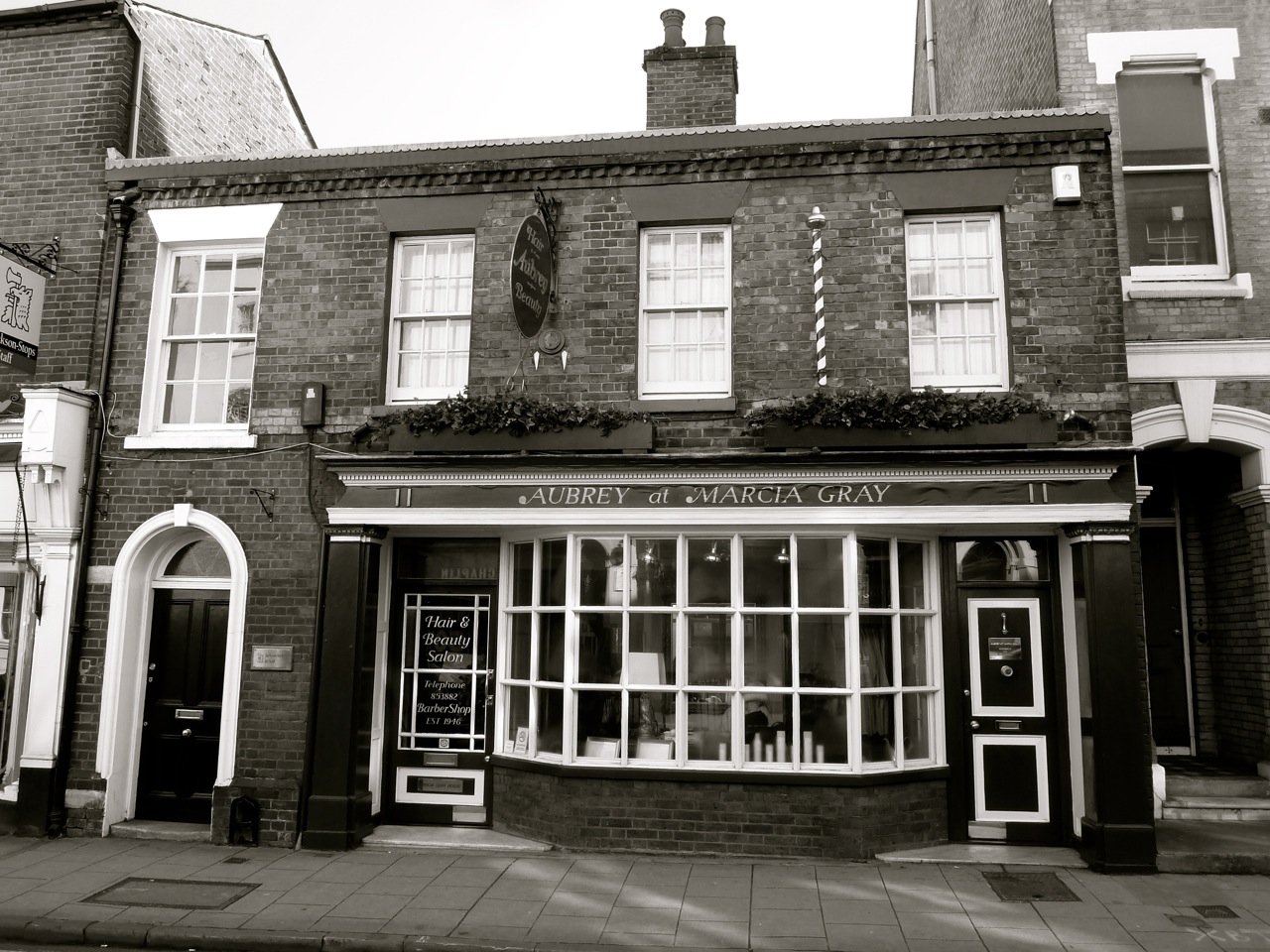
This area is to the south west of the city centre. St Thomas St is a fine street running from the High St to St Swithuns, with a variety of houses mainly C18. Southgate St runs parallel and is much wider, forming a main road out of Winchester to the south. Some of the buildings reflect the width, looking like terraces in London with their yellow-grey brick and white stucco. Southgate becomes St Cross Road as it heads towards St Cross, a village now part of the city. St Cross itself, and the military buildings to the west will be covered another day. I also included the west end of St Swithuns st as this forms a feature at the end of St Thomas St.

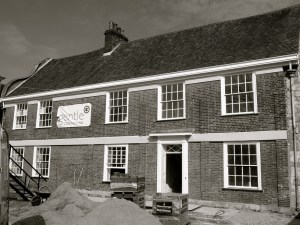
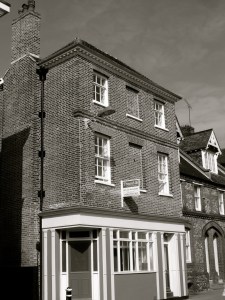
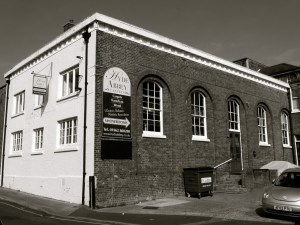
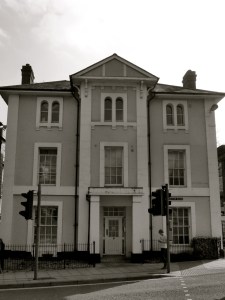
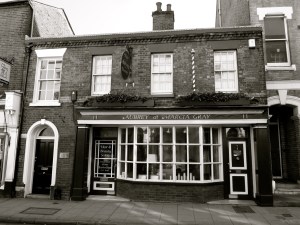
Highlights today for me are 11 Southgate St (Aubrey at Marcia Gray), 27a St Swithuns Rd, 26-27 St Swithuns Rd and 13 St Thomas Street (Well House). These are first in the photographs below. I remember when Well House used to be a centre for alternative therapies and I used to take yoga there. I’m sure it is now used for something far more exclusive.

Winchester Architecture – High Street and The Square

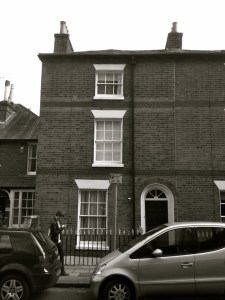
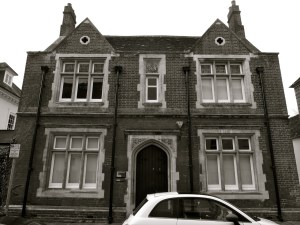
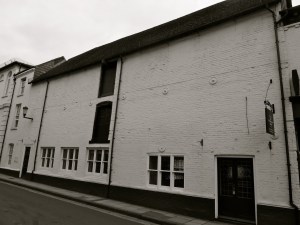
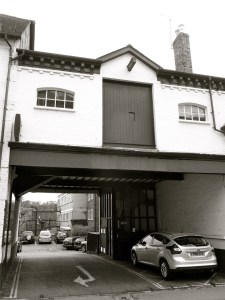
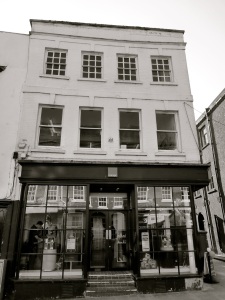
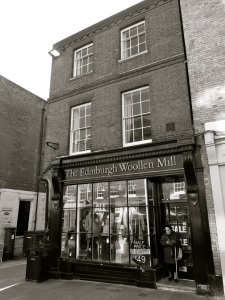
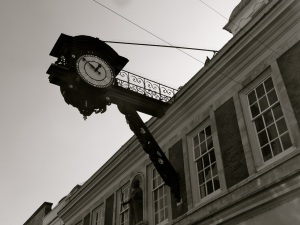
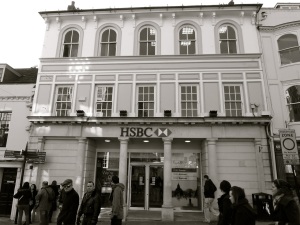
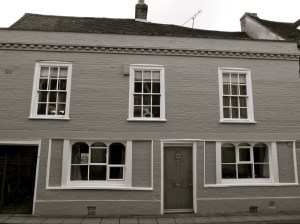
The familiar shopping area of Winchester, right in the city centre. Most of the shop fronts are modern but visible above are the C18 façades. The Prentice, a row of shops with a covered walkway, originates from the C16 with gabled roofs and timber frames. Some are however C19 imitations (for example, above Boots). The Prentice is on the site of the Norman palace. Further up High Street is the grander styling of the banks, one of which is in the old Guildhall. God Begot House was built in C16, it’s rear to the north still unaltered. Next to it is the Tudor-originating The Royal Oak. A sign says it is the oldest bar in England. This is just one of the hard to photograph buildings today, due to the narrowness of the streets and alleys in places. Between the High St and the Cathedral is The Square, a delightful collection of C18 buildings with some C19 shop fronts on fine Georgian buildings. Squished between The Square and Butter Cross (City Cross) is St Lawrence church. At the other end of High St is the tower of St Maurice church, the only part of this church remaining. Nearby, The Body Shop resides in a former chapel. Just off the west end of High St is Walcote Chambers and Trafalgar House, two of my favourites today. Other highlights are 63 High St, 57 High St, 30-31 The Square and 17 The Square. These are pictured first.

Winchester Architecture – Cathedral Area

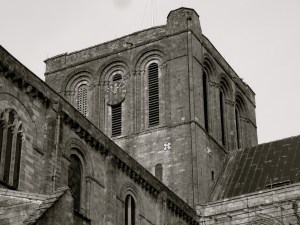
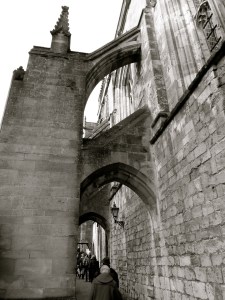
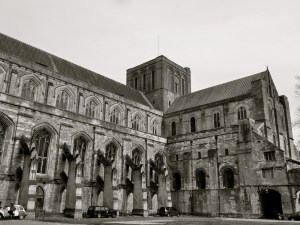
A tour of the listed buildings in the vicinity of the Cathedral. I started north of Kingsgate in St Swithuns St, to Little Minster St, Great Minster St, along the north of the Cathedral grounds (excluding The Square for now, except those whose rears face the green), then south to The Close and Dome Alley and through St Swithuns Gate to the start. Obviously this area in the city centre is dominated by this longest Gothic cathedral in Europe and one of the biggest churches in England with its enormous nave. To the south and west are typically charming C17 and C18 century town houses, and in The Close a variety of styles of buildings from medieval to C18. Dome Alley is an interesting example of a C17 purpose-built street, within the walls of the cathedral grounds. Christs Hospital and Morleys Alms Houses are also in the area.

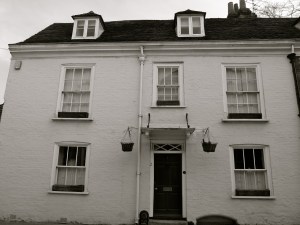
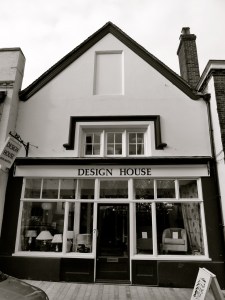
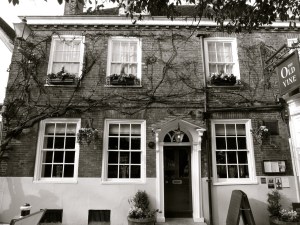
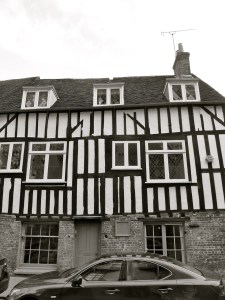
My favourites this time are 3 St Swithuns St, 2 Great Minster St and 8 Great Minster Street (same building as The Old Vine)

Winchester Architecture – Kingsgate and Canon Street

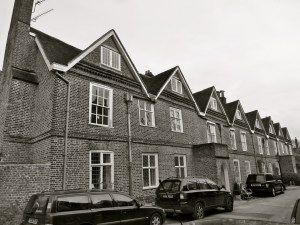
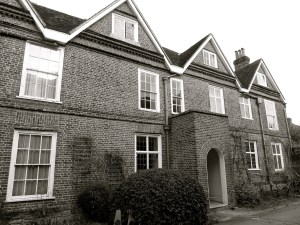
Continuing my tour of the Listed Buildings of Winchester, today I covered Kingsgate Rd/St and Canon St. This area is to the south of the city centre, outside of the old walls. From the medieval gate, Kingsgate Street runs directly south towards St Cross, transforming into Kingsgate Road after Romans Road. The road is wider and more rural as you head away from the gate, the buildings even becoming more mossy. Walking north towards the gate, as the street gets narrower there is a charming view of a gently winding Georgian road that can’t have changed very much in more than 200 years. To the east are the college playing fields and various faculty buildings (for another tour), and to the west many Victorian villas and more college buildings around Culver Rd and Romans Road, including the music department. Kingsgate St contains several college boarding houses, including the large purpose-built Kingsgate House (Beloe’s) and the far older Moberly’s. Near Kingsgate itself, running E-W is Canon St, flanked by the city wall for much of its north side. At the eastern end are several C18 houses from small terraced to the imposing No 64. Unusually, above the gate is a church, with its entrance on the north side of the gate.

My favourite buildings this time are 46 Kingsgate Rd, 55-57 Kingsgate St, 65 Kingsgate St, and 47 Canon St. These are ordered first below, after the view looking north up Kingsgate St:

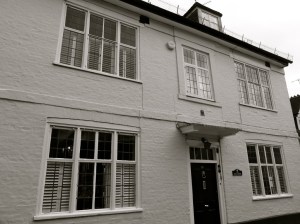
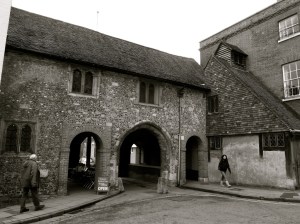
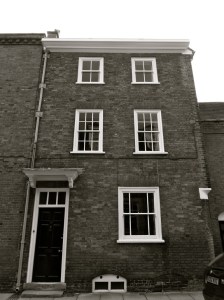
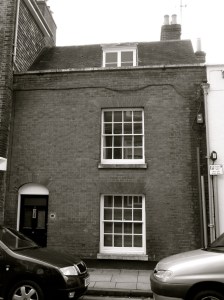
Winchester Architecture – Wales Street / St Johns / Chesil Street Areas (The Soke)

Ther is a suburbe at the est gate of sum caullid the Soken: and is the biggest of al the suburbes longging to the cyte of Winchester.

Minns says:- The Soke, so called from the Saxon soc, which signifies a free domain, the independent jurisdiction of the Bishop with its own Courts and a taxation probably lighter than that within the city.

Outside the old East Gate of the city the suburb of ‘The Soke’ was established. This is in the area of Chesil Street and St Johns Street running along the bottom of St Giles Hill. Here are photos I took today of those Listed Buildings, ranging from the C19 to the churches from C12. To the north, at Blue Ball Hill the buildings have a more rural feel, with the C18 workers cottages and the stables at St Johns Croft. Indeed this area feels more like a village than a part of the city, with its own church. Chesil Street runs parallel with the Itchen and is a very busy road, with many of the buildings sooted up, tight to the street. There are some fine C18 town houses here, many with gardens backing onto the river, along with smaller house from C13 on. Further south is the Wharf area with a Black Rat, Black Boy and Black Bridge, around the top of the Itchen Navigation. Favourites this time are 34 Beggars Lane, 21 St Johns Street, Chesil House, and The Black Boy pub. I have put these images before the rest of the gallery below:

This slideshow requires JavaScript.