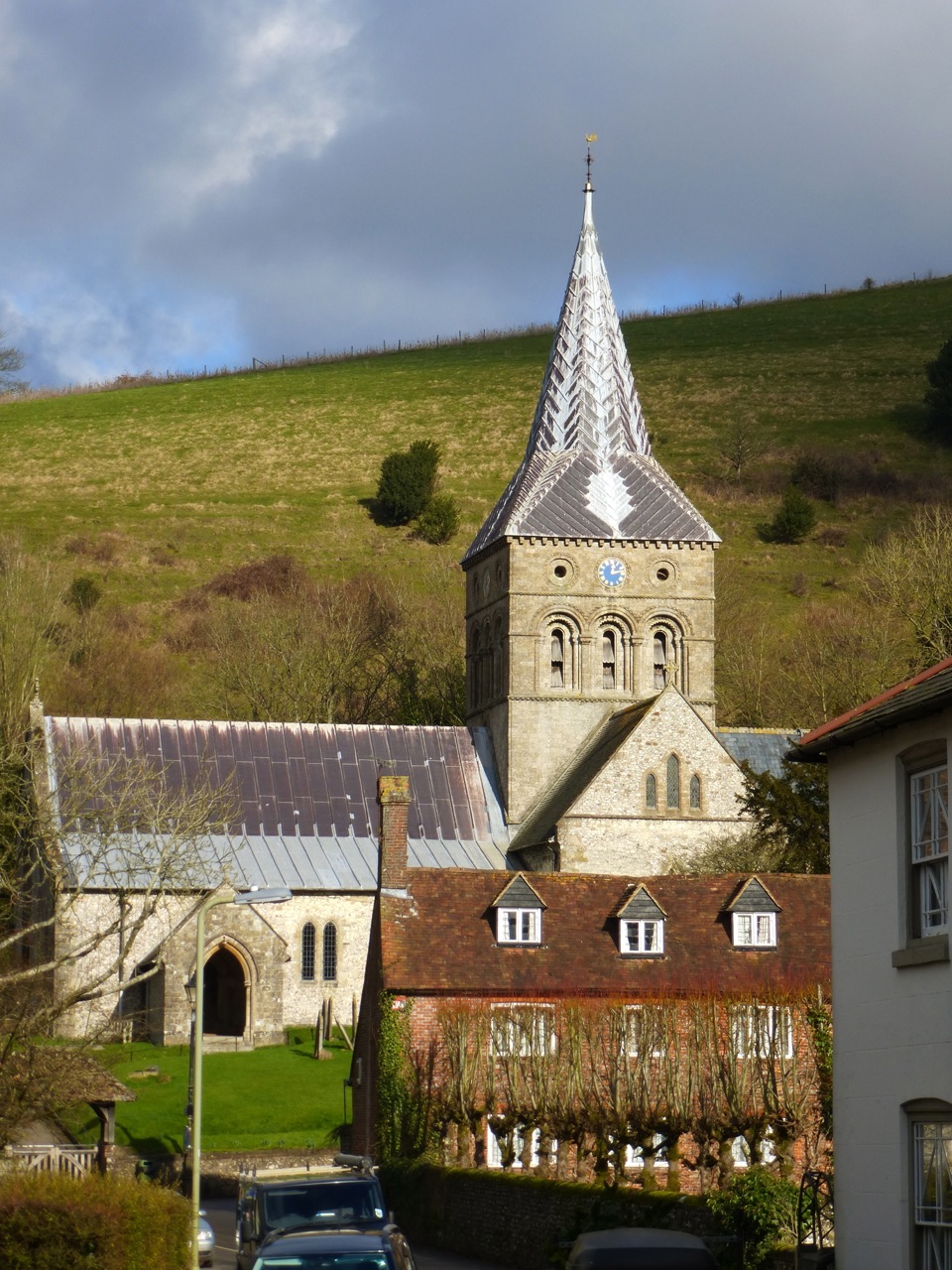
10 Aug 2013

Woke at seven after going to sleep just after eleven.

Deep dreams these nights. Scenarios that last and last. I can’t leave them, even if I want to, and last nights was a continual getting ready to leave a hotel-like place, or maybe a hall of residence. But I was too drunk. Or disorganised. Long time periods would pass and I’d done nothing at all to prepare.

Sitting this morning was uneventful. Some unsettledness was close by, so I moved towards it, yet most of the time all was lost in little thought stories. However, a sense of deepening stillness behind the thinking bubbles. Sat in half lotus some of the time but soon got pins and needles so back to both feet on the ground, one leg slightly in front of the other, so that neither leg weighs on the other.

A simple yoga sequence today after the long review of poses yesterday. Shoulder stand, plough, forward bend. Repeat. Sit quietly. And that’s it. Some nervy sensations back of the neck. The flaw in today’s routine – straight into the shoulder stand with no warm ups. I should know that this isn’t a good idea, especially with my prone to be stiff neck, so suffering all day from very stiff trapezius both sides. 

Then an open day with absolutely no plans. Put together the walk video from yesterday:

A nap before lunch. A shortish walk with C in the afternoon, laughing together at many things. Otherwise, listening to music, and looking at suggestions from this Reddit post: What’s the one song you’d recommend for someone to listen to to get into your music genre? Most interesting for me was the chill wave, underground jazz hip hop and the chillstep. Watched some elephants on the telly. Incredible creatures! To bed early to continue reading the 60s yoga book.

Weekend Walk 49 – Gander Down to Ovington – Allan King’s Way

The penultimate stage of my King’s Way hike, from where I left off on the Downs, not too far from Cheesefoot Head, down into the Itchen Valley via Tichborne. The church there has 11th Century origins, and at Ovington church there’s a Norman archway. Otherwise, rolling downland, open skies, arable land ready for harvest, curious calves, a gorgeous pub location, lamas, woods, then the bass and slight chaos of the Boomtown Fair at Mattersley Bowl, closing some of the South Downs Way for a week.

9 Aug 2013

Woke at seven, after sleeping at eleven.

A good, satisfying meditation. Soon came the feelings of bliss, and a sense of light. Before long, there was that nagging feeling of looking in the wrong place or of neglecting something, so then I looked in that direction instead of the usual fritting about in thought, and there it was, the raw emotion of fear. So now that got bathed in the light of the mind emptied. What is the point of an empty mind and bliss when there is something left out? No, meditation has to include it all. It’s a total thing, or as total as it can be at any sitting, given that there are blind spots and deeper neglects waiting to be felt, addressed, acknowledged, listened to, unfolded, bathed. And then they are no longer what they were, what I thought they were, once met fully. So, to follow the nagging . It’s there waiting to be followed and soon, on the following of the gritty areas, even more ecstasy arises as the conflict dissolves. There’s the feeling, then the unfolding, bathing, and then passing beyond to newness and change.

Once I felt no more fear, I moved down into the body, as that has to be included too. I got as far as the stiff neck before the hour was up. What’s the good of a clear mind and heart if the body is still riddled? Again, include it all. No short cuts or fooling oneself.

I’m left with a curious longing in my heart. I’m following its lead as I begin today’s yoga.

Stopping in between postures is so important. This is when the energy of the posture can go to work on the system. I stop still for a minute and let everything settle down again , and for whatever has arisen to go where it wants to go. A strange pulsing at the base of the spine, rhythmical and pleasurable. Eyes fluttering. A little daydream. Pause. Then on to the next pose, steady and attentive.

I’m more and more interested in doing what is real and not what other people are concerning themselves a with. Not that what they are doing isn’t real, but my concern with their actions or opinions is immaterial and fading. Not to be self obsessed but our own selves are the important thing, how we are spending our on time an what’s going on within us. It’s easy to spend a lot of time concerned about others. No one needs your concern, even if they crave your attention.

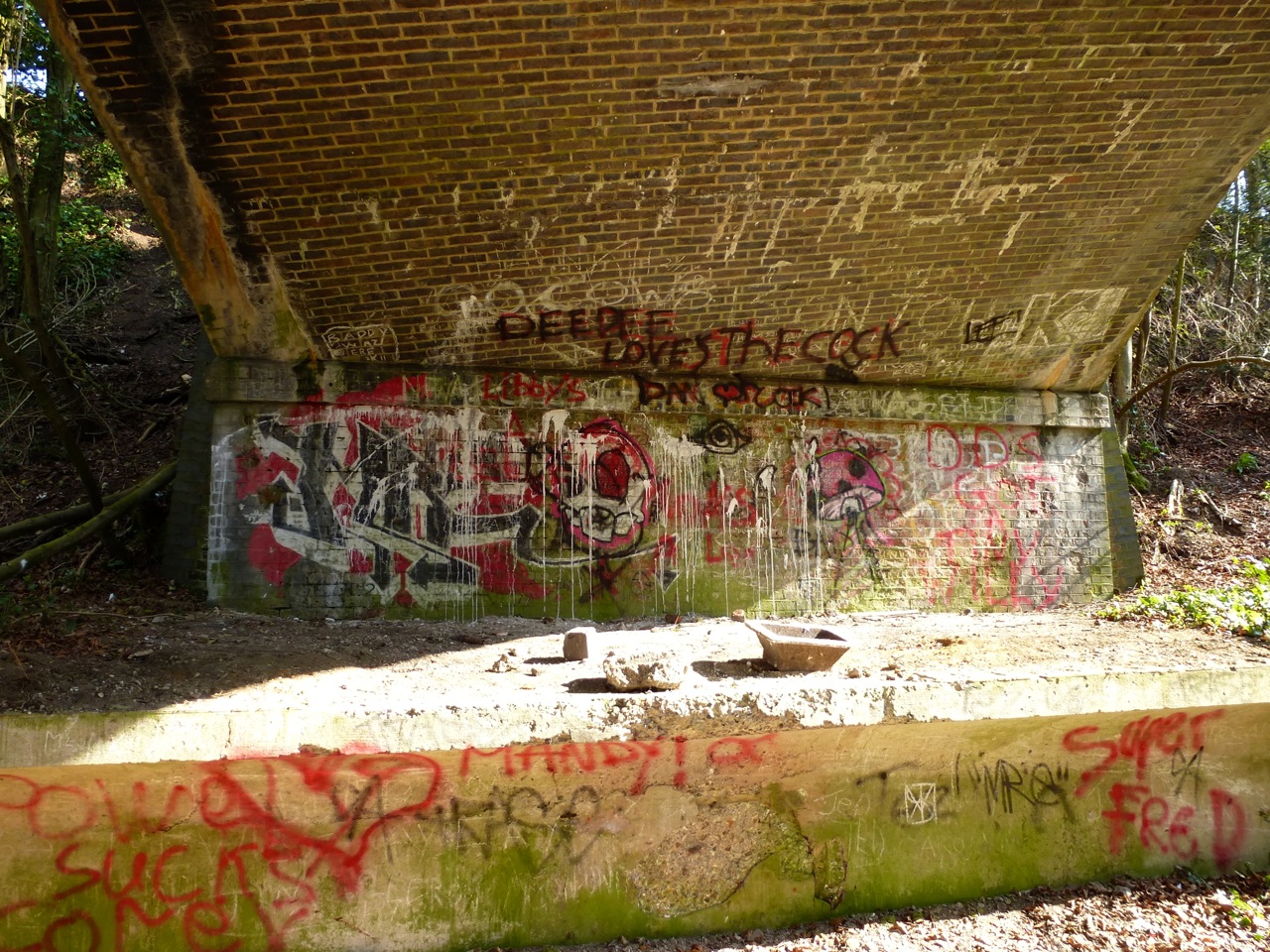
At 11, out for a walk on the South Downs, continuing along the Allan King’s Way, the second to last stage. I parked up on Gander Down, where I got to last time, and hiked over the rolling countryside and down to Tichborne. From there it was a short hop over the A31 and further downhill to Ovington. Old cottages on the lane down to the river and the Bush Inn, in high contrast to lorry drivers shitting in the woods just above. A quick lunch in the shady garden then along the valley a bit on Lovington Lane, and left the King’s Way to head back to the Downs. The normally peaceful countryside now with bass on the breeze. The Boomtown Fair at Mattersley Bowl. After some shade on winding paths through woods, and back over the A31, my route took me into the car park. I had no idea it would. So there I was, hiking into the festival grounds. I explained to the security why I had no wrist band and where I wanted to go. It was like walking alongside some sort of prison. A trench had been dug outside of a high, green fence. A woman sat on guard high on a corner watch tower. Ska music early afternoon. The party one day in. Later, along the South Downs Way again, I met a few walking to the site. They had a ladder for the fence. Join us, they said. I forgot to tell them about the guard tower so I don’t expect they got in. Their van was parked near my car, scribbled graffiti and twitter accounts all over it.

A sleep back at home, then good to lounge about after the walking. Snippets of TV. Tyre walls on Grand Designs. An elephant mourning the loss of its friend. The brother in Little Miss Sunshine not speaking ‘because of Nietzsche’.  Uploaded this from our Swedish holiday last month:

Came back from a night in London with a foot detoxification bath thing. I’ve no idea what it’s about but I stuck my feet in for half an hour. The water stunk! It felt nice around my toes, like bicarb of soda. Even if nothing else happened, my feet felt really clean and light afterwards.

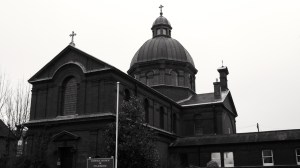
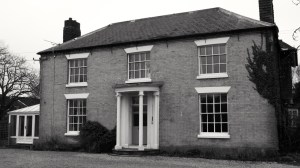
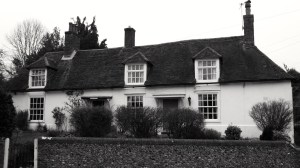
Hampshire Architecture – Portsmouth: Portsea and Gunwharf

Portsea was Old Portsmouth’s first suburb, outside of the defensive walls of the old town and of the naval base. Formerly known as Portsmouth Common, the area quickly outgrew Old Portsmouth. It was heavily bombed in WWII but dotted among the C20 and C21 redevelopments are a few C19 town houses, St George’s church in the New England Colonial style, and The George Inn. In Bishop Street there’s the old ironworks and warehouses of the Treadgold company, an interesting mix of former houses and C19 warehouses. A couple of the houses-turned-workshop hint at the former slums in this area. The university to the East has acquired the former barracks at Mildam, next to the registry office.

Just to the south is Gunwharf, the former HMS Vernon and ordnance site for the Royal Navy. Sold privately, some of the historic naval buildings have been very well restored: the impressive Vulcan Block, the infirmary and the Old Customs House, once the ordnance offices. Nearby is the former gated entrance and King James Gate, removed from Broad Street, Old Portsmouth.

Weekend Walk 48 – Near Owslebury to Gander Down – Allan King’s Way

The fifth stage of my King’s Way hike, from Featherbed Lane near Owslebury, through Bushy Copse and up onto the South Downs at Old Down. An already warm early morning turning to hot by the time I reached Cheesefoot Head. With some shade dotted about, the walk continued around Temple Valley, merging with the South Downs Way. I left the King’s way at Rodfield Lane on Gander Down, to head back south, via some woodlands and Longwood House, with its deep rhododendron plantations. 28 degrees by the time I finished and still only around midday.

Hampshire Architecture – Later Southsea

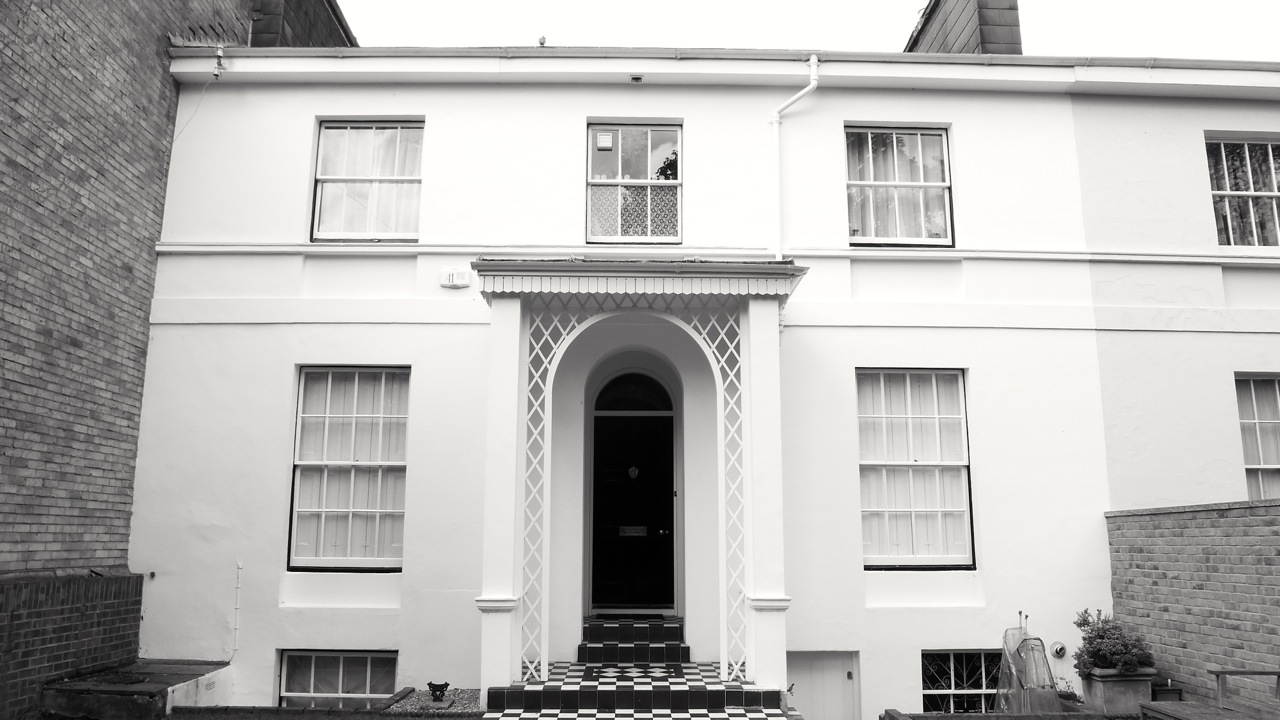
TE Owen was responsible for some additional building away from the lodges and villas of western Southsea. At South Parade there is one of his terraces, and just behind in Eastern Villas Road, three more. He also built two chapels and a lodge at the Highland Road Cemetery. Elsewhere, the drained land of Southsea was quickly built upon, with road after road of terraced houses, generally developing west to east. Interspersed in these residential areas are the large Victorian and Edwardian structures: the schools, town churches, a former convent, and the entertainment centres of The Kings Theatre and The Plaza, which is now the mosque. Near the theatre is a set of mill cottages next to which there used to be a windmill. Here I present the listed buildings of Southsea, away from the western terraces and the main part of TE Owen’s Southsea.

Hampshire Architecture – TE Owen’s Southsea

In the 19th Century Southsea spread eastwards from the initial building east of the Portsmouth walls. This growth was slow at first, from around 1830-60, with the creation of the villa suburbs around Kent Road, Sussex Road, Queens Crescent, Portland Road, Grove Road South, The Vale and Villers Road. These roads were planned and built for the most part by TE Owen, who gave them a spacious feel with walled gardens, curved roads and gentrified villas, lodges and terraces. It’s some kind of leafy, expensive, stucco heaven. He centred this new suburb on St Jude’s Church (1851). To the south are Netley and Clifton Terraces, by Gauntlett.

Thank you to all the owners who allowed me on their property to get better views. Here I present the listed buildings of central Southsea, along with some general views, starting with my favourite today, 3 Queens Place:

3 Queens Place Southsea 1847 (Owen)

Hampshire Architecture – Southsea: The Terraces, Castle Road and King Street areas

In the early Nineteenth Century, building spread outside of the city’s defensive walls with their moats and vast ravelins. Facing the battlements to the west, running north to south, several terraces were established, beginning around 1809. Southsea meets Portsmouth here and the space offered must have been very appealing compared to the cramped conditions of Old Portsmouth and Portsea. From the north, the terraces are named Hampshire, Landport, King’s, Jubilee and Bellevue. Much of the area was bombed in WWII and since modified, but many of the early C19 houses survive, with the characteristic maritime bay windows seen in Old Portsmouth. Behind the terraces, small streets were established by skilled tradesmen: the ‘mineral streets’ of Croxton Town – but were all bombed. Just further east are Great Southsea Street and Castle Street, with many plain but stylish town houses, my favourite designs, and a couple of older villas, along with early 1900s pubs and antique shops. Southsea Lodge was built in the C18, before there really was a Southsea, and before it was a resort, in what must have been a fairly rural area. To the north are a couple of other pockets of C19 houses, in King Street and Gloucester View and Mews. Gloucester View is a well kept secret, a superb terrace of identical houses in a cul-de-sac. Gloucester Mews in Norfolk Street hints at Owen’s Southsea to come. Park Lodge may have been built by T. E. Owen’s father. Further west towards the old city are the former Clarence Barracks, now Portsmouth Museum, a quite spectacular affair built for officers, and the Victorian lower school of the grammar school.

Here I present the listed buildings of west Southsea, and Portsmouth east of the wall:

How King’s Terrace once looked:

Kings Terrace Southsea

Cheriton Wood

Not far to the north west of where I live is the largest wood in the area, Cheriton Wood. It’s near the site of one of the famous battles in the (Un)Civil War. I think it was closed to the public for most of the time I’ve lived here but is now open under the CROW Act. Here are some images from walking through the woods, and just outside the trees.

Weekend Walk 46 – Hambledon to Bishop’s Waltham – Allan King’s Way

Third stage of the Allan King’s Way.

A spring walk from the village of Hambledon in East Hampshire to Bishop’s Waltham with its Medieval palace, on market day. The path crosses the Meon Valley at Soberton before climbing to the semi-urban areas of Swanmore and Waltham Chase. This walk linked up places I hadn’t thought of as being near each other, intersecting the usual transport and valley routes.

Hampshire Architecture – Portsmouth: High Street, Penny Street, Peacock Lane, Grand Parade

Here we have the central area of Old Portsmouth. High street runs from just inside the now flattened defensive town walls, down to the coast near to the Square Tower, where it meets Broad Street and Grand Parade, just past the cathedral. At the north eastern end are the former Cambridge Barracks, now the Portsmouth Grammar School. In between are many C18 and C19 town houses, pubs and a former bank. Grand Parade is next to the Royal Garrison Church, and Penny Street runs parallel with the High Street, with a few surviving pre-war buildings. The narrow Peacock lane joins the two streets. Pembroke Road joins Old Portsmouth to Southsea, where along with Landport, gentrified properties overspilled when the old town got too crowded. The Cathedral was started in the C13 and underwent many additions over the centuries, including a large extension to the south west in the 1990s. To the north is Landport Gate, redesigned in 1760 and remaining in its original location but without the earth banks of the walls either side. Here are all the listed buildings of this area and a couple of street views:

A map of Portsmouth in 1762, showing the defensive walls and extent of the old town:

Portsmouth Map C18 1762

Hampshire Architecture – Portsmouth: Lombard Street, St Thomas Street, Broad Street, Bath Square

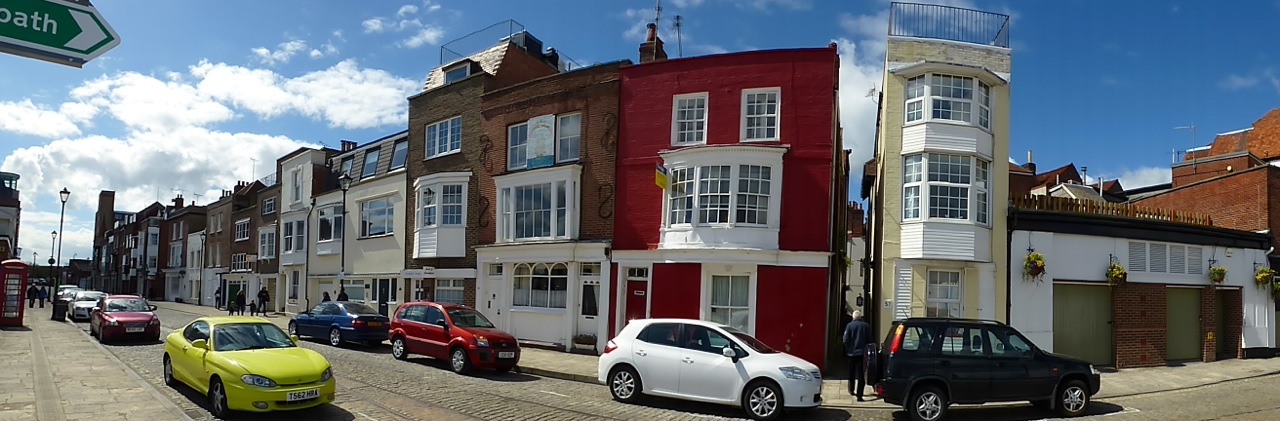
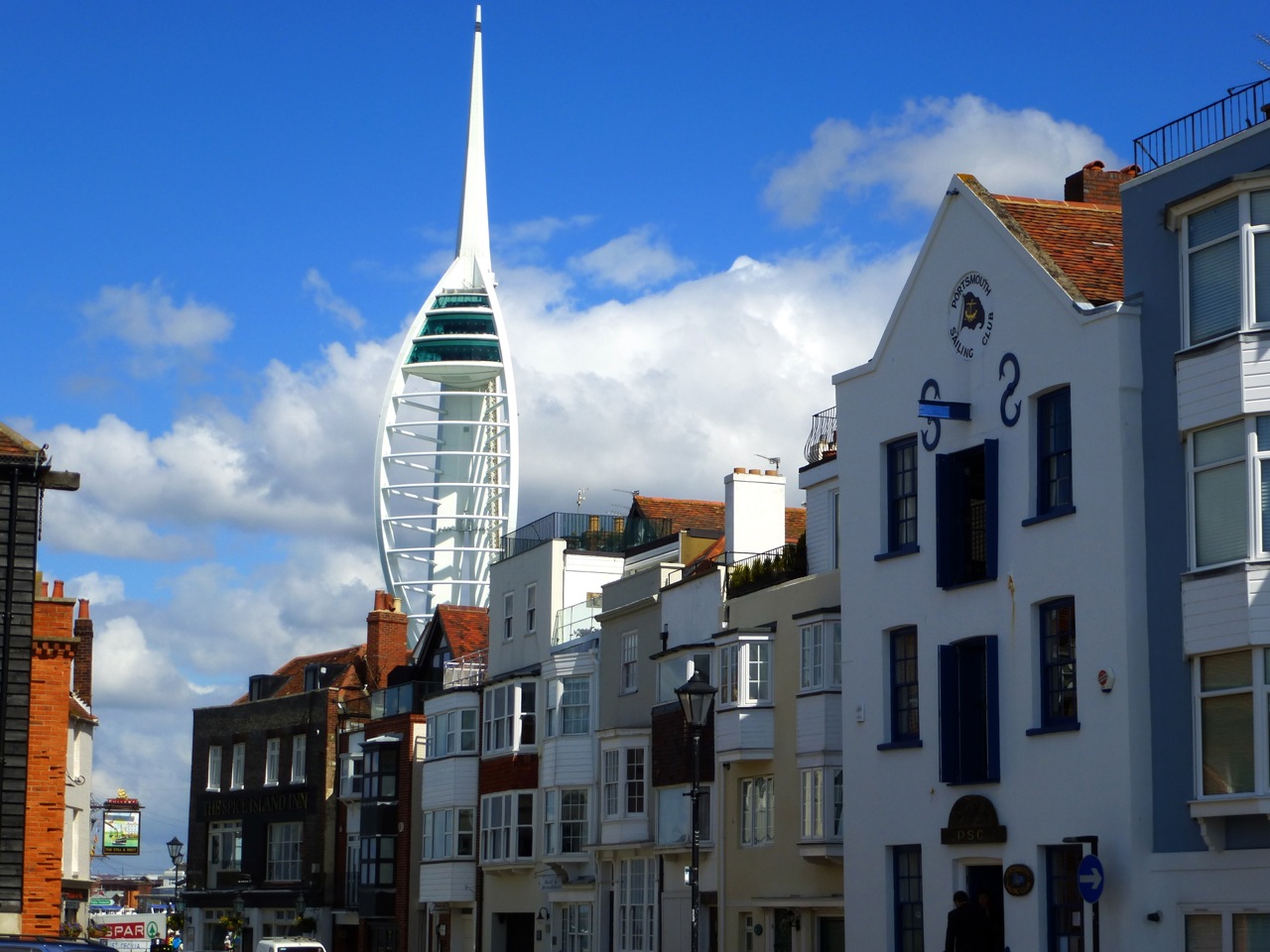
This area of Old Portsmouth feels very nautical, with narrow town houses, usually three story, squeezed in to form non-uniform terraces, many with those characteristic maritime bays on the first floor. Lombard Street and St Thomas Street are just east of The Camber harbour, with The Point being on the west side: Broad Street and Bath Square leading towards the narrow entrance to Portsmouth Harbour. All of this area was within the old walled city. Apart from the town houses, one can find fortifications, an old savings bank, historic inns, a former bathing house (Quebec House), the Popinjays warehouse, the sailing club and an old customs watch house with an observation hut. Most of the buildings are C18, with some C17 and C19. The landmark former Seagull Restaurant is from the early C20.

Lombard Street:Lombard St Portsmouth

The listed buildings of Lombard Street and St Thomas Street, Old Portsmouth:

Broad Street Portsmouth:

Broad St Portsmouth

The listed buildings of The Point / Spice Island, Old Portsmouth:

Bath Square, Old Portsmouth:

Bath Square Portsmouth

Hampshire Architecture – New Alresford: Broad Street

New Alresford is about 7 miles east of Winchester. The ‘New’ distinguishes it from Old Alresford village a mile to the north. The old part of New Alresford centres around East St, West St and Broad St, a T-shape. Pretty much the entirety of this area is listed. Broad street is probably the best-known street in the town, for it’s grand scale and colourful Georgian buildings. Many of the buildings have carriage entrances leading to the back of the buildings.

Here’s a panorama shot of the street, looking north, followed by the listed buildings of this street:

Broad St Alresford Looking South

Meon Valley Line: West Meon Station, Viaduct and Tunnel

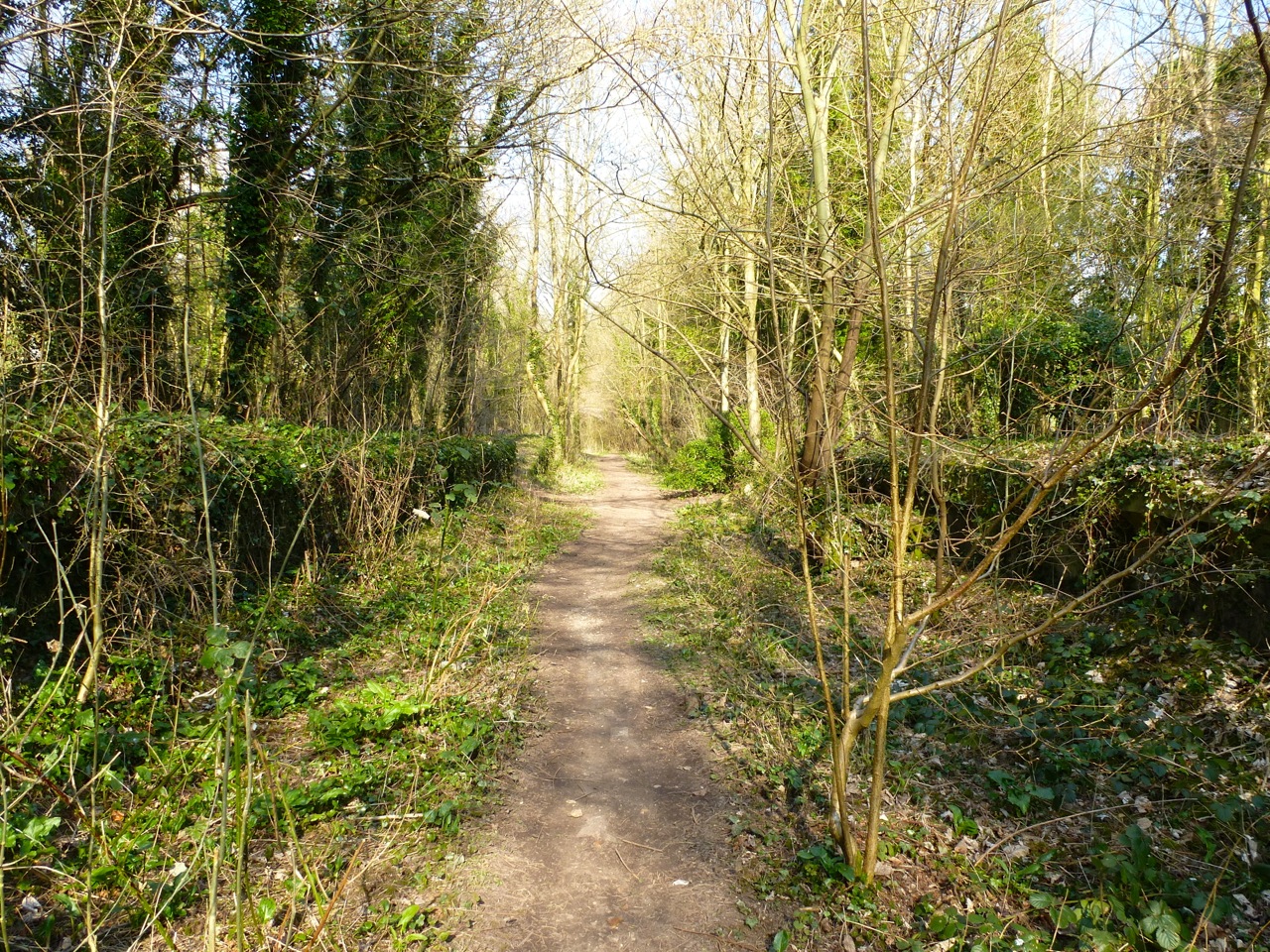
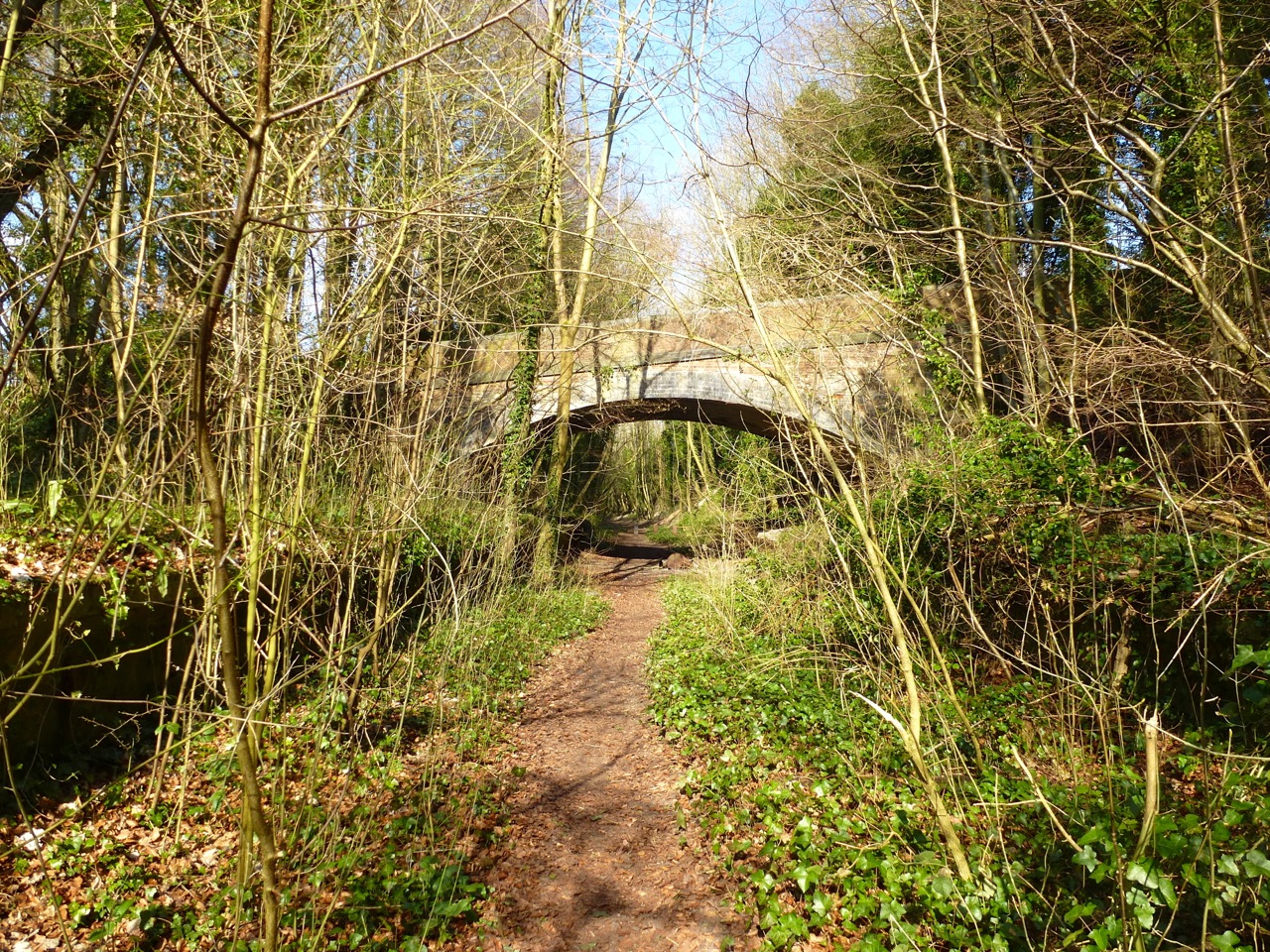
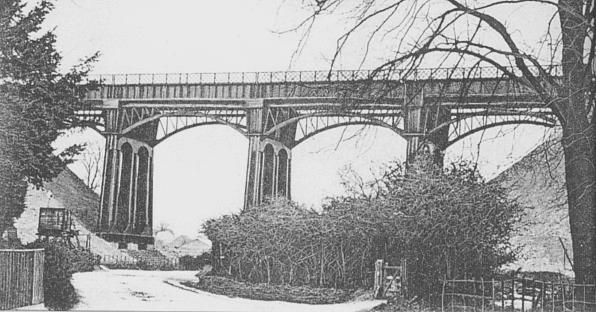
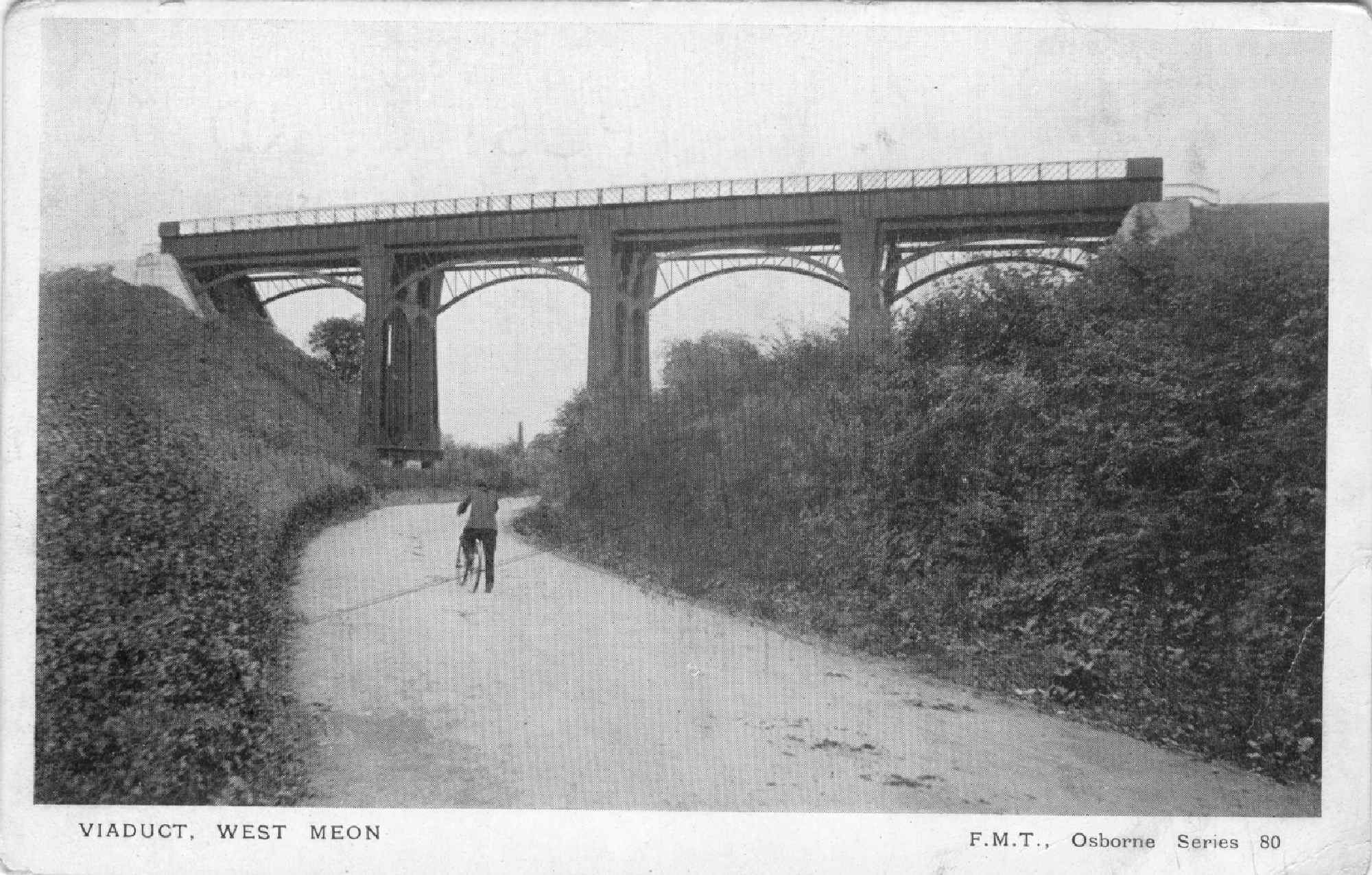
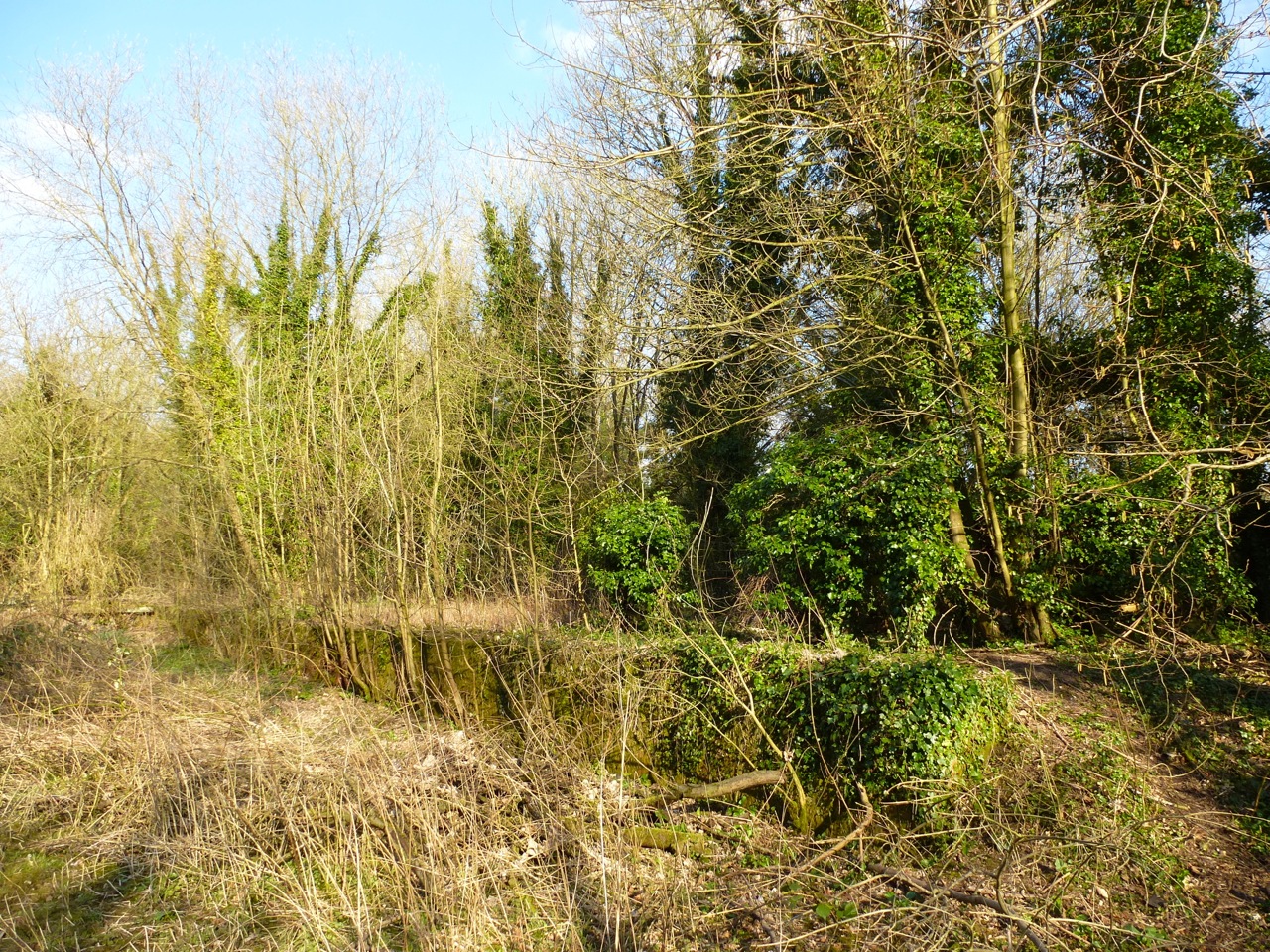
Crumbling away, still very apparent in most places, the Meon Valley railway line ran between Alton and Fareham in Hampshire. The dismantled railway passes a few miles from my home, near West Meon Hut and at the village. It was quite an engineering undertaking considering the small populations along its route, serving only villages along its 23 miles. This is probably why it only lasted 50 years or so – that and Gosport and Stokes Bay not taking off as tourist destinations. Most of the bridges remain, as does the station platform just south of West Meon. Nothing is left of the iron viaduct except some foundations, abutments and the mighty embankments either edge of the river Meon. Here’s my tour:

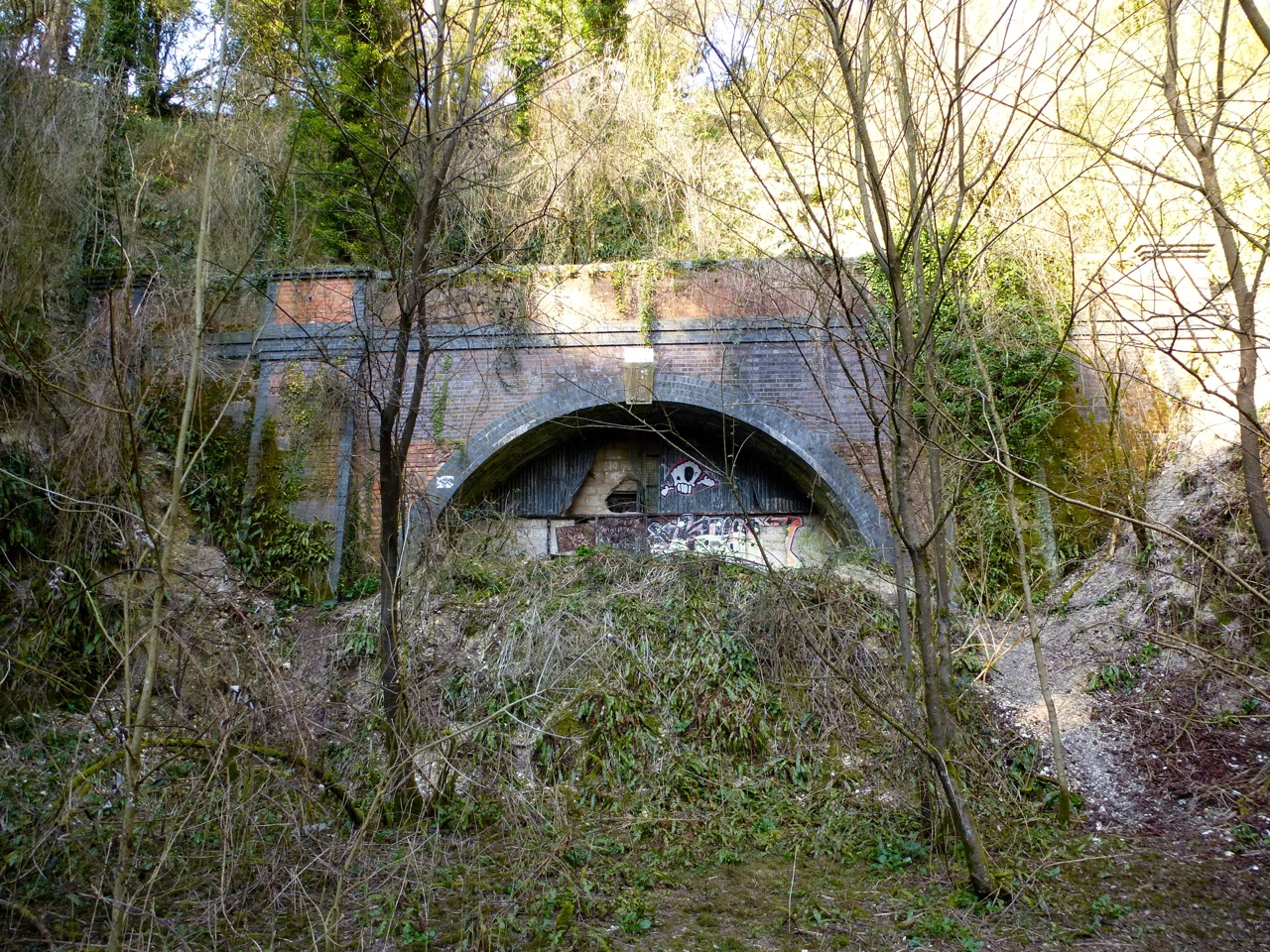
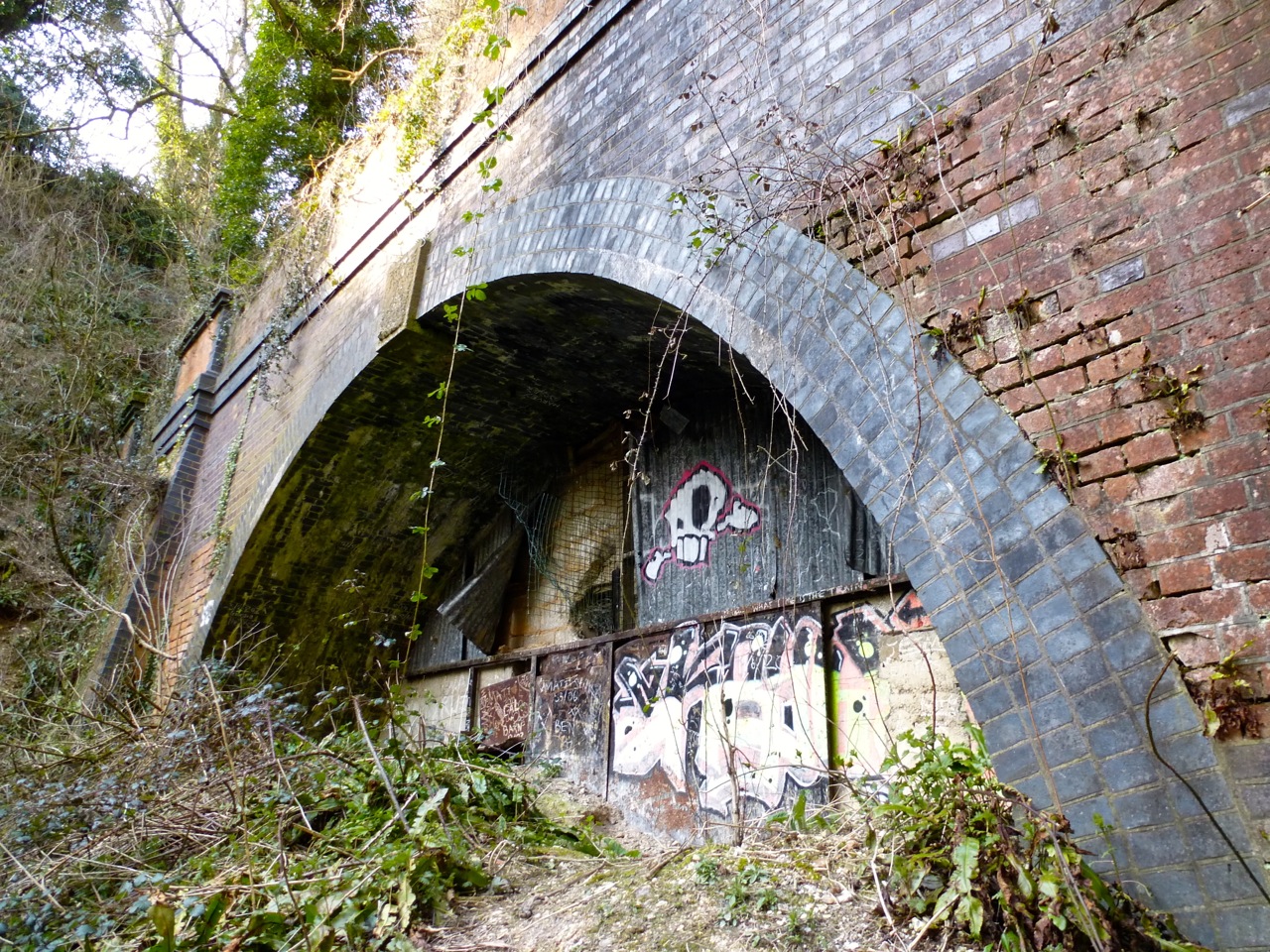
First up, the north end of West Meon Tunnel. This is near West Meon Hut. The tunnel entrance is locked and it’s used to store caravans. It’s private property but some bloke fixing his motorhome said I could take some photos.

West Meon Tunnel North-2

West Meon Tunnel North-3

West Meon Tunnel North

Just to the north, Vinnels lane crosses the old line, now infilled almost to the height of the bridge, by soil and by trash:

Road Bridge at Vinnels Lane

Road Bridge at Vinnels Lane, cutting filled in

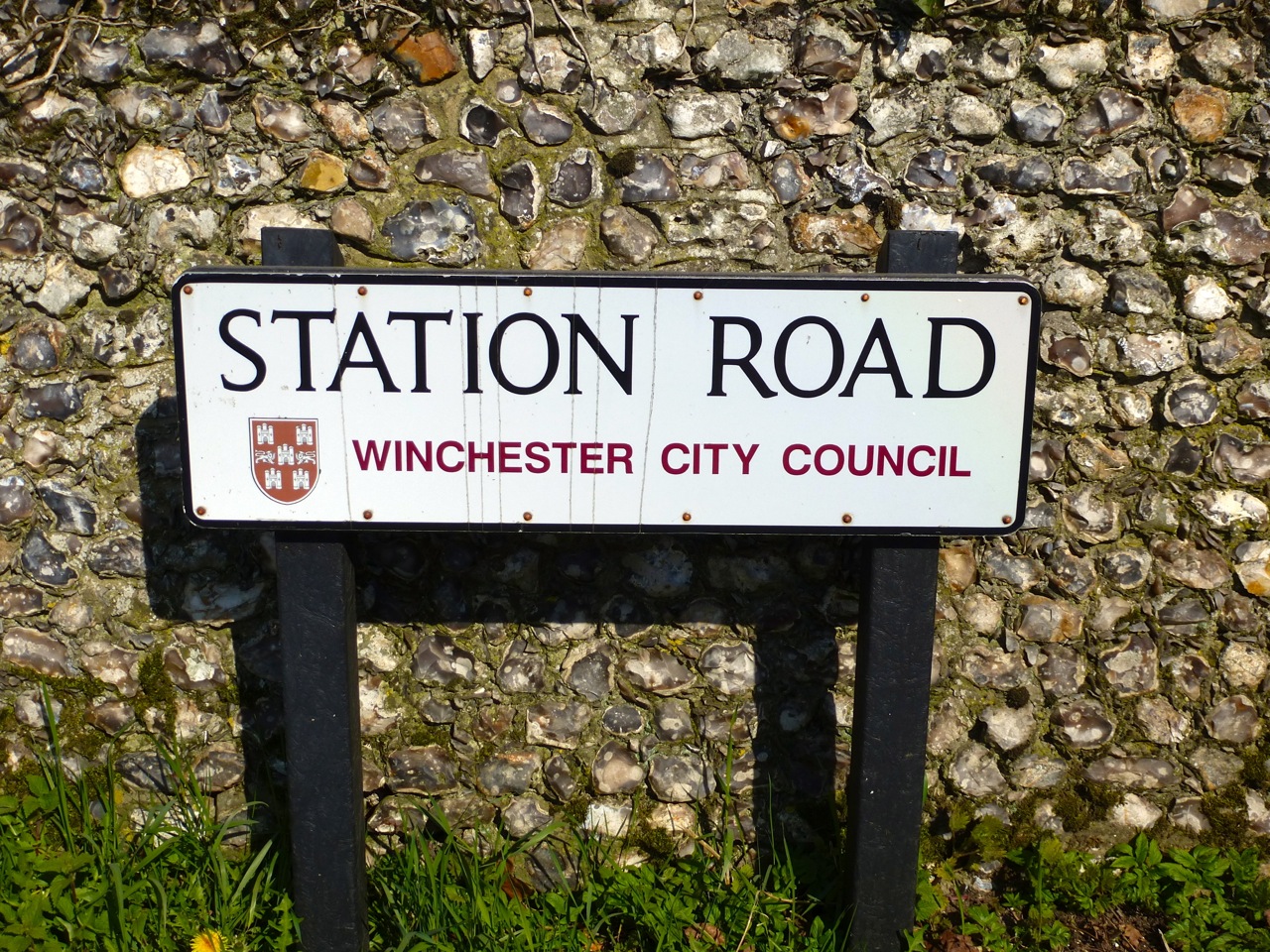
West Meon Station building is dismantled. It was situated just south of the village along, yes, Station Road:

WM

Some views of the old platform, being eaten by nature:

West meon station

West meon station platform

Platform wall

West Meon station platform-2

At one point the platform lowers to allow people to walk across the line:

Lowered platform for pedestrians

The platform runs under the road bridge of Old Winchester Hill Lane:

Road Bridge at north side of station

Road bridge West Meon station

Road bridge over old station at West Meon

Road bridge arch

The northern end of the station

A few hundred meters north of the station is the site of the viaduct, crossing the Meon Valley. The river here is just a stream. It crossed between two 20m embankments:

West meon embankment south of viaduct-2

West meon embankment south of viaduct

Looking down to the road

West Meon embankment

All that is left is some foundations and the abutments either end of the viaduct, with huge slots for the iron girders:

Southern end of West Meon viaduct

Looking down to the road

West Meon viaduct foundations

West Meon viaduct abutment

West Meon viaduct abutment-2

West Meon Viaduct foundations-2

West Meon Viaduct Foundation Pedestal

West Meon viaduct northern abutment

West Meon viaduct foundations, north side

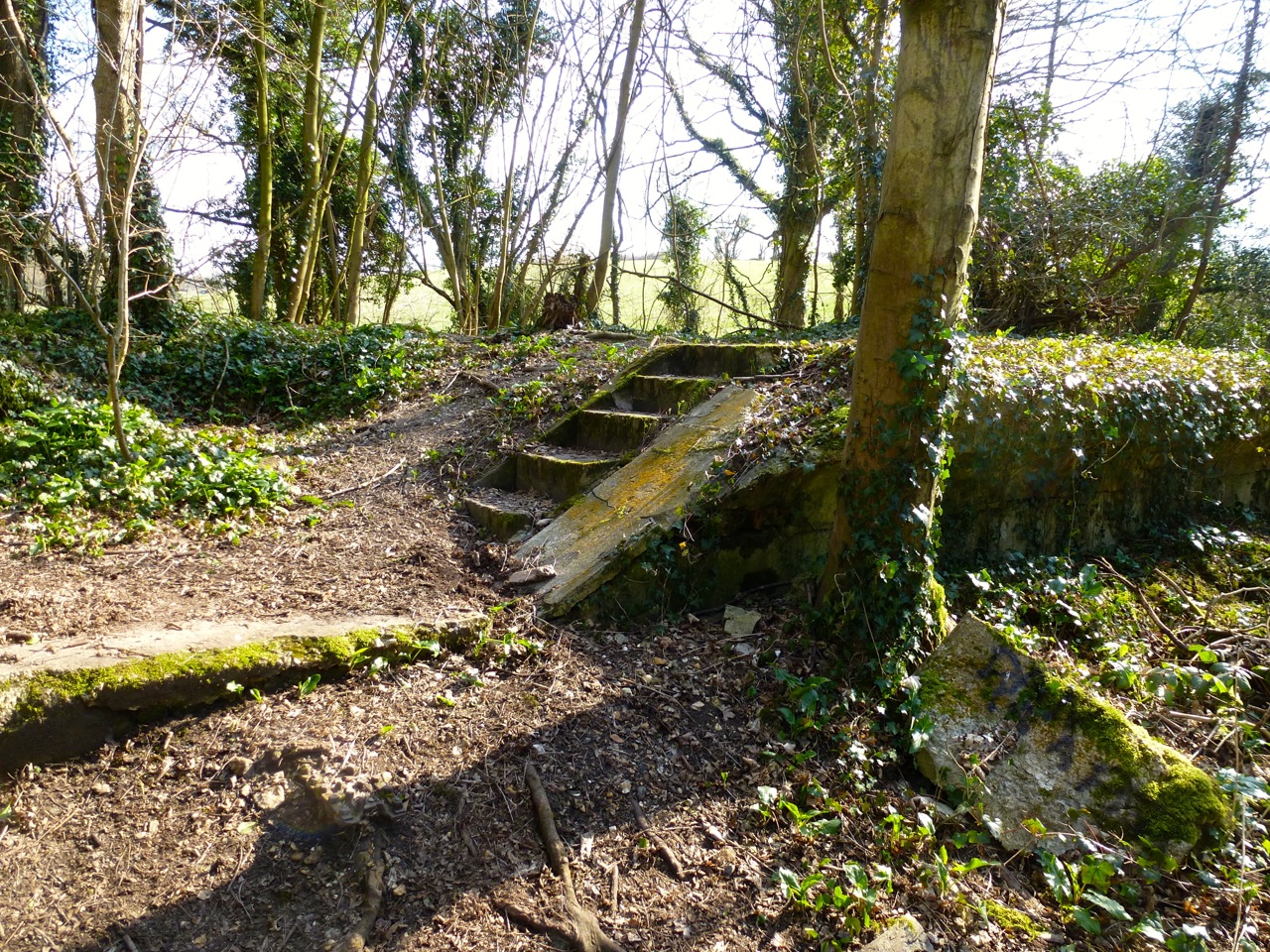
Steps to side of West Meon viaduct foundations

West Meon viaduct girder slots

North of the viaduct is not open to the public, but I followed the line through some woods, probably overgrown in summer, the embankment turning into a cutting as it approaches the hill:

Dismantled railway north of West Meon

Cutting north of West Meon

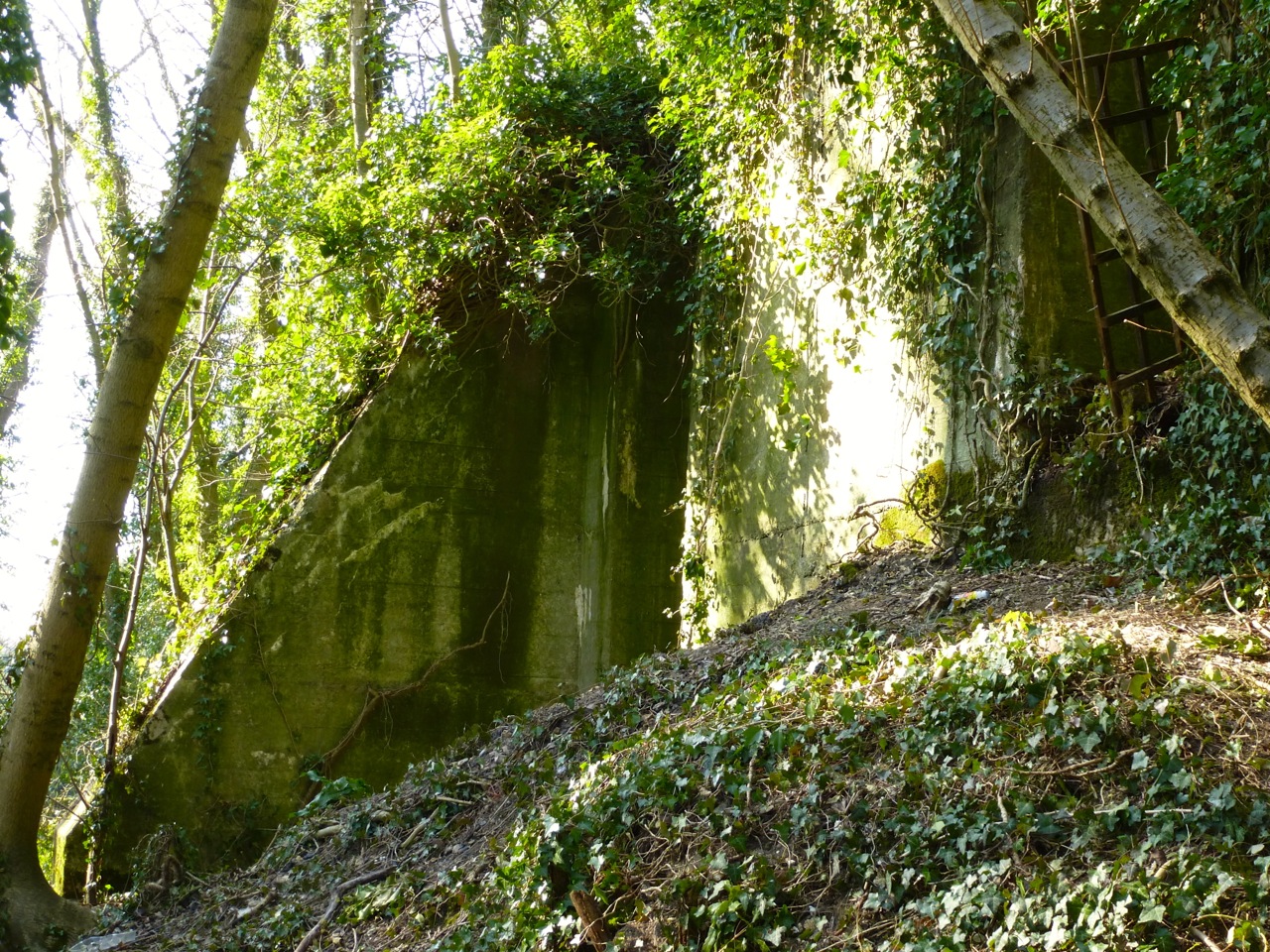
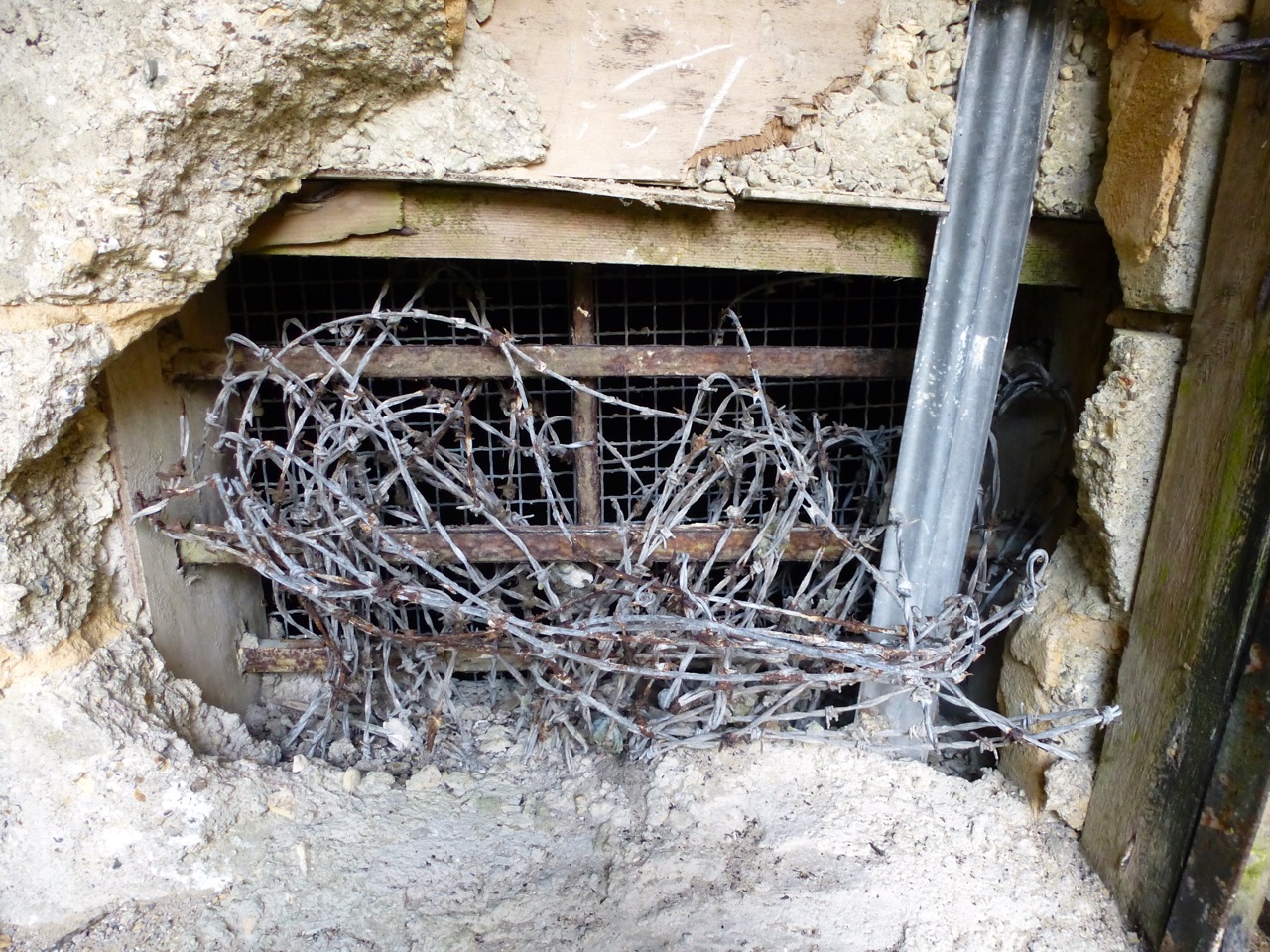
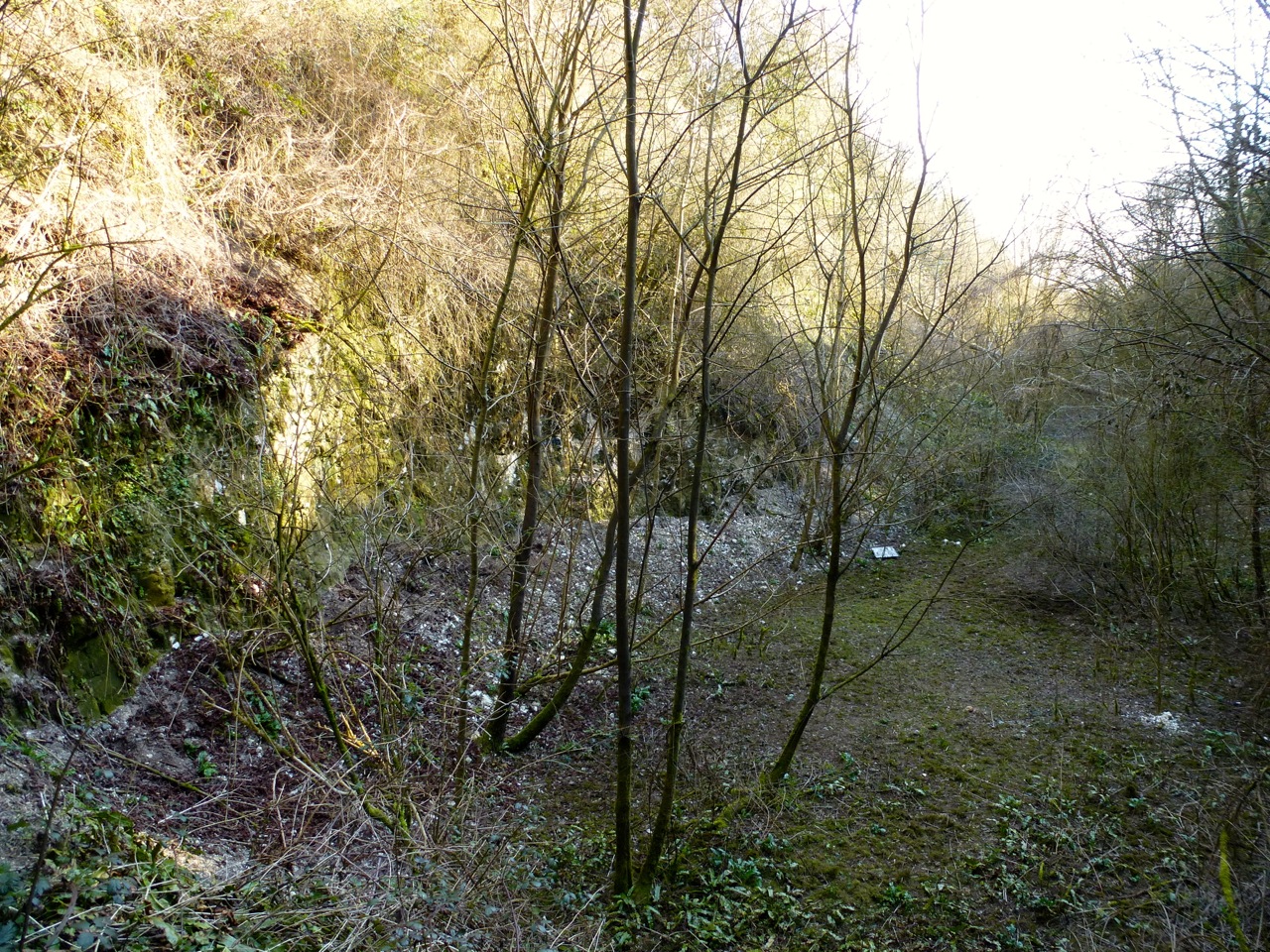
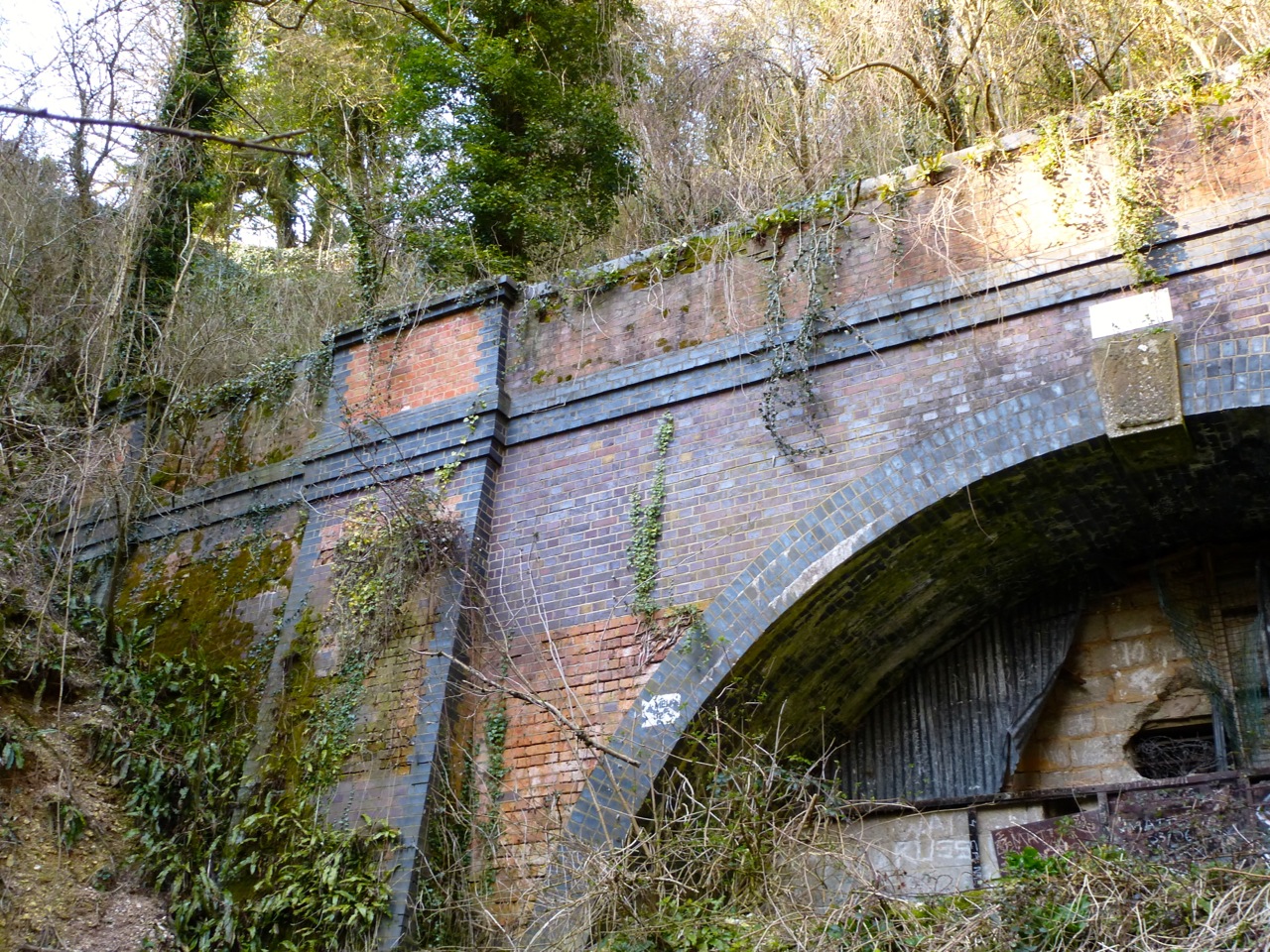
Less than a km from the viaduct, the hill is too steep and one reaches the southern end of West Meon Tunnel. It’s closed off with earth, metal and blocks. Where the blocks have been knocked though, bars and wire prevent access. There was a damp breeze coming from the hole, and a strange atmosphere about the place. I was drawn to it, wanted to stay, but at the same time I was slightly spooked:

West Meon railway tunnel south

West Meon railway tunnel south arch

West Meon railway tunnel south-2

Cutting south of West Meon railway tunnel

West Meon railway tunnel south-3

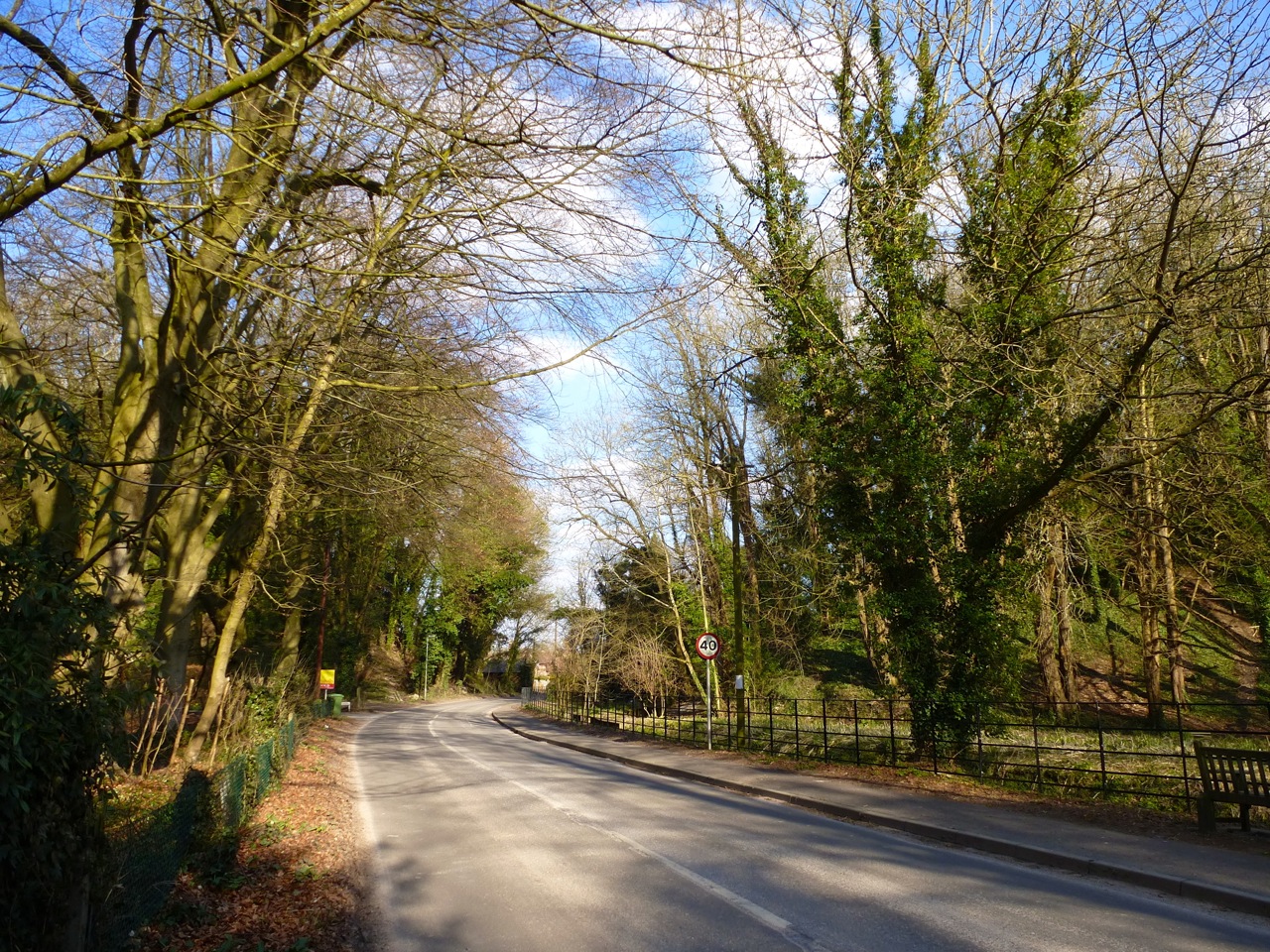
I then walked back to the village via the footpath in the spring sun to shake the mood. Here’s where the viaduct crossed the river and lane, and how it once looked:

Site of West Meon Viaduct

West Meon Viaduct

West Meon Viaduct

Back at the station, the road bridge and looking down to where the station was, and a similar view in the old days:

West Meon Station Road Bridge

Meon Valley Station from bridge

At the former West Meon goods yard next to the station:

Goods Yard Siding, West Meon Station

Former Good Yard, West Meon Station

Site of West Meon Station building

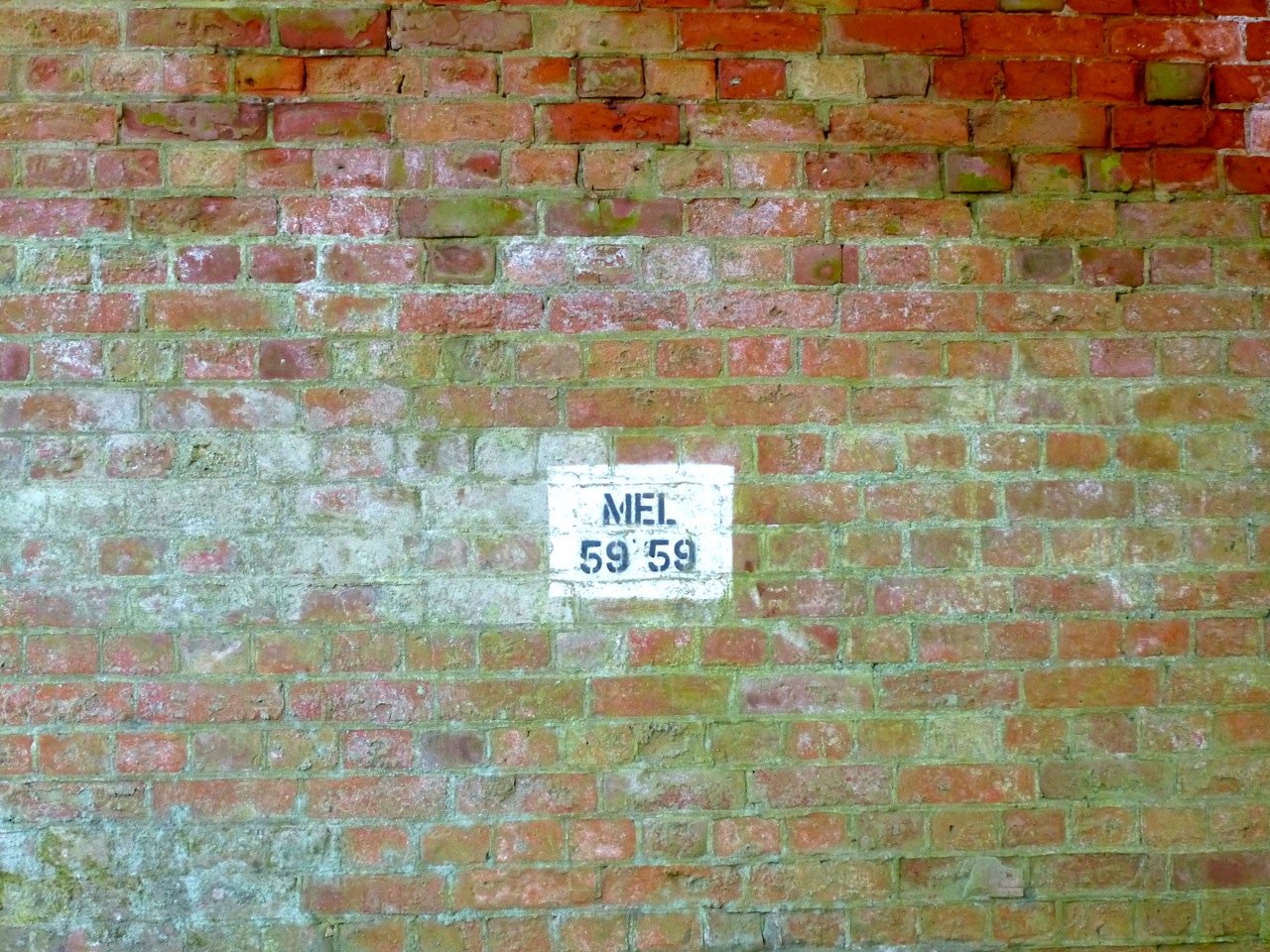
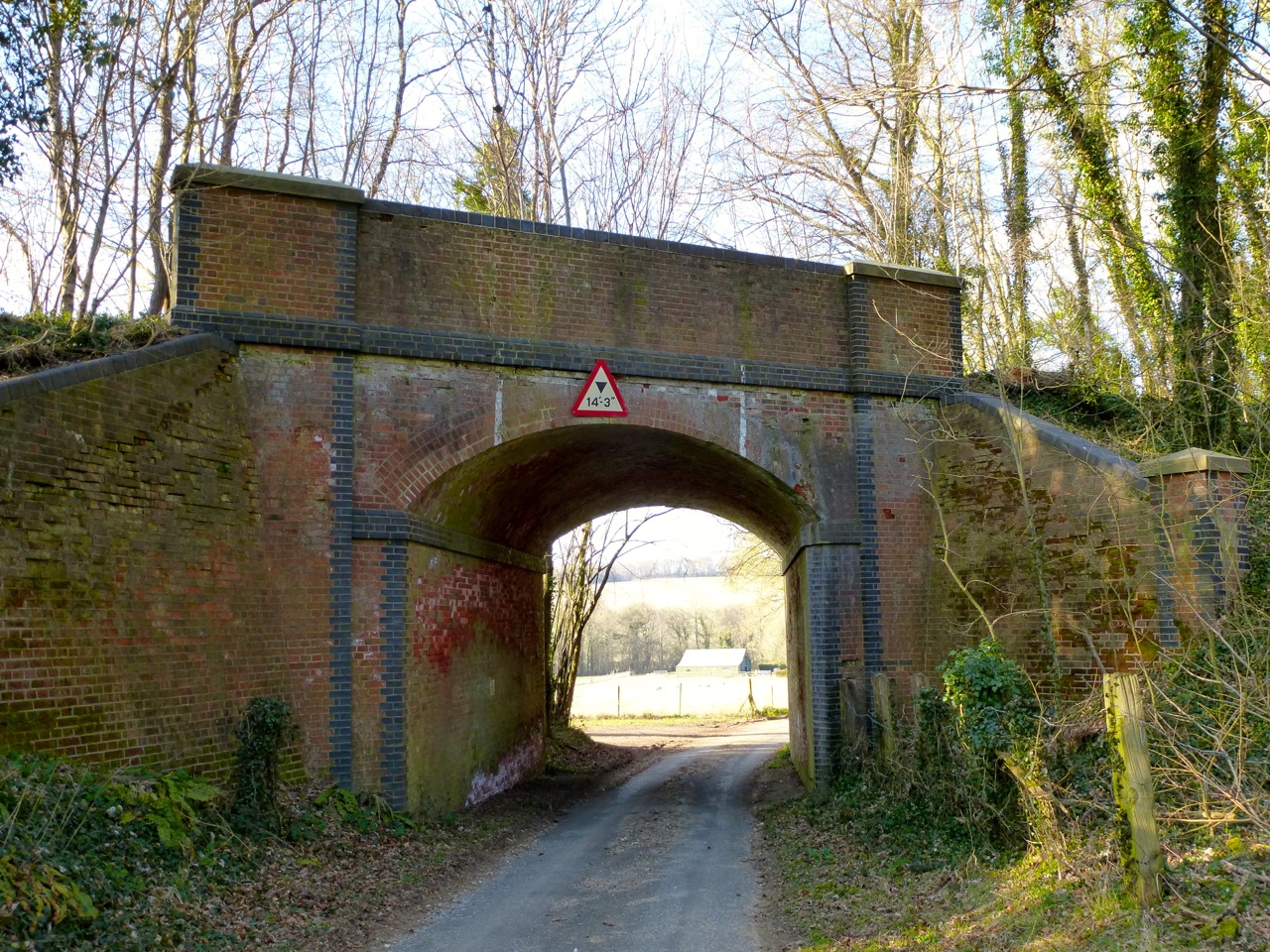
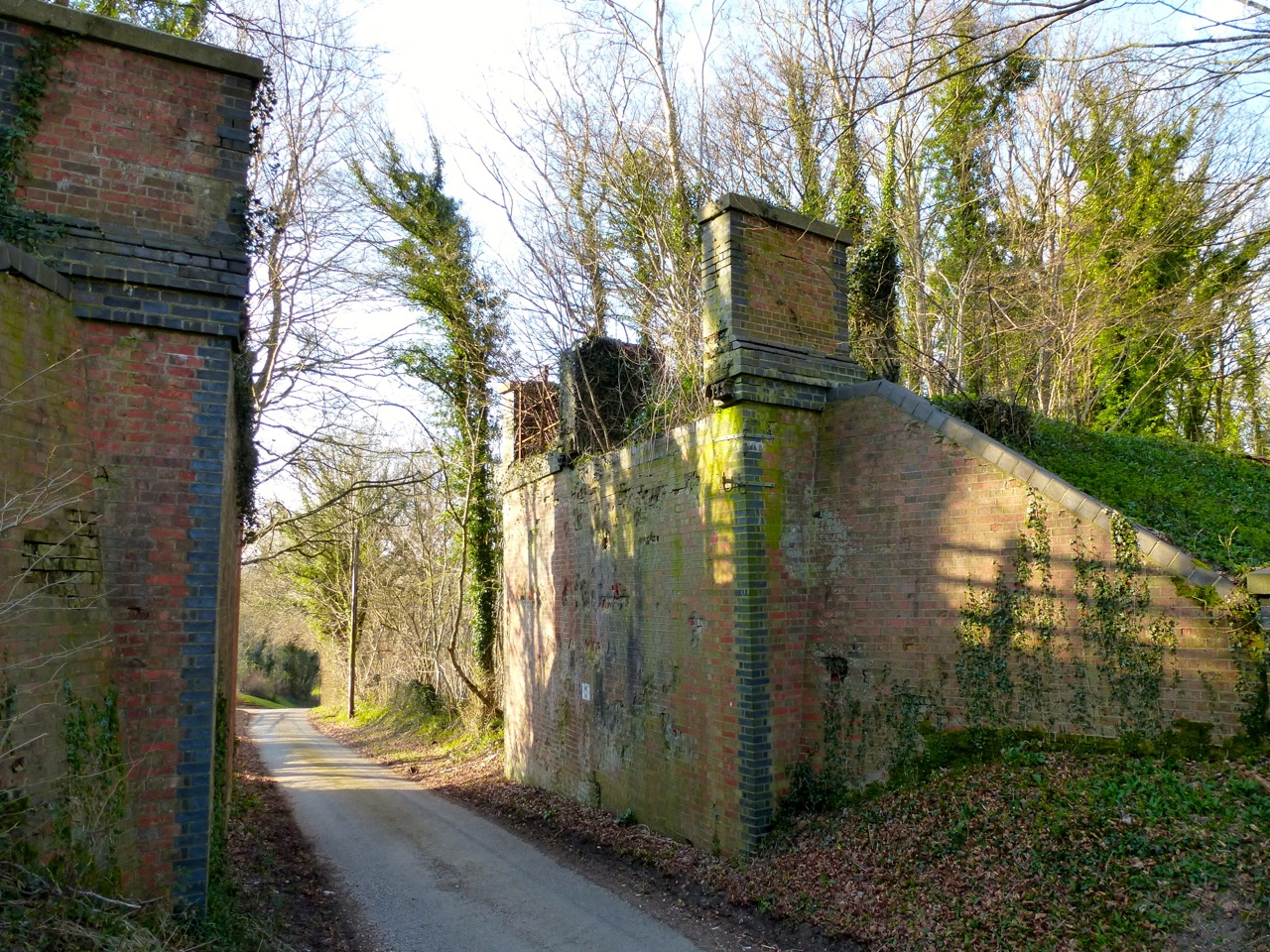
I then drove north out of the village along a little-used gravelly lane over the hill towards Arbor Trees farm where there’s a bridge of the consistent black engineering/red bricks. I find these quite charming. MEL = ‘Meon Line’?

Stocks Lane bridge, near West Meon Hut-2

Stocks Lane bridge, near West Meon Hut

Stocks Lane bridge, near West Meon Hut-3

And another bridge just to the east, probably taken down to allow farm vehicle access:

Peak Farm Lane railway bridge

Peak Farm Lane railway bridge-2

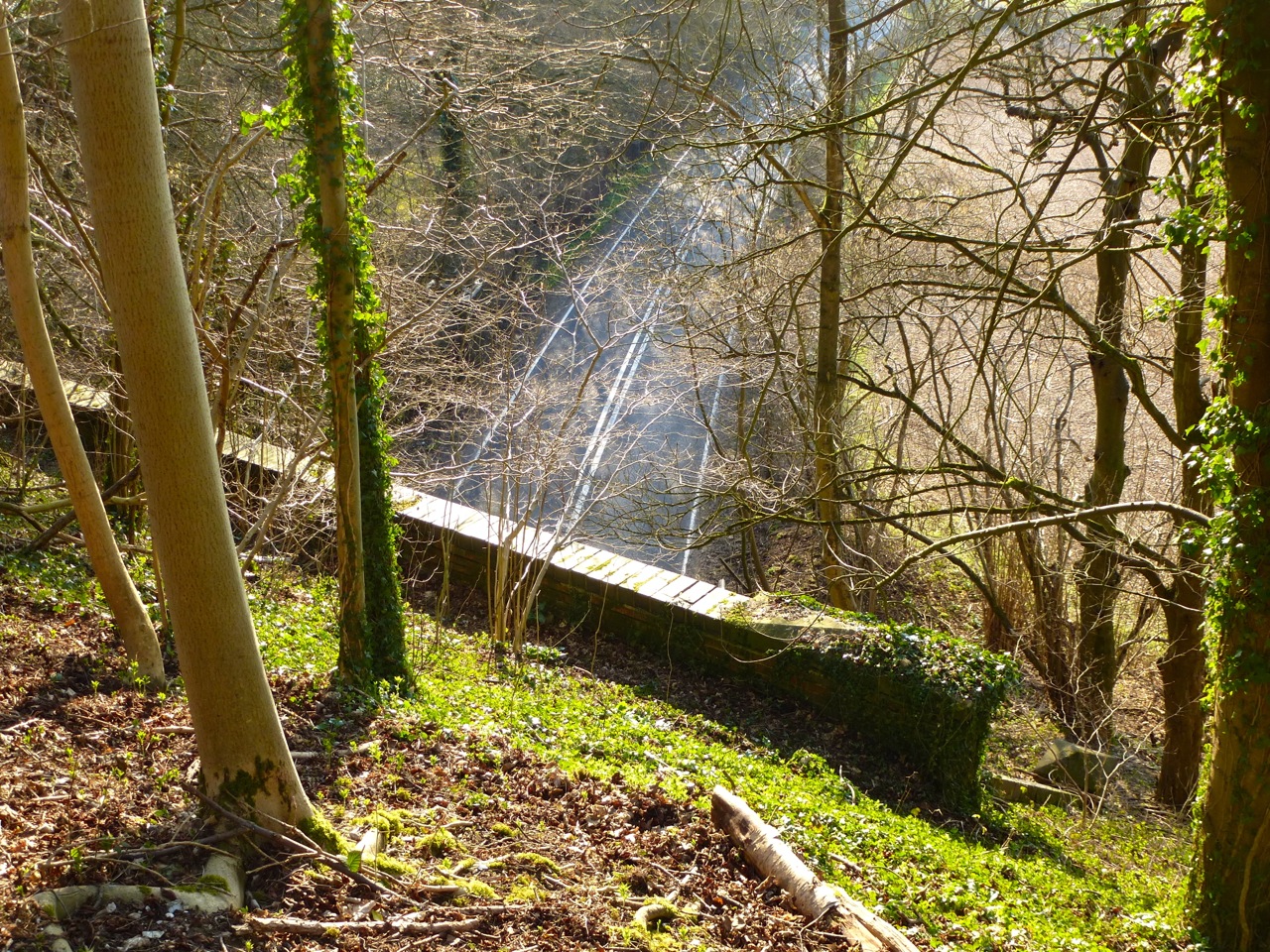
There’s no footpath here, but I couldn’t resist following the old line to the A272 tunnel, for a very different view of a familiar road:

Meon Valley Line above A272-2

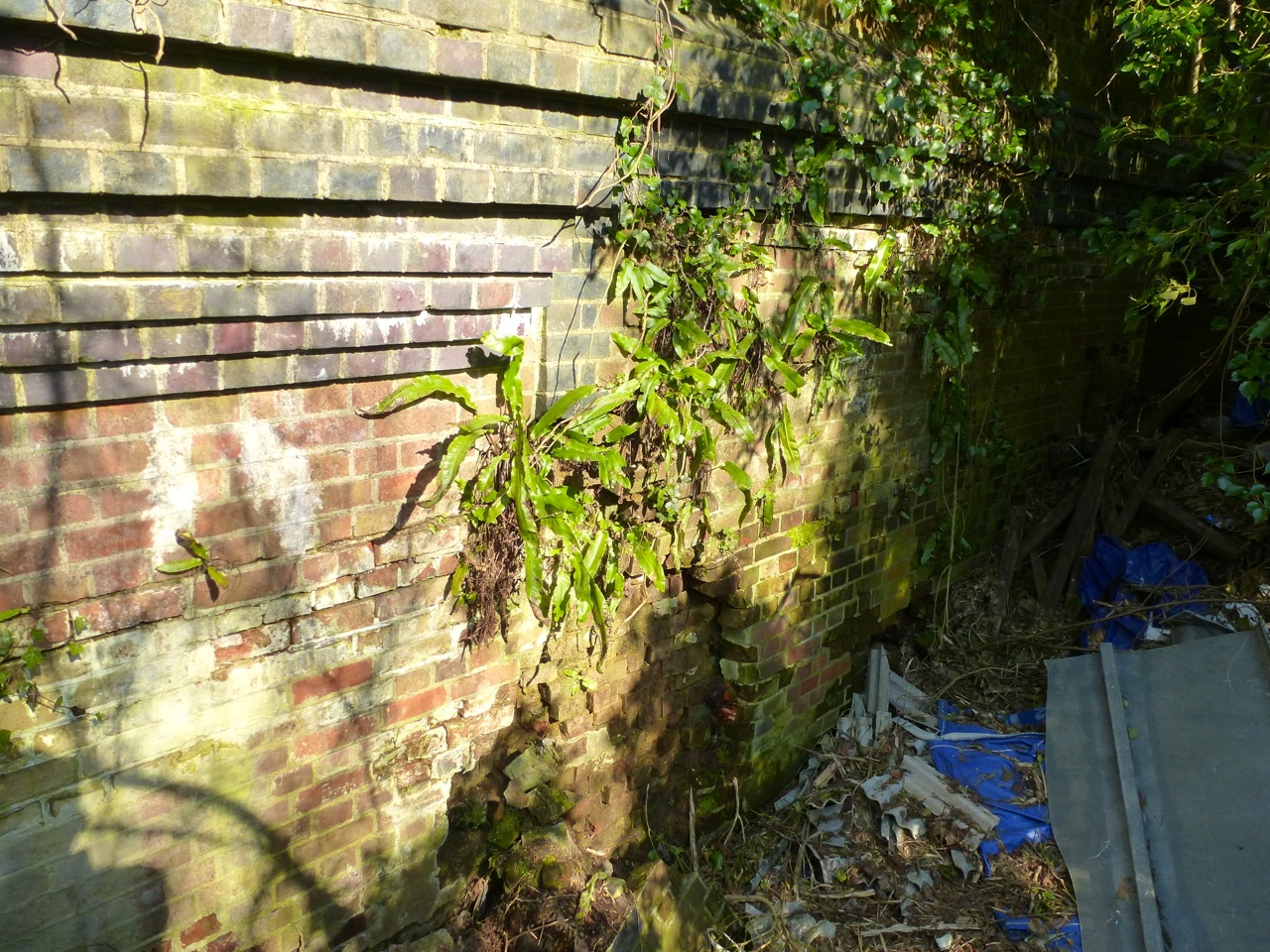
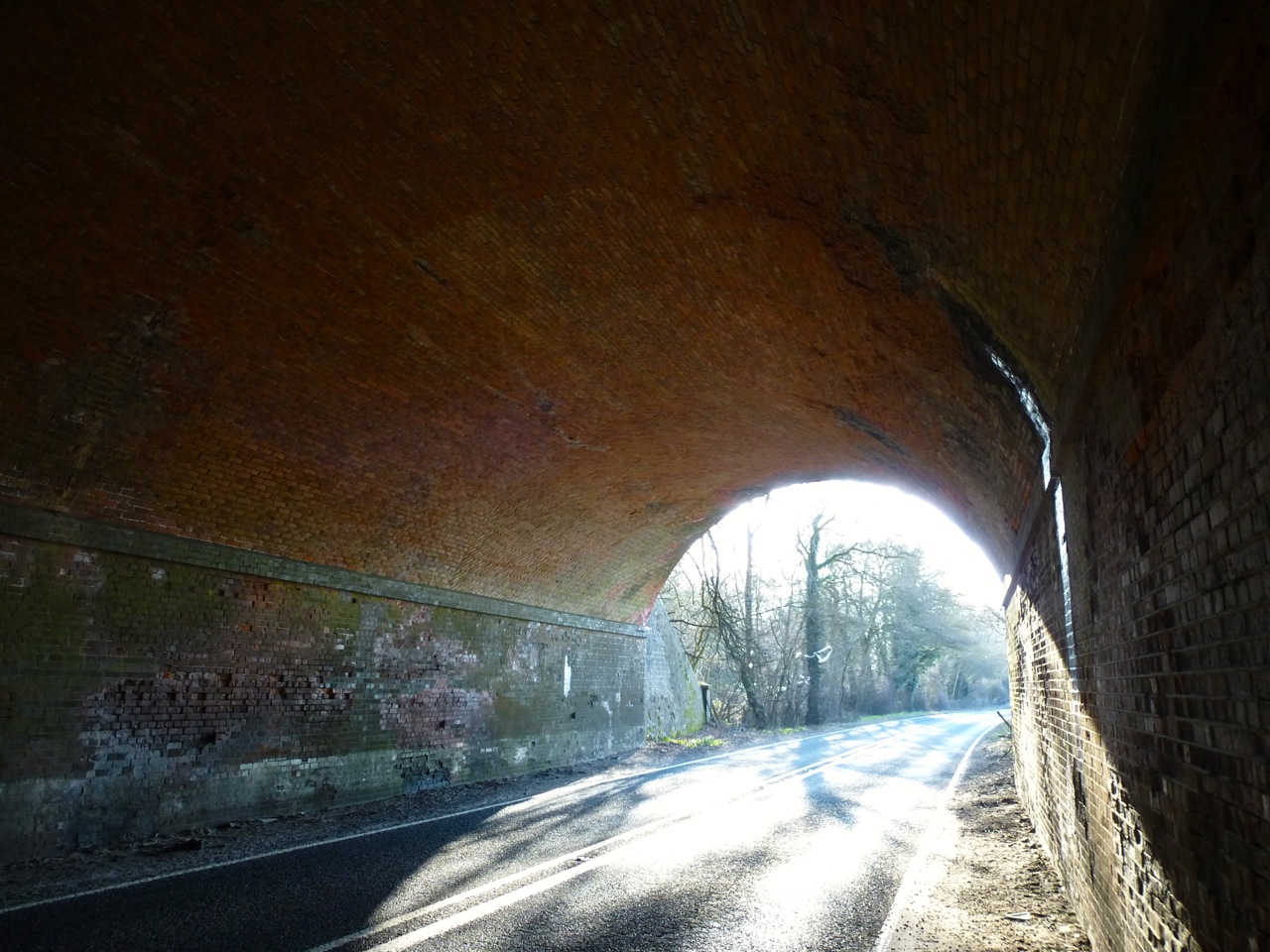
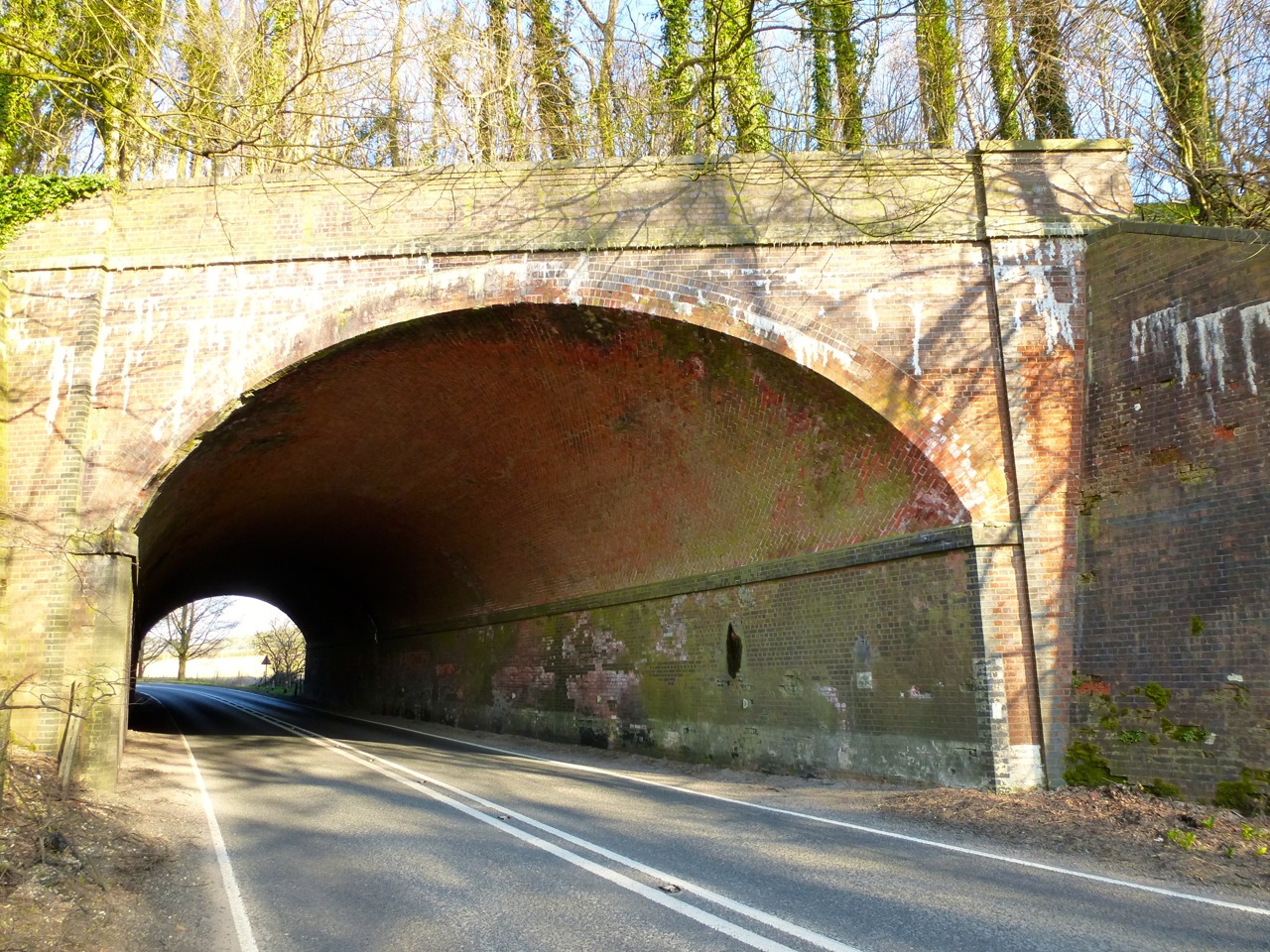
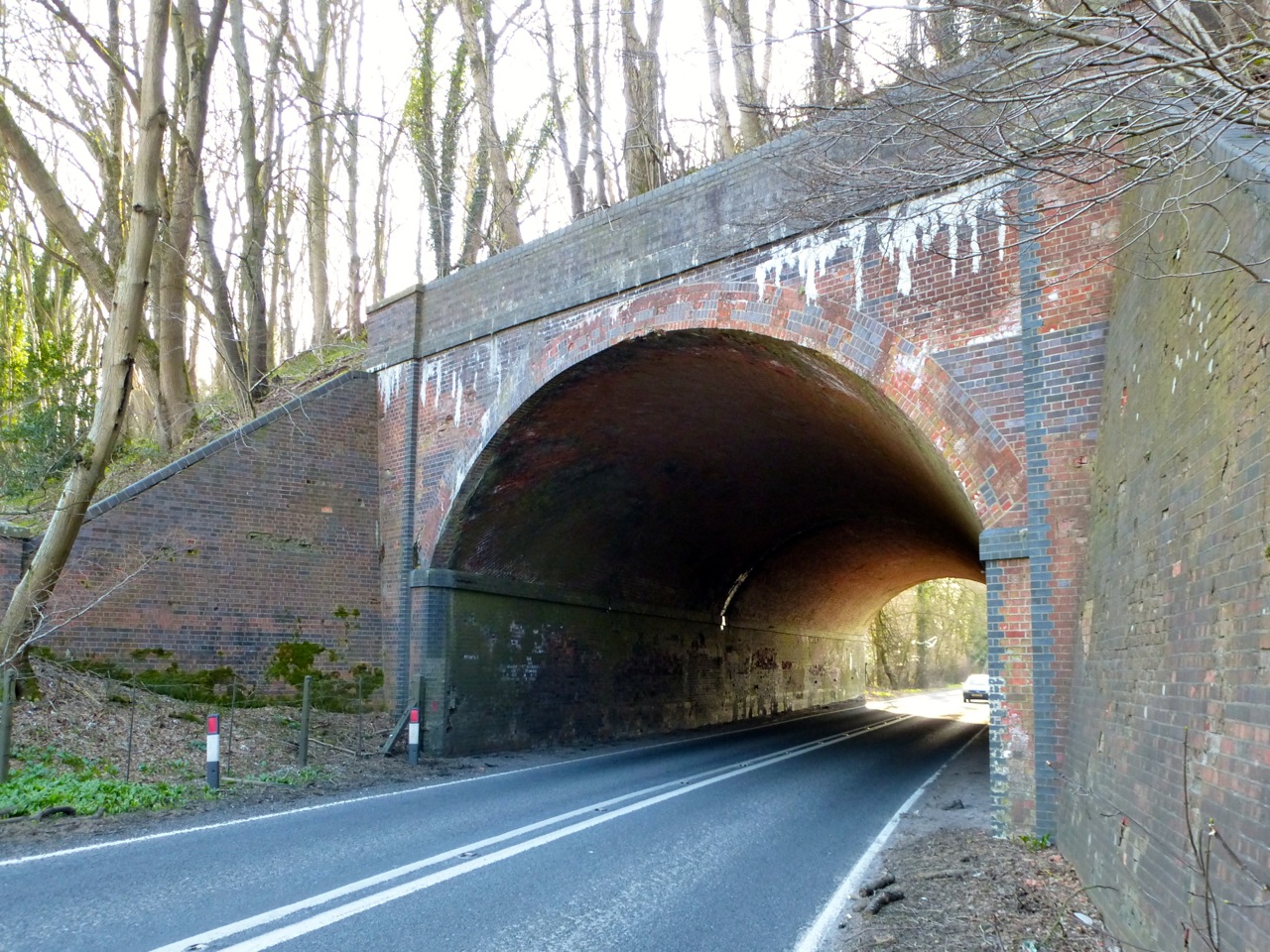
Varied textures, colours and crumbly brickwork of the road tunnel:

Meon Valley Line A272 Tunnel

Meon Valley Line A272 Tunnel-4

Meon Valley Line A272 Tunnel-3

Meon Valley Line A272 Tunnel-2

Meon Valley Line A272 Tunnel-6

Meon Valley Line A272 Tunnel-5

Meon Valley Line A272 Tunnel-7

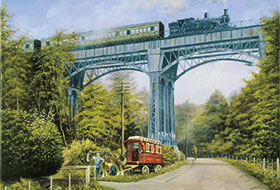
Finally, a romantic image of the viaduct, and a brand new station once upon a time:

West Meon Viaduct

Hampshire Architecture – New Alresford: The Soke, Mill Hill and South East

New Alresford is about 7 miles east of Winchester. The ‘New’ distinguishes it from Old Alresford village a mile to the north. The old part of New Alresford centres around East St, West St and Broad St, a T-shape. To the north of Broad Street is the ancient town bridge (pretty much hidden) and the area of The Soke and Mill Hill, which leads to Ladywell Lane, where one can find C18 (and earlier) houses, the Globe Inn and Old Fulling Mill (C17). At the opposite end of town are Bell House, a former workhouse then mental hospital, and some old cottages.

Hampshire Architecture – New Alresford: West Street

New Alresford is about 7 miles east of Winchester. The ‘New’ distinguishes it from Old Alresford village a mile to the north. The old part of New Alresford centres around East St, West St and Broad St, a T-shape. Pretty much the entirety of this area is listed. Most of the buildings in West St are commercial, with accommodation above, and some banks and old coaching inns – The Running Horse, The Bell and The Swan. This collection also includes Pound Hill and The Dean. The majority of these listed buildings are 18th Century:

Hampshire Architecture – New Alresford: East Street

New Alresford is about 7 miles east of Winchester. The ‘New’ distinguishes it from Old Alresford village a mile to the north. The old part of New Alresford centres around East St, West St and Broad St, a T-shape. Pretty much the entirety of this area is listed. Many of the houses in East St feature old shop windows, now bay-windowed living rooms. At least two are former pubs – the Peaceful Home and the Sun Inn. This collection also includes the old mill, then warehouse, now offices, next to the (steam train) station, the church, and just beyond East St the unusual Hurdle House (literally to store sheep hurdles for the fair, now converted) and Langtons, a grand house behind high walls where East St meets Sun Lane. The majority of these buildings are 18th Century.

Here’s a panorama shot of the south side of the street, showing the many colours, followed by all the listed buildings of this area.

East St Alresford

Hampshire Architecture – Petersfield: Away from the Town Centre

Petersfield is a market town 18 miles north of Portsmouth and about 20 miles east of Winchester. Today I explored the outlying areas of the town, away from the centre. There are villas, old farmhouses, cottages and a mill, dotted between the C20 housing and along lanes headed to the countryside. Also the Roman Catholic church and the octagonal chapels at the cemetery. The pictures below are all of Grade II Listed buildings.

Hampshire Architecture – Petersfield: High St, Square, Sheep St, The Spain

Petersfield is a market town 18 miles north of Portsmouth and about 20 miles east of Winchester. Today I explored the town centre: High Street, The Square, Sheep Street, The Spain, Swan Street, Hylton Road, Church Path and St Peters Street. Most of the listed buildings here are C17 and C18, with some as old as C16. Many have older sections behind the newer facades. Petersfield grew as a coach stop on the Portsmouth-London route and due to its sheep market in the square, to which Sheep Street leads. The pictures below are all of Grade II buildings, with the exception of the church and statue, both grade 1. Goodyers in The Spain is II*, it being a large C16 house, with an early C18 addition in brick. The Spain itself is almost like a village green, situated very close to the town centre. Here are two panoramas:

The Spain (East)

The Spain (West)

East Meon Walk

In bright winter sunshine in a crisp breeze we walked a loop of a few km from East Meon church:

East Meon Walk Route Map

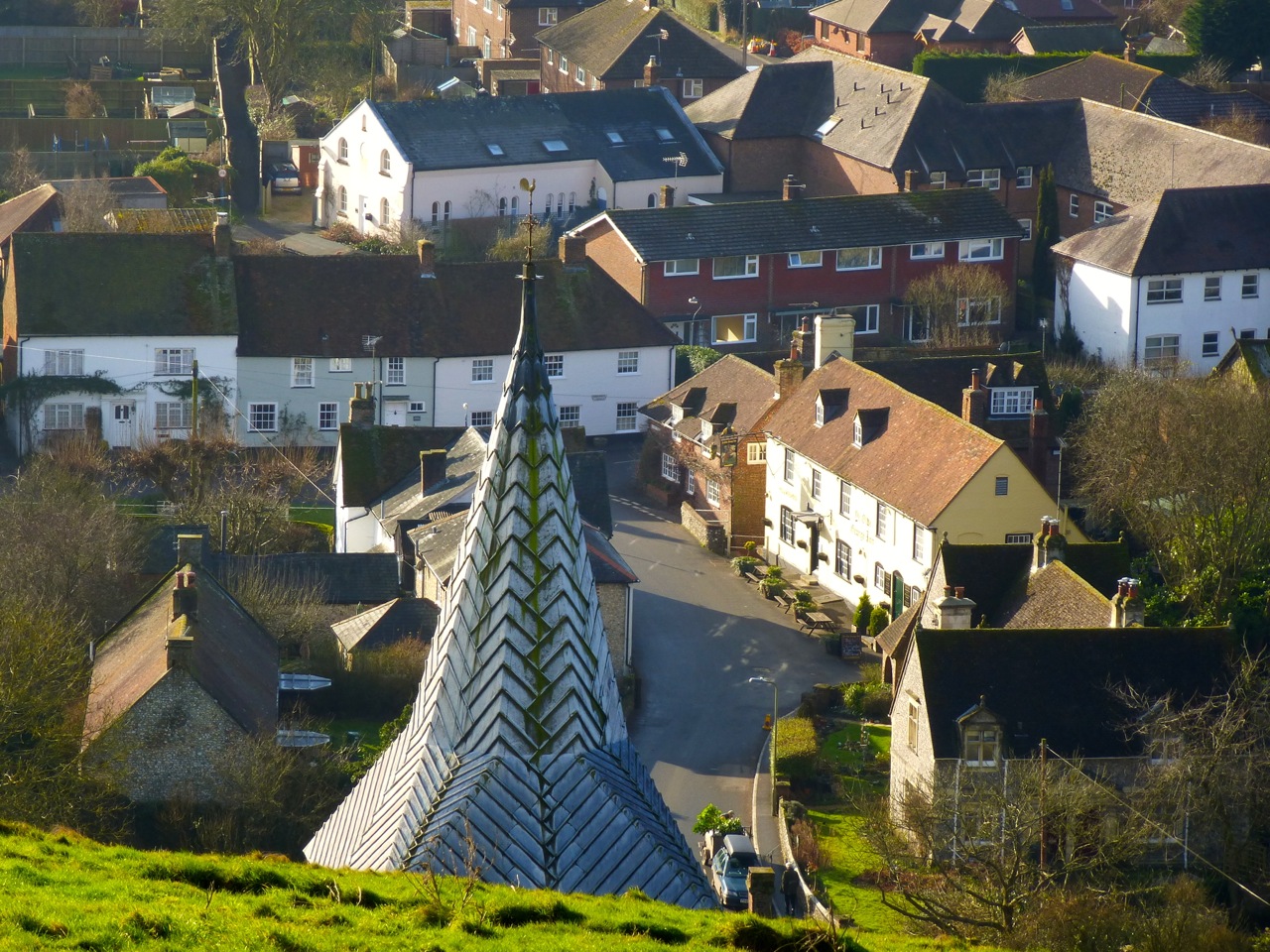
From the graveyard the path rapidly ascends 100m up into Park Hill giving great views over the village. Very soon we were higher than the steeple:

Over East Meon church


Even higher above some red kites effortlessly circled over a corn field. A local said they had been recently introduced:

Red kite

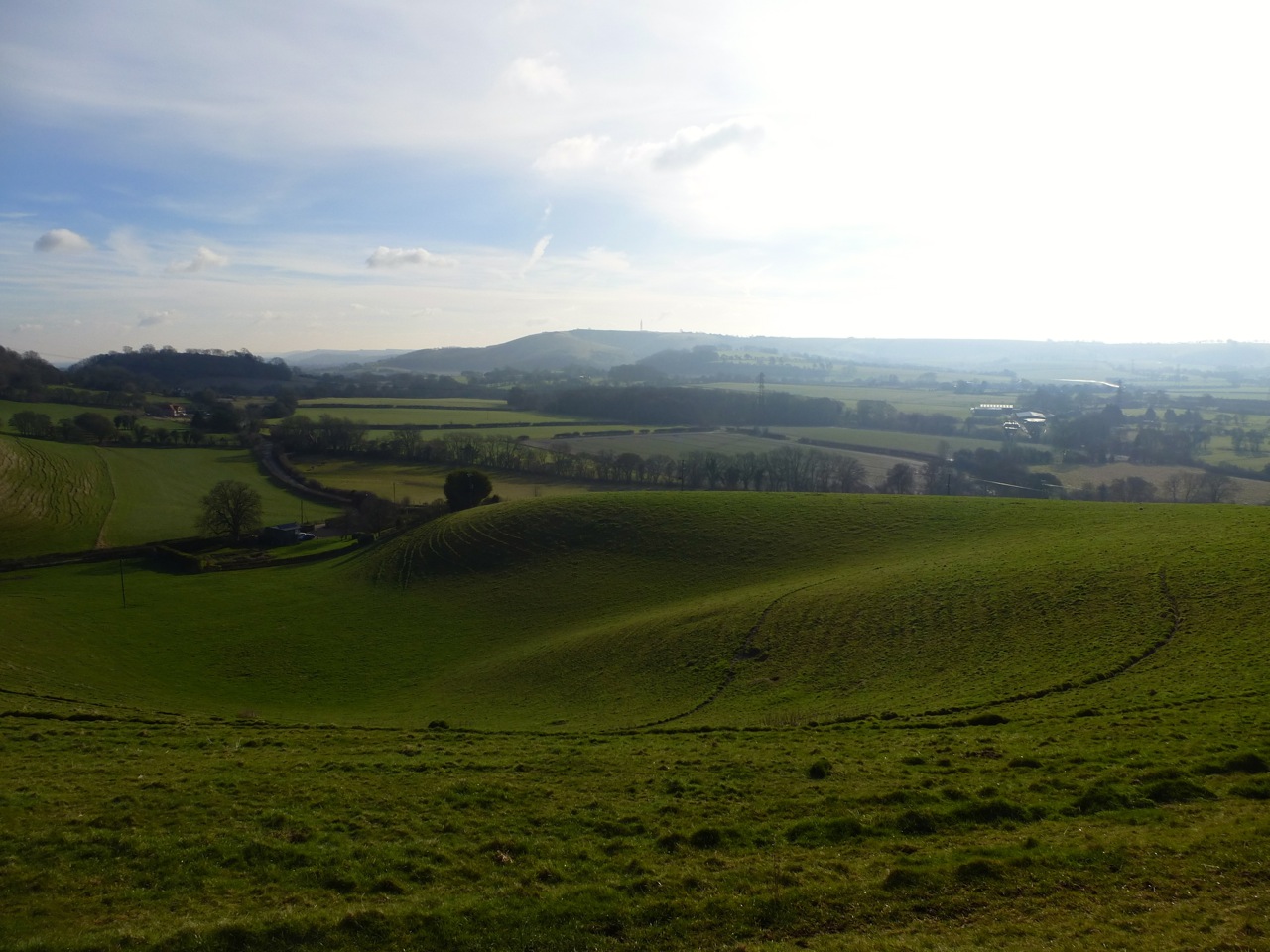
On the top of the hill looking east to the south downs stretching away in the haze beyond Butser Hill:

View to the downs

The rolling grassland of Park Hill near to Vineyard Hole. (Now there are some vines nearer the village at the Court House.)

From Park Hill-2 From Park Hill

On the Bereleigh Estate, Park Farm. The ice on the pond would be soon to melt:

Park Farm


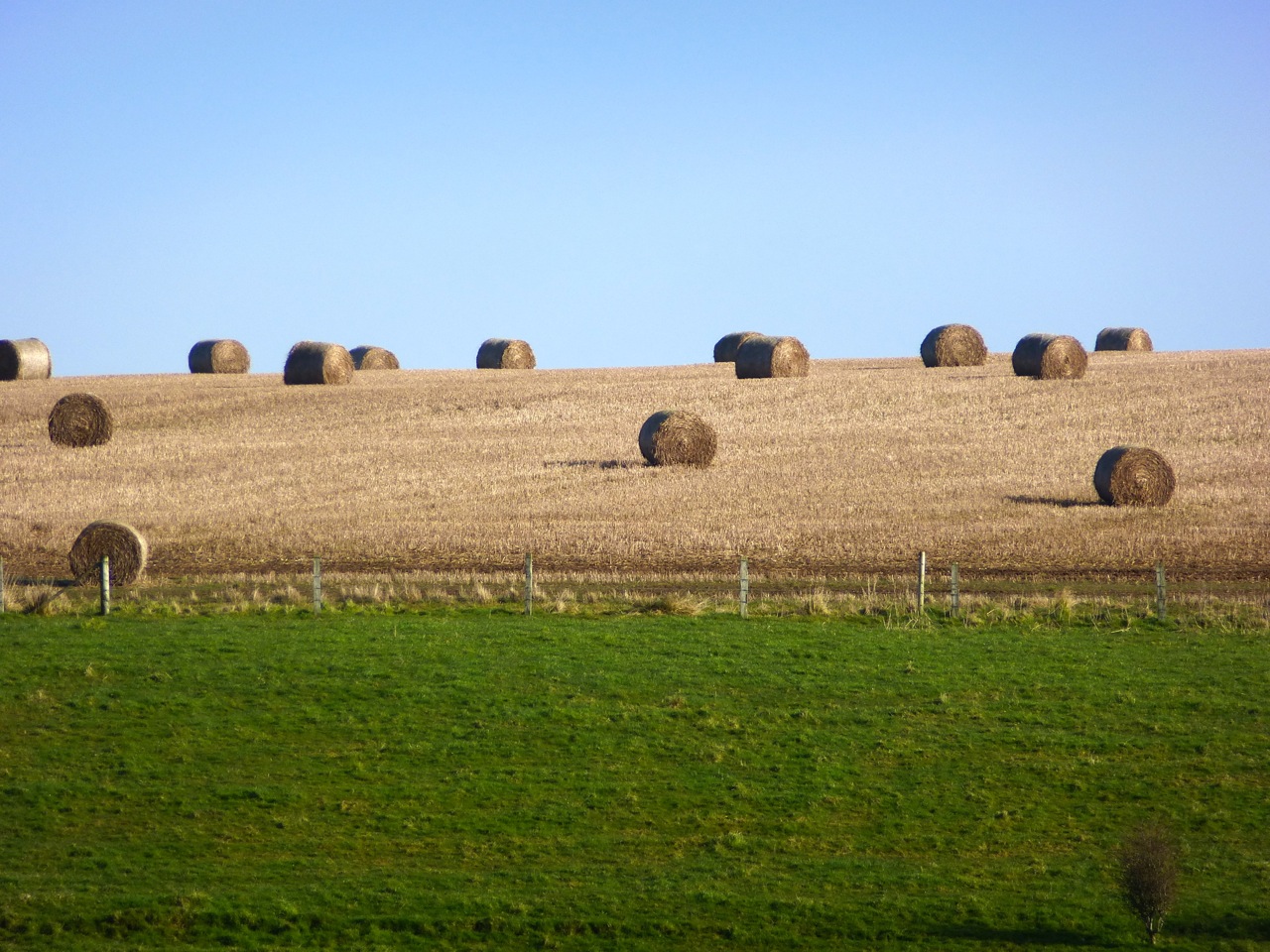
Hey you forgot the hay!

Hey you forgot the hay!


Over open country, down through Rookham Copse, over the road to Pidham Lane. These sunken lanes with trees on the bank always remind me of The Fellowship of the Ring:

Tree roots


Old lanes eaten up by motorbikes and sodden led us to the gravel of the Greenway Track:

Greenway Track

No cars. Look how dated the sign design is, some kind of 1960s car:

No cars signpost UK


Frogmore lies to the east of East Meon. Only 2km from its source, the Meon turns west here into the Meon Valley proper. Old cottages and a bridge here:

Frogmore cottages The Meon at Frogmore


Taking the lane instead of more mud in the fields, we were soon in the village, with it’s thatched cottages and Georgian houses and pub:

Thatch East Meon East Meon-2 Ye Olde George Inn, East Meon East Meon-3


Then back to the church in it’s downland situation:

East Meon Church and Park Hill East Meon Church

The old Court House c14 onwards:

Old Court House


Ventilation tile:

Handmade ventilation tile


Scarecrow at the village allotments:

Scarecrow at East Meon Allotments