



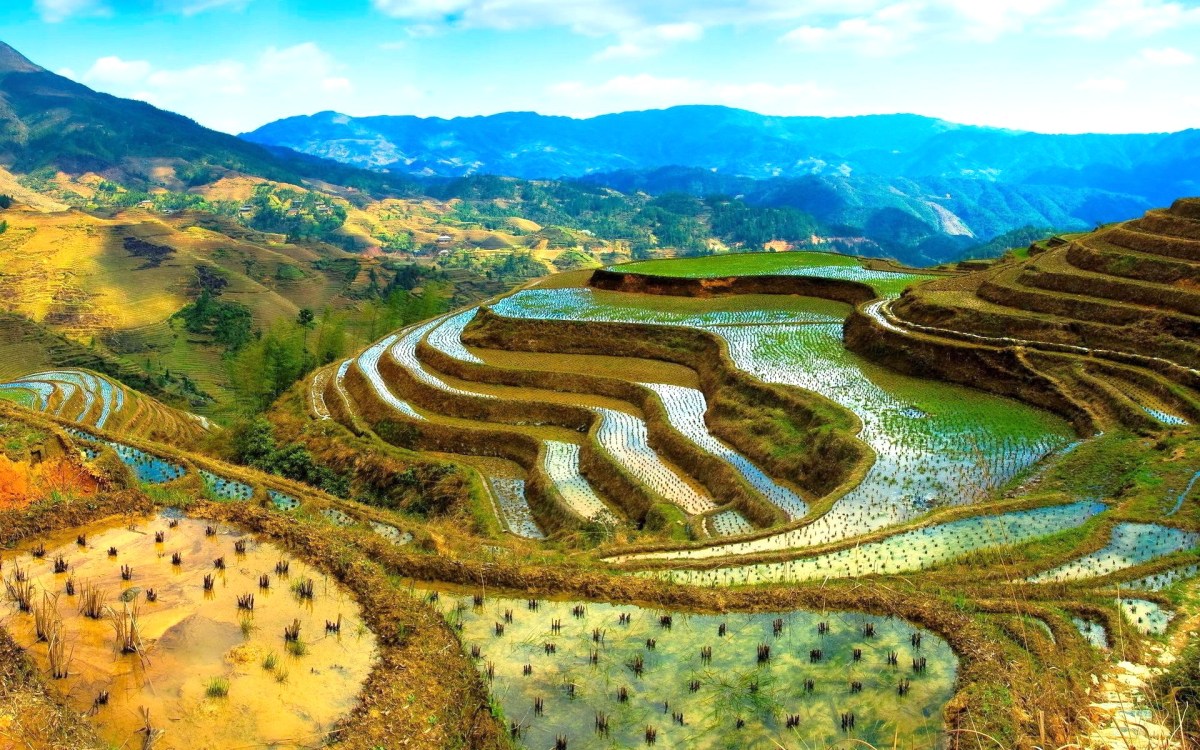


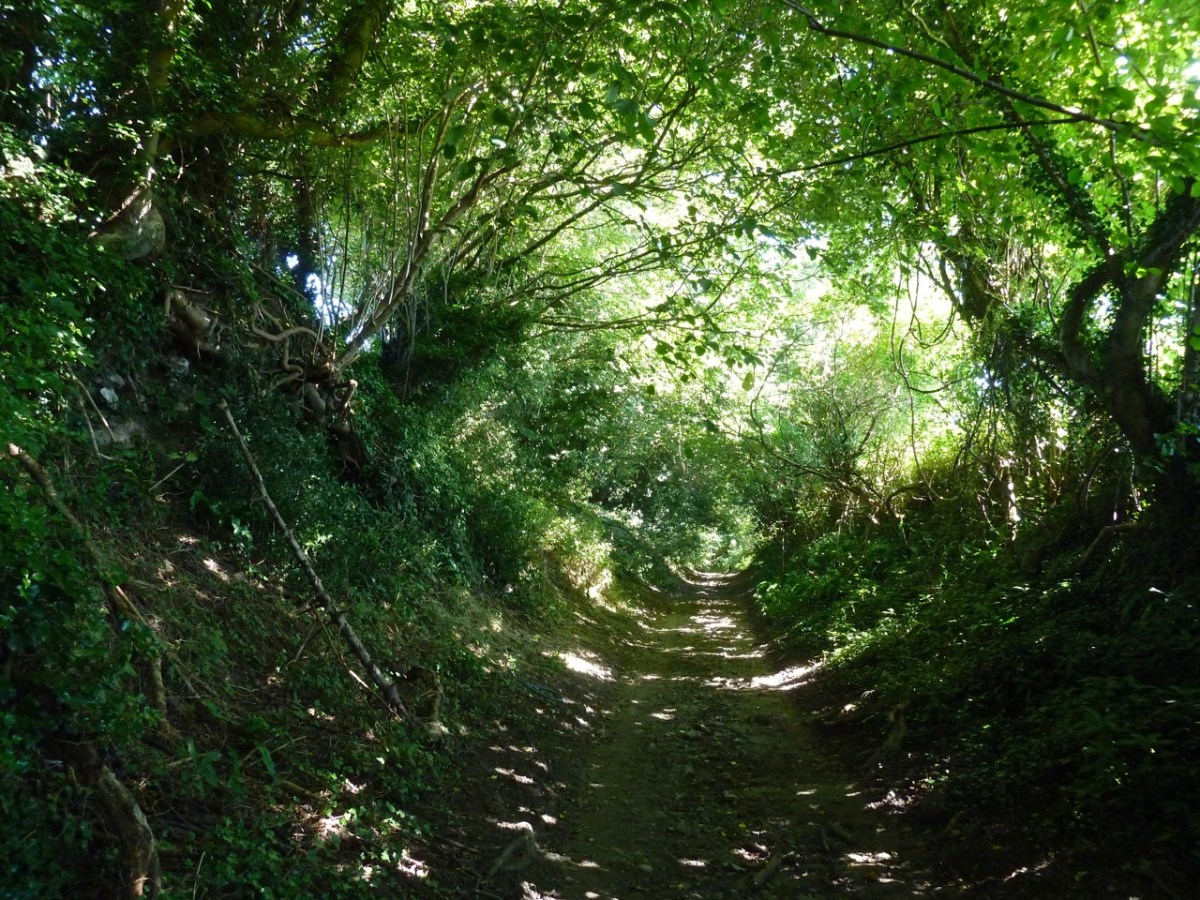
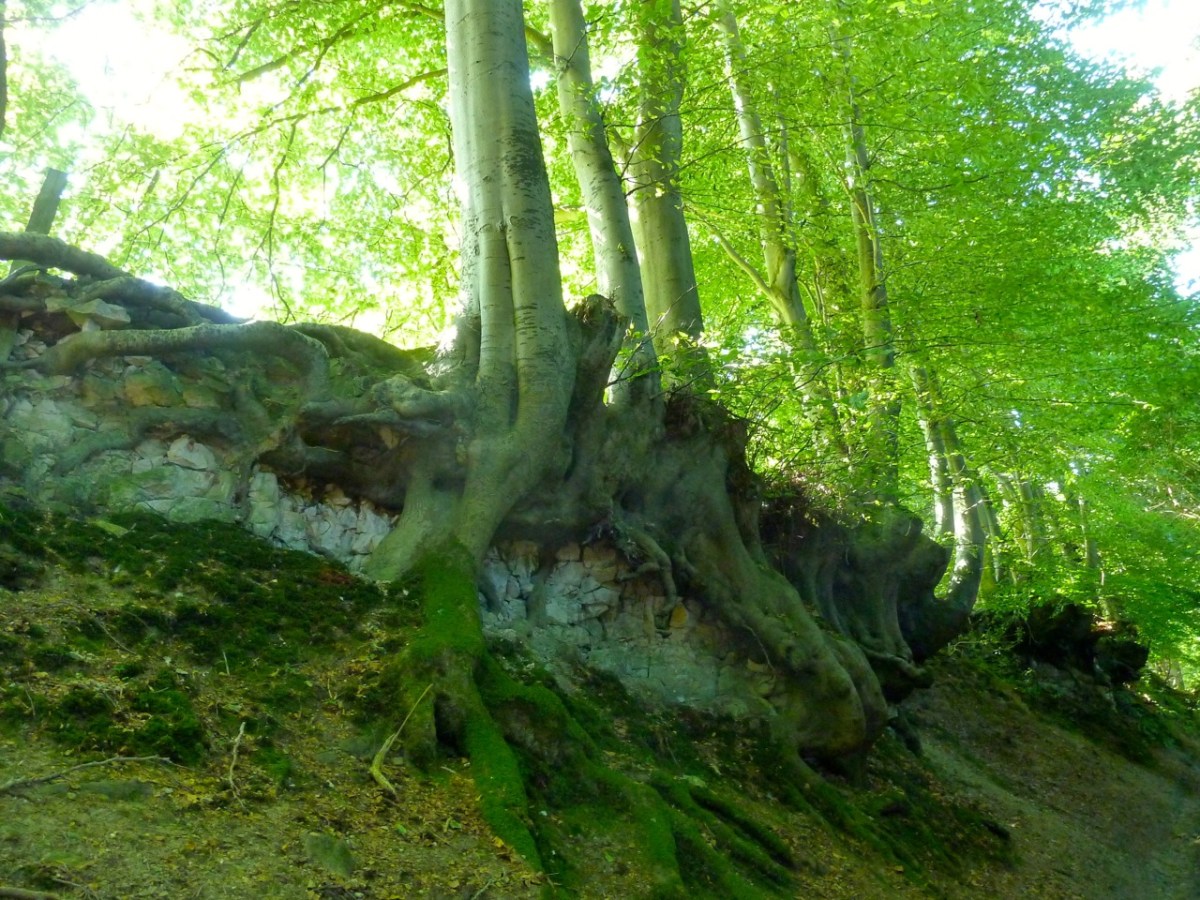
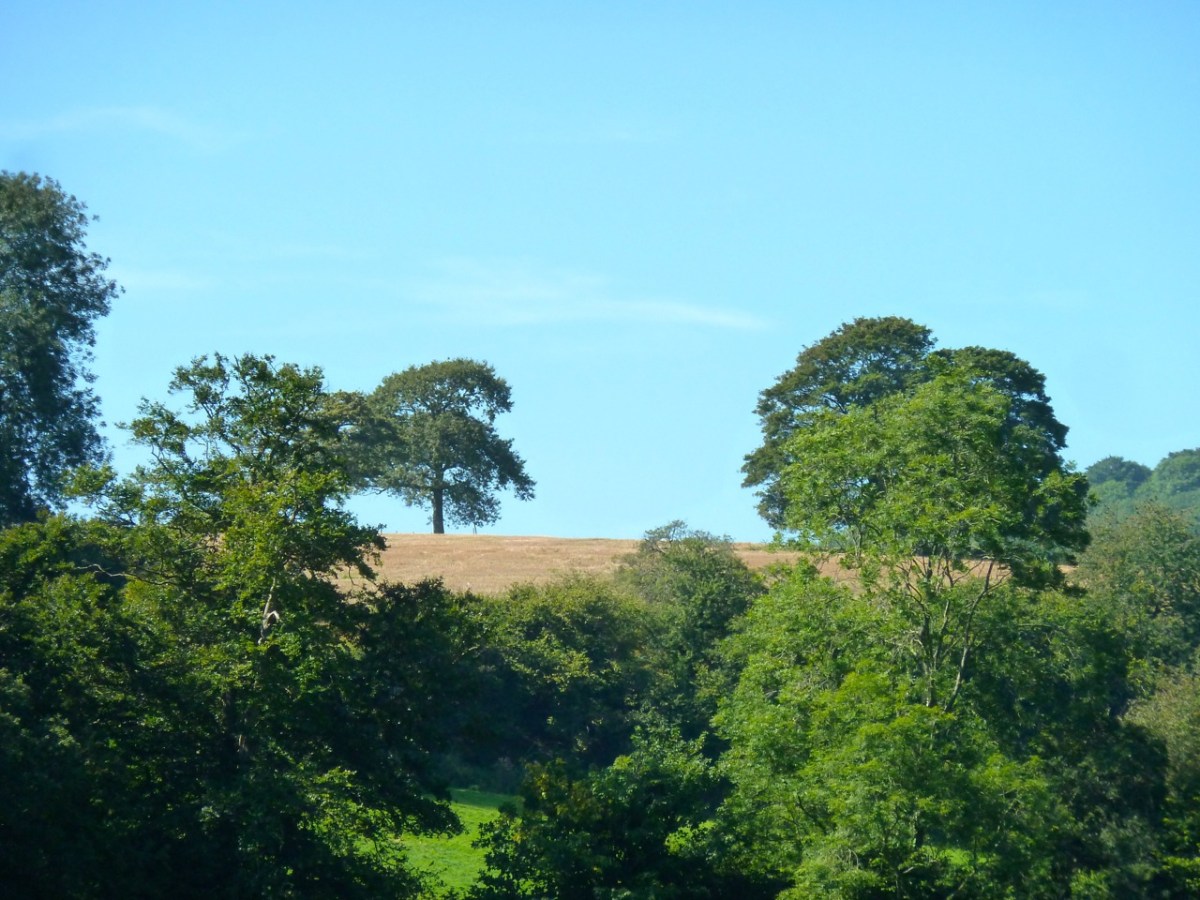
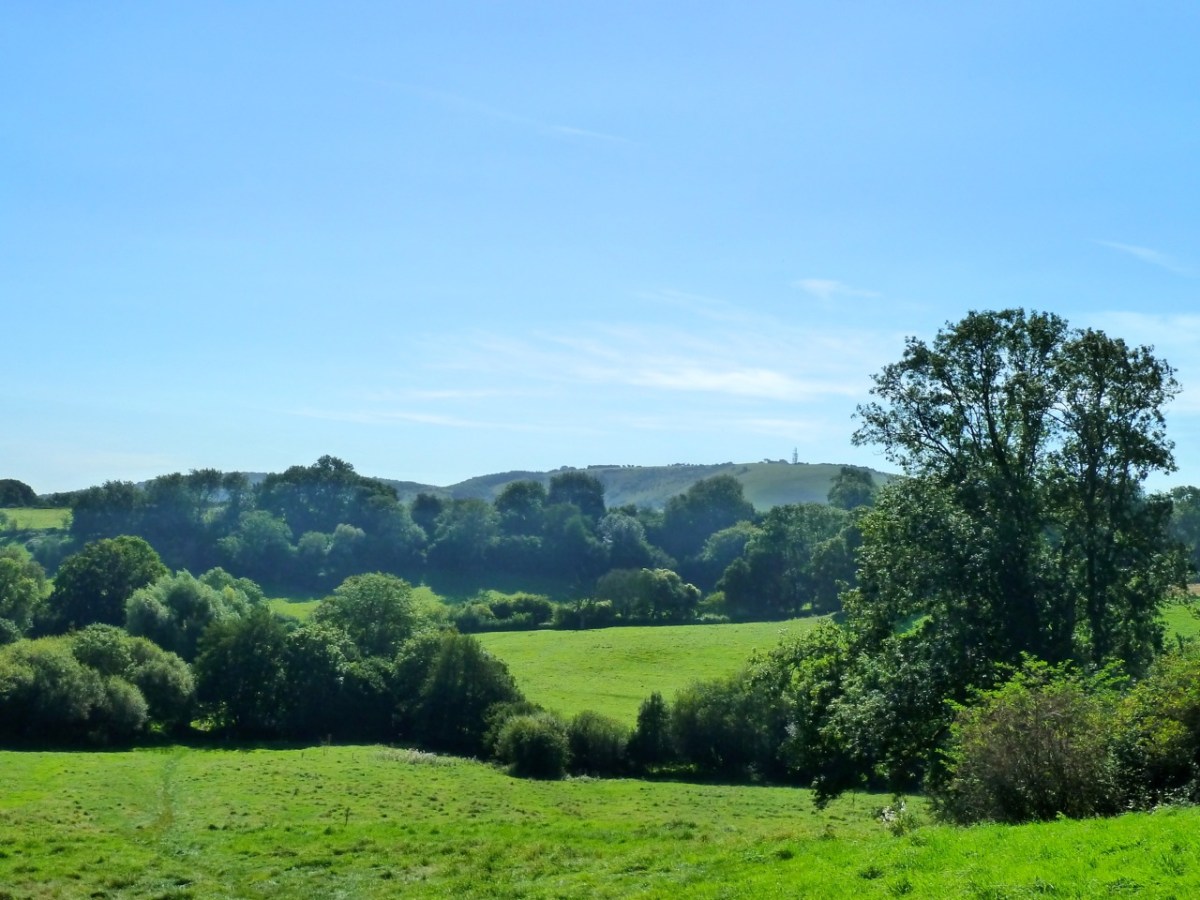
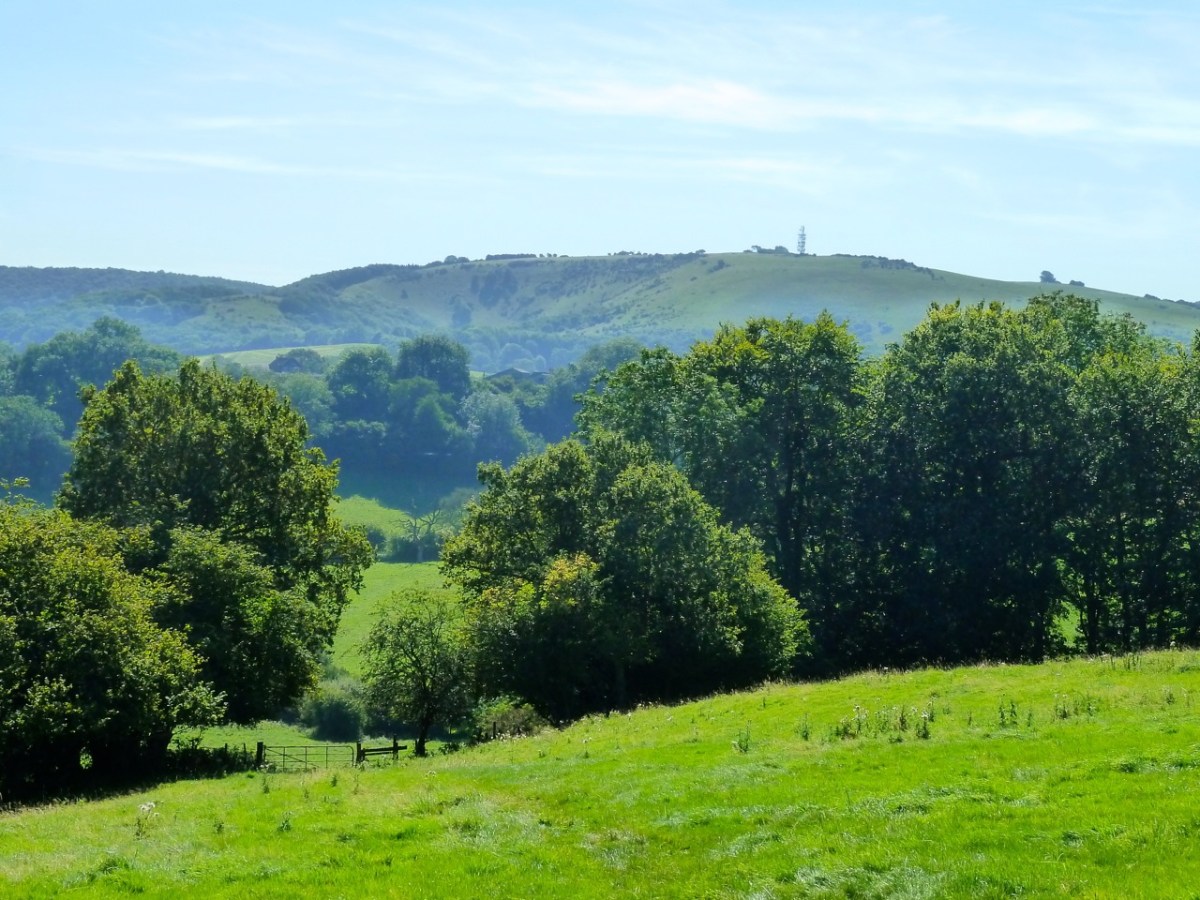
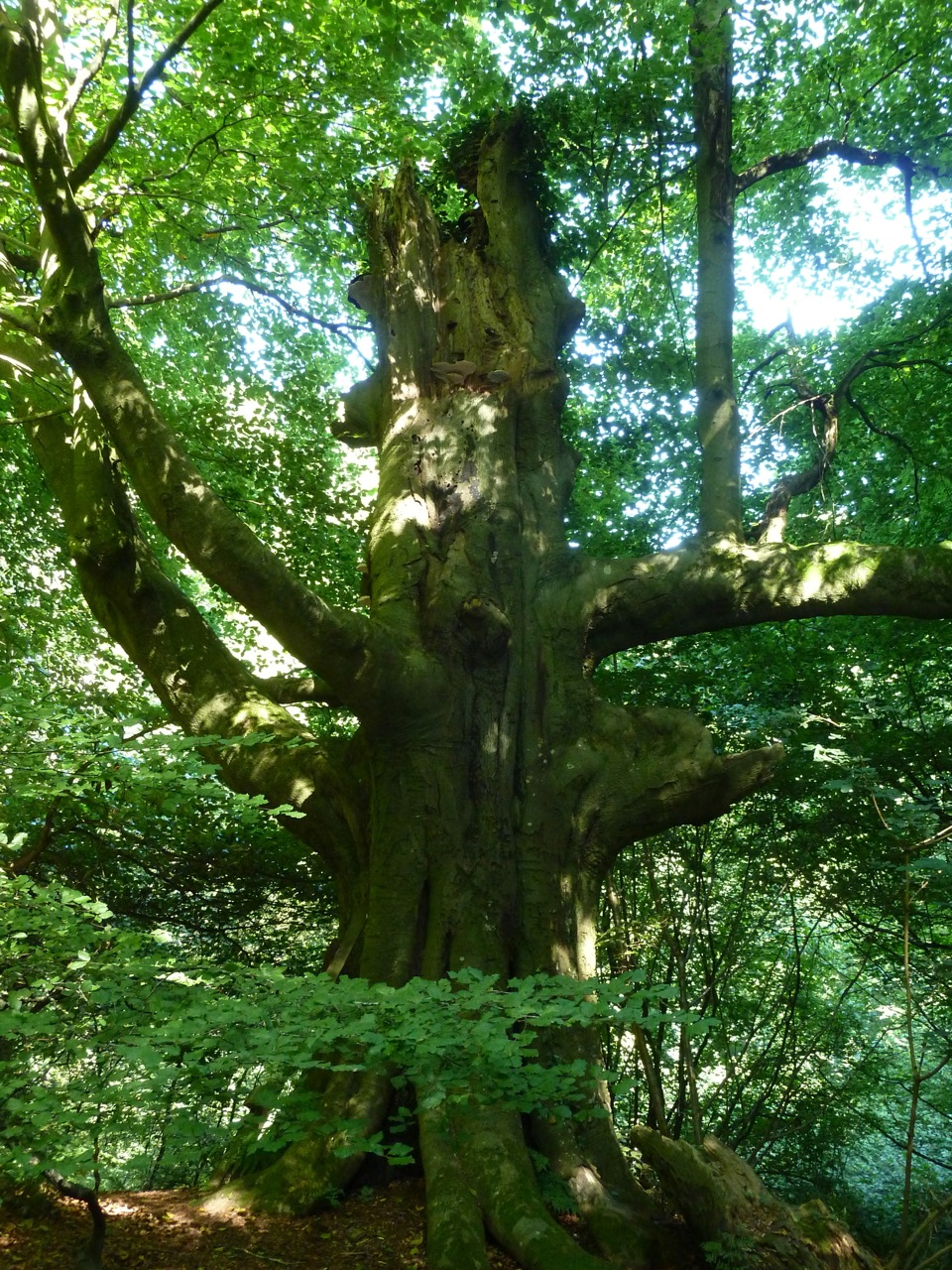
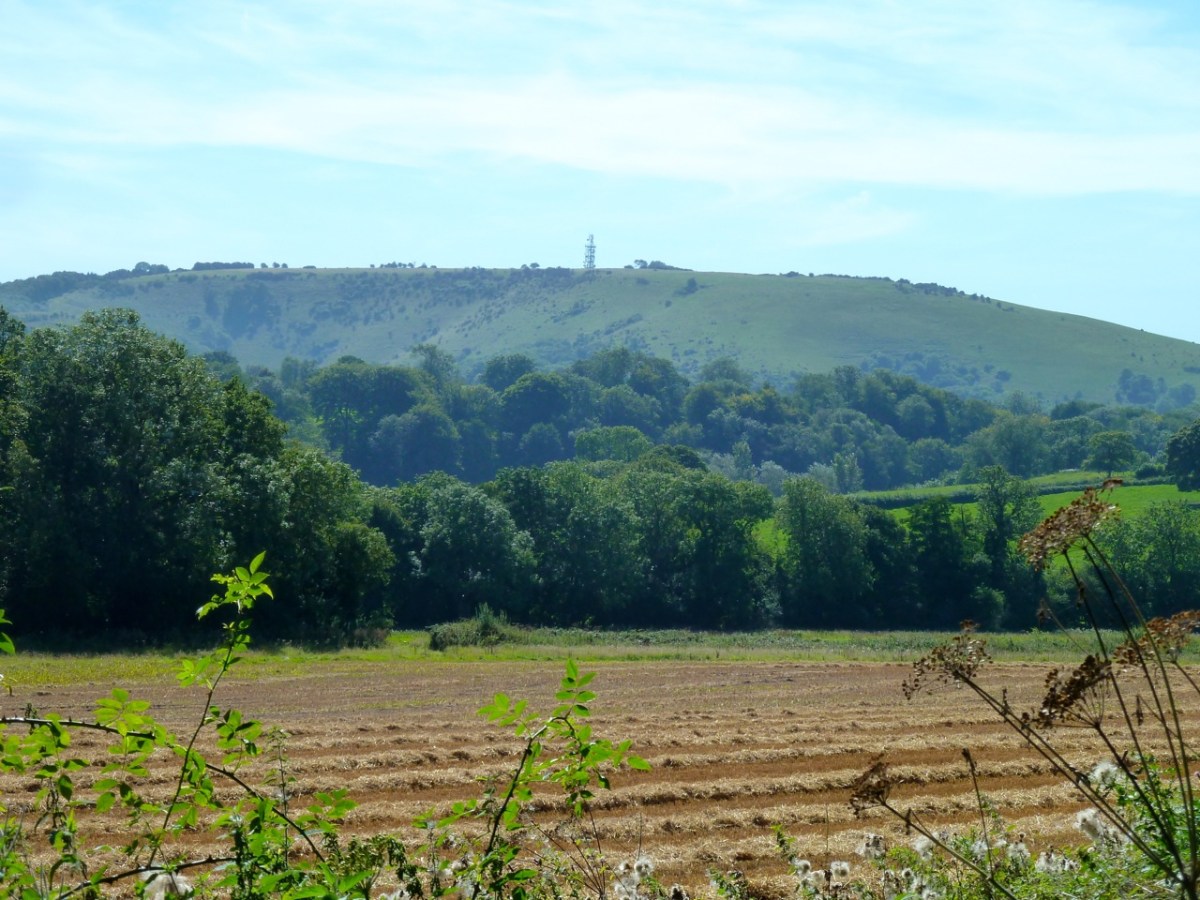
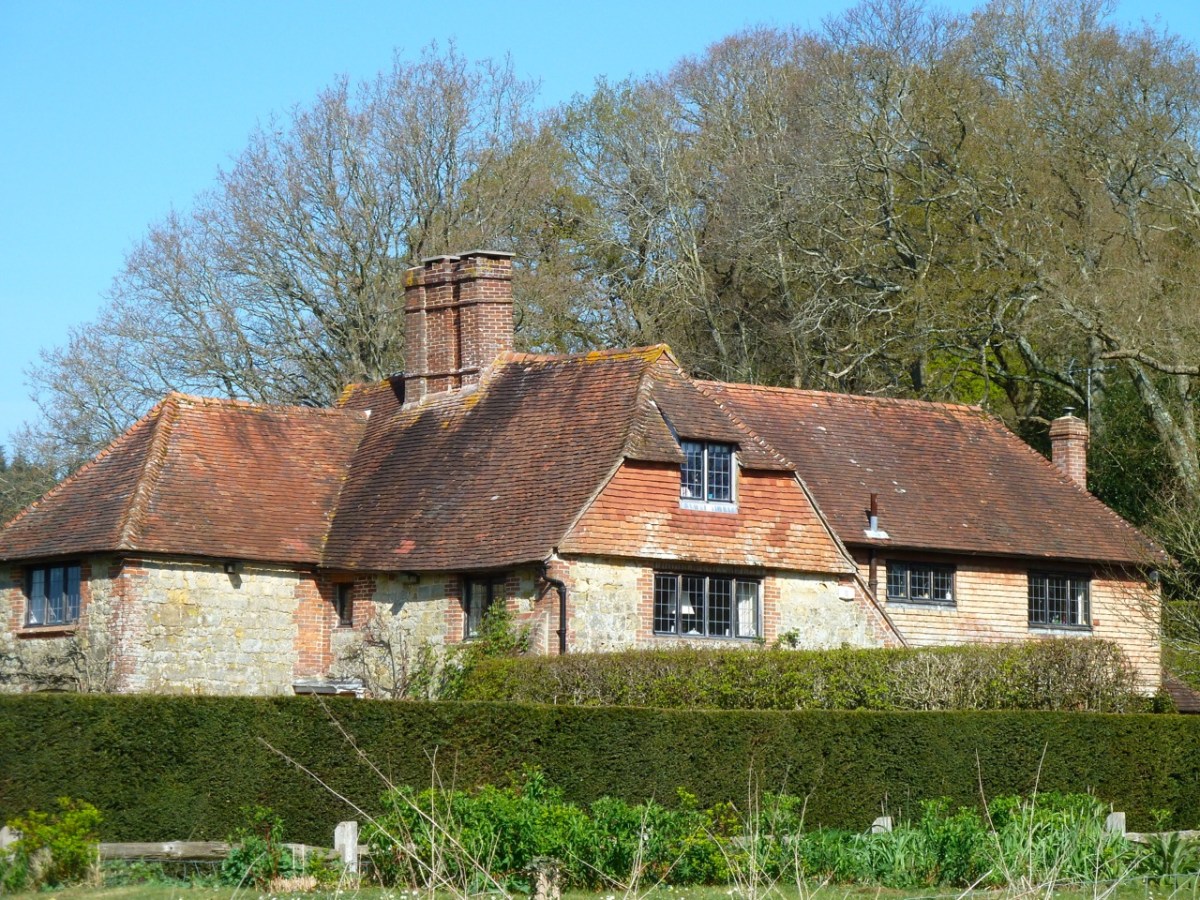
Wanting to explore the area to the north of Butser Hill, east of East Meon, south of Stroud, we parked in the small Hampshire village of Ramsdean. The area is more varied than is often found around the South Downs, with small streams, undulating countryside and ancient lanes between meadows and copses. The track from Ramsdean to Stroud (pr. strood) is a delight, with warn stone underfoot and steep banks up to beeches overhanging the path. Very hobbit-like. We turned north off the track towards Langrish, up through meadows with great views of Butser Hill behind us. Then down through Mustercoombe Copse almost as far as Stroud, meeting a herd of cows, both curious and literally shit scared of us. Then it was back onto the ancient track to the village with its cottages and farms.








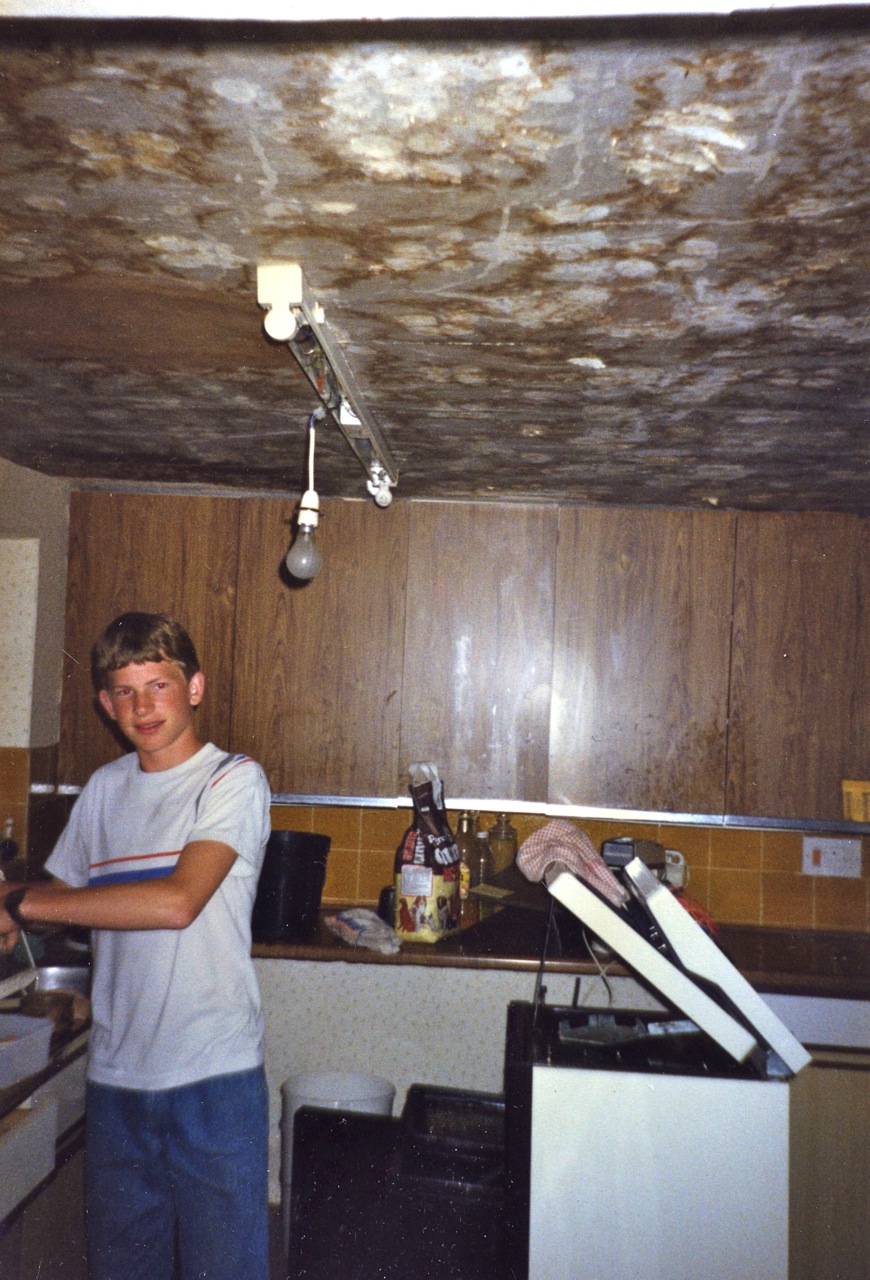
Here I am, aged 15, in our wrecked kitchen in Broughton Gifford. While camping in north Wales we were visited by a policeman who had tracked us down to our pre-mobile phone camping idyl to tell us that neighbours had reported water streaming down the outside of our house. Holiday aborted, we returned to a very sodden home. A pipe had burst in the attic. We dragged everything outside to dry and salvage what we could. Cue total refit for most rooms and the ill-advised allowing us to choose our own decor for bedrooms – diagonal red stripes, walls and carpet for me!
Brockwood Park School Pavilions Project, a set on Flickr.
With the recent visit of International Trustees, I was able to enter the site for the first time since January. The roof tiles and weatherboards are being put in place and all the of insulation has been pumped in. Wet paper pulp for the walls. A change to the original design are several mezzanine platforms for spare beds and home workspace.
The Vyne, a set on Flickr.
Photos of the interior and exterior of The Vyne, a National Trust Property near Basingstoke in Hampshire. There are many statues inside, and some freaky paintings. It was a relief to get outside away from the oppressive panelled rooms and into the grounds and woodland. I did like the Staircase Hall and the surprisingly simple bedrooms
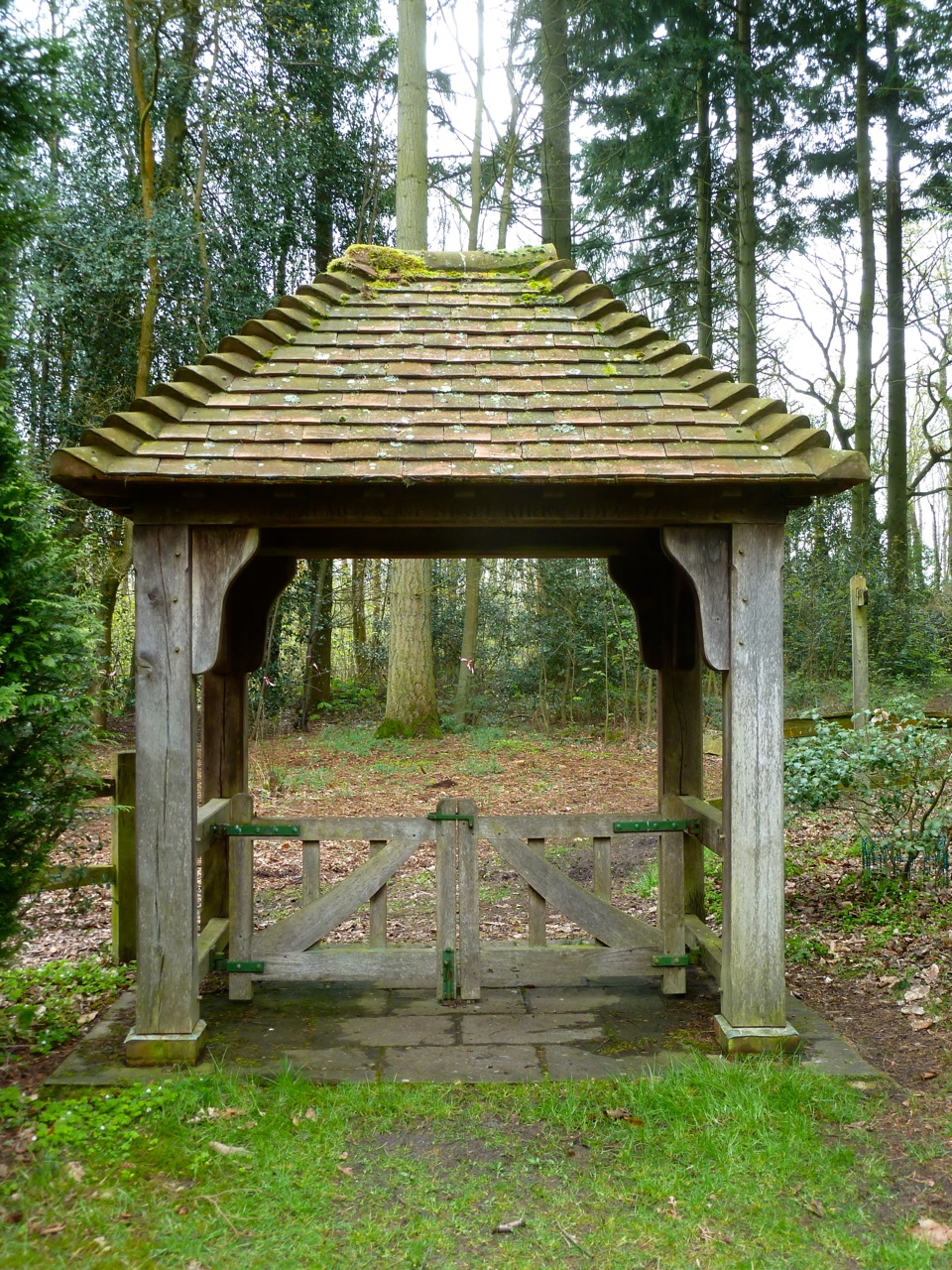
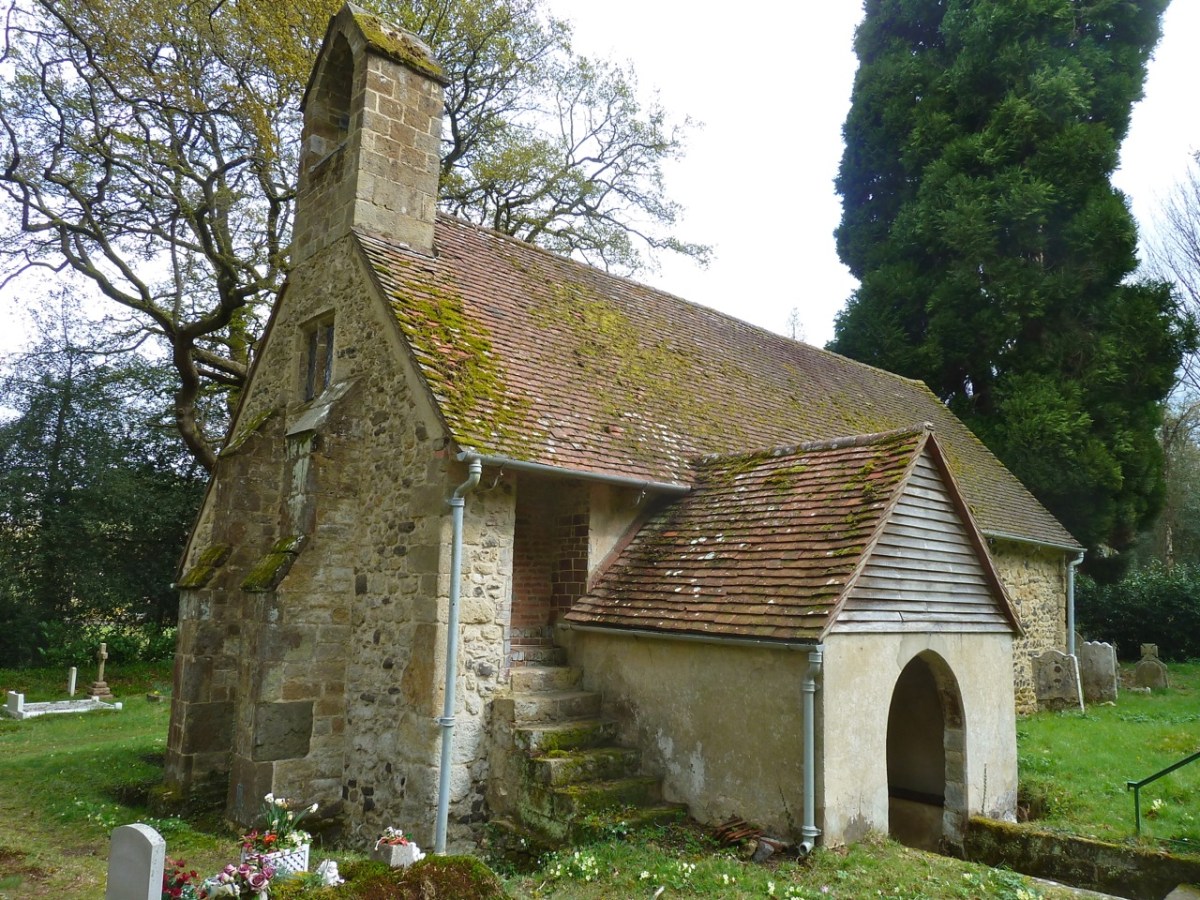
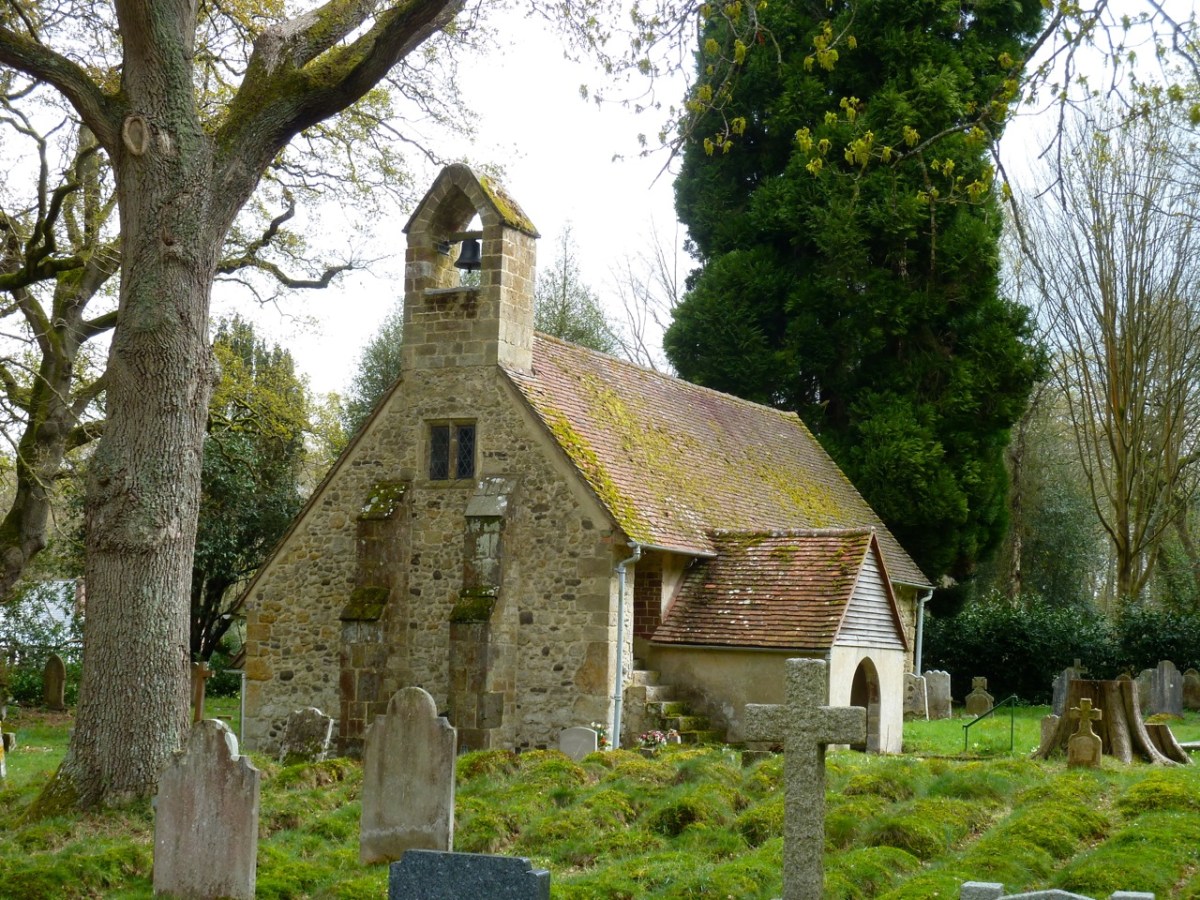
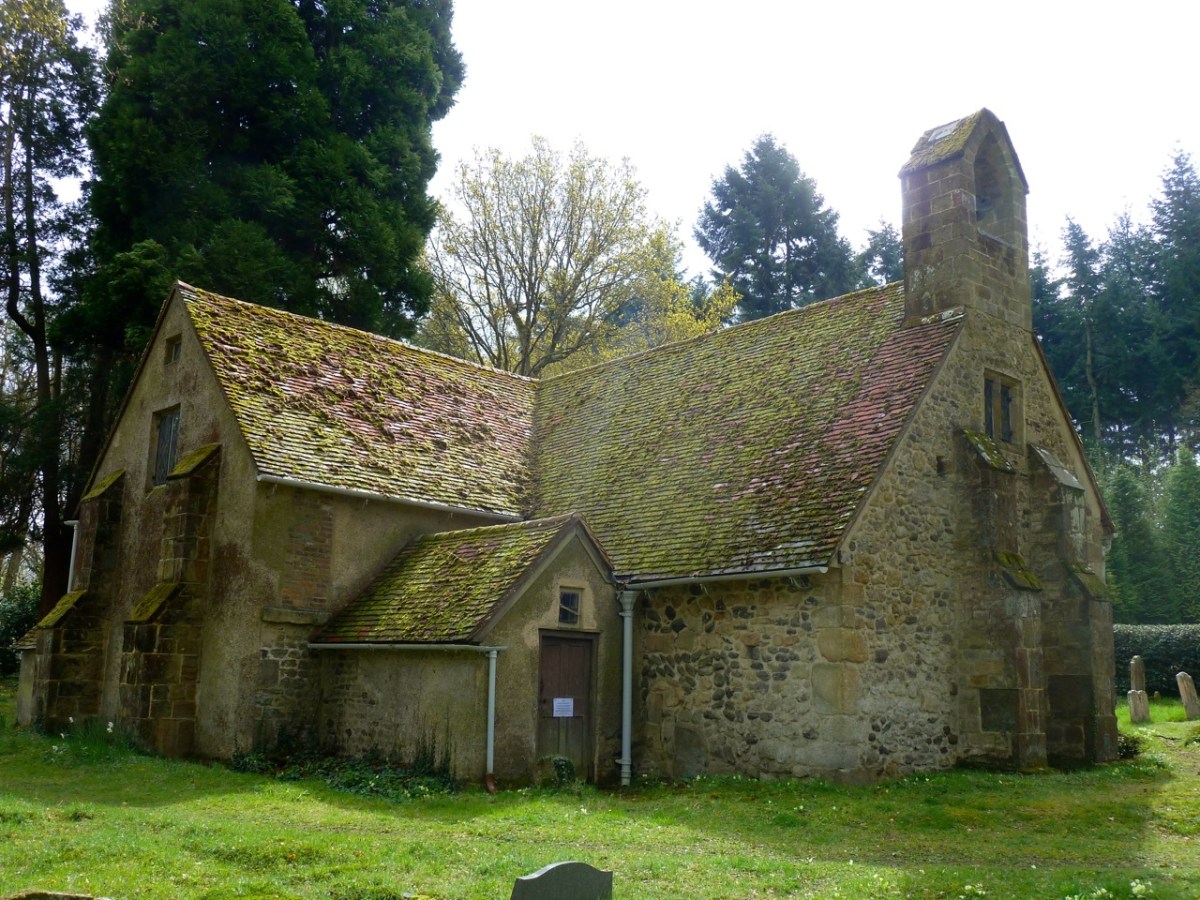
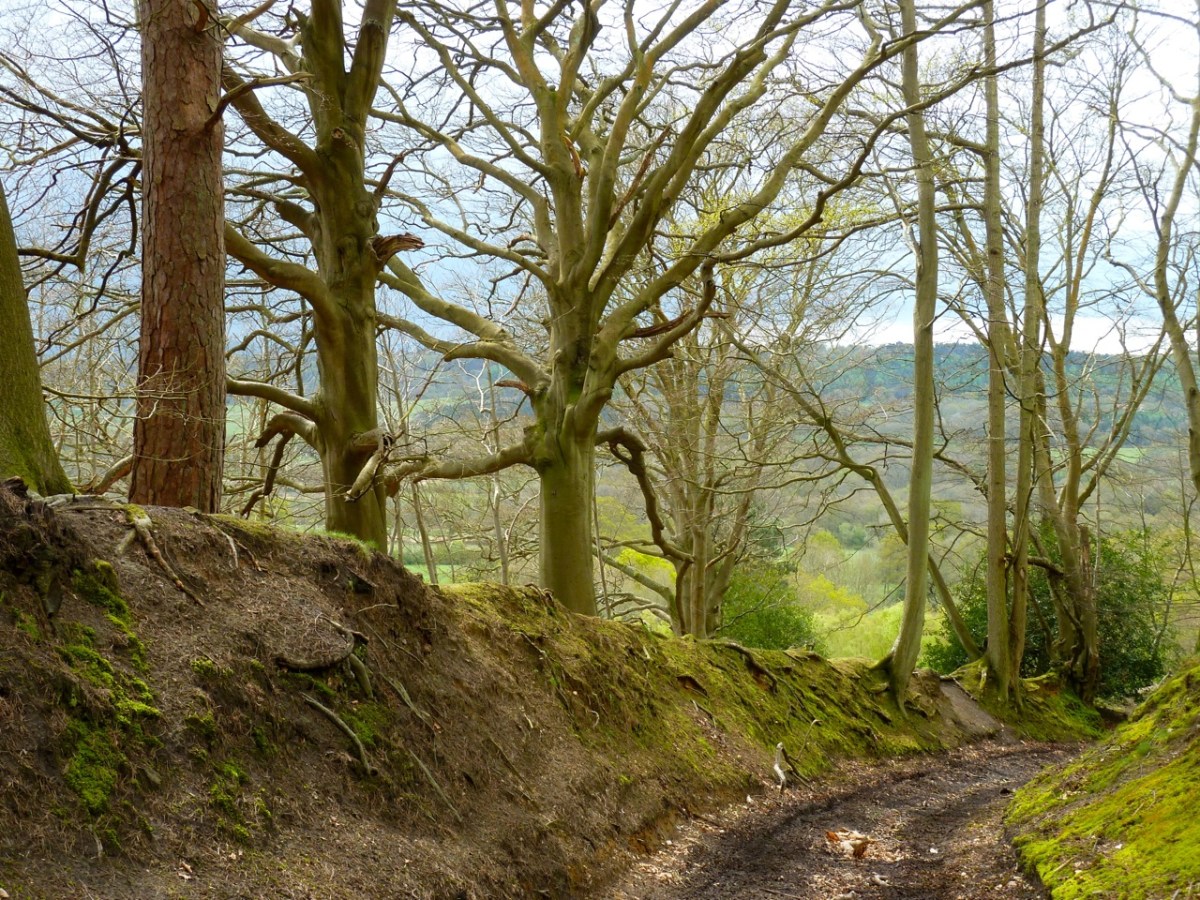
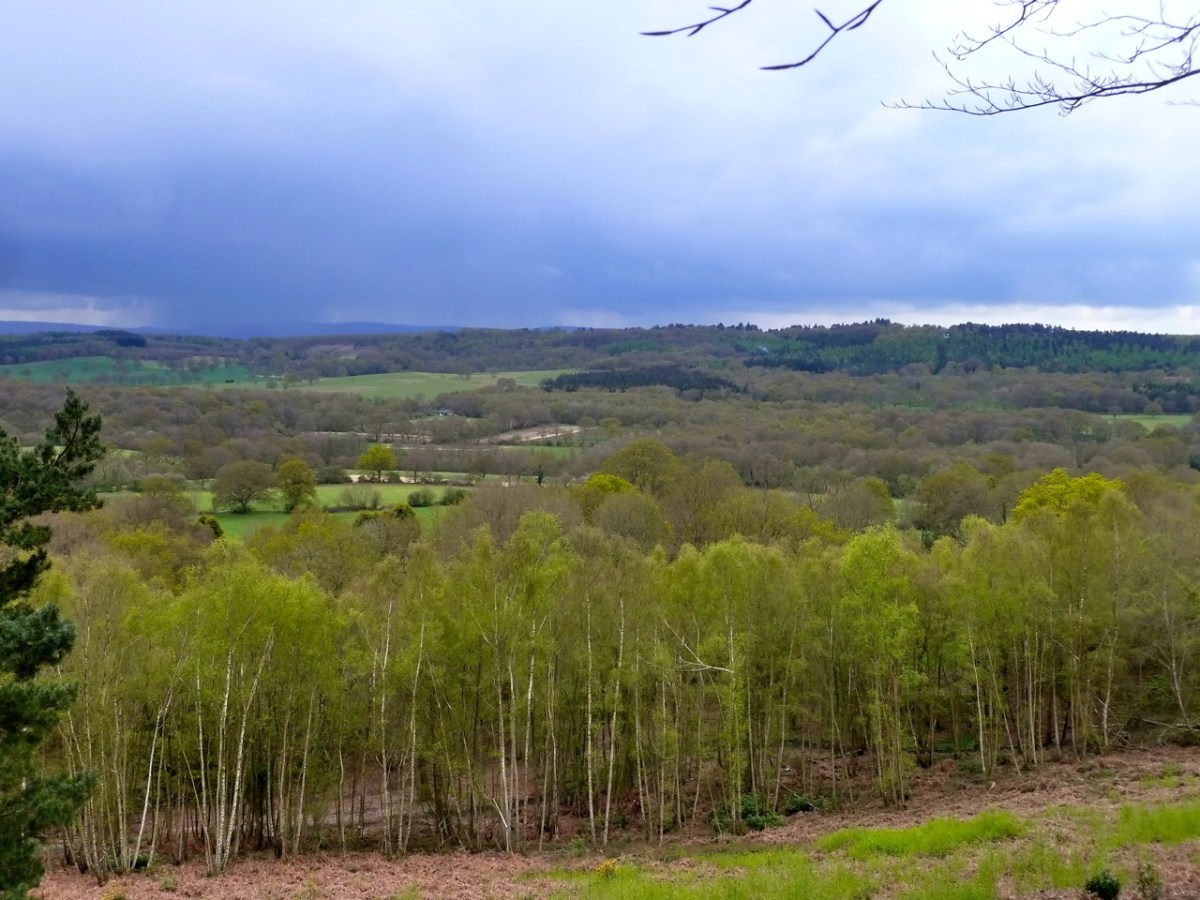
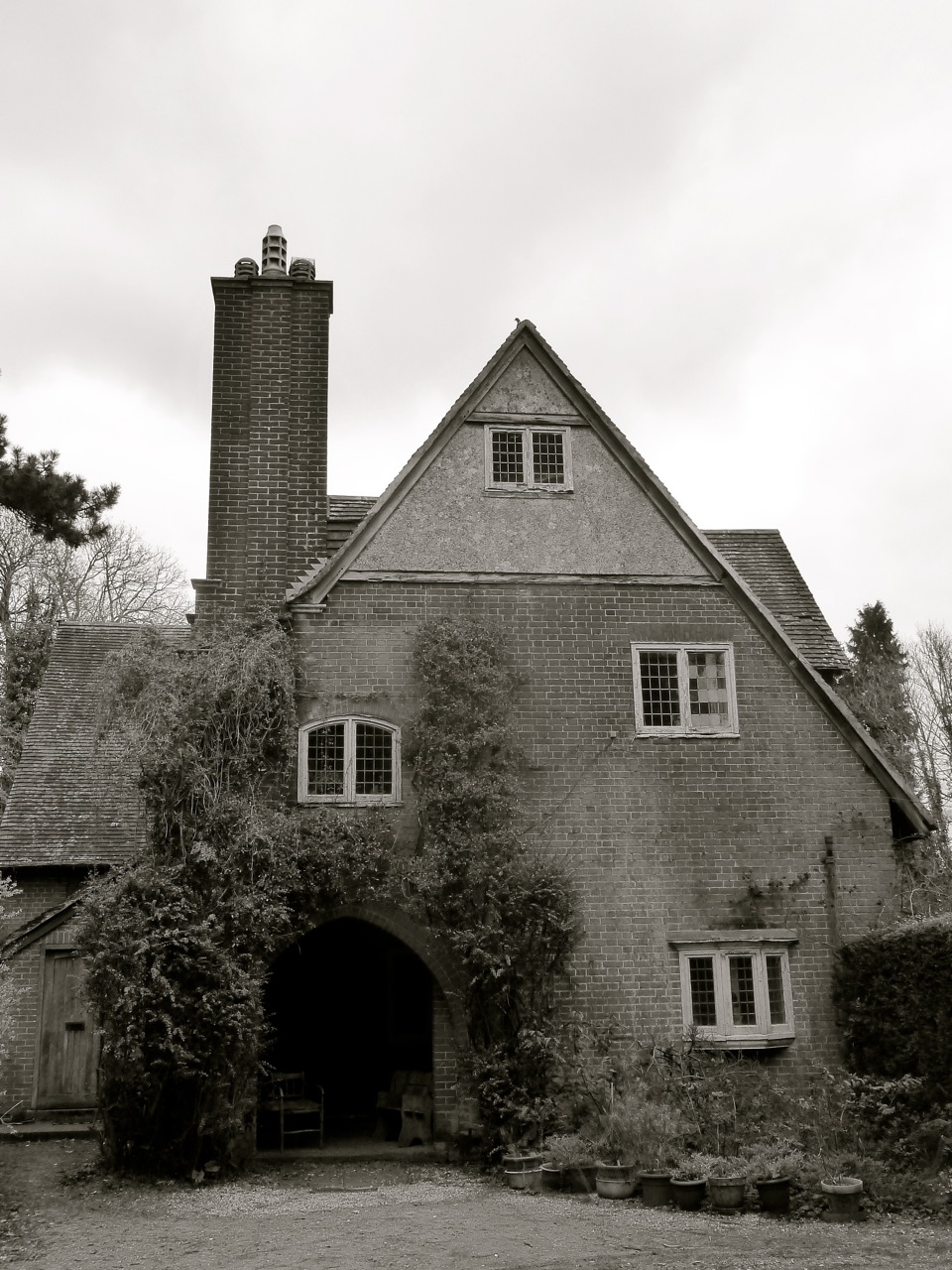
As soon as one crosses from Hampshire to West Sussex things turn a little bit odd, a little bit spooky, a little bit weird. I don’t know why. This is completely unfounded but I feel it every time. It’s fun to go over the border and explore a little into this wigglier county. Today we went to Maysleith, which isn’t really a place but there’s a wood and a hanger and an old house. It’s near the villages of Milland and Rake. We parked near Combeland Farm and walked north east underneath Maysleith Wood and then Maysleith Hanger, past Maysleith House (C17). Then a steep climb of path and stone steps up to the top of the hill. Soon we were in the churchyard of St Lukes church (Milland and Rake parishes). Unusually there is also a chapel in the same grounds. Tuxlith chapel was built in the 16th Century but there was probably something older on the site. Around it and the church were many rather bumpy graves, each with its own spongy mound. Some of the headstones were headirons, rusty and so very Victorian. The path took us through the woods near the old A3 then down through moss-banked tracks and to the start on Canhouse Lane.
Here’s some of what we saw:








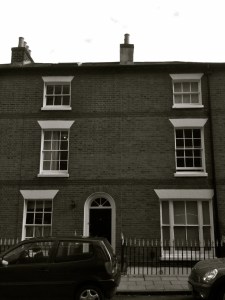
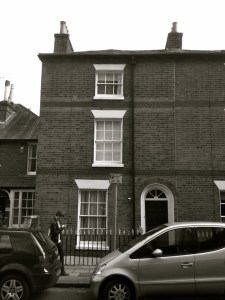
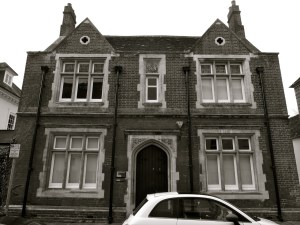
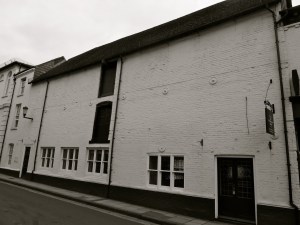
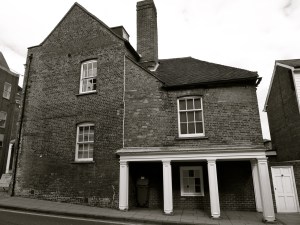
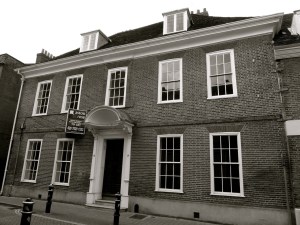
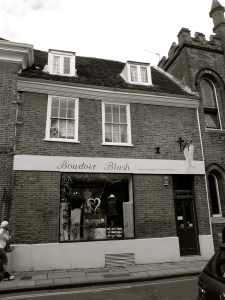
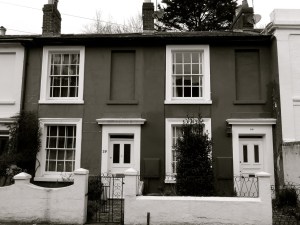
Petersfield is a market town 18 miles north of Portsmouth and about 20 miles east of Winchester. Today I explored the eastern side of the town centre from the old college in College St, past the western end of the High Street onto Dragon Street and further east into Sussex Road which leads to the heath. Most of the listed buildings here are C17 and C18, with some C16 and C19. Many have older sections behind the newer facades, evidenced by the uneven roofs. Compared to Winchester, the increased amount of space for building is apparent, with many of only two stories. Petersfield grew as a coach stop on the Portsmouth-London route and due to its market. The Red Lion is a large in on this historic route. The pictures below are all of Grade II buildings, with the exception of Dragon House and Heath Lodge, both II*. Pictured first, my favourites today are Fir Cottage, The Masonic Hall, and 24/26 Dragon St. I am grateful to the owner of Wych Elm Cottage for allowing me onto her property to take that photograph.
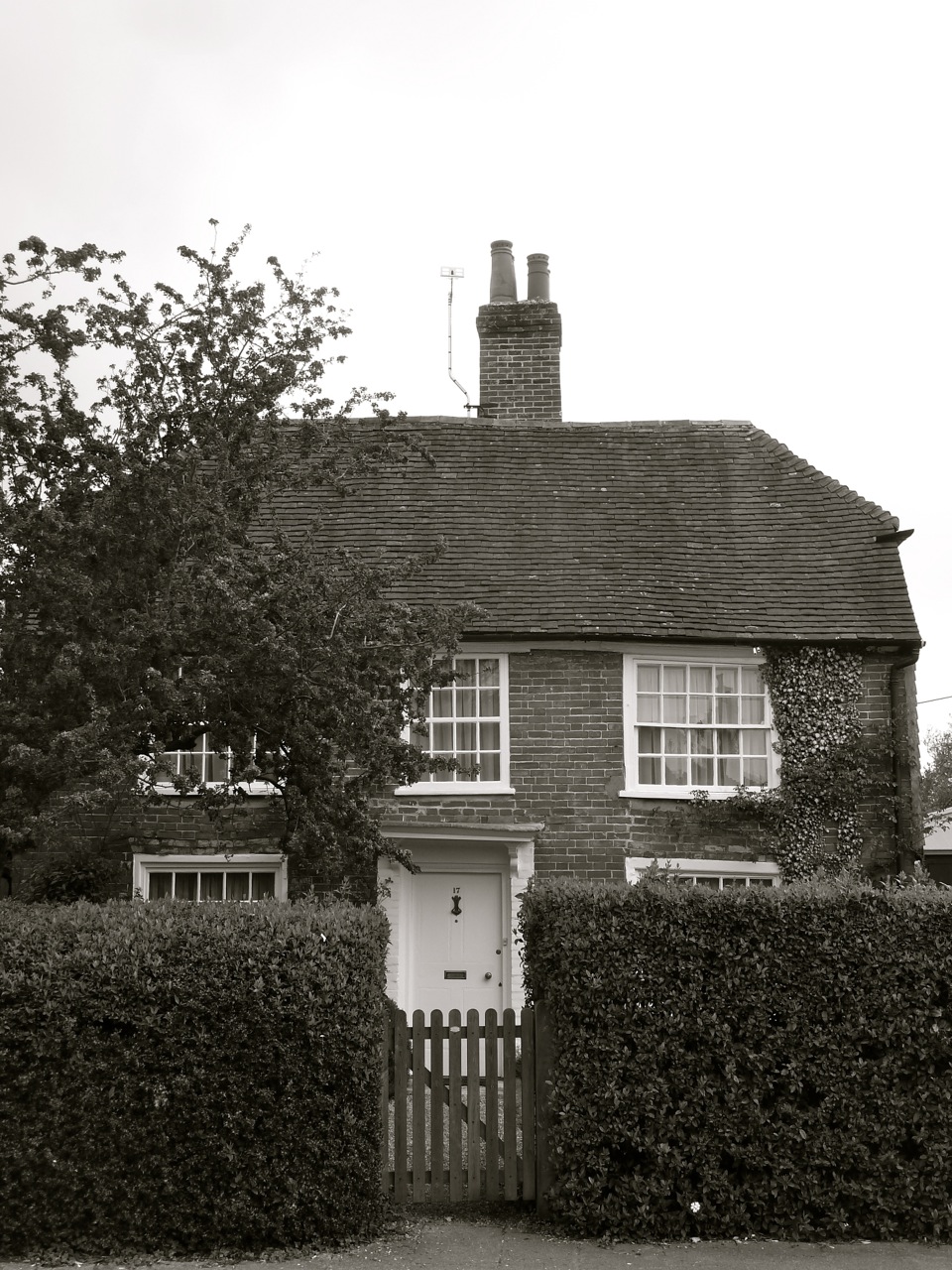


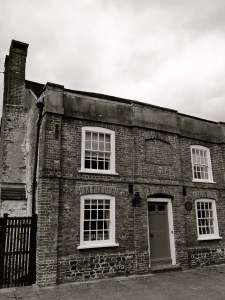


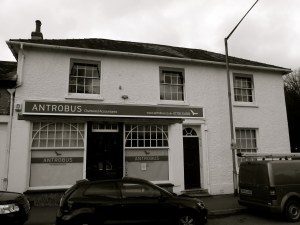


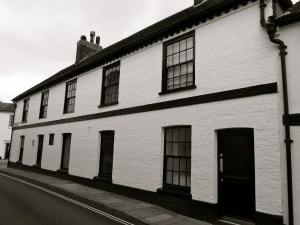
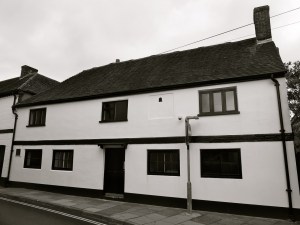
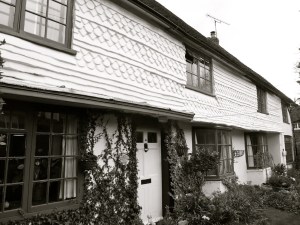
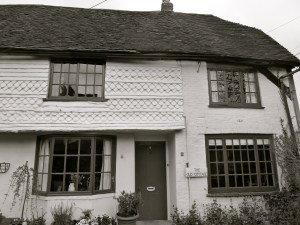

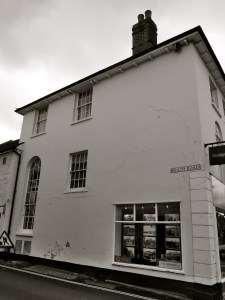
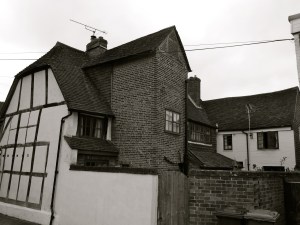

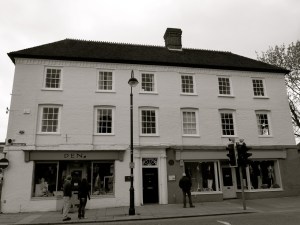


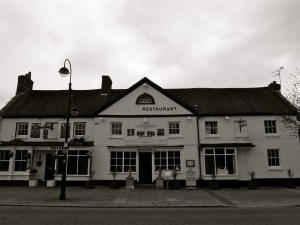


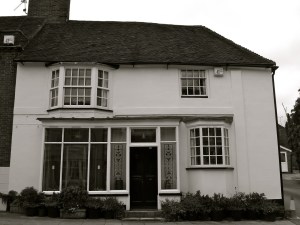

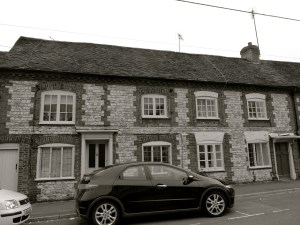
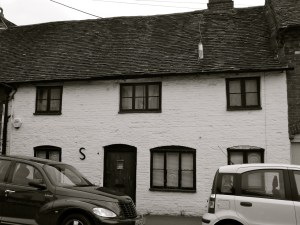
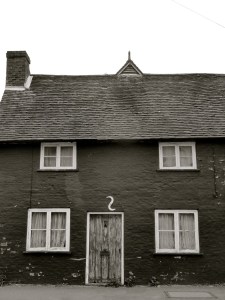

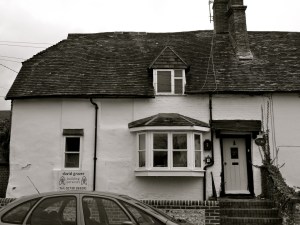

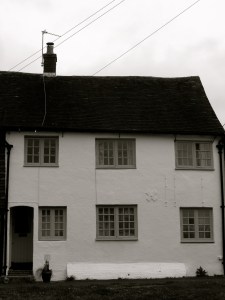


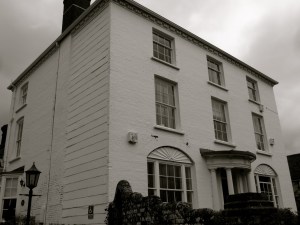
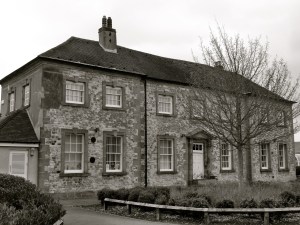
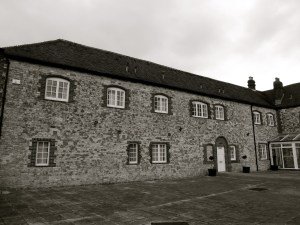

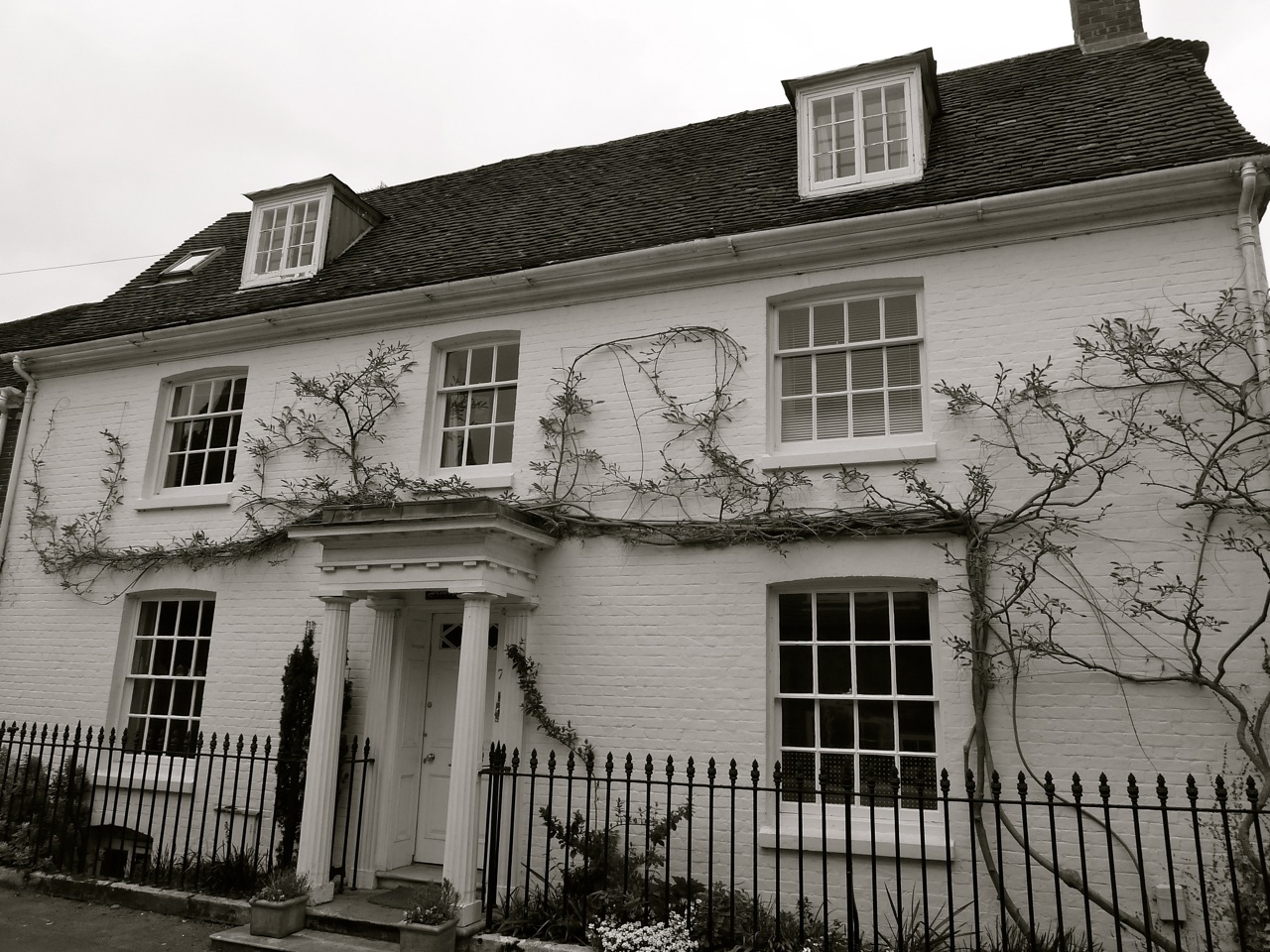
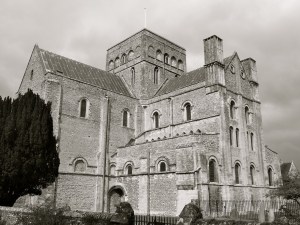
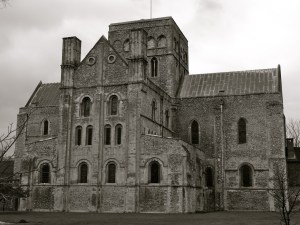
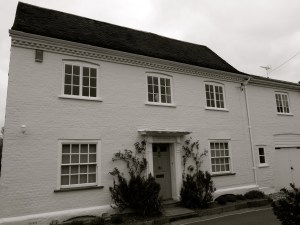
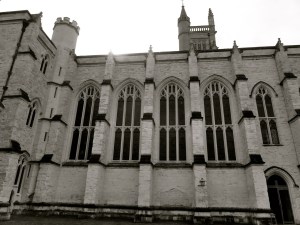
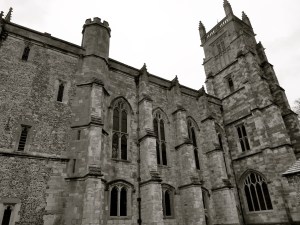
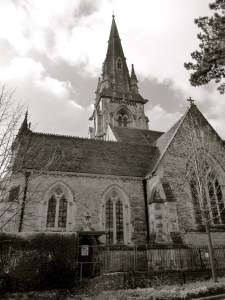
Is St Cross a Winchester suburb or is it a village? St Cross is one mile south of central Winchester next to the meadows of the Itchen, underneath St Catherine’s Hill. Away from the main road there is the feel of a village, in the Back Street and around the medieval Hospital founded in 1130, along with some old cottages. On the busy St Cross Road it’s very much part of the city, with groups of C18 and C19 town houses, Georgian and Regency. The group of buildings of the hospital is described in the Listed Buildings section of English Heritage as “One of the most beautiful groups of buildings in the country”
Favourites today are 6, 7 and 10 St Cross Back Street, and of course the mini-cathedral of St Cross Church. These are ordered first in the photographs below:
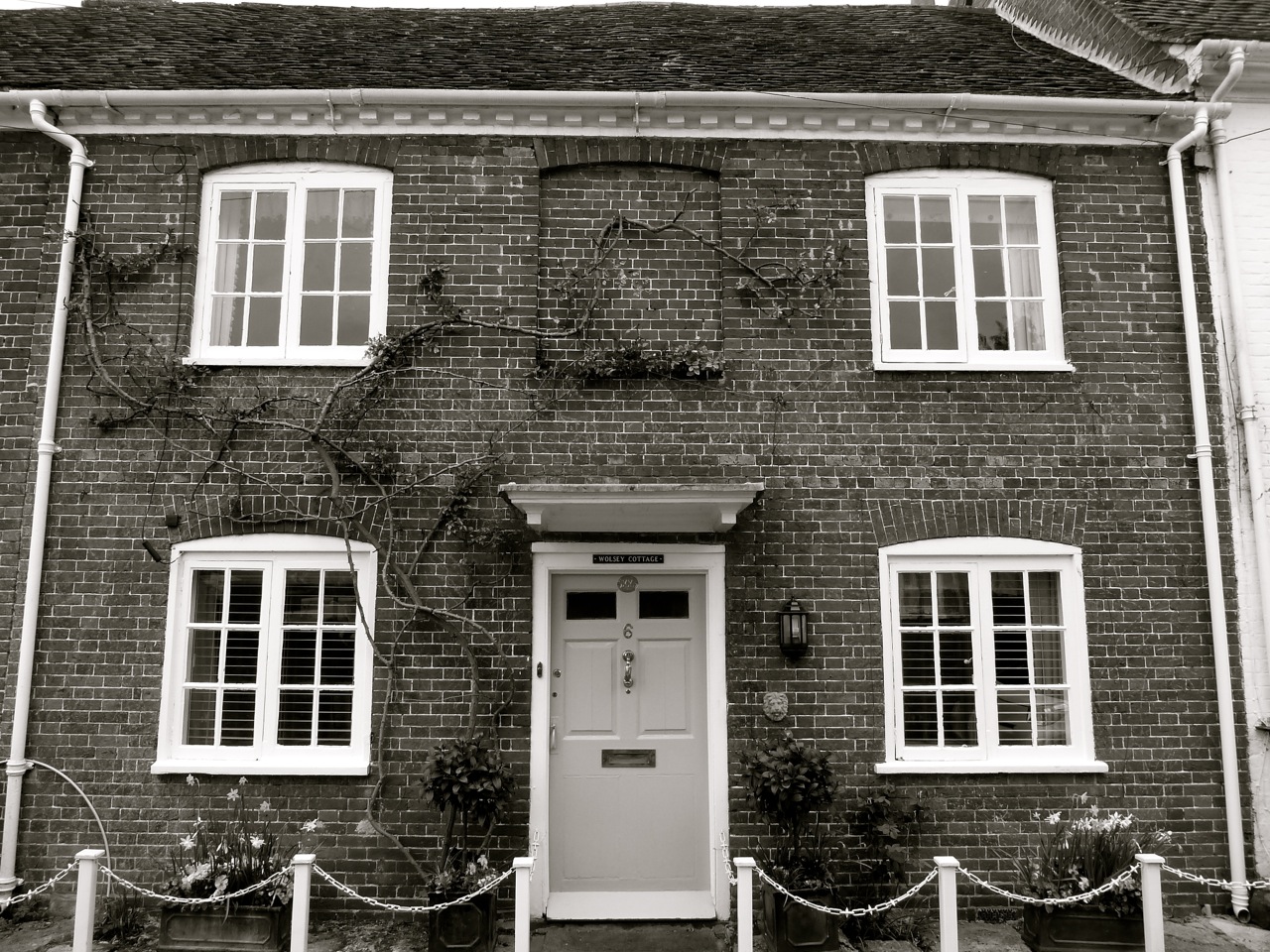





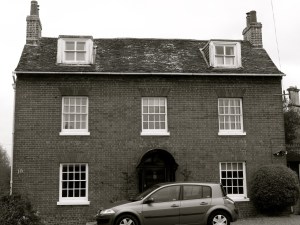


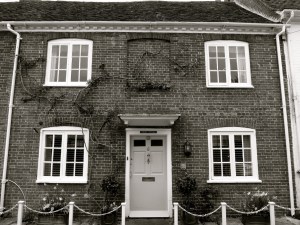


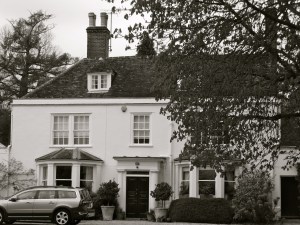

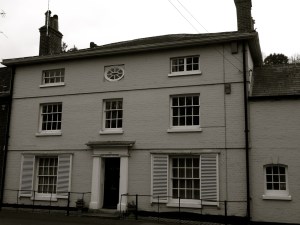
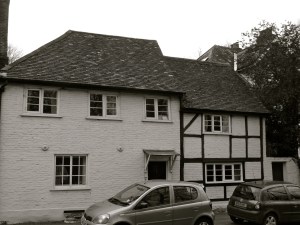
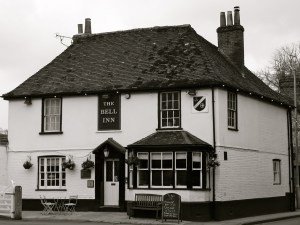
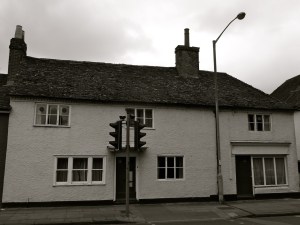


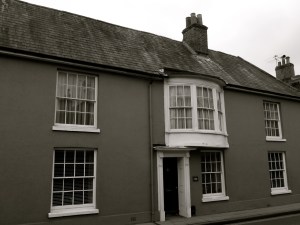

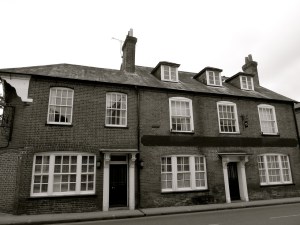

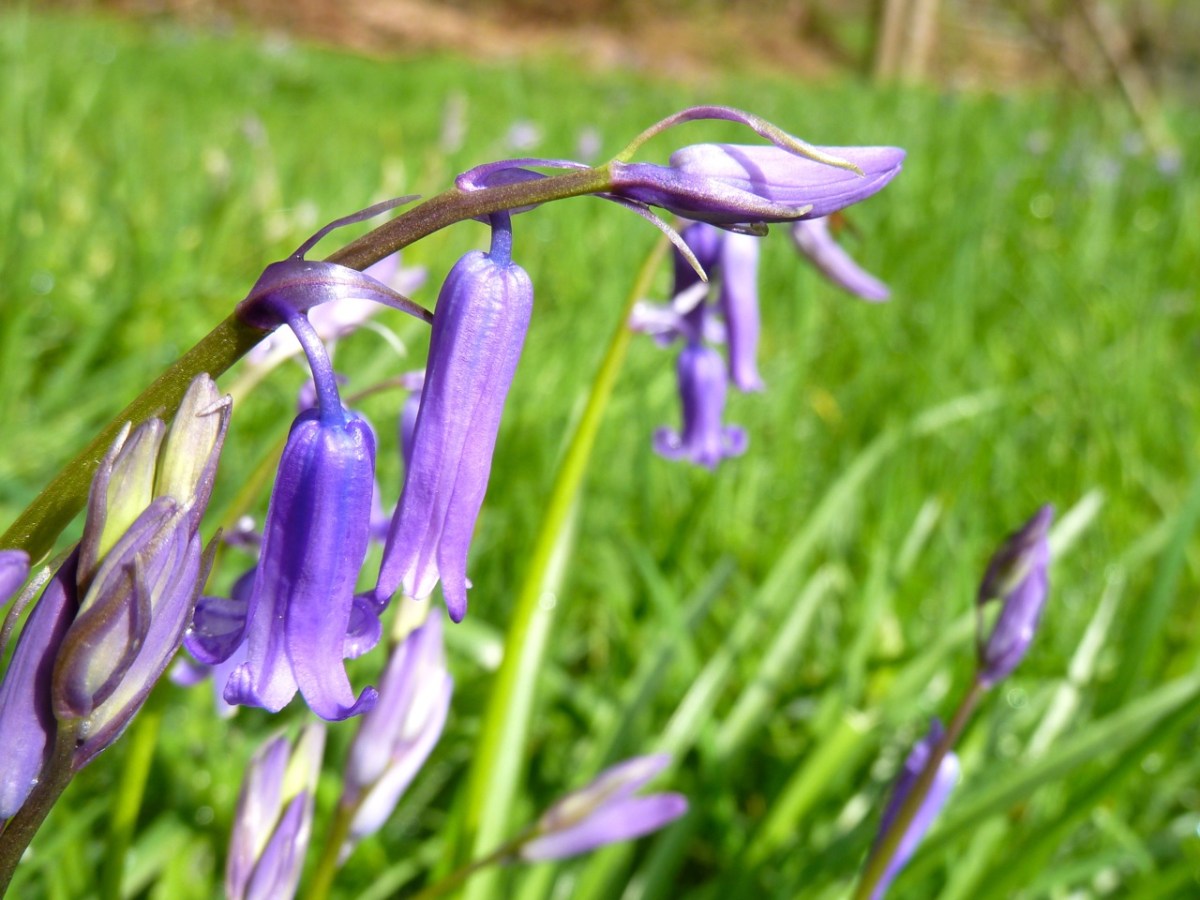
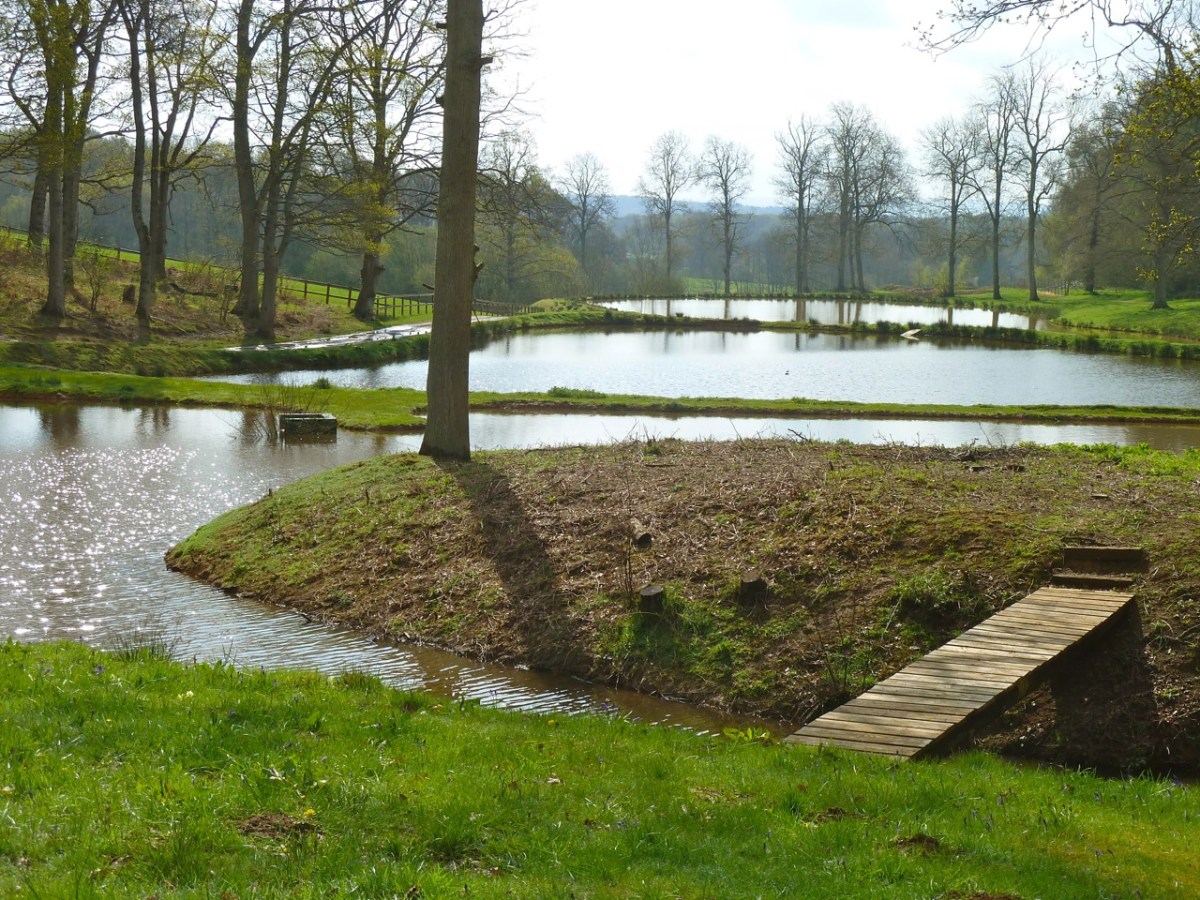
This morning, in the cool spring air, we walked through Durford Wood and part of Rogate Common, just inside West Sussex from Hampshire. Here’s some of what we saw during an hour and a half’s walk over very sandy soil.


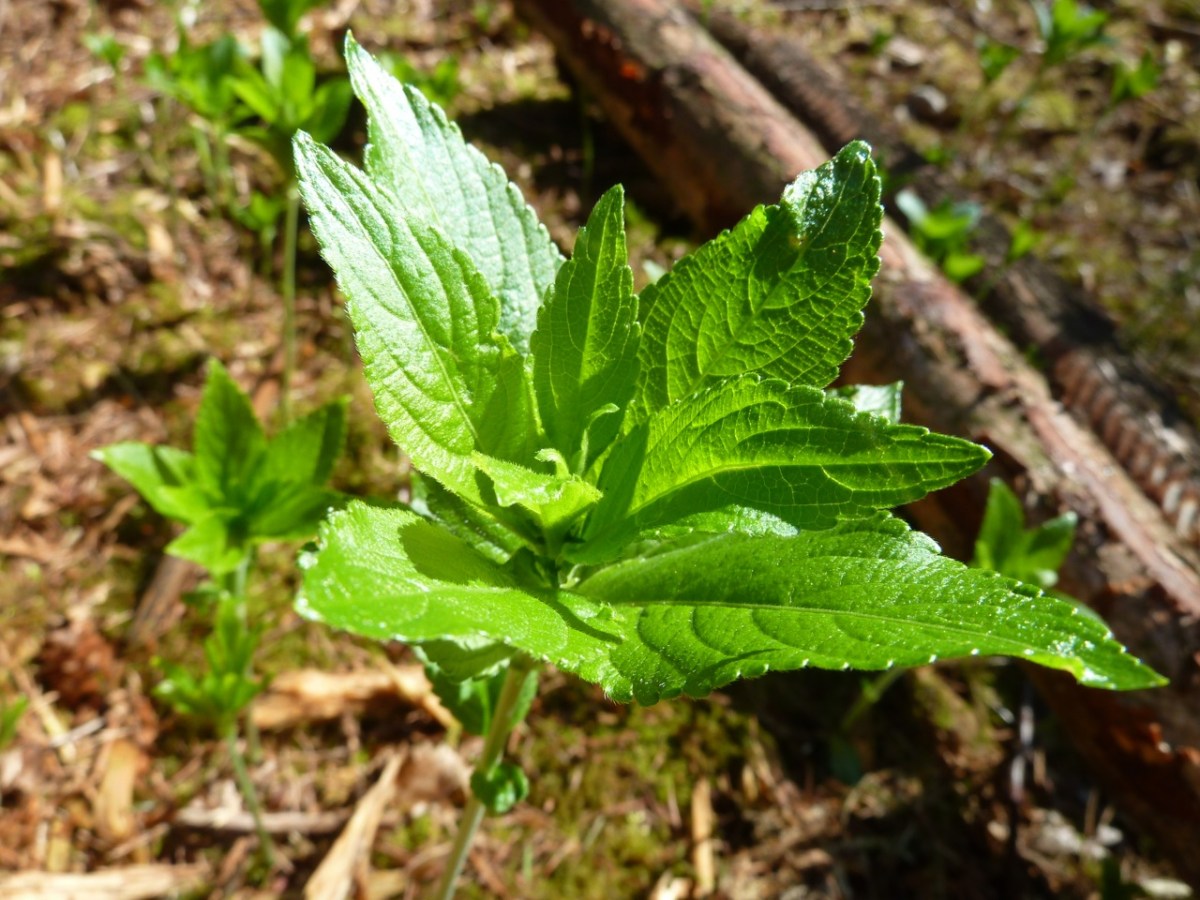
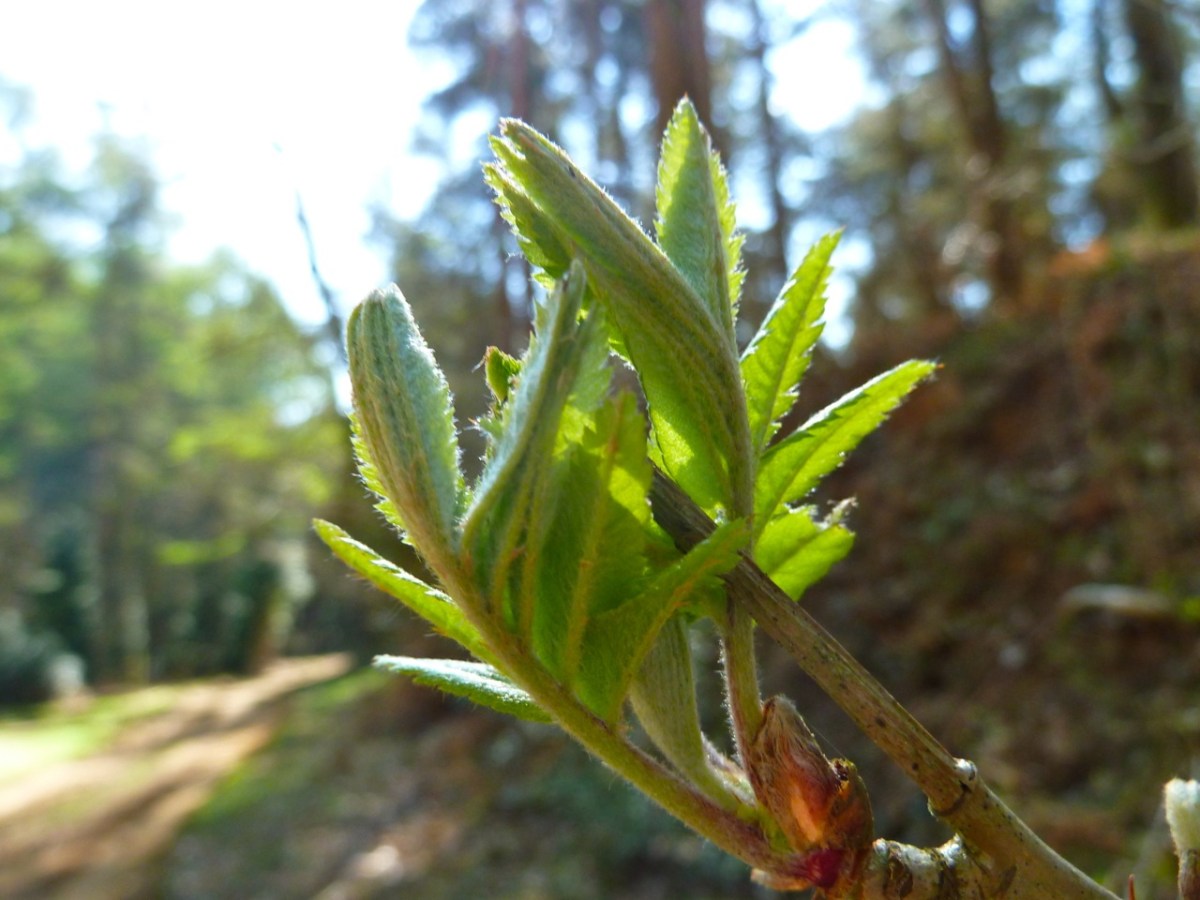


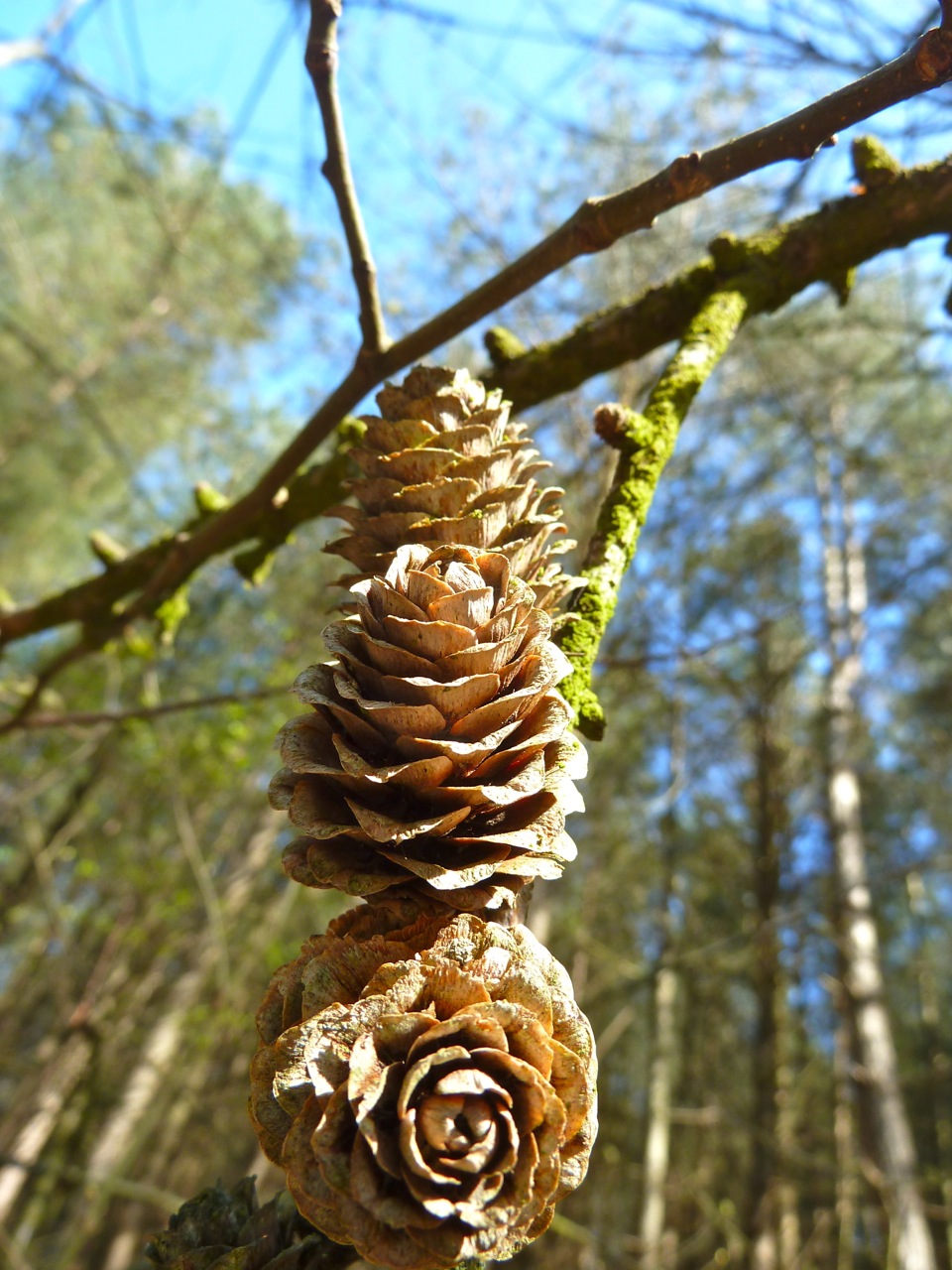






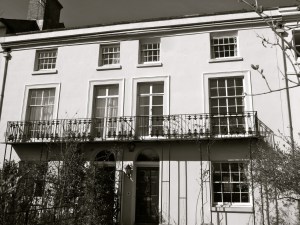
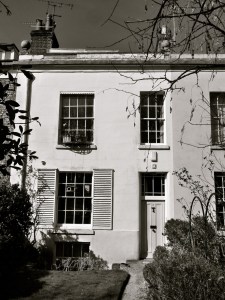
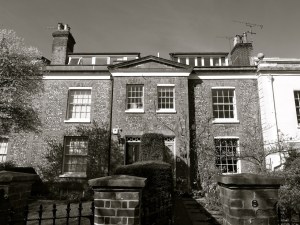
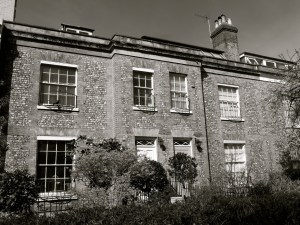
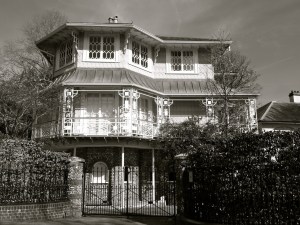
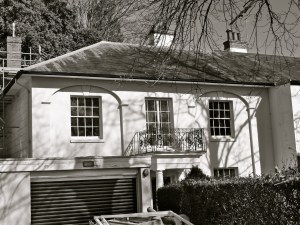
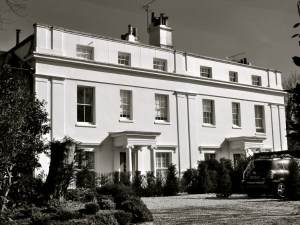
The final collection of listed buildings in Winchester. This set includes the urban eastern end of St James Lane, up onto West Hill, Romsey Road, then Stockbridge Road and Worthy Lane. In the C19 the wealthy of the city built villas and terraces up on the downs to the west, away from the diseases that were plaguing the lower areas. St James Lane is steep and leafy once it leaves St Cross Rd. St James Terrace runs alongside the railway. Further up are Clifton and West End Terraces. To the west are the hospital (note Butterfield Wing), prison, and the university which includes turn of the century (19-20) West Down School buildings. The northern outskirts include some thatched cottages and the old farmhouse of Abbotts Barton – C17 rural architecture in amongst the 70s housing estates.
Favourites in this last set include St James Villas, The Pagoda House and Stapenhill. These are first in the photographs. Click for larger images.


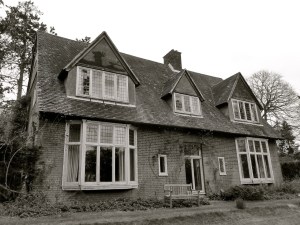
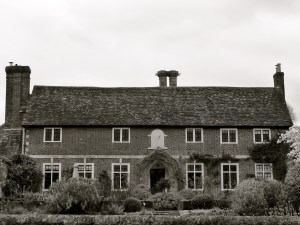
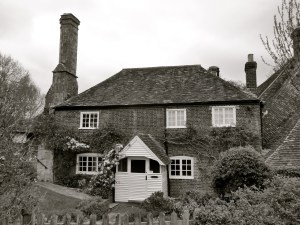
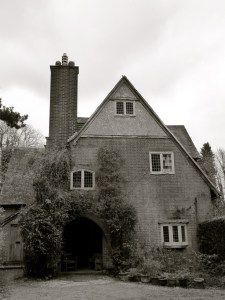


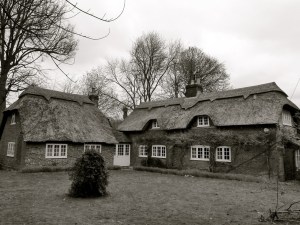

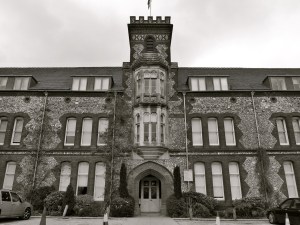
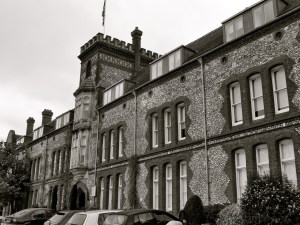
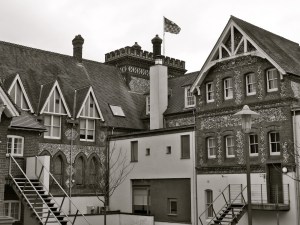
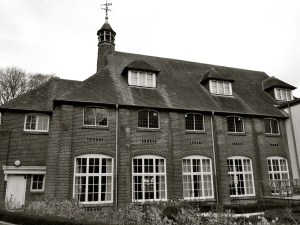

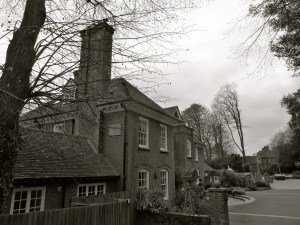
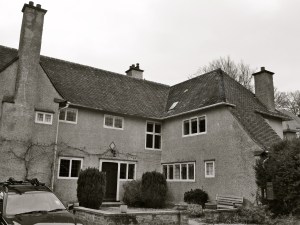


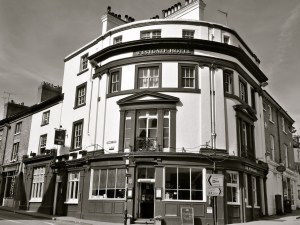

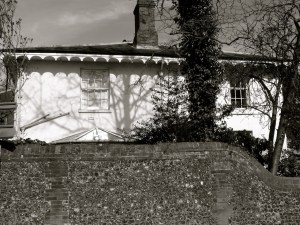
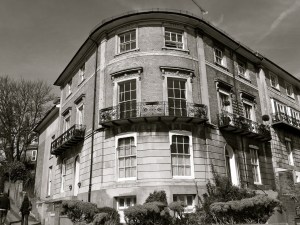

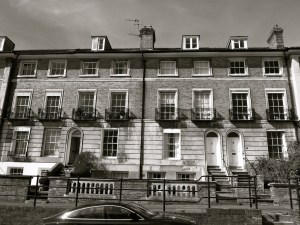


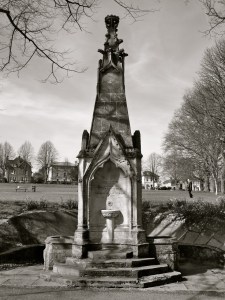
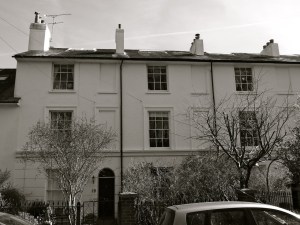
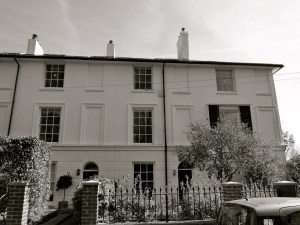


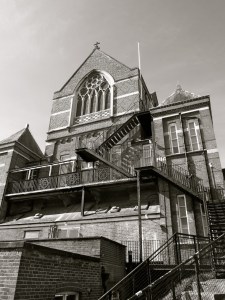
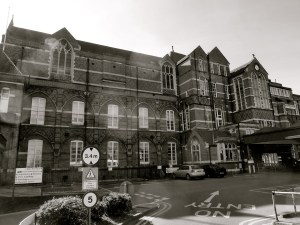
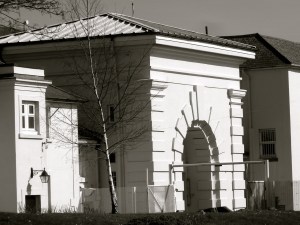









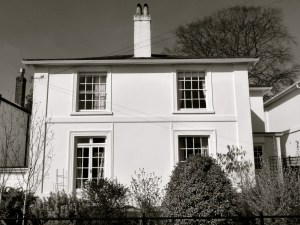
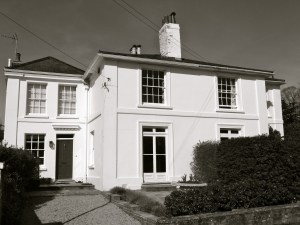
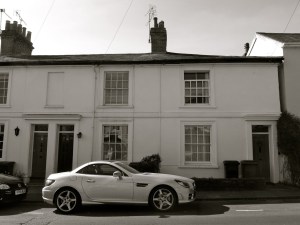
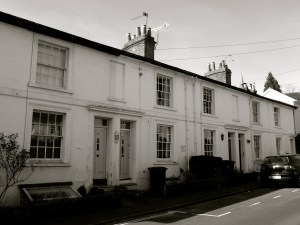
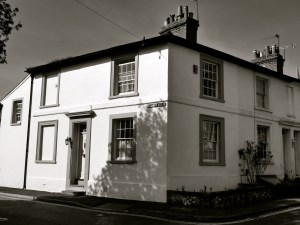
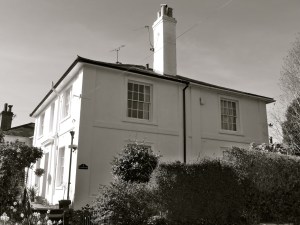
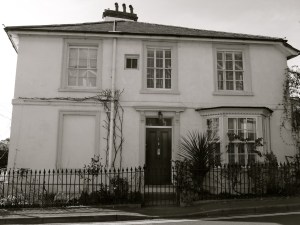
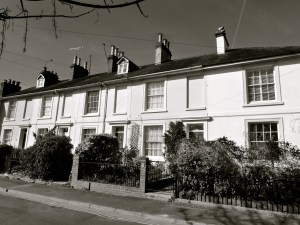

This is the area of the former Winchester Castle, at the south western corner of the medieval city walls, rising above the city. Following this historical land use, the area continues to house the administrative offices of Hampshire County Council, whilst Peninsula Square, now residential, was once a complex of military Barracks and army buildings c1900. All that remains of the castle is the Great Hall and some remains of walls, although The Westgate is of a similar age to the hall. The council offices are C19-C20 despite the Elizabethan style.


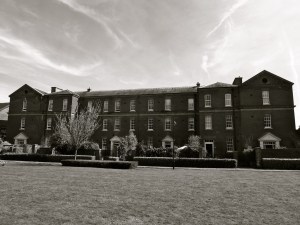


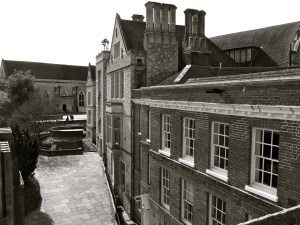
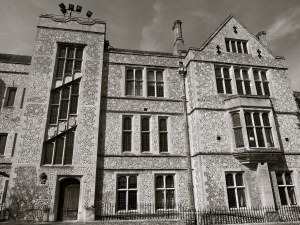


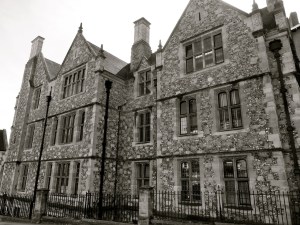

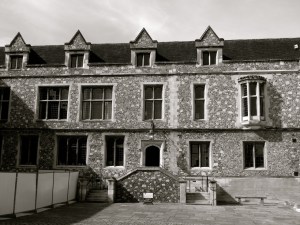


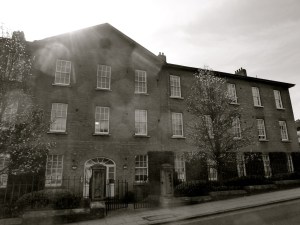
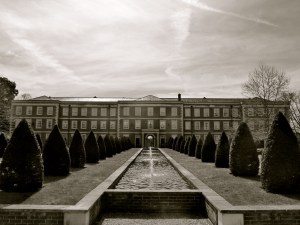

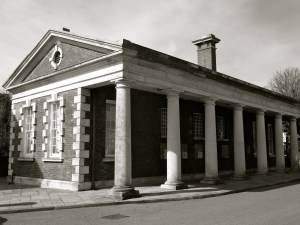
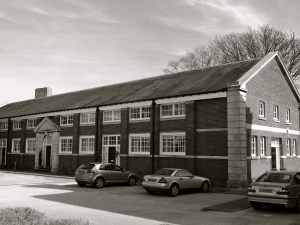

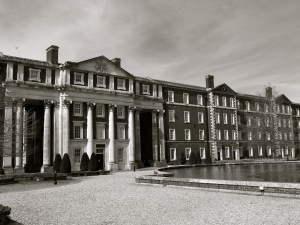

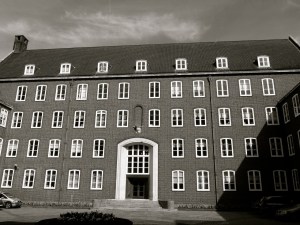

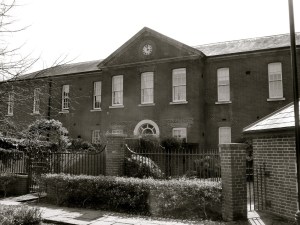


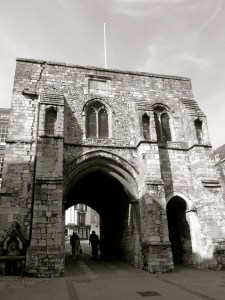

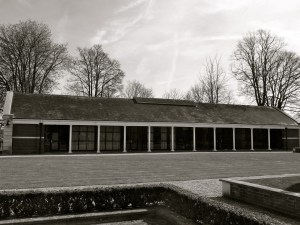

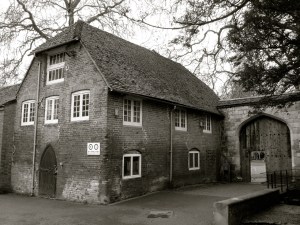
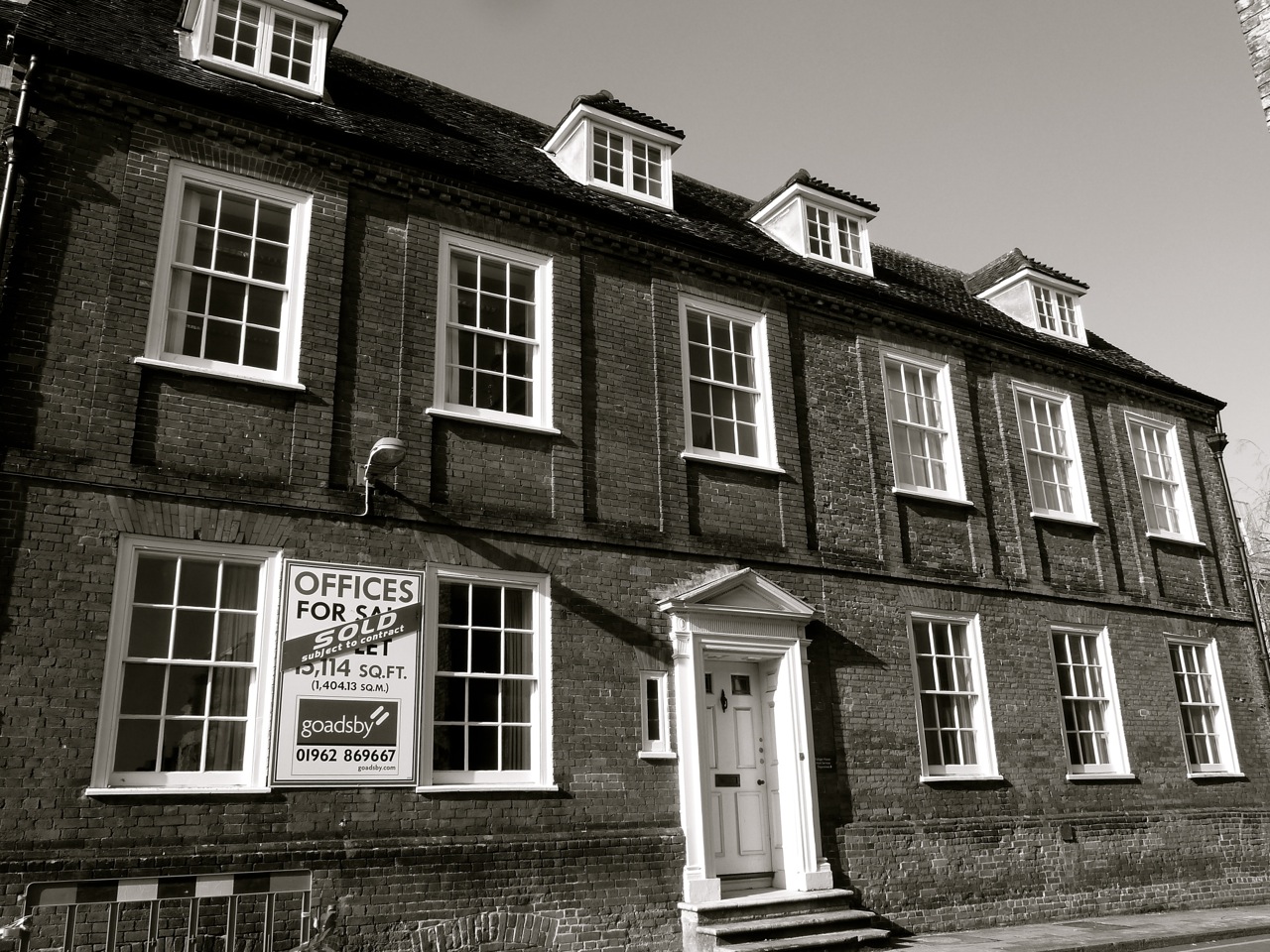
The site of the medieval Hyde Abbey is north of the old city walls. It has the feel of a village and a character of its own, set apart from the rest of Winchester, although very close by. The area around St Bartholomews Church is very peaceful and quite charming, except for the men drinking in the Abbey Gateway at 10am. Only a couple of buildings and bridges remain of the Abbey itself. Most of the listed buildings here are on Hyde Street, with some fine C17 and C18 detached properties, often matching. Also included are a couple of C20 buildings, listed ‘for group value’. A little further west is an old schoolhouse and the former Eagle hotel.
My favourites today are the church, 58 Hyde St, 33 Hyde St, and Hyde Abbey House. These are first in the photographs below:

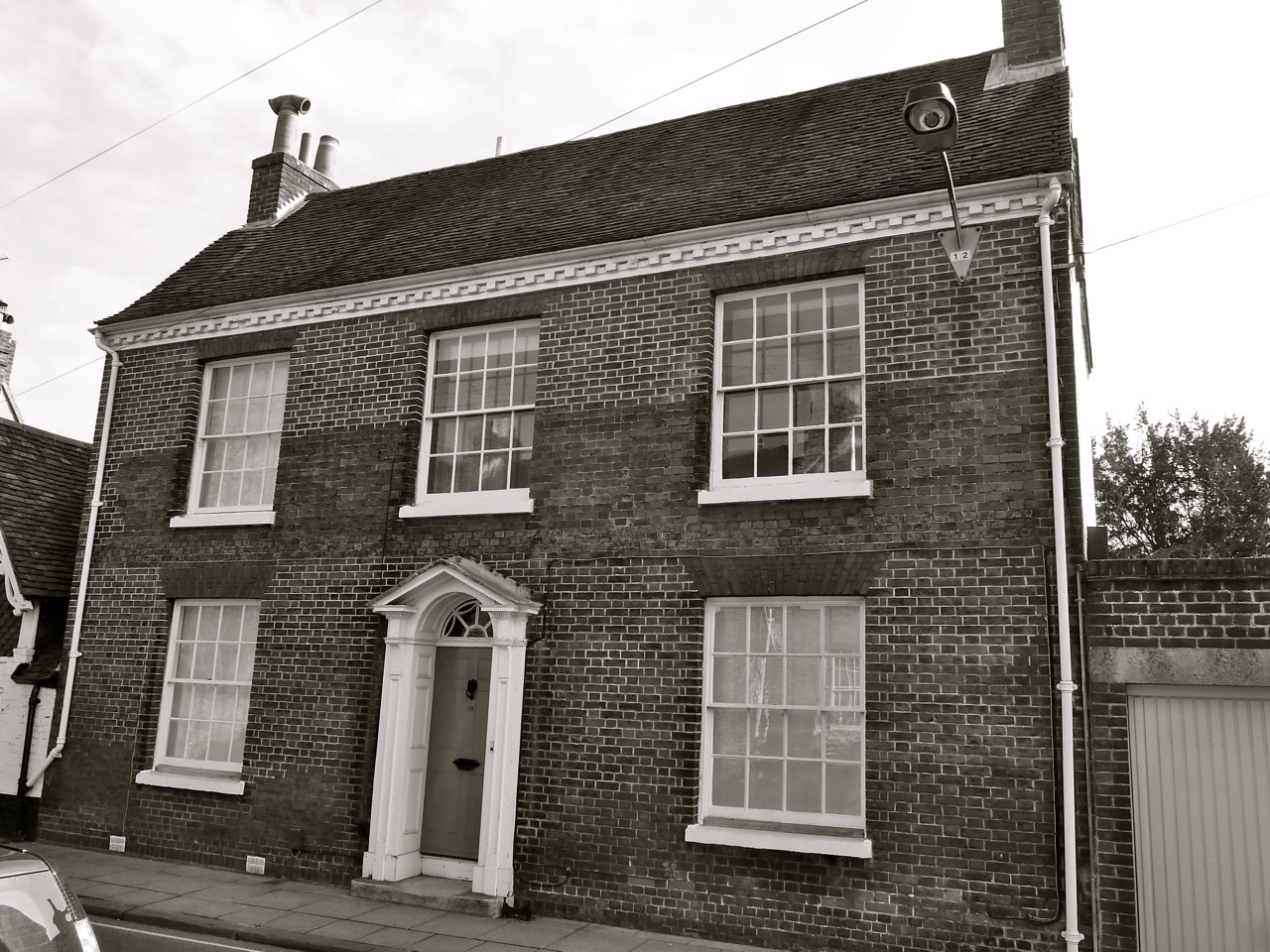
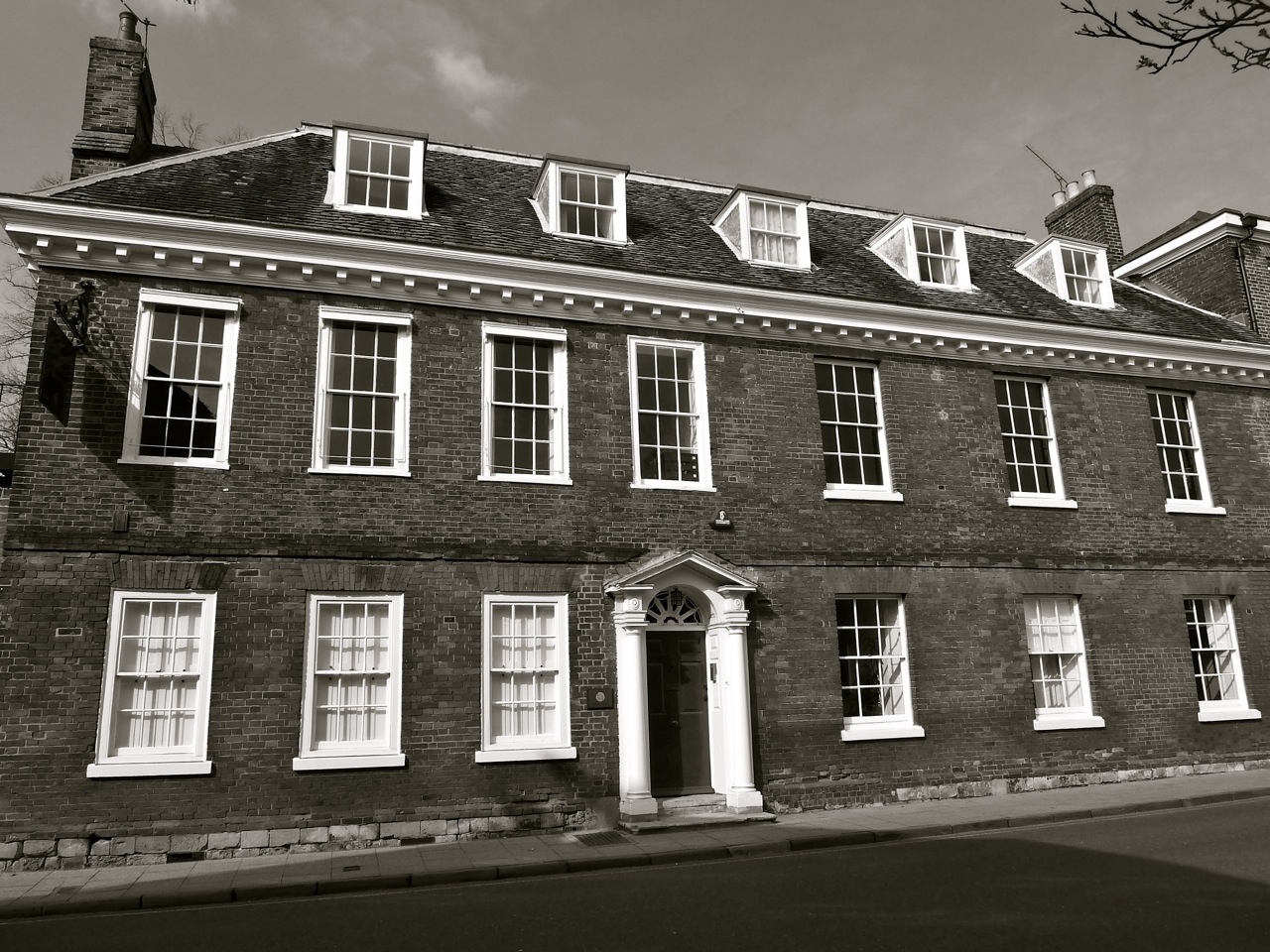
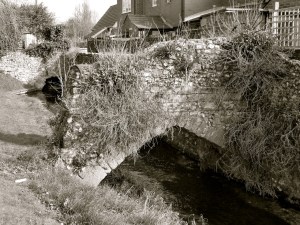
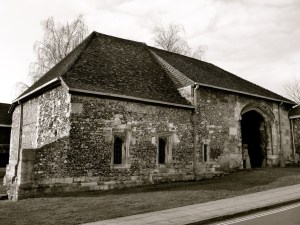

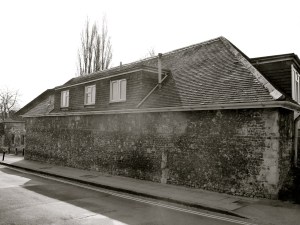
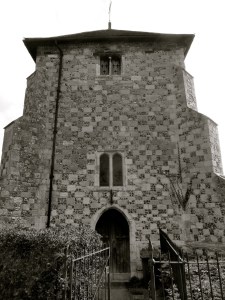
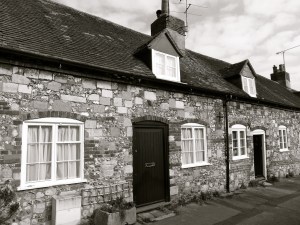
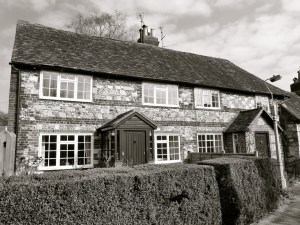


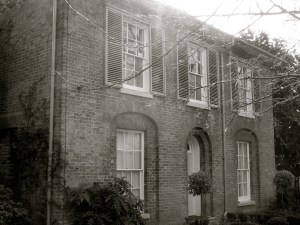
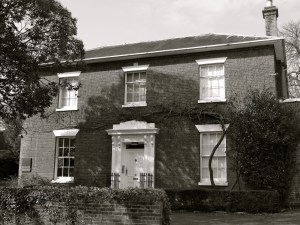
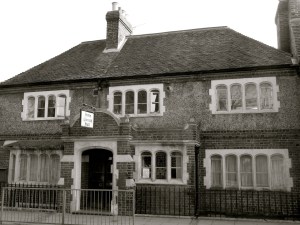
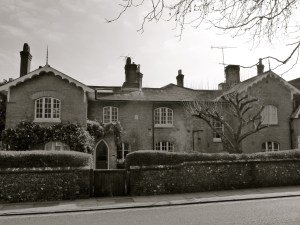

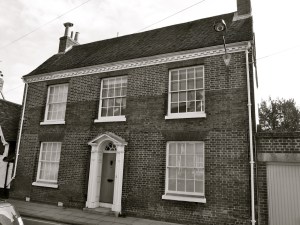
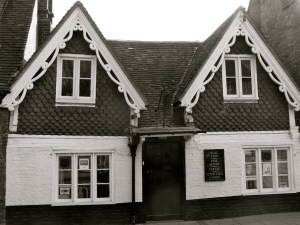
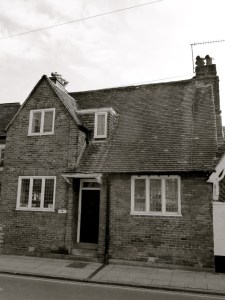


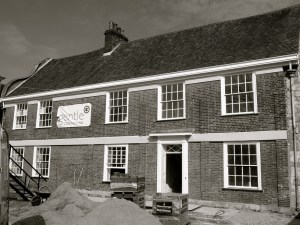


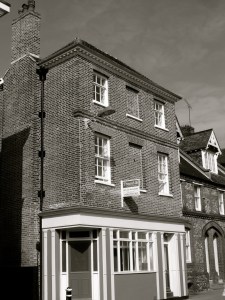
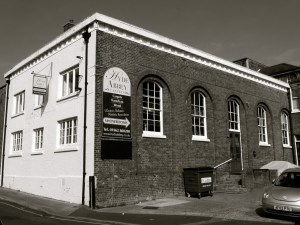


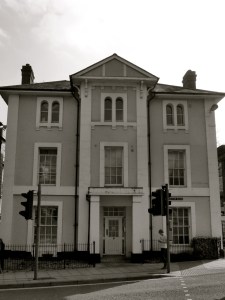

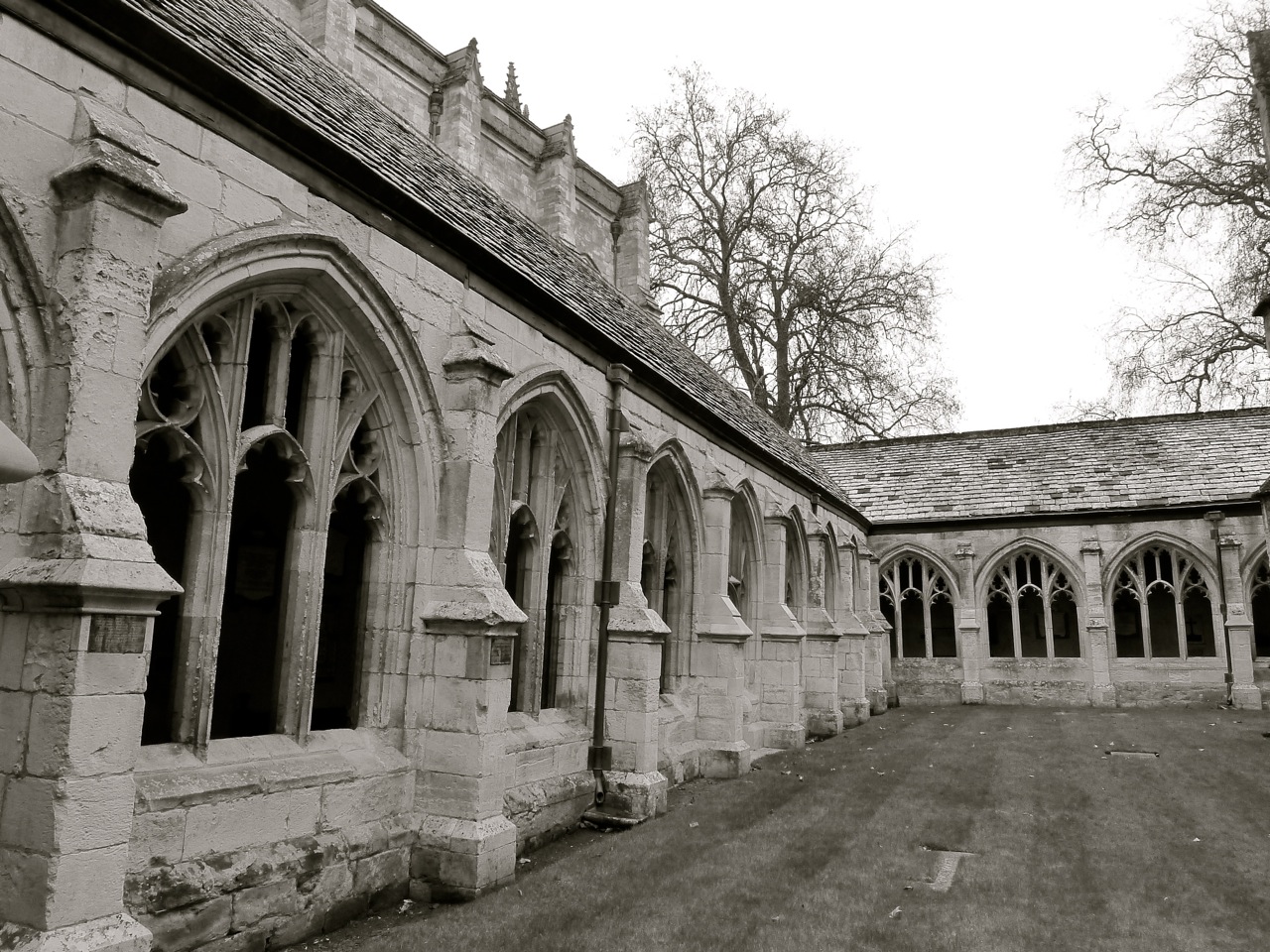
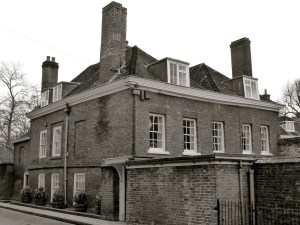
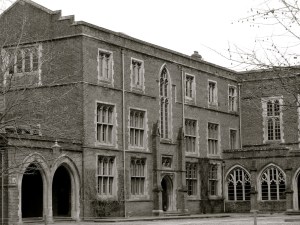
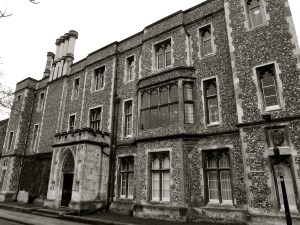
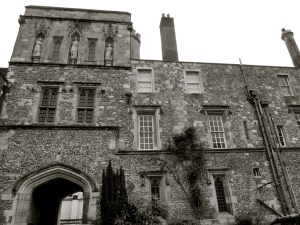
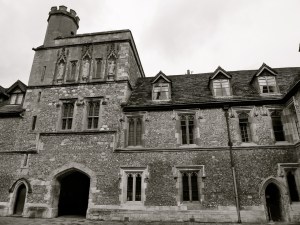
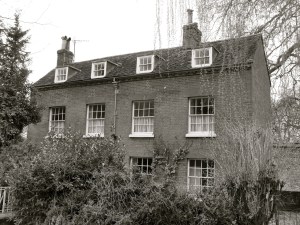
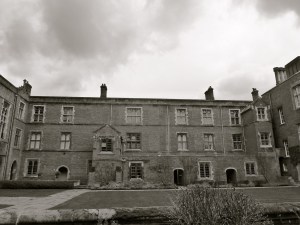
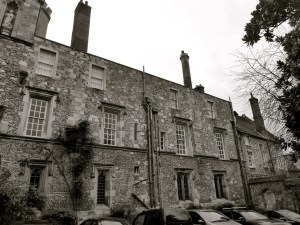
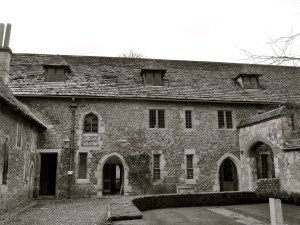
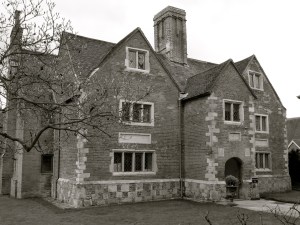
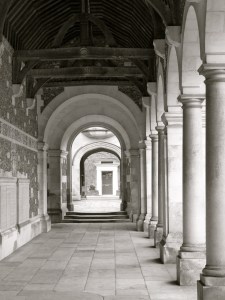
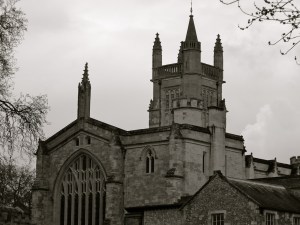
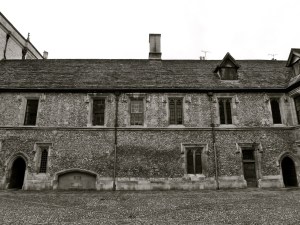
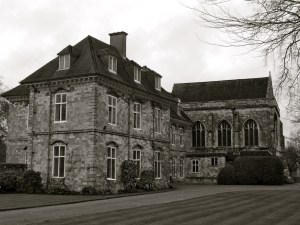
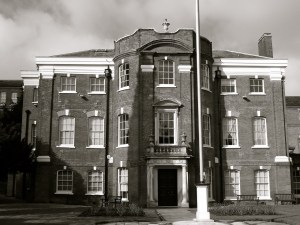
College Street runs east from Kingsgate, south of Cathedral Close. The street begins typically, with a few shops in C18 buildings. Further along is the house where Jane Austen died, and Wolvesey Palace, the home and offices of the Bishop of Winchester. Attached to this Christopher Wren building is the former chapel of Wolvesey Castle, a medieval palace now in ruins. To the south is the campus of Winchester College. From outside the walls one can see the Warden’s Lodgings, a grand house built above (and forming) the flint walls of the college boundary. Also built into the wall is the C14 Brewhouse, now Moberley Library and a little further back, the Headmaster’s House. The Outer court is largely C14, with the middle gate, Chambers Court, Hall, Chapel and Cloisters all built around the same time. This formed the early school. Expansion took place with a new building simply called School in the C17, and the Sick House. Then in the C19 came Flint Court, Moberleys Court and the Memorial Building. In the C20, the college expanded further south with the War Memorial Cloisters and Art and Science Departments (not listed). To the east are a couple of mills on the Itchen. The boarding for students is all on or around Kingsgate St (see other post). Winchester College forms a unique architectural history, with continued educational and religious use since the late thirteen-hundreds. (Entry is via a tour: £6)
9 College Street, Wolvesey Palace, and the College Cloisters were today’s favourites and are first in the photo set below.


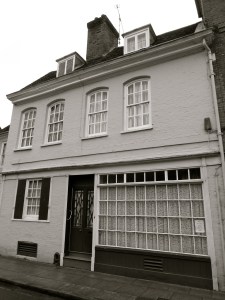

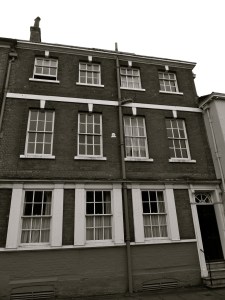






















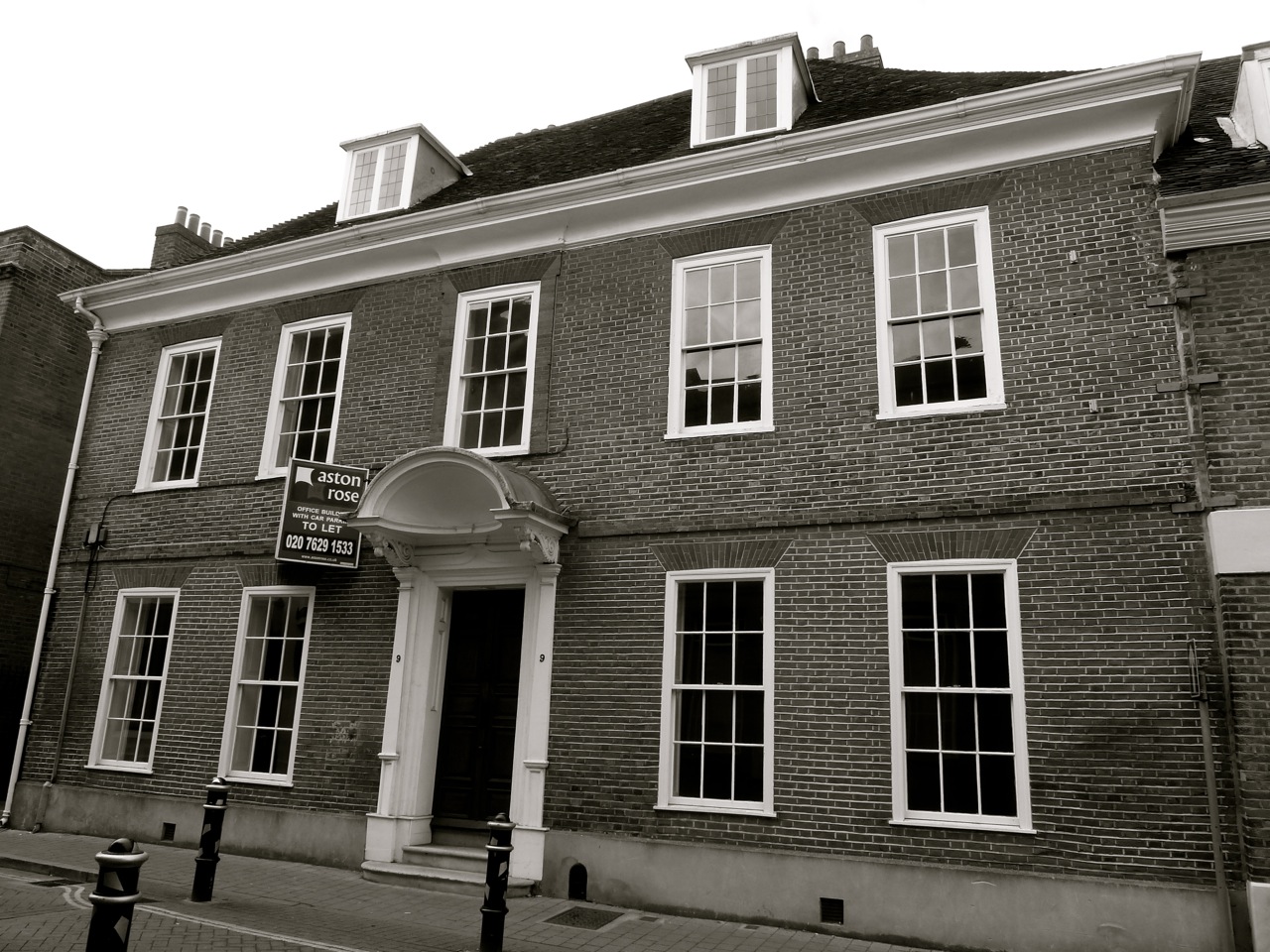
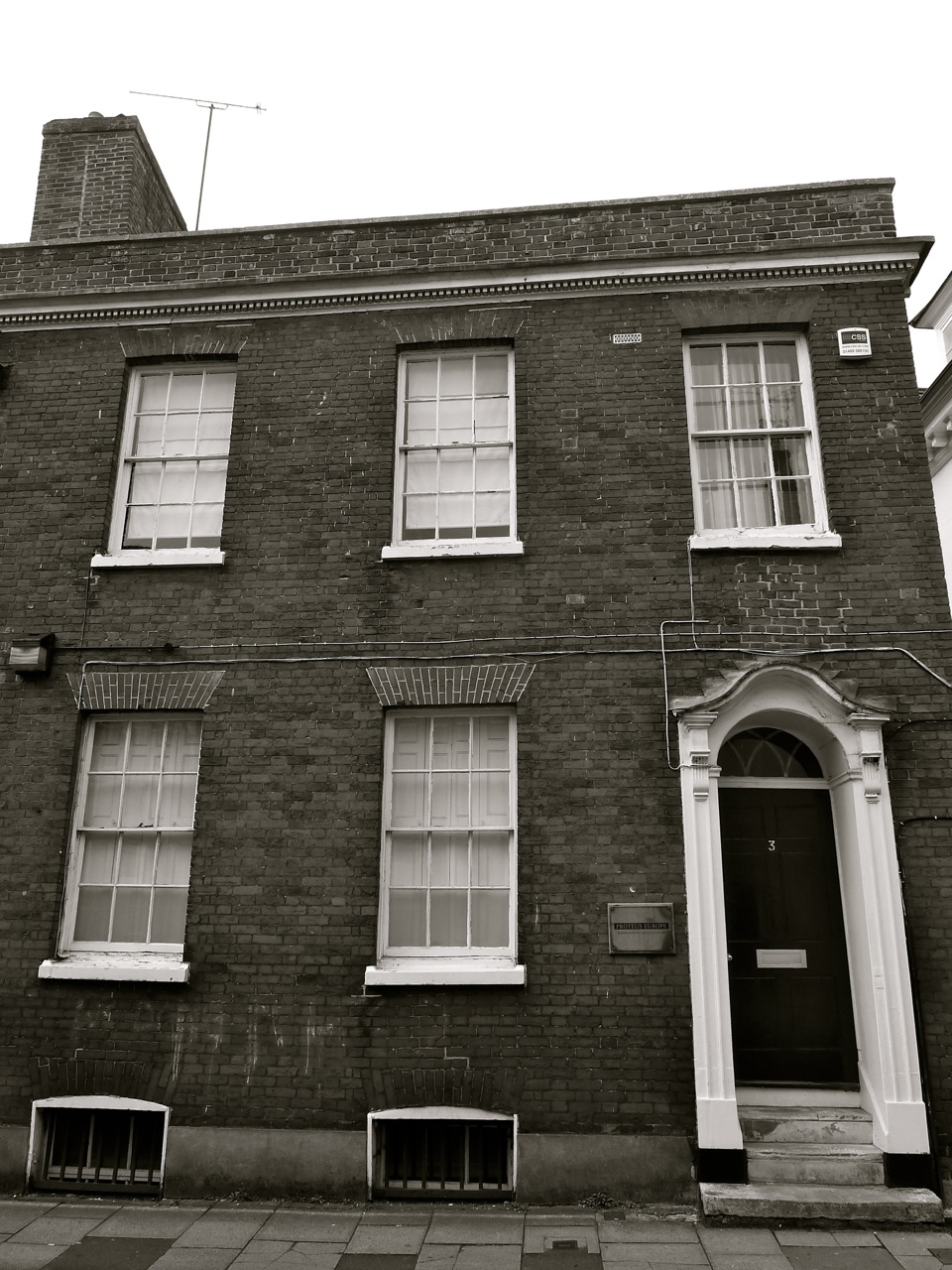
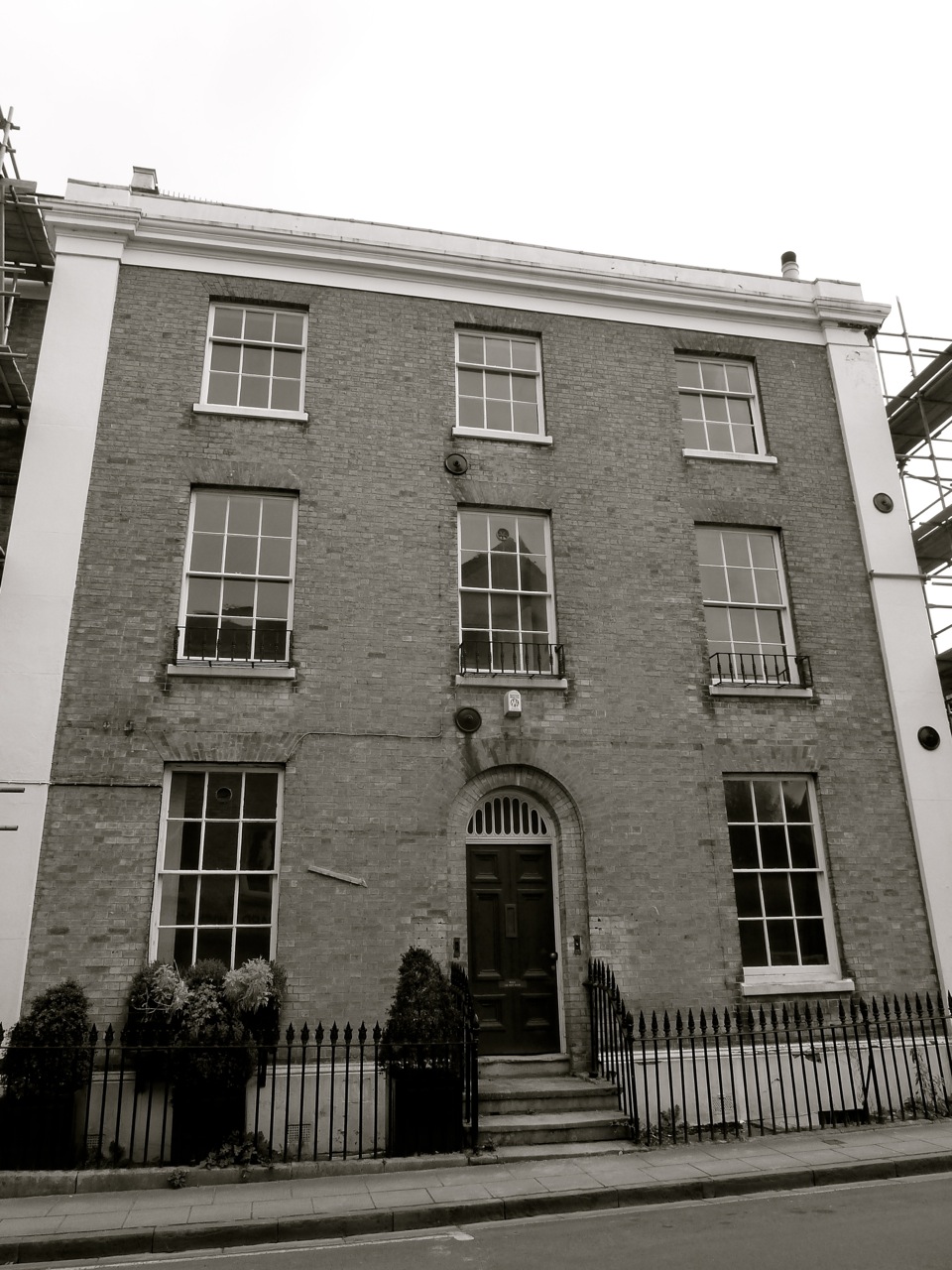
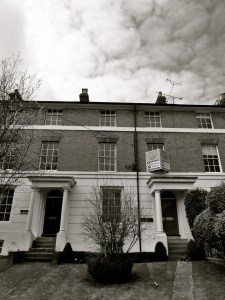
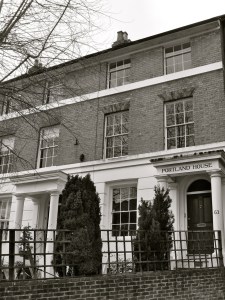
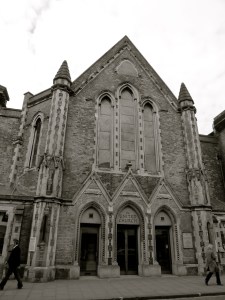
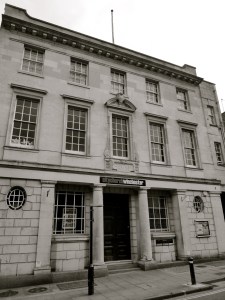
These streets run north from the shopping area, out towards the Roman North Wall. Upper and Lower Brook Streets are mainly residential, with a few shops and the Heritage Centre at the southern side. Parchment Street runs north from Boots and has many small shops at the southern end, turning residential. My new favourite street in Winchester is St Peter Street, a quiet street fortunately missing out of the one way system. It has a pleasing variety of buildings, from the Royal Hotel, a Georgian church hall, a Wren-attributed villa, a C20 church, and at the northern end, grand formal terraces. Jewry Street has a busy flow of traffic and in the bustle it’s easy to miss the architecture, from the Old Gaol to the C16 Loch Fyne, the library and theatre. A little further west is Tower Street, mainly Victorian and later.
Favourites today are 9 Parchment Street, 3 St Peter Street, 4 St Peter Street and 19 St Peter Street. These are first in the photographs below. Hover over the photo for the address, and click to enlarge.






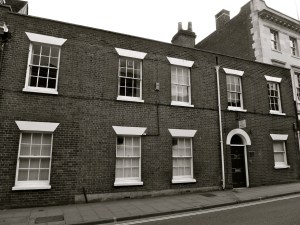


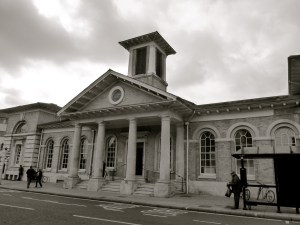


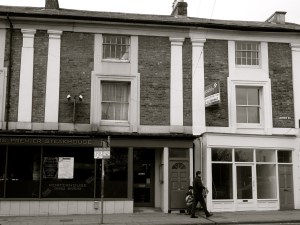
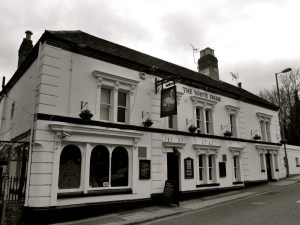

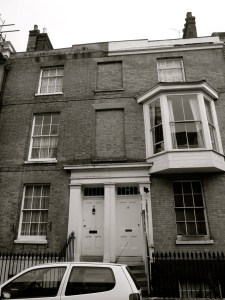
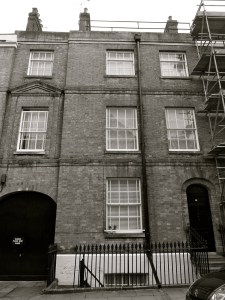
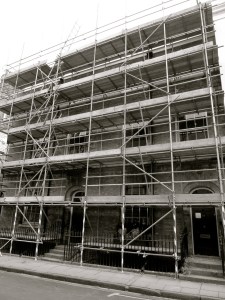


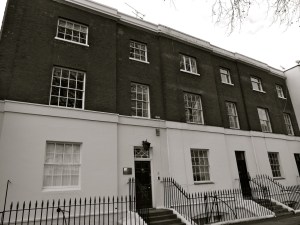



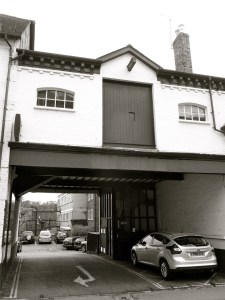
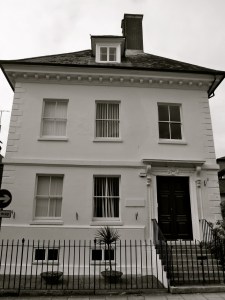
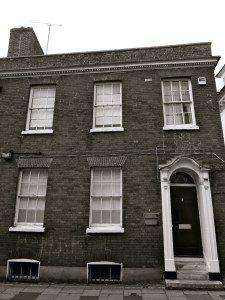
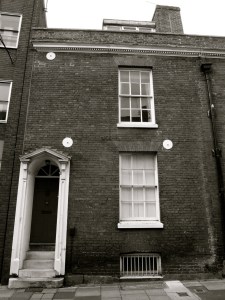



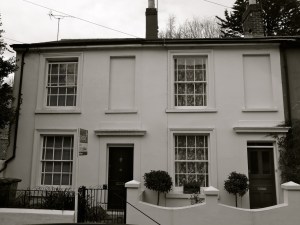

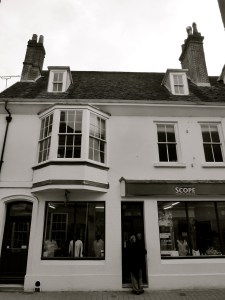


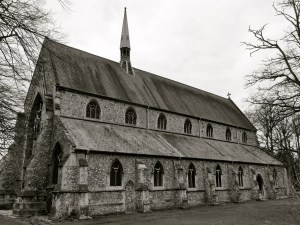


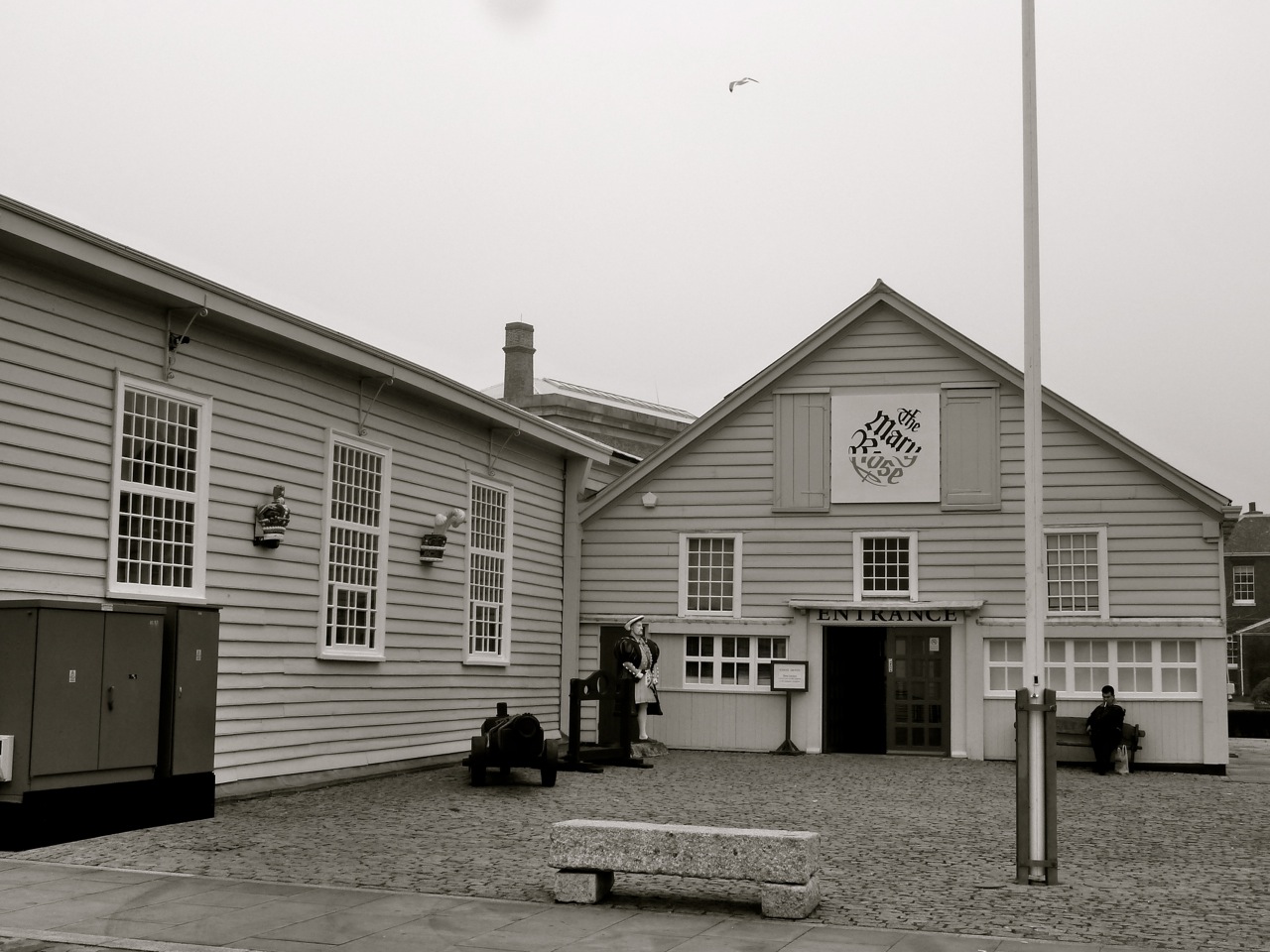
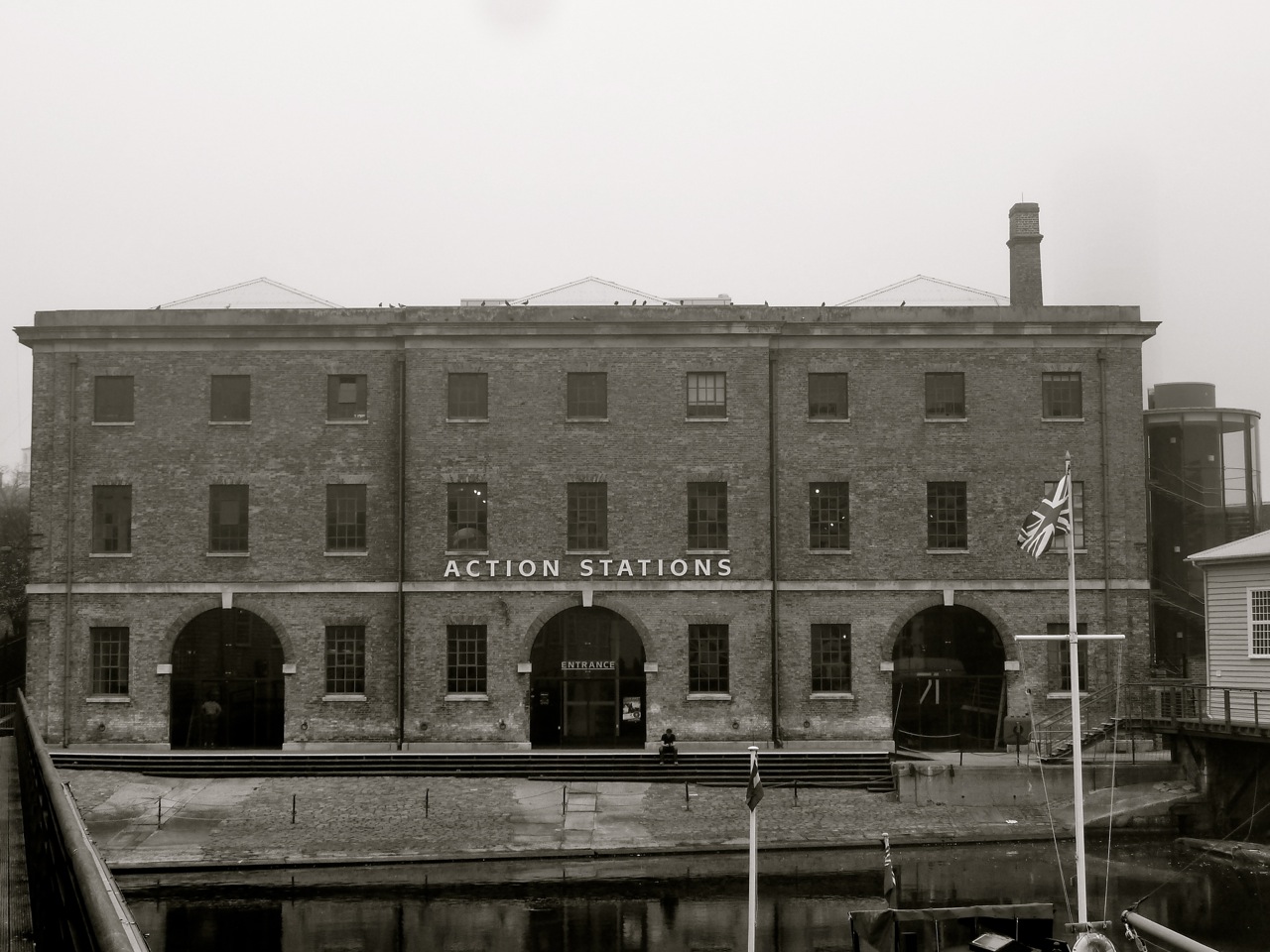
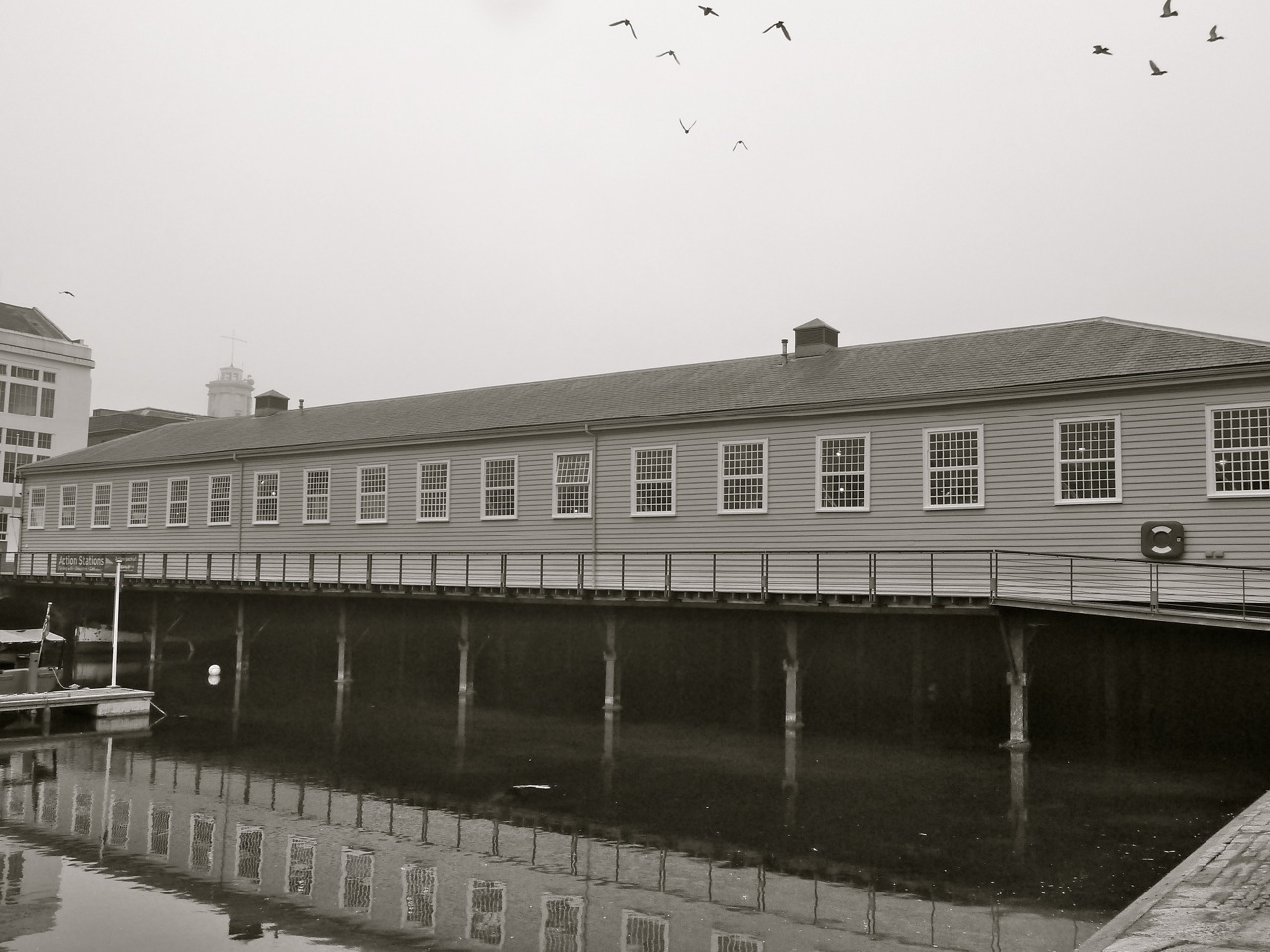
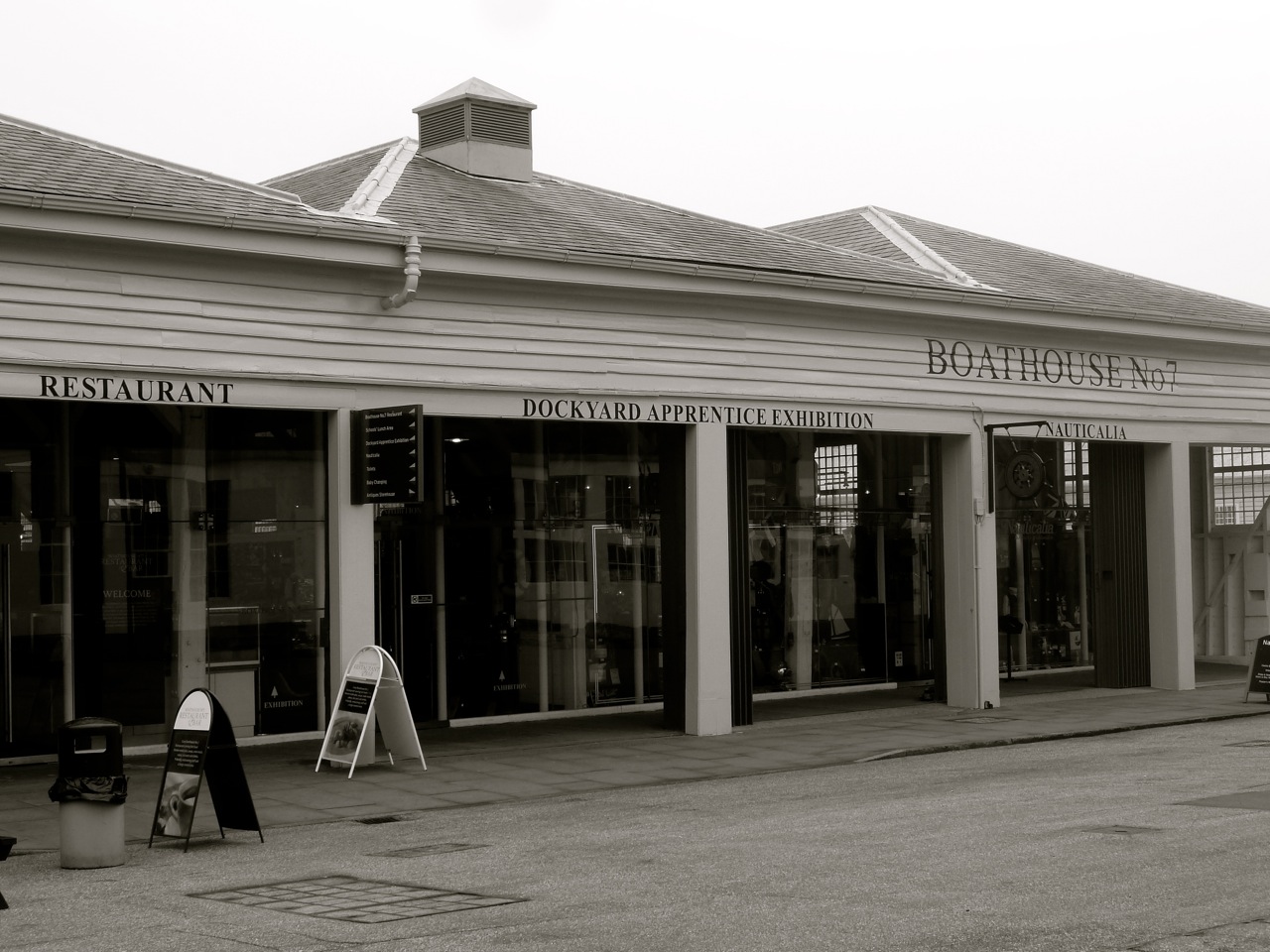
On Friday I was in Portsmouth and took the opportunity to photograph the listed buildings at The Hard and the Historic Dockyard. The public are only allowed along the western edge of the dockyard but I was able to also take a few photos of some of the listed buildings inside the Naval Base, through the railings. The dockyard listed buildings are C18 and C19, functional but with a formal elegance. There are large boathouses and stores, the Pay Office where Charles Dickens’ father worked, along with a detention centre and the Porters Lodge just inside the gate. I hope one day to be able to go into the restricted Naval Base as there are elegant officers’ terraces and other grand buildings. (Note that these are not all the listed buildings in the dockyard; some are obscured.)
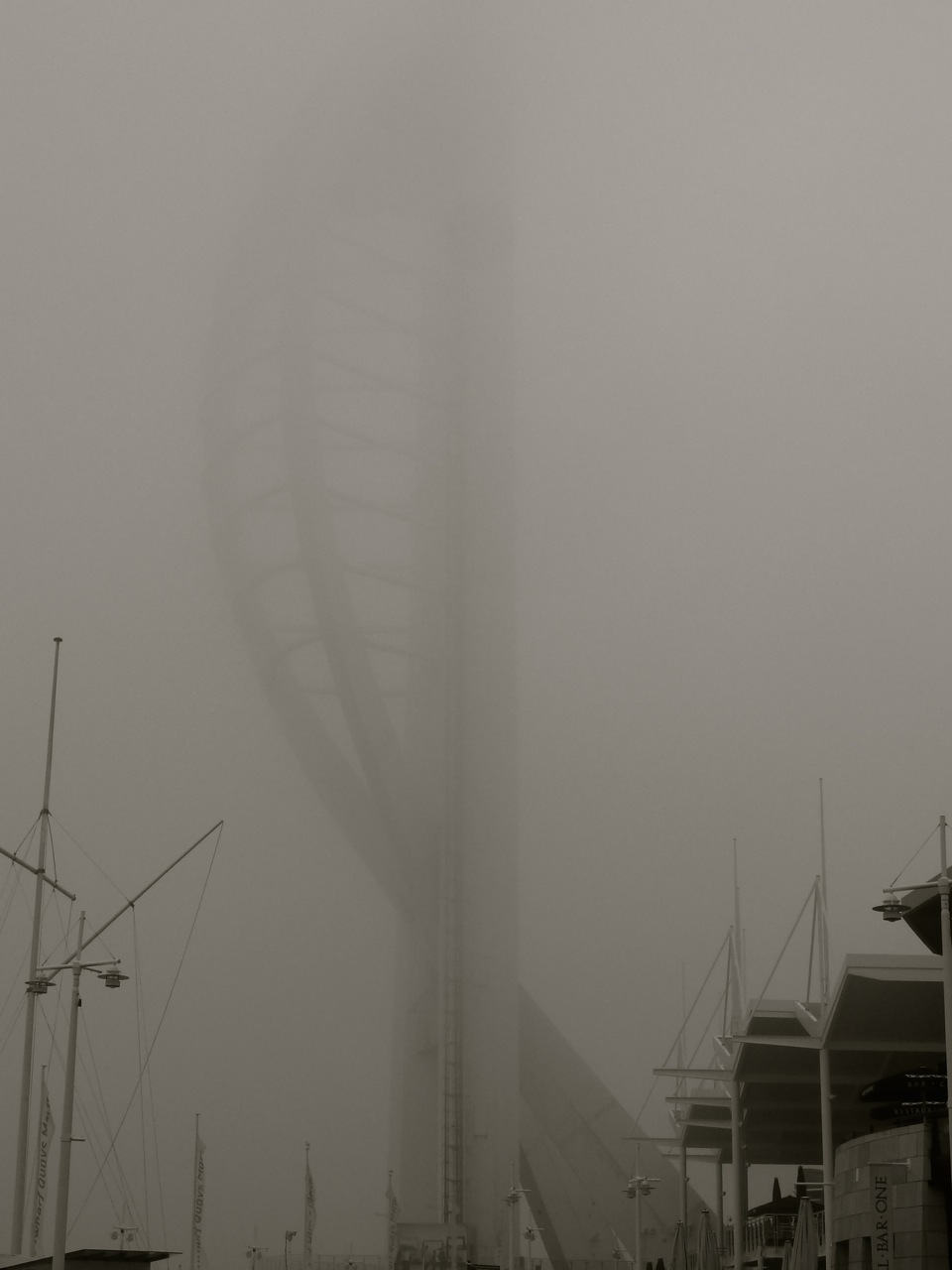







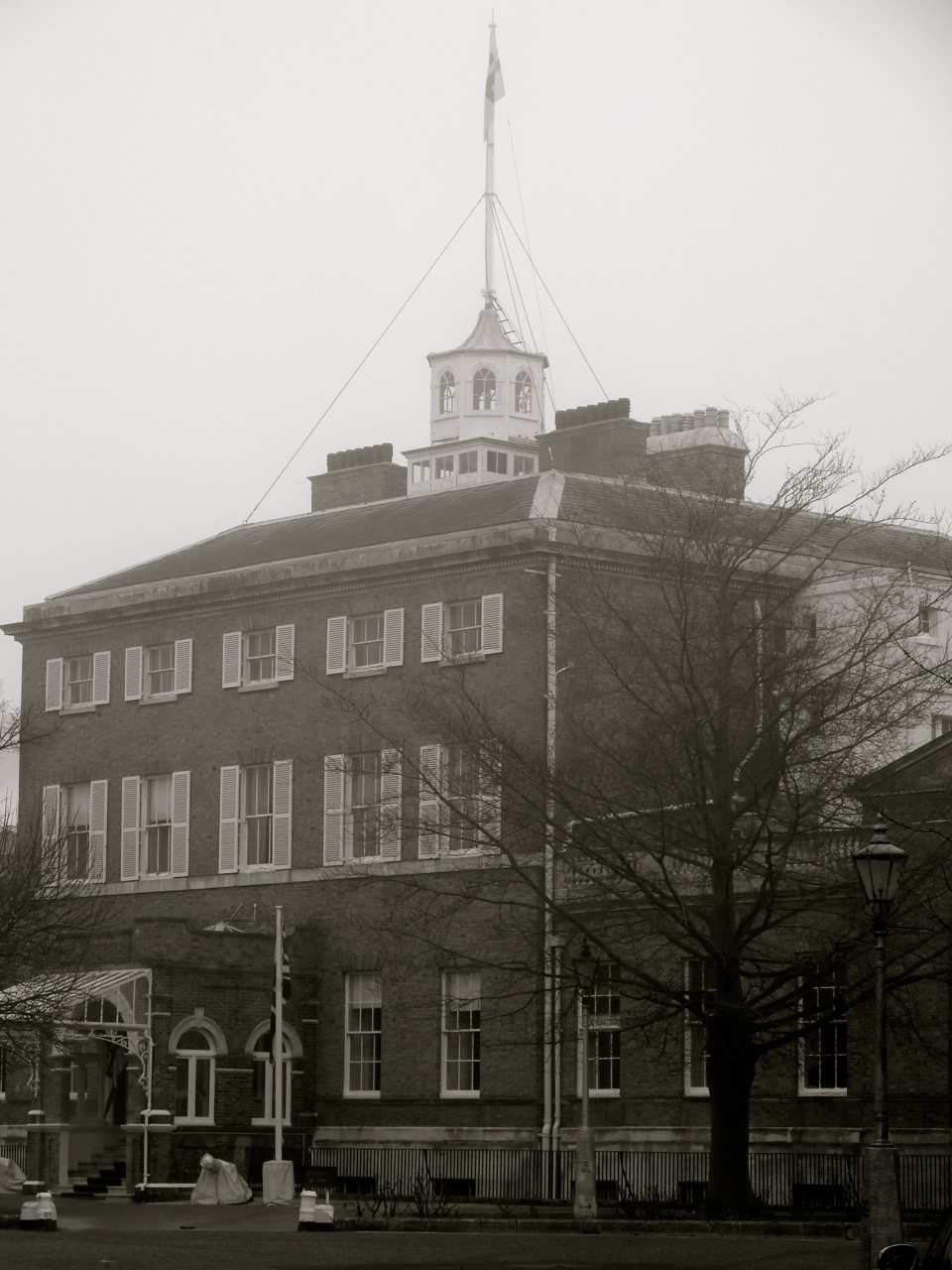


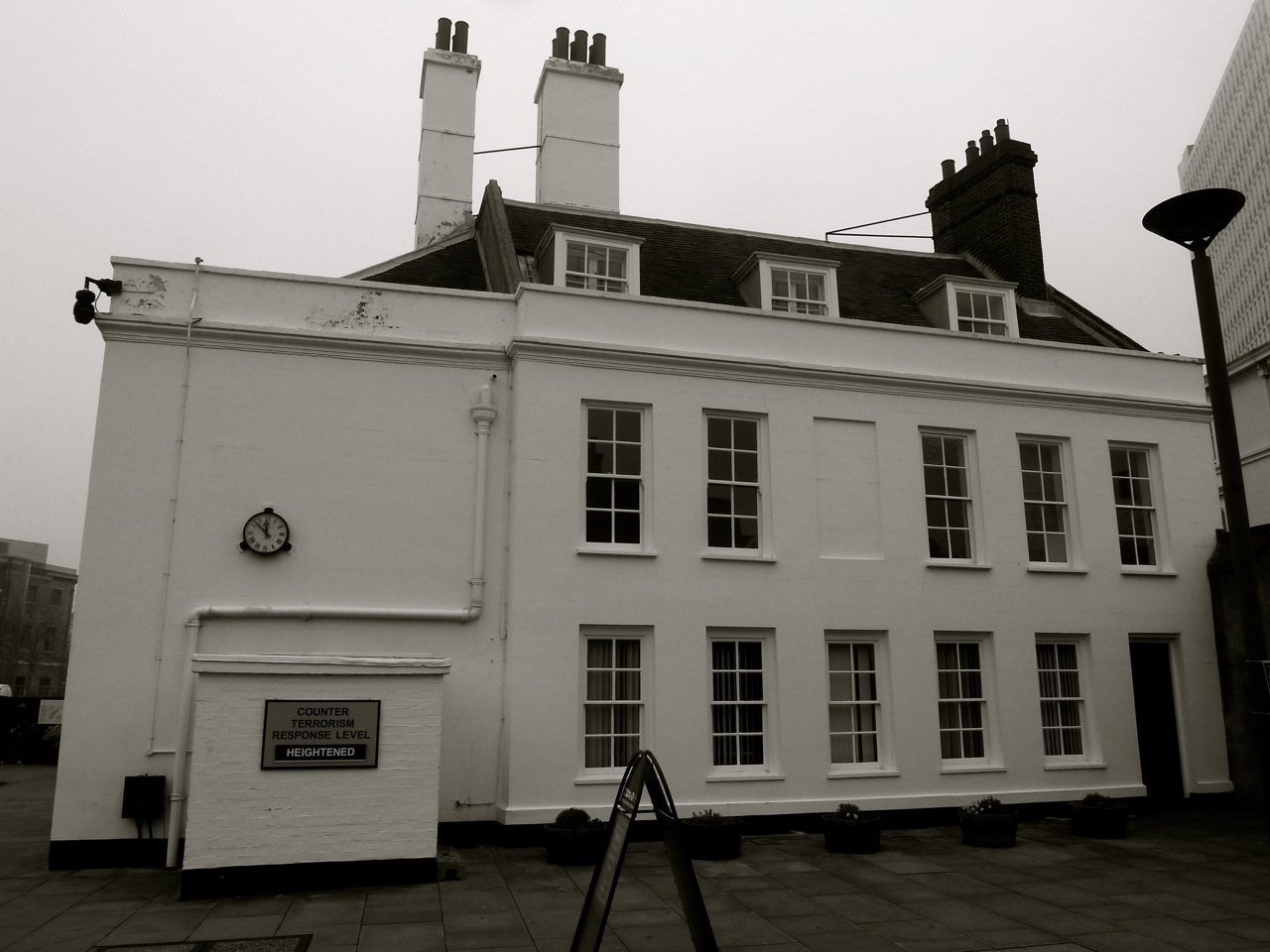
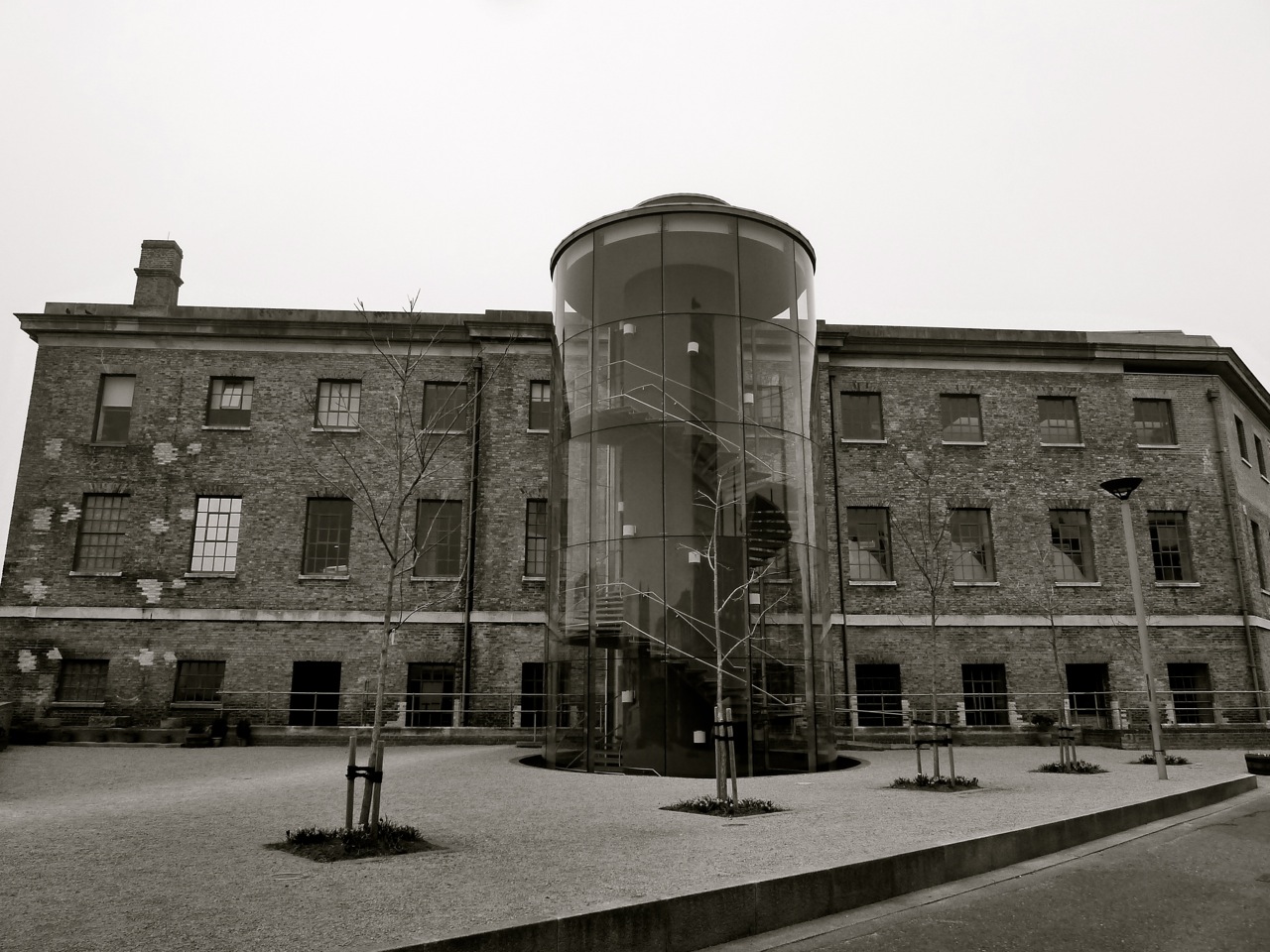


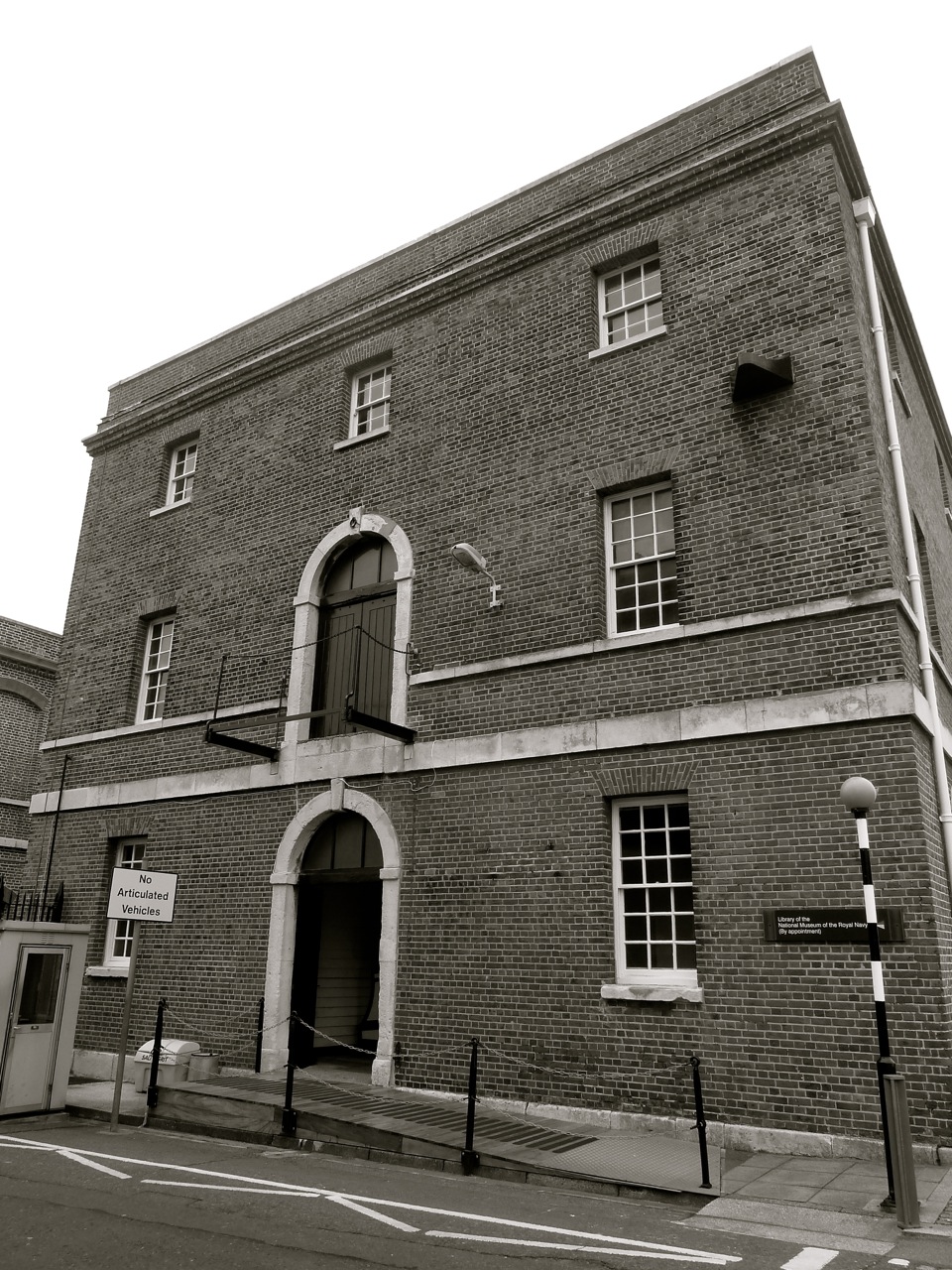

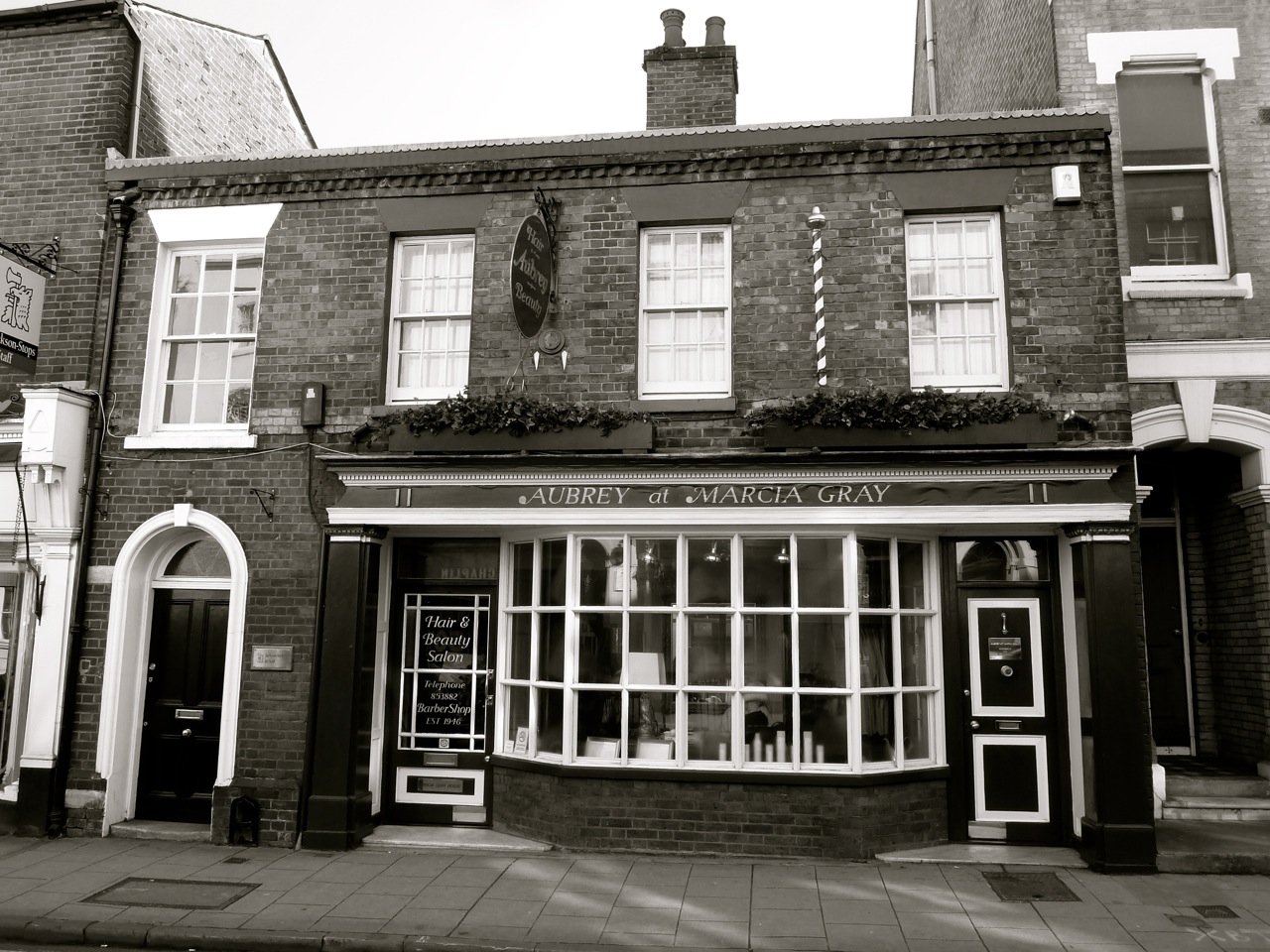
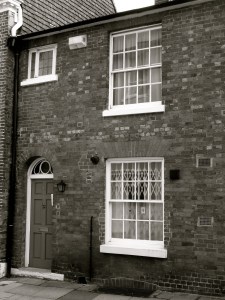
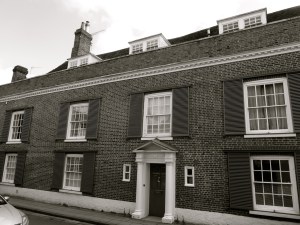
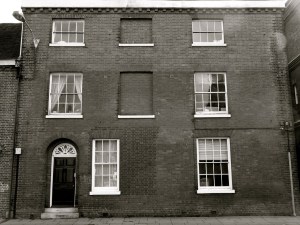
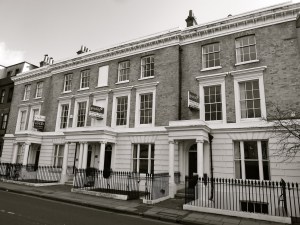
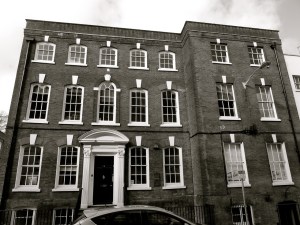
This area is to the south west of the city centre. St Thomas St is a fine street running from the High St to St Swithuns, with a variety of houses mainly C18. Southgate St runs parallel and is much wider, forming a main road out of Winchester to the south. Some of the buildings reflect the width, looking like terraces in London with their yellow-grey brick and white stucco. Southgate becomes St Cross Road as it heads towards St Cross, a village now part of the city. St Cross itself, and the military buildings to the west will be covered another day. I also included the west end of St Swithuns st as this forms a feature at the end of St Thomas St.
Highlights today for me are 11 Southgate St (Aubrey at Marcia Gray), 27a St Swithuns Rd, 26-27 St Swithuns Rd and 13 St Thomas Street (Well House). These are first in the photographs below. I remember when Well House used to be a centre for alternative therapies and I used to take yoga there. I’m sure it is now used for something far more exclusive.



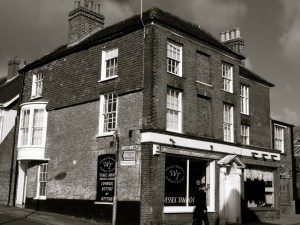
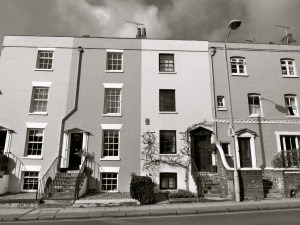


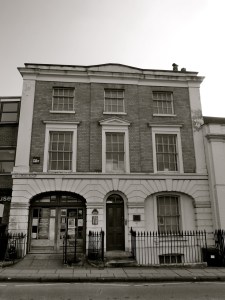
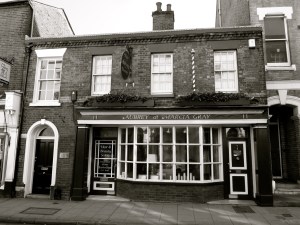
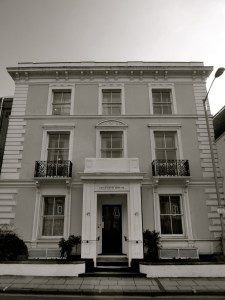
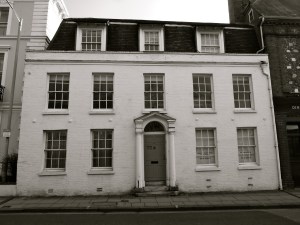
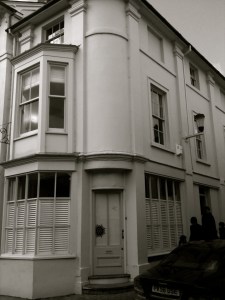

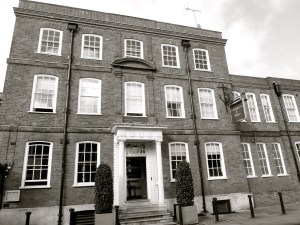
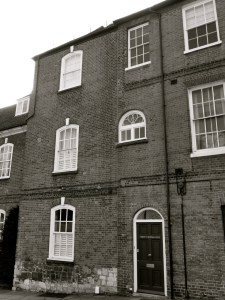


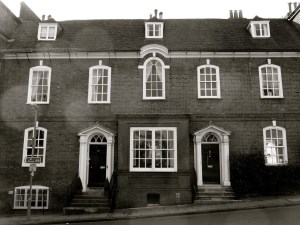
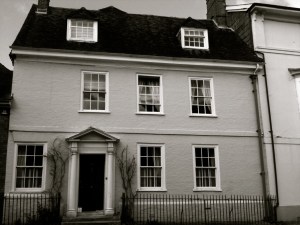
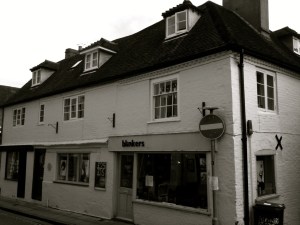
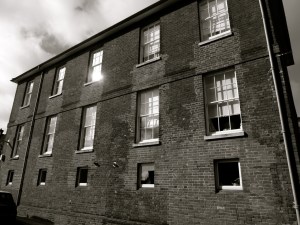
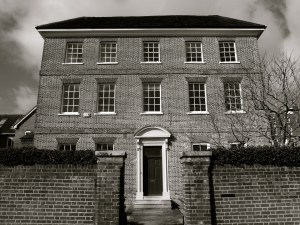

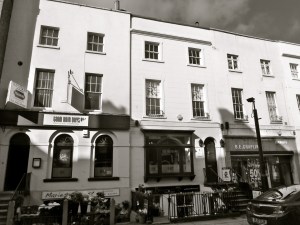

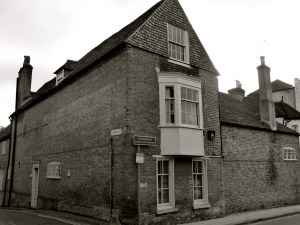
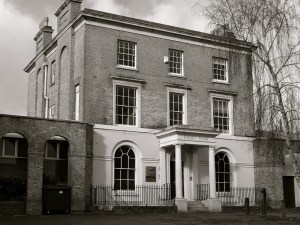

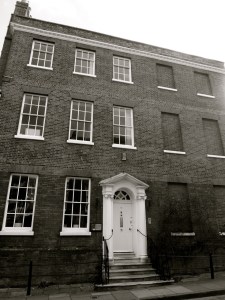



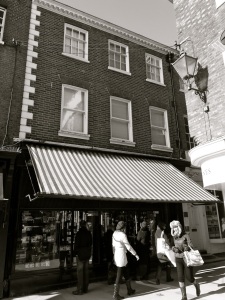
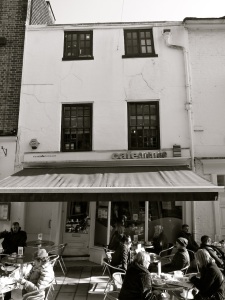
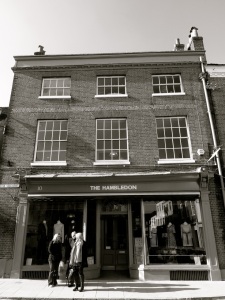
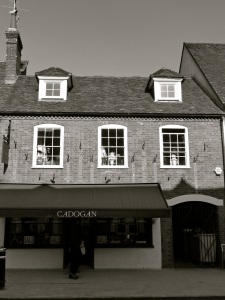
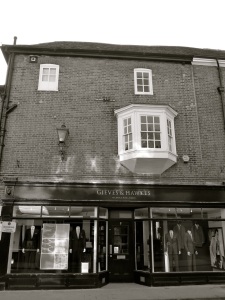
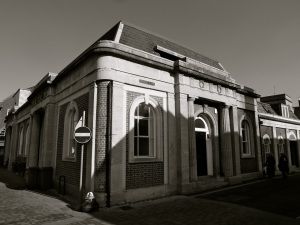
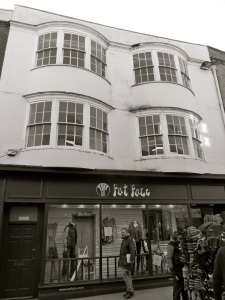
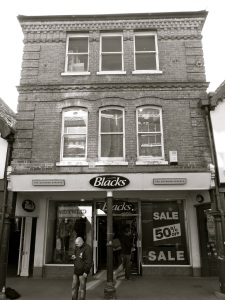
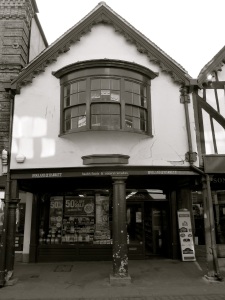
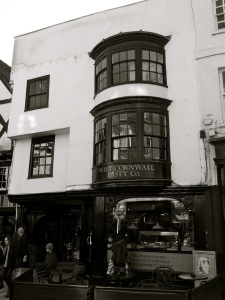
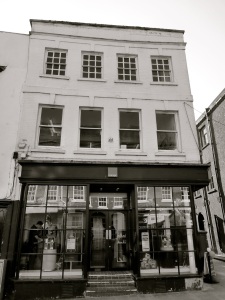
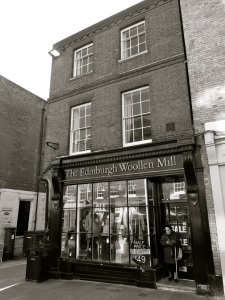
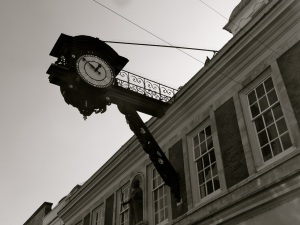
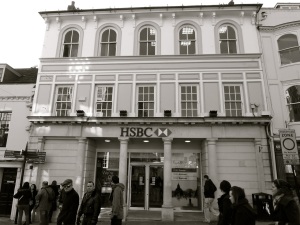
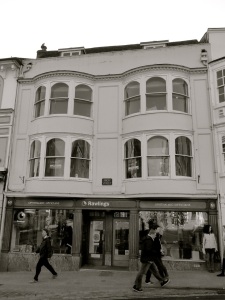
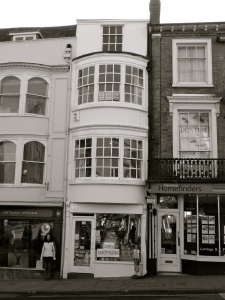
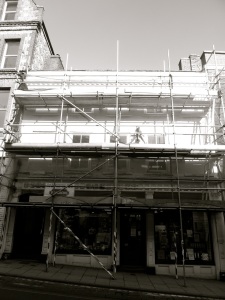
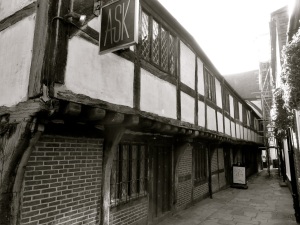
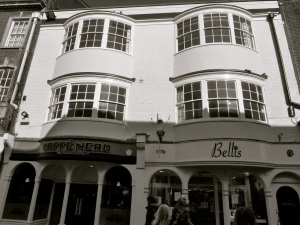
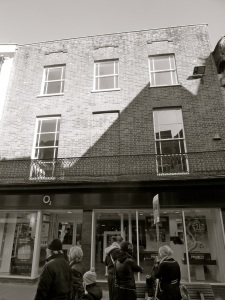
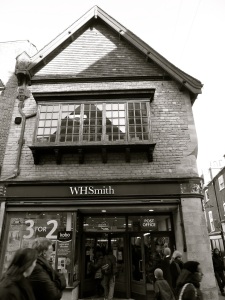
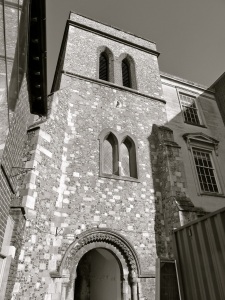
The familiar shopping area of Winchester, right in the city centre. Most of the shop fronts are modern but visible above are the C18 façades. The Prentice, a row of shops with a covered walkway, originates from the C16 with gabled roofs and timber frames. Some are however C19 imitations (for example, above Boots). The Prentice is on the site of the Norman palace. Further up High Street is the grander styling of the banks, one of which is in the old Guildhall. God Begot House was built in C16, it’s rear to the north still unaltered. Next to it is the Tudor-originating The Royal Oak. A sign says it is the oldest bar in England. This is just one of the hard to photograph buildings today, due to the narrowness of the streets and alleys in places. Between the High St and the Cathedral is The Square, a delightful collection of C18 buildings with some C19 shop fronts on fine Georgian buildings. Squished between The Square and Butter Cross (City Cross) is St Lawrence church. At the other end of High St is the tower of St Maurice church, the only part of this church remaining. Nearby, The Body Shop resides in a former chapel. Just off the west end of High St is Walcote Chambers and Trafalgar House, two of my favourites today. Other highlights are 63 High St, 57 High St, 30-31 The Square and 17 The Square. These are pictured first.



































 Falling Awake