Hampshire Architecture – Petersfield: College Street, Dragon Street, Sussex Road

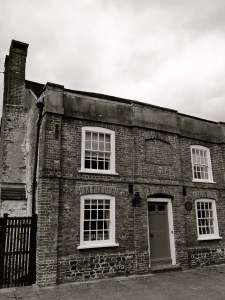
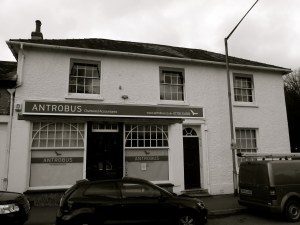
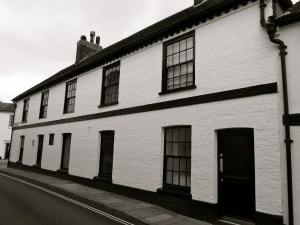
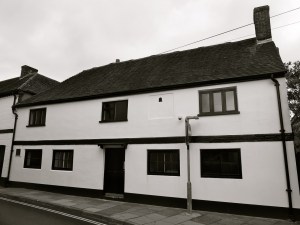
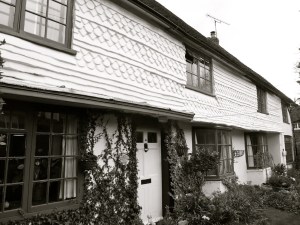
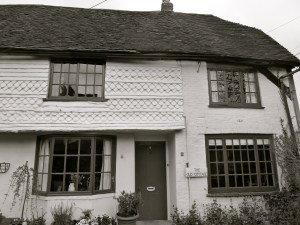
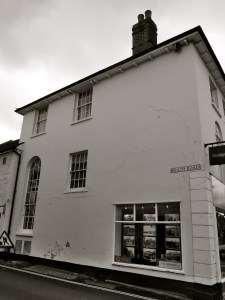
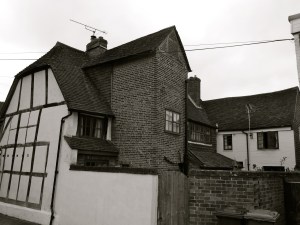
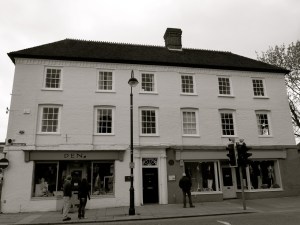
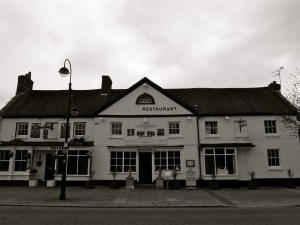
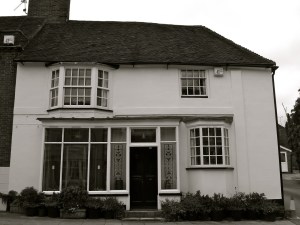
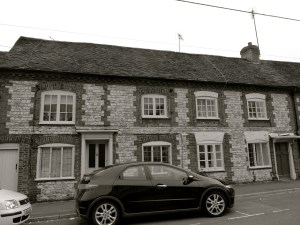
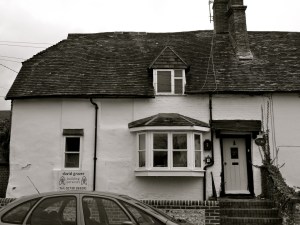
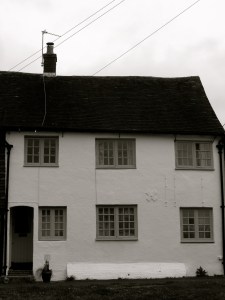
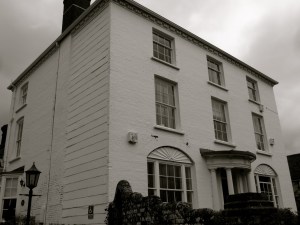
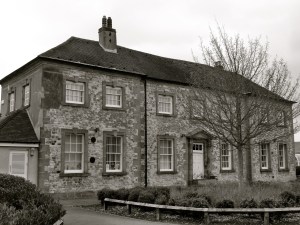
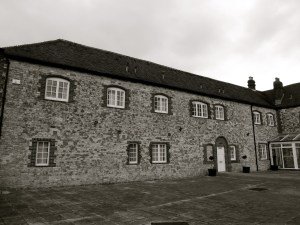
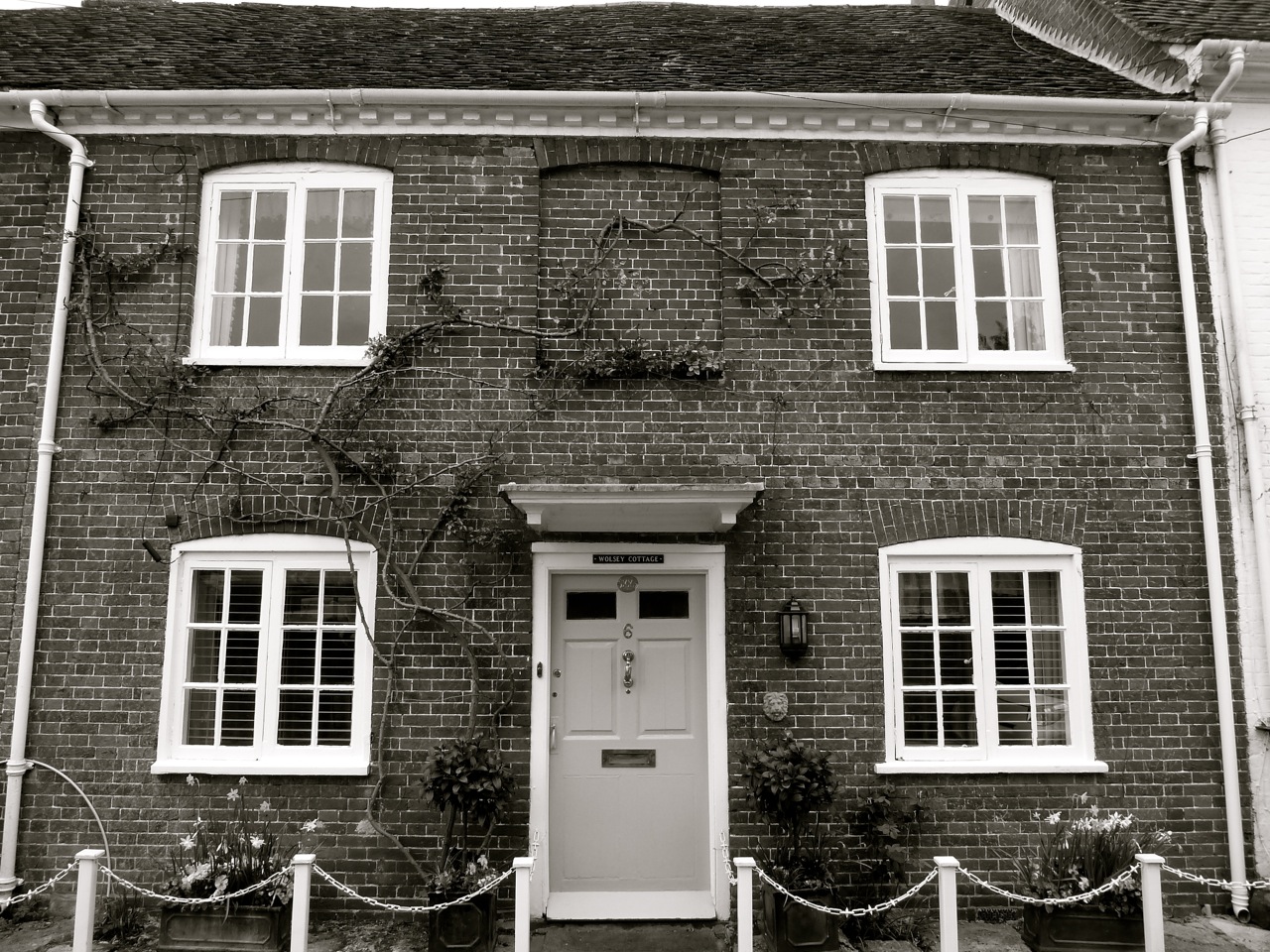
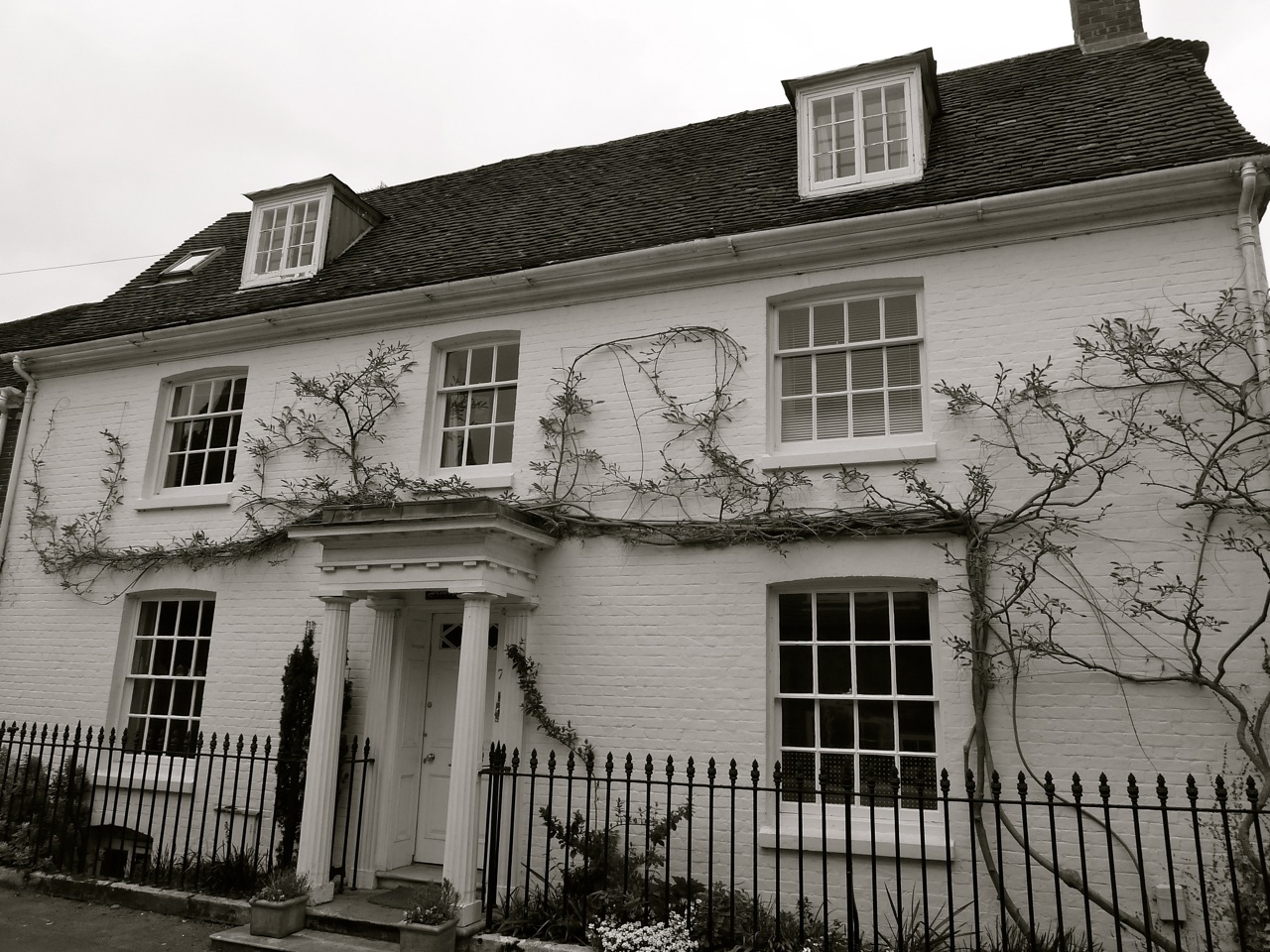
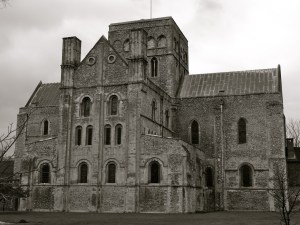
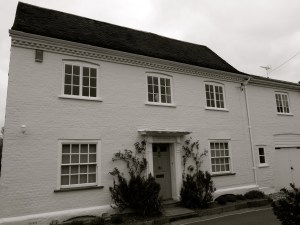
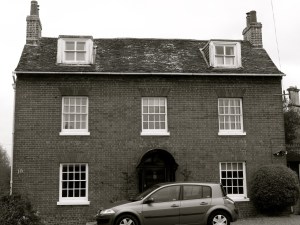
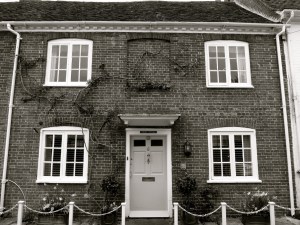
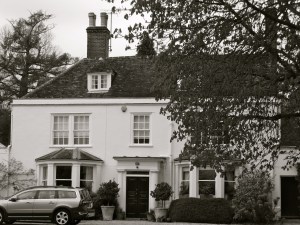
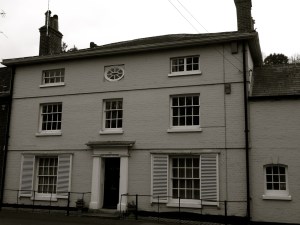
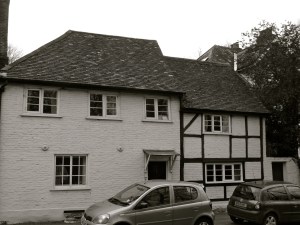
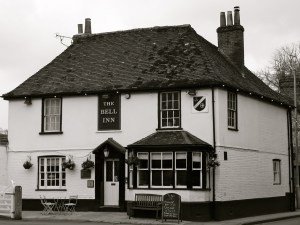
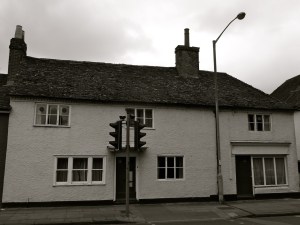
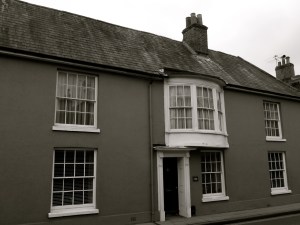
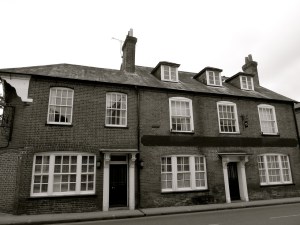
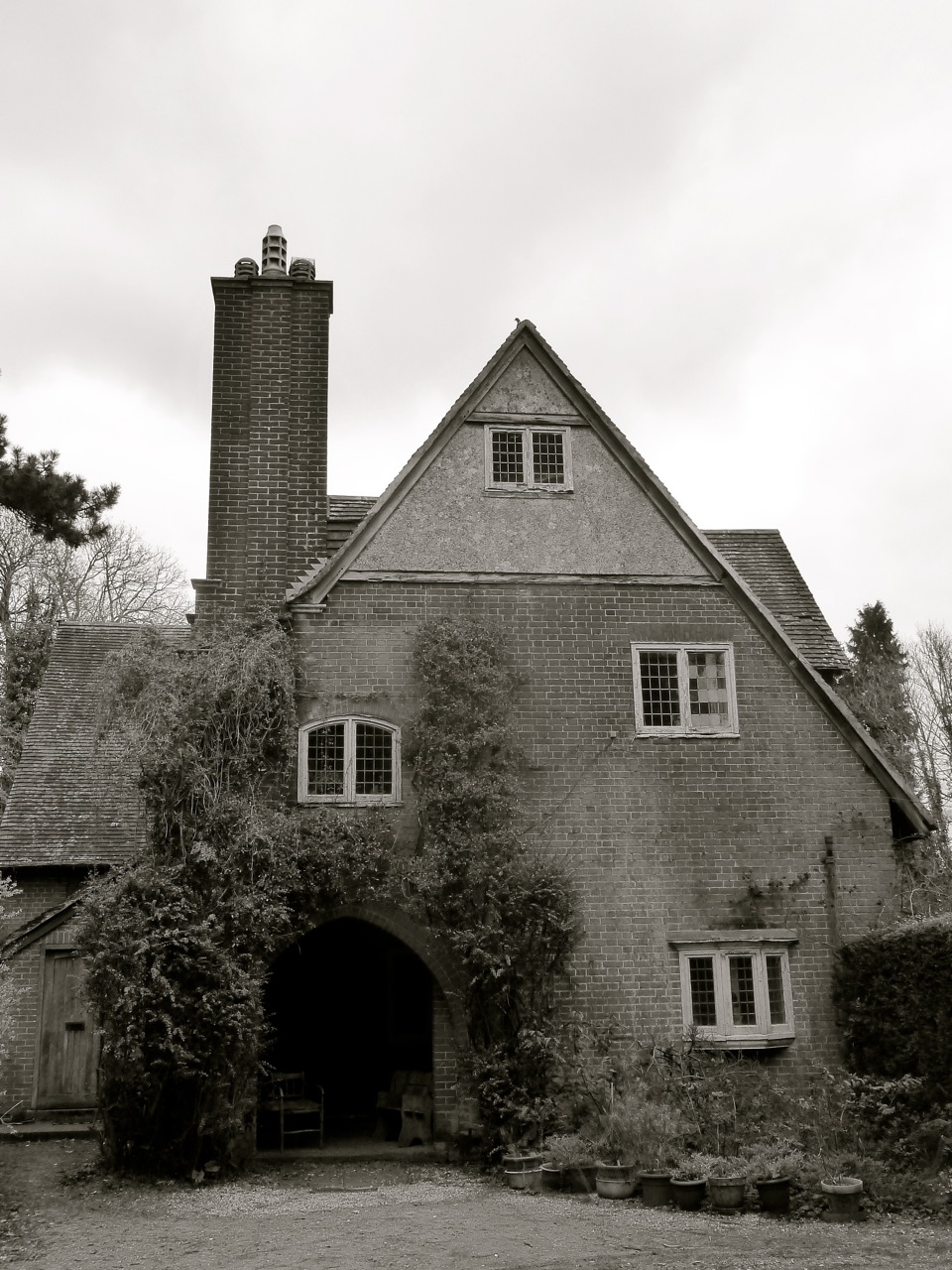
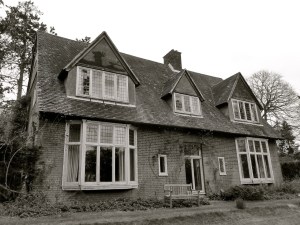
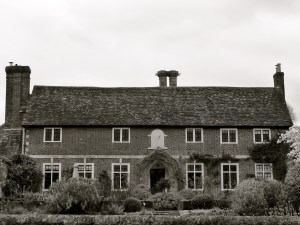
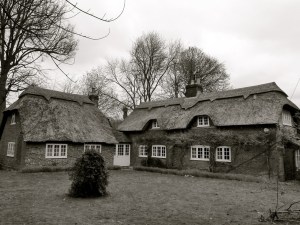
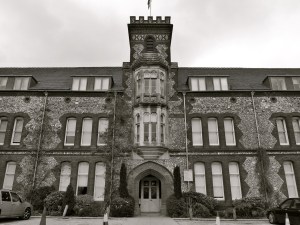
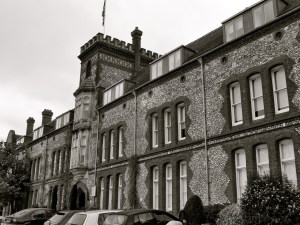
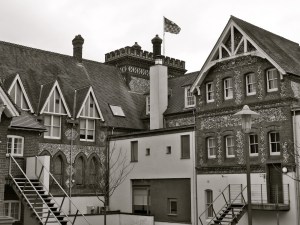
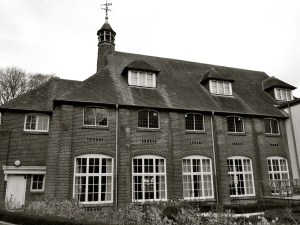
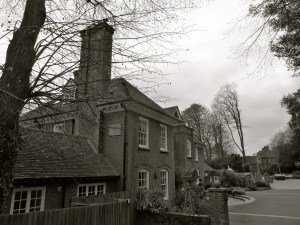
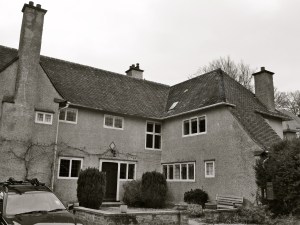
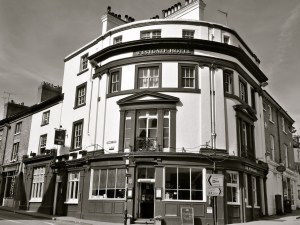
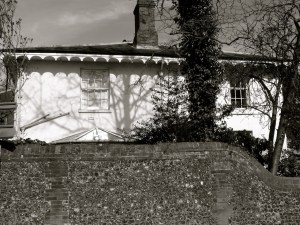
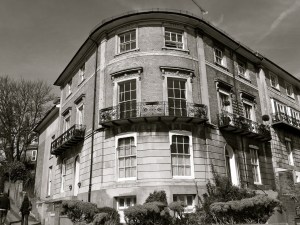
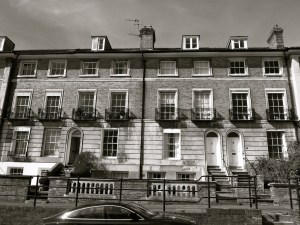
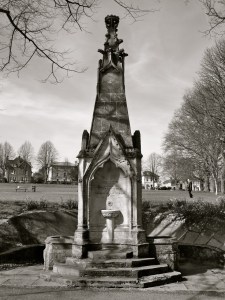
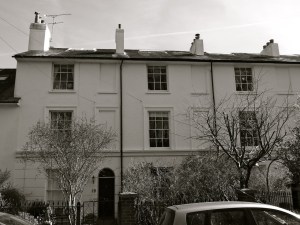
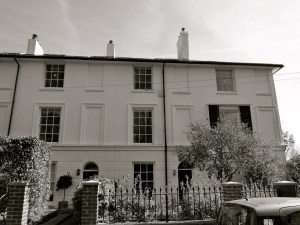
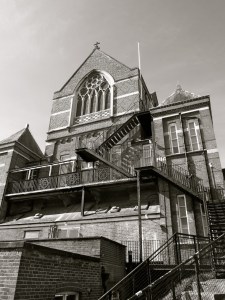
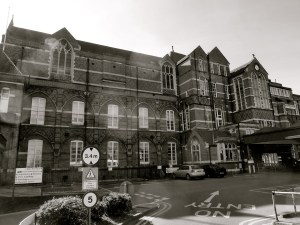
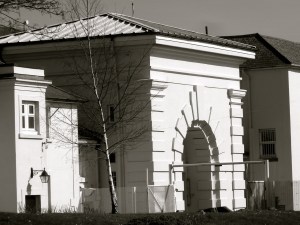
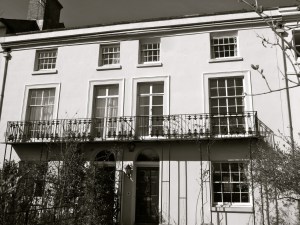
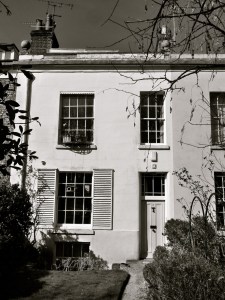
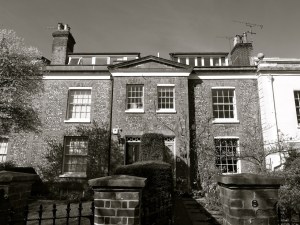
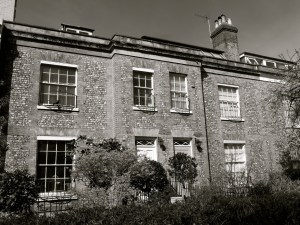
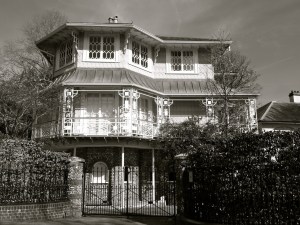
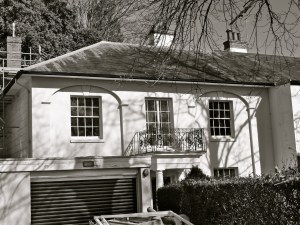
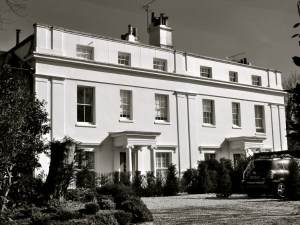
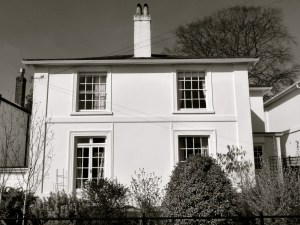
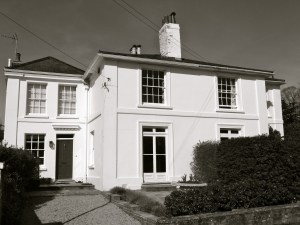
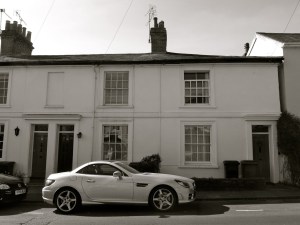
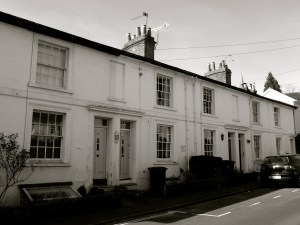
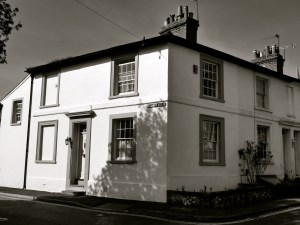
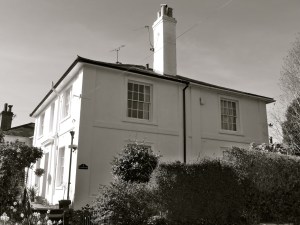
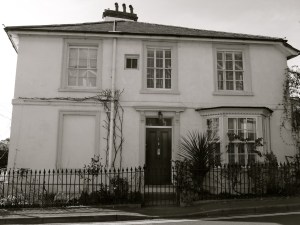
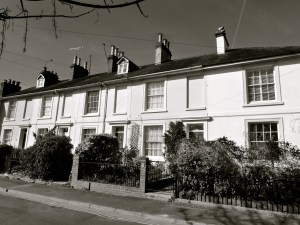
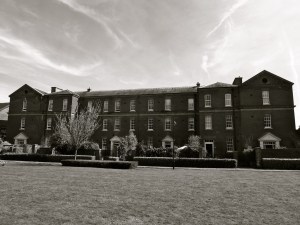
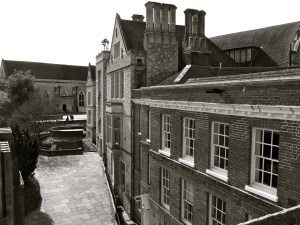
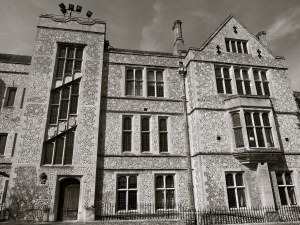
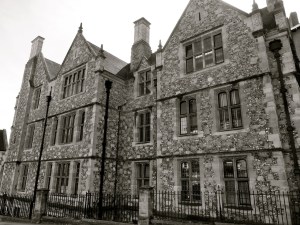
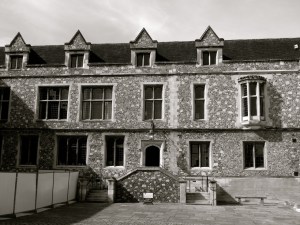
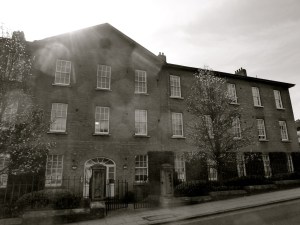
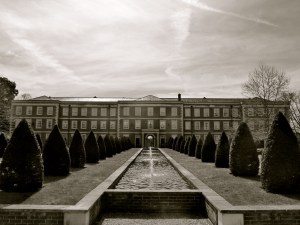
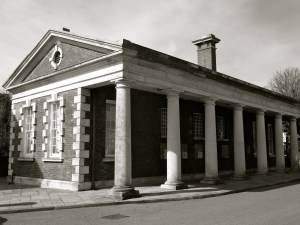
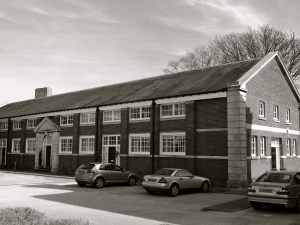
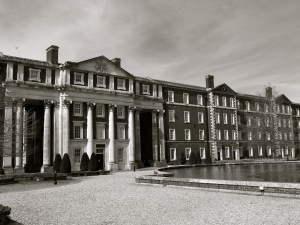
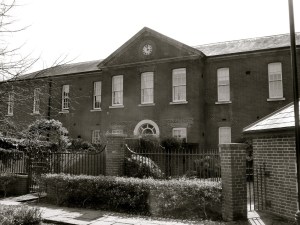
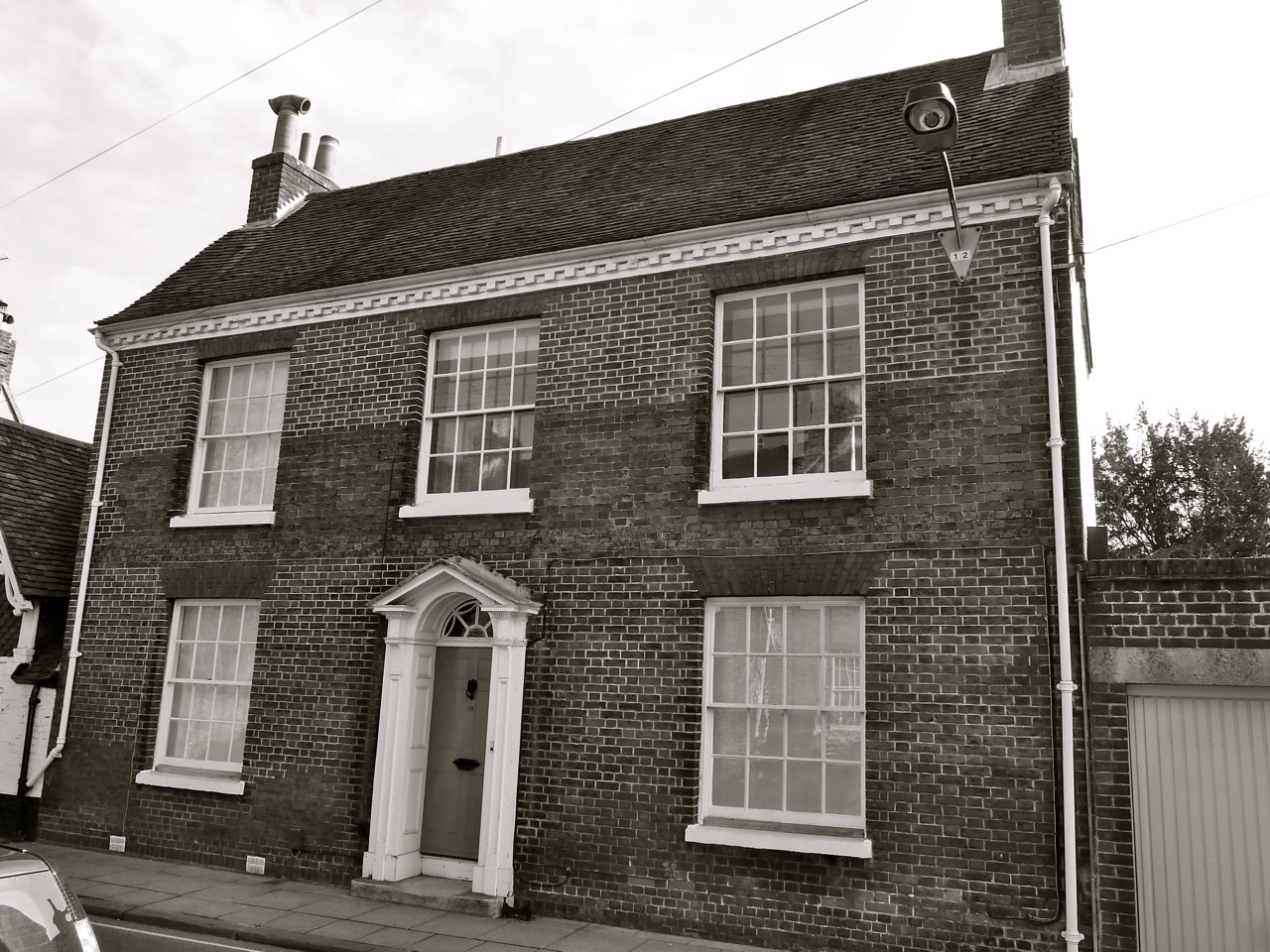
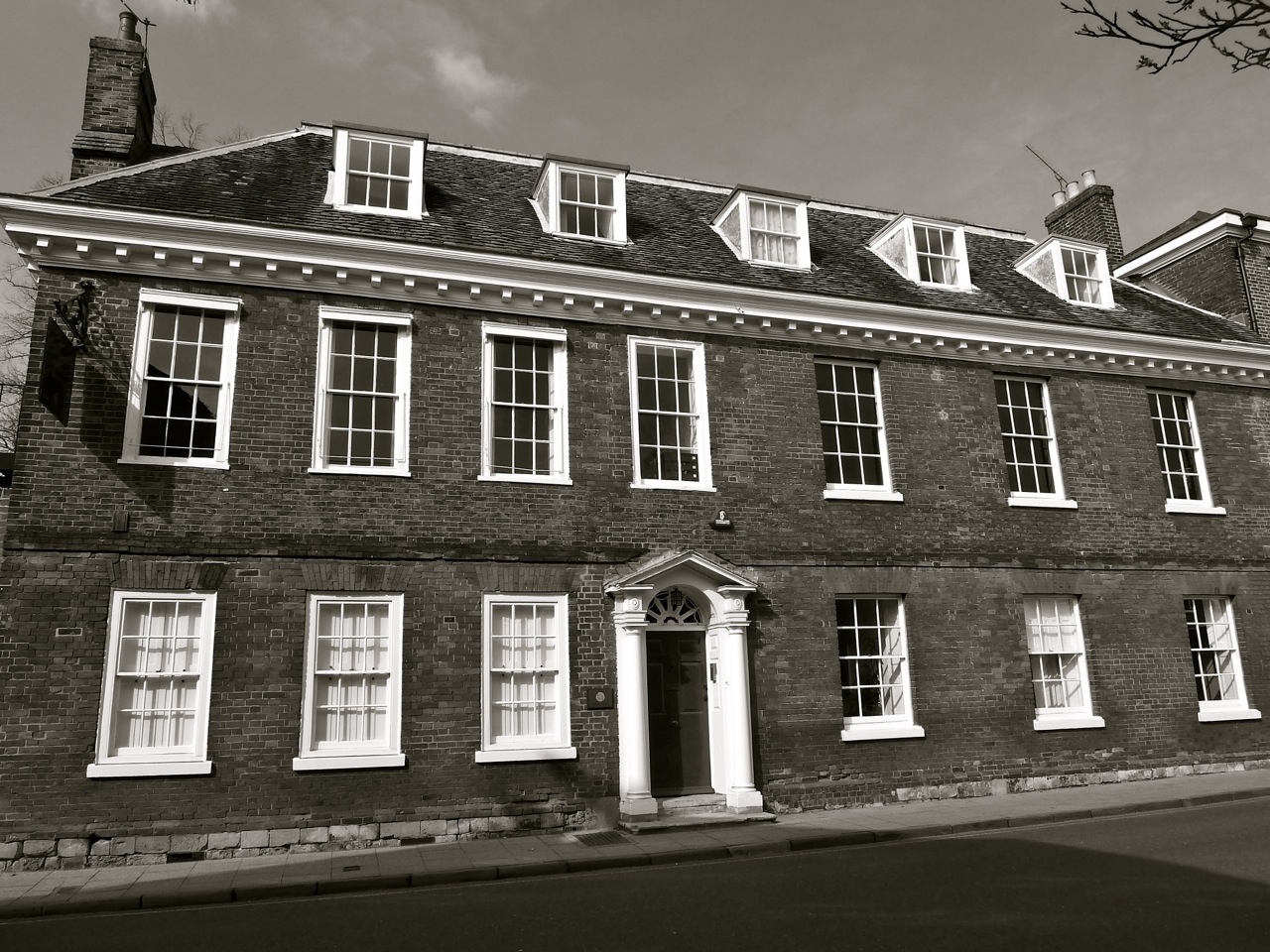
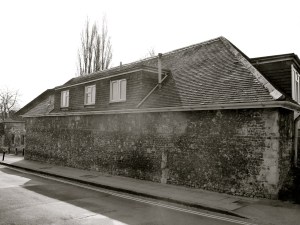
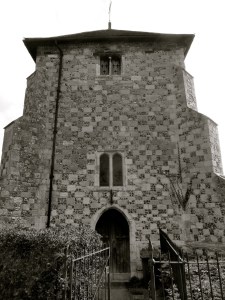
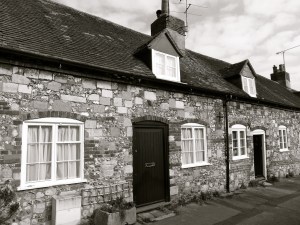
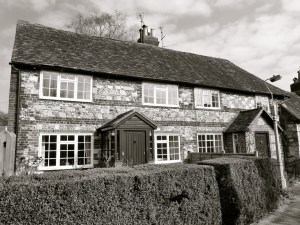
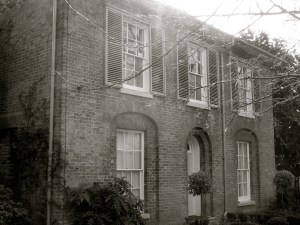
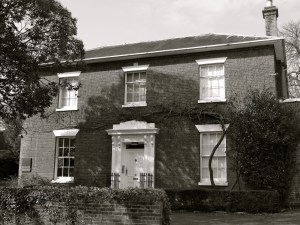
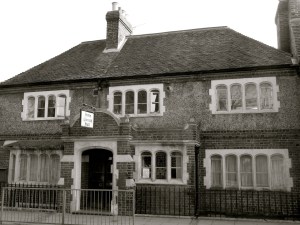
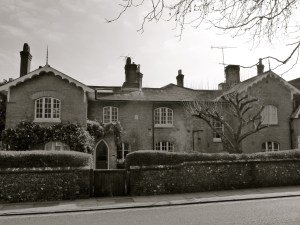
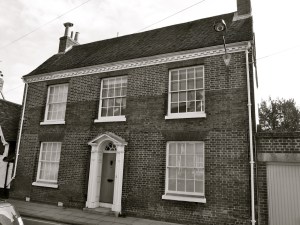
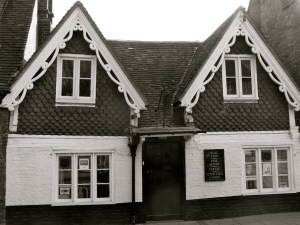
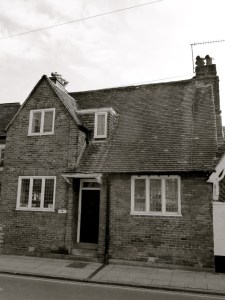
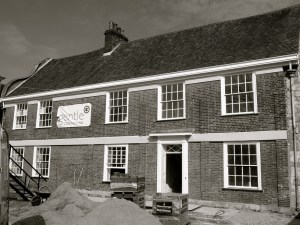
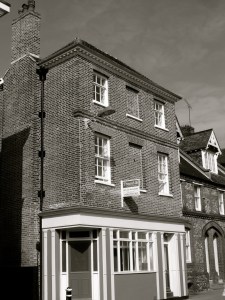
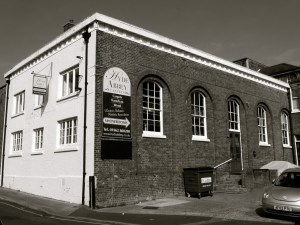
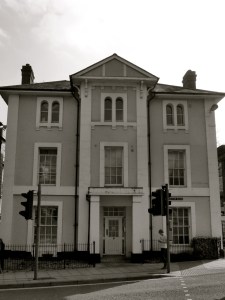
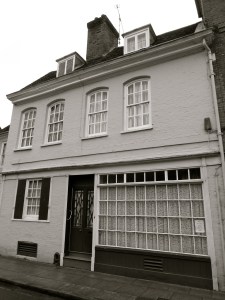
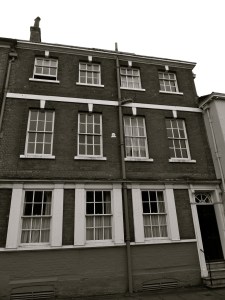
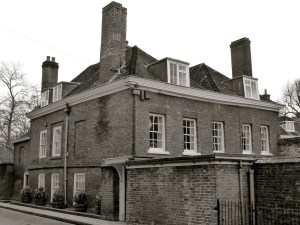
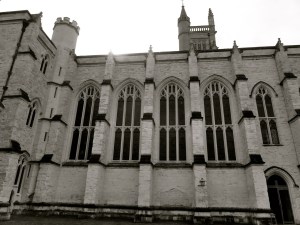
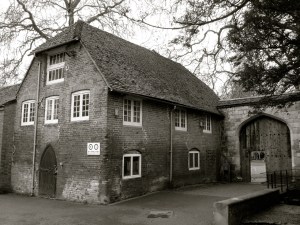
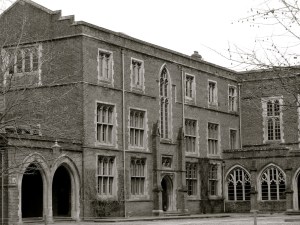
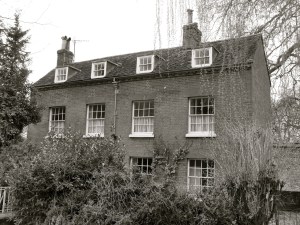
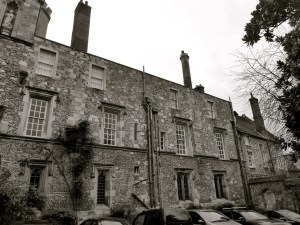
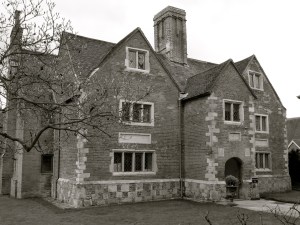
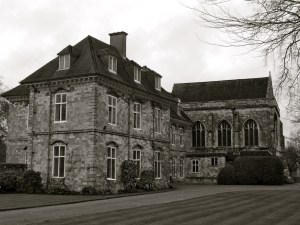
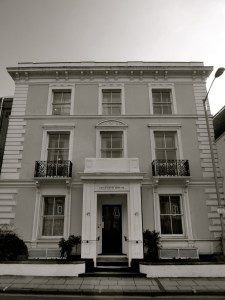
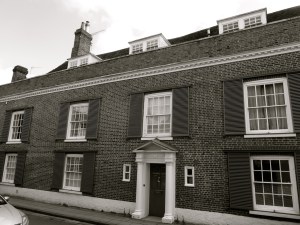
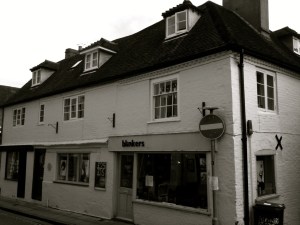
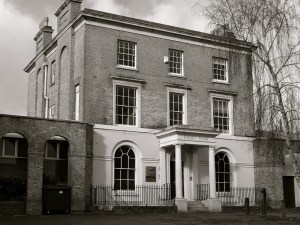
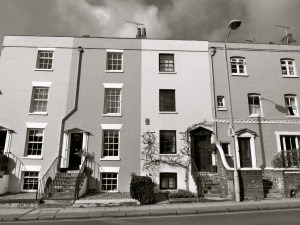
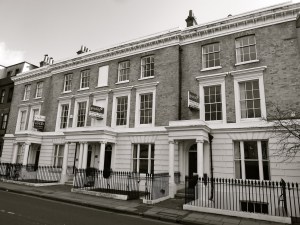
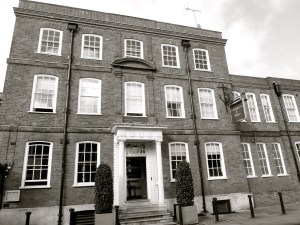
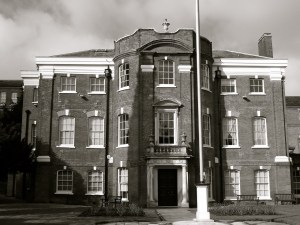
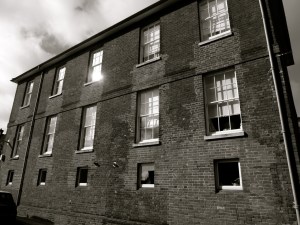
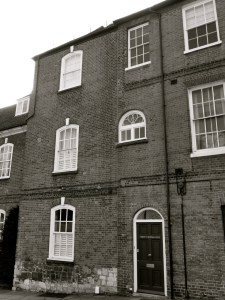
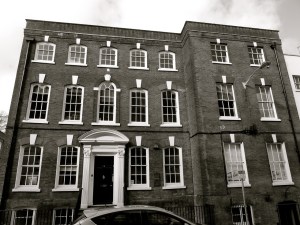
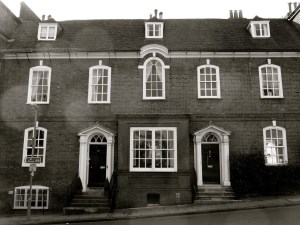
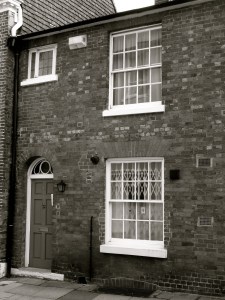
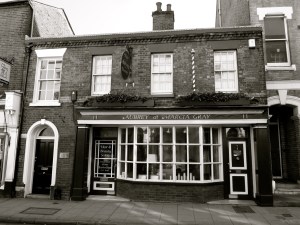
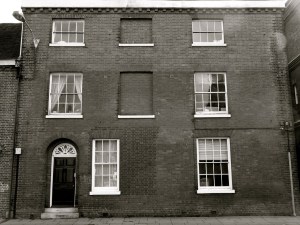
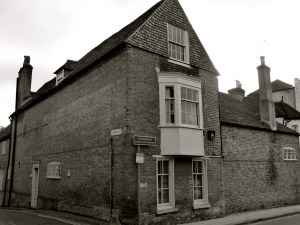
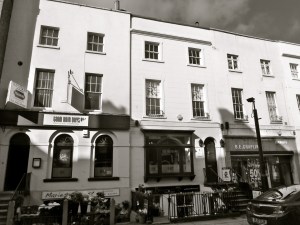
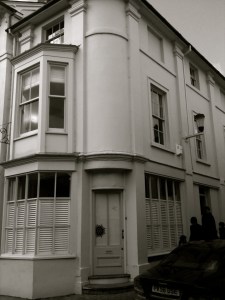
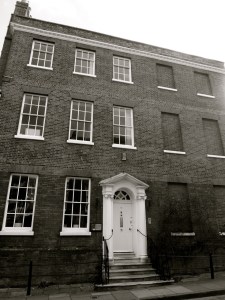
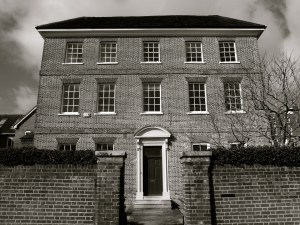
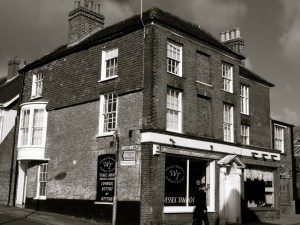
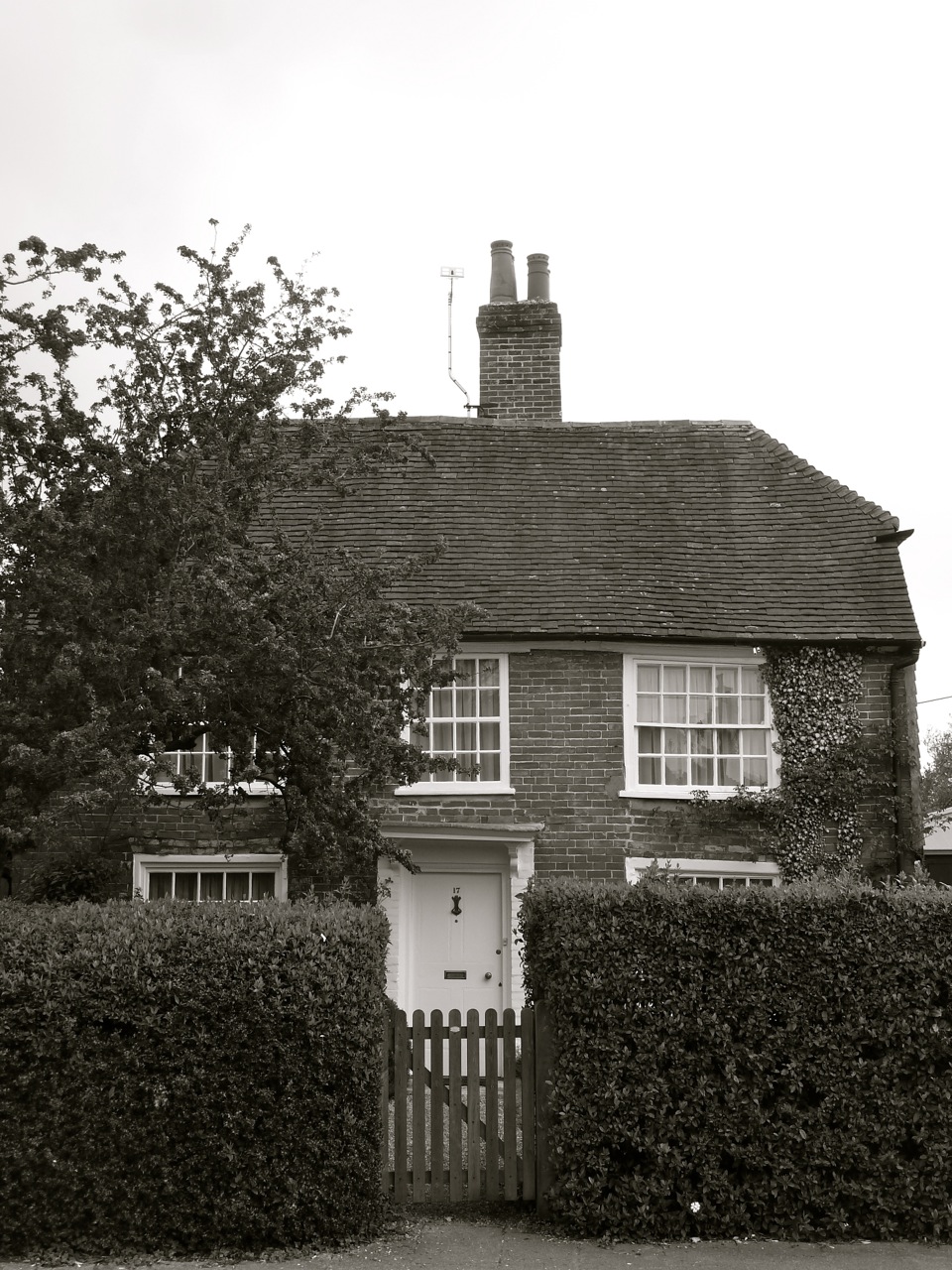
Petersfield is a market town 18 miles north of Portsmouth and about 20 miles east of Winchester. Today I explored the eastern side of the town centre from the old college in College St, past the western end of the High Street onto Dragon Street and further east into Sussex Road which leads to the heath. Most of the listed buildings here are C17 and C18, with some C16 and C19. Many have older sections behind the newer facades, evidenced by the uneven roofs. Compared to Winchester, the increased amount of space for building is apparent, with many of only two stories. Petersfield grew as a coach stop on the Portsmouth-London route and due to its market. The Red Lion is a large in on this historic route. The pictures below are all of Grade II buildings, with the exception of Dragon House and Heath Lodge, both II*. Pictured first, my favourites today are Fir Cottage, The Masonic Hall, and 24/26 Dragon St. I am grateful to the owner of Wych Elm Cottage for allowing me onto her property to take that photograph.
Hampshire Architecture: St Cross

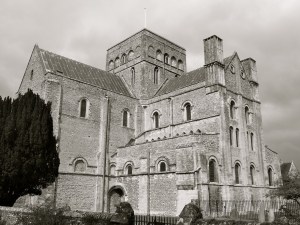
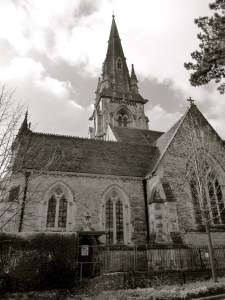
Is St Cross a Winchester suburb or is it a village? St Cross is one mile south of central Winchester next to the meadows of the Itchen, underneath St Catherine’s Hill. Away from the main road there is the feel of a village, in the Back Street and around the medieval Hospital founded in 1130, along with some old cottages. On the busy St Cross Road it’s very much part of the city, with groups of C18 and C19 town houses, Georgian and Regency. The group of buildings of the hospital is described in the Listed Buildings section of English Heritage as “One of the most beautiful groups of buildings in the country”

Favourites today are 6, 7 and 10 St Cross Back Street, and of course the mini-cathedral of St Cross Church. These are ordered first in the photographs below:
Winchester Architecture – Villas, Terraces and Outskirts

The final collection of listed buildings in Winchester. This set includes the urban eastern end of St James Lane, up onto West Hill, Romsey Road, then Stockbridge Road and Worthy Lane. In the C19 the wealthy of the city built villas and terraces up on the downs to the west, away from the diseases that were plaguing the lower areas. St James Lane is steep and leafy once it leaves St Cross Rd. St James Terrace runs alongside the railway. Further up are Clifton and West End Terraces. To the west are the hospital (note Butterfield Wing), prison, and the university which includes turn of the century (19-20) West Down School buildings. The northern outskirts include some thatched cottages and the old farmhouse of Abbotts Barton – C17 rural architecture in amongst the 70s housing estates.
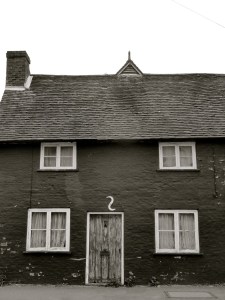
Favourites in this last set include St James Villas, The Pagoda House and Stapenhill. These are first in the photographs. Click for larger images.

Previously

Winchester Architecture – Peninsular Square and Castle Hill

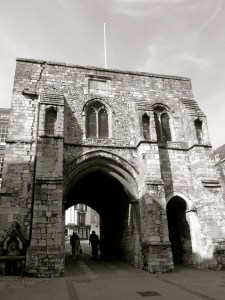
This is the area of the former Winchester Castle, at the south western corner of the medieval city walls, rising above the city. Following this historical land use, the area continues to house the administrative offices of Hampshire County Council, whilst Peninsula Square, now residential, was once a complex of military Barracks and army buildings c1900. All that remains of the castle is the Great Hall and some remains of walls, although The Westgate is of a similar age to the hall. The council offices are C19-C20 despite the Elizabethan style.

Winchester Architecture – Hyde

The site of the medieval Hyde Abbey is north of the old city walls. It has the feel of a village and a character of its own, set apart from the rest of Winchester, although very close by. The area around St Bartholomews Church is very peaceful and quite charming, except for the men drinking in the Abbey Gateway at 10am. Only a couple of buildings and bridges remain of the Abbey itself. Most of the listed buildings here are on Hyde Street, with some fine C17 and C18 detached properties, often matching. Also included are a couple of C20 buildings, listed ‘for group value’. A little further west is an old schoolhouse and the former Eagle hotel.

My favourites today are the church, 58 Hyde St, 33 Hyde St, and Hyde Abbey House. These are first in the photographs below:

Winchester Architecture – Winchester College and College Street

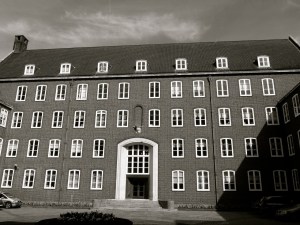
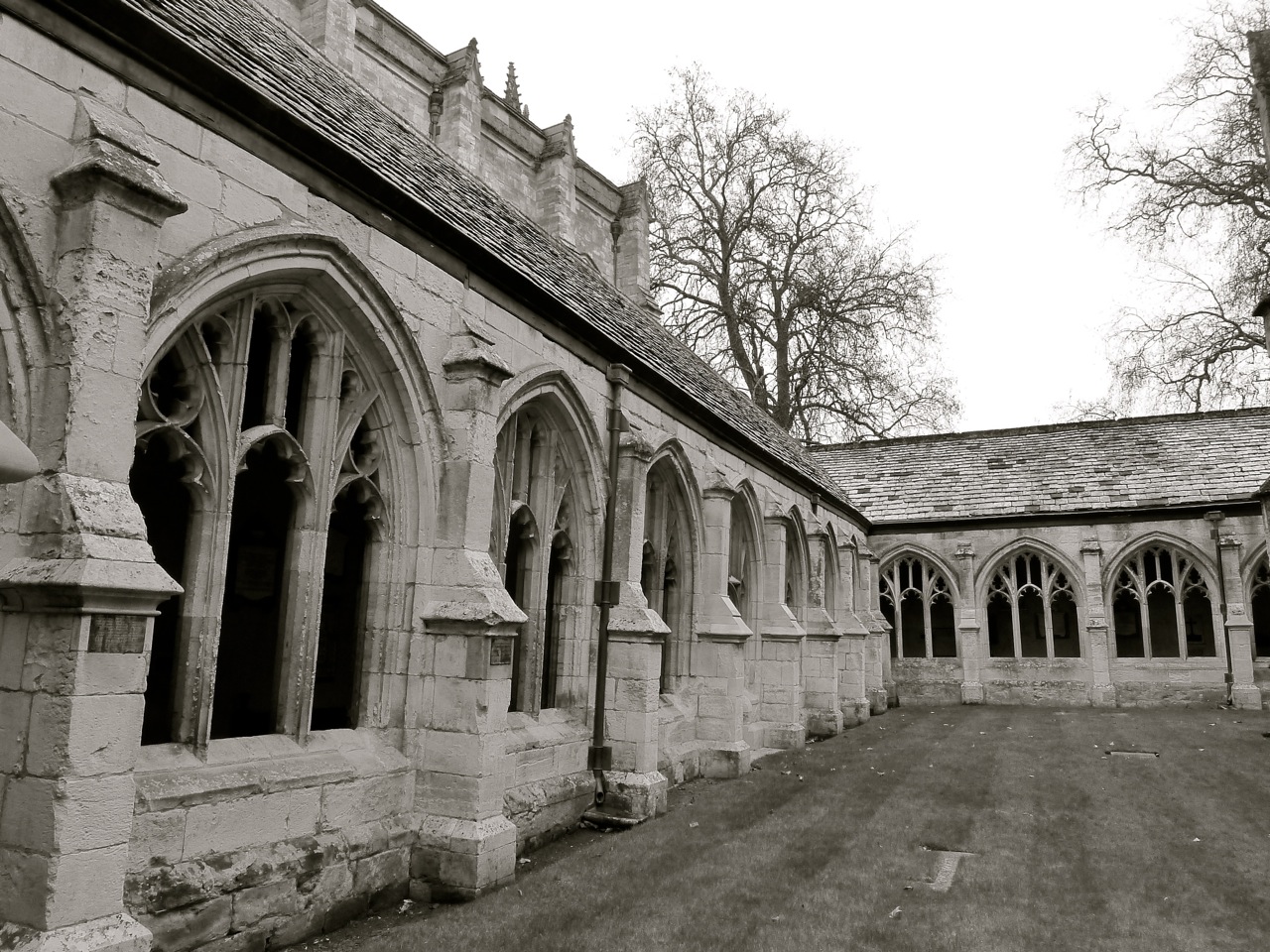
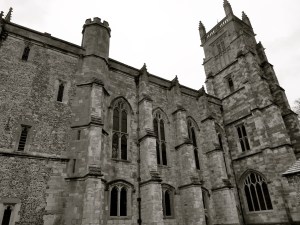
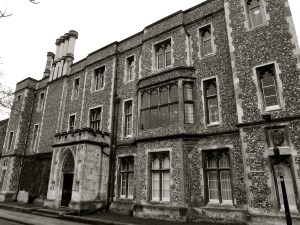
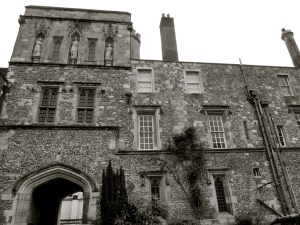
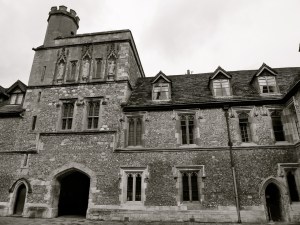
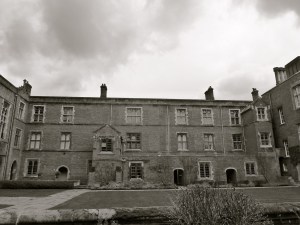
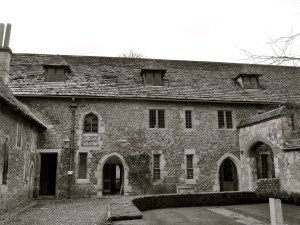
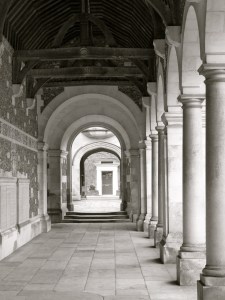
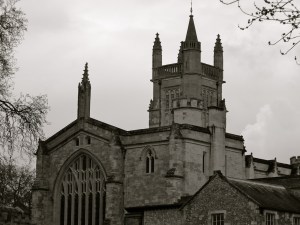
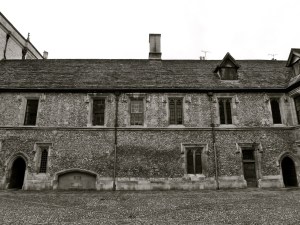
College Street runs east from Kingsgate, south of Cathedral Close. The street begins typically, with a few shops in C18 buildings. Further along is the house where Jane Austen died, and Wolvesey Palace, the home and offices of the Bishop of Winchester. Attached to this Christopher Wren building is the former chapel of Wolvesey Castle, a medieval palace now in ruins. To the south is the campus of Winchester College. From outside the walls one can see the Warden’s Lodgings, a grand house built above (and forming) the flint walls of the college boundary. Also built into the wall is the C14 Brewhouse, now Moberley Library and a little further back, the Headmaster’s House. The Outer court is largely C14, with the middle gate, Chambers Court, Hall, Chapel and Cloisters all built around the same time. This formed the early school. Expansion took place with a new building simply called School in the C17, and the Sick House. Then in the C19 came Flint Court, Moberleys Court and the Memorial Building. In the C20, the college expanded further south with the War Memorial Cloisters and Art and Science Departments (not listed). To the east are a couple of mills on the Itchen. The boarding for students is all on or around Kingsgate St (see other post). Winchester College forms a unique architectural history, with continued educational and religious use since the late thirteen-hundreds. (Entry is via a tour: £6)

9 College Street, Wolvesey Palace, and the College Cloisters were today’s favourites and are first in the photo set below.

Hampshire Architecture: Portsmouth – Dockyard and The Hard

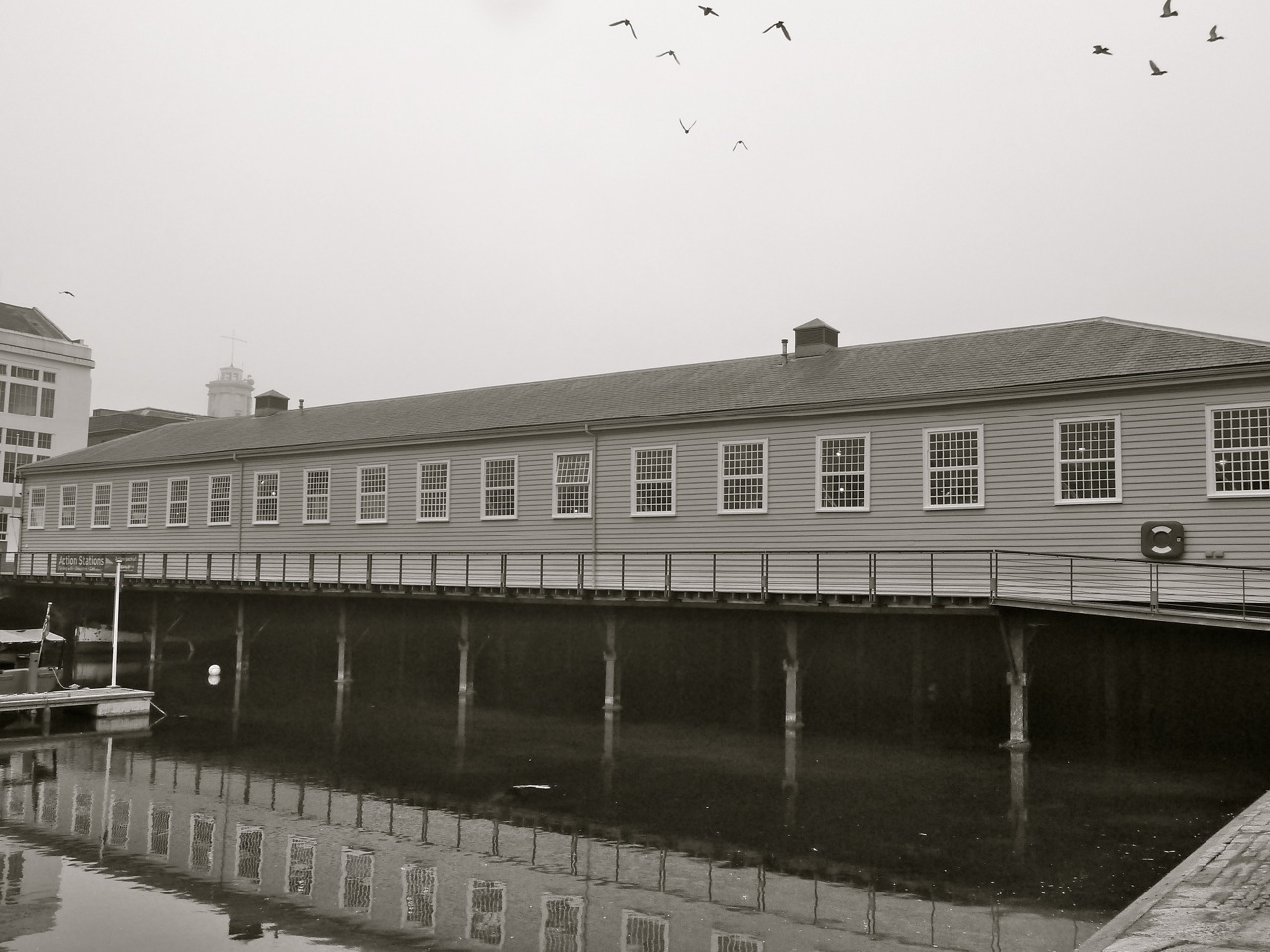
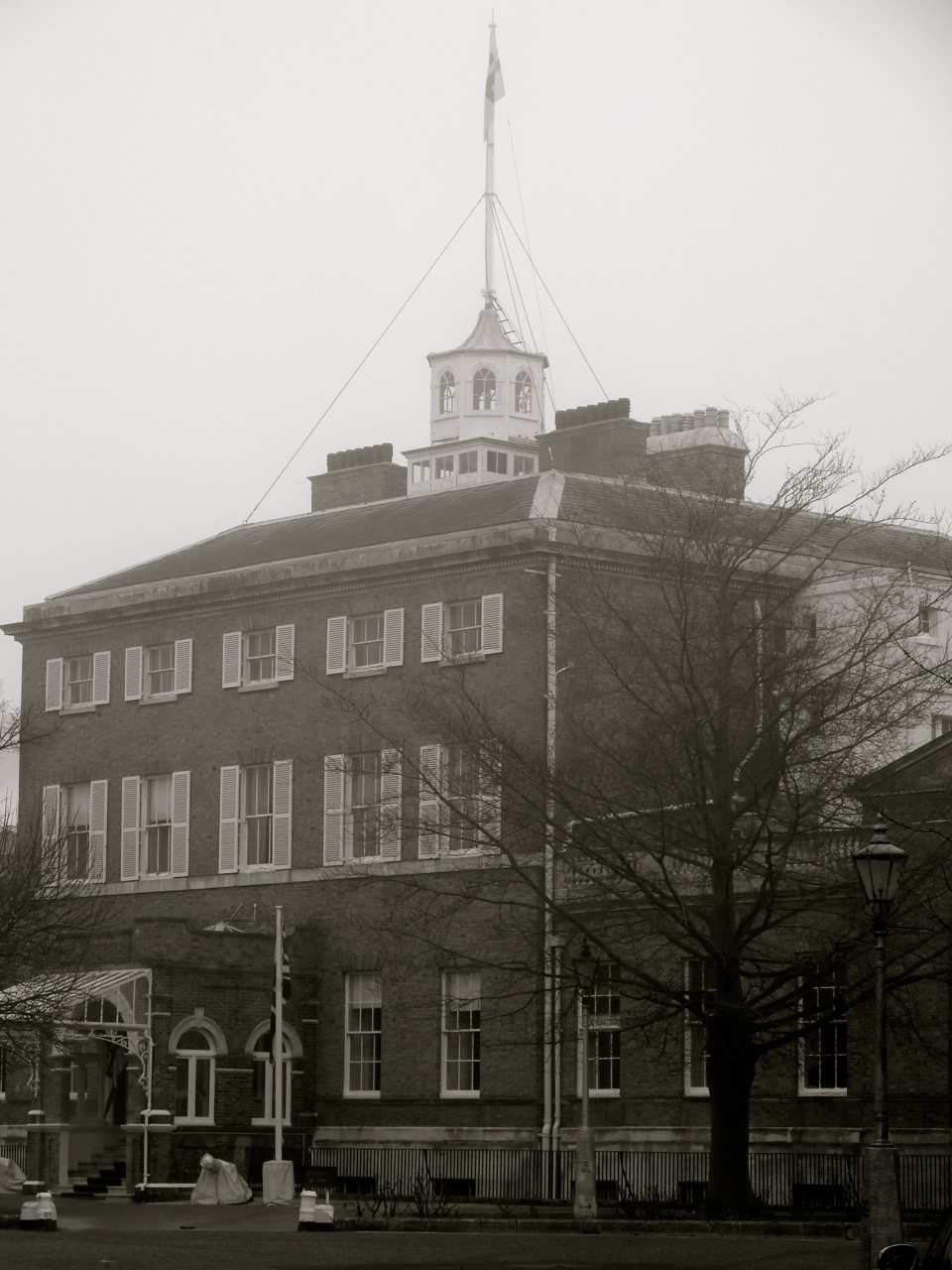
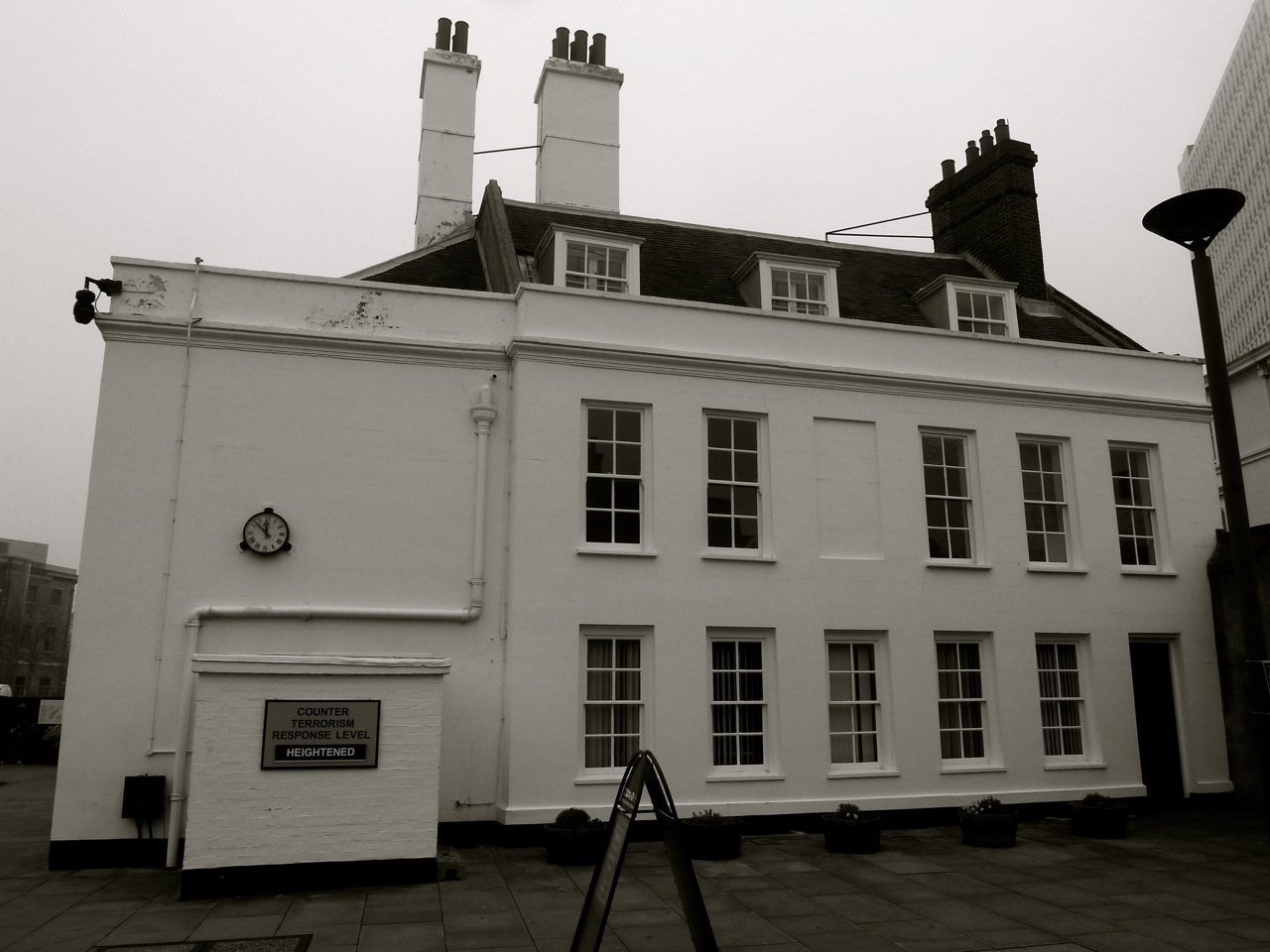
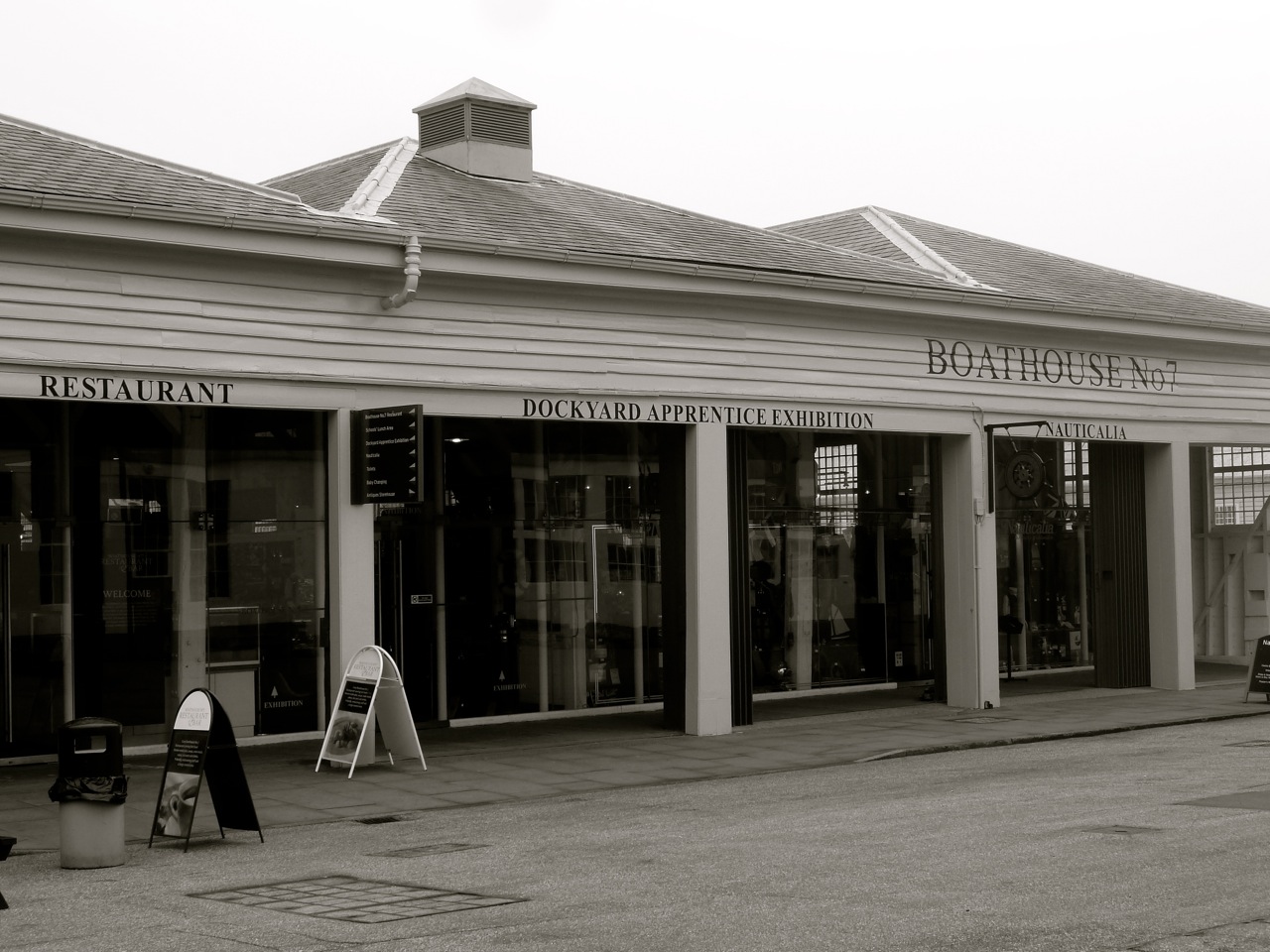
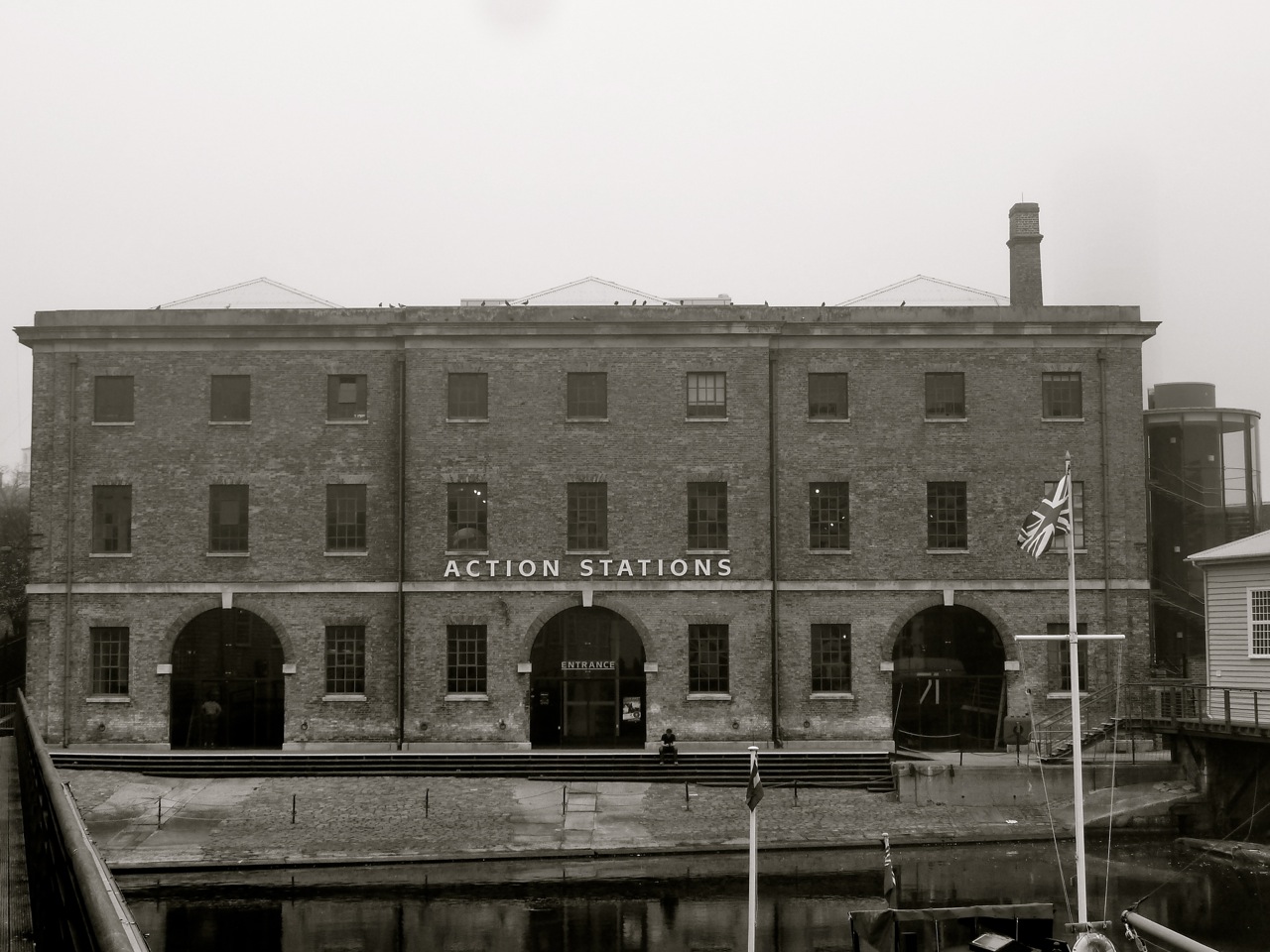
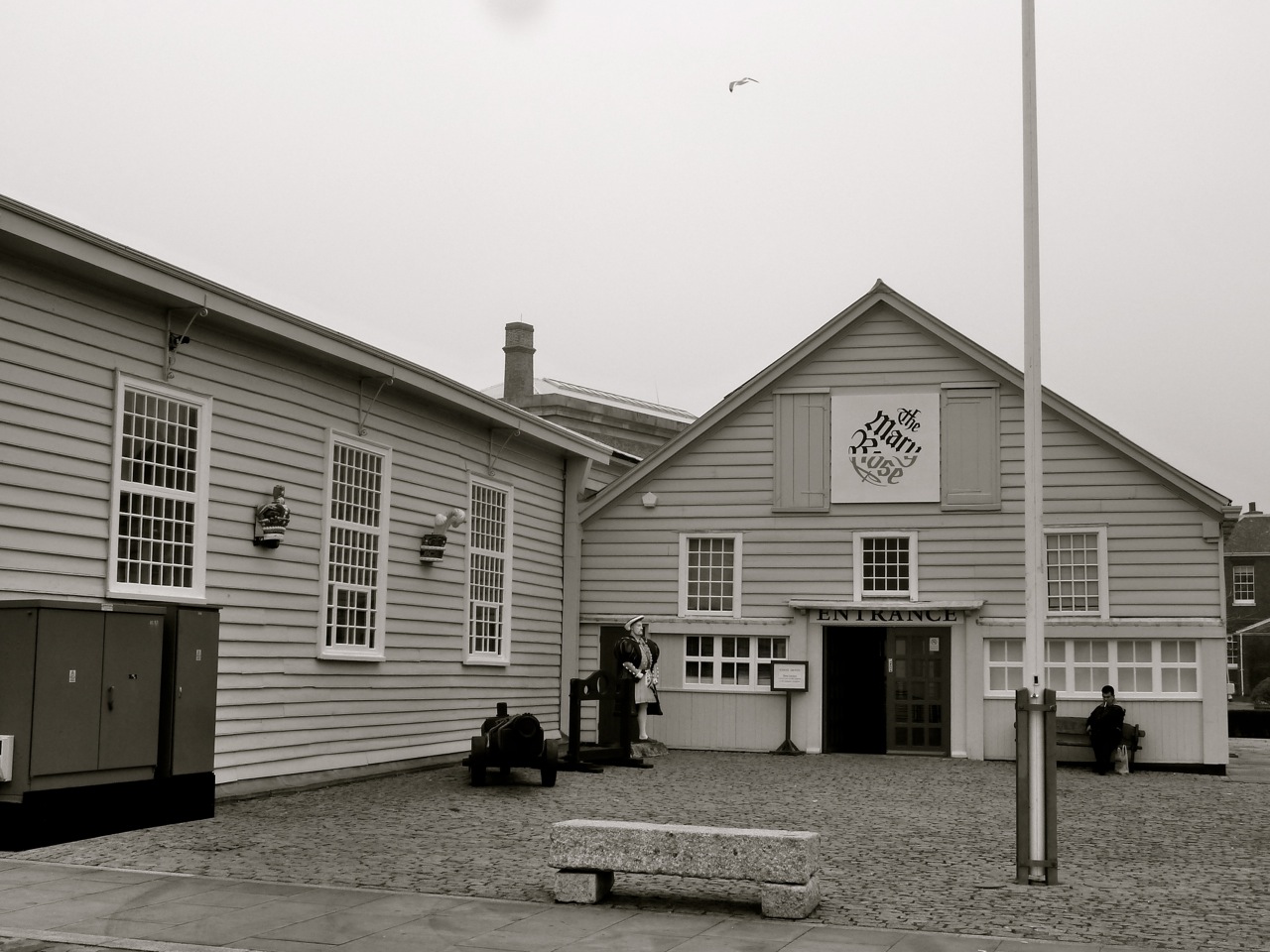
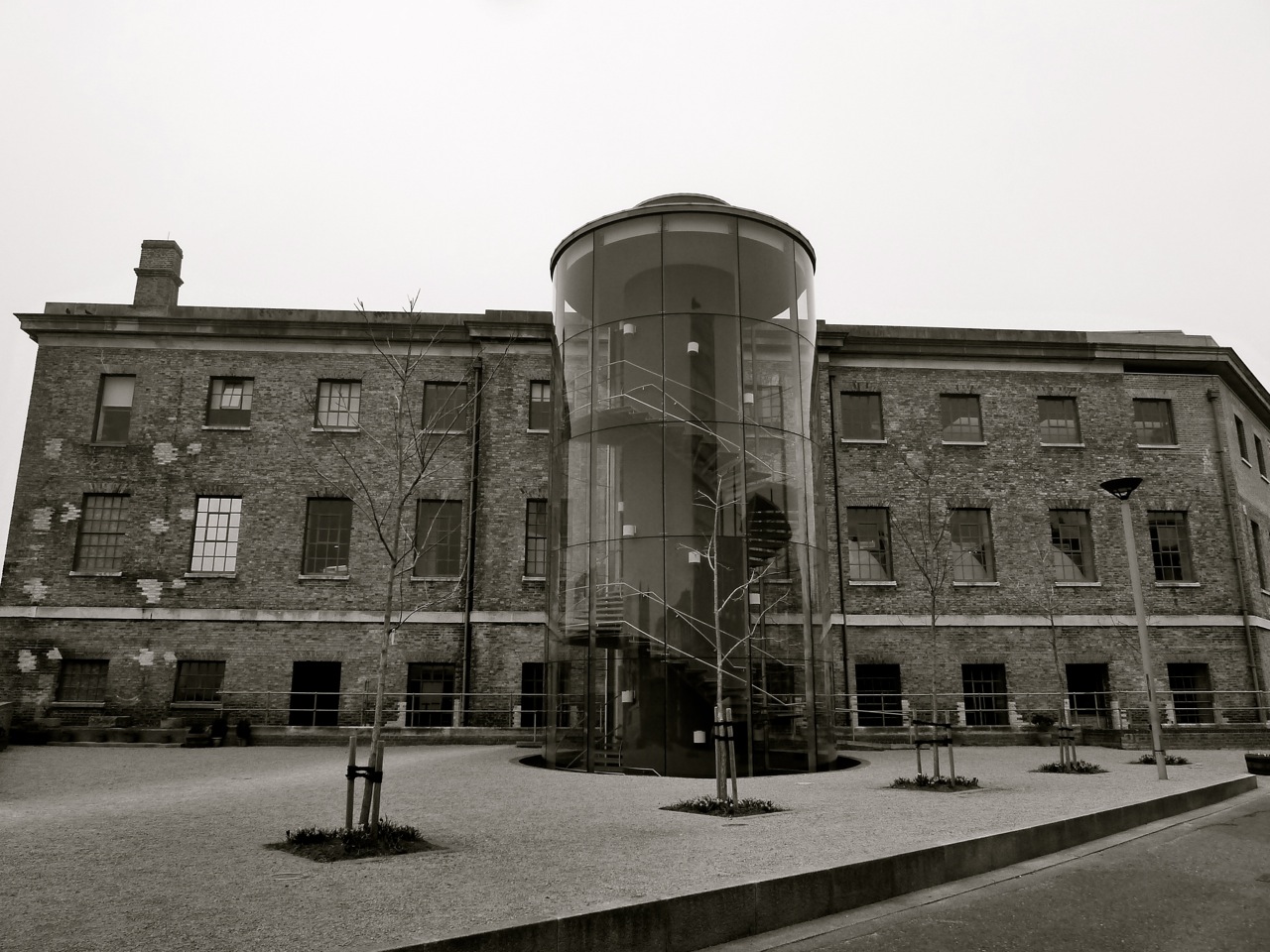
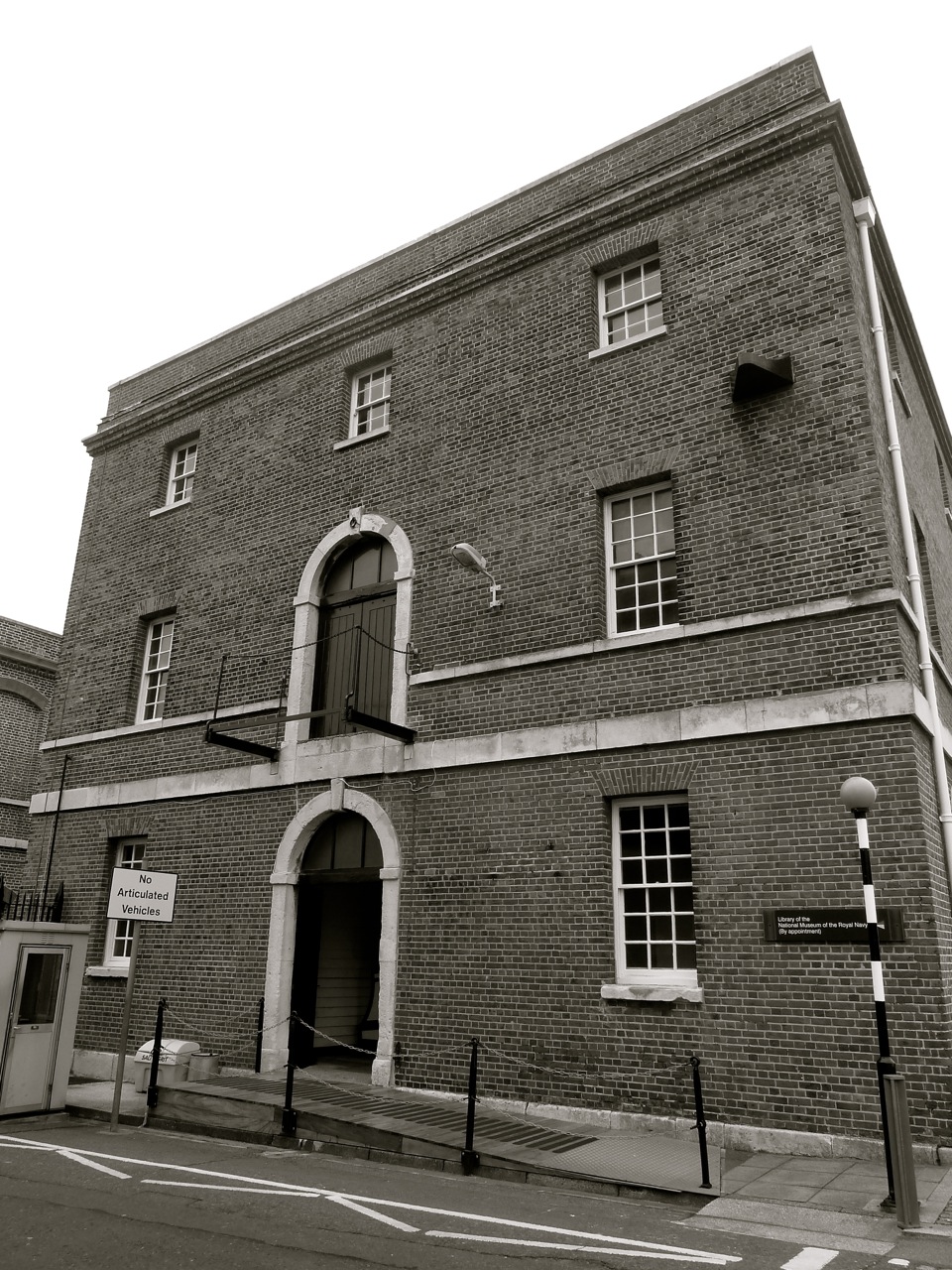
On Friday I was in Portsmouth and took the opportunity to photograph the listed buildings at The Hard and the Historic Dockyard. The public are only allowed along the western edge of the dockyard but I was able to also take a few photos of some of the listed buildings inside the Naval Base, through the railings. The dockyard listed buildings are C18 and C19, functional but with a formal elegance. There are large boathouses and stores, the Pay Office where Charles Dickens’ father worked, along with a detention centre and the Porters Lodge just inside the gate. I hope one day to be able to go into the restricted Naval Base as there are elegant officers’ terraces and other grand buildings. (Note that these are not all the listed buildings in the dockyard; some are obscured.)

Winchester Architecture – St Thomas Street / Southgate Street / St Cross Road

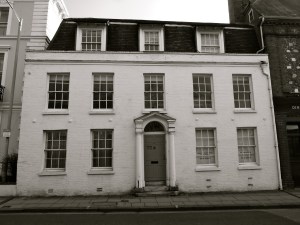
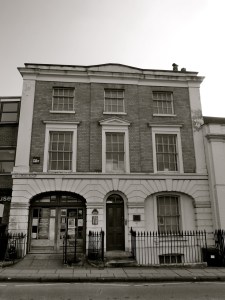
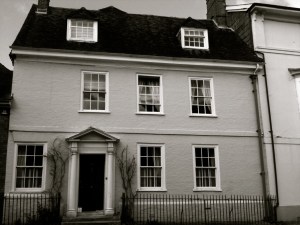
This area is to the south west of the city centre. St Thomas St is a fine street running from the High St to St Swithuns, with a variety of houses mainly C18. Southgate St runs parallel and is much wider, forming a main road out of Winchester to the south. Some of the buildings reflect the width, looking like terraces in London with their yellow-grey brick and white stucco. Southgate becomes St Cross Road as it heads towards St Cross, a village now part of the city. St Cross itself, and the military buildings to the west will be covered another day. I also included the west end of St Swithuns st as this forms a feature at the end of St Thomas St.
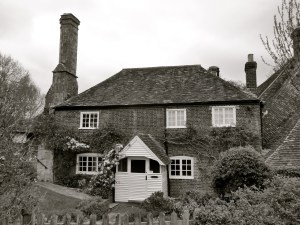
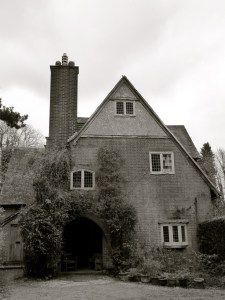
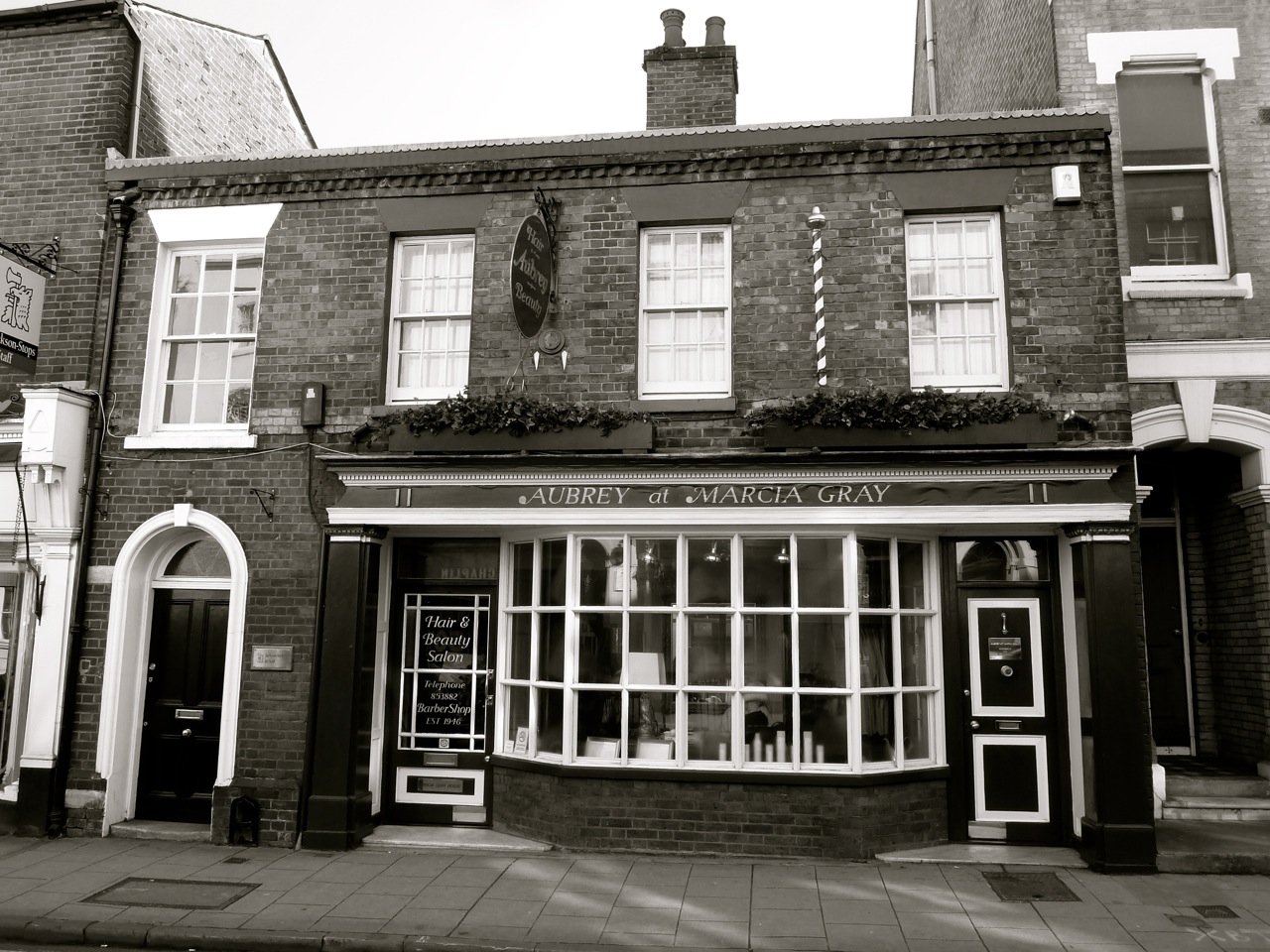
Highlights today for me are 11 Southgate St (Aubrey at Marcia Gray), 27a St Swithuns Rd, 26-27 St Swithuns Rd and 13 St Thomas Street (Well House). These are first in the photographs below. I remember when Well House used to be a centre for alternative therapies and I used to take yoga there. I’m sure it is now used for something far more exclusive.

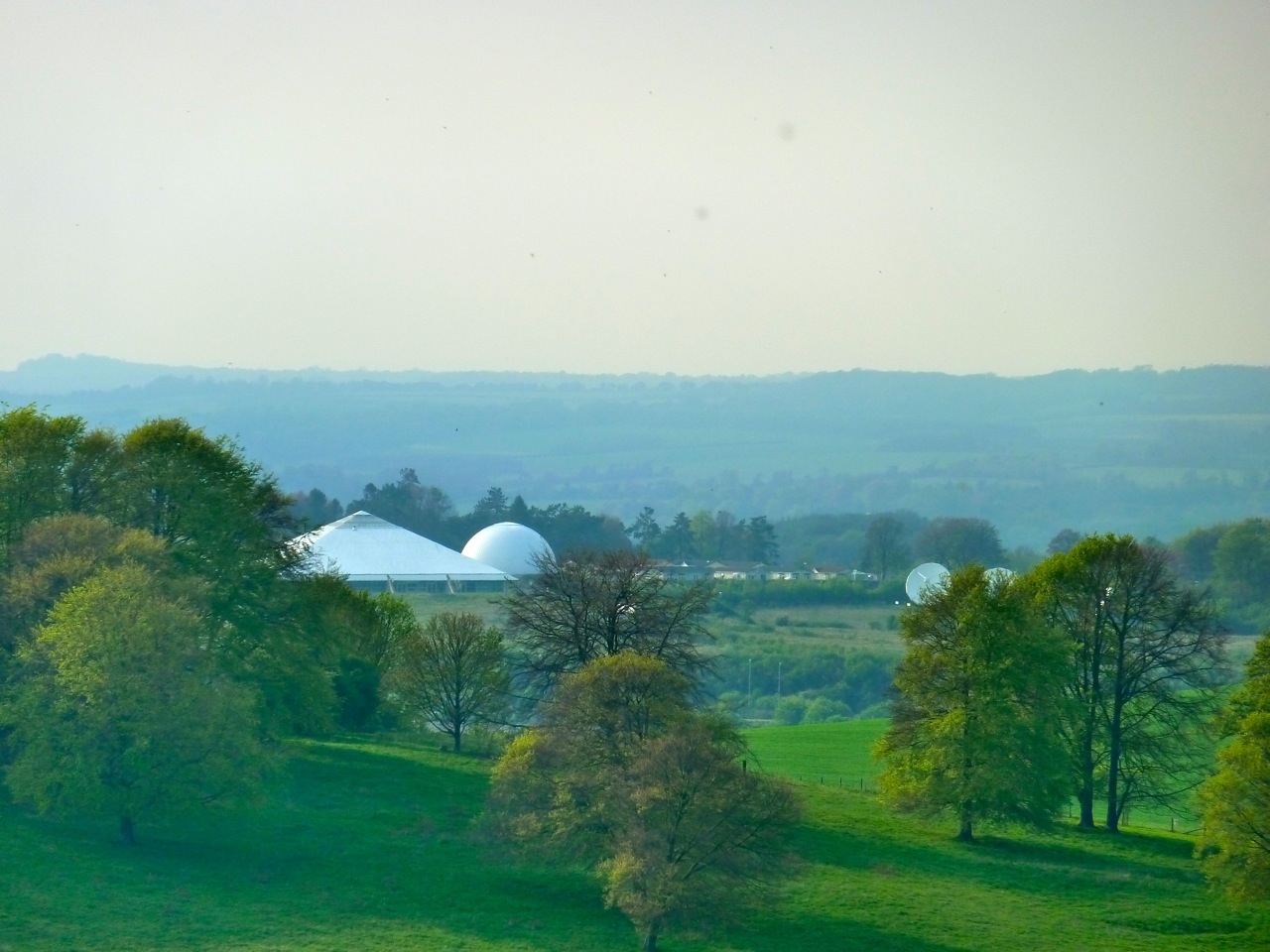
Brockwood Park School Pavilions Project Update January 2012

Brockwood Park School Pavilions Project - Clearing the area by the caravan (228/365) Sep 2010Swedish Triple Glazing - Brockwood Park School Pavilions ProjectPavilions 2 & 3 - Brockwood Park School Pavilions ProjectWalkway roof - Brockwood Park School Pavilions ProjectHeat exchanger (geothermal) - Brockwood Park School Pavilions ProjectOak beam detail - Brockwood Park School Pavilions Project
Ceiling detail - Brockwood Park School Pavilions ProjectCommunal area, Pavilion 4 - Brockwood Park School Pavilions ProjectStudent sIngle bedroom - Brockwood Park School Pavilions ProjectPavilion 4 - Brockwood Park School Pavilions ProjectBalcony - Brockwood Park School Pavilions ProjectUpstairs Railing - Brockwood Park School Pavilions Project
Skylight - Brockwood Park School Pavilions ProjectPavilion 5 - Brockwood Park School Pavilions ProjectPavilion 6 - Brockwood Park School Pavilions ProjectConstructing the walkways - Brockwood Park School Pavilions ProjectBrockwood Park School Pavilions Nov 2011Brockwood Park School Pavilions Nov 2011
Brockwood Park School Pavilions Nov 2011Brockwood Park School Pavilions Nov 2011Brockwood Park School Pavilions Nov 2011Brockwood Park School Pavilions Nov 2011Brockwood Park School Pavilions Nov 2011Oak frames Sep 2011

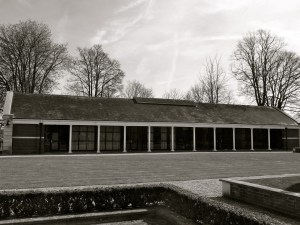
Due for completion in July this year, work on the pavilions is really moving forward, with most of the major construction work completed. Currently the verandahs and walkways are being built in a horseshoe, linking the seven buildings with boardwalks.

The pavilions are heated using a geothermal system. Deep down, the temperature is a constant 14 degrees C year round. Installed by a local company using the most efficient technique for heating, it uses a multiplier to build the heat enough for hot water and underfloor heating. A heat exchanger will circulate the warm air. The pavilions are highly insulated using paper pulp in the walls and polystyrene under the floor. The windows and patio doors are triple glazed, made in Sweden.

Each pavilion is for accommodation, with shared kitchen spaces. Two will be for students only, one for staff only, and the others a mix of students, mature students and staff. The staff pavilion has two flats, each with two bedrooms, designed for those staff with a family.

I’m looking forward to seeing the project move toward completion in the coming months, with the interior fittings, walkways and landscaping.

Weekend Walk 30

The final stage of the Itchen Way, from Bishopstoke bridge to Weston Point in Southampton, via Southampton Airport, Itchen Valley Country Park, Riverside Park, Woodmill, St Denny’s, Bitterne and Woolston. At Woodmill Lock the fast chalk river suddenly becomes tidal estuary. Such a contrast as the Itchen joins the Test to form Southampton Water, to the shallow clear streams of Cheriton. This was my least favourite part of the walk, at some points feeling like a descent into urban hell after the open countryside and clear river further north.

It wasn’t clear where the Itchen Way actually finishes – some say at the tidal lock, others at one of the eastern Southampton stations. I chose to finish at the natural conclusion of the river.

Weekend Walk 29 – Winchester to Eastleigh – The Itchen Way

Last Sunday I walked from the City Mill in Winchester along the c17 Itchen Navigation as far as Eastleigh. Passing Wharf Hill, St Catherine’s Hill, Twyford Down, Twyford, Shawford, Bambridge and Highbridge, and many locks, hundreds of years old. This was the third stage of the walk along the length of the Itchen Way.

Weekend Walk 27 – Cheriton to Alresford – Itchen Way

After (most of) the South Downs Way and the Hangers Way, I’ve chosen the Itchen Way for my next long distance path. Yesterday we walked a short stage, from the source of the river south of Cheriton, to the southern edge of Alresford. At this stage the river is really just a shallow stream with rapid current, headed north. This is before it turns west then south in the Itchen Valley. The walk took us through Cheriton village and Tichborne Park.

Weekend Walk 26 – Petersfield to Queen Elizabeth County Park – Hangers Way

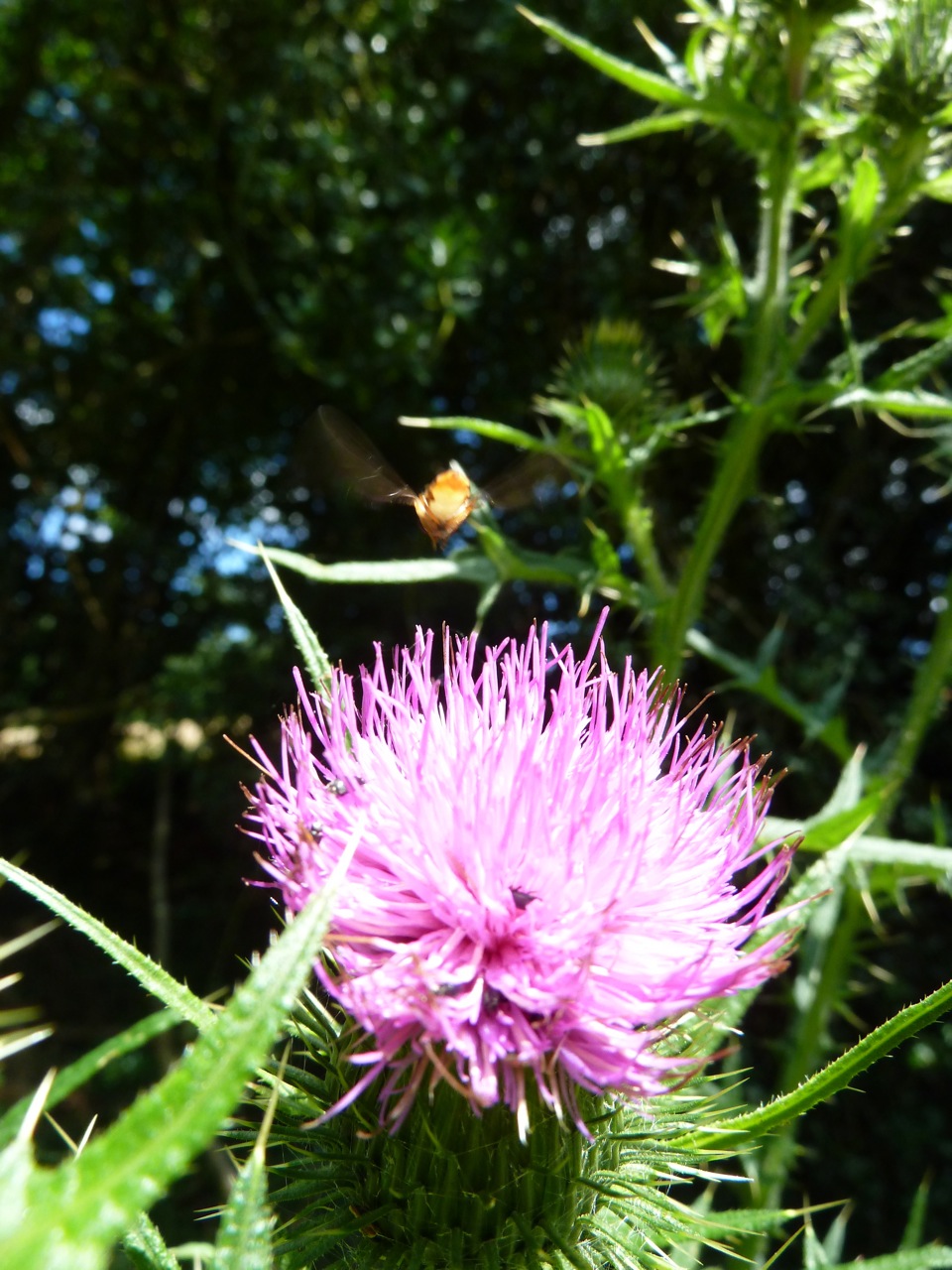
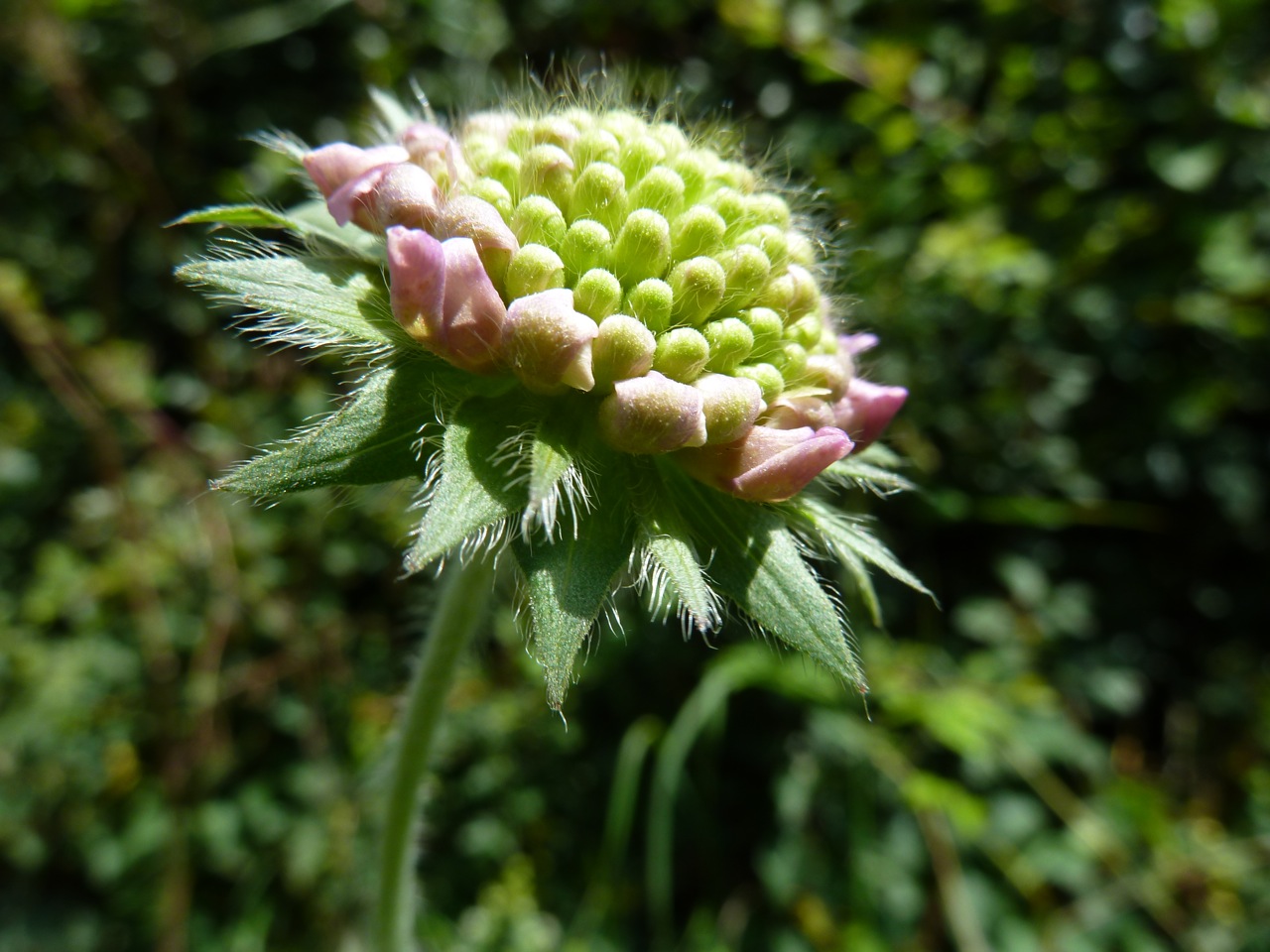
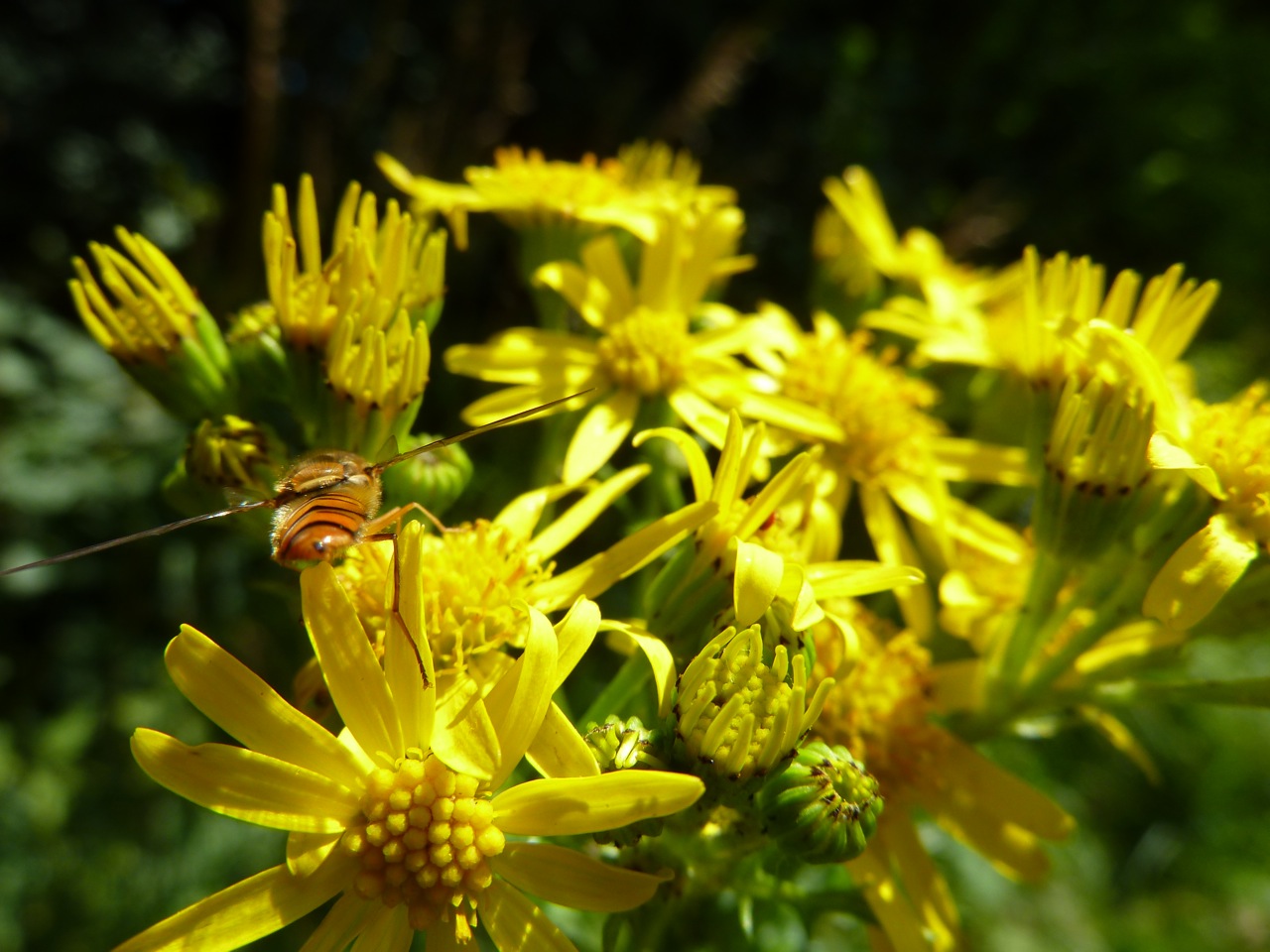
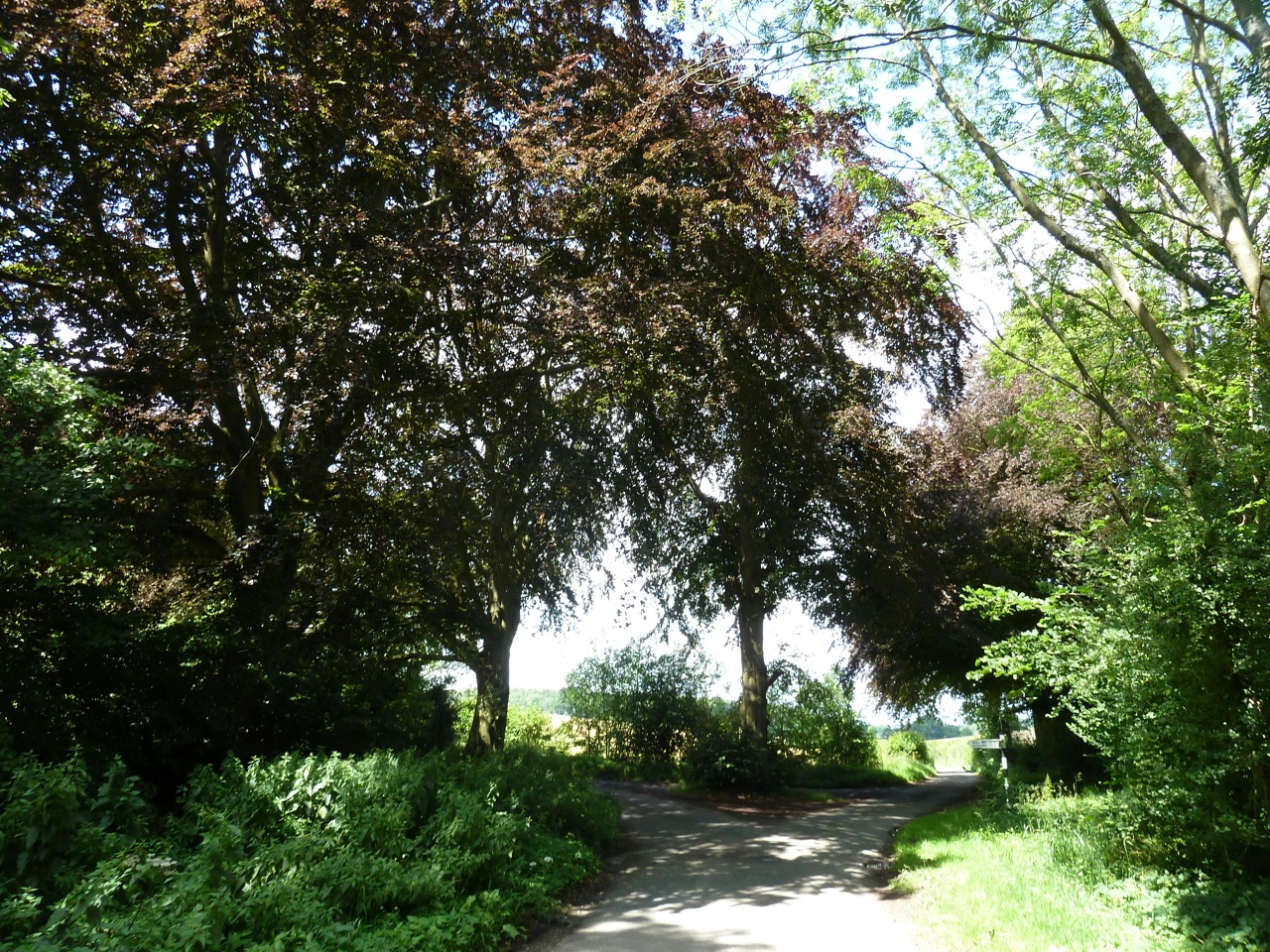
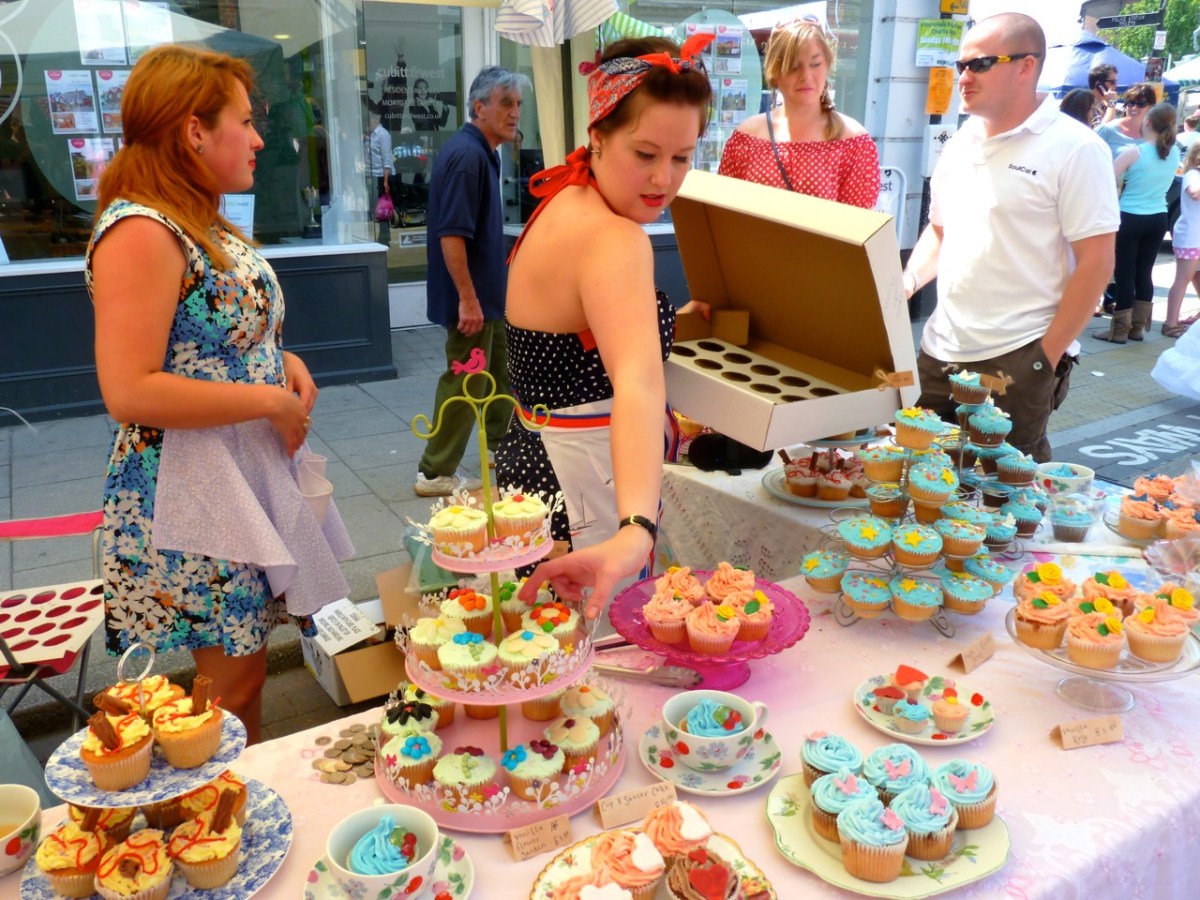
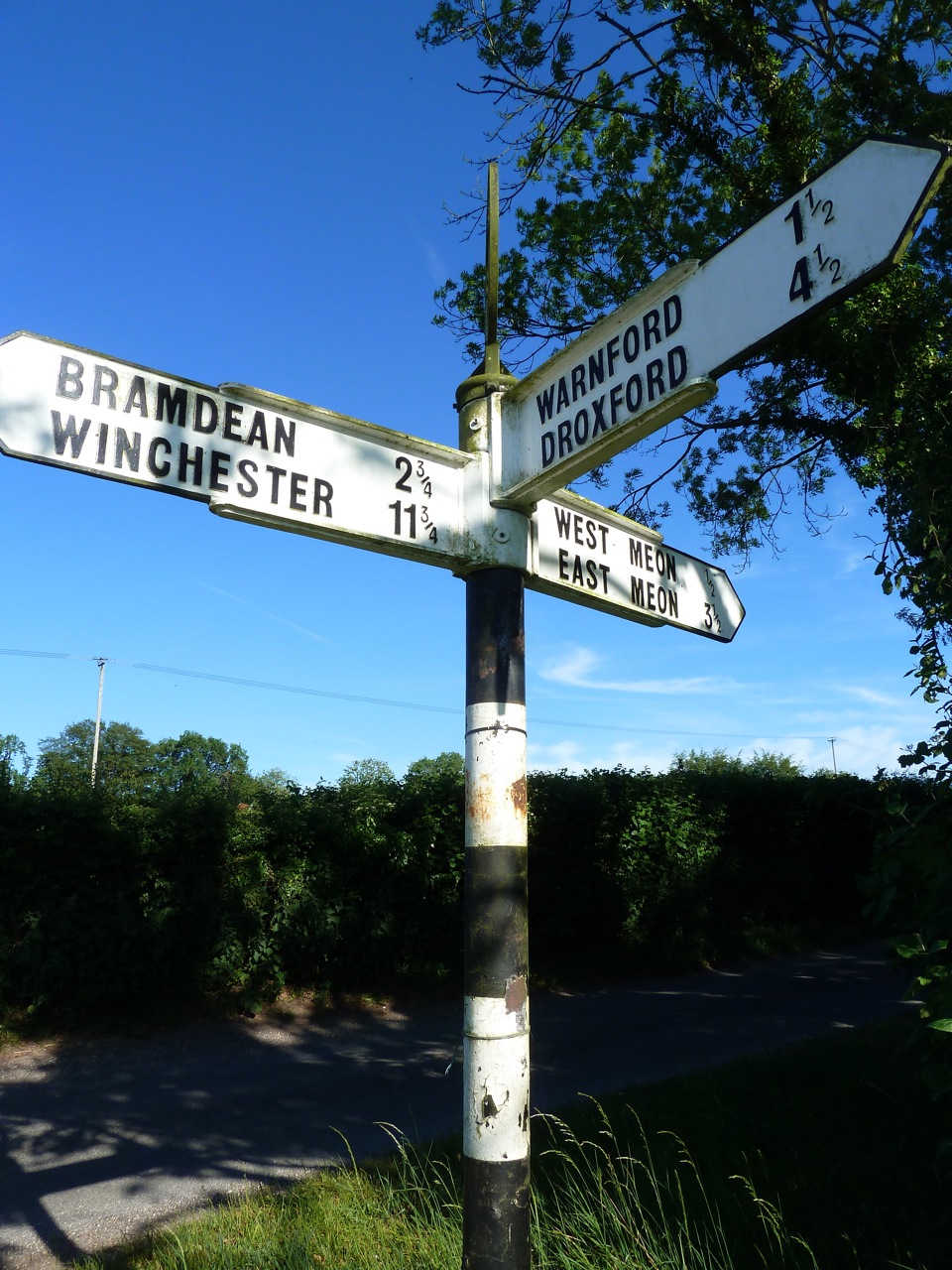
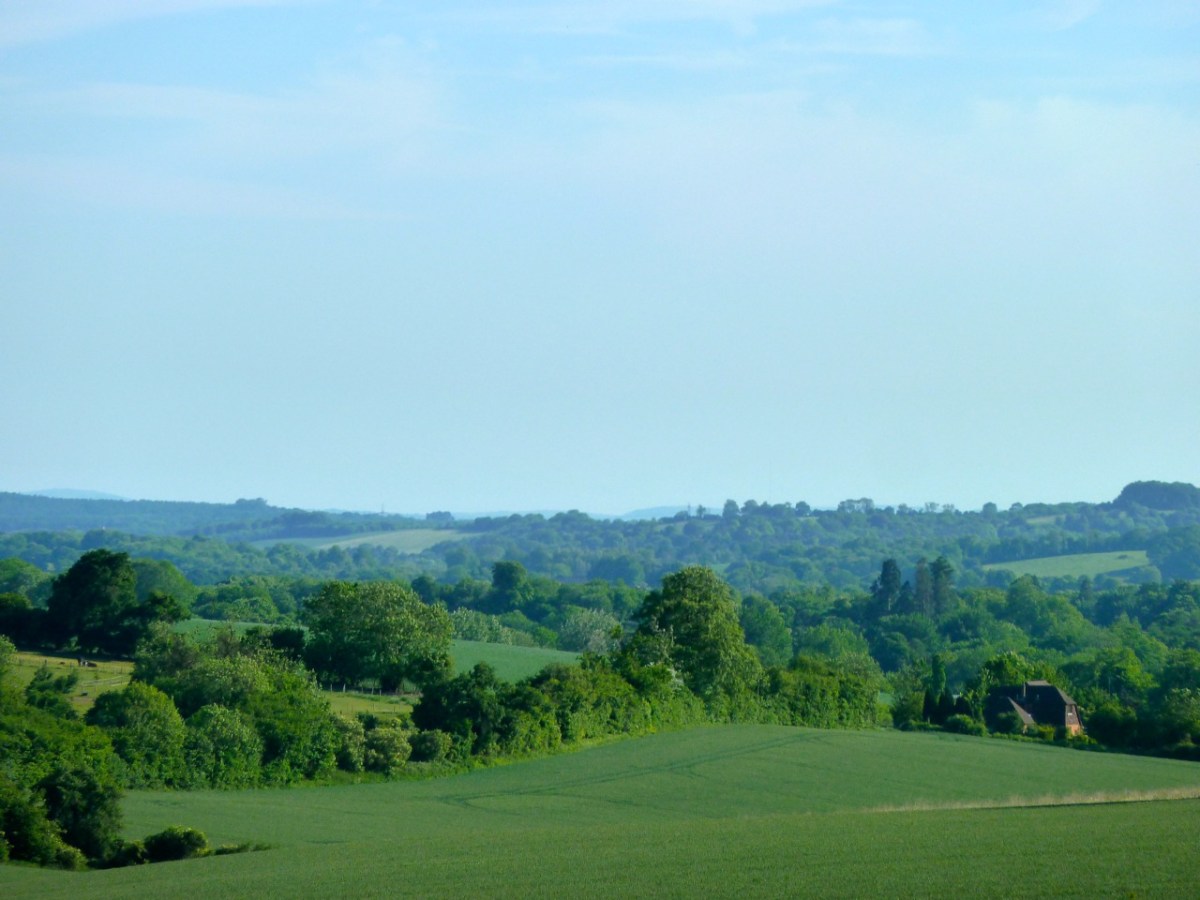
This morning I walked the remainder of the Hangers Way, a 21 mile path from Alton in Hampshire to the South Downs at the Q.E. Country Park. A sunny June morning, it was a hot walk and I was glad of the stiff breeze and the shaded sections. Petersfield was busier than normal. I found out this was because of the Petersfield Festival of Food & Drink (which at first I thought was just an extension of the usual market). The walk took me through the town and the mobile homes park. It’s got to be the neatest mobile homes park I’ve seen. Each garden was immaculately looked after. Then I headed south, getting a bit off track leaving the park, before picking up the Way along kind of a dyke, which lead down to Buriton. Buriton is such a sweet little village, with the pond as its main feature. I was surprised no one was there visiting. One lady in a garden, one walking her dog, that’s it. On the south edge of the village a team of Community Service workers were maintaining the cemetery. One local was stood in his doorway looking rather concerned at these tattood and stern faced men trimming hedges and strimming and repainting gates. Under the railway, then it was up onto the higher ground of the South Downs, but wooded hill here, mainly planted in the 1930s. It was busy there with hikers and cyclists, picnickers and families.

So, that’s the Hangers Way. Still two days left on the South Downs Way from last year to do, and I’ll soon tackle something like the Pilgrims Way or Staunton Way.