Hampshire Architecture – New Alresford: The Soke, Mill Hill and South East

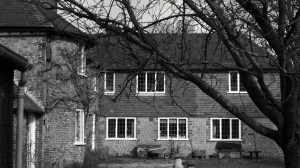
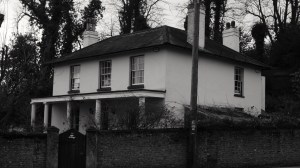
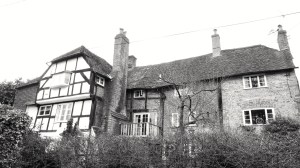
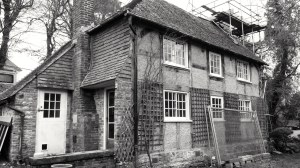
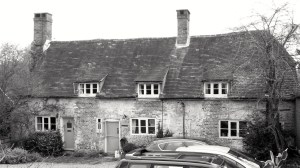
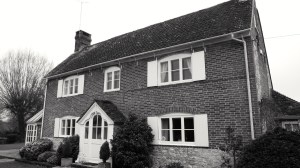
New Alresford is about 7 miles east of Winchester. The ‘New’ distinguishes it from Old Alresford village a mile to the north. The old part of New Alresford centres around East St, West St and Broad St, a T-shape. To the north of Broad Street is the ancient town bridge (pretty much hidden) and the area of The Soke and Mill Hill, which leads to Ladywell Lane, where one can find C18 (and earlier) houses, the Globe Inn and Old Fulling Mill (C17). At the opposite end of town are Bell House, a former workhouse then mental hospital, and some old cottages.

Hampshire Architecture – New Alresford: West Street

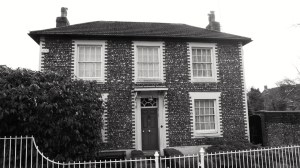
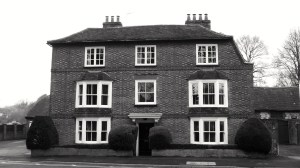
New Alresford is about 7 miles east of Winchester. The ‘New’ distinguishes it from Old Alresford village a mile to the north. The old part of New Alresford centres around East St, West St and Broad St, a T-shape. Pretty much the entirety of this area is listed. Most of the buildings in West St are commercial, with accommodation above, and some banks and old coaching inns – The Running Horse, The Bell and The Swan. This collection also includes Pound Hill and The Dean. The majority of these listed buildings are 18th Century:

Privett Tunnel

Train tunnel, raves and BMX in the middle of nowhere…

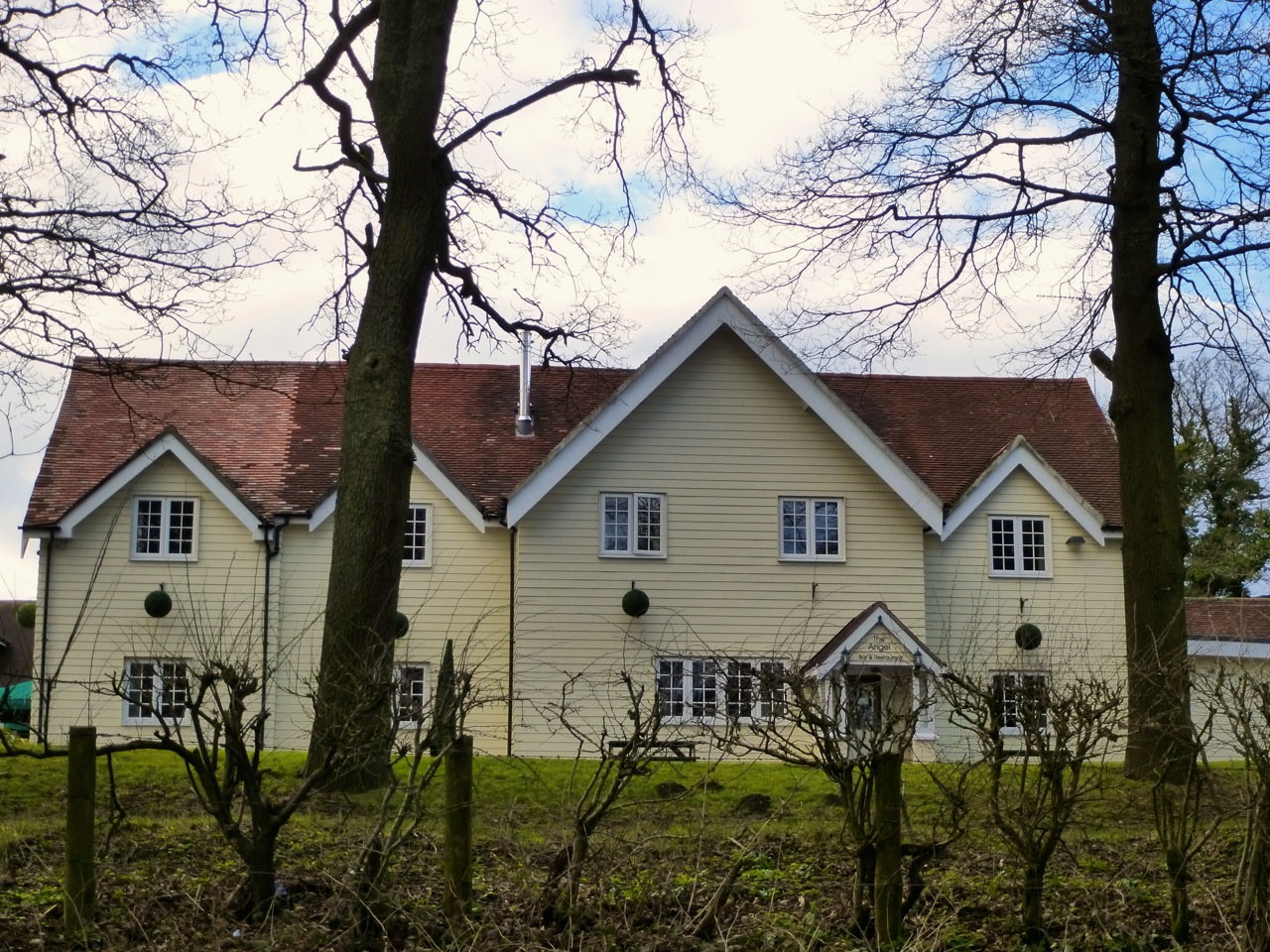
Today I walked in the area north west of Privett in Hampshire, following some of the old railway line. I started at the Angel, a restaurant and hotel, originally built for rail users:

The Angel, Privett

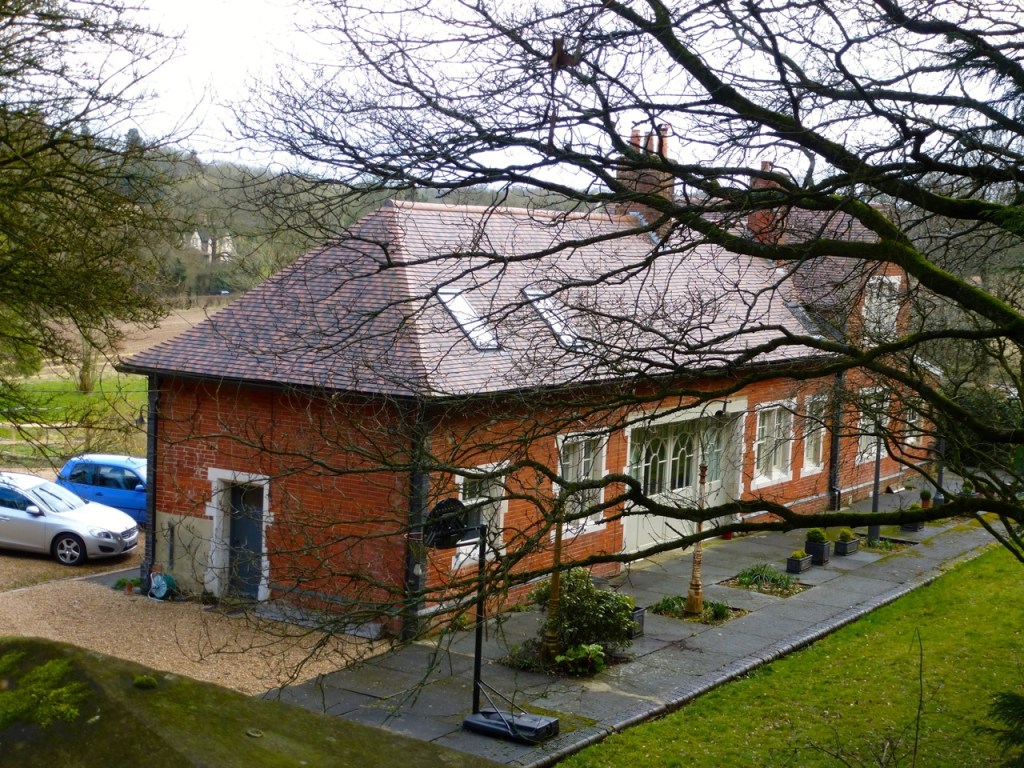
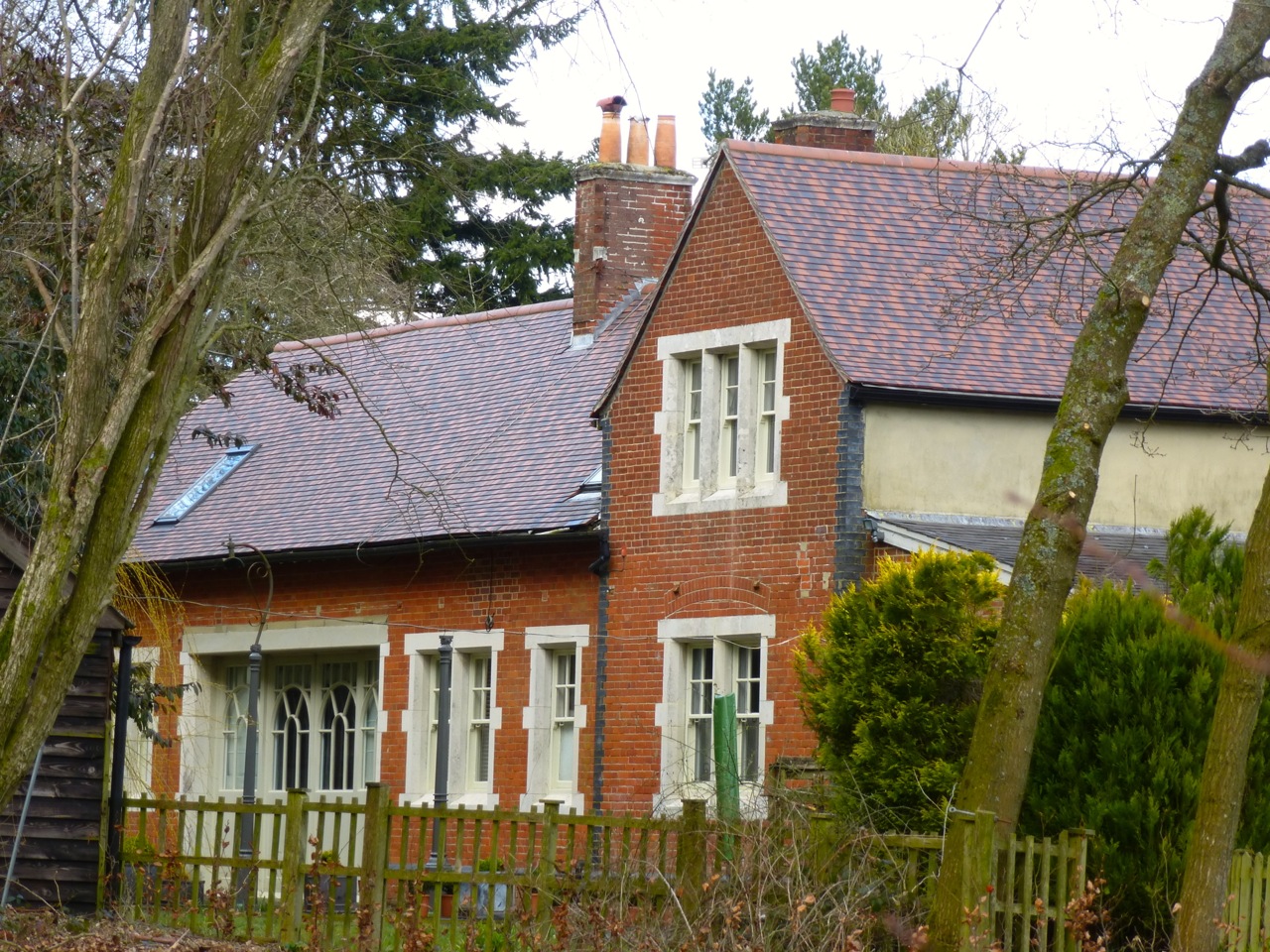
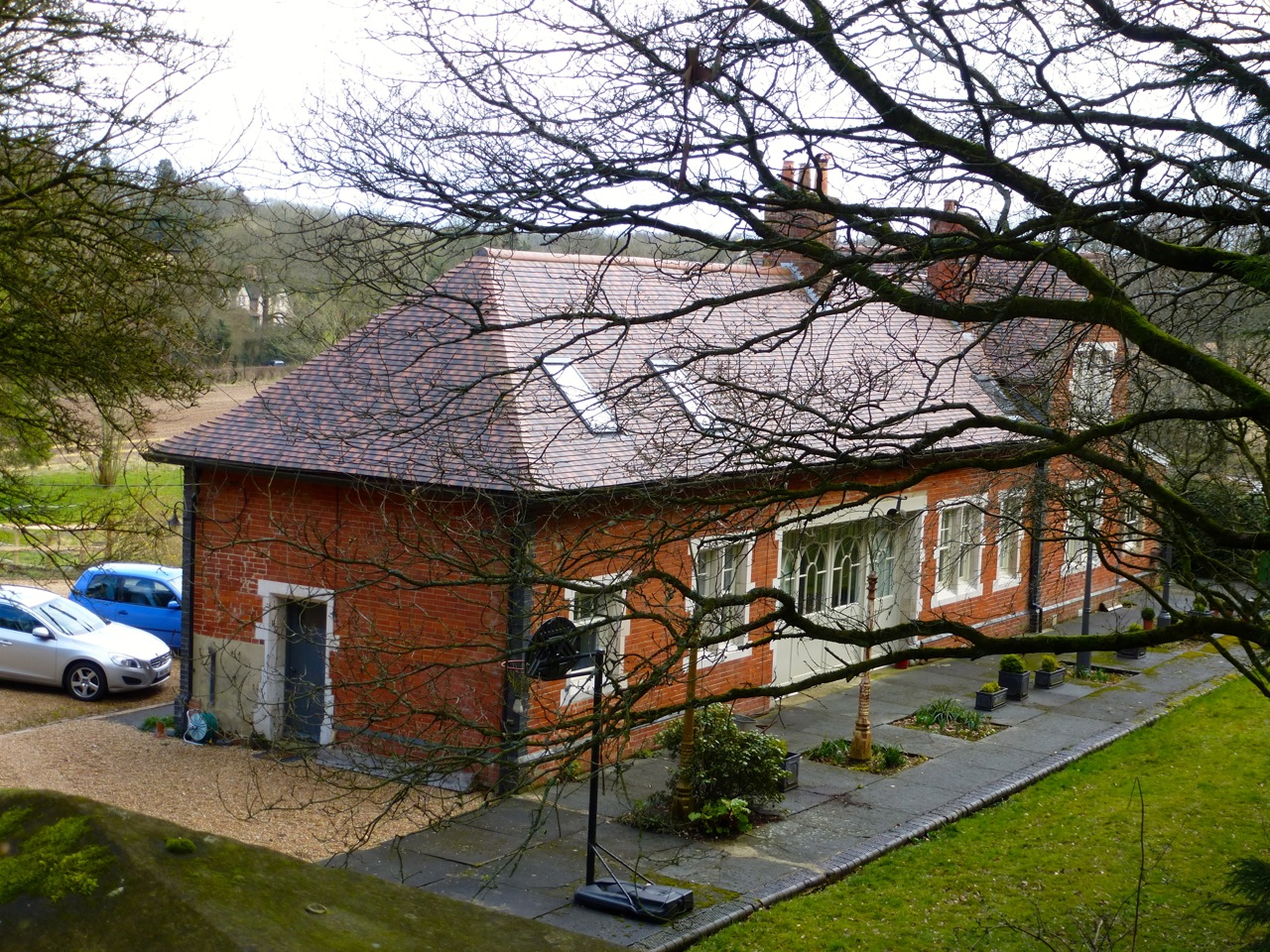
Not sure why there was a station a mile from the nearest village. Rumour has it that the owners of Basing Park next door insisted on it. There’s a fancy station building opposite the hotel, which is now a house:
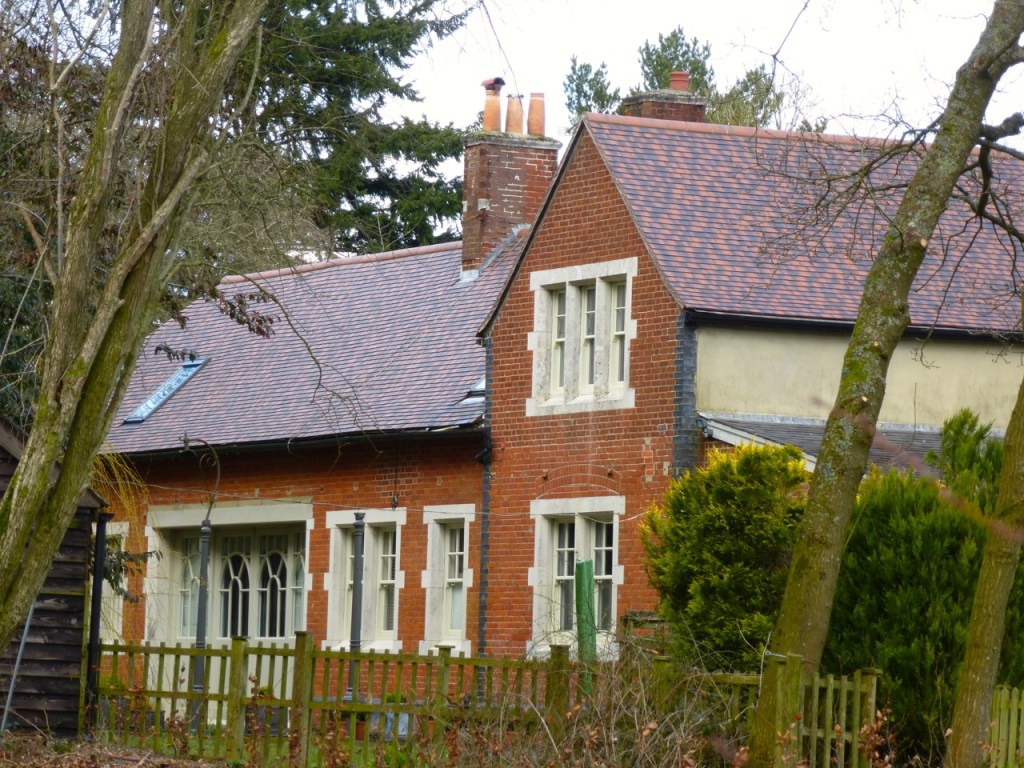
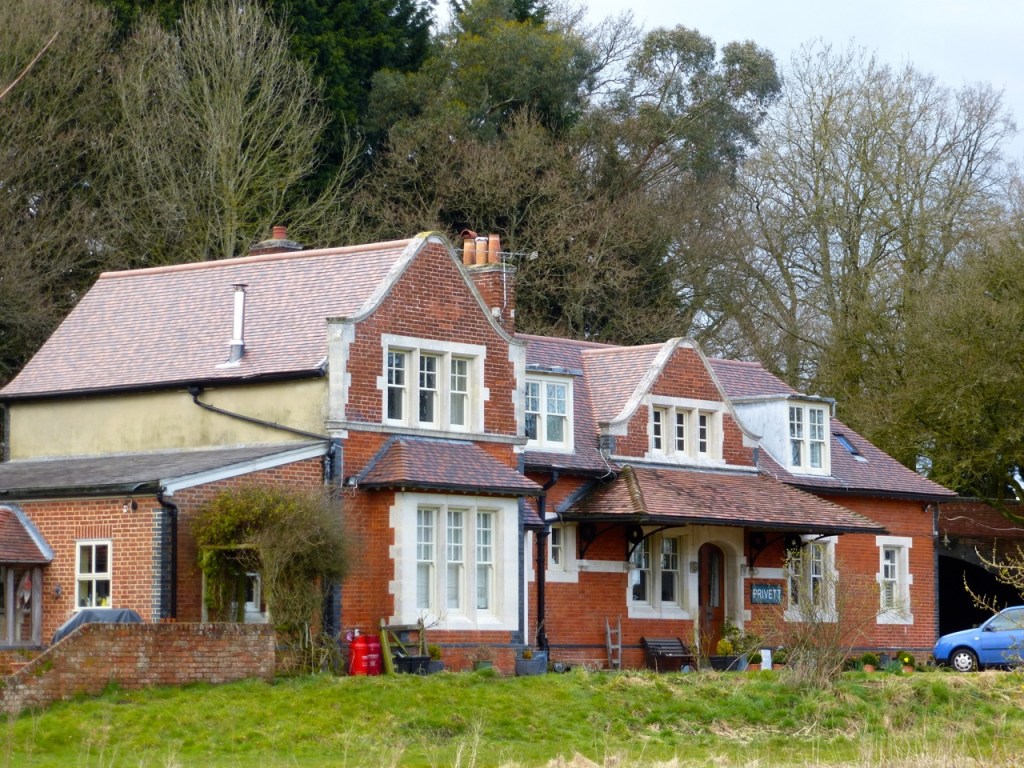
Privett Station-2 Privett Station-3 Privett Station

The line led under the A32 here and you can climb down a steep cutting and see through to the old station. The area is used for fly tipping, next to the railway cottages:
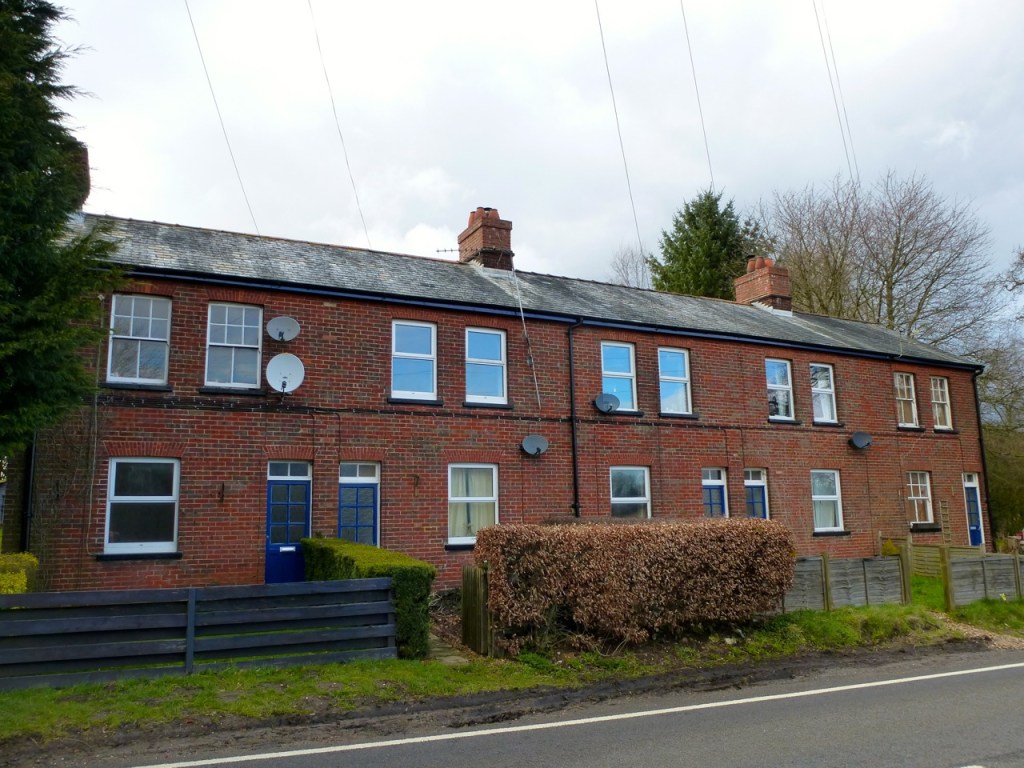
Railway Cottages, Privett

Having followed the disused railway north to Woodside Farm, where some work was being done on the site of an old rail bridge, I headed east then south, circling Basing Park. Just past the house and Broom farm, on Hempland lane, is the north end of the tunnel:
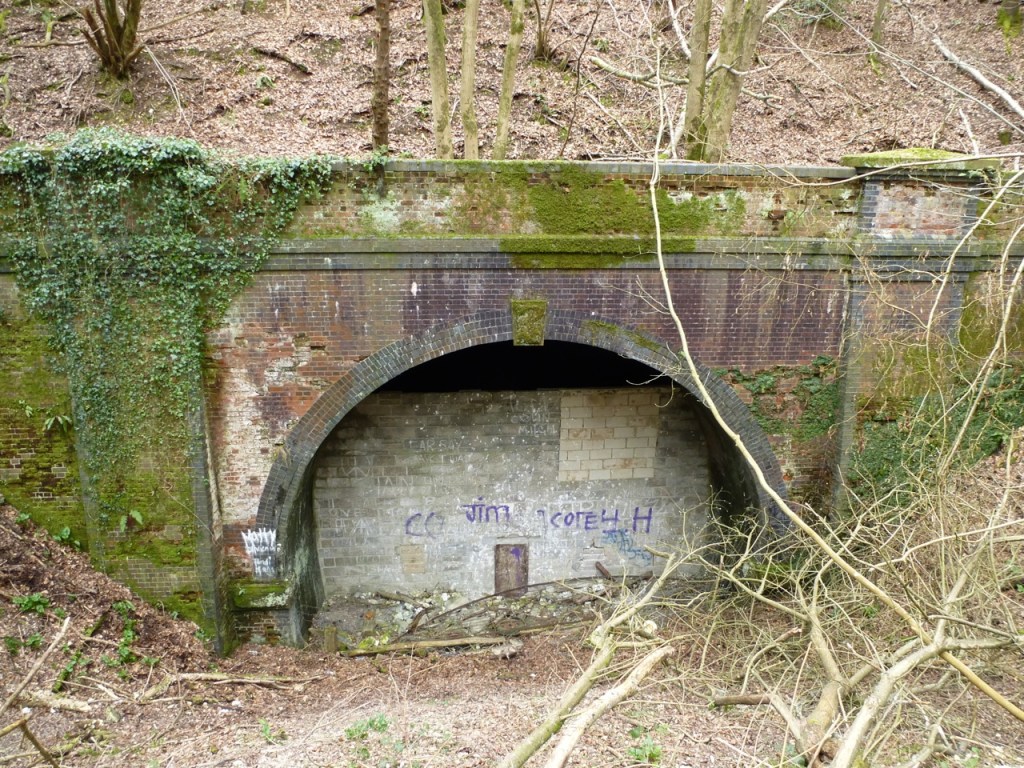
Privett Tunnel North

The tunnel is sealed apart from a gap at the top to provide for a bat sanctuary.

After just 50 years of use the Meon Valley Railway Line was closed in 1955. Sometime in the last twenty years, the deep cutting to the north has been filled in:
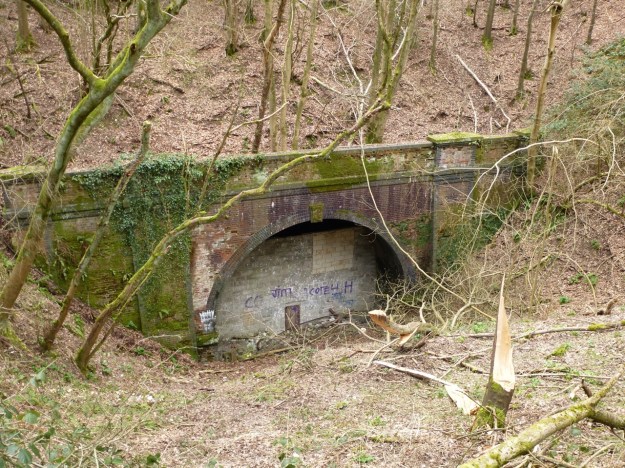
P1010397

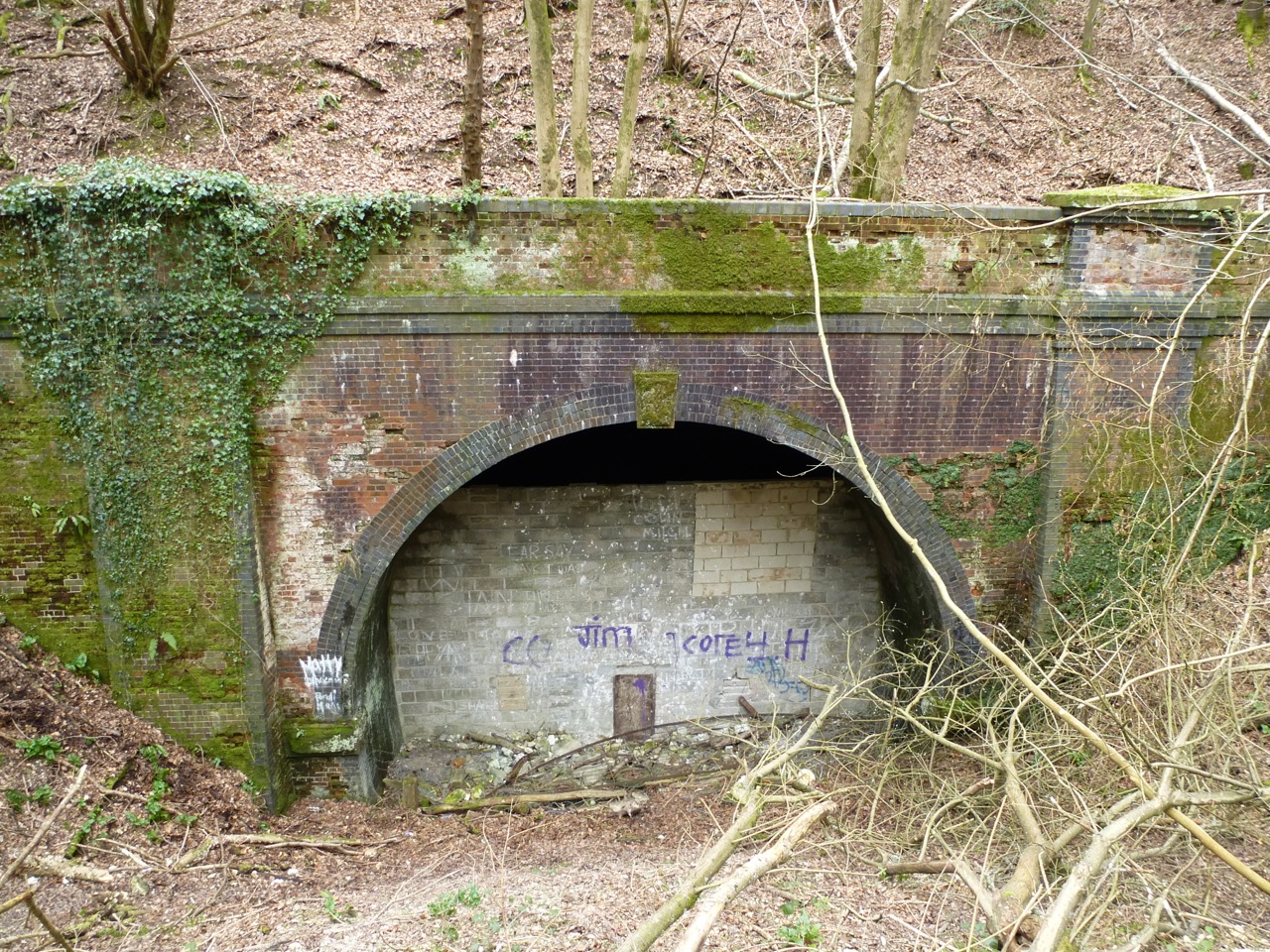
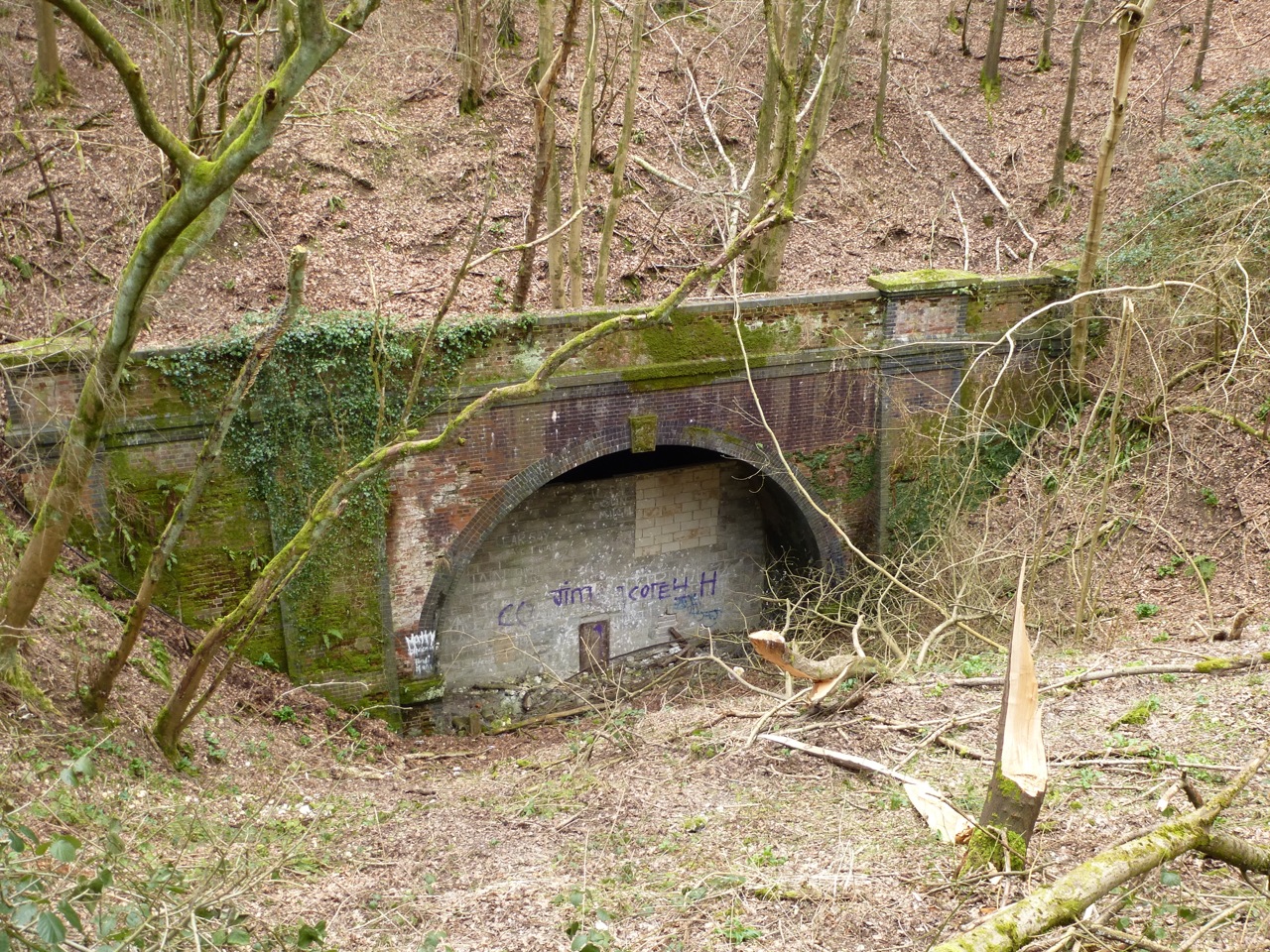
Back in 2008 I found the south entrance to the tunnel:
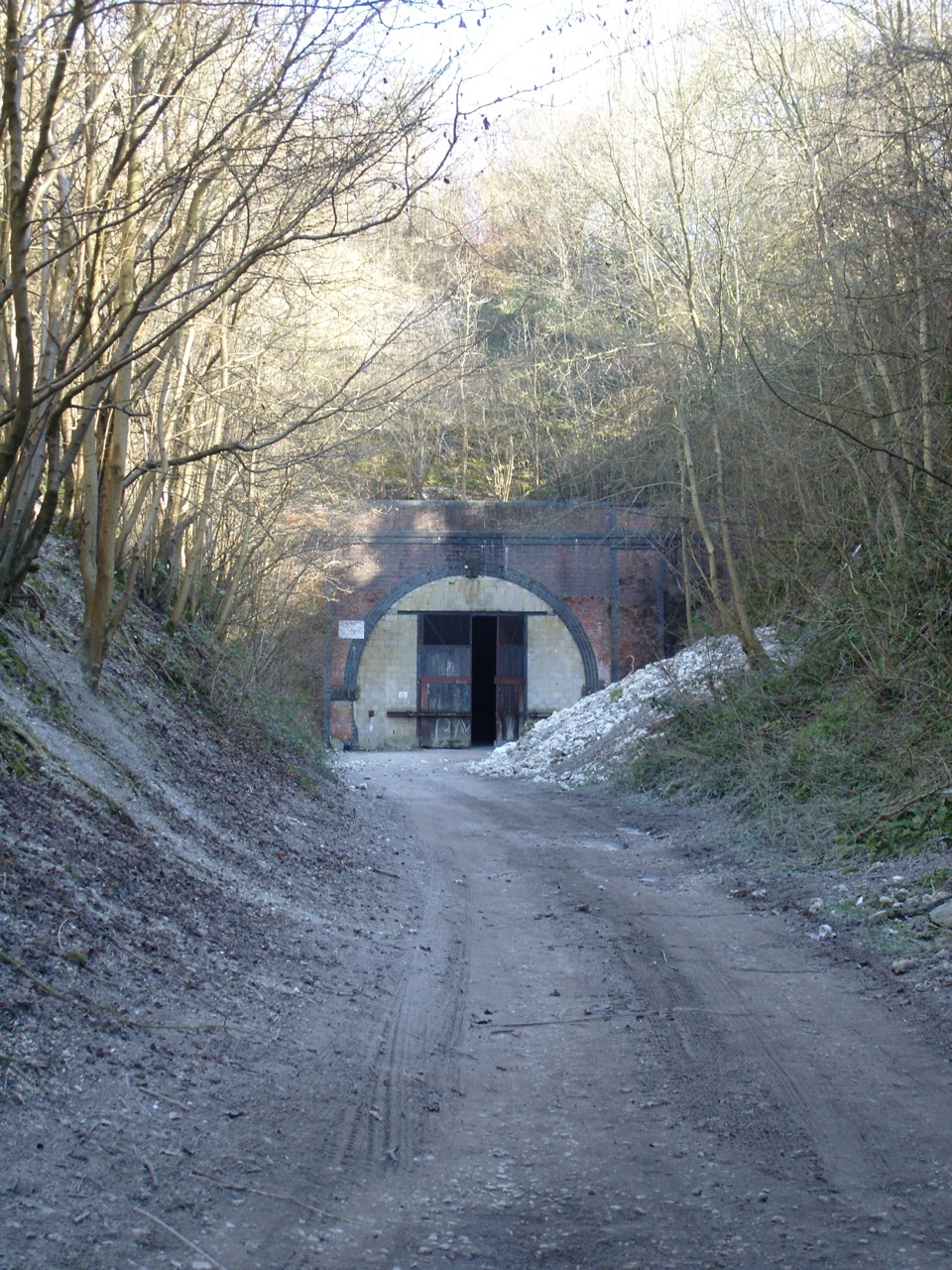
SAMSUNG DIGITAL CAMERA

Apparently it’s owned by a local builder. When I visited five years ago, the door had been left unlocked, so I ventured inside, calling out first to see if anyone was in there, my voice echoing far within. No reply.

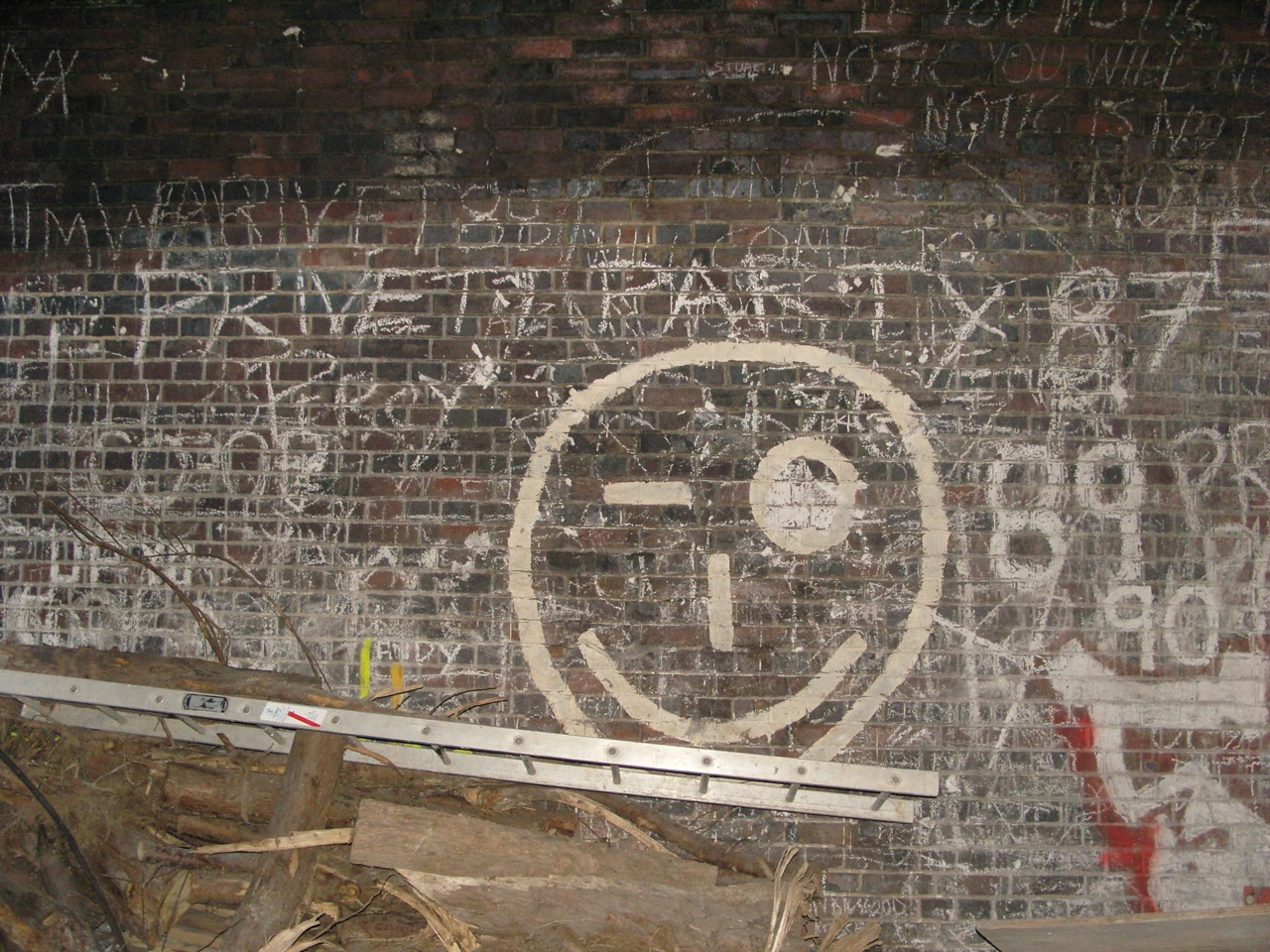
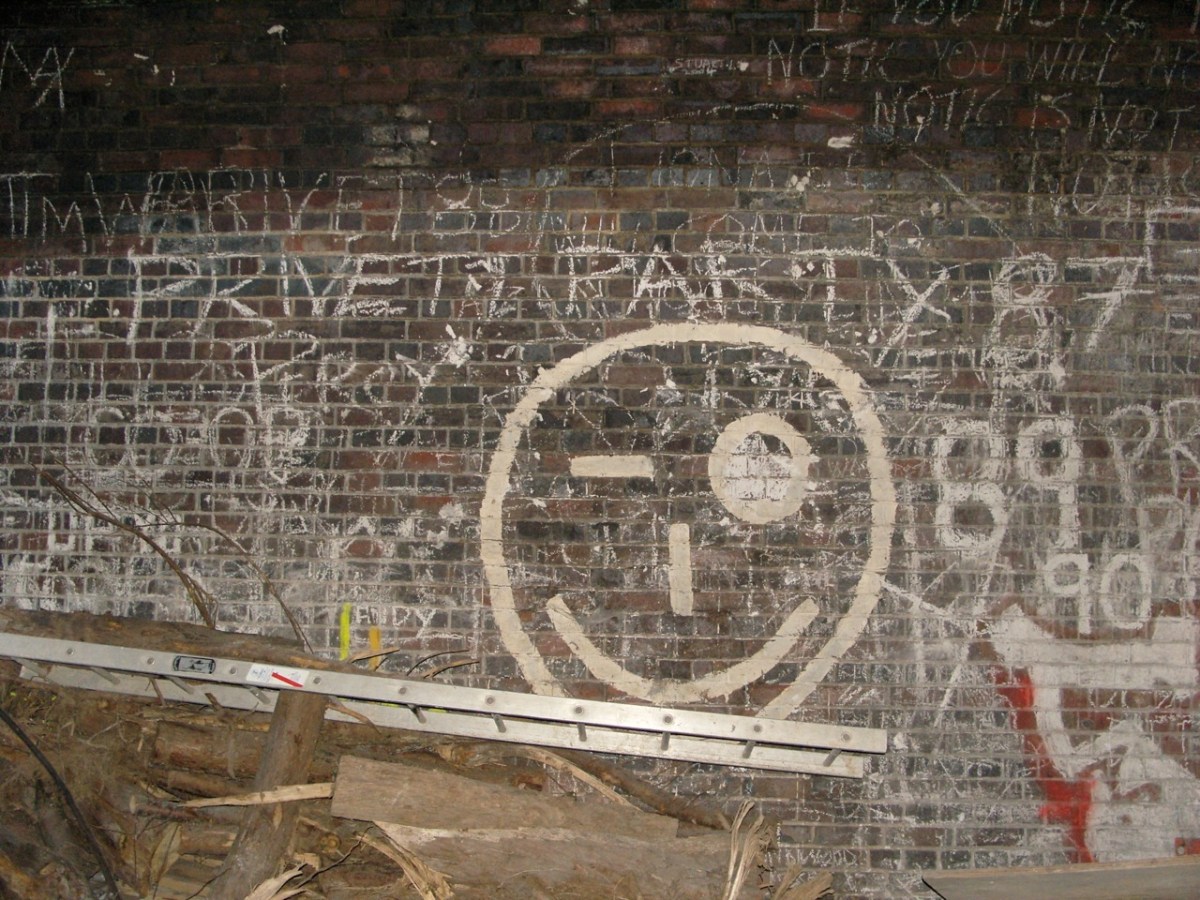
It looked like the entrance area was part of the late 80s rave scene:
SAMSUNG DIGITAL CAMERA

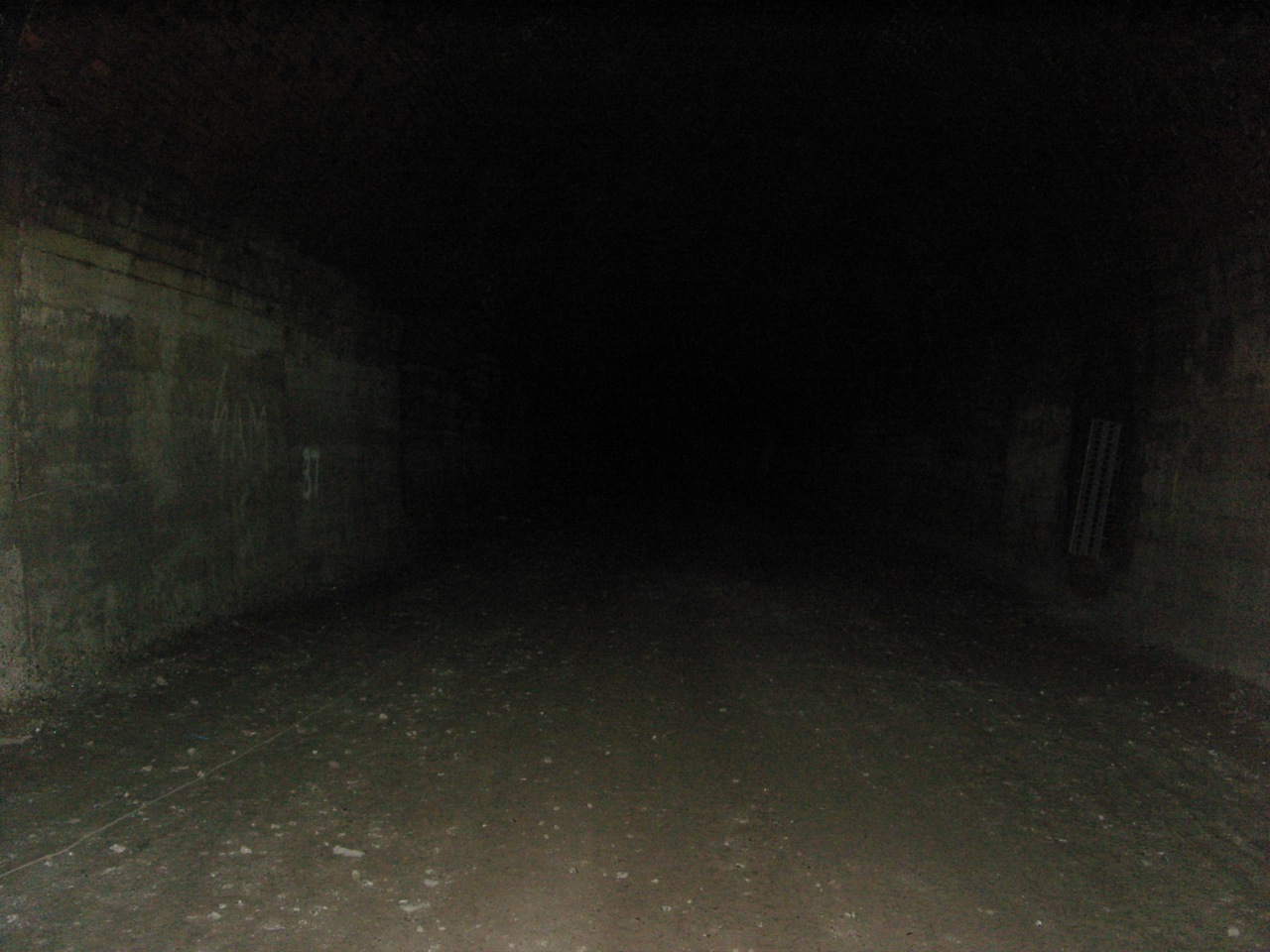
Further in, past some building supplies and a skate ramp, there was… nothing. I made my way deeper. I had no torch and checked the way was clear using my camera flash. After a while though, I started to be concerned that someone might come to lock the door and so didn’t go any further. I read that in the middle is total darkness due to the S shape of the tunnel.

SAMSUNG DIGITAL CAMERA

I also read that one man died building it, and another dug himself out after a partial collapse while digging the 1000+ yards.

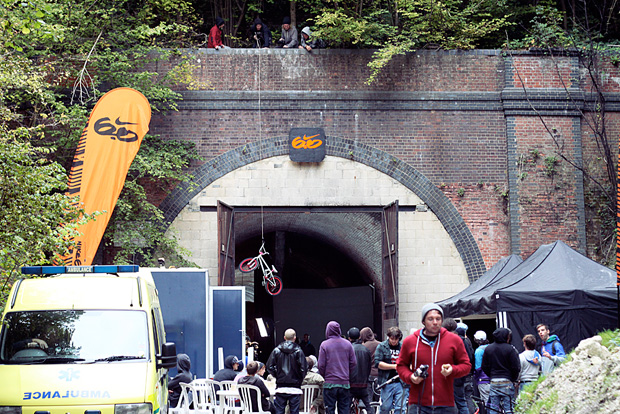
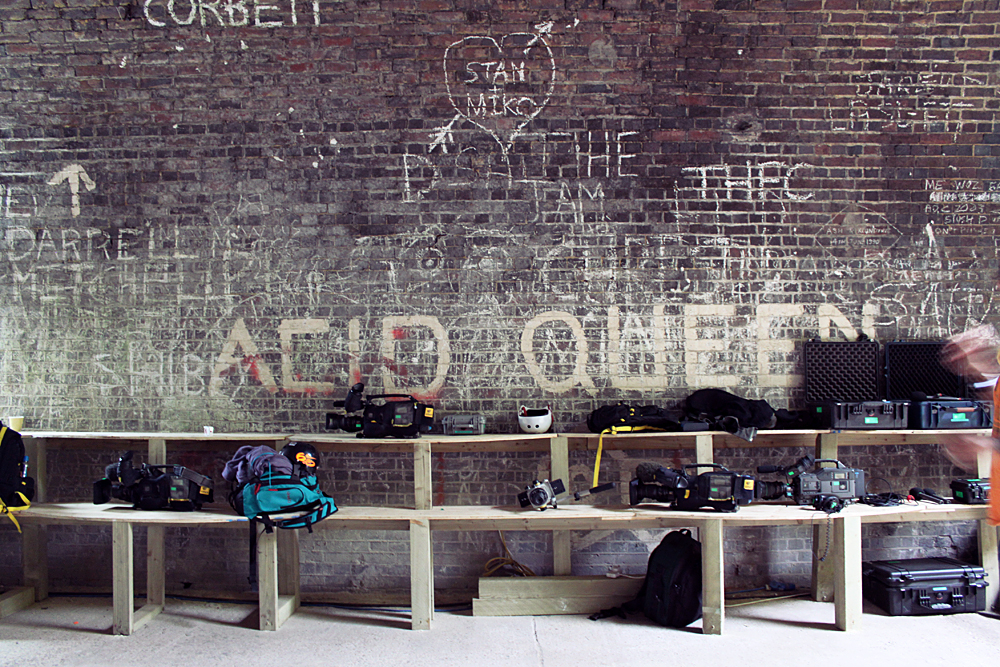
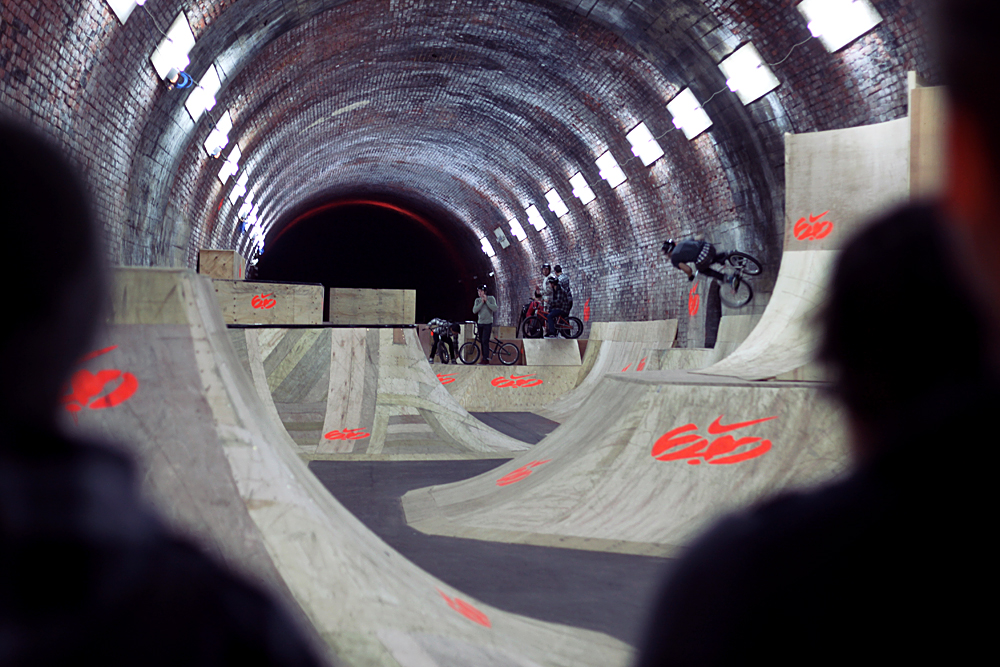
Back home, during internet searches, a Nike video kept popping up in the results. I ignored it thinking Google was just emphasising the word ‘tunnel’. But no, a year after I was there, Nike 6.0 sponsored the building of cutting edge BMX ramps in the tunnel and held the Tunnel Jam competition. The best BMX riders in the world, in a tunnel in the Hampshire countryside! Here’s some photos by Nuno Oliveira:
Tunnel Jam Nile 6.0 Privett Tunnel Jam Nile 6.0 Privett Tunnel Jam Nile 6.0 Privett Tunnel Jam Nile 6.0 Privett

Apparently it’s still all in there, usable only by those who know who holds the keys…

Hampshire Architecture – New Alresford: East Street

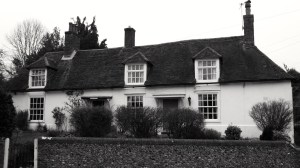
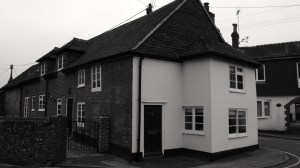
New Alresford is about 7 miles east of Winchester. The ‘New’ distinguishes it from Old Alresford village a mile to the north. The old part of New Alresford centres around East St, West St and Broad St, a T-shape. Pretty much the entirety of this area is listed. Many of the houses in East St feature old shop windows, now bay-windowed living rooms. At least two are former pubs – the Peaceful Home and the Sun Inn. This collection also includes the old mill, then warehouse, now offices, next to the (steam train) station, the church, and just beyond East St the unusual Hurdle House (literally to store sheep hurdles for the fair, now converted) and Langtons, a grand house behind high walls where East St meets Sun Lane. The majority of these buildings are 18th Century.

Here’s a panorama shot of the south side of the street, showing the many colours, followed by all the listed buildings of this area.

East St Alresford

Hampshire Architecture – Petersfield: Away from the Town Centre

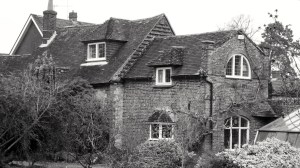
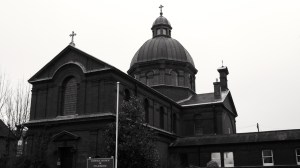
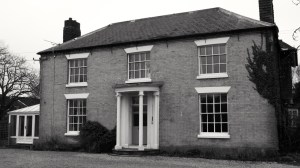
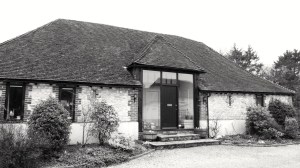
Petersfield is a market town 18 miles north of Portsmouth and about 20 miles east of Winchester. Today I explored the outlying areas of the town, away from the centre. There are villas, old farmhouses, cottages and a mill, dotted between the C20 housing and along lanes headed to the countryside. Also the Roman Catholic church and the octagonal chapels at the cemetery. The pictures below are all of Grade II Listed buildings.

Hampshire Architecture – Petersfield: High St, Square, Sheep St, The Spain

Petersfield is a market town 18 miles north of Portsmouth and about 20 miles east of Winchester. Today I explored the town centre: High Street, The Square, Sheep Street, The Spain, Swan Street, Hylton Road, Church Path and St Peters Street. Most of the listed buildings here are C17 and C18, with some as old as C16. Many have older sections behind the newer facades. Petersfield grew as a coach stop on the Portsmouth-London route and due to its sheep market in the square, to which Sheep Street leads. The pictures below are all of Grade II buildings, with the exception of the church and statue, both grade 1. Goodyers in The Spain is II*, it being a large C16 house, with an early C18 addition in brick. The Spain itself is almost like a village green, situated very close to the town centre. Here are two panoramas:

The Spain (East)

The Spain (West)

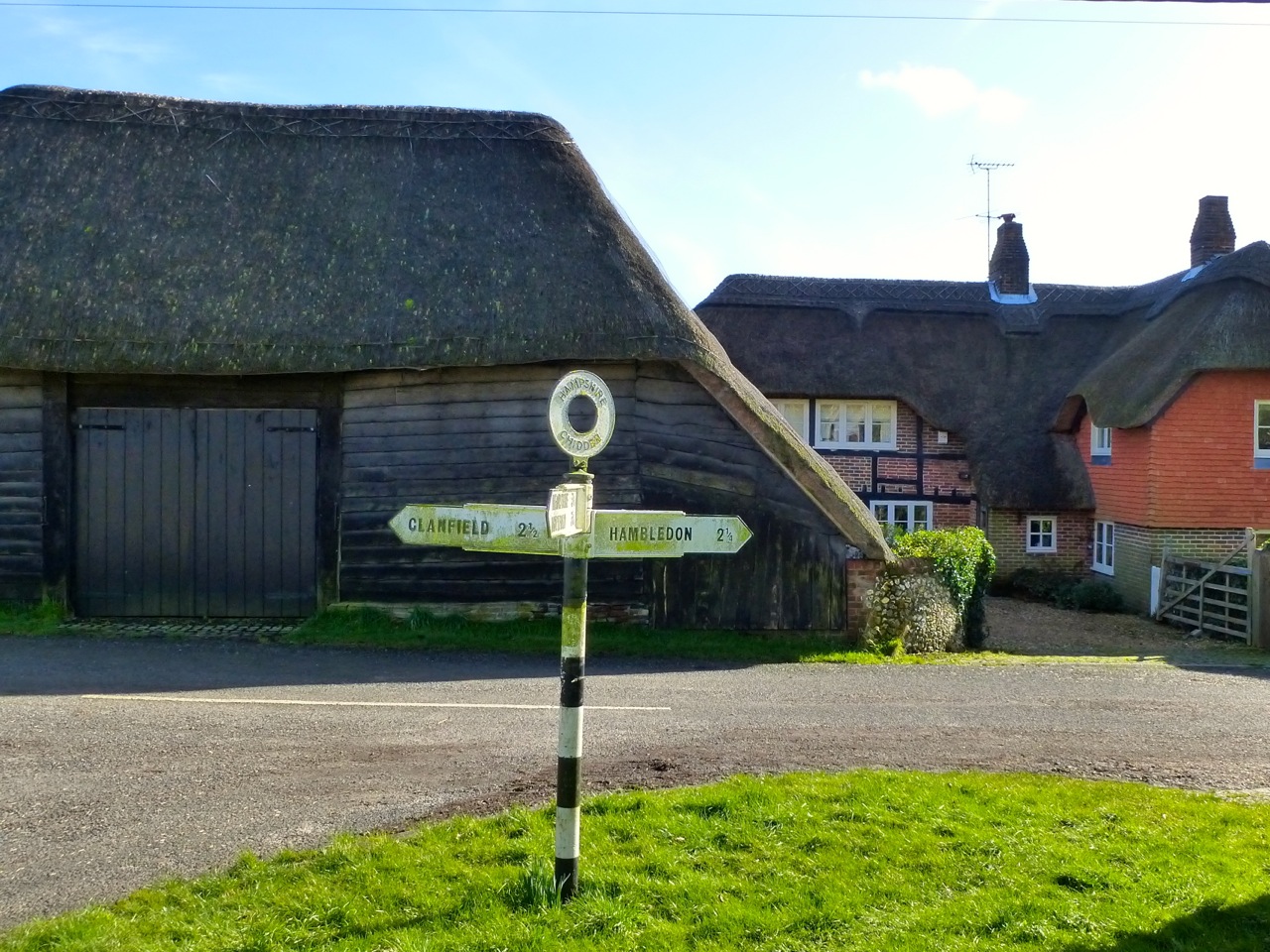
Chidden & Hambledon Walk

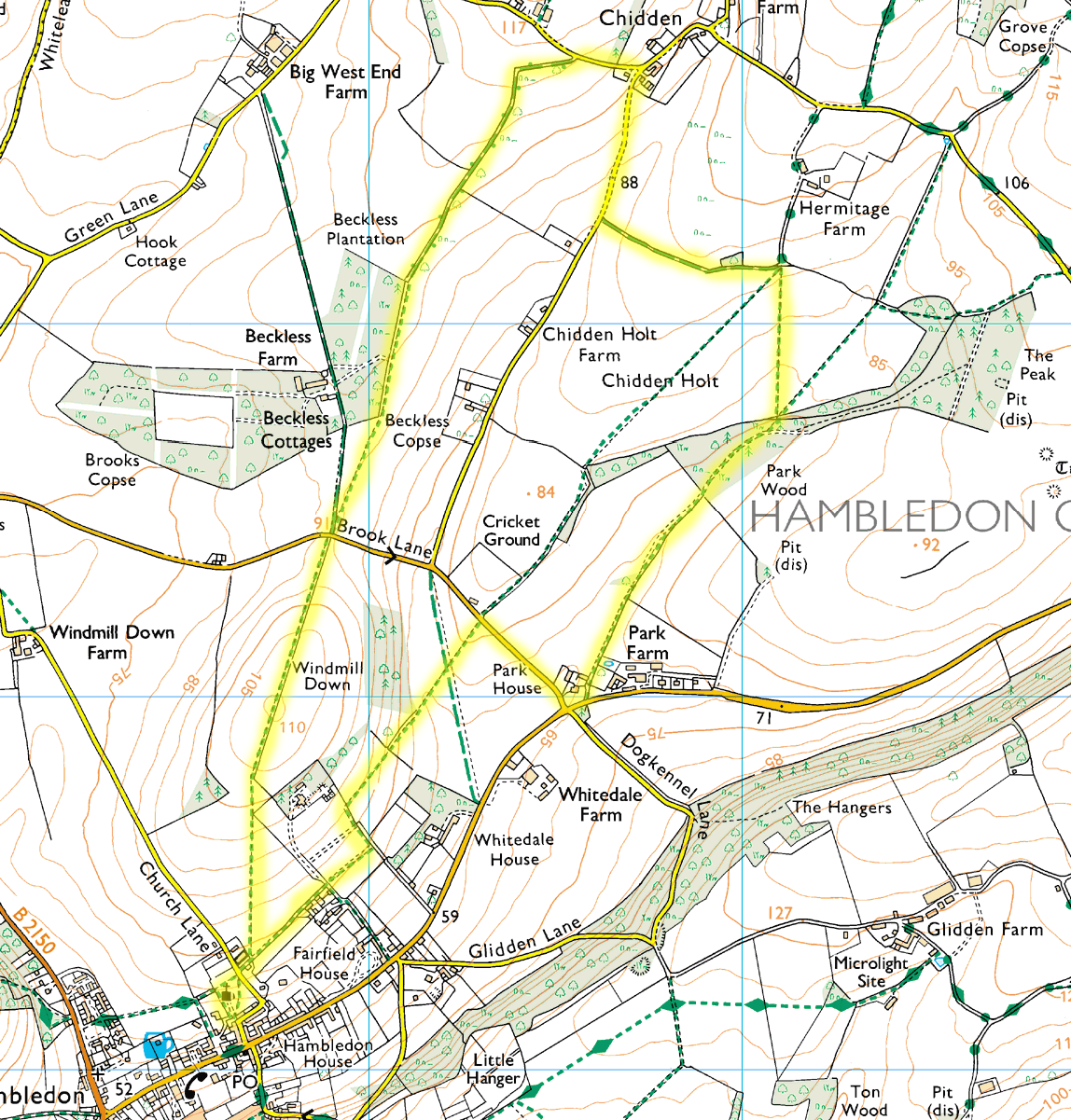
In warm sunshine and cool winter air, we walked from the hamlet of Chidden on the South Downs to Hambledon and back again in a loop.

Chidden Hambledon Walk Route

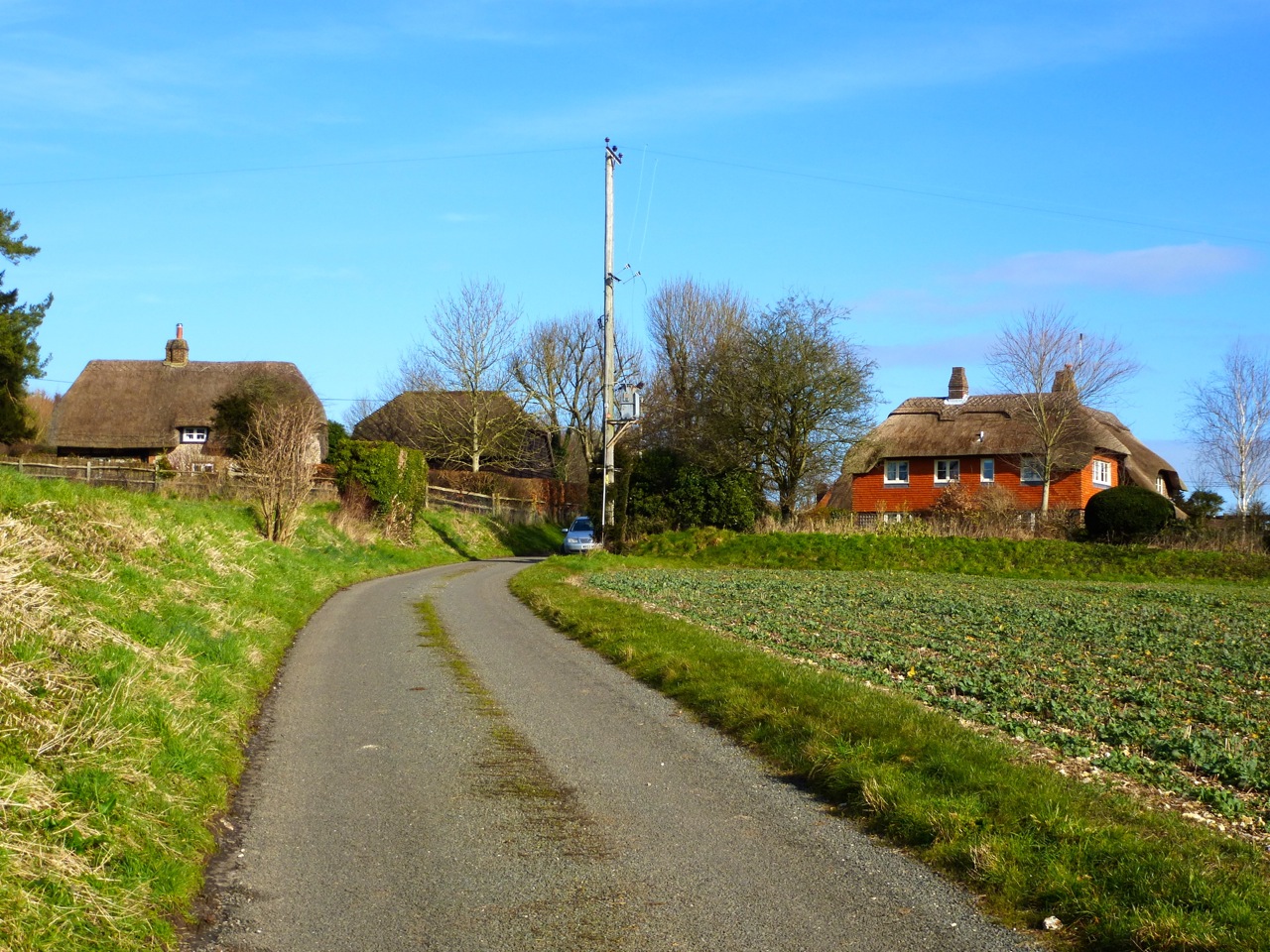
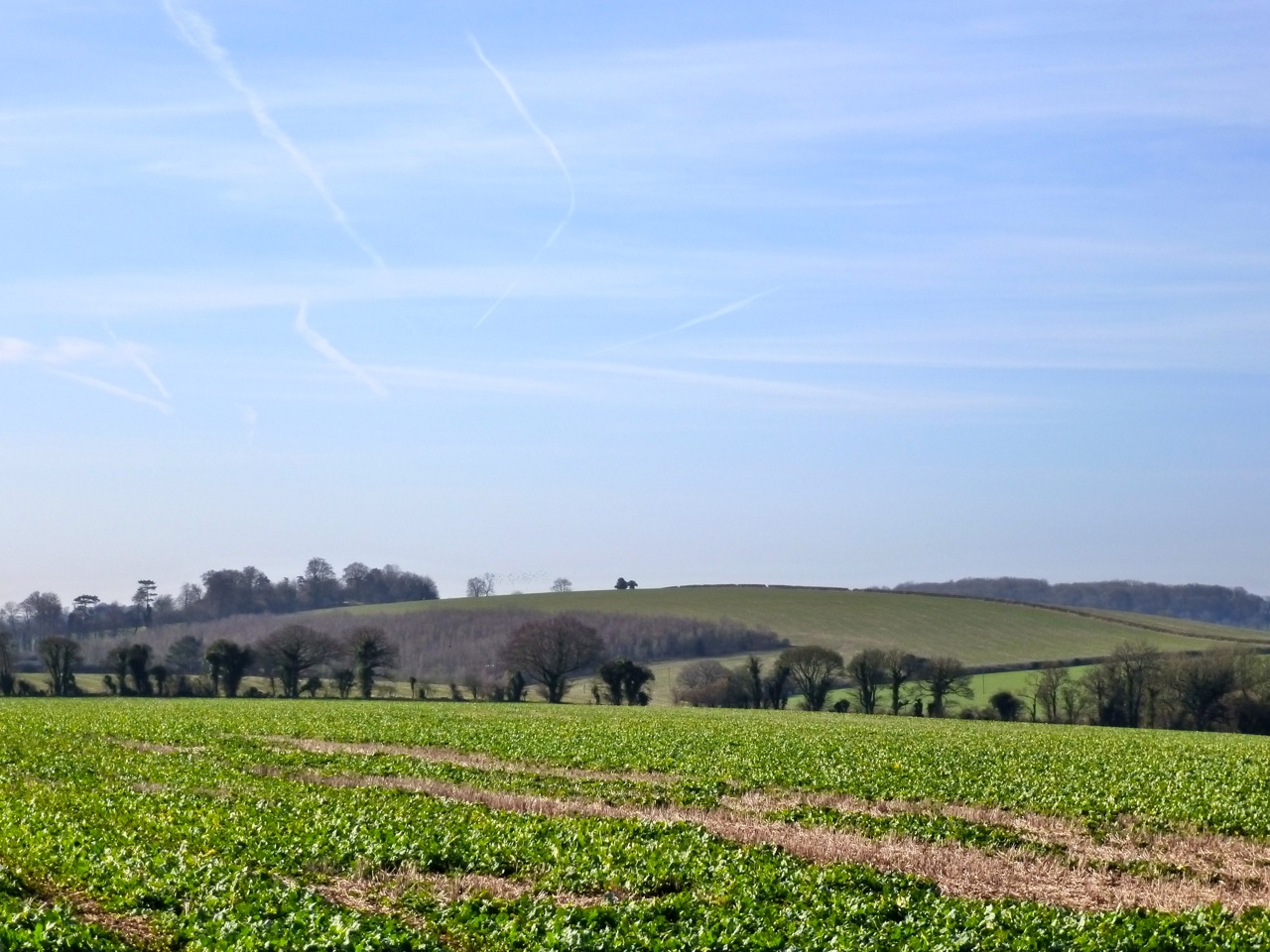
With larks calling high above (where are they?) we proceeded south from the village over open downland:

Chidden Hampshire

Near Chidden

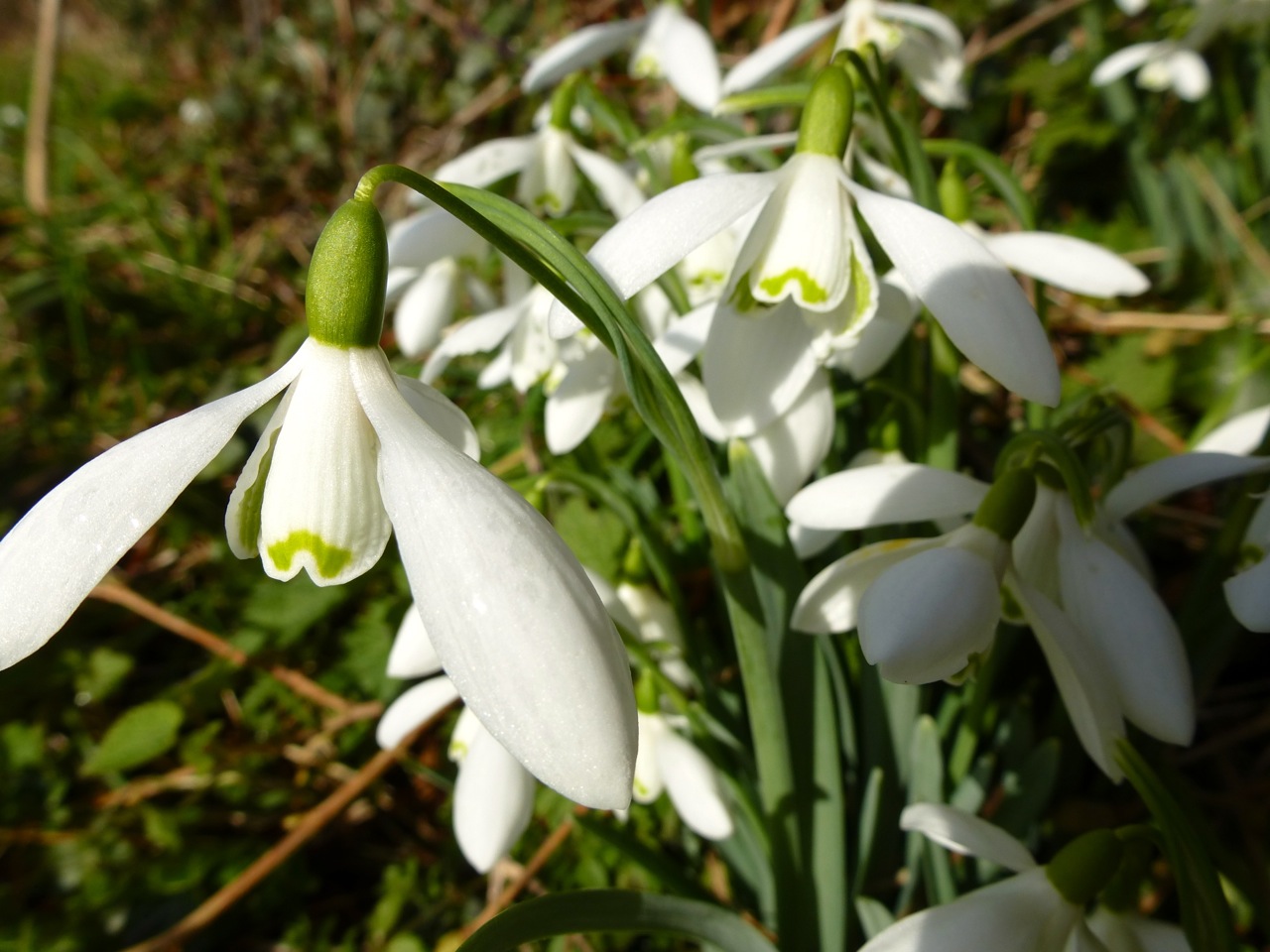
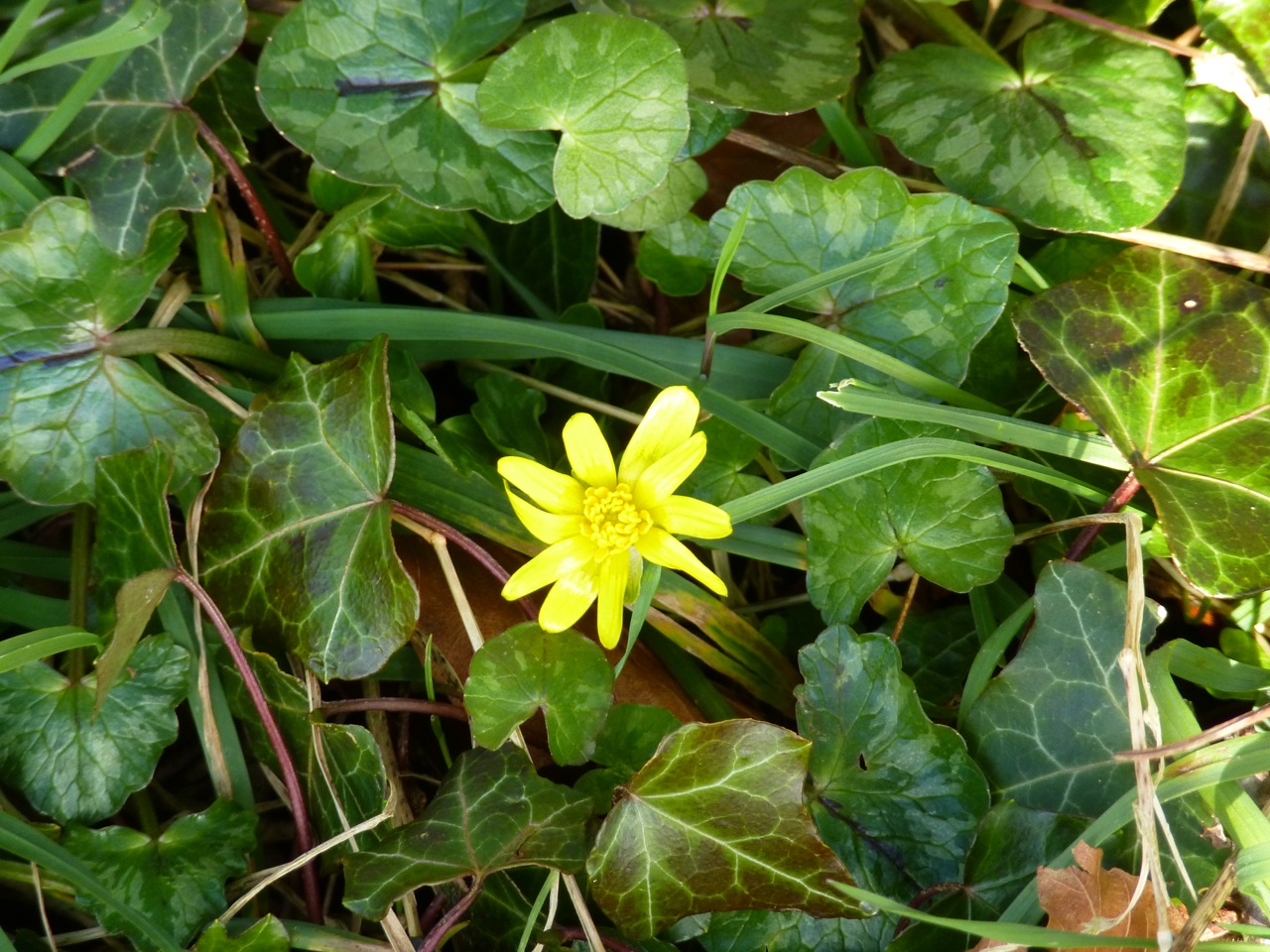
Some winter flowers hinting at spring:

Open snowdrops Yellow flower

Into Park Wood:

Park Wood Hambledon Park Wood Hambledon Park Wood Hambledon Park Wood Hambledon


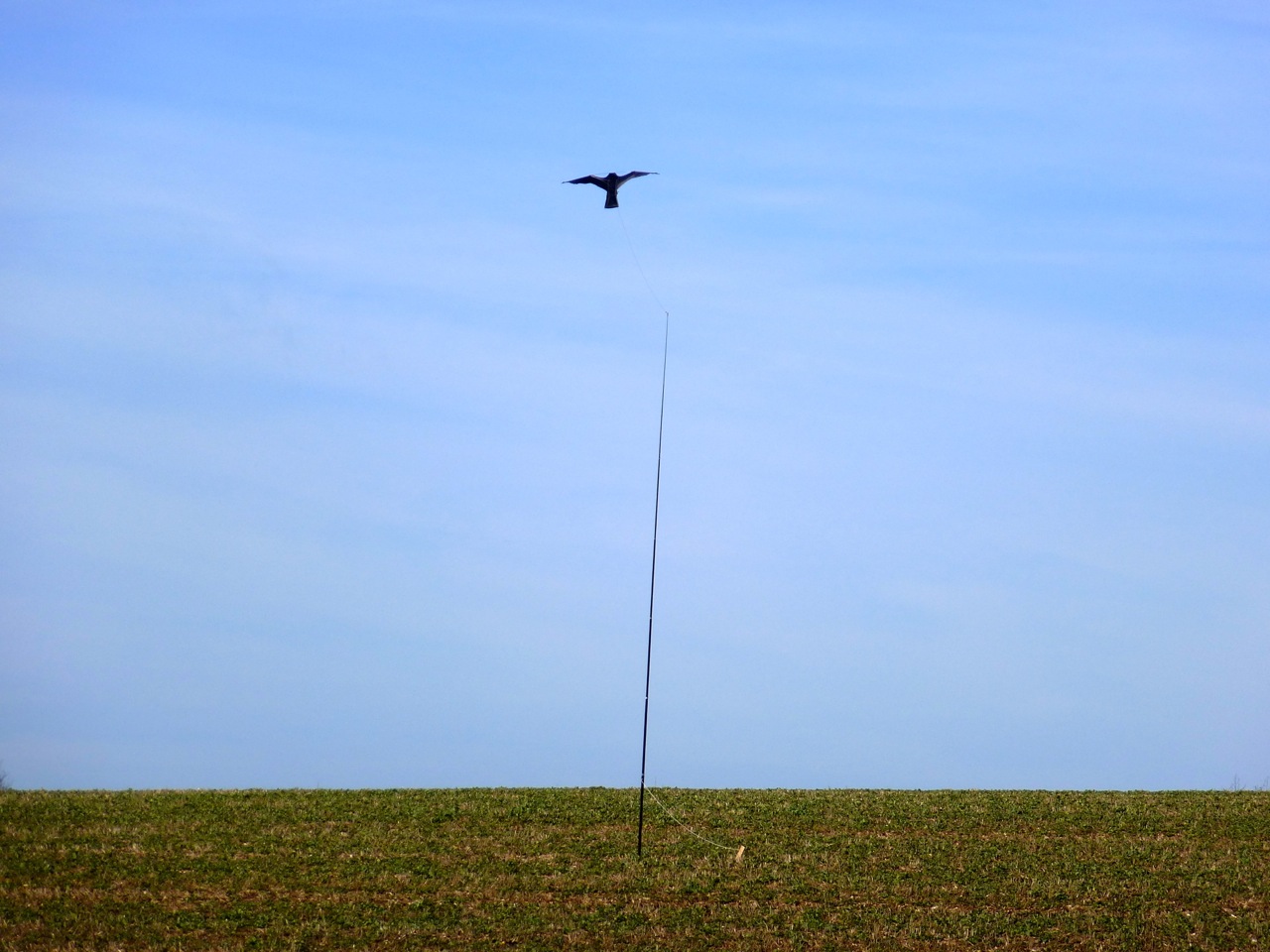
Bird of prey scarecrow:

Hawk scarecrow

Park House:

Park House Hambledon Park House Hambledon

Cricket has been played up on Windmill Down, Hambledon for more than 250 years:

Hambledon Cricket Club

Buds budding:

Spring bud

View north to Leydene Park:

Leydene Park, Hyden

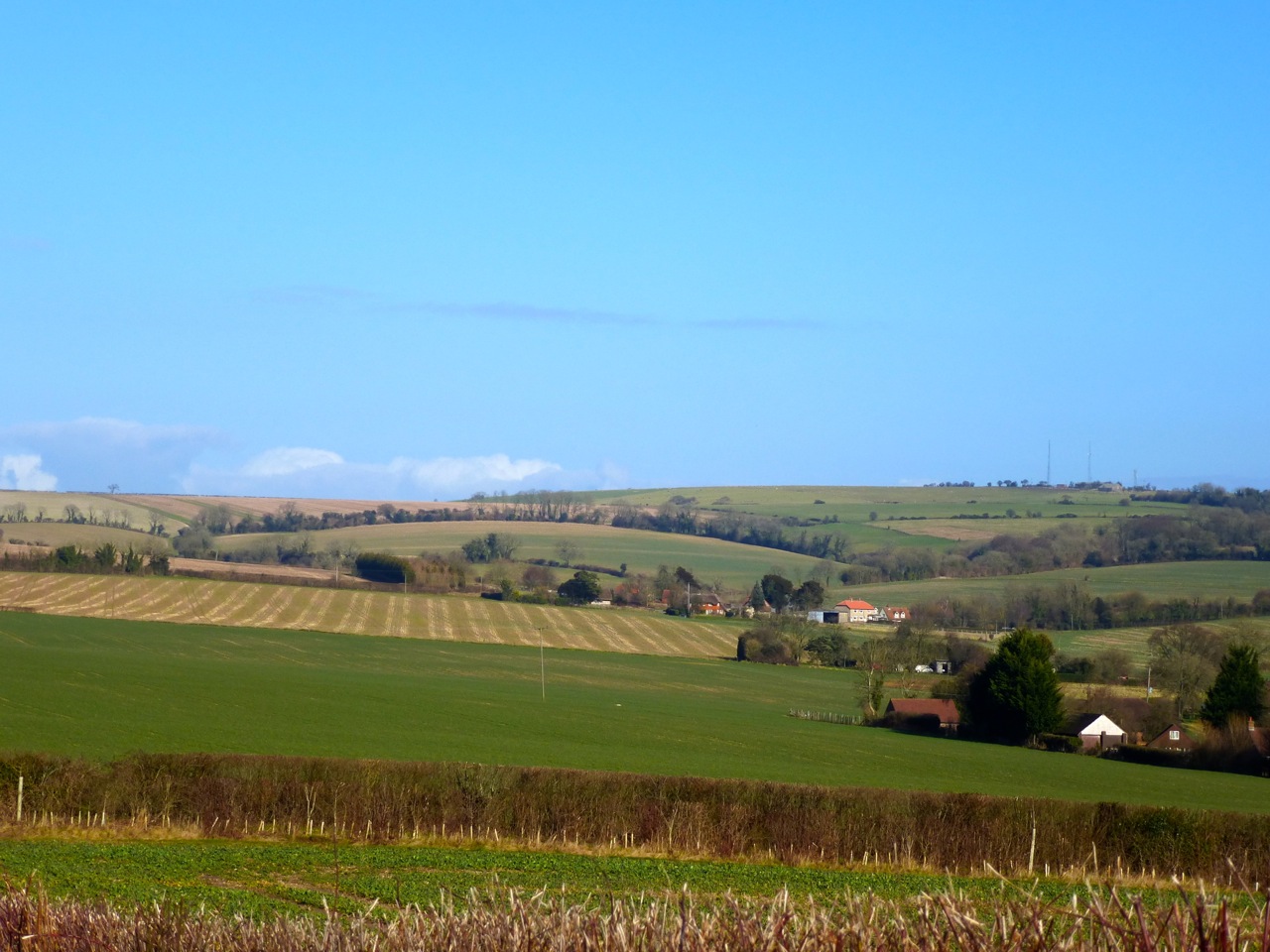
Hampshire downland:

Hampshire downland

Horse and foal

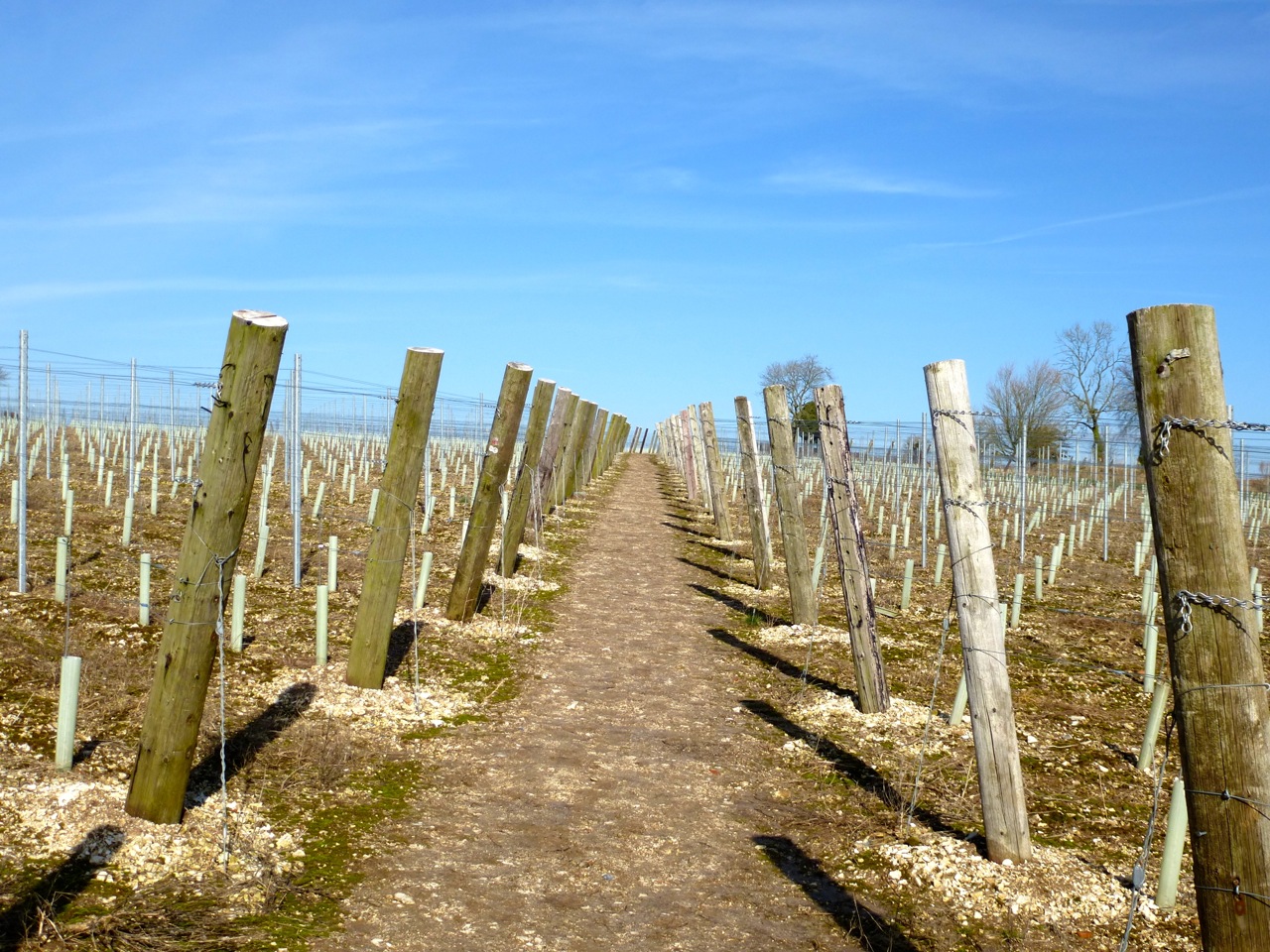
Hambledon vineyards, producing English ‘champagne’:

English vineyards Hambledon vineyards

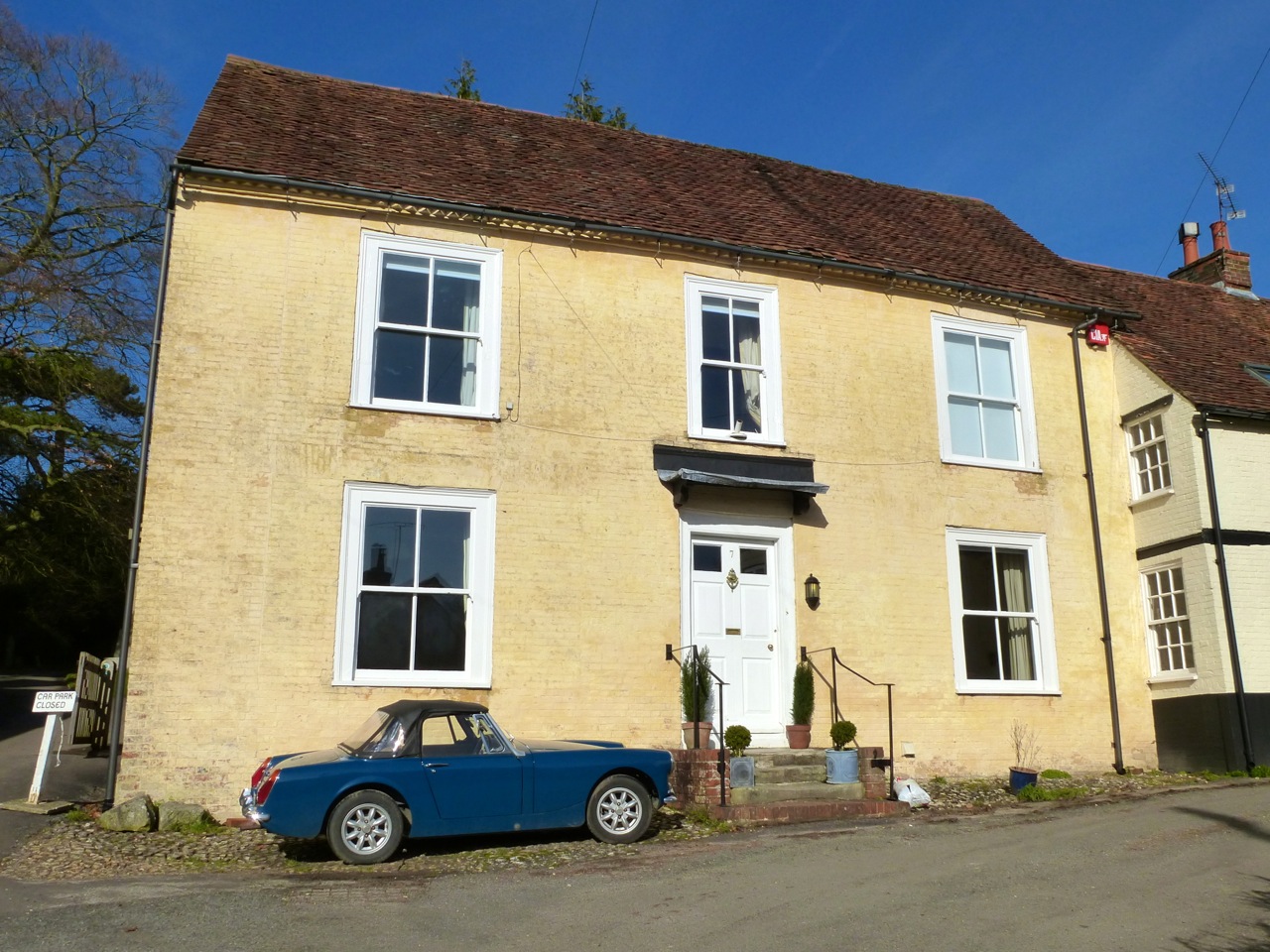
Into the village. Very nice. Very expensive. Sports cars in front of cottages:

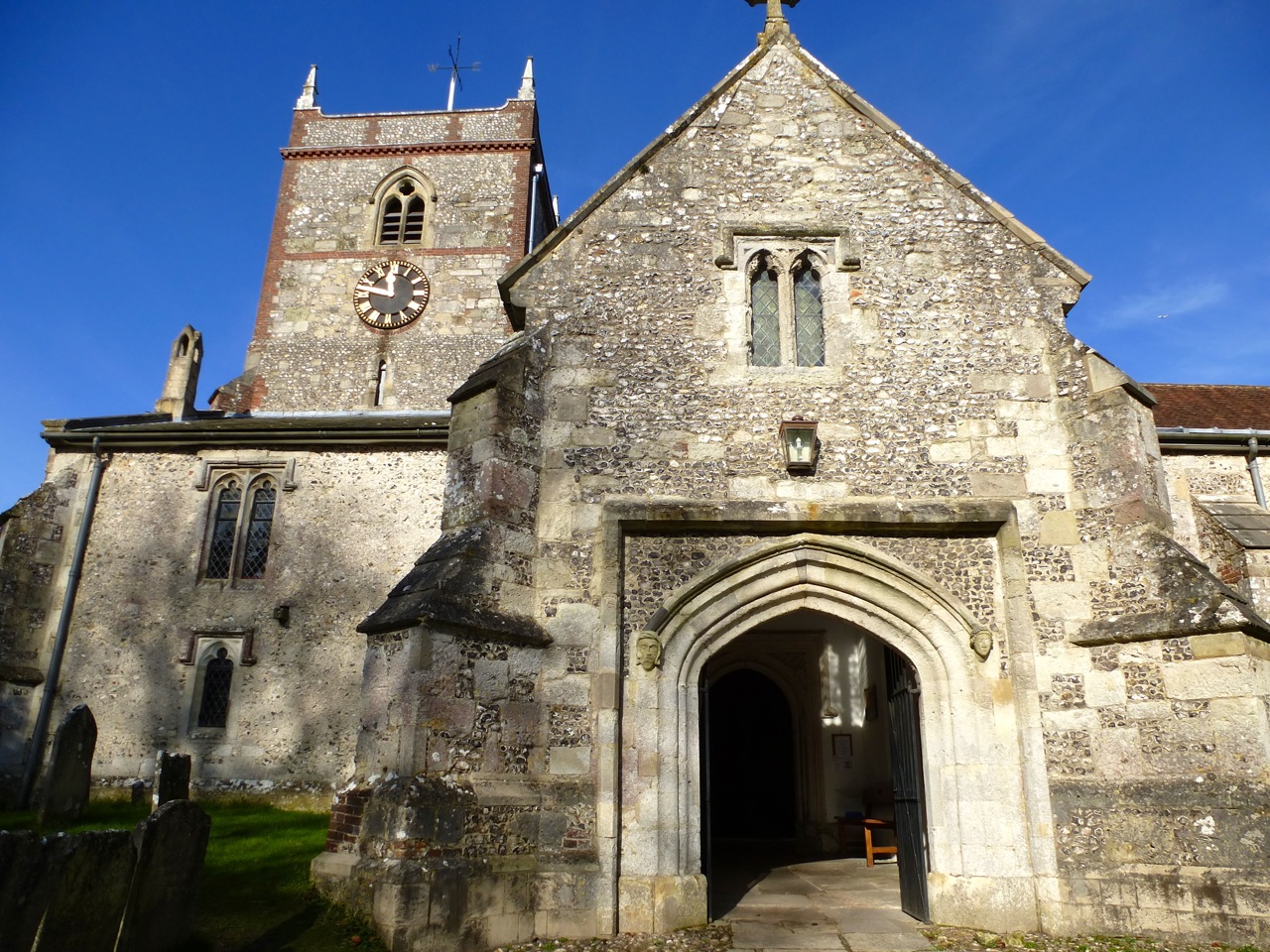
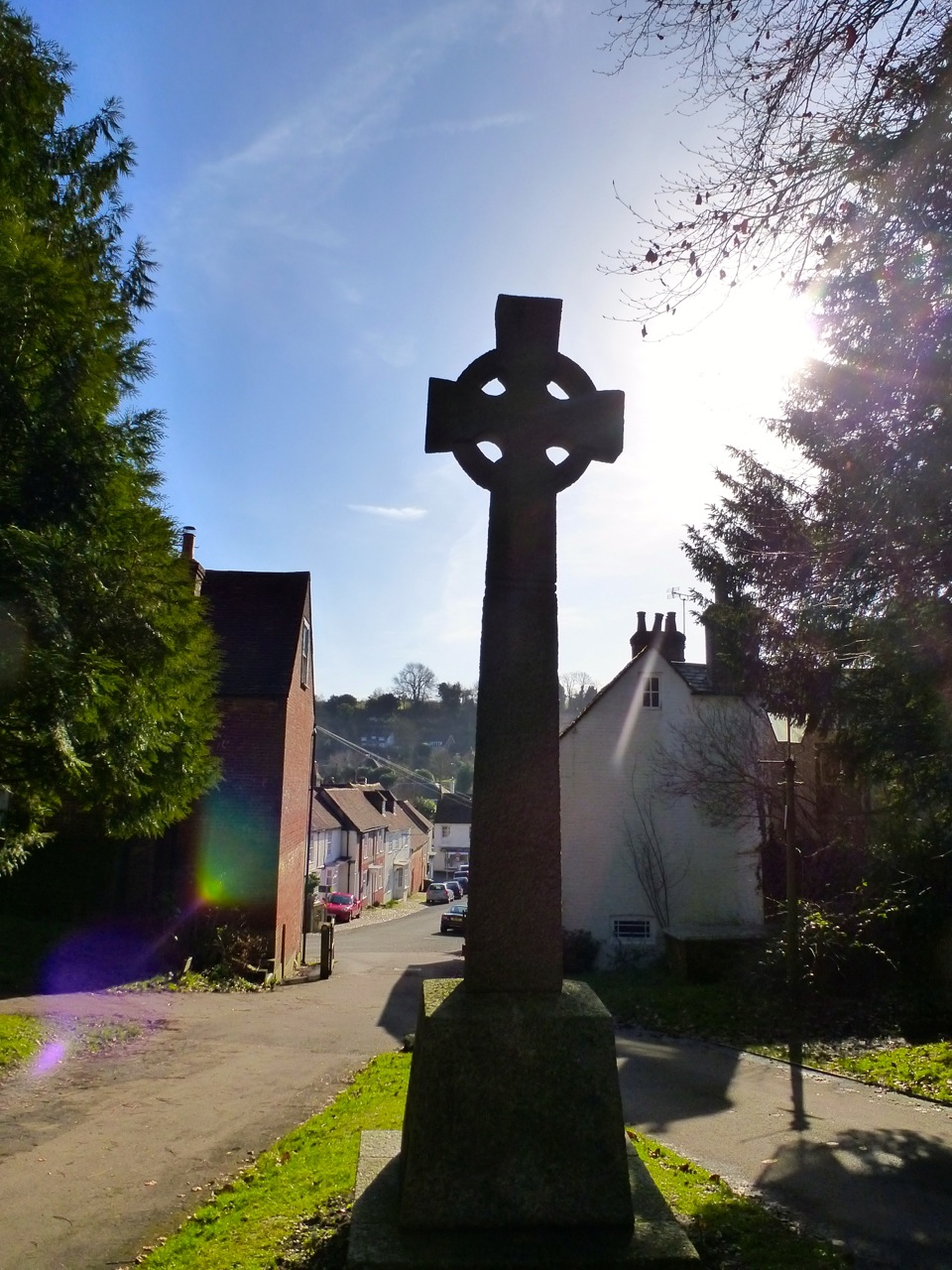
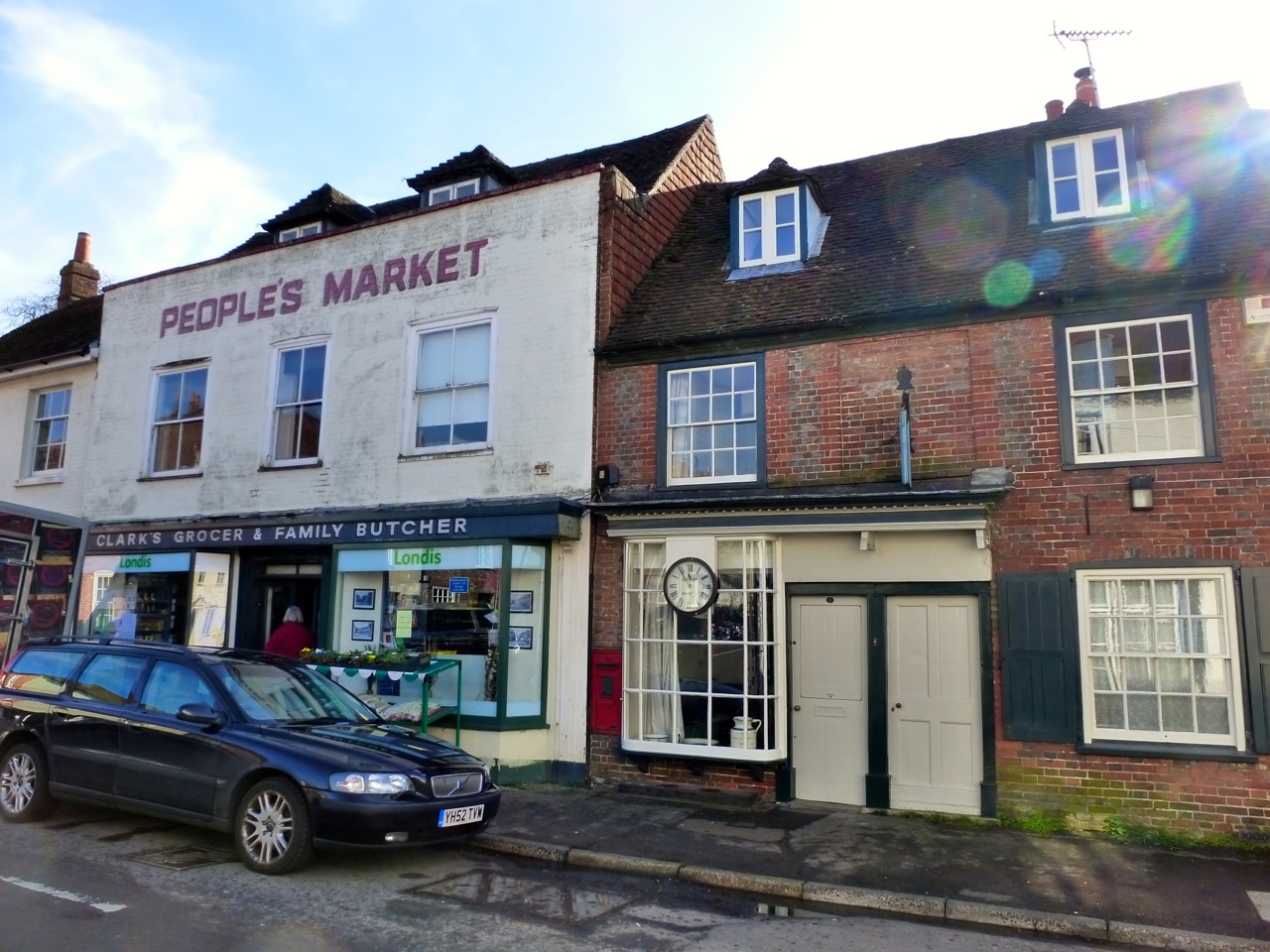
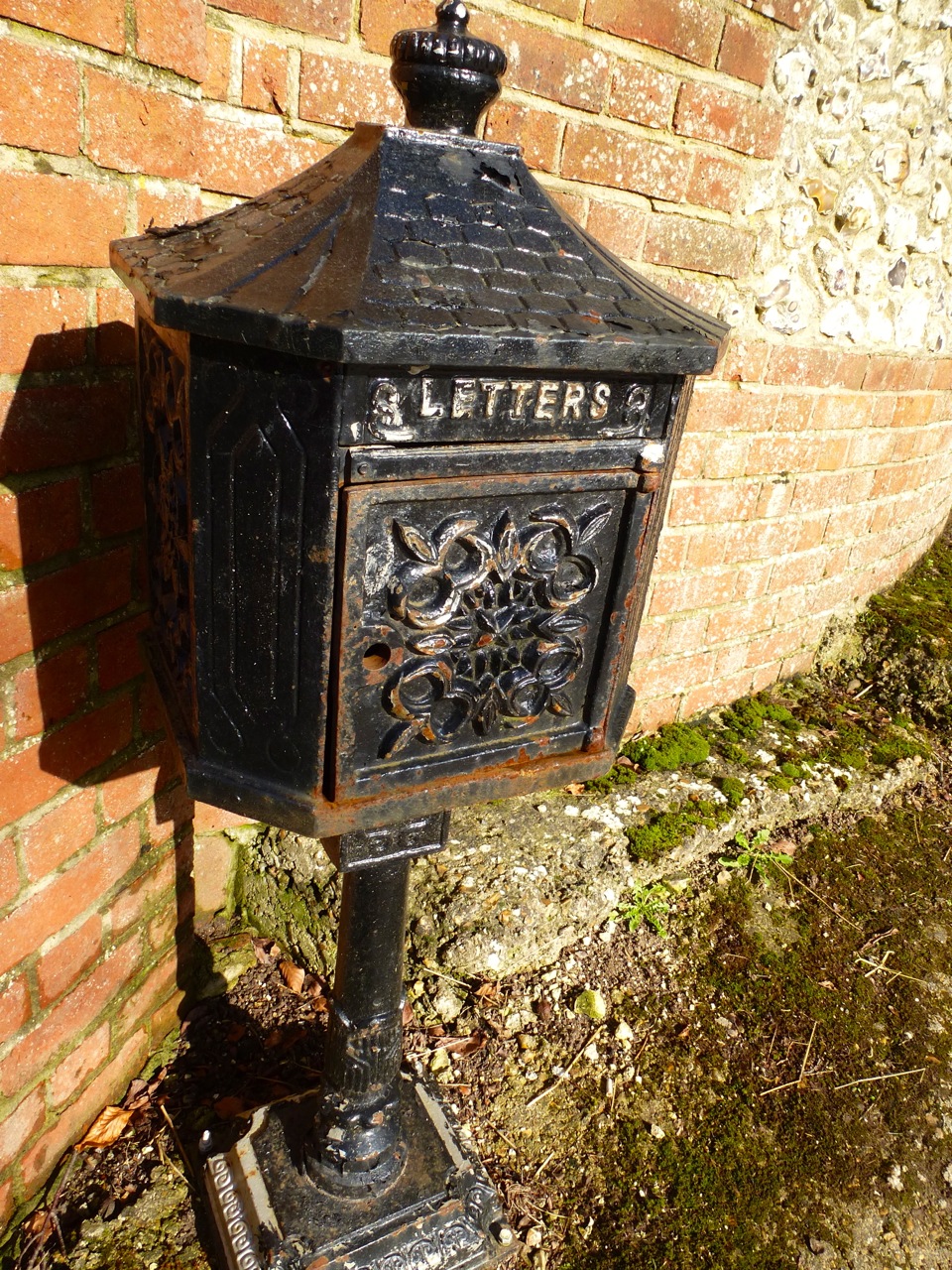
Hambledon churchyard Hambledon church Hambledon church cross Hambledon peoples market Hambledon High Street Old letter box MG, cottage

Footpath north through the vineyards:

Vineyard footpath

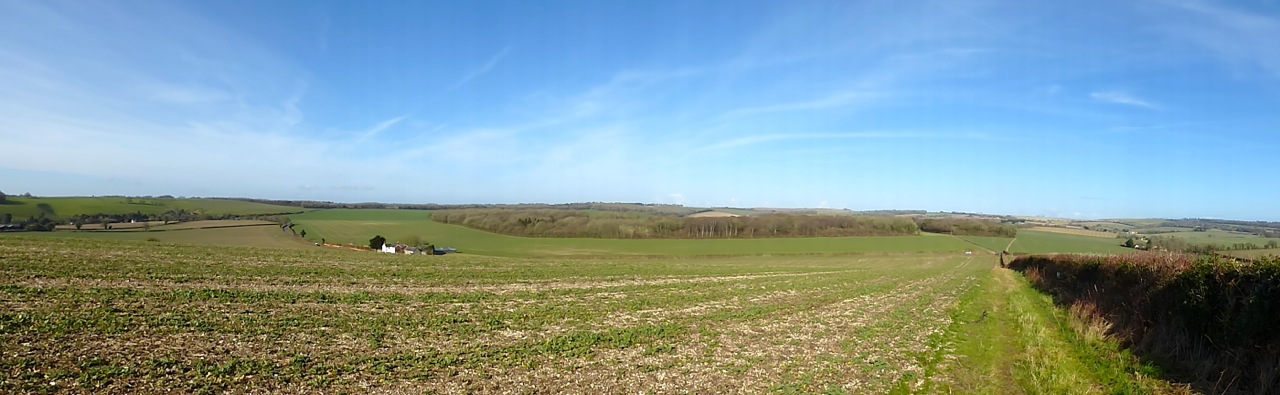
Panorama north to Chidden Down:

Chidden Down Chidden Down

And back to Chidden:

Chidden Hampshire

East Meon Walk

In bright winter sunshine in a crisp breeze we walked a loop of a few km from East Meon church:

East Meon Walk Route Map

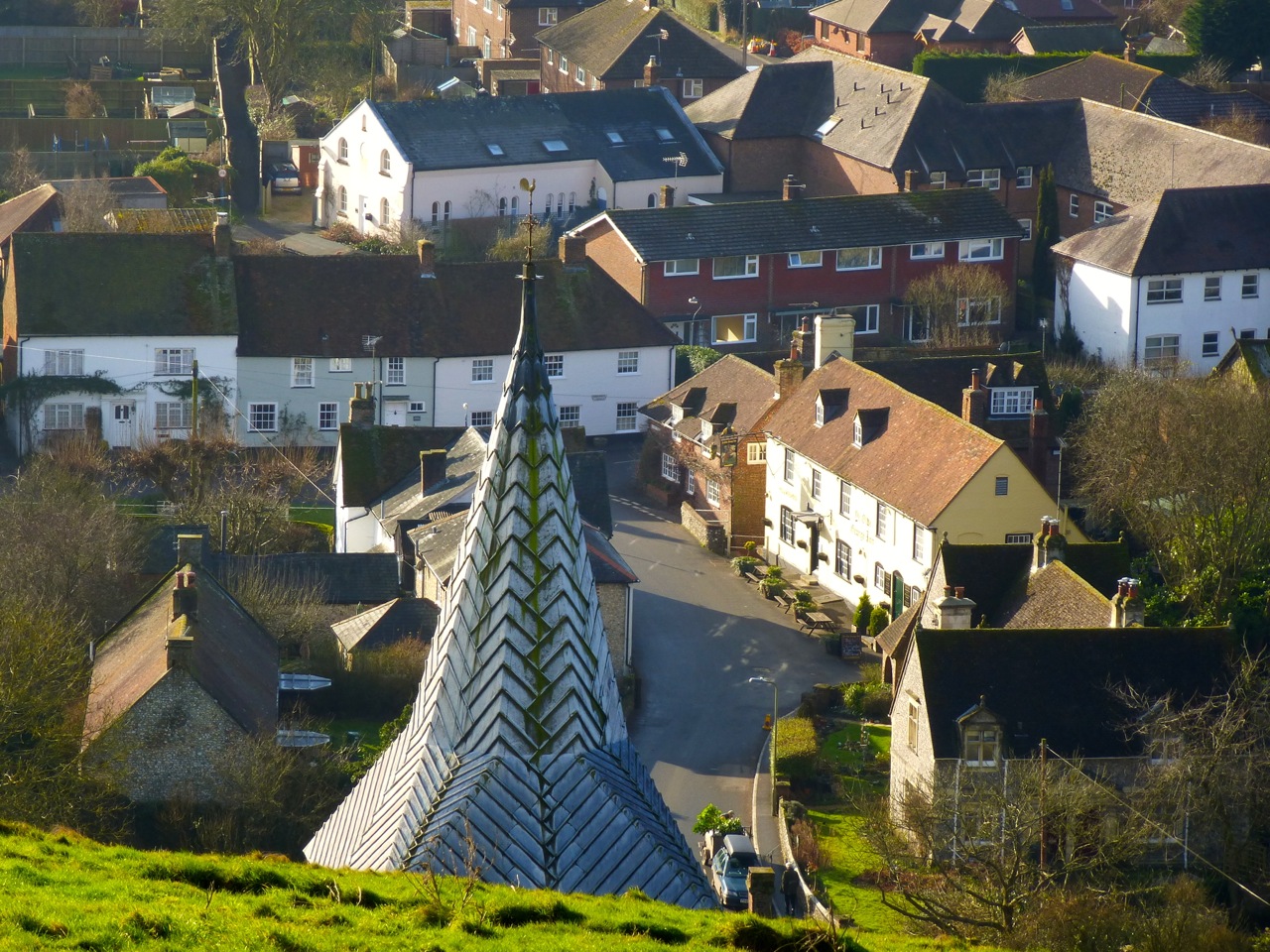
From the graveyard the path rapidly ascends 100m up into Park Hill giving great views over the village. Very soon we were higher than the steeple:

Over East Meon church


Even higher above some red kites effortlessly circled over a corn field. A local said they had been recently introduced:

Red kite

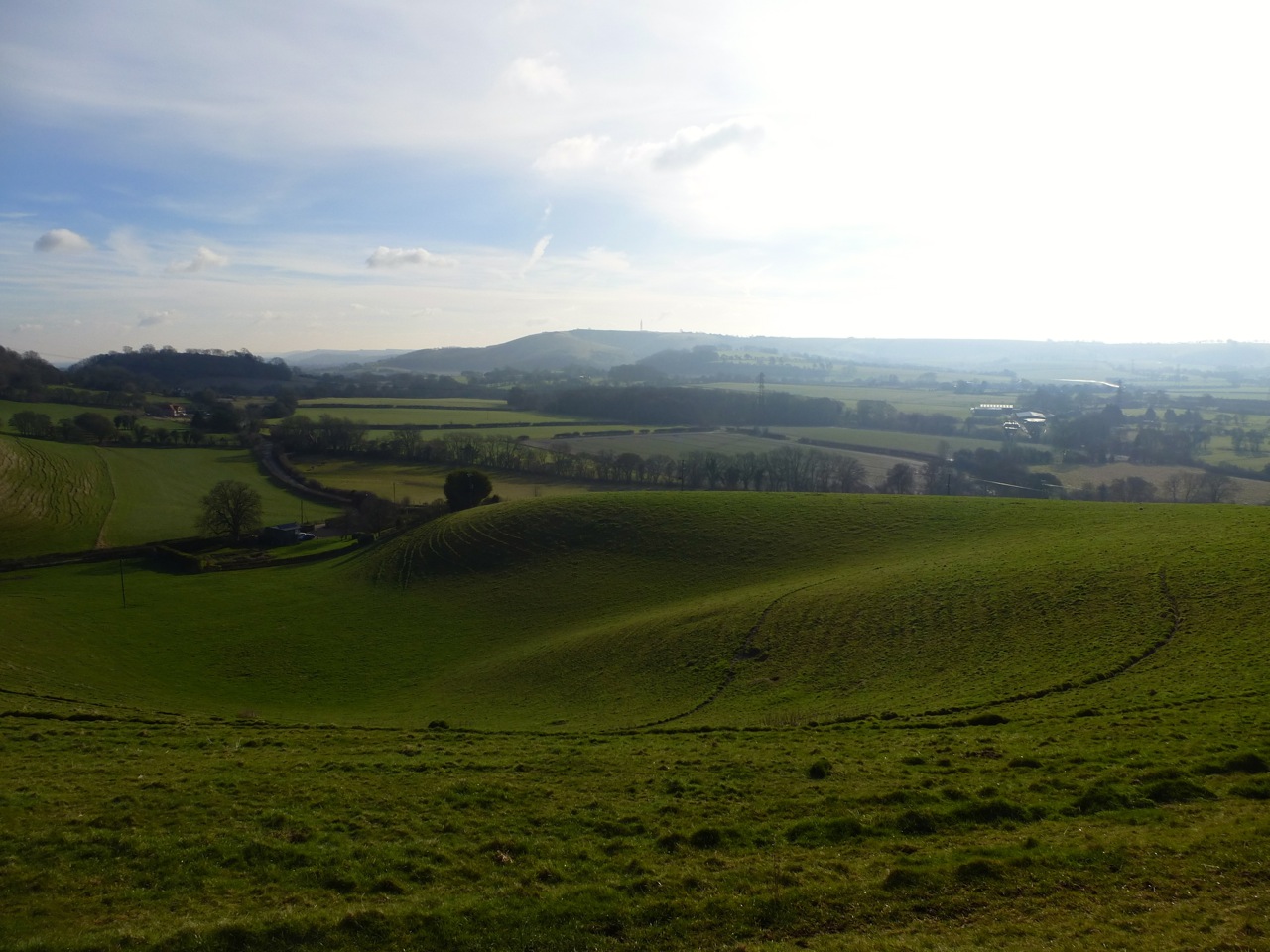
On the top of the hill looking east to the south downs stretching away in the haze beyond Butser Hill:

View to the downs

The rolling grassland of Park Hill near to Vineyard Hole. (Now there are some vines nearer the village at the Court House.)

From Park Hill-2 From Park Hill

On the Bereleigh Estate, Park Farm. The ice on the pond would be soon to melt:

Park Farm


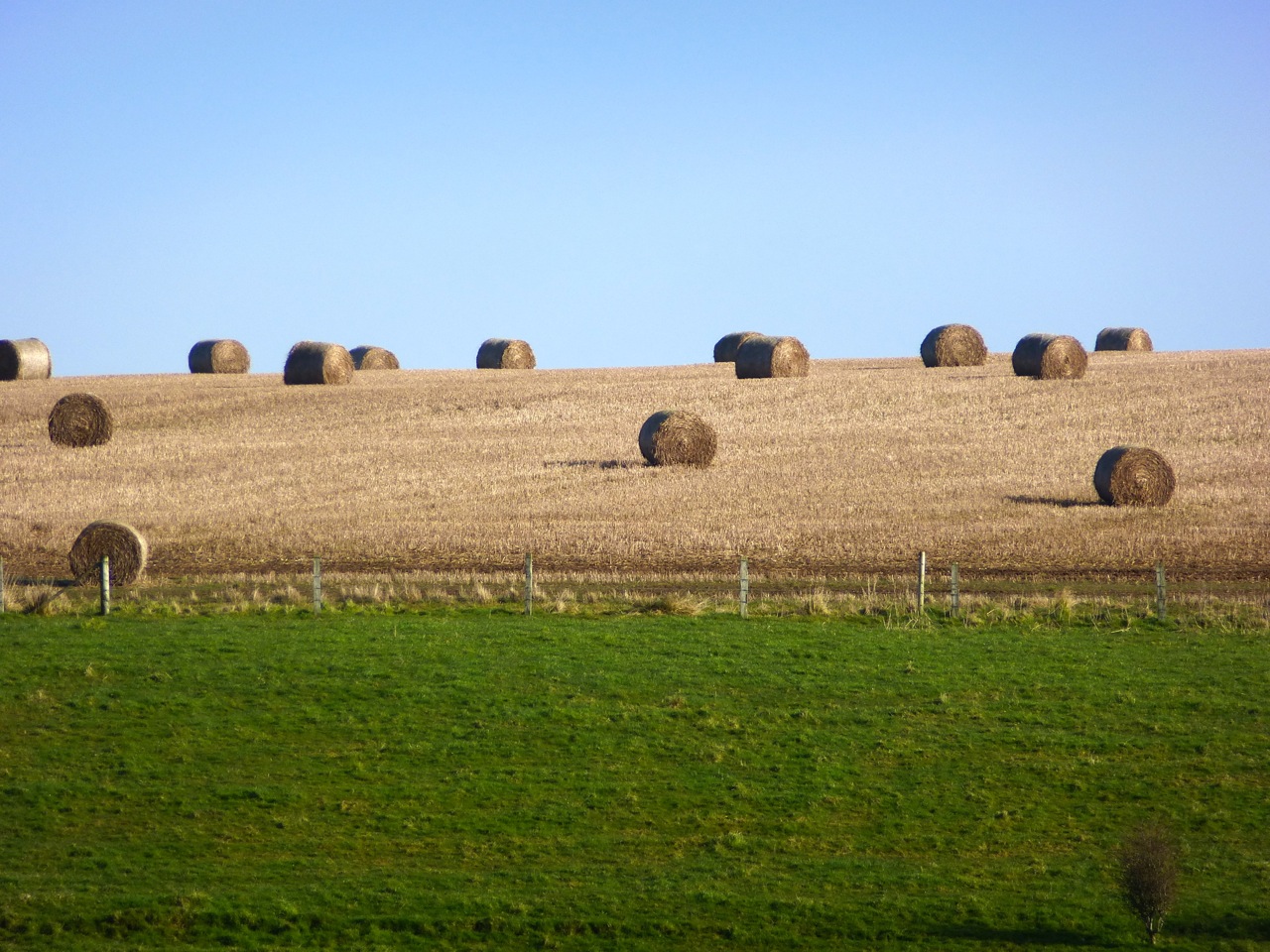
Hey you forgot the hay!

Hey you forgot the hay!


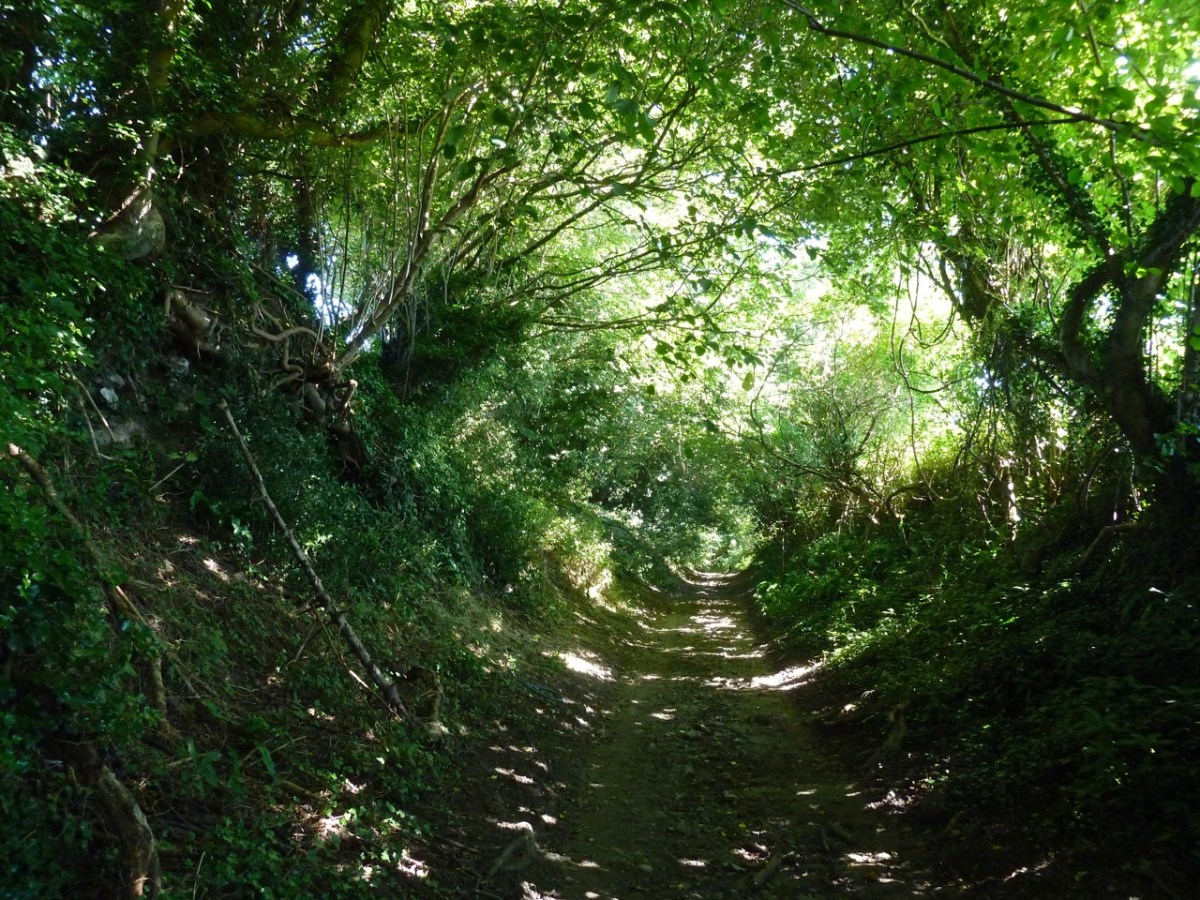
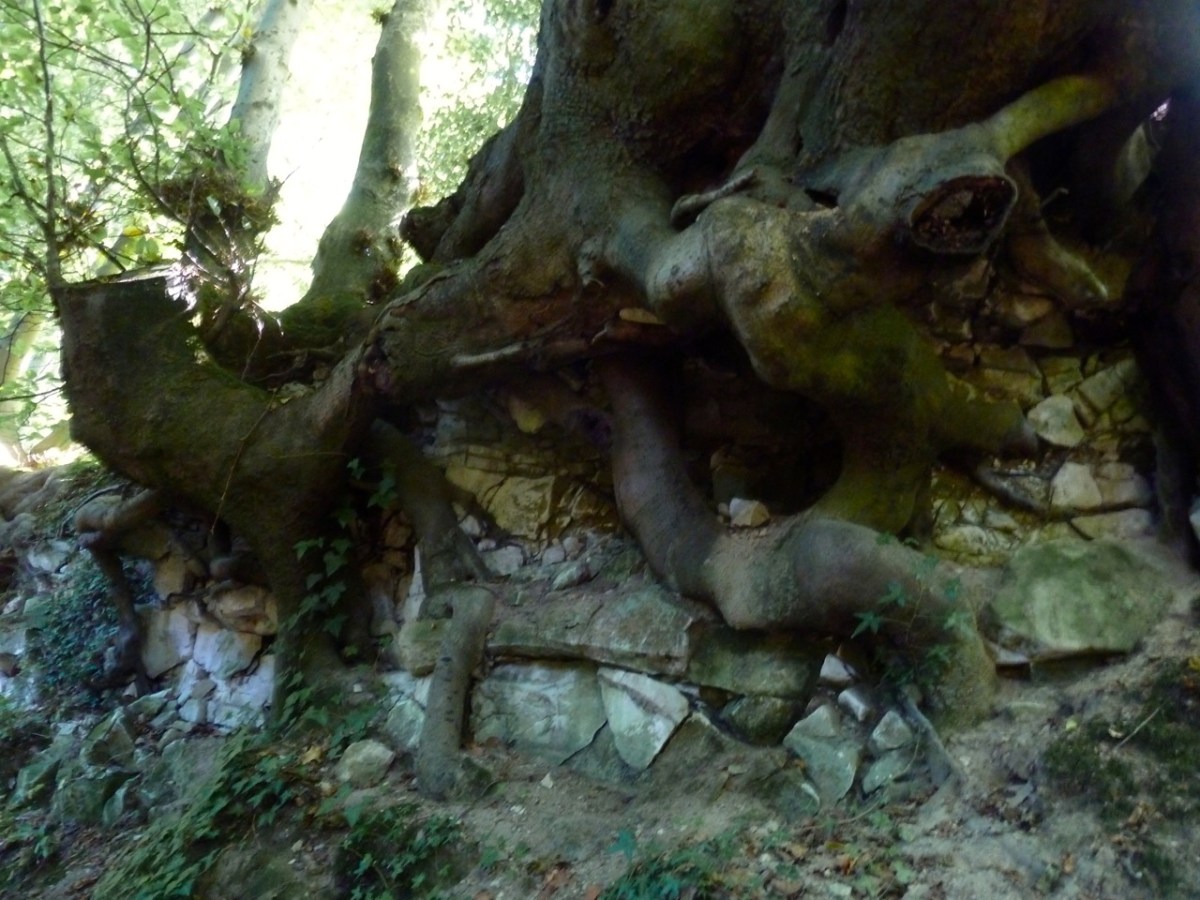
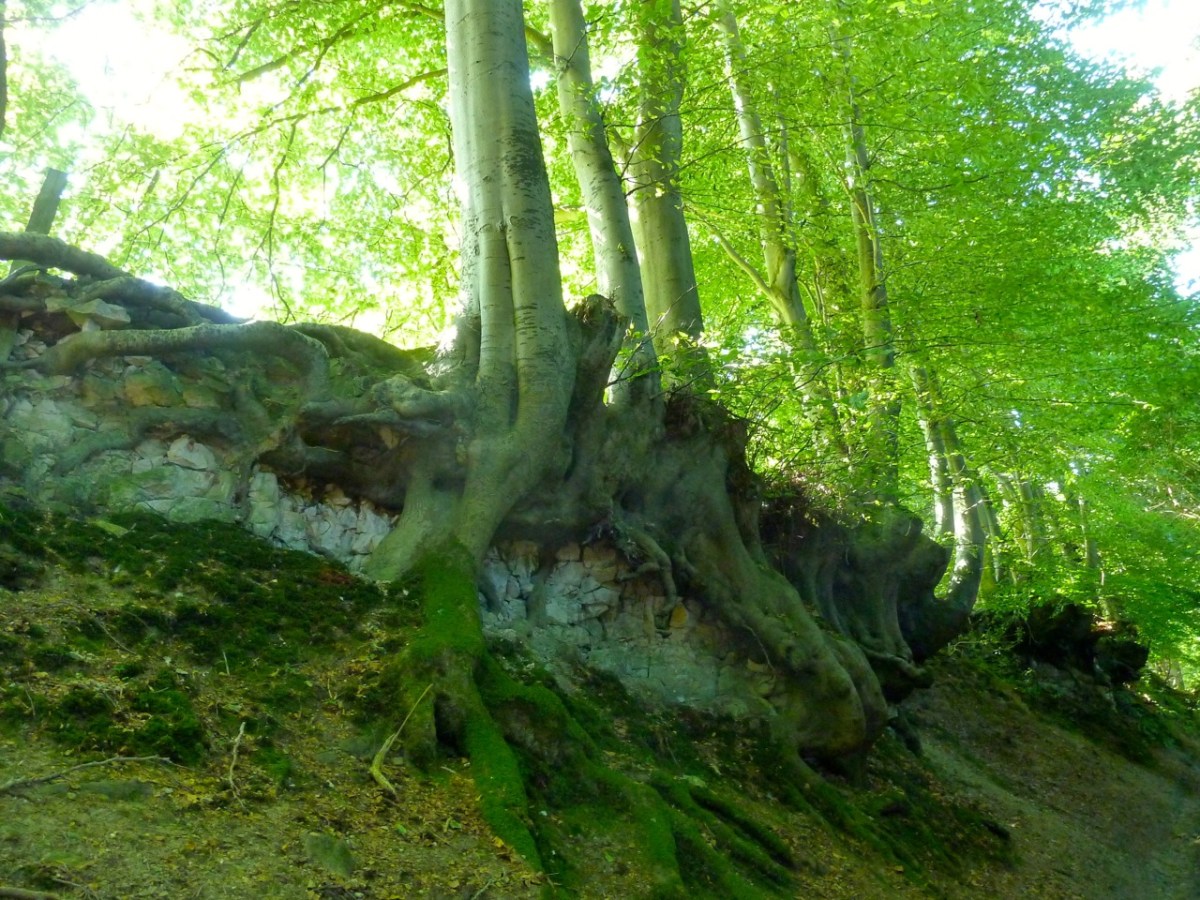
Over open country, down through Rookham Copse, over the road to Pidham Lane. These sunken lanes with trees on the bank always remind me of The Fellowship of the Ring:

Tree roots


Old lanes eaten up by motorbikes and sodden led us to the gravel of the Greenway Track:

Greenway Track

No cars. Look how dated the sign design is, some kind of 1960s car:

No cars signpost UK


Frogmore lies to the east of East Meon. Only 2km from its source, the Meon turns west here into the Meon Valley proper. Old cottages and a bridge here:

Frogmore cottages The Meon at Frogmore


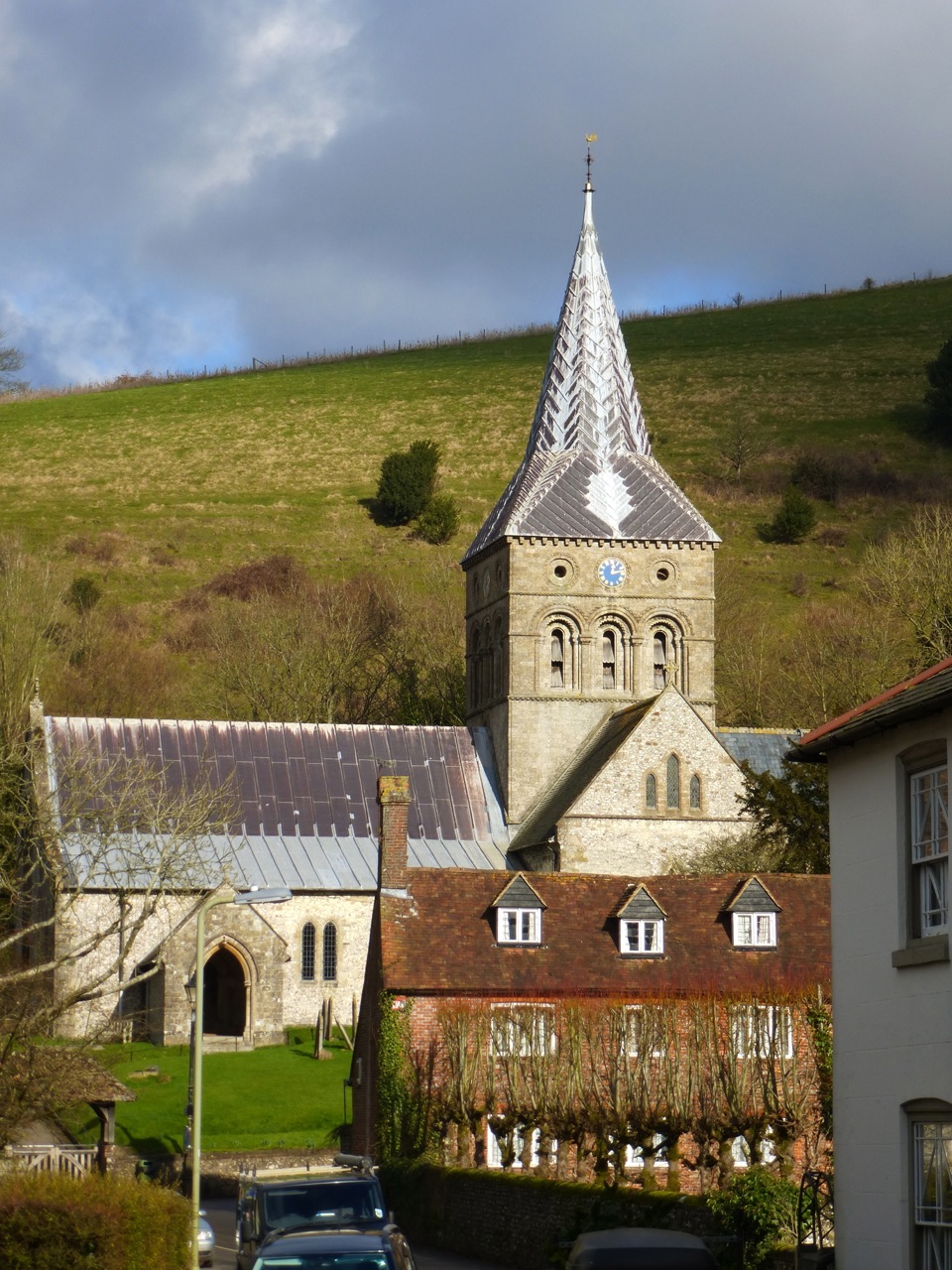
Taking the lane instead of more mud in the fields, we were soon in the village, with it’s thatched cottages and Georgian houses and pub:

Thatch East Meon East Meon-2 Ye Olde George Inn, East Meon East Meon-3


Then back to the church in it’s downland situation:

East Meon Church and Park Hill East Meon Church

The old Court House c14 onwards:

Old Court House


Ventilation tile:

Handmade ventilation tile


Scarecrow at the village allotments:

Scarecrow at East Meon Allotments

Gundleton and Bighton Walk

It’s rained a lot recently so we stuck to lanes this morning. Paths are crazy muddy right now. Starting out just north of Gundleton, Hampshire’s best named village, an hour’s loop:

Guntleton & Bighton

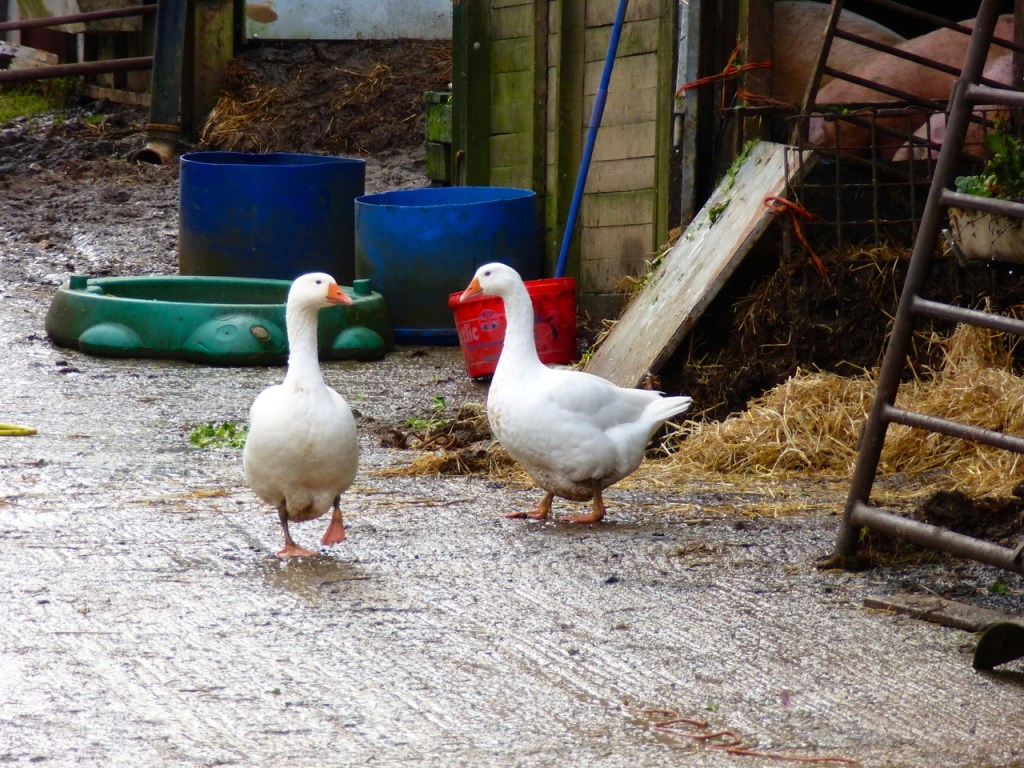
The order of the photos has got muddled and so shall the order of the descriptions. Here are some geese at a small farm in Gundleton:

Gundleton Geese

Snowdrops on Goscombs Lane:

Snowdrops on Goscombs Lane

Two bulls at the farm. The lighter one dominated and soon walked in front of the other, blocking his view of us.

Two bulls

Pigs in the barn and a curious goose:

Goose and pigs

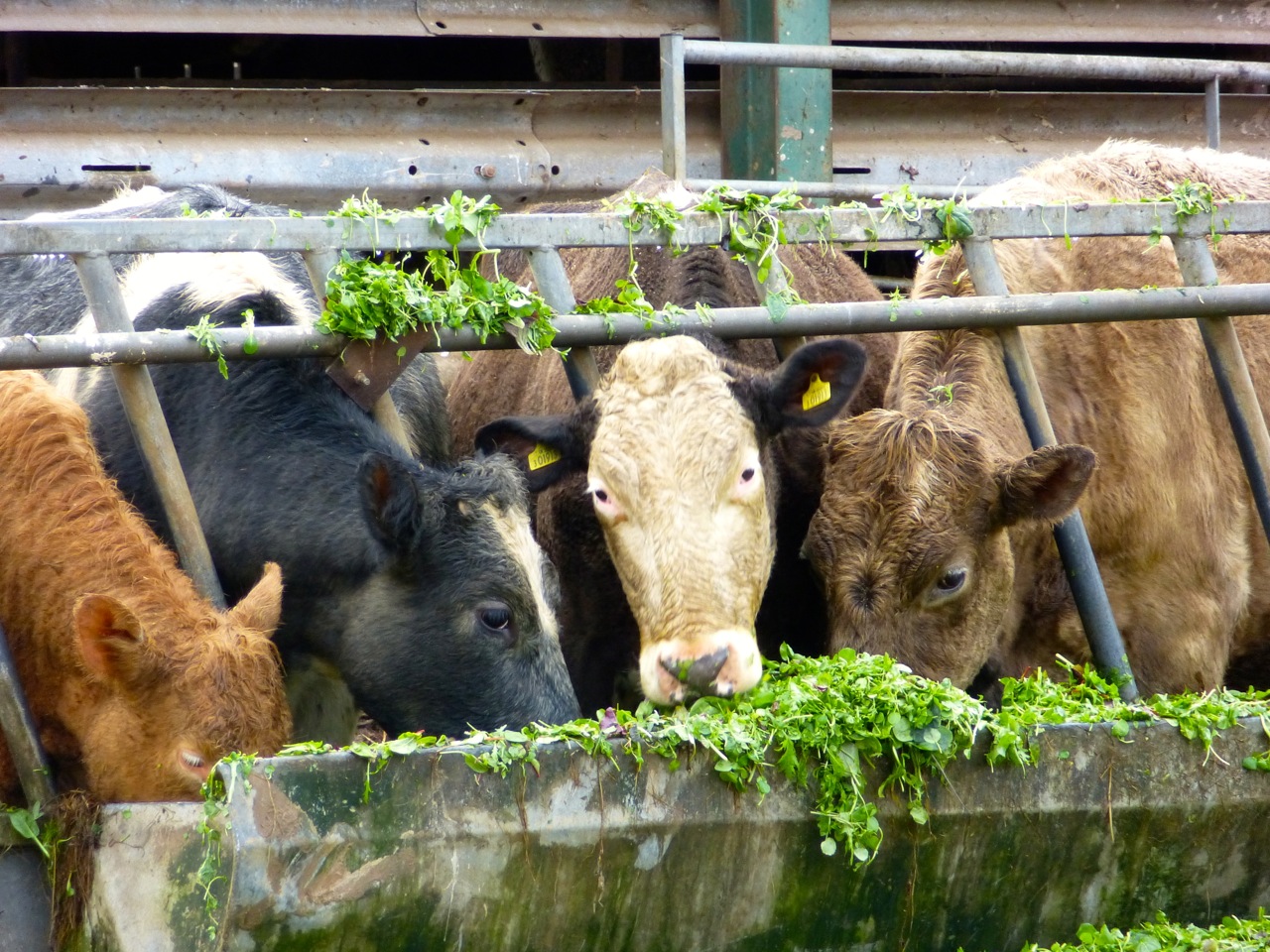
The cows were eating what looks like watercress:

Eat your greens

A wet and muddy horse:

Muddy horse

Many plants were pushing through for spring, the green so bright. Here’s some moss that also seemed to have a glow on:

Fresh moss

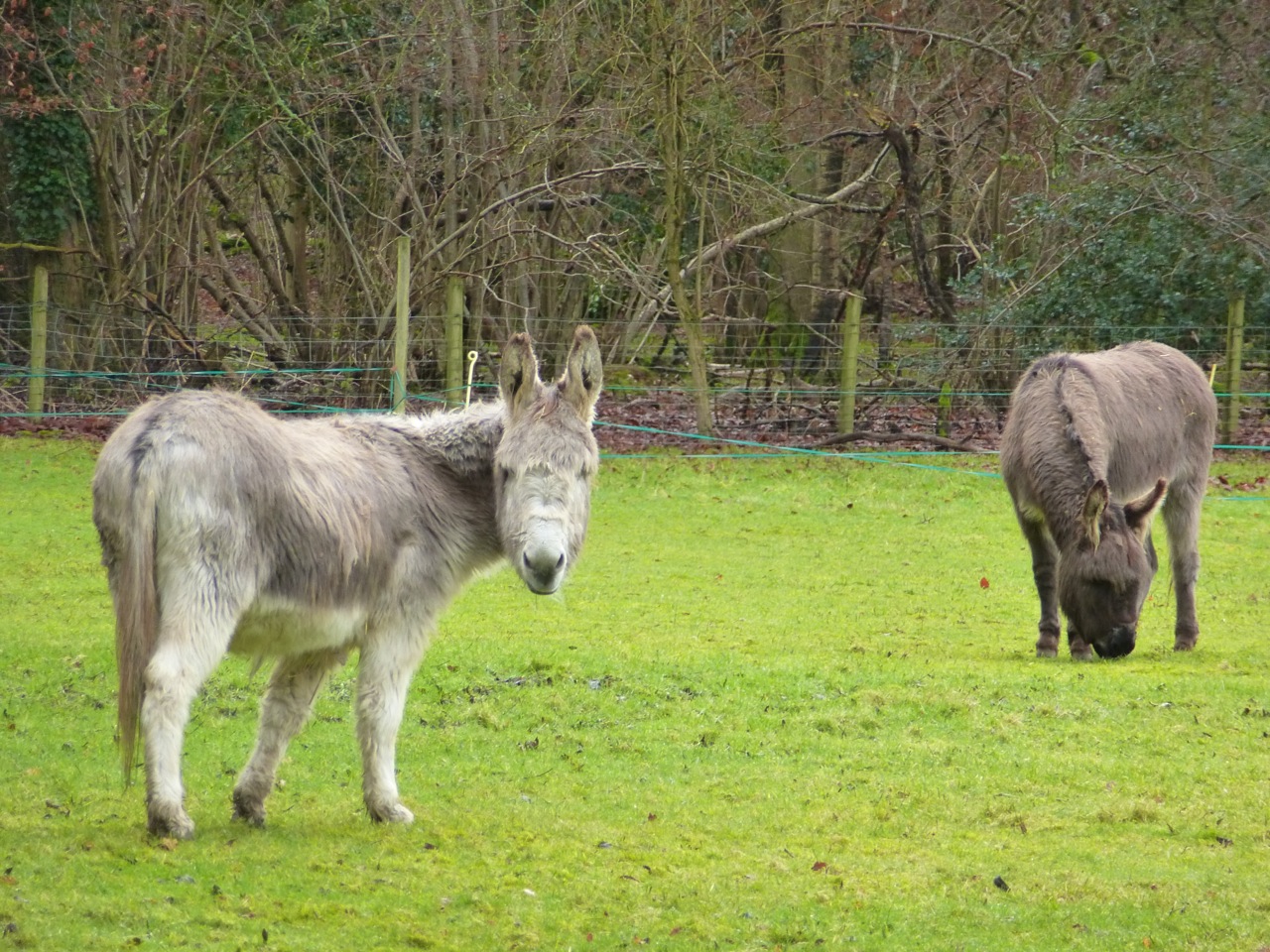
A pair of donkeys:

Donkeys

I think this was called Clivedon. Totally old school bungalow:

Bunglaow at Goscombs Lane

A place called The Coffee Tavern. No sign of it being a cafe:

The Coffee Tavern

Greening signposts:

Bighton Dean Lane

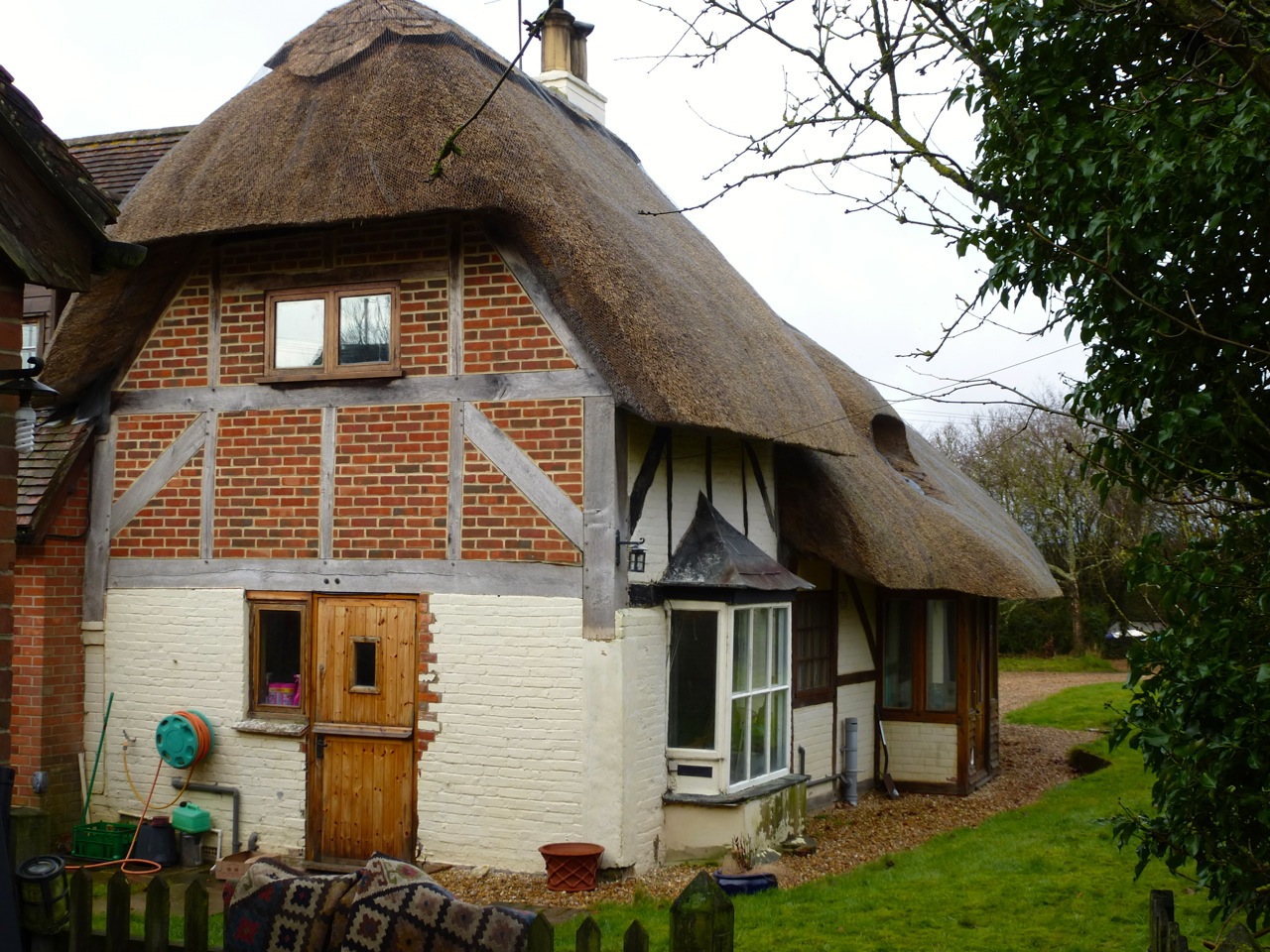
A thatched cottage at Bighton Dean:

Thatched Cottage

The Three Horseshoes Public House. Proper old school again Also known as The Three Osees:

The Three Horseshoes, Bighton

The Old House at Bighton. Digging the windows:

The Old House, Bighton

Pines at Bighton Dean Lane:

Pines, Bighton

Looking west from Bighton Lane:

From Bighton Lane

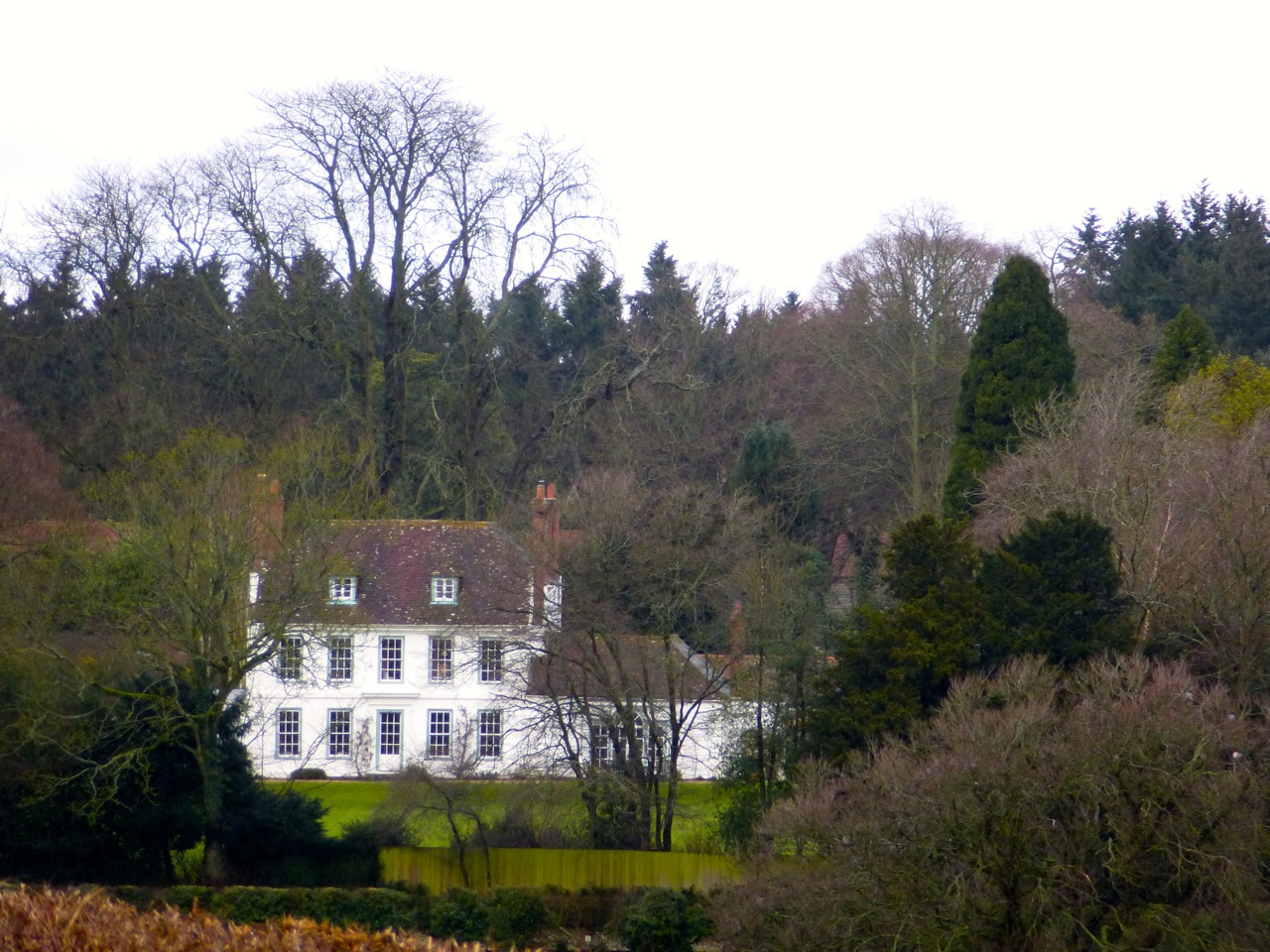
I’m not sure which house this is. Perhaps Bighton Manor:

Bighton Manor?

Windybanks Cottage in Bighton:

Windbanks Cottage Bighton

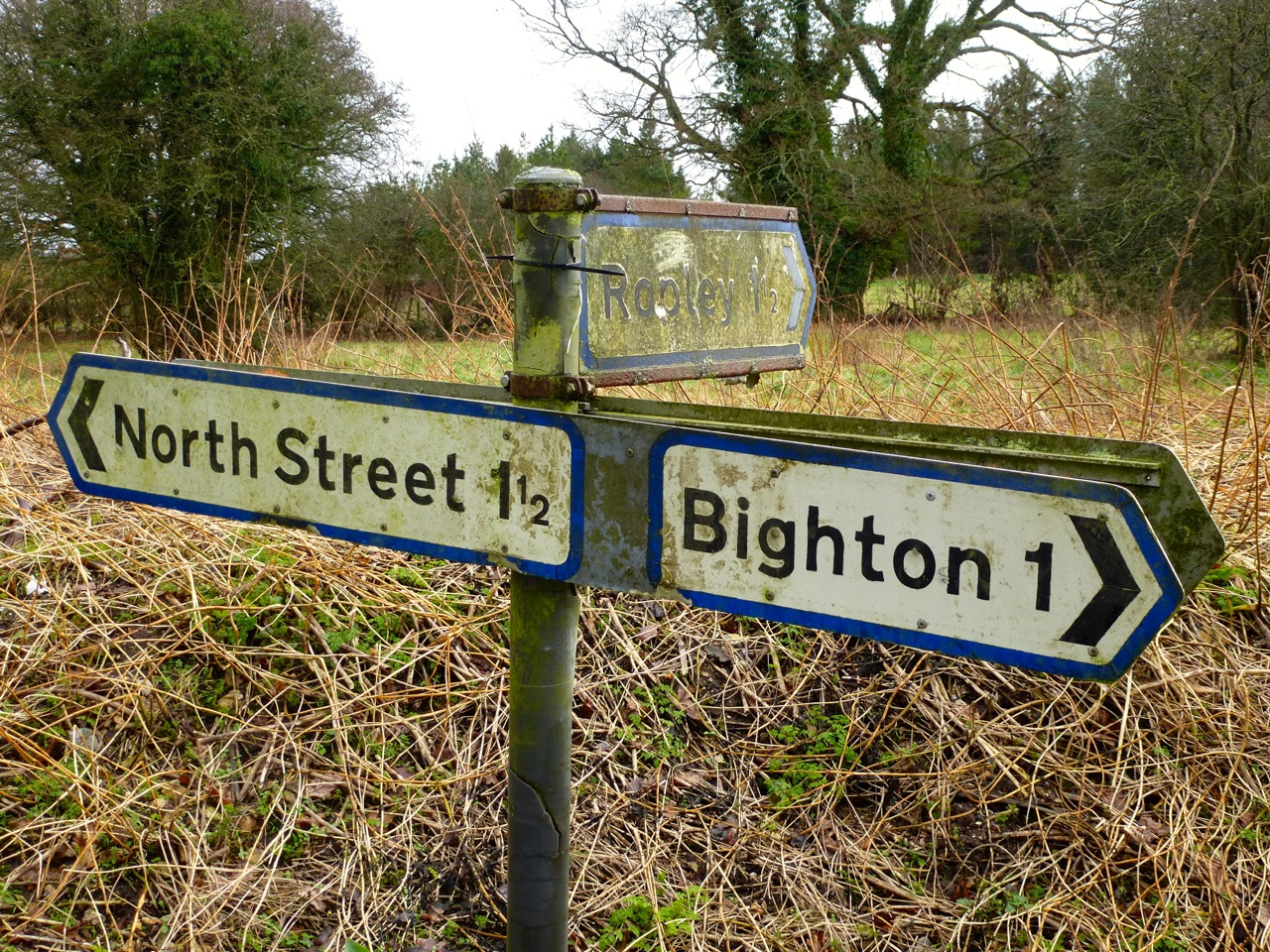
There’s no ‘r’ in Bighton:

Bighton. No 'r'

Weekend Walk 44 – Portchester & Portsdown – Allan King’s Way

The first stage of the Allan King’s Way, from Portchester Castle to Nelson’s Monument on Portsdown Hill. I then continued along the hill a way and back to Portchester at sunset. On the way: Portsmouth Harbour, Wicor, Foxbury Point, Cams Bay, Downend, Fort Nelson, DSTL Research Base, Portchester Common, Paulsgrove Lake, then the Roman Fort and castle right on the water’s edge.

One of my favourite walks so far, despite its proximity to urban areas.

Weekend Walk 39 – Beaulieu to Lymington – The Solent Way

From the Hampshire village of Beaulieu to the town of Lymington, the Solent Way proceeds south then west. At first it follows the bank of the Beaulieu River to Bucklers Hard, where many of Nelson’s fleet was built. Two unique terraces of Georgian houses survive. The path then head inland to St Leonards Grange, Sowley and Walhampton, with its oversized monument. The walk finishes in maritime Lymington, with cobbled streets and historic quay. It was surprising to see the wild (if owned) donkeys of the New Forest right there on the streets of Beaulieu. While much of this stage is on tarmac, the lanes were quiet even on a sunny Saturday afternoon.

Ramsdean Walk

Wanting to explore the area to the north of Butser Hill, east of East Meon, south of Stroud, we parked in the small Hampshire village of Ramsdean. The area is more varied than is often found around the South Downs, with small streams, undulating countryside and ancient lanes between meadows and copses. The track from Ramsdean to Stroud (pr. strood) is a delight, with warn stone underfoot and steep banks up to beeches overhanging the path. Very hobbit-like. We turned north off the track towards Langrish, up through meadows with great views of Butser Hill behind us. Then down through Mustercoombe Copse almost as far as Stroud, meeting a herd of cows, both curious and literally shit scared of us. Then it was back onto the ancient track to the village with its cottages and farms.

Weekend Walk 38 – Hythe to Beaulieu – Solent Way

Continuing east-west along the Solent Way, from the ferry at Hythe to the Hampshire village of Beaulieu. This is an inland stage once leaving Southampton Water, entering into the New Forest through Fawley Inclosure, Beaulieu Heath, to Hilltop, then down into the village itself on the banks of the River Beaulieu where I was sort of attacked by a goose. Disappointingly, most of the walk is along roadsides, or very near the road. I’d really like to see an alternative route for the Solent Way to the East of Beaulieu.

Apologies for the dirty image. It’s not on the lens but inside the camera.


Weekend Walk 37 – Wickham, Funtley, Knowle

A Hampshire walk from Wickham including Webbs Land Farm, Botley Wood, Stonyfield Copse, Funtley, River Meon, Knowle Village, Knowle Asylum Cemetery, Mayles, and finishing on the Meon Valley Trail with a wedding taking place at Wickham Church, the bells ringing out. Lots of horses and a reunion of a pony with its mother.

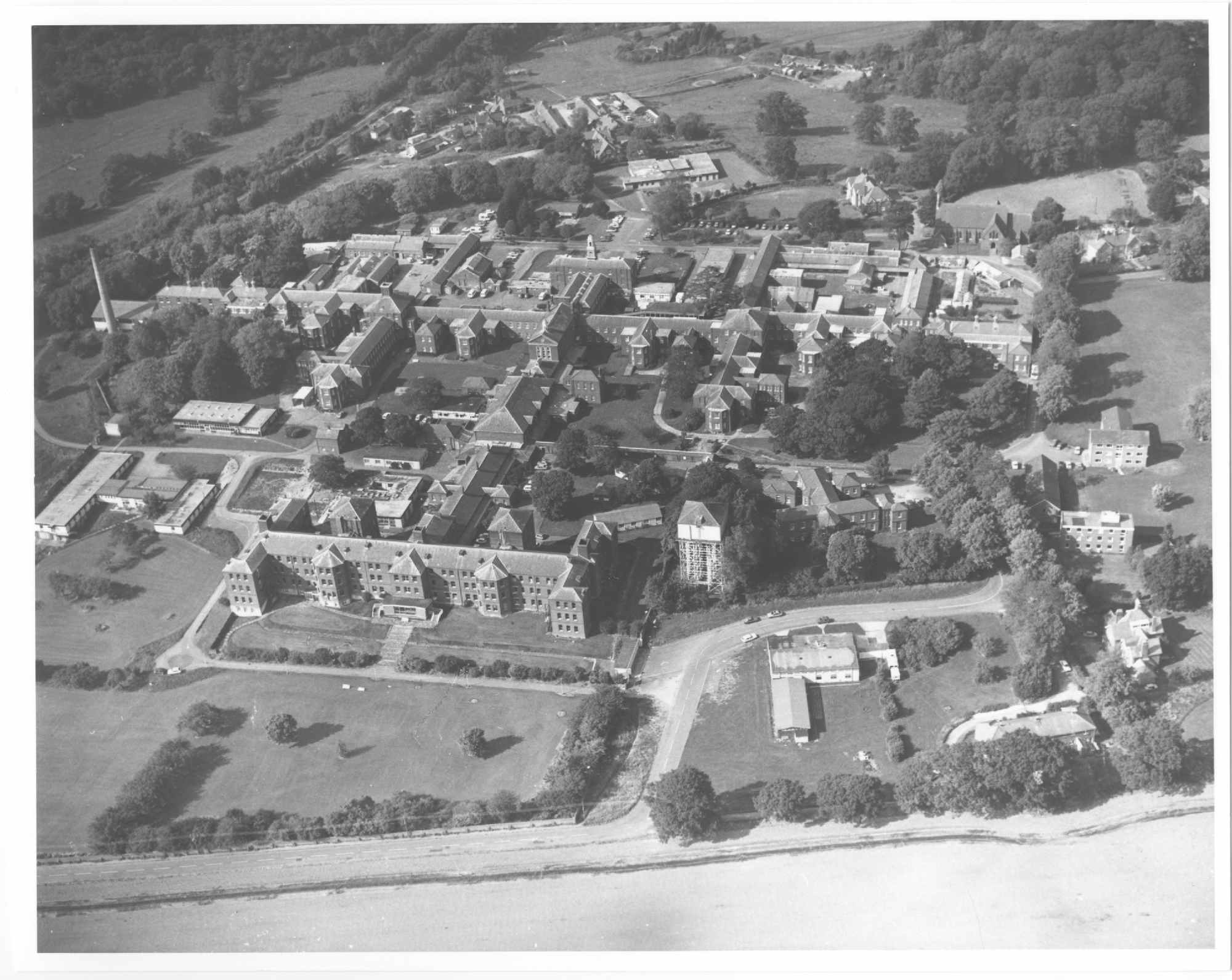
How the hospital/asylum once looked. The cemetery is in the woods top right.

The Vyne, Basingstoke

The Vyne - EntranceThe Vyne - LobbyThe Vyne - InteriorThe Vyne - TapestryThe Vyne - InteriorThe Vyne - Bedroom
The Vyne - Four Poster BedThe Vyne - InteriorThe Vyne - HallThe Vyne - FireplaceThe Vyne - WindowThe Vyne - Statue Charles I
The Vyne - StatueThe Vyne - PaintingThe Vyne - StatueThe Vyne - Main StairsThe Vyne - Staircase HallThe Vyne - Staircase Hall
The Vyne - SketchesThe Vyne - StudyThe Vyne - WheelchairThe Vyne - Plant RoomThe Vyne - Plant Room HeatingThe Vyne - Statue

The Vyne, a set on Flickr.

Photos of the interior and exterior of The Vyne, a National Trust Property near Basingstoke in Hampshire. There are many statues inside, and some freaky paintings. It was a relief to get outside away from the oppressive panelled rooms and into the grounds and woodland. I did like the Staircase Hall and the surprisingly simple bedrooms

Weekend Walk 36 – Hamble to Southampton – Solent Way

The 5th stage of the Solent way, east to west. Around 6 miles, from the Warsash ferry at Hamble to the Hythe Ferry at Town Quay Southampton. The path leads from Hamble-le-Rice village, south to the common to pick up Southampton Water shoreline, then past Hamble oil terminal to Netley with its ruined Abbey and Victoria Country Park, then to Weston Shore, entering Southampton at Woolston, the aircraft and shipyards long gone, replaced with Centenary Quay. The across the huge expanse of 1977’s Itchen Bridge and through part of Southampton old town, with some walls and fortifications remaining.

The oil terminal at Hamble collects oil piped in from the field at Wareham in Dorset, 50 miles away, averaging 2-3 million gallons per day.

Much of Howard’s Way was filmed in Hamble. I quite like the theme tune:

I’ve walked this area in another video early on in my series of filmed hikes. More on Victoria Park here

Weekend Walk 35 – Lee-on-Solent to Warsash (Solent Way)

Continuing the Solent Way after a break for winter, this is the fourth stage. I started around 10am from Lee-on-Solent, past Hill Head, Titchfield Haven, Meon Shore, Brownwich Cliffs, Chilling Cliffs, Hook, and on to Warsash. From just north of the village, the Solent Way goes via ferry to Hamble, but I stopped today on the eastern shore. On the way I saw dogs (many), jetskis, birds, helicopters, the Isle of Wight, the nature reserve, erodind cliffs, fawley power station, oil refinery, and the village of Warsash.