It’s the dark heart of Britain, the place where democracy goes to die, immensely powerful, equally unaccountable. But I doubt that one in 10 British people has any idea of what the Corporation of the City of London is and how it works. This could be about to change. Alongside the Church of England, the Corporation is seeking to evict the protesters camped outside St Paul’s cathedral. The protesters, in turn, have demanded that it submit to national oversight and control.
What is this thing? Ostensibly it’s the equivalent of a local council, responsible for a small area of London known as the Square Mile. But, as its website boasts, “among local authorities the City of London is unique”. You bet it is. There are 25 electoral wards in the Square Mile. In four of them, the 9,000 people who live within its boundaries are permitted to vote. In the remaining 21, the votes are controlled by corporations, mostly banks and other financial companies. The bigger the business, the bigger the vote: a company with 10 workers gets two votes, the biggest employers, 79. It’s not the workers who decide how the votes are cast, but the bosses, who “appoint” the voters. Plutocracy, pure and simple.
There are four layers of elected representatives in the Corporation: common councilmen, aldermen, sheriffs and the Lord Mayor. To qualify for any of these offices, you must be a freeman of the City of London. To become a freeman you must be approved by the aldermen. You’re most likely to qualify if you belong to one of the City livery companies: medieval guilds such as the worshipful company of costermongers, cutpurses and safecrackers. To become a sheriff, you must be elected from among the aldermen by the Livery. How do you join a livery company? Don’t even ask.
To become Lord Mayor you must first have served as an alderman and sheriff, and you “must command the support of, and have the endorsement of, the Court of Aldermen and the Livery”. You should also be stinking rich, as the Lord Mayor is expected to make a “contribution from his/her private resources towards the costs of the mayoral year.” This is, in other words, an official old boys’ network. Think of all that Tory huffing and puffing about democratic failings within the trade unions. Then think of their resounding silence about democracy within the City of London.
…
The Corporation exists outside many of the laws and democratic controls which govern the rest of the United Kingdom. The City of London is the only part of Britain over which parliament has no authority. In one respect at least the Corporation acts as the superior body: it imposes on the House of Commons a figure called the remembrancer: an official lobbyist who sits behind the Speaker’s chair and ensures that, whatever our elected representatives might think, the City’s rights and privileges are protected. The mayor of London’s mandate stops at the boundaries of the Square Mile. There are, as if in a novel by China Miéville, two cities, one of which must unsee the other.
…
If you’ve ever dithered over the question of whether the UK needs a written constitution, dither no longer. Imagine the clauses required to preserve the status of the Corporation. “The City of London will remain outside the authority of parliament. Domestic and foreign banks will be permitted to vote as if they were human beings, and their votes will outnumber those cast by real people. Its elected officials will be chosen from people deemed acceptable by a group of medieval guilds …”.
The Corporation’s privileges could not withstand such public scrutiny. This, perhaps, is one of the reasons why a written constitution in the United Kingdom remains a distant dream. Its power also helps to explain why regulation of the banks is scarcely better than it was before the crash, why there are no effective curbs on executive pay and bonuses and why successive governments fail to act against the UK’s dependent tax havens.
But now at last we begin to see it. It happens that the Lord Mayor’s Show, in which the Corporation flaunts its ancient wealth and power, takes place on 12 November. If ever there were a pageant that cries out for peaceful protest and dissent, here it is. Expect fireworks – and not just those laid on by the Lord Mayor.
If Money Doesn’t Make You Happy, Try Time
Why might concentrating on time get us closer to our centuries-long search for happiness? One reason is because time spent doing something, especially when compared to owning something or spending money, is associated with personal meaning and evokes emotionally laden memories.
You might not recall how much money you had in your bank account when you were 20 years old, but most people remember their first kiss. Time also fosters interpersonal connections: the camaraderie that people get from attending a baseball game with friends, for example, would be more conducive to happiness than watching it alone in front of the television.
Drawing from their research and that of others, Aaker, Rudd, and Mogilner extracted five time-spending happiness principles:
Spend time with the right people. The greatest happiness levels are associated with spending time with people we like. Socially connecting activities — such as hanging out with friends and family — are responsible for the happiest parts of the day. However, work is also an essential element in the time-happiness relationship. Although spending time with bosses and coworkers tends to be associated with some of the lowest degrees of happiness, two of the biggest predictors of people’s general happiness are whether they have a ‘best friend’ at work and whether they like their boss. Therefore, people should try to reframe relationships and workplace goals such that colleagues become friends so that time spent at work becomes happier.
Spend time on the right activities. Certain activities are energizing, and others make us feel drained and defeated. To increase happiness, people should avoid spending time on the latter activities in favor of the former whenever possible. Of course, the bills have to be paid, the bathroom cleaned, and it’s sometimes a challenge to get through the day. But people need to reflect on how they are spending their time — the extent to which they mindlessly move from activity to activity without considering what they would really prefer to be doing. For instance, when deciding how to spend the next hour, simply asking yourself the question, ‘Will what I do right now become more valuable over time?’ could increase the likelihood that you behave in ways that are more in line with what will really make you happy.
Enjoy experiences without spending time actually doing them. Research in the field of neuroscience has shown that the part of the brain responsible for feeling pleasure — the mesolimbic dopamine system — can be activated when merely thinking about something pleasurable, such as drinking a favorite brand of beer or driving a favorite type of sports car. In fact, this research shows that people sometimes enjoys anticipating an activity more than actually doing it.For example, reading guidebooks in advance of a big vacation and anticipating the food you’ll eat and the activities you’ll do while there could actually give you more pleasure than the vacation itself. In short, research suggests that we can be just as well — if not sometimes better — off if we imagine experiences without having them. So to increase happiness, spend plenty of time happily daydreaming.
Expand your time. Unlike money, time is inherently scarce. No one gets more than 24 hours per day. In fact, there is a bidirectional relationship between time’s scarcity and its value: not only does having little time make it feel more valuable, but when time is more valuable, it is perceived as more scarce. To increase happiness, it can make sense to focus on the here and now —because thinking about the present moment (vs. the future) has been found to slow down the perceived passage of time. Simply breathing more deeply can have similar effects.In one study, subjects who were instructed to take long and slow breaths (vs. short and quick ones) for five minutes not only felt there was more time available to get things done, but also perceived their day as longer. And even though feeling time-constrained makes people less likely to take the time to help someone else, doing so actually makes people feel as though they have more spare time and gives them a sense of a more expansive future. Therefore, if you can’t afford to “buy” more discretionary time (e.g., by hiring a maid), focus on the present moment, breathe more slowly, and spend the little time that you have in helpful and meaningful ways.
Be aware that happiness changes over time. As we age, we experience different levels of happiness and how we experience happiness changes. Recent research found that younger people are more likely to experience happiness as excitement, whereas older individuals are more likely to experience happiness as feeling peaceful. Therefore, you should be aware that basing future decisions on your current perceptions of happiness may not lead to the maximum levels of happiness in the long run.Finally, although the meaning of happiness may change, it does so in predictable patterns. Therefore, it is possible to anticipate such changes, and you should allow yourself to shift how you spend your time over the course of your life — as the meaning of happiness shifts.
Aaker points out that “the experiences people accumulate over the course of spending their limited time, quite literally makes up each person’s life. So, if you take away anything from this research, it should be that spending time with the people you love doing the things you love is the best road to happiness.”
via If Money Doesn’t Make You Happy, Try Time | Stanford Knowledgebase.
Beijing’s air is ‘slightly polluted’
I could taste it again as I read this
The homes and offices of many top leaders are filtered by high-end devices, at least according to a Chinese company, the Broad Group, which has been promoting its air-purifying machines in advertisements that highlight their ubiquity in places where many officials work and live.
The company’s vice president, Zhang Zhong, said there were more than 200 purifiers scattered throughout Great Hall of the People, the office of China’s president, Hu Jintao, and Zhongnanhai, the walled compound for senior leaders and their families. “Creating clean, healthy air for our national leaders is a blessing to the people,” boasts the company’s promotional material, which includes endorsements from a variety of government and corporate leaders, among them Long Yongtu, a top economic official who insists on bringing the device along for car rides and hotel stays. “Breathing clean air is a basic human need,” he says in a testimonial.
…
News that Chinese leaders are largely insulated from Beijing’s famously foul air comes at a time of unusually heavy pollution in the capital. In recent weeks, the capital has been continuously shrouded by a beige pall and readings from the United States Embassy’s rooftop air monitoring device have repeatedly registered unsafe levels of particulate matter.
But those very readings, posted hourly on Twitter or through an iPhone app, have prompted a public debate over whether the Chinese government is purposely obscuring the extent of the nation’s air pollution. Unlike the American Embassy readings, Chinese environmental officials do not publicly release data on the smallest particulates, those less than 2.5 micrometers, which scientists say are most harmful because they are able to penetrate the lungs so deeply. Instead, government data covers only pollutants larger than 10 micrometers — a category that includes sand blown in from the arid north and dust stirred up from construction sites.
…
In response to criticism over the heavy smog of recent weeks, a spokesman for the city’s environmental protection bureau, Du Shaozhong, assured the public that they should feel secure in the government’s own readings, which termed the city’s air “slightly polluted” even as the embassy monitor found it so hazardous that it exceeded measurable levels. “China’s air quality should not be judged from data released by foreign embassies in Beijing,” he said.
According to the Broad Group’s Web site, it did not take much to convince the nation’s Communist Party leaders that they would do well to acquire the firm’s air purifiers, some of which cost $2,000. To make their case, company executives installed one in a meeting room used by members of the Politburo Standing Committee. The deal was apparently sealed a short while later, when technicians made a show of cleaning out the soot-laden filters. “After they saw the inklike dirty water, Broad air purifier became the national leaders’ appointed air purifier!” the Web site said.
Via New York Times

Scrap Book: Smiling Baby Buddha Duncan
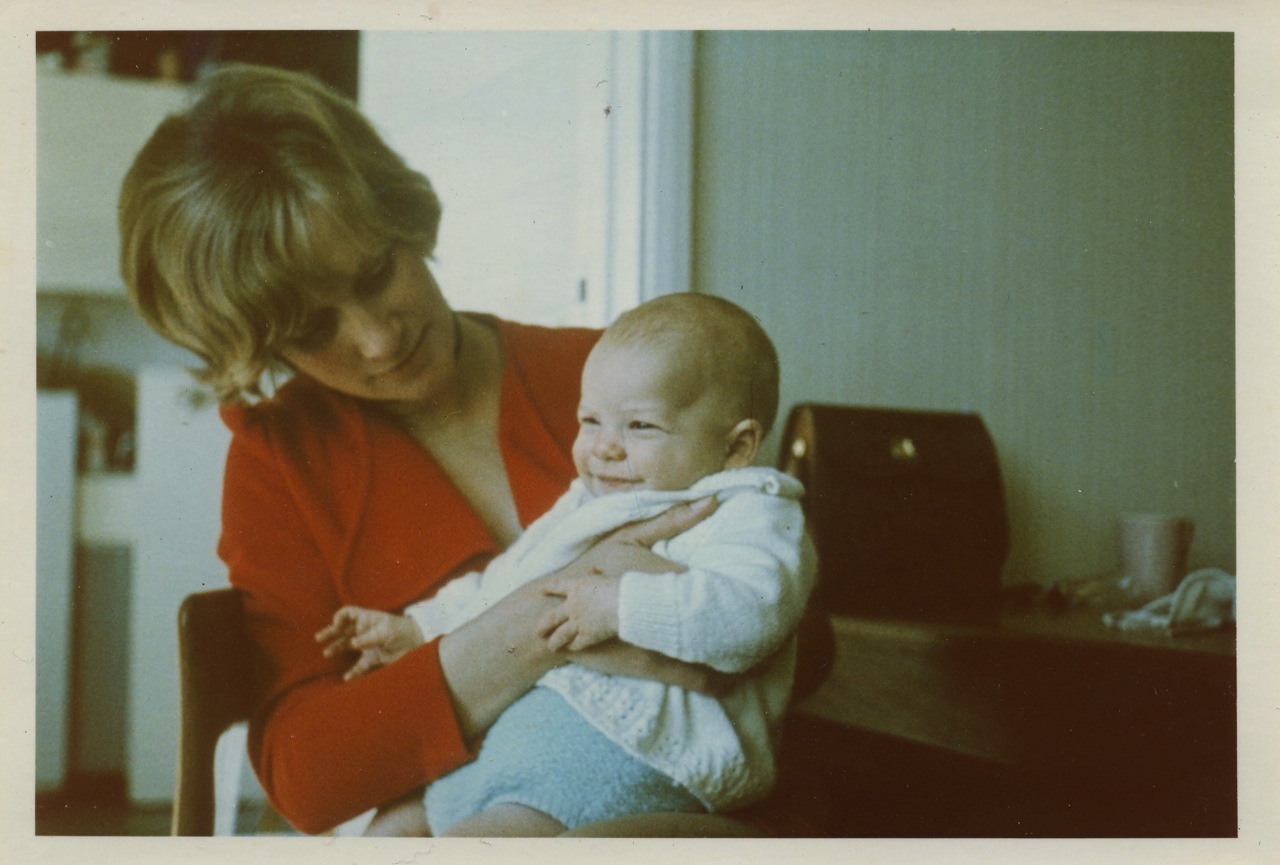
Here I am, age not very much, with my lovely mother, enjoying the good life. The photo was taken in Cheshunt where we lived till I was one and a half.
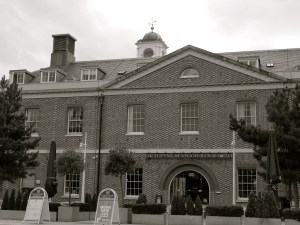
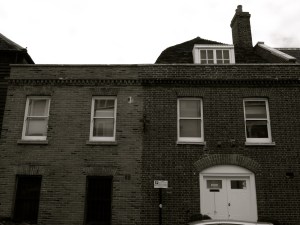
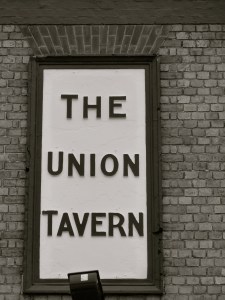
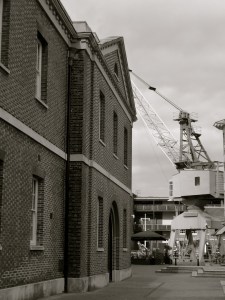
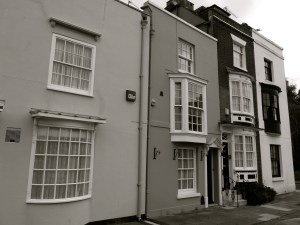
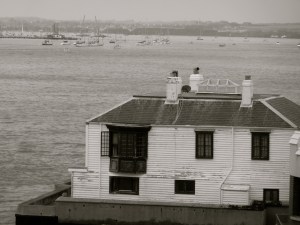
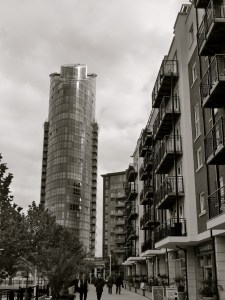
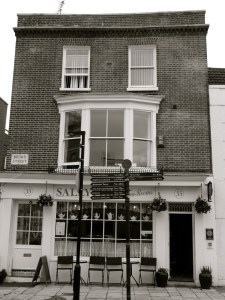
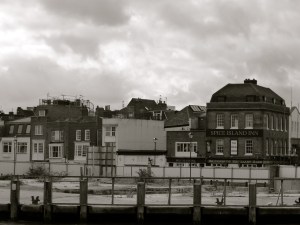
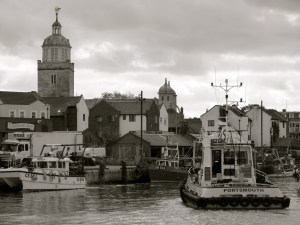
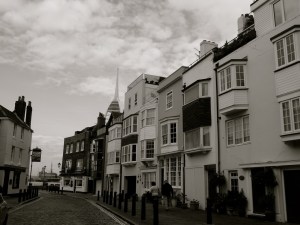
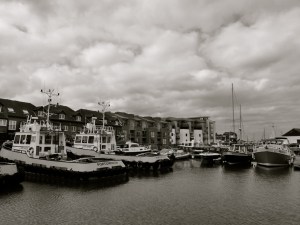
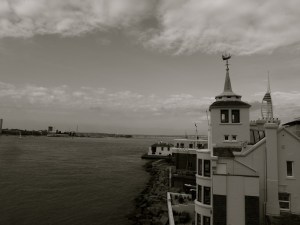
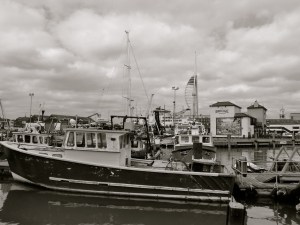
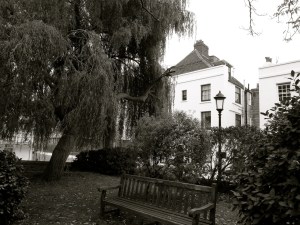
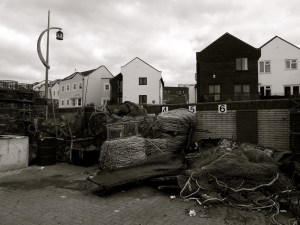
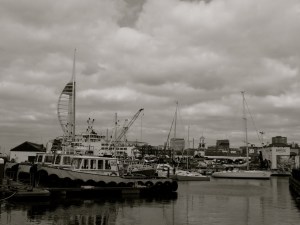
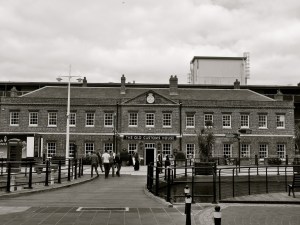
Old Portsmouth and Gunwharf
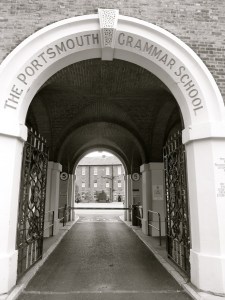
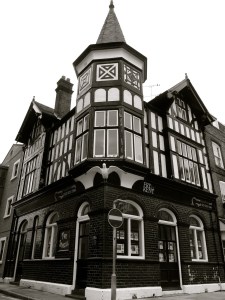
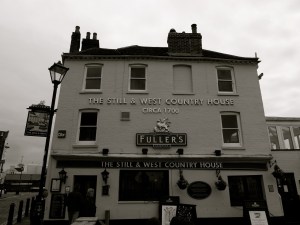
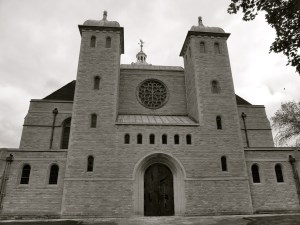
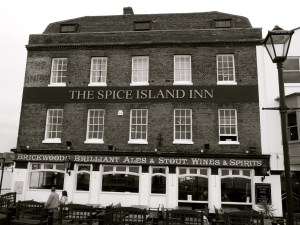
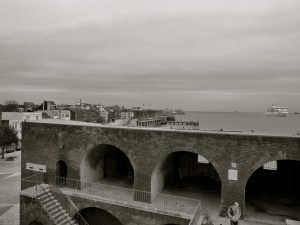
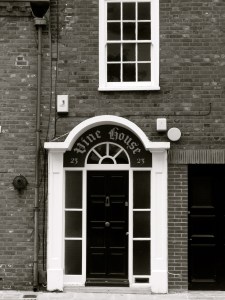
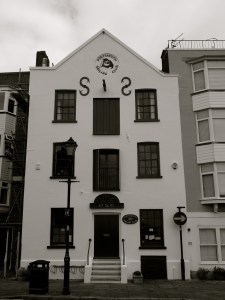
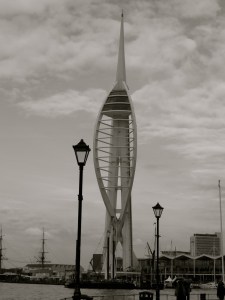
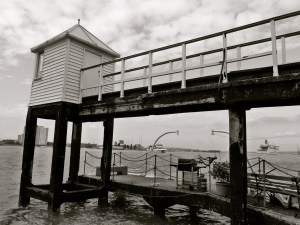
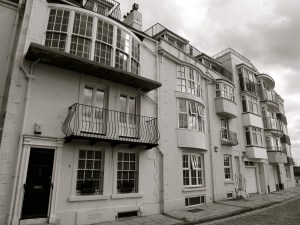
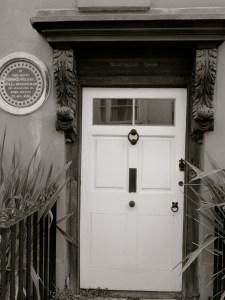
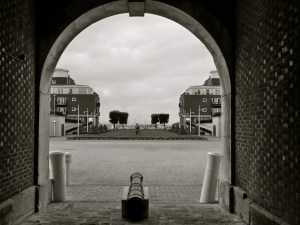
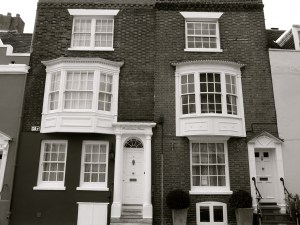
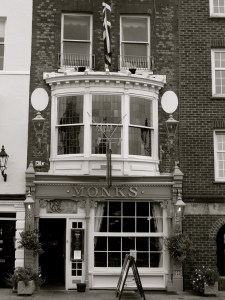
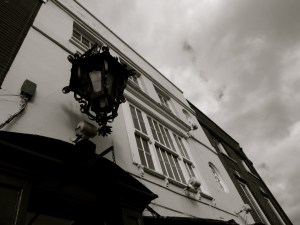
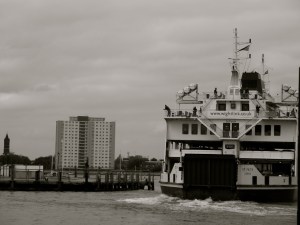
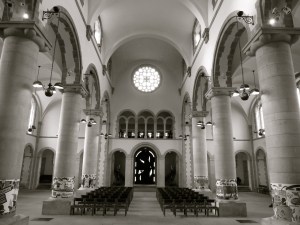
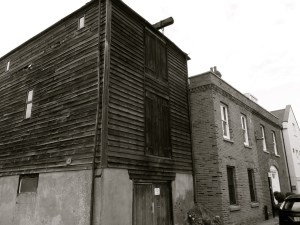
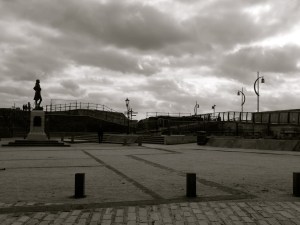
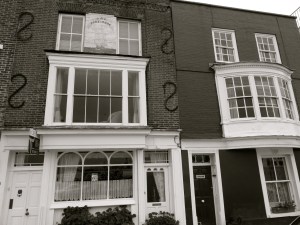
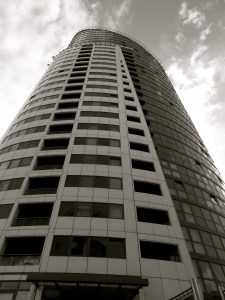
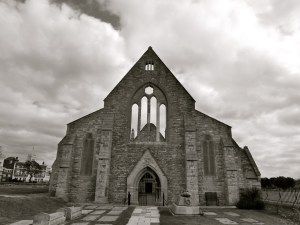
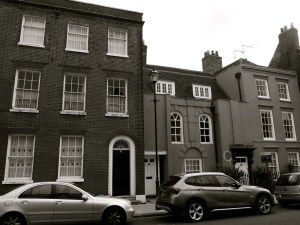
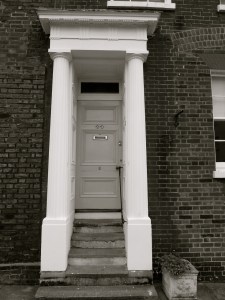
Photographs taken around Gunwharf and Old Portsmouth in October. While certain others are shopping I like to wander around the city in the immediate area of Gunwharf. Inside Gunwharf itself are many original dock buildings dating back to the c18. Past the harbour in Old Portsmouth and Spice Island you can still get a feel of the old maritime city in the time of Nelson, with many interesting Georgian buildings, doorways as well as the defences and churches. See also, Portsea










































Weekend Walk 31 – Woodingdean to Alfriston (South Downs Way)
A 12 mile hike along the South Downs, from a suburb of Brighton to the village of Alfriston (mispronounced in the video). This section of the trail goes above Kingston, Lewes, Ilford, Rodmell, into Southease with its interesting c12 church. The path then leads across the Ouse Valley past Newhaven back to the downs above Firle and Seaford.
It was a very windy day and my camera’s wind reduction couldn’t cope.
One more stage of the South Downs Way left to walk, to Eastbourne along the river and coast. I hope to do this in the next couple of weeks before the days get too short.
A Tour of the Krishnamurti Centre
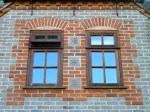
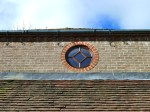
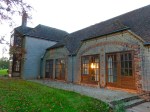
Central Hampshire, in the quiet English countryside, a unique building for the study of the the works of J. Krishnamurti, which really means the study of oneself and one’s relationship. I spent the previous four days as a guest at the Krishnamurti Centre, relishing the quiet and space it provides for serious inquiry and light-hearted conversation at mealtimes. Here is a photographic tour of the building designed by religious architect Keith Critchlow, using the principle of sacred geometry













































Forks Over Knives
More plants, fewer animal products. Because the standard Western diet is causing you all kinds of grief.
There Is No Way To Stop Europe’s First Domino From Falling

Simply put, there is no way the EU authorities can stop the first domino — Greek default or equivalent writedown of its impossible debt load — from toppling the over-leveraged banks which will be rendered insolvent when forced to recognize their losses.
That leaves each nation with the politically unsavory option of bailing out its premier banks with taxpayer money, and squeezing the money out of its citizenry via higher taxes and austerity. That assumption of bank debt will in turn trigger downgrades of heavily indebted sovereign nations such as France — moves that will raise rates and make the bailout even more costly to taxpayers, who will also be suffering from reductions of income due to global recession.
Once the banks and bondholders accept a 50%–75% writedown in Greek debt, then the other debtor nations will be justified in demanding the same writedown in their crushing debts. This dynamic leads to estimates that 3 trillion euros will be needed to bail all the players out. Alternatively, total losses will equal 3 trillion euros, wiping out banks and bondholders of sovereign debt.
The German economy is simply not big enough to fund a 3 trillion-euro bailout. Germany has 81 million people and its GDP is $3.3 trillion; the EU GDP is roughly $16 trillion. Compare those with the U.S., with 315 million people and a GDP of around $14.6 trillion.
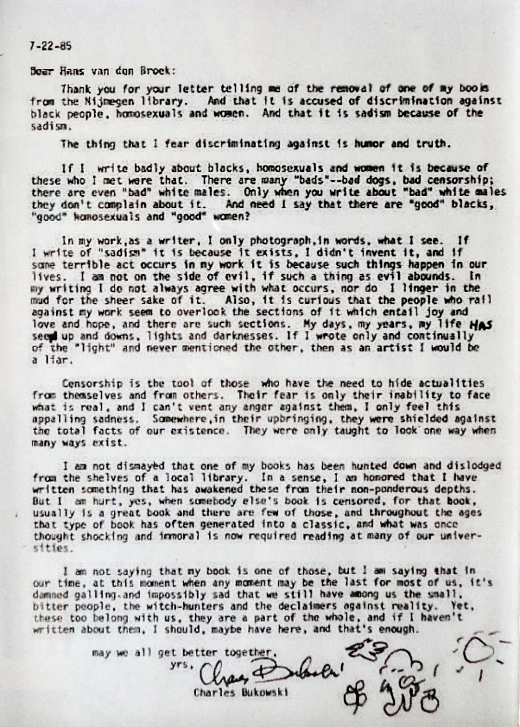
Bukowski Letter on Censorship
7-22-85
Dear Hans van den Broek:
Thank you for your letter telling me of the removal of one of my books from the Nijmegen library. And that it is accused of discrimination against black people, homosexuals and women. And that it is sadism because of the sadism.
The thing that I fear discriminating against is humor and truth.
If I write badly about blacks, homosexuals and women it is because of these who I met were that. There are many “bads”–bad dogs, bad censorship; there are even “bad” white males. Only when you write about “bad” white males they don’t complain about it. And need I say that there are “good” blacks, “good” homosexuals and “good” women?
In my work, as a writer, I only photograph, in words, what I see. If I write of “sadism” it is because it exists, I didn’t invent it, and if some terrible act occurs in my work it is because such things happen in our lives. I am not on the side of evil, if such a thing as evil abounds. In my writing I do not always agree with what occurs, nor do I linger in the mud for the sheer sake of it. Also, it is curious that the people who rail against my work seem to overlook the sections of it which entail joy and love and hope, and there are such sections. My days, my years, my life has seen up and downs, lights and darknesses. If I wrote only and continually of the “light” and never mentioned the other, then as an artist I would be a liar.
Censorship is the tool of those who have the need to hide actualities from themselves and from others. Their fear is only their inability to face what is real, and I can’t vent any anger against them. I only feel this appalling sadness. Somewhere, in their upbringing, they were shielded against the total facts of our existence. They were only taught to look one way when many ways exist.
I am not dismayed that one of my books has been hunted down and dislodged from the shelves of a local library. In a sense, I am honored that I have written something that has awakened these from their non-ponderous depths. But I am hurt, yes, when somebody else’s book is censored, for that book, usually is a great book and there are few of those, and throughout the ages that type of book has often generated into a classic, and what was once thought shocking and immoral is now required reading at many of our universities.
I am not saying that my book is one of those, but I am saying that in our time, at this moment when any moment may be the last for many of us, it’s damned galling and impossibly sad that we still have among us the small, bitter people, the witch-hunters and the declaimers against reality. Yet, these too belong with us, they are part of the whole, and if I haven’t written about them, I should, maybe have here, and that’s enough.
may we all get better together,
yrs,(Signed)
Charles Bukowski
Occupy Wall Street – Just a bunch of hippies and anarchists


The Occupiers, a set by MacDawg on Flickr.
Matt Taibbi: My Advice to the Occupy Wall Street Protesters
No matter what, I’ll be supporting Occupy Wall Street. And I think the movement’s basic strategy – to build numbers and stay in the fight, rather than tying itself to any particular set of principles – makes a lot of sense early on. But the time is rapidly approaching when the movement is going to have to offer concrete solutions to the problems posed by Wall Street. To do that, it will need a short but powerful list of demands. There are thousands one could make, but I’d suggest focusing on five:
1. Break up the monopolies. The so-called “Too Big to Fail” financial companies – now sometimes called by the more accurate term “Systemically Dangerous Institutions” – are a direct threat to national security. They are above the law and above market consequence, making them more dangerous and unaccountable than a thousand mafias combined. There are about 20 such firms in America, and they need to be dismantled; a good start would be to repeal the Gramm-Leach-Bliley Act and mandate the separation of insurance companies, investment banks and commercial banks.
2. Pay for your own bailouts. A tax of 0.1 percent on all trades of stocks and bonds and a 0.01 percent tax on all trades of derivatives would generate enough revenue to pay us back for the bailouts, and still have plenty left over to fight the deficits the banks claim to be so worried about. It would also deter the endless chase for instant profits through computerized insider-trading schemes like High Frequency Trading, and force Wall Street to go back to the job it’s supposed to be doing, i.e., making sober investments in job-creating businesses and watching them grow.
3. No public money for private lobbying. A company that receives a public bailout should not be allowed to use the taxpayer’s own money to lobby against him. You can either suck on the public teat or influence the next presidential race, but you can’t do both. Butt out for once and let the people choose the next president and Congress.
4. Tax hedge-fund gamblers. For starters, we need an immediate repeal of the preposterous and indefensible carried-interest tax break, which allows hedge-fund titans like Stevie Cohen and John Paulson to pay taxes of only 15 percent on their billions in gambling income, while ordinary Americans pay twice that for teaching kids and putting out fires. I defy any politician to stand up and defend that loophole during an election year.
5. Change the way bankers get paid. We need new laws preventing Wall Street executives from getting bonuses upfront for deals that might blow up in all of our faces later. It should be: You make a deal today, you get company stock you can redeem two or three years from now. That forces everyone to be invested in his own company’s long-term health – no more Joe Cassanos pocketing multimillion-dollar bonuses for destroying the AIGs of the world.
via My Advice to the Occupy Wall Street Protesters | Politics News | Rolling Stone.
Mount Everest Live
This webcam showing Everest’s western face is the highest in the world. Whatever is going on in the world of men, there it is, Chomolungma the ‘Holy Mother’, doing it’s thing, rising above us all. That must be the South Col, on the right, where climbers from the Nepal side camp before summit day.
In other news, there are calls for toilets to be installed up there after “a Nepal-based coalition of environmentalists campaigning to keep the mountain clean, has collected more than 13 tonnes of garbage, 400 kilogrammes of human waste and four bodies since 2008.”
Reasons the Wall Street Protesters are Protesting
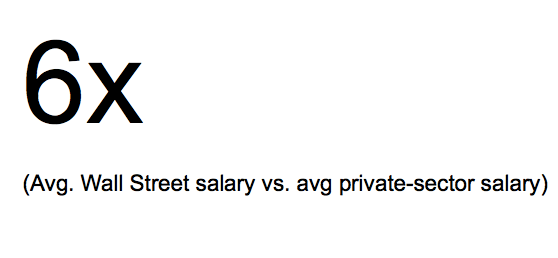
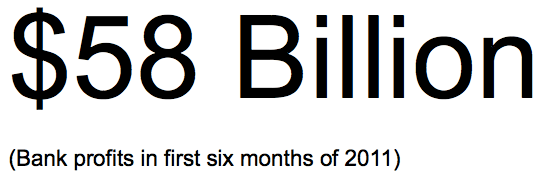


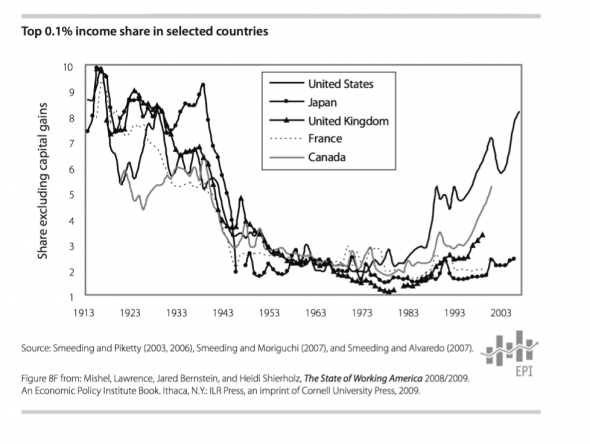
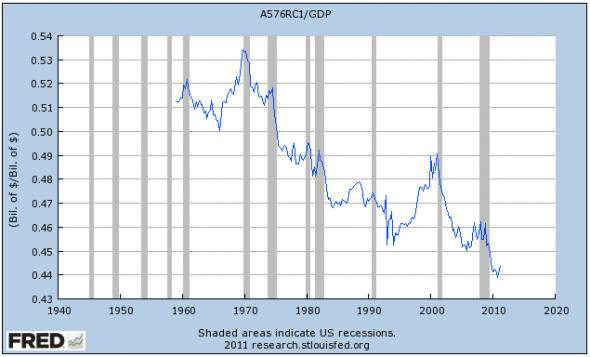


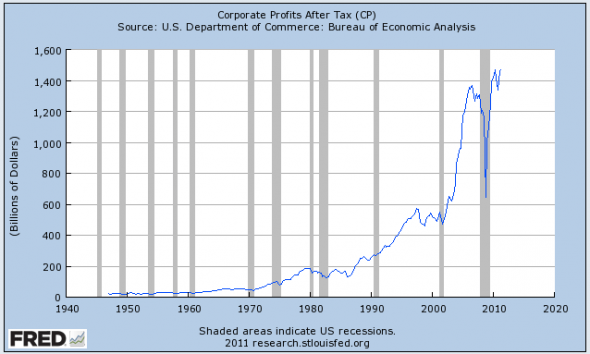
They came by the thousands, and then the tens of thousands. As the crowd swelled in Foley Square massing for a march to Wall Street, I was most struck by its diversity. They were young, old and middle-aged; black, white, Hispanic and Asian; college kids, professionals, workers and the unemployed. They had come to march on Wall Street, called by 15 of New York’s largest unions in an act of solidarity with the Occupy Wall Street movement in Liberty Park.
They were rimmed by the massive, impersonal edifices of a government they felt no longer cared about them – and they were preparing to confront the banks and speculators further downtown who had hijacked the state for their own private interests. They spoke with a diversity of voices and held signs covering a spectrum of demands. But it could all be summed up in one word: fairness.
I talked with a bus driver, a nurse, a retired teacher, a salesman and an actor. (Check out my slideshow of the event to see photos.) Here is some of what they told me:
Dorothy Ahmahd, an RN sporting a T-shirt of the National Nurses Union, said, “Nurses are supporting this movement because we see a lot of our patients who once had jobs, but are no longer able to pay for health care. We know this country’s deficit is being balanced with cuts from poor people who can’t pay.” What does she want? “Taxation across the board so our patients can get good health care – no more loopholes for rich people or corporate America to slide through…” and Medicare for all.
Jesse Mendoza is a bus driver in the Bronx, who characterizes himself as “the upper poor,” struggling to make it even though he has a job. He wants an end to the fight against workers. He said his union had seen more than 700 station agents laid off recently, as well as bus and train operators, and feared that give-backs extracted from other public sector unions, like the CSEA, were coming next for him.
Bill Buster is an actor and union member (AFTRA). He lives in the neighborhood of Liberty Park where the Occupy Wall Street protesters are encamped and started getting involved by bringing food to them. Then he was shocked into action when he witnessed the mass arrests on the Brooklyn Bridge last Saturday. Dressed in a suit and tie, he was outraged at the media’s portrayal of the protesters: “It’s just been insulting and patronizing the way the mainstream media has singled out only the young who they can portray as hippies; they do not portray the senior citizens that are involved with us; they do not portray the professionals; they’re taking all the cheap shots they can.” Declaring the movement welcomes “Republicans, Democrats, conservatives, who are all impacted because they live in this country,” he added that he knew bankers and Wall Street lawyers who were active in the protests after having lost their jobs.
But perhaps the retired teacher summed it up best. Telling me, “the system is broken and we are no longer providing the promise America always has,” she held up a hand-made sign saying, “Economic Justice 4 All.”
Slavoj Zizek at Liberty Plaza
Extracts of Slavoj Zizek’s speech 9 October at Occupy Wall Street:
They tell you we are dreamers. The true dreamers are those who think things can go on indefinitely the way they are. We are not dreamers. We are awakening from a dream which is turning into a nightmare. We are not destroying anything. We are only witnessing how the system is destroying itself. We all know the classic scenes from cartoons. The cart reaches a precipice but it goes on walking, ignoring the fact that there is nothing beneath. Only when it looks down and notices it, it falls down. This is what we are doing here. We are telling the guys there on Wall Street, “Hey, look down!”
…
Here we don’t think of prohibition. Because the ruling system has even suppressed our capacity to dream. Look at the movies that we see all the time. It’s easy to imagine the end of the world. An asteroid destroying all life and so on. But you cannot imagine the end of capitalism. So what are we doing here? Let me tell you a wonderful old joke from communist times.
A guy was sent from East Germany to work in Siberia. He knew his mail would be read by censors, so he told his friends, “Let’s establish a code. If the letter you get from me is written in blue ink, it is true what I said. If it is written in red ink, it is false.” After a month, his friends get a first letter. Everything is in blue. It says, this letter, “Everything is wonderful here. Stores are full of good food. Movie theatres show good films from the West. Apartments are large and luxurious. The only thing you cannot buy is red ink.”
This is how we live. We have all the freedoms we want, but what we are missing is red ink. The language to articulate our non-freedom. The way we are taught to speak about freedom war and terrorism and so on falsifies freedom. And this is what you are doing here: You are giving all of us red ink.
There is a danger. Don’t fall in love with yourselves. We have a nice time here. But remember: Carnivals come cheap. What matters is the day after, when we will have to return to normal life. Will there be any changes then? I don’t want you to remember these days, you know, like, “Oh, we were young, it was beautiful.” Remember that our basic message is: We are allowed to think about alternatives. The rule is broken. We do not live in the best possible world. But there is a long road ahead. There are truly difficult questions that confront us. We know what we do not want. But what do we want? What social organization can replace capitalism? What type of new leaders do we want?
Remember: The problem is not corruption or greed. The problem is the system that pushes you to give up. Beware not only of the enemies, but also of false friends who are already working to dilute this process.
…
We are not communists. If communism means the system which collapsed in 1990, remember that today those communists are the most efficient, ruthless capitalists. In China today we have capitalism which is even more dynamic than your American capitalism but doesn’t need democracy. Which means when you criticize capitalism, don’t allow yourselves to be blackmailed that you are against democracy. The marriage between democracy and capitalism is over.
The change is possible. … We know that people often desire something but do not really want it. Don’t be afraid to really want what you desire.
Scrap Book: My First Ever Photo
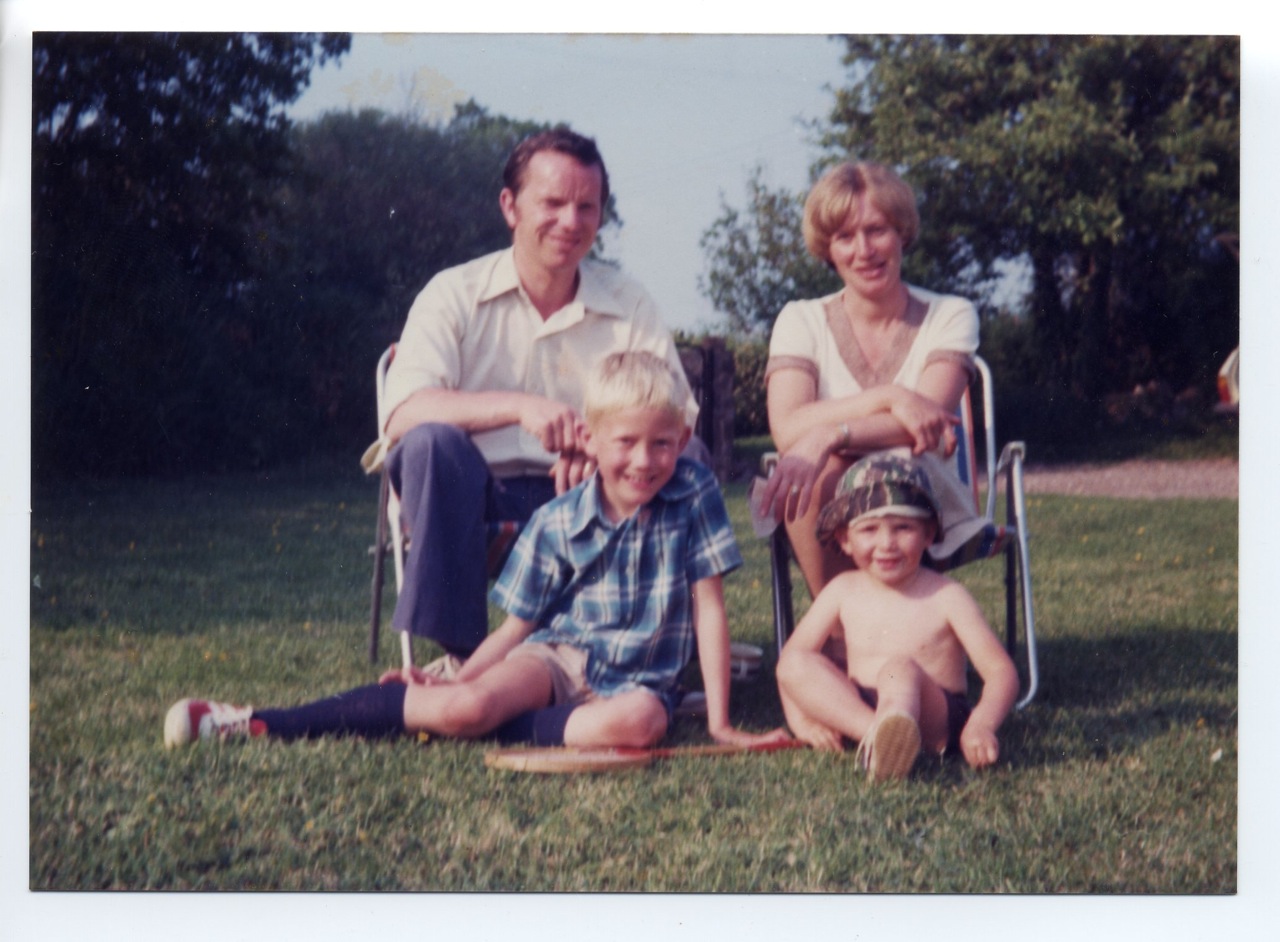
Here we are – Mum, Dad, Peter and Martin. I think this is the first picture I ever took, borrowing my Dad’s camera when I was about 6. We were on holiday in Devon, Martin aged 2 (would you say?) and Peter must be around 8.
Climate Change and the End of Australia
In the past year – one of the hottest on record – extreme weather has battered almost every corner of the planet. There have been devastating droughts in China and India, unprecedented floods and wildfires in the United States, and near-record ice melts in the Arctic. Yet the prosperous nations of the world have failed to take action to reduce the risk of climate change, in part because people in prosperous nations think they’re invulnerable. They’re under the misapprehension that, as Nobel Prize-winning economist Tom Schelling puts it, “Global warming is a problem that is going to primarily affect future generations of poor people.” To see how foolish this reasoning is, one need only look at Australia, a prosperous nation that also happens to be right in the cross hairs of global warming. “Sadly, it’s probably too late to save much of it,” says Joe Romm, a leading climate advocate who served as assistant energy secretary in the Clinton administration.
This is not to say that the entire continent will sink beneath the waves anytime soon. What is likely to vanish – or be transformed beyond recognition – are many of the things we think of when we think of Australia: the barrier reef, the koalas, the sense of the country as a land of almost limitless natural resources. Instead, Australia is likely to become hotter, drier and poorer, fractured by increasing tensions over access to water, food and energy as its major cities are engulfed by the rising seas.
To climate scientists, it’s no surprise that Australia would feel the effects of climate change so strongly, in part because it has one of the world’s most variable climates. “One effect of increasing greenhouse-gas levels in the atmosphere is to amplify existing climate signals,” says Karoly. “Regions that are dry get drier, and regions that are wet get wetter. If you have a place like Australia that is already extreme, those extremes just get more pronounced.” Adding to Australia’s vulnerability is its close connection with the sea. Australia is the only island continent on the planet, which means that changes caused by planet-warming pollution – warmer seas, which can drive stronger storms, and more acidic oceans, which wreak havoc on the food chain – are even more deadly here.
via Climate Change and the End of Australia | Politics News | Rolling Stone.
Who’s bankrolling the climate-change deniers?
Not too long ago, belief in climate science wasn’t a political issue. Honestly! As recently as the 2008 U.S. presidential election, both the Democratic and Republican candidates professed belief in the threat of global warming, and each advanced policies designed to curb U.S. carbon emissions. Senator John McCain had even co-sponsored one of the first congressional bills to create a carbon cap-and-trade system. And it wasn’t just McCain; Mitt Romney, runner-up for the GOP nomination last time around, supported a regional cap-and-trade program while he was governor of Massachusetts. There was still a wide gap between Democrats and Republicans on the severity of the climate-change threat and on how ambitious carbon-cutting policy should be, but at least there was a general agreement that global warming was a real thing.
Not anymore. With the exception of Jon Huntsman — who barely registers in polls — you can’t find a Republican presidential candidate who unequivocally believes in climate science, let alone one who wants to do anything about it. Instead of McCain — who has walked back his own climate-policy realism since the 2008 elections — we have Texas Governor Rick Perry, who told voters in New Hampshire over the weekend that “I don’t believe manmade global warming is settled in science enough.” And many Republicans agree with him: the percentage of self-identified Republicans or conservatives answering yes to the question of whether the effects of global warming were already being felt fell to 30% or less in 2010, down from 50% in 2007-08. Meanwhile, liberals and Democrats remained around 70% or more.(See pictures of the effects of global warming.)
That’s deeply troubling. It’s one thing when people disagree on the effectiveness of different approaches to fix a problem; it’s worse when they refuse even to believe that a problem exists — despite an overwhelming scientific consensus that says it does. One of America’s major political parties has, in effect, adopted denial as policy. How did we get here?
Nerdcore Rap by Dan Bull re #occupywallstreet
Featuring Radiohead sample.
‘Coincidentally’ JP Morgan have just made the largest (multi-million) donation in history direct to the NYPD. It’s not about Protesters vs Police but for sure the movement can’t pay off the police. This is now the third week of the little-reported anti-greed/corporate interest in politics protests/anti-corruption movement now spreading across the USA and beyond. Unions, teachers, veterans, and the general public are joining in. I am sure some of the police, who are also having their pensions stripped from them, would also prefer to join in than protect the wealthy.
Whales navigate Northwest Passage for first time in thousands of years

Bowhead whales have navigated the Northwest Passage between the Atlantic and Pacific oceans for what could be the first time in nearly 10,000 years.
Researchers from the Greenland Institute of Natural Resources used satellite tracking to monitor the movements of the whales – and found that, last year, whales from both oceans entered the passage to reach an area called Viscount Melville Sound.
Bones found on beaches in the region suggest that the last time the whales were here was around 10,000 years ago.
It was previously thought that the sea ice in the Northwest Passage was too impenetrable even for Bowhead whales, which are known for their ability to navigate ice-bound seas.
The team says the discovery has huge implications for the ecology of marine life in the region.
“[The findings] are perhaps an early sign that other marine organisms have begun exchanges between the Pacific and the Atlantic Oceans across the Arctic,” they say.
“Some of these exchanges may be harder to detect than bowhead whales, but the ecological impacts could be more significant should the ice-free Arctic become a dispersion corridor between the two oceans.”
Earlier this year, researchers from the NIOZ Royal Netherlands Institute for Sea Research spotted a single Pacific gray whale off the coasts of Spain and Israel, which was beleived to have got there via the Northwest Passage.
They say that the movement of species along this route could have implications for North Atlantic fishing stocks.
via Whales navigate Northwest Passage for first time in thousands of years | TG Daily.
 Falling Awake