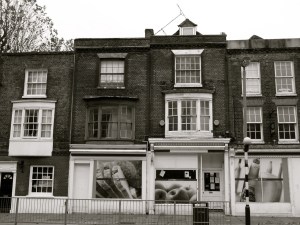
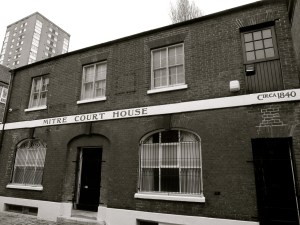
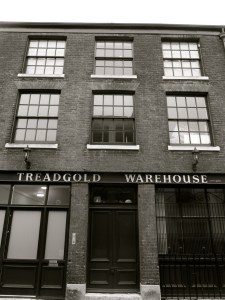
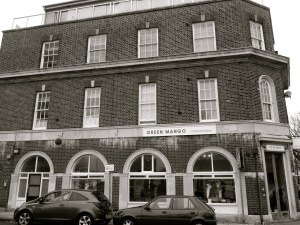
Winchester Architecture – Villas, Terraces and Outskirts

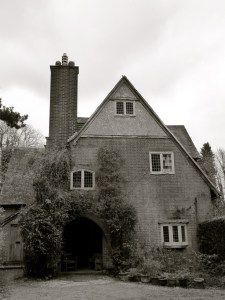
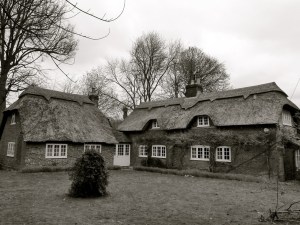
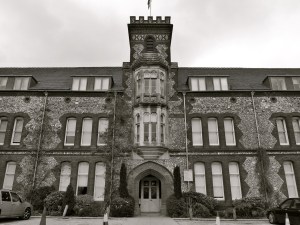
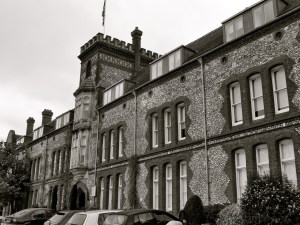
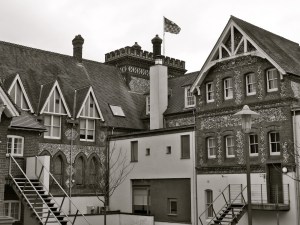
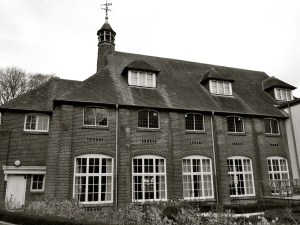
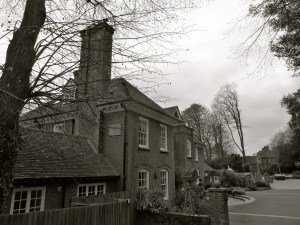
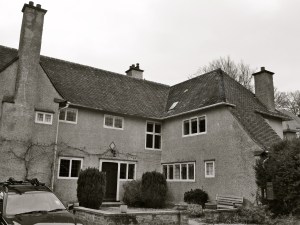
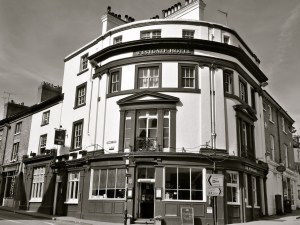
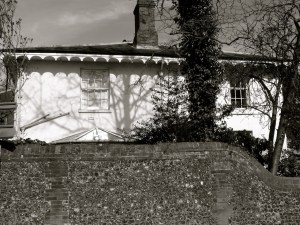
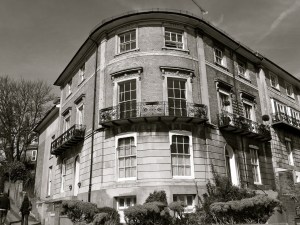
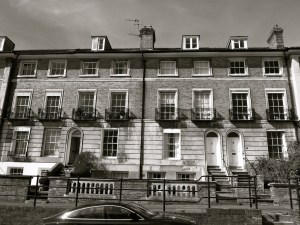
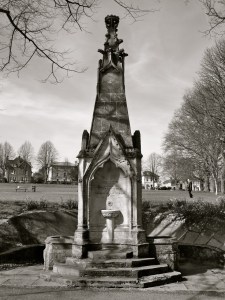
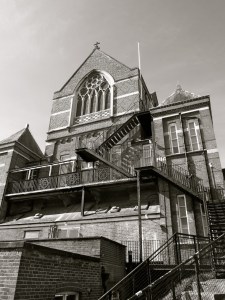
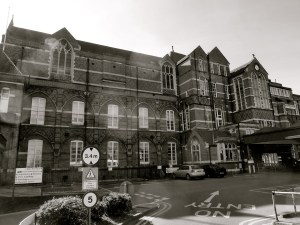
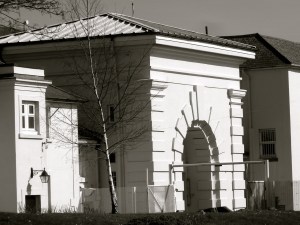
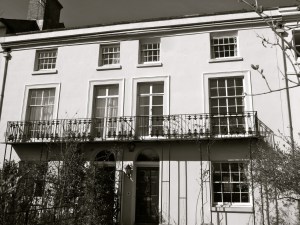
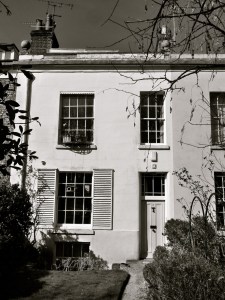
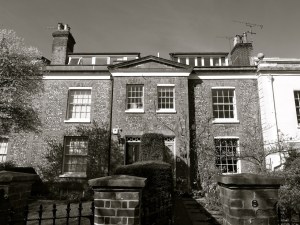
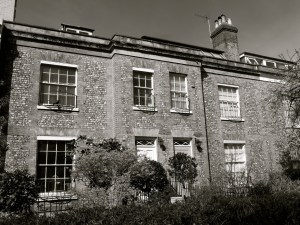
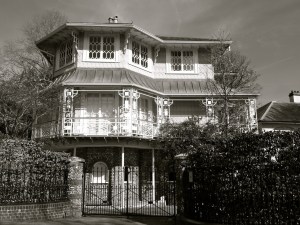
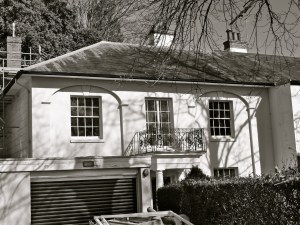
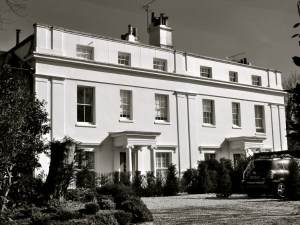
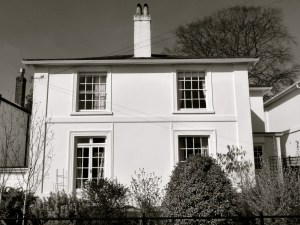
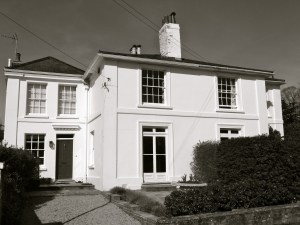
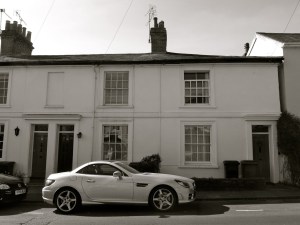
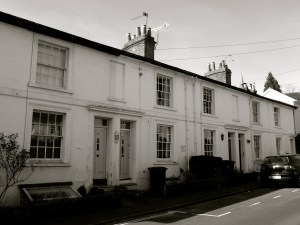
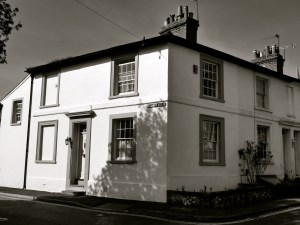
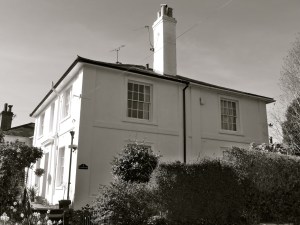
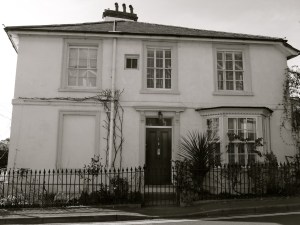
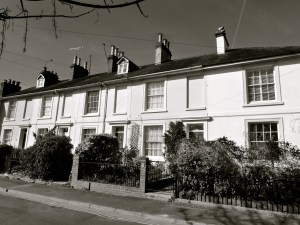
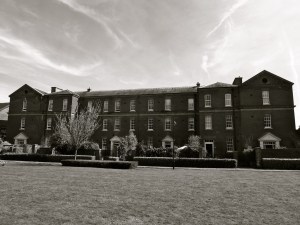
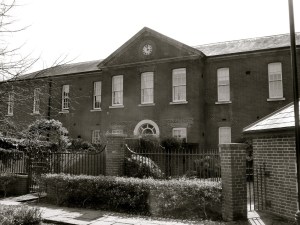
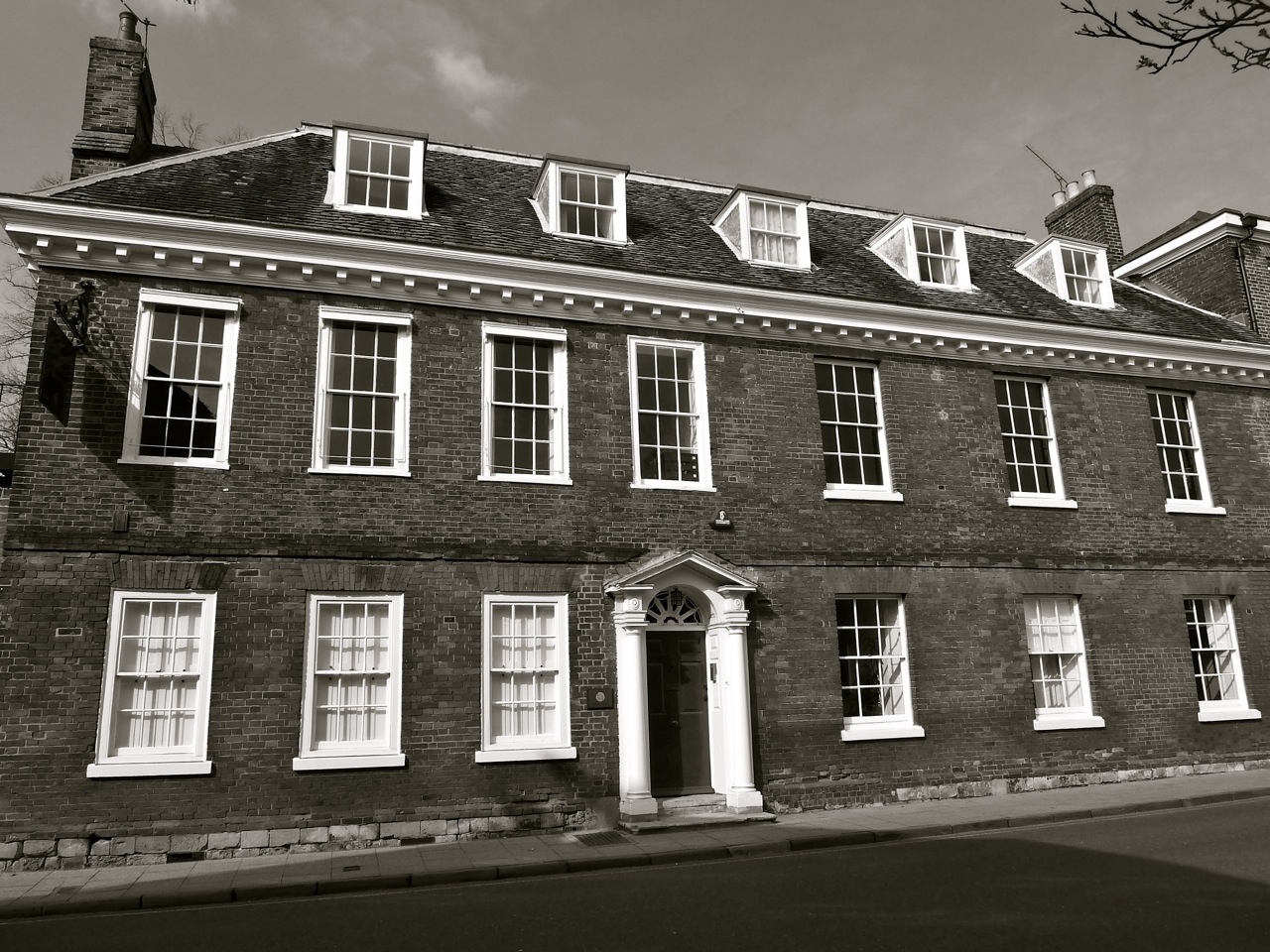
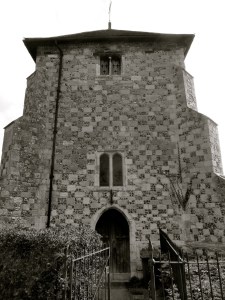
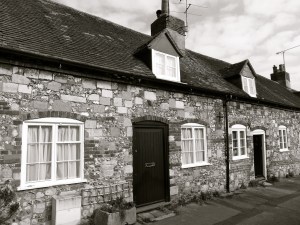
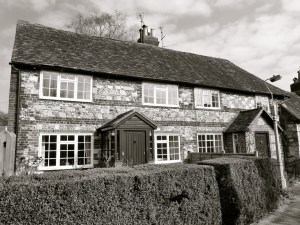
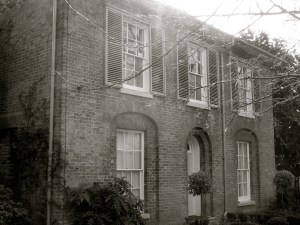
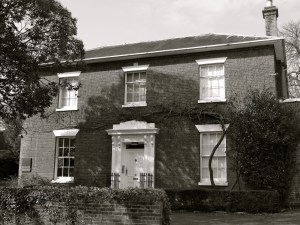
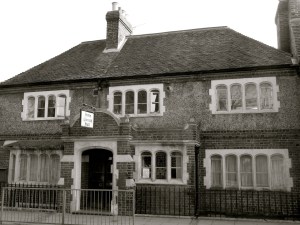
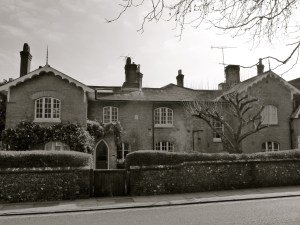
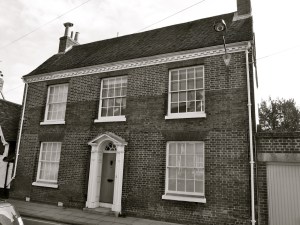
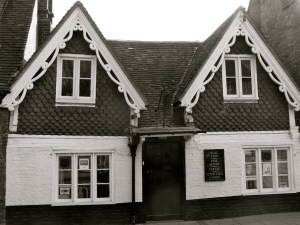
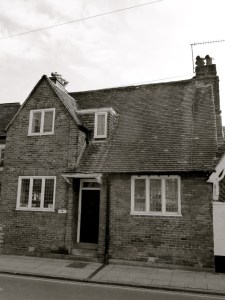
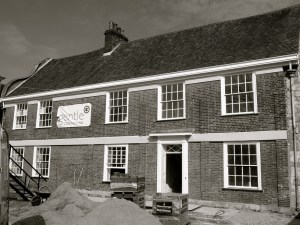
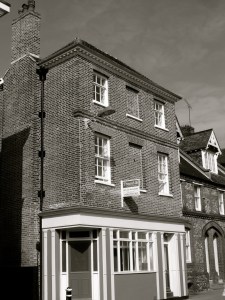
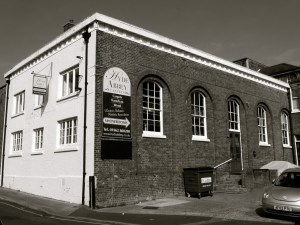
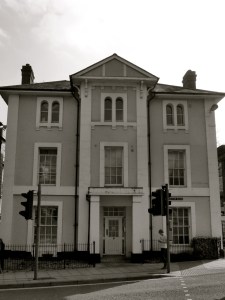
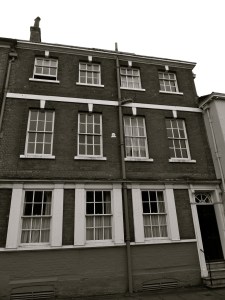
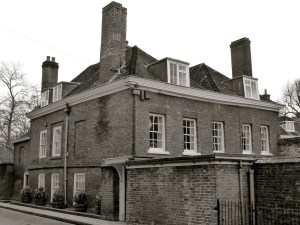
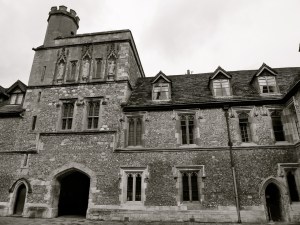
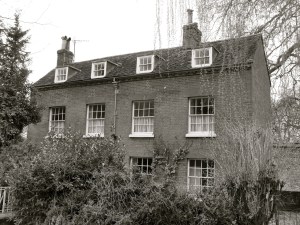
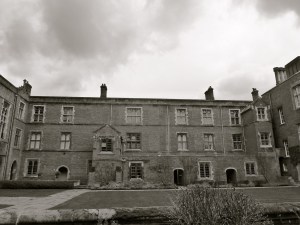
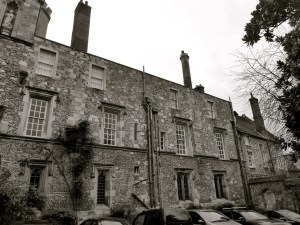
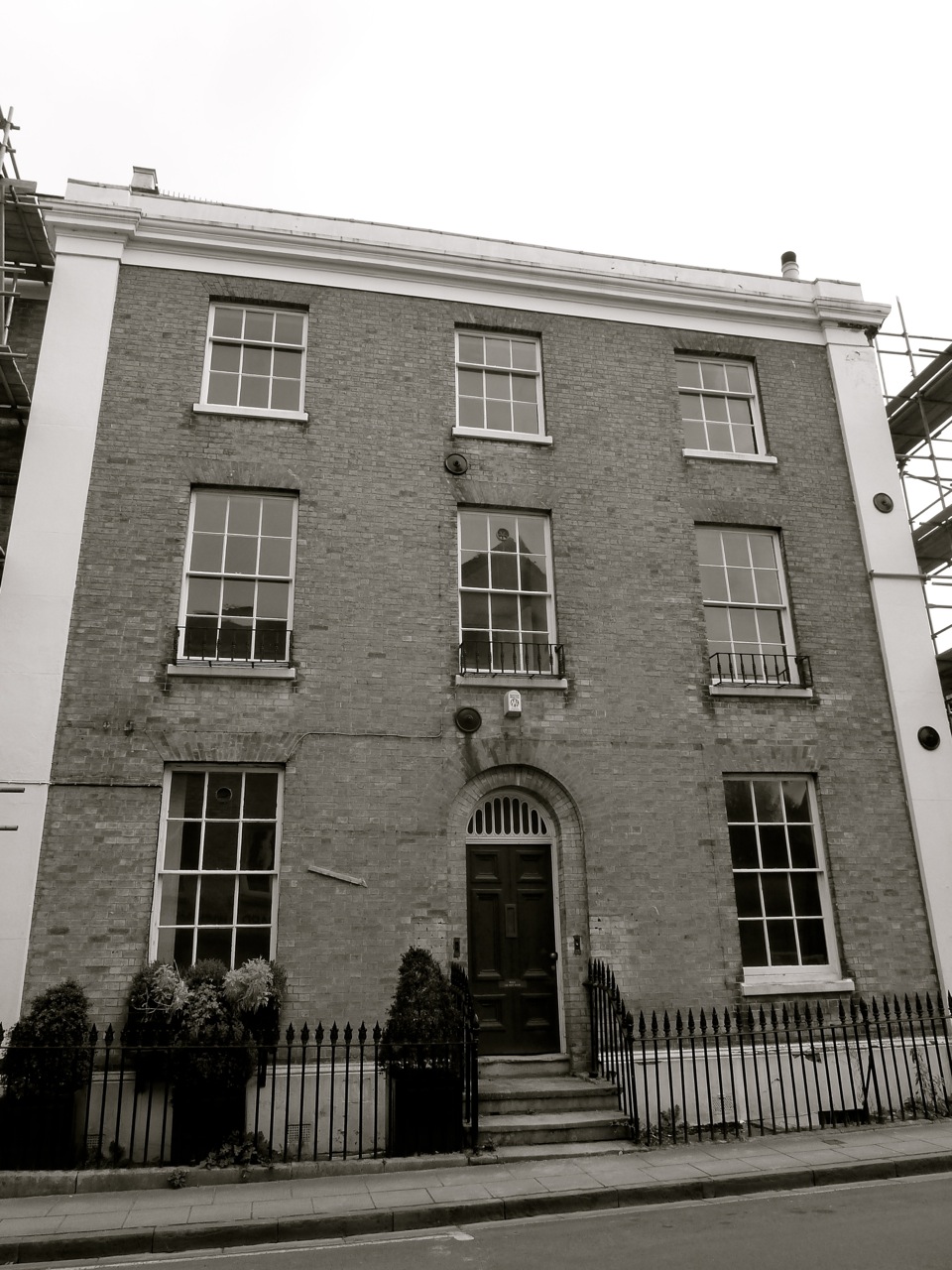
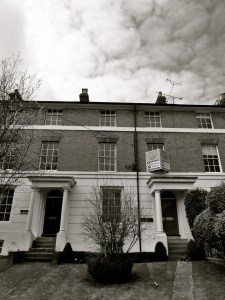
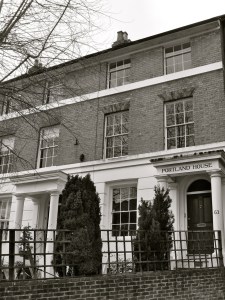
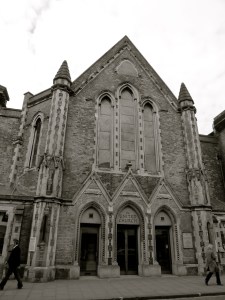
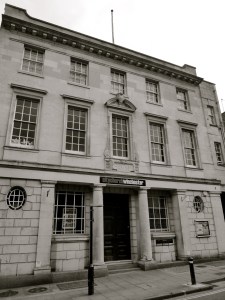
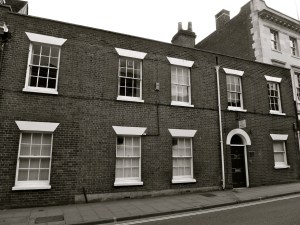
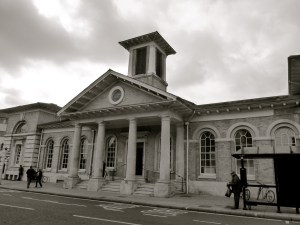
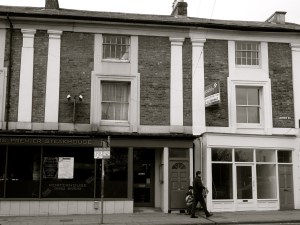
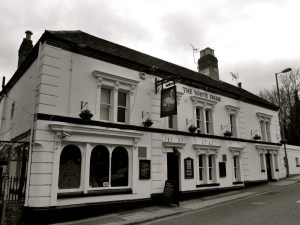
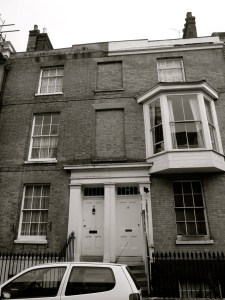
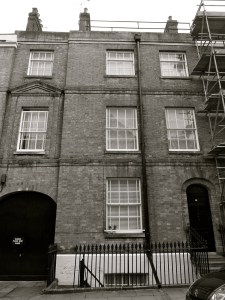
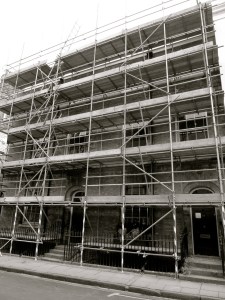
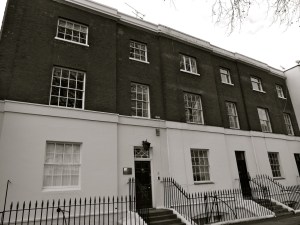
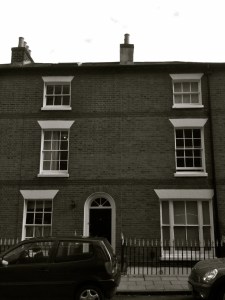
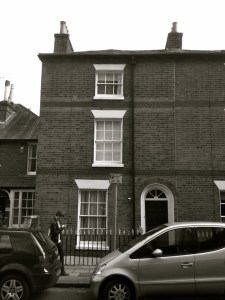
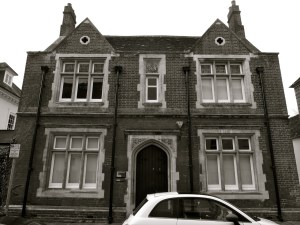
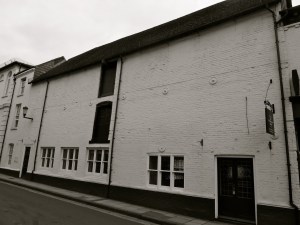
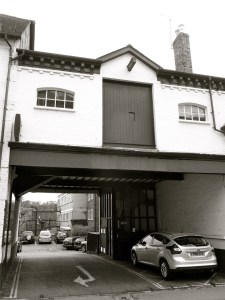
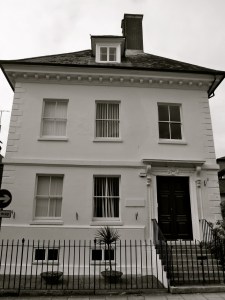
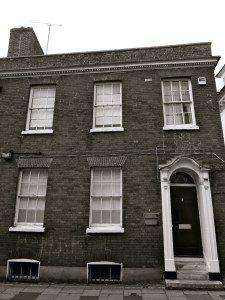
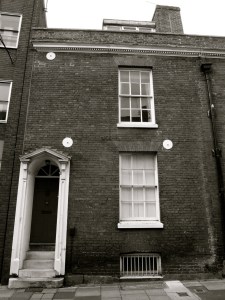
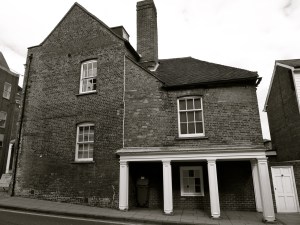
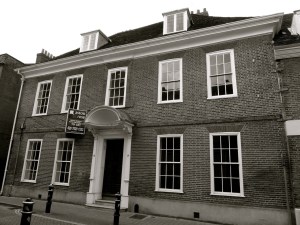
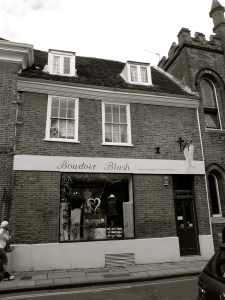
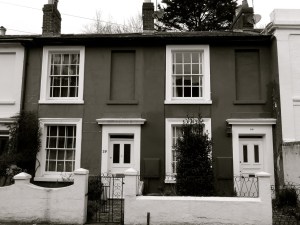
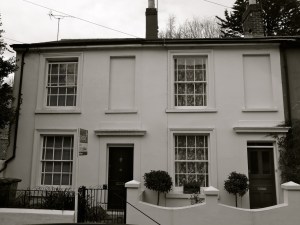
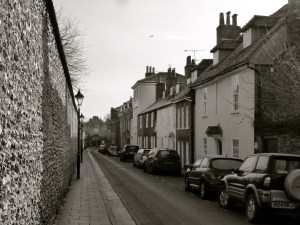
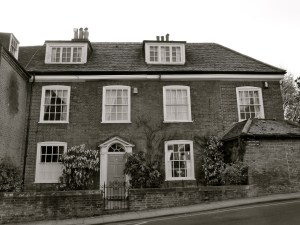
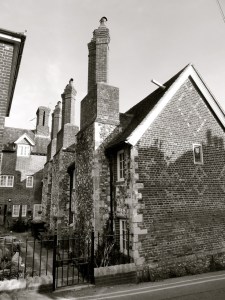
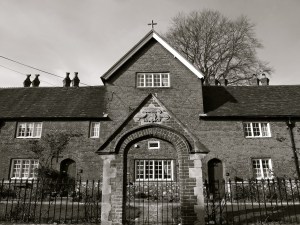
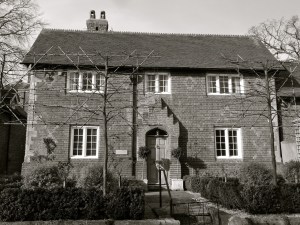
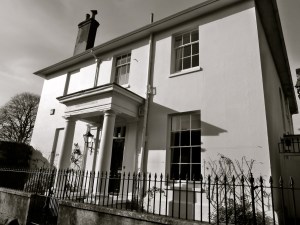
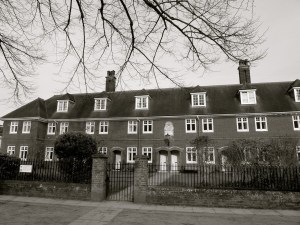
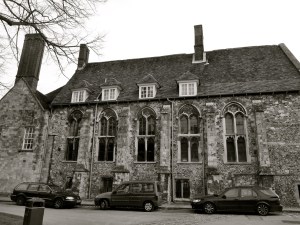
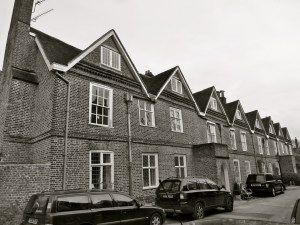
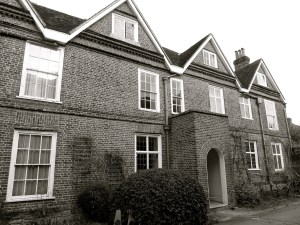
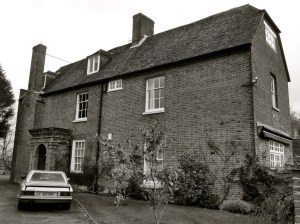
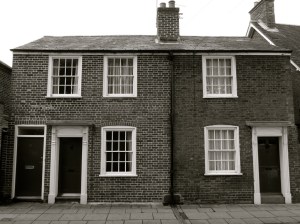
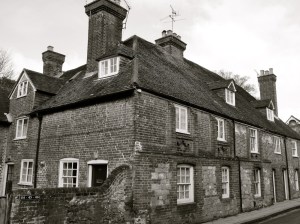
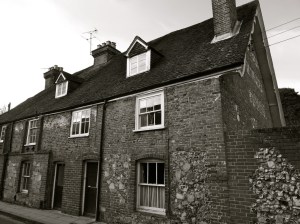
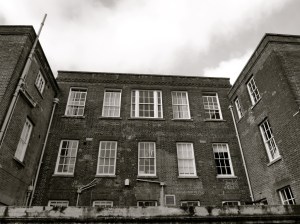
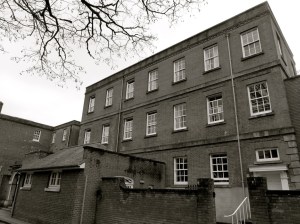
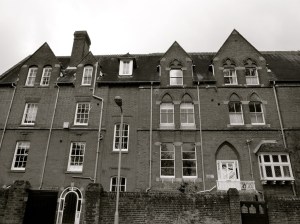
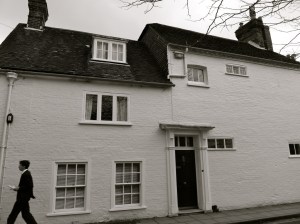
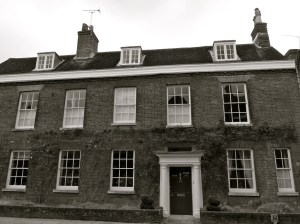
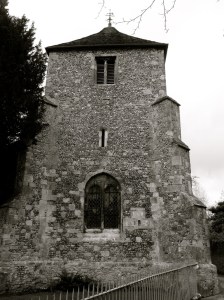
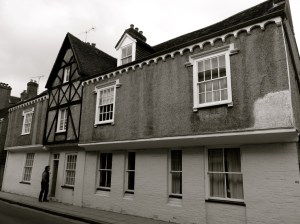
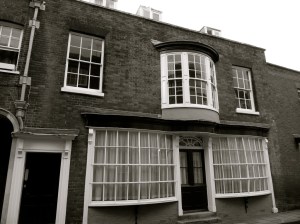
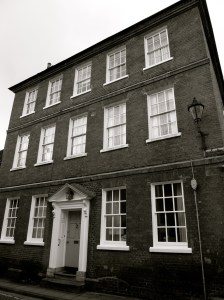
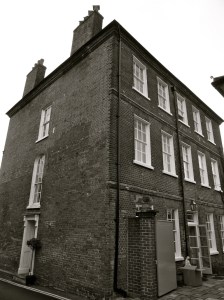
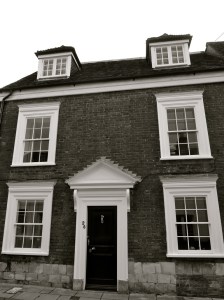
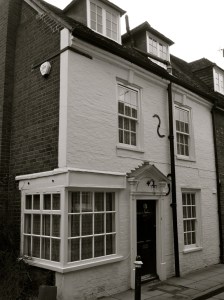
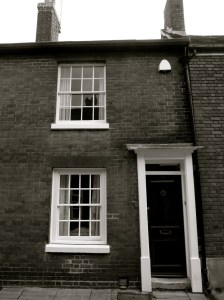
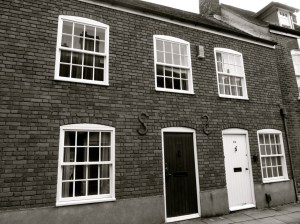
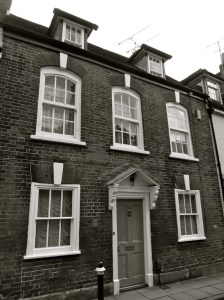
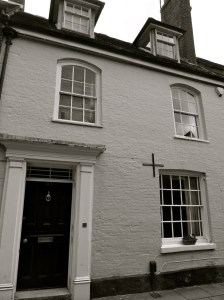
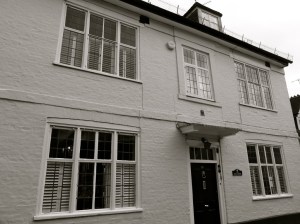
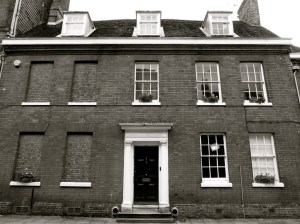
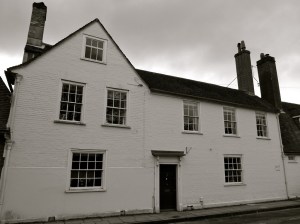
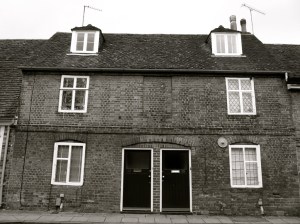
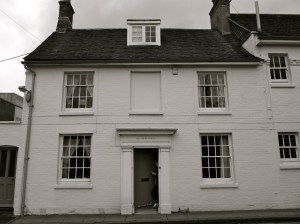
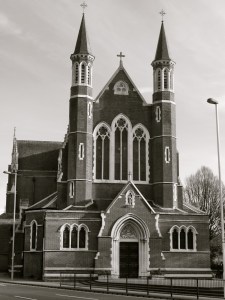
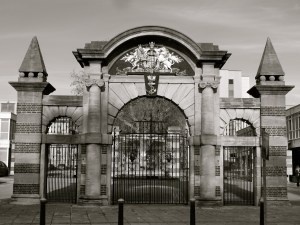
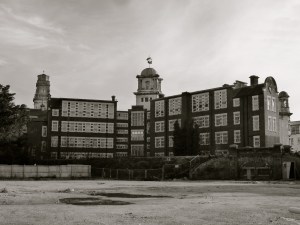
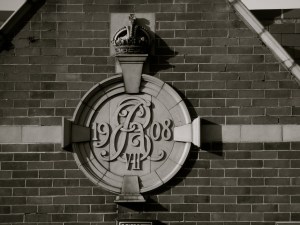
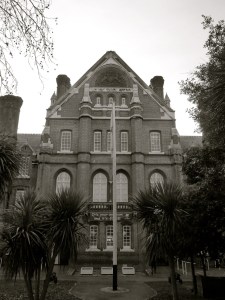
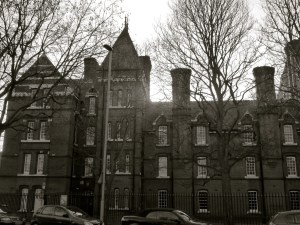
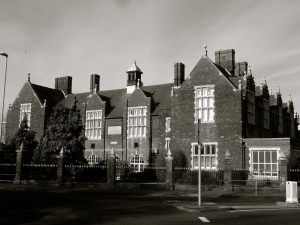
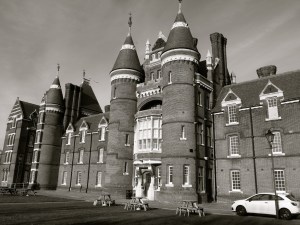
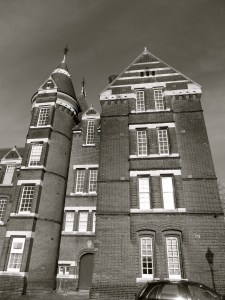
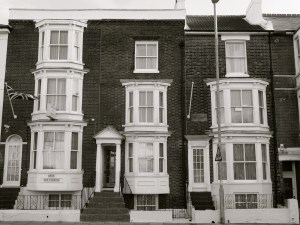
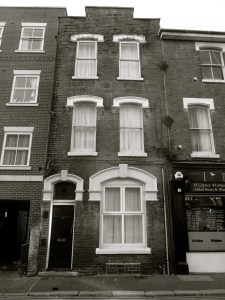
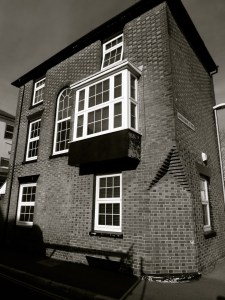
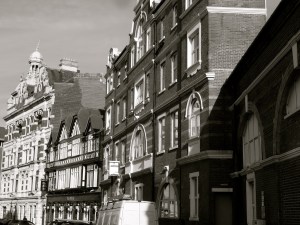
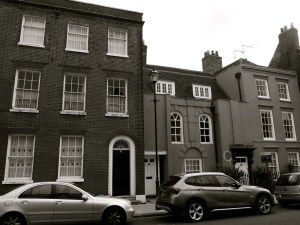
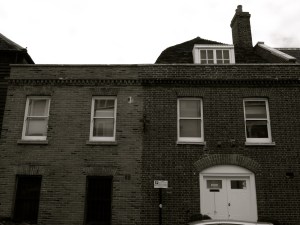
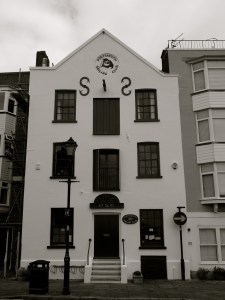
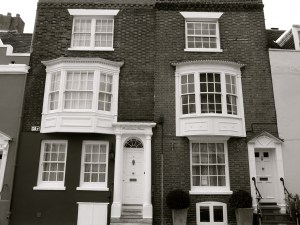
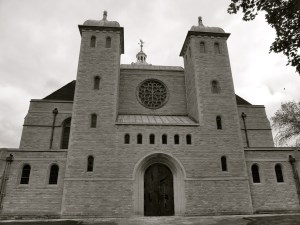
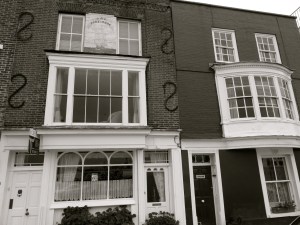
The final collection of listed buildings in Winchester. This set includes the urban eastern end of St James Lane, up onto West Hill, Romsey Road, then Stockbridge Road and Worthy Lane. In the C19 the wealthy of the city built villas and terraces up on the downs to the west, away from the diseases that were plaguing the lower areas. St James Lane is steep and leafy once it leaves St Cross Rd. St James Terrace runs alongside the railway. Further up are Clifton and West End Terraces. To the west are the hospital (note Butterfield Wing), prison, and the university which includes turn of the century (19-20) West Down School buildings. The northern outskirts include some thatched cottages and the old farmhouse of Abbotts Barton – C17 rural architecture in amongst the 70s housing estates.

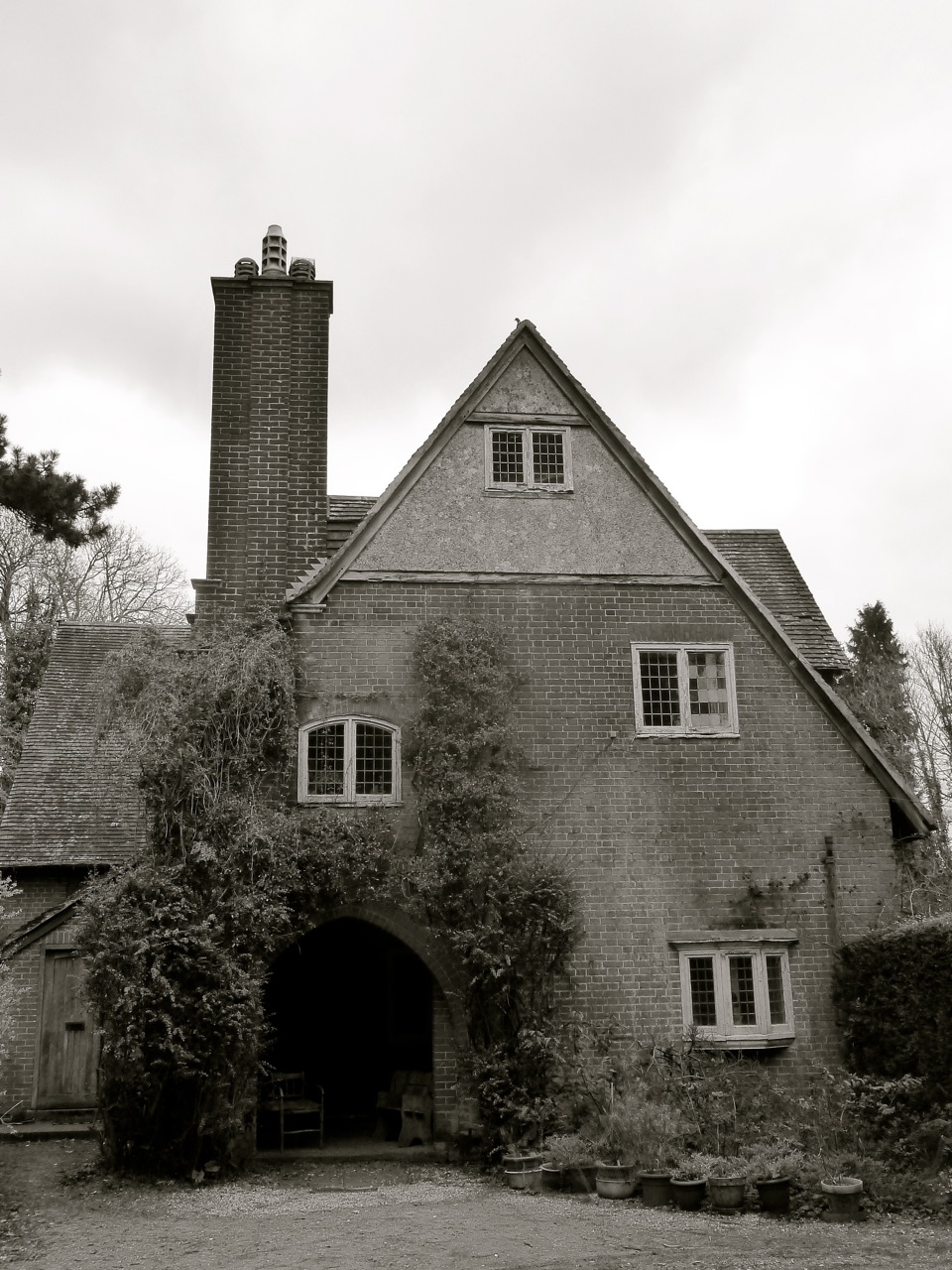
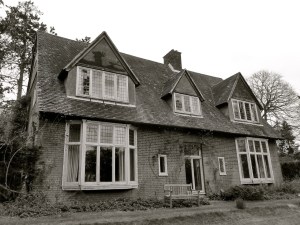
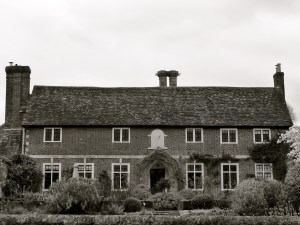
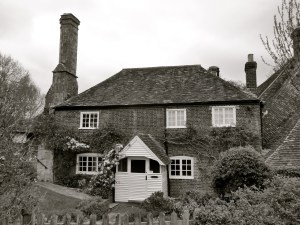
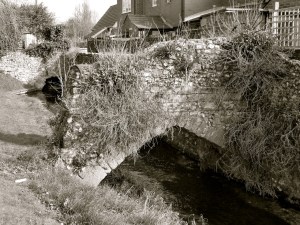
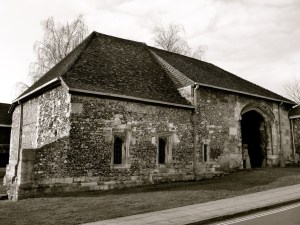
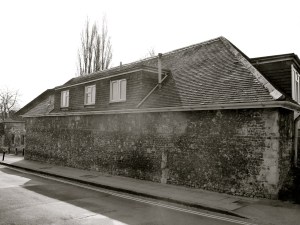
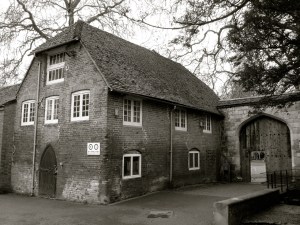
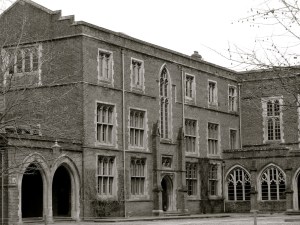
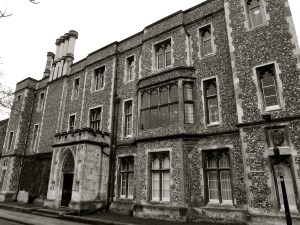
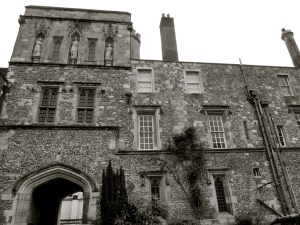
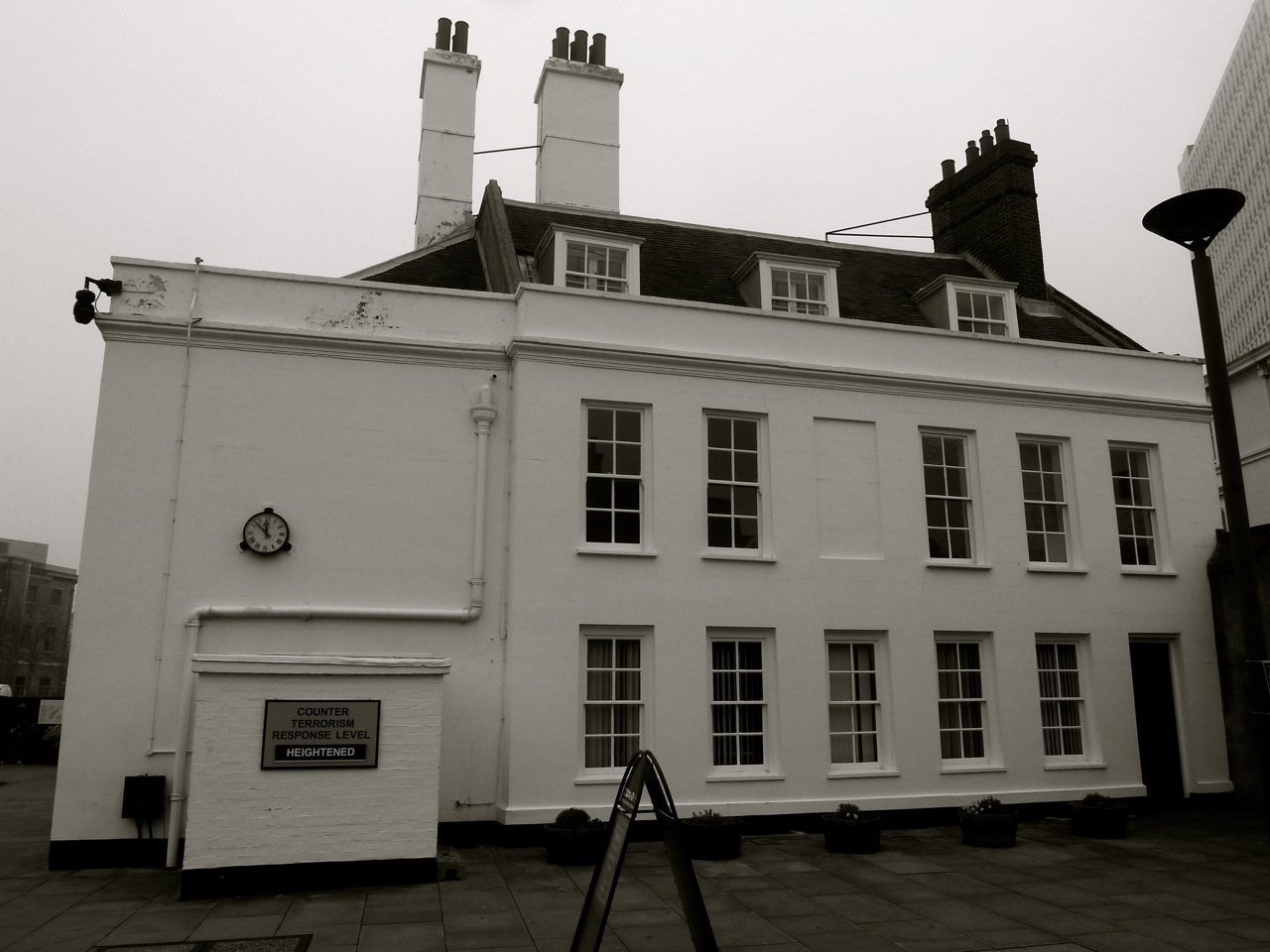
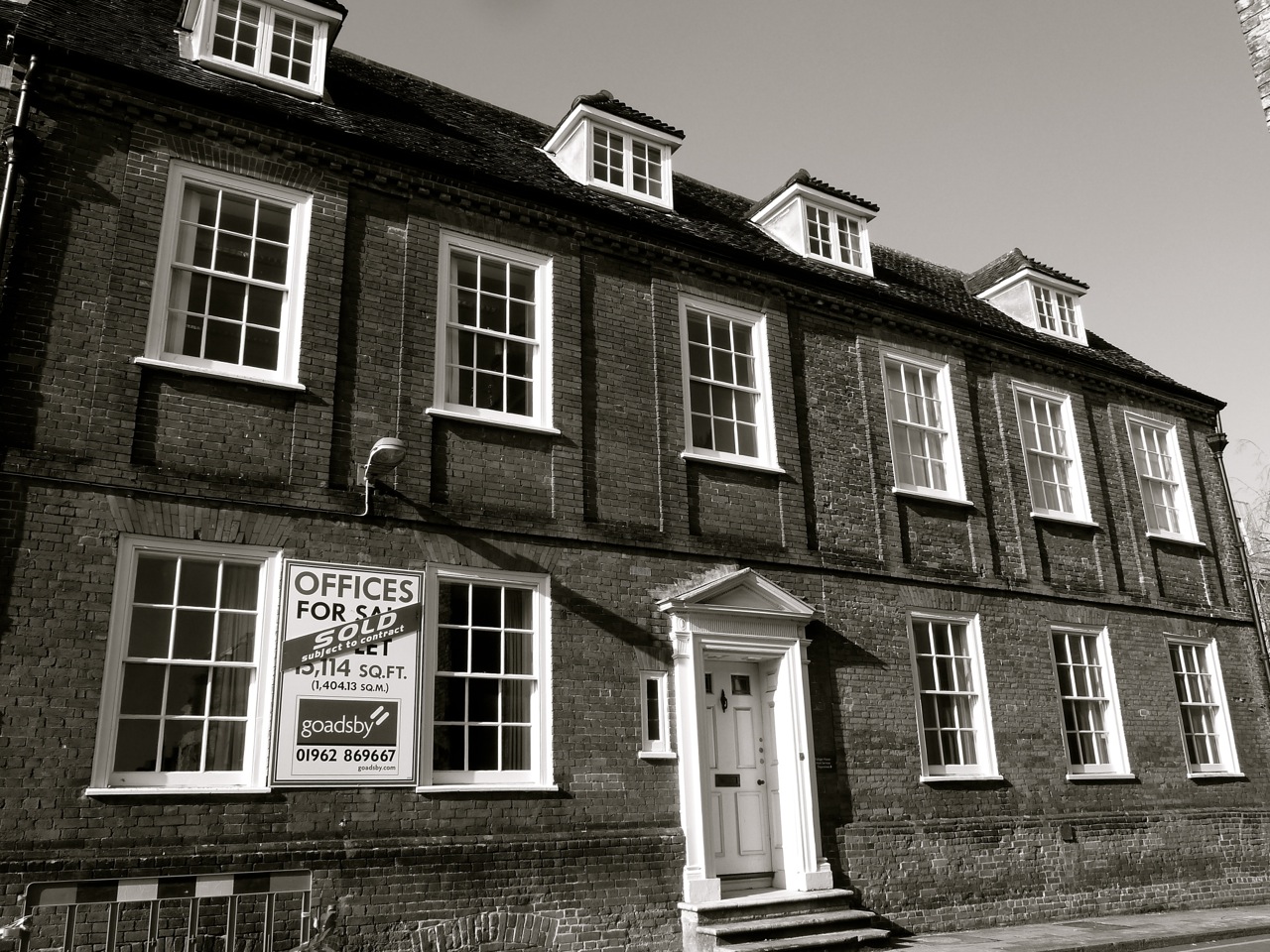
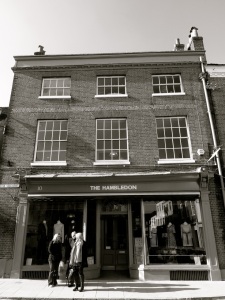
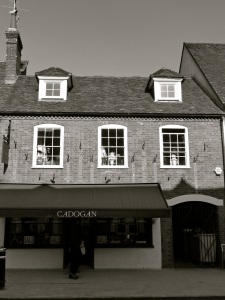
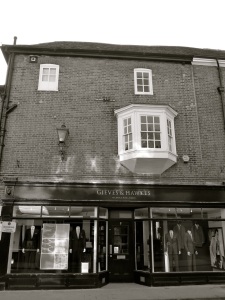
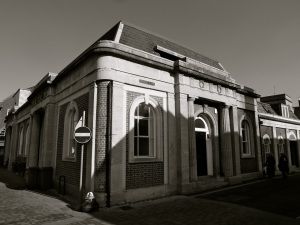
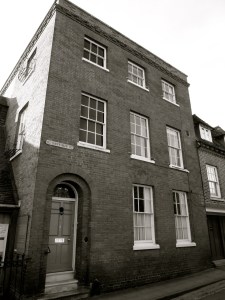
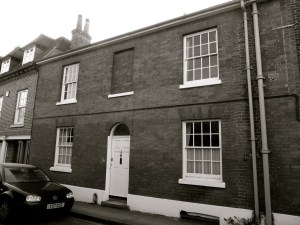
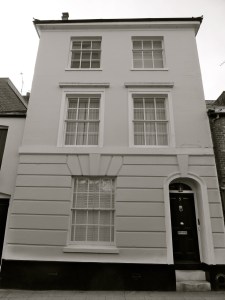
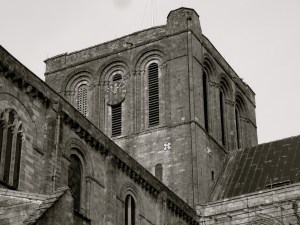
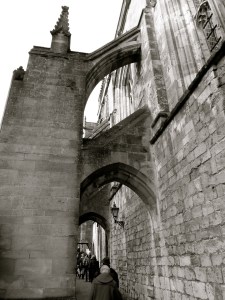
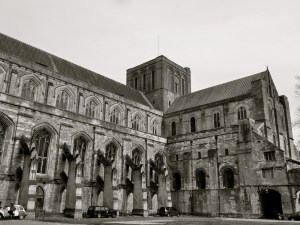
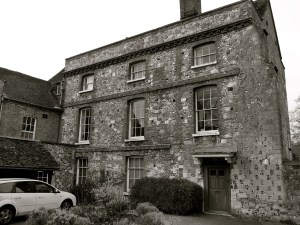
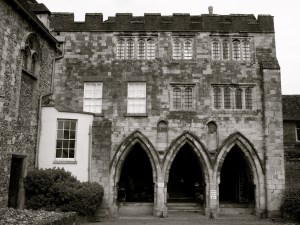
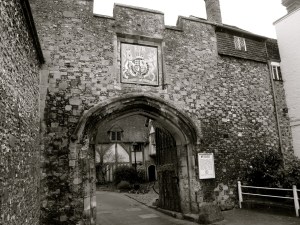
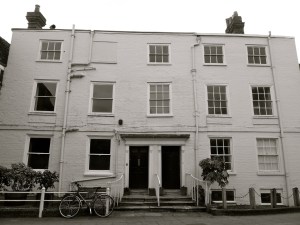
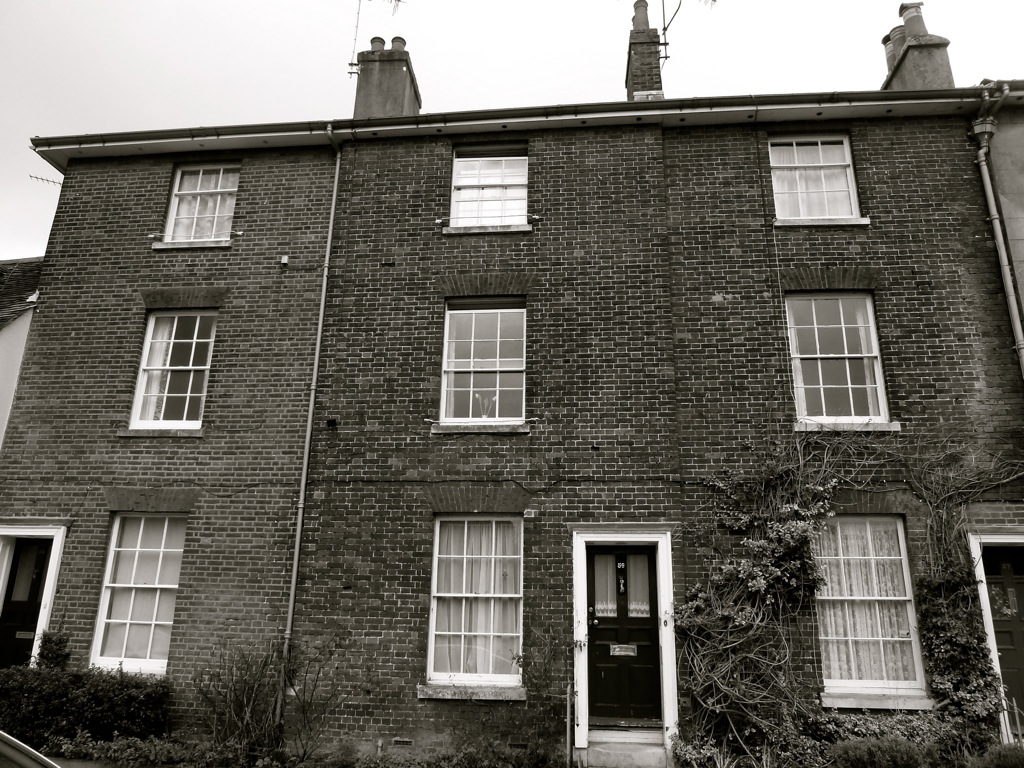
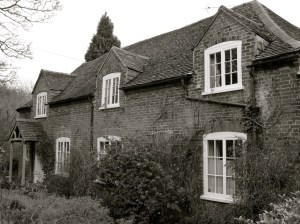
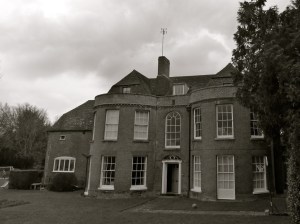
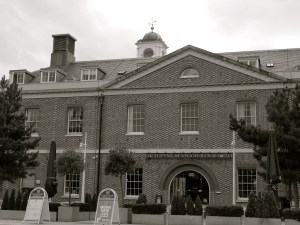
Favourites in this last set include St James Villas, The Pagoda House and Stapenhill. These are first in the photographs. Click for larger images.

Previously

Winchester Architecture – Peninsular Square and Castle Hill

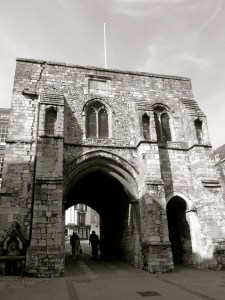
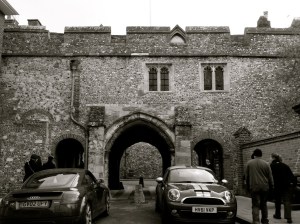
This is the area of the former Winchester Castle, at the south western corner of the medieval city walls, rising above the city. Following this historical land use, the area continues to house the administrative offices of Hampshire County Council, whilst Peninsula Square, now residential, was once a complex of military Barracks and army buildings c1900. All that remains of the castle is the Great Hall and some remains of walls, although The Westgate is of a similar age to the hall. The council offices are C19-C20 despite the Elizabethan style.

Winchester Architecture – Hyde

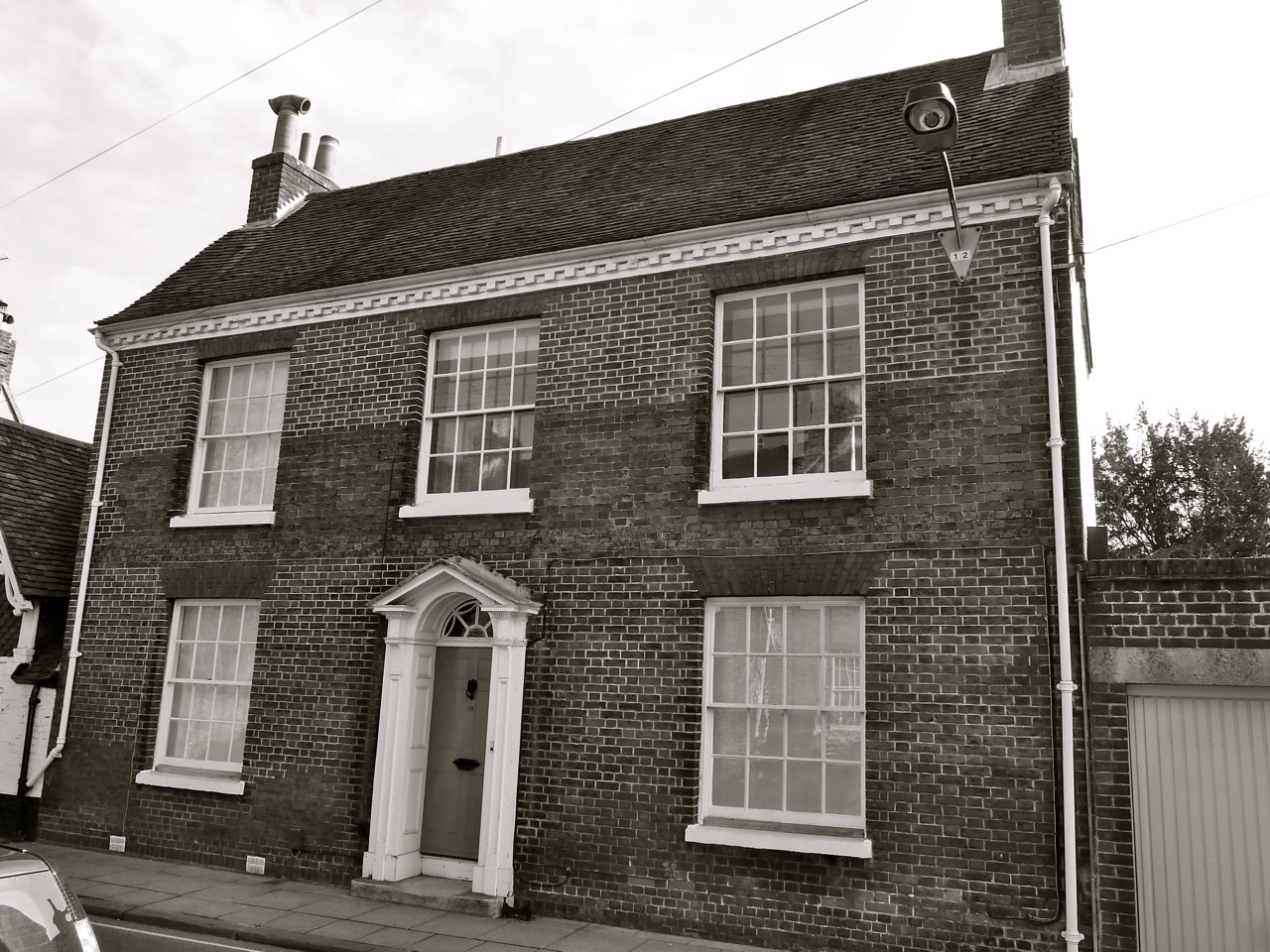
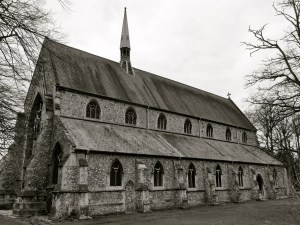
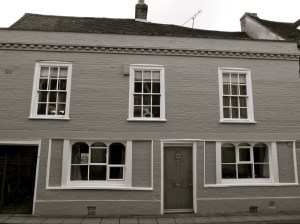
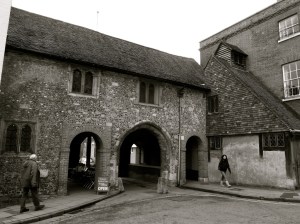
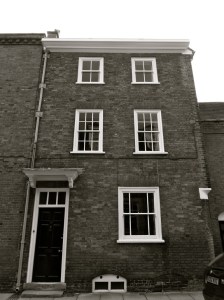
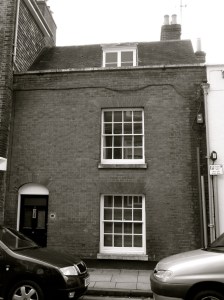
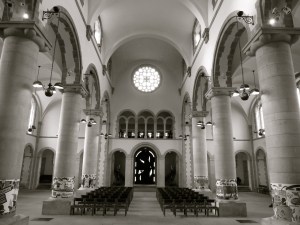
The site of the medieval Hyde Abbey is north of the old city walls. It has the feel of a village and a character of its own, set apart from the rest of Winchester, although very close by. The area around St Bartholomews Church is very peaceful and quite charming, except for the men drinking in the Abbey Gateway at 10am. Only a couple of buildings and bridges remain of the Abbey itself. Most of the listed buildings here are on Hyde Street, with some fine C17 and C18 detached properties, often matching. Also included are a couple of C20 buildings, listed ‘for group value’. A little further west is an old schoolhouse and the former Eagle hotel.

My favourites today are the church, 58 Hyde St, 33 Hyde St, and Hyde Abbey House. These are first in the photographs below:

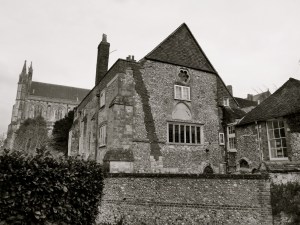
Winchester Architecture – Winchester College and College Street

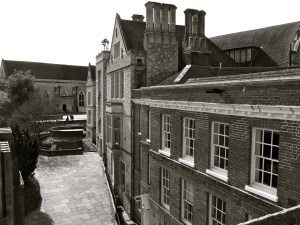
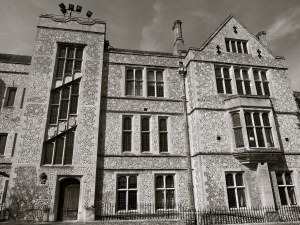
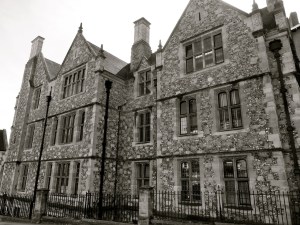
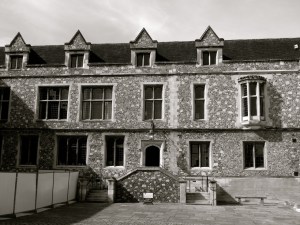
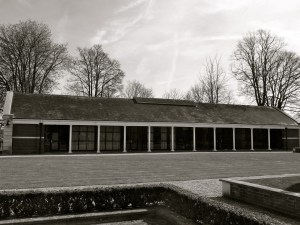
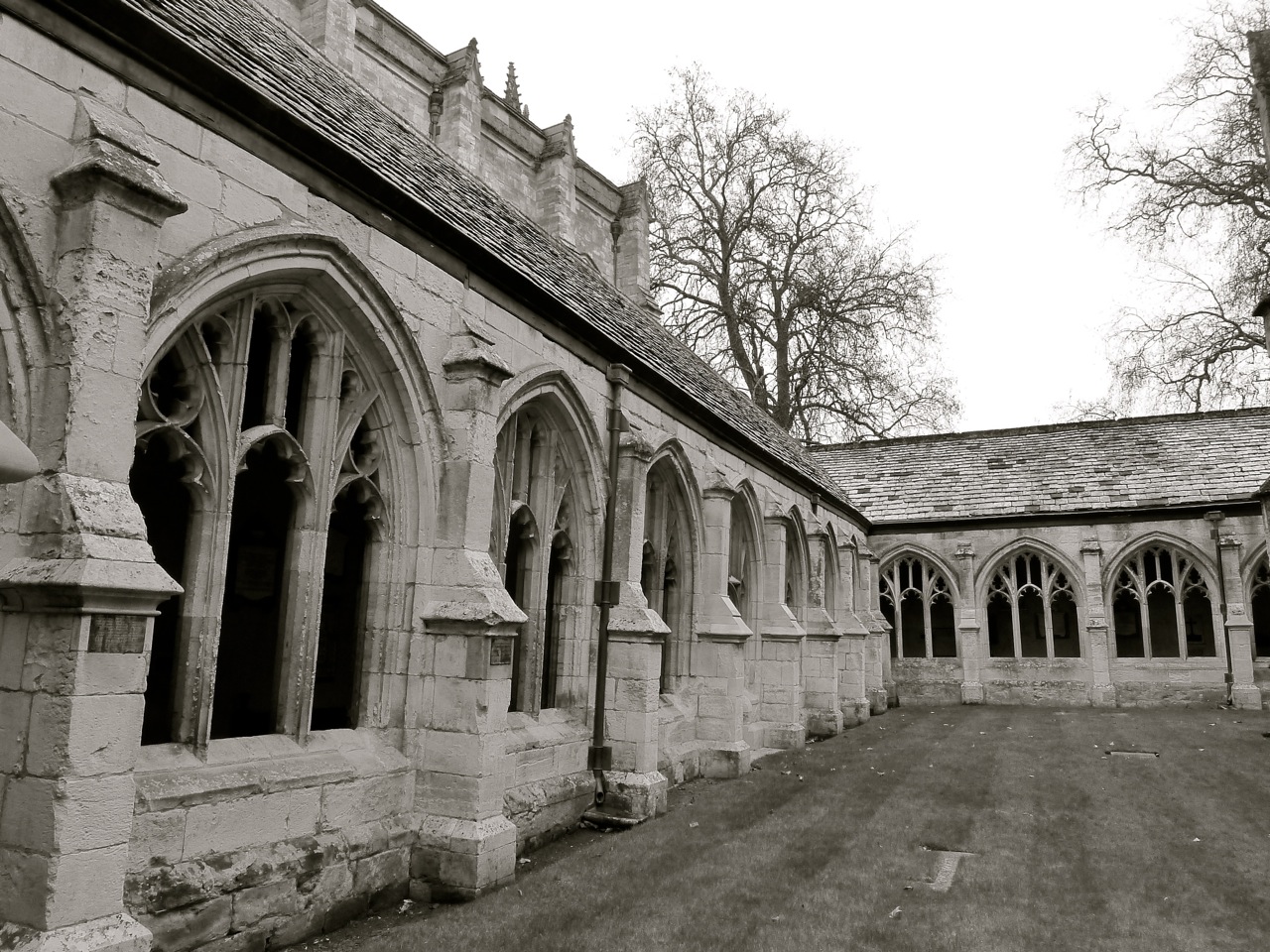
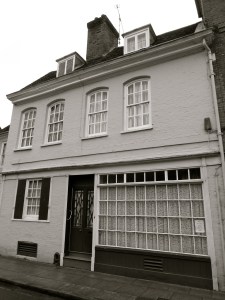
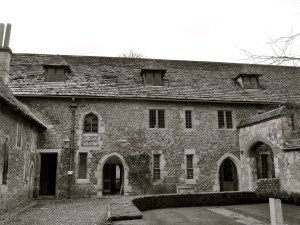
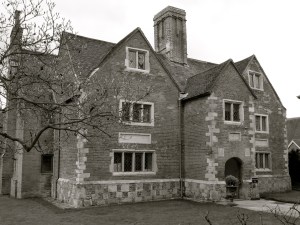
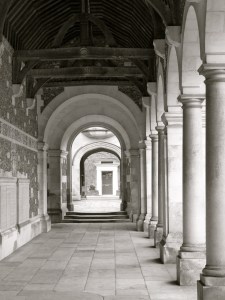
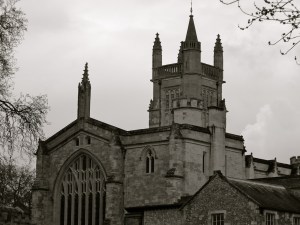
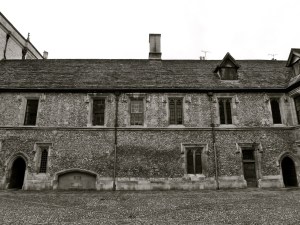
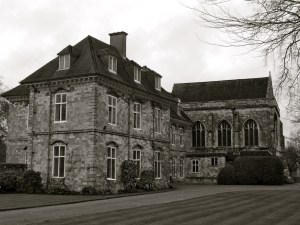
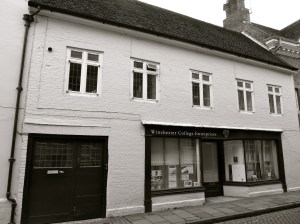
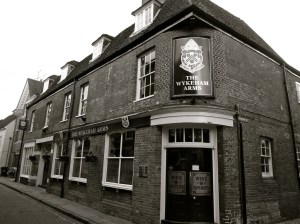
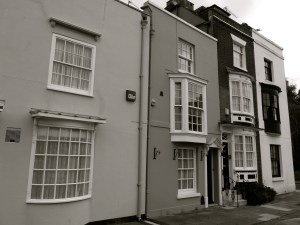
College Street runs east from Kingsgate, south of Cathedral Close. The street begins typically, with a few shops in C18 buildings. Further along is the house where Jane Austen died, and Wolvesey Palace, the home and offices of the Bishop of Winchester. Attached to this Christopher Wren building is the former chapel of Wolvesey Castle, a medieval palace now in ruins. To the south is the campus of Winchester College. From outside the walls one can see the Warden’s Lodgings, a grand house built above (and forming) the flint walls of the college boundary. Also built into the wall is the C14 Brewhouse, now Moberley Library and a little further back, the Headmaster’s House. The Outer court is largely C14, with the middle gate, Chambers Court, Hall, Chapel and Cloisters all built around the same time. This formed the early school. Expansion took place with a new building simply called School in the C17, and the Sick House. Then in the C19 came Flint Court, Moberleys Court and the Memorial Building. In the C20, the college expanded further south with the War Memorial Cloisters and Art and Science Departments (not listed). To the east are a couple of mills on the Itchen. The boarding for students is all on or around Kingsgate St (see other post). Winchester College forms a unique architectural history, with continued educational and religious use since the late thirteen-hundreds. (Entry is via a tour: £6)

9 College Street, Wolvesey Palace, and the College Cloisters were today’s favourites and are first in the photo set below.

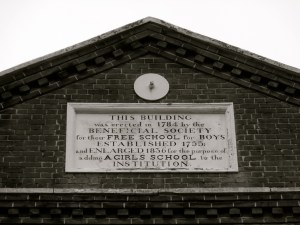
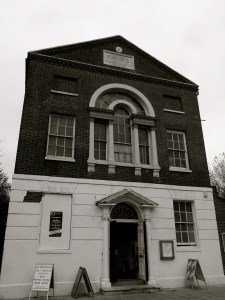
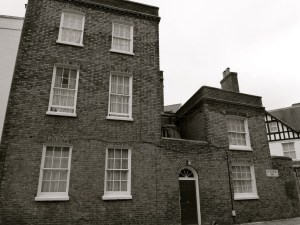
Winchester Architecture – Brooks, Parchment St, St Peter St, Jewry St, Tower St

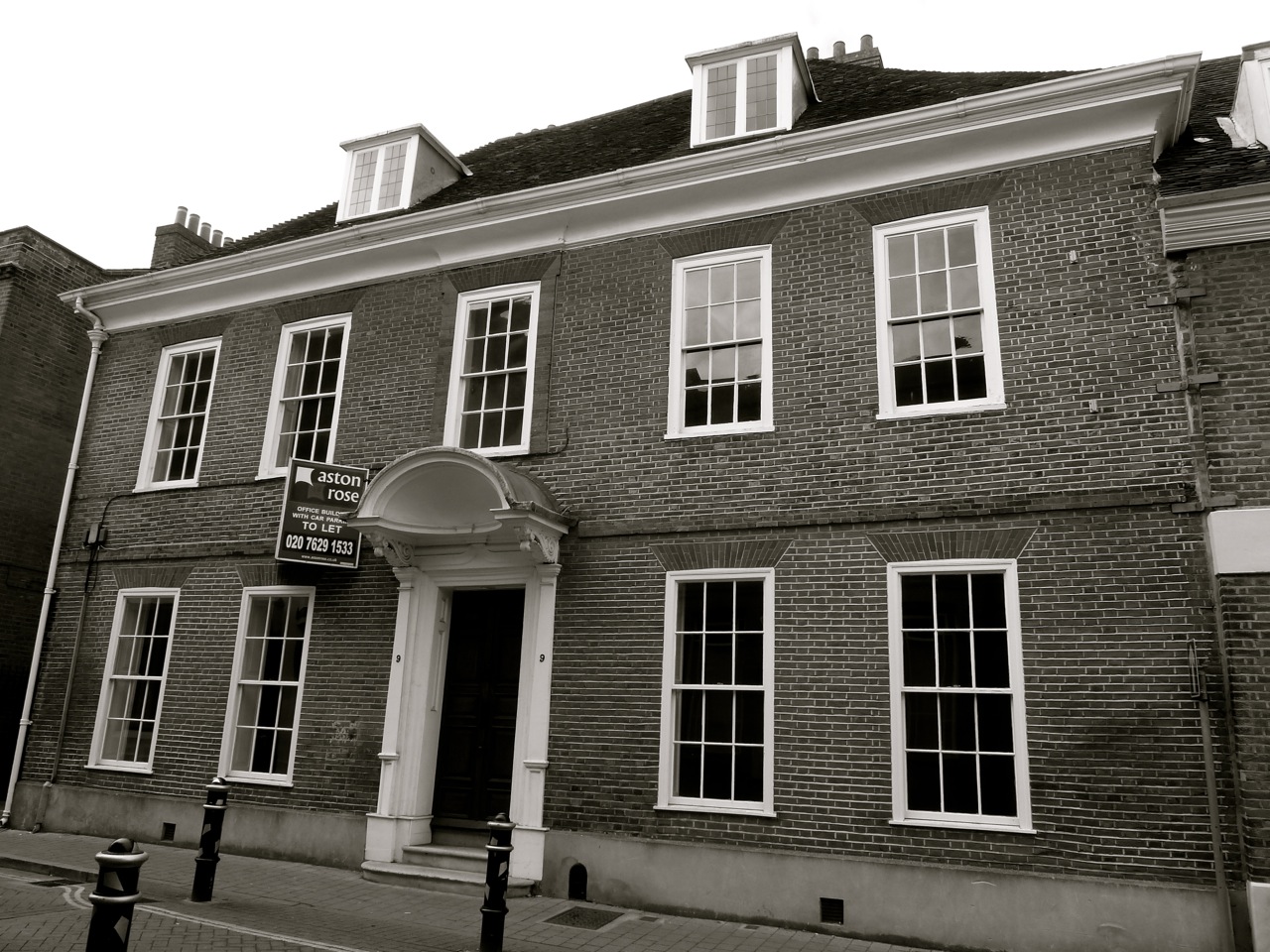
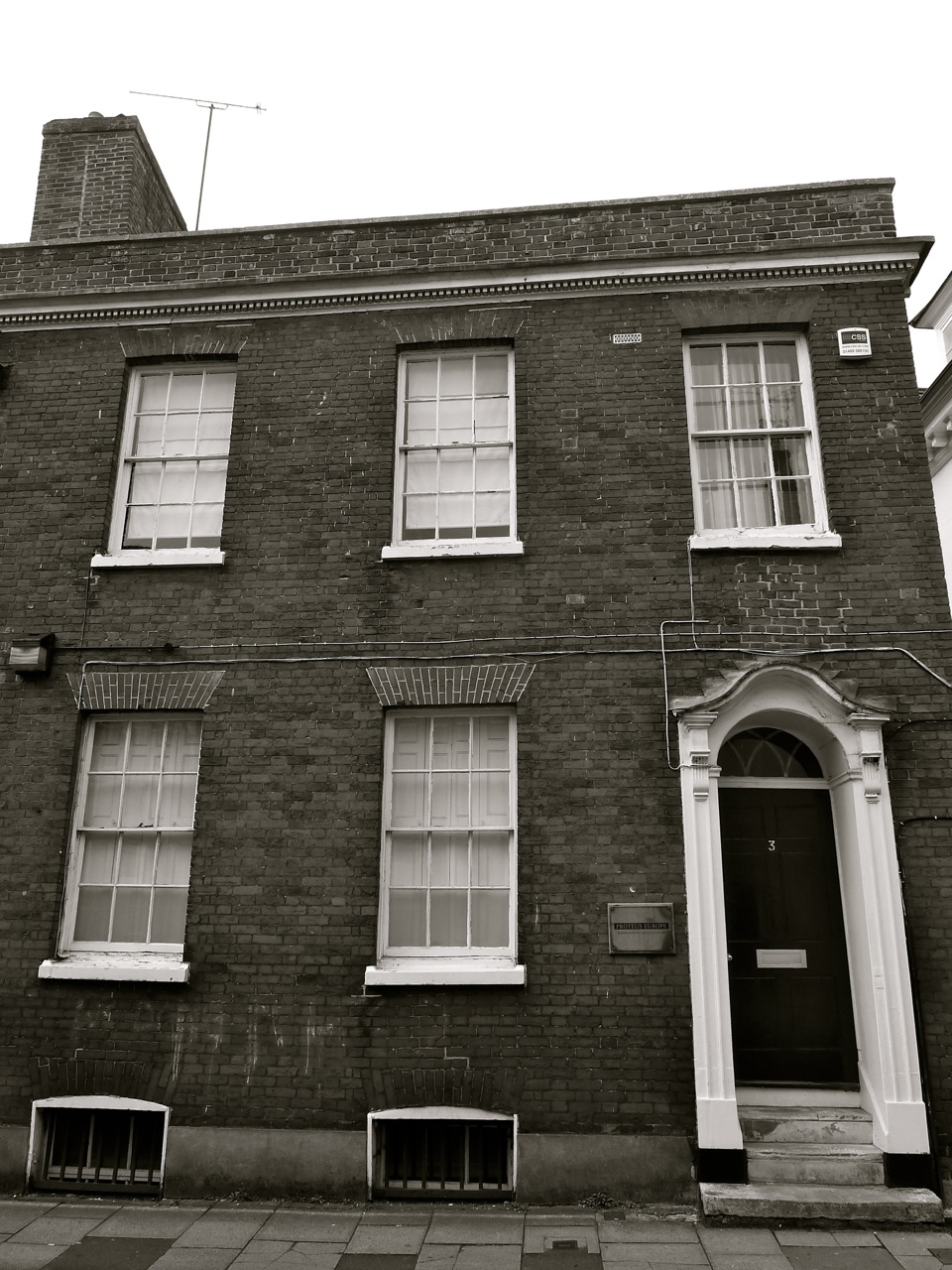
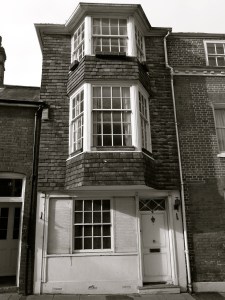
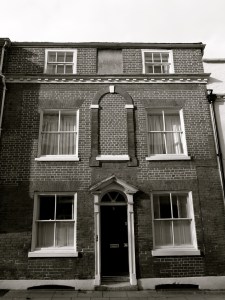
These streets run north from the shopping area, out towards the Roman North Wall. Upper and Lower Brook Streets are mainly residential, with a few shops and the Heritage Centre at the southern side. Parchment Street runs north from Boots and has many small shops at the southern end, turning residential. My new favourite street in Winchester is St Peter Street, a quiet street fortunately missing out of the one way system. It has a pleasing variety of buildings, from the Royal Hotel, a Georgian church hall, a Wren-attributed villa, a C20 church, and at the northern end, grand formal terraces. Jewry Street has a busy flow of traffic and in the bustle it’s easy to miss the architecture, from the Old Gaol to the C16 Loch Fyne, the library and theatre. A little further west is Tower Street, mainly Victorian and later.
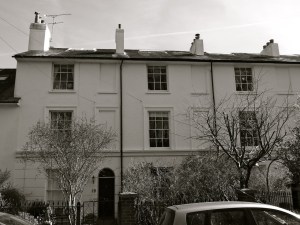
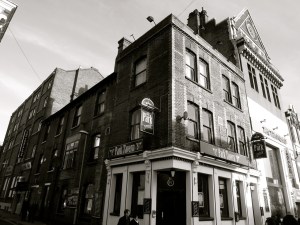
Favourites today are 9 Parchment Street, 3 St Peter Street, 4 St Peter Street and 19 St Peter Street. These are first in the photographs below. Hover over the photo for the address, and click to enlarge.

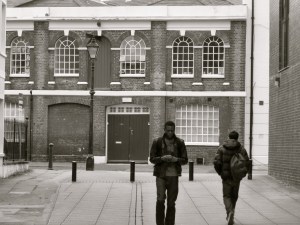
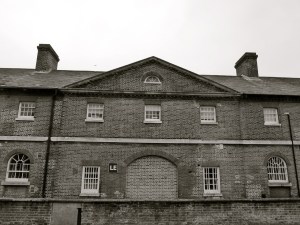
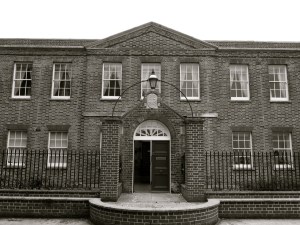
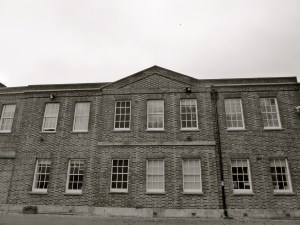
Hampshire Architecture: Portsmouth – Dockyard and The Hard

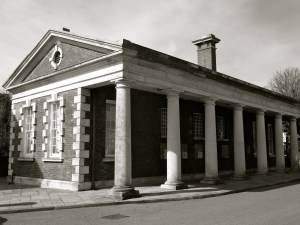
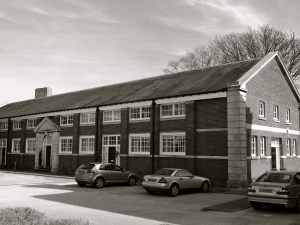
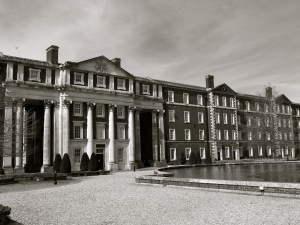
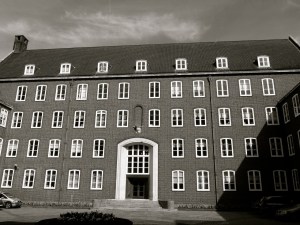
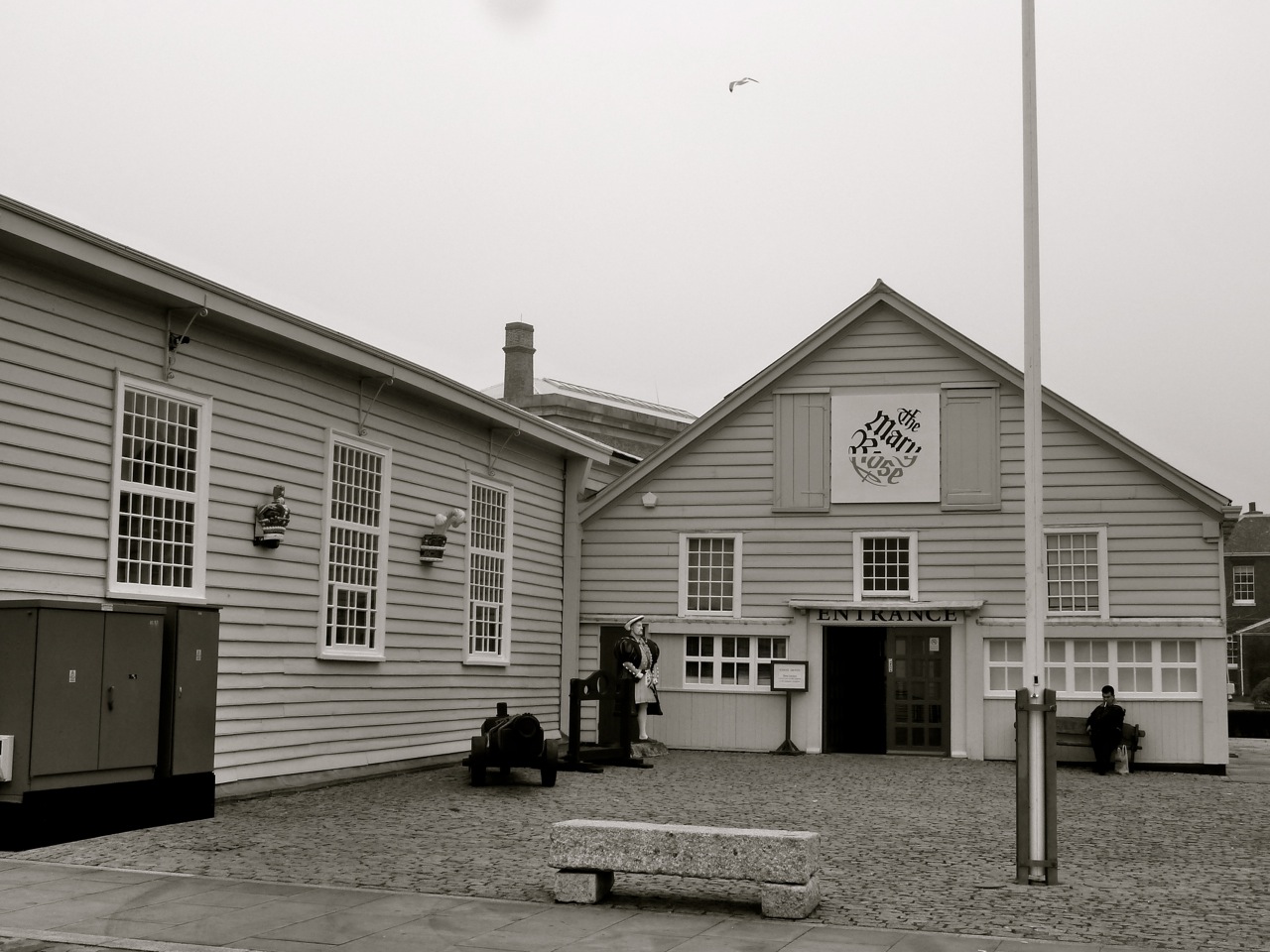
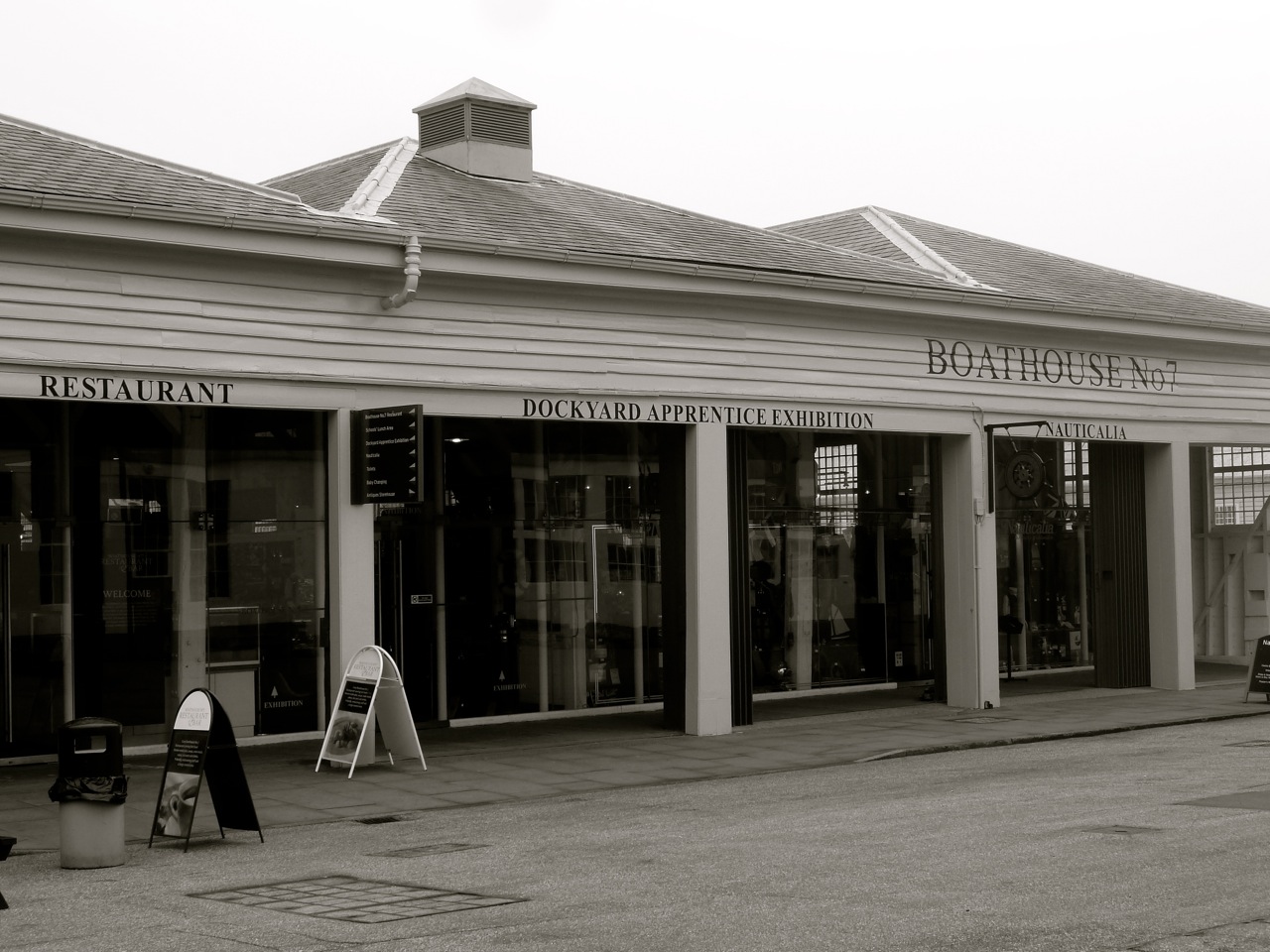
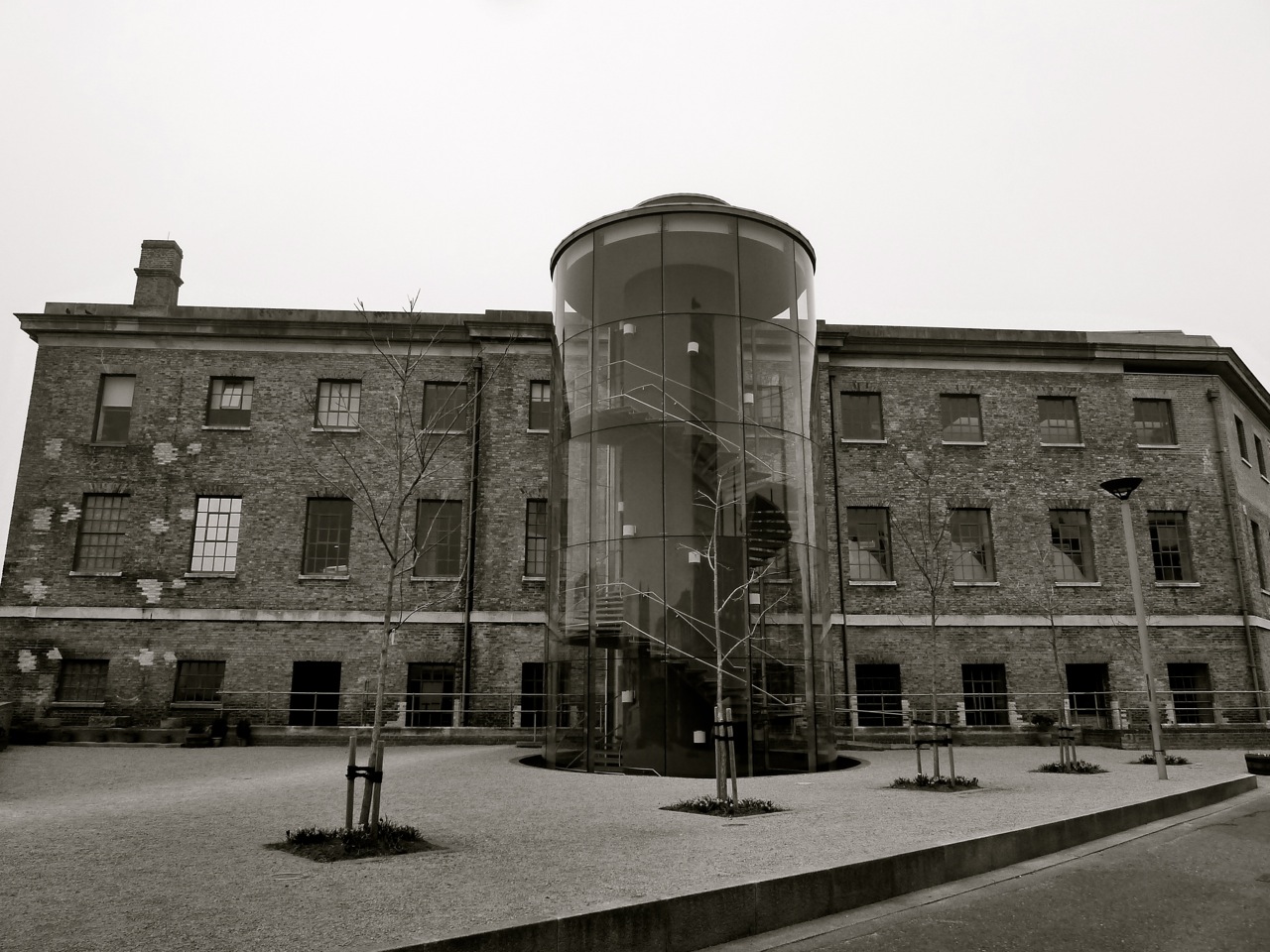
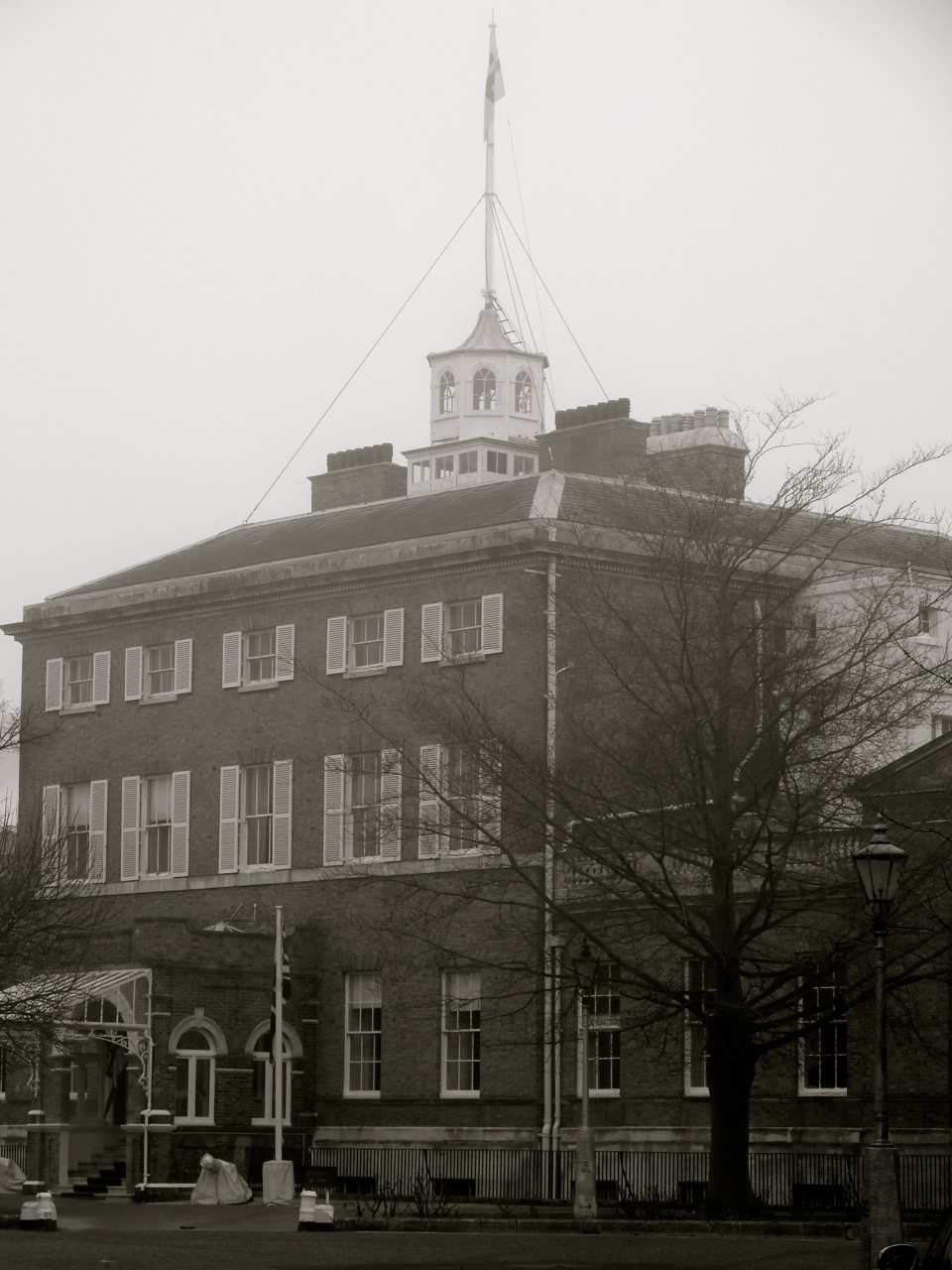
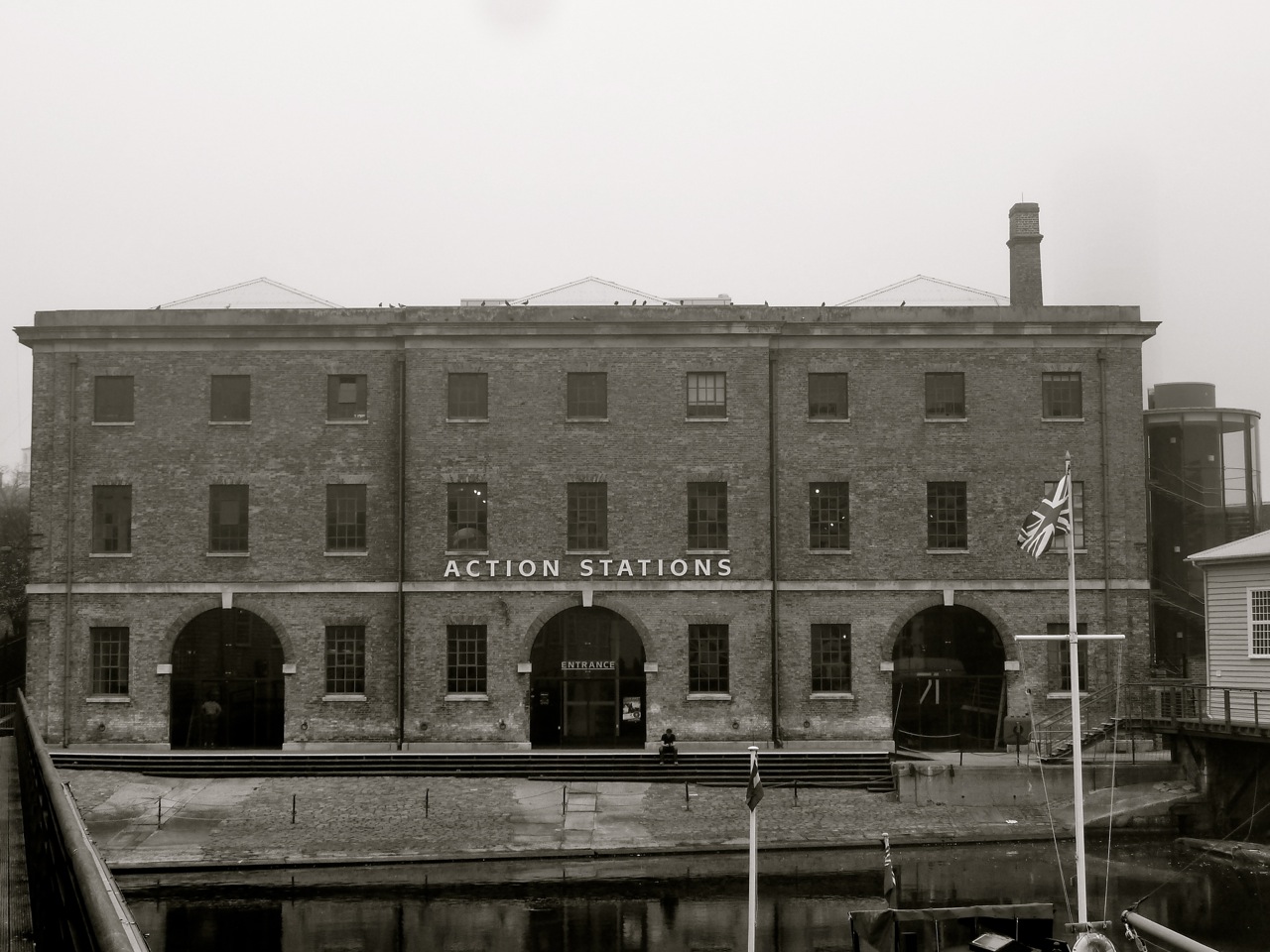
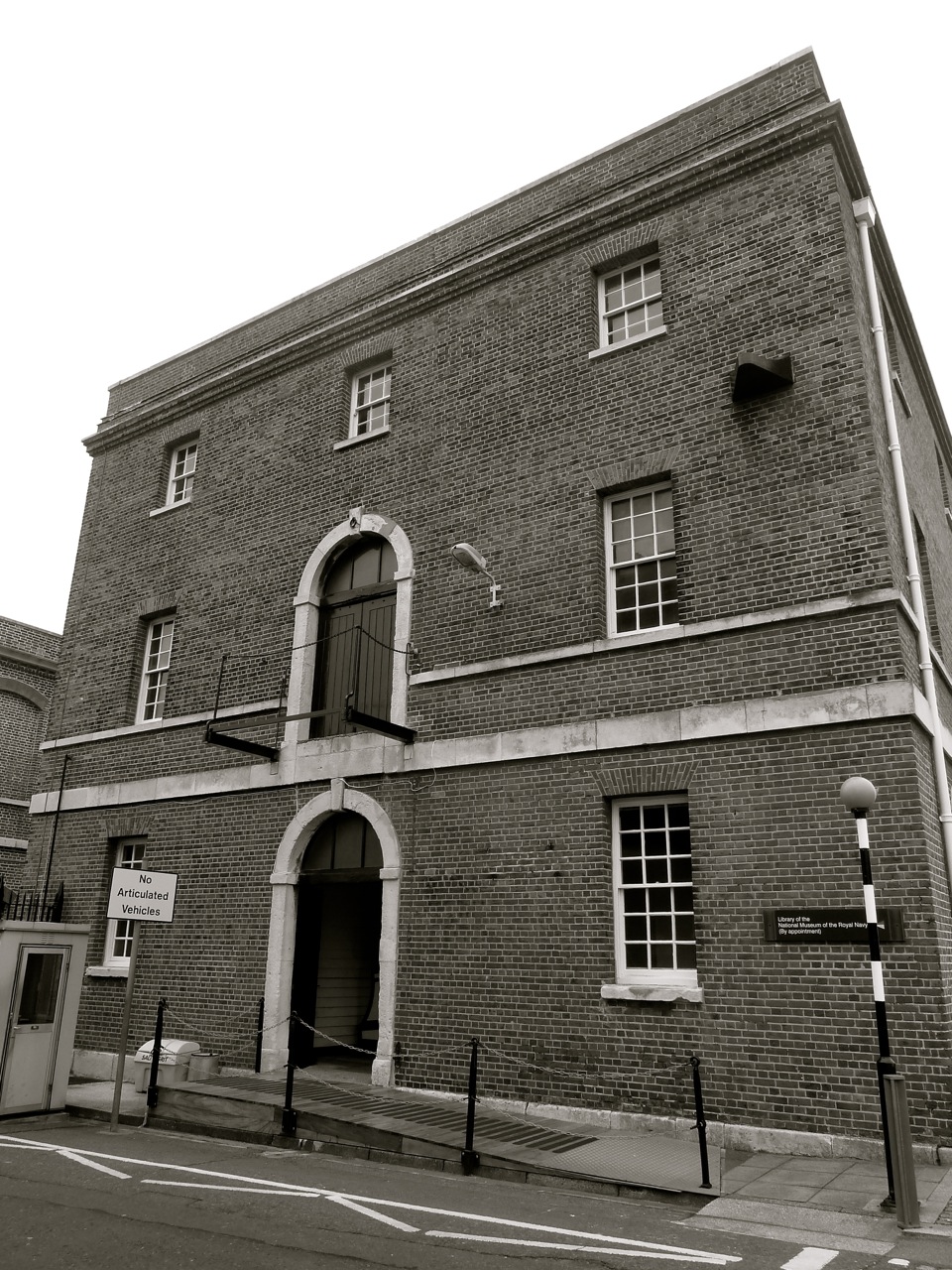
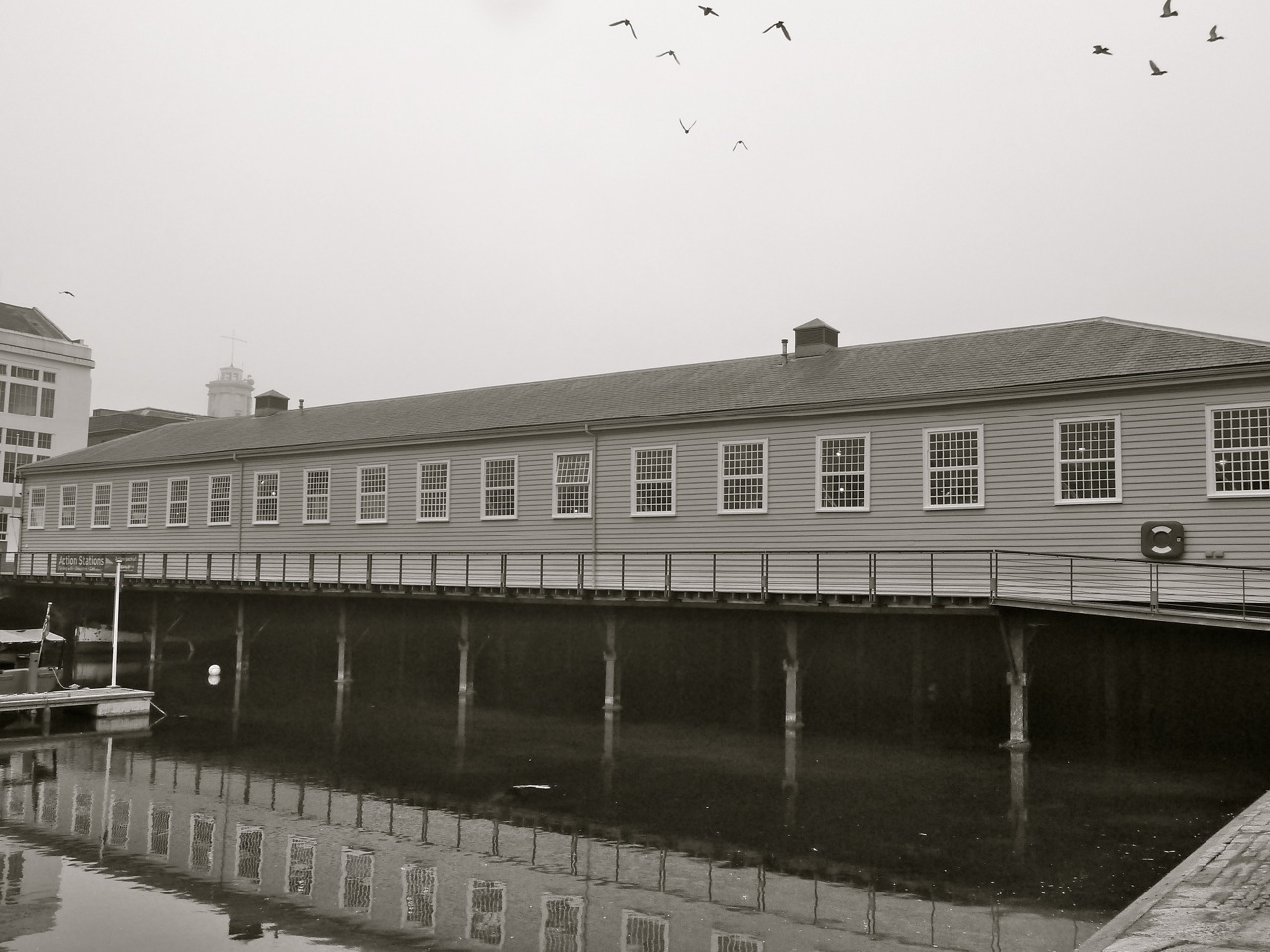
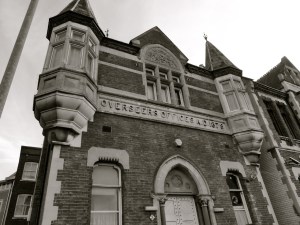
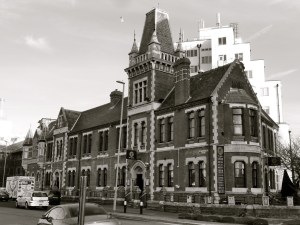
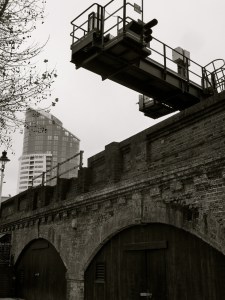
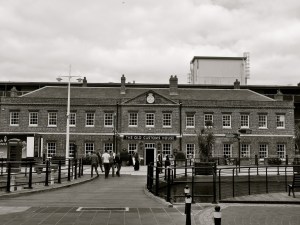
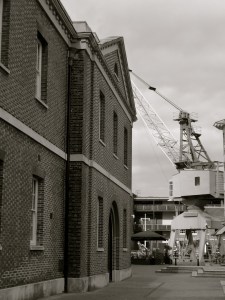
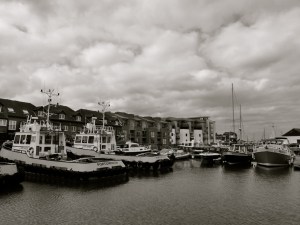
On Friday I was in Portsmouth and took the opportunity to photograph the listed buildings at The Hard and the Historic Dockyard. The public are only allowed along the western edge of the dockyard but I was able to also take a few photos of some of the listed buildings inside the Naval Base, through the railings. The dockyard listed buildings are C18 and C19, functional but with a formal elegance. There are large boathouses and stores, the Pay Office where Charles Dickens’ father worked, along with a detention centre and the Porters Lodge just inside the gate. I hope one day to be able to go into the restricted Naval Base as there are elegant officers’ terraces and other grand buildings. (Note that these are not all the listed buildings in the dockyard; some are obscured.)
Winchester Architecture – High Street and The Square

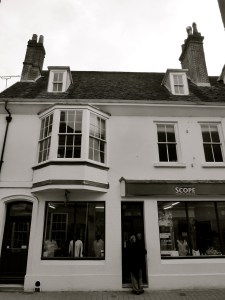
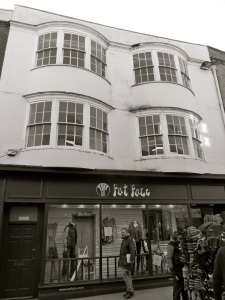
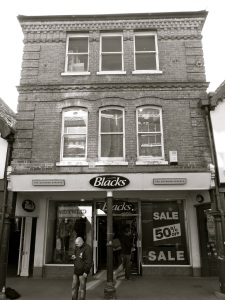
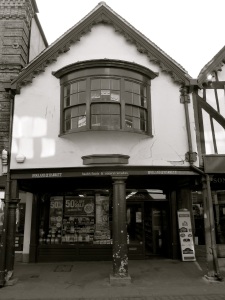
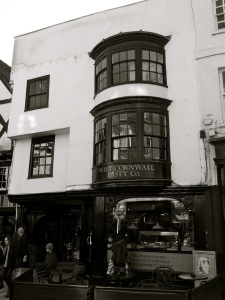
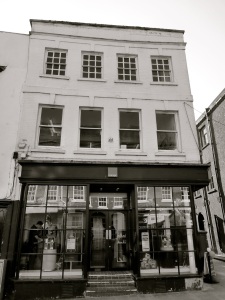
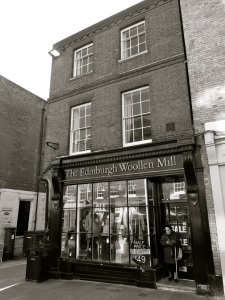
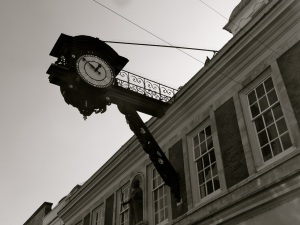
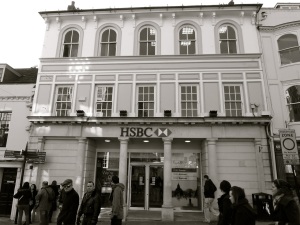
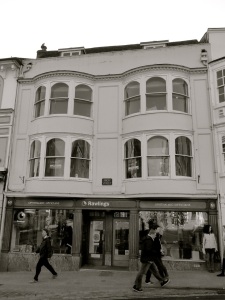
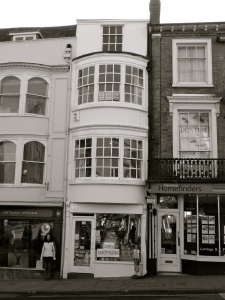
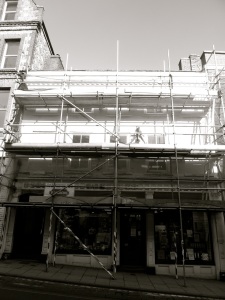
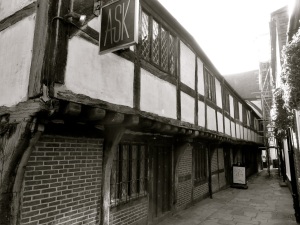
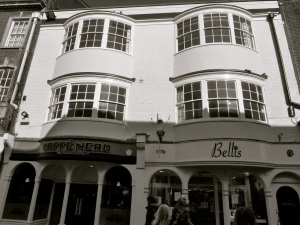
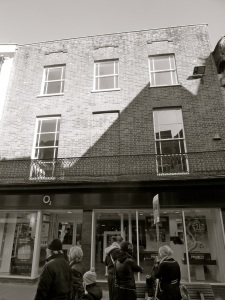
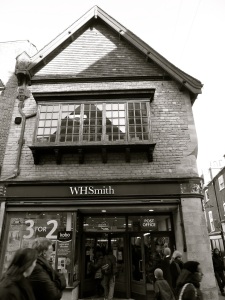
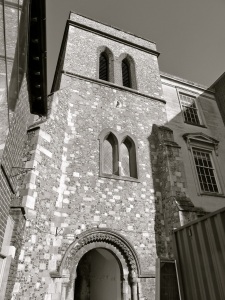
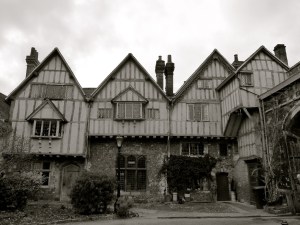
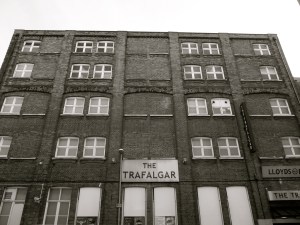
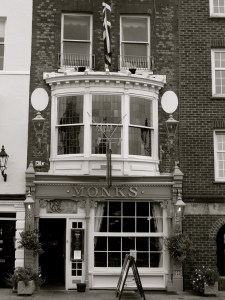
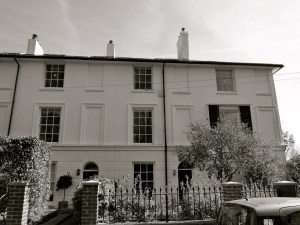
The familiar shopping area of Winchester, right in the city centre. Most of the shop fronts are modern but visible above are the C18 façades. The Prentice, a row of shops with a covered walkway, originates from the C16 with gabled roofs and timber frames. Some are however C19 imitations (for example, above Boots). The Prentice is on the site of the Norman palace. Further up High Street is the grander styling of the banks, one of which is in the old Guildhall. God Begot House was built in C16, it’s rear to the north still unaltered. Next to it is the Tudor-originating The Royal Oak. A sign says it is the oldest bar in England. This is just one of the hard to photograph buildings today, due to the narrowness of the streets and alleys in places. Between the High St and the Cathedral is The Square, a delightful collection of C18 buildings with some C19 shop fronts on fine Georgian buildings. Squished between The Square and Butter Cross (City Cross) is St Lawrence church. At the other end of High St is the tower of St Maurice church, the only part of this church remaining. Nearby, The Body Shop resides in a former chapel. Just off the west end of High St is Walcote Chambers and Trafalgar House, two of my favourites today. Other highlights are 63 High St, 57 High St, 30-31 The Square and 17 The Square. These are pictured first.
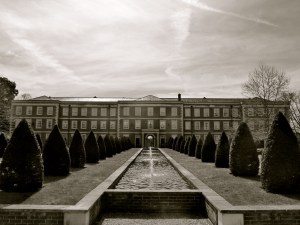
Winchester Architecture – Cathedral Area

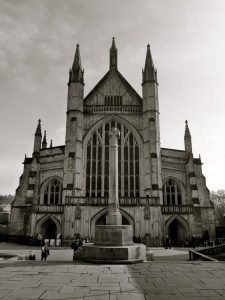
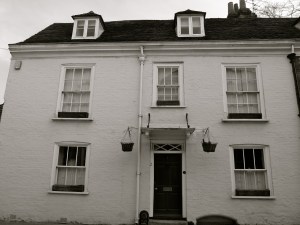
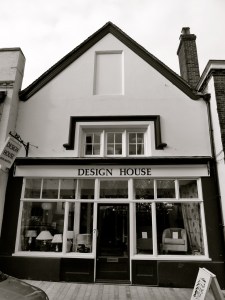
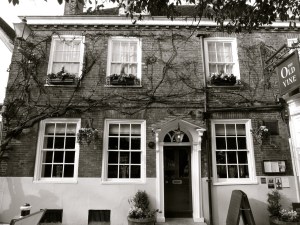
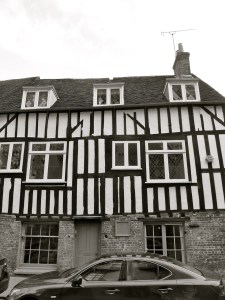
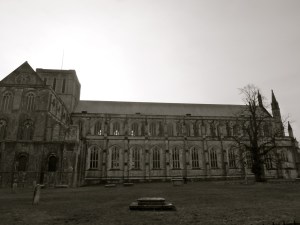
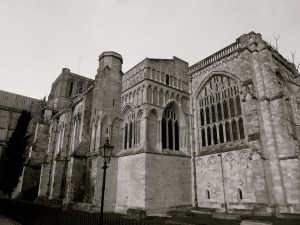
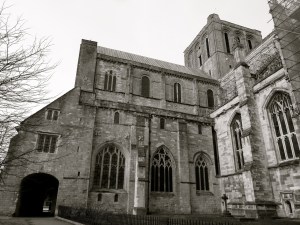
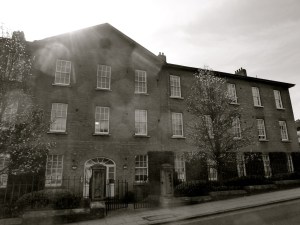
A tour of the listed buildings in the vicinity of the Cathedral. I started north of Kingsgate in St Swithuns St, to Little Minster St, Great Minster St, along the north of the Cathedral grounds (excluding The Square for now, except those whose rears face the green), then south to The Close and Dome Alley and through St Swithuns Gate to the start. Obviously this area in the city centre is dominated by this longest Gothic cathedral in Europe and one of the biggest churches in England with its enormous nave. To the south and west are typically charming C17 and C18 century town houses, and in The Close a variety of styles of buildings from medieval to C18. Dome Alley is an interesting example of a C17 purpose-built street, within the walls of the cathedral grounds. Christs Hospital and Morleys Alms Houses are also in the area.

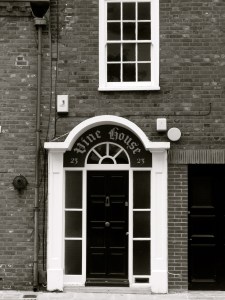
My favourites this time are 3 St Swithuns St, 2 Great Minster St and 8 Great Minster Street (same building as The Old Vine)

Winchester Architecture – Kingsgate and Canon Street

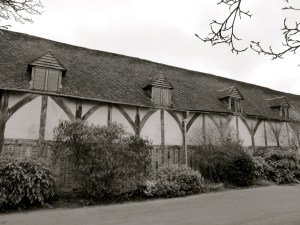
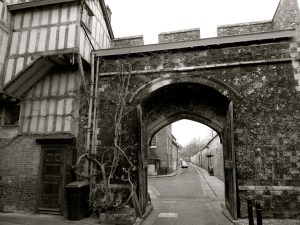
Continuing my tour of the Listed Buildings of Winchester, today I covered Kingsgate Rd/St and Canon St. This area is to the south of the city centre, outside of the old walls. From the medieval gate, Kingsgate Street runs directly south towards St Cross, transforming into Kingsgate Road after Romans Road. The road is wider and more rural as you head away from the gate, the buildings even becoming more mossy. Walking north towards the gate, as the street gets narrower there is a charming view of a gently winding Georgian road that can’t have changed very much in more than 200 years. To the east are the college playing fields and various faculty buildings (for another tour), and to the west many Victorian villas and more college buildings around Culver Rd and Romans Road, including the music department. Kingsgate St contains several college boarding houses, including the large purpose-built Kingsgate House (Beloe’s) and the far older Moberly’s. Near Kingsgate itself, running E-W is Canon St, flanked by the city wall for much of its north side. At the eastern end are several C18 houses from small terraced to the imposing No 64. Unusually, above the gate is a church, with its entrance on the north side of the gate.

My favourite buildings this time are 46 Kingsgate Rd, 55-57 Kingsgate St, 65 Kingsgate St, and 47 Canon St. These are ordered first below, after the view looking north up Kingsgate St:

Landport Architecture, Portsmouth

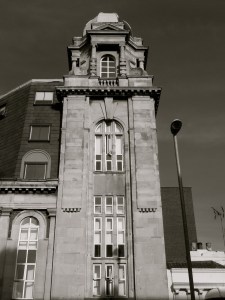
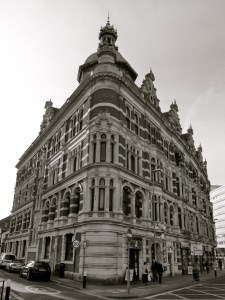
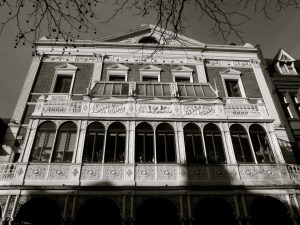
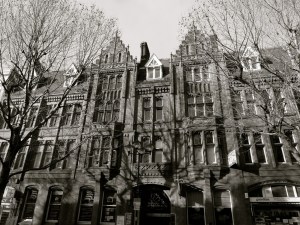
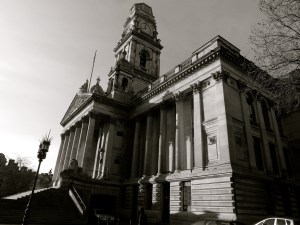
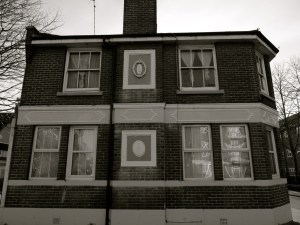
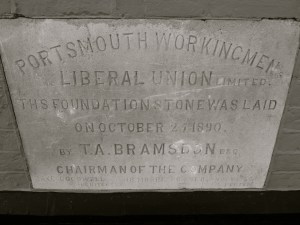
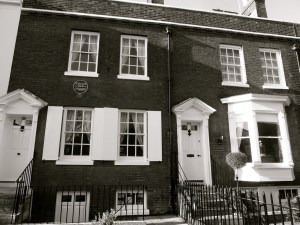
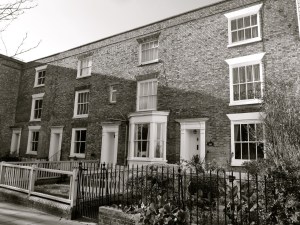
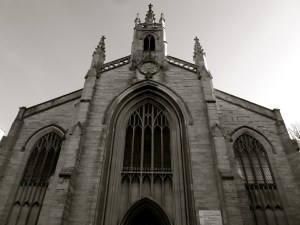
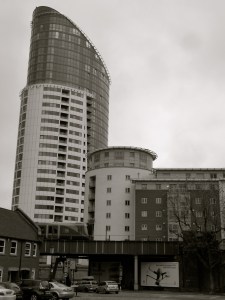
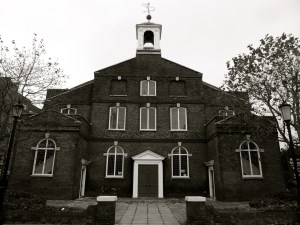
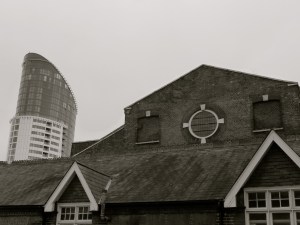
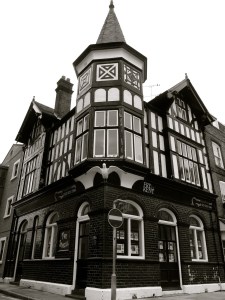
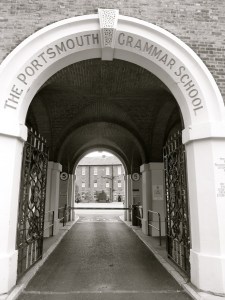
Today I walked around the Landport area of Portsmouth, seeking out those buildings not destroyed in WWII. Landport was a development outside of the original city’s defences and dockyard. Being near to the naval base, it was heavily bombed in the 1940s meaning large areas were cleared of the existing buildings. After the war and into the 1950’s, more buildings were raised in slum clearance ahead of new housing projects in Landport and to the north of the city. The walk took a couple of hours, from Old Commercial Road to the north (with the home place of Charles Dickens) down to the city centre and the terraces east of the University, then past the museum and up the west side of the centre. Here are the photos I took of the architecture, the most unusual being the museum in French Château style.

I didn’t use this beforehand or while walking, but here is a Google map of the listed buildings of Portsmouth.

Portsea Buildings

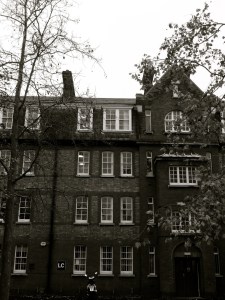
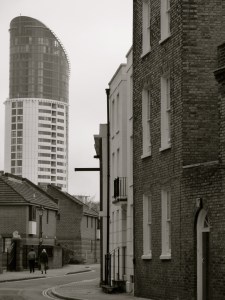
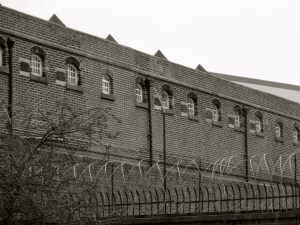
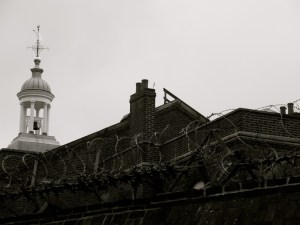
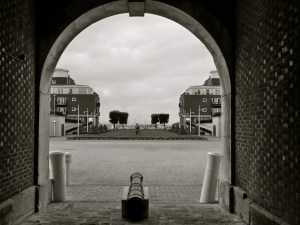
Today I walked around Portsea, between Gunwharf, the university and the naval base. The area has a much less genteel, more rugged feeling than Old Portsmouth but in amongst the council housing and blocks are some interesting old buildings. The area being right next to the naval base was heavily bombed in WWII and before that, the old slums and buildings were cleared. These photos largely focus on those buildings prior to 1900, including St George’s Square, Burnaby Terrace, Queens Street and Bonfire Corner, up against the barbed-wire walls. I didn’t get as far as The Hard, nor the base itself.

This page has some interesting history and photos of Portsea in the c19, including areas cleared of decaying houses.

Old Portsmouth and Gunwharf

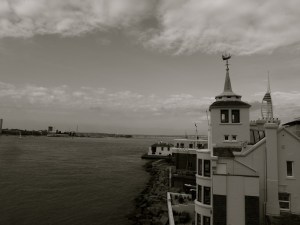
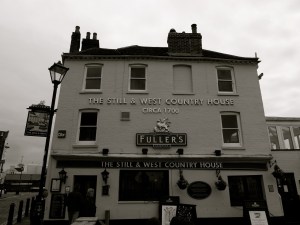
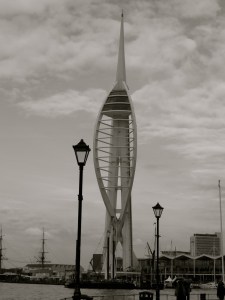
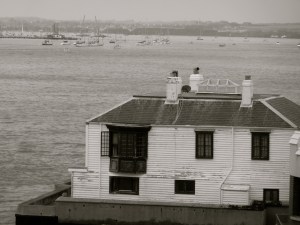
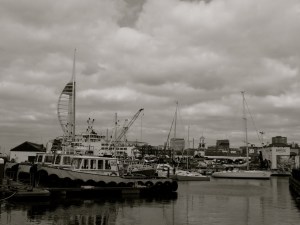
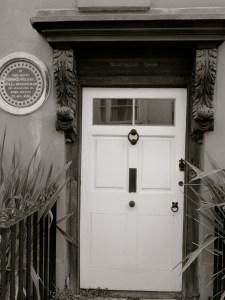
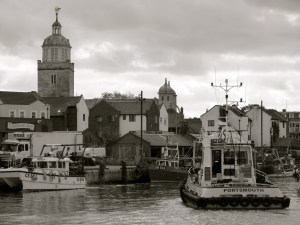
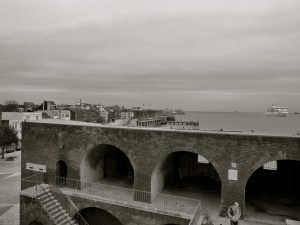
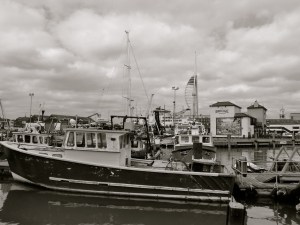
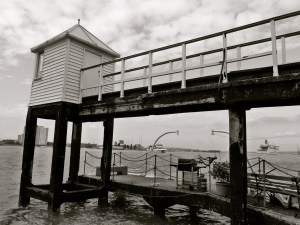
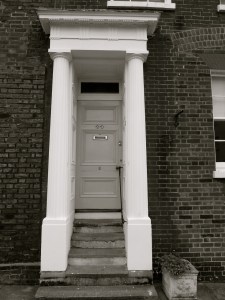
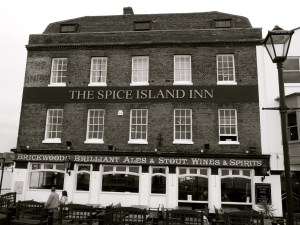
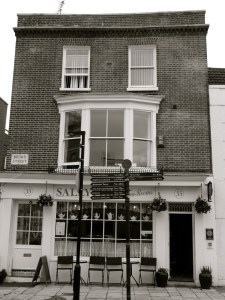
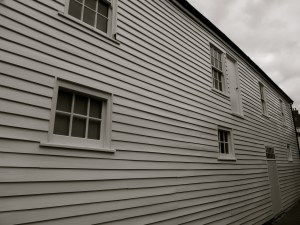
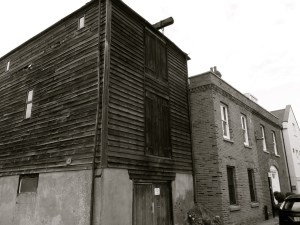
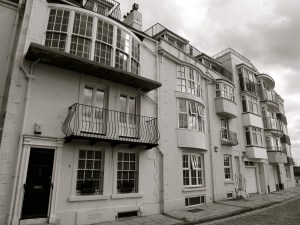
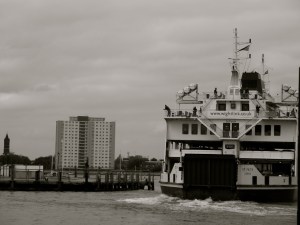
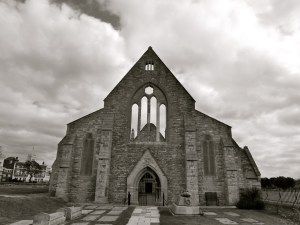
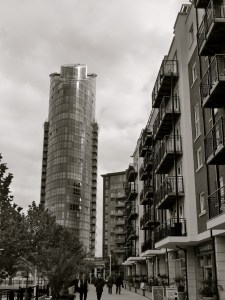
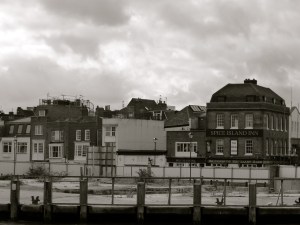
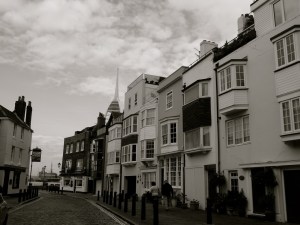
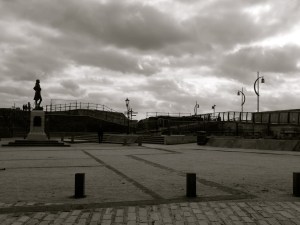
Photographs taken around Gunwharf and Old Portsmouth in October. While certain others are shopping I like to wander around the city in the immediate area of Gunwharf. Inside Gunwharf itself are many original dock buildings dating back to the c18. Past the harbour in Old Portsmouth and Spice Island you can still get a feel of the old maritime city in the time of Nelson, with many interesting Georgian buildings, doorways as well as the defences and churches. See also, Portsea