Weekend Walk 26 – Petersfield to Queen Elizabeth County Park – Hangers Way
This morning I walked the remainder of the Hangers Way, a 21 mile path from Alton in Hampshire to the South Downs at the Q.E. Country Park. A sunny June morning, it was a hot walk and I was glad of the stiff breeze and the shaded sections. Petersfield was busier than normal. I found out this was because of the Petersfield Festival of Food & Drink (which at first I thought was just an extension of the usual market). The walk took me through the town and the mobile homes park. It’s got to be the neatest mobile homes park I’ve seen. Each garden was immaculately looked after. Then I headed south, getting a bit off track leaving the park, before picking up the Way along kind of a dyke, which lead down to Buriton. Buriton is such a sweet little village, with the pond as its main feature. I was surprised no one was there visiting. One lady in a garden, one walking her dog, that’s it. On the south edge of the village a team of Community Service workers were maintaining the cemetery. One local was stood in his doorway looking rather concerned at these tattood and stern faced men trimming hedges and strimming and repainting gates. Under the railway, then it was up onto the higher ground of the South Downs, but wooded hill here, mainly planted in the 1930s. It was busy there with hikers and cyclists, picnickers and families.
So, that’s the Hangers Way. Still two days left on the South Downs Way from last year to do, and I’ll soon tackle something like the Pilgrims Way or Staunton Way.
LulzSec Hacks
Security is an illusion. Corruption is everywhere.
LulzSec have been busy. Recent hacks include Fox.com, the UK ATM database, PBS.org, SonyPictures.com, Nintendo.com, and now FBO-related http://infragardatlanta.org. This latest because the USA now consider hacking to be an ‘act of war’. 180 usernames and passwords were obtained, all FBI-related, and thousands from the other organisations.
Dear Internets,
It has come to our unfortunate attention that NATO and our good friend Barrack
Osama-Llama 24th-century Obama have recently upped the stakes with regard to hacking.
They now treat hacking as an act of war. So, we just hacked an FBI affiliated website
(Infragard, specifically the Atlanta chapter) and leaked its user base. We also took
complete control over the site and defaced it, check it out if it’s still up: http://infragardatlanta.org/While not very many logins (around 180), we’d like to take the time to point out that all
of them are affiliated with the FBI in some way. Most of them reuse their passwords in other places,
which is heavily frowned upon in the FBI/Infragard handbook and generally everywhere else too.One of them, Karim Hijazi, used his Infragard password for his personal gmail, and the gmail of
the company he owns. “Unveillance”, a whitehat company that specializes in data breaches and botnets,
was compromised because of Karim’s incompetence. We stole all of his personal emails and his company
emails. We also briefly took over, among other things, their servers and their botnet control panel.After doing so, we contacted Karim and told him what we did. After a few discussions, he offered to
pay us to eliminate his competitors through illegal hacking means in return for our silence. Karim,
a member of an FBI-related website, was willing to give us money and inside info in order to destroy
his opponents in the whitehat world. We even discussed plans for him to give us insider botnet information.Naturally we were just stringing him along to further expose the corruption of whitehats.
Please find enclosed Karim’s full contact details and a log of him talking to us through IRC.
Also, enjoy 924 of his internal company emails – we have his personal gmail too, unreleased.We call upon journalists and other writers to delve through the emails carefully, as we have
uncovered an operation orchestrated by Unveillance and others to control and assess Libyan
cyberspace through malicious means: the U.S. government is funding the CSFI to attack Libya’s
cyber infrastructure. You will find the emails of all 23 people involved in the emails.Unveillance was also involved in a scheme where they paid an Indian registrar $2000 to
receive 100 domains a month that may be deemed as botnet C&Cs. Shameful ploys by supposed “whitehats”.We accept your threats, NATO. Game on, losers.
Now we are all sons of bitches,
Lulz Security
Lippen Walk
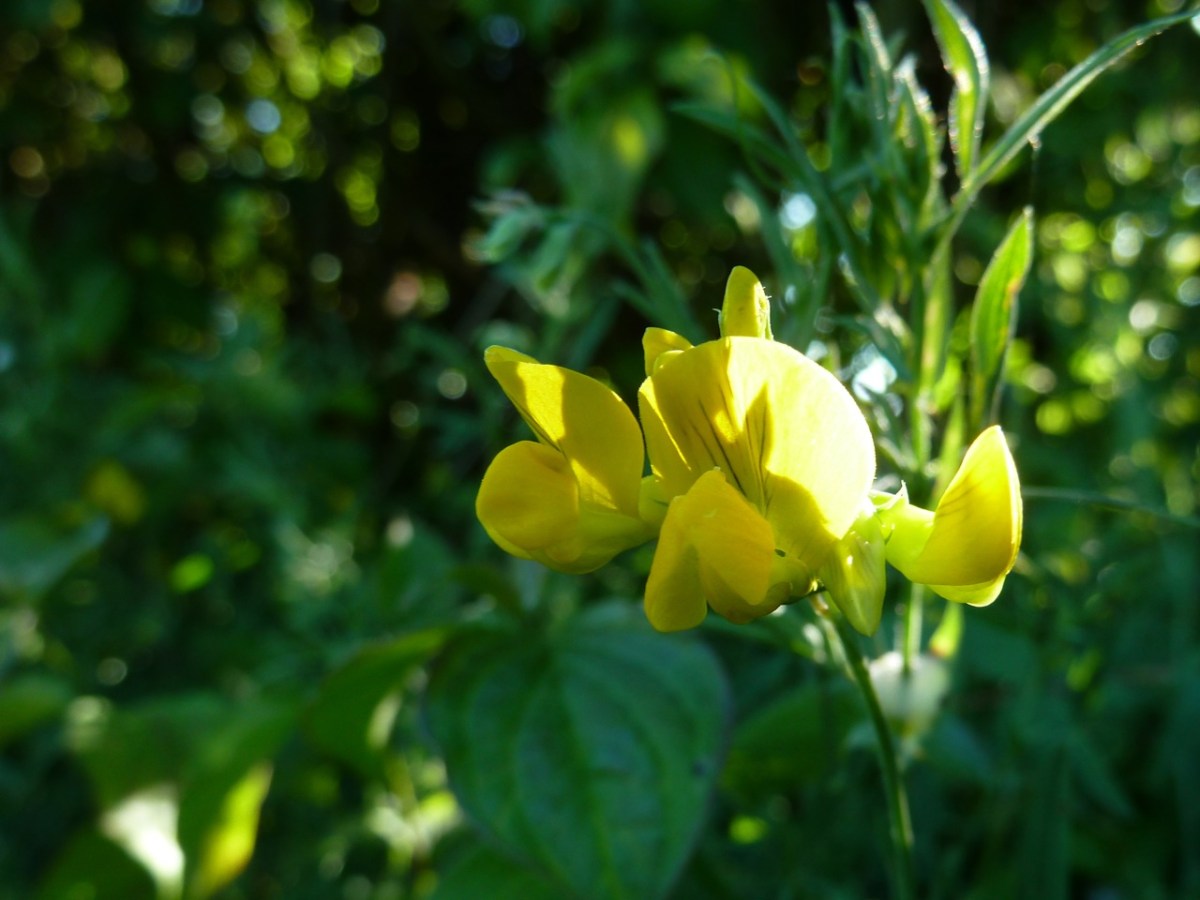
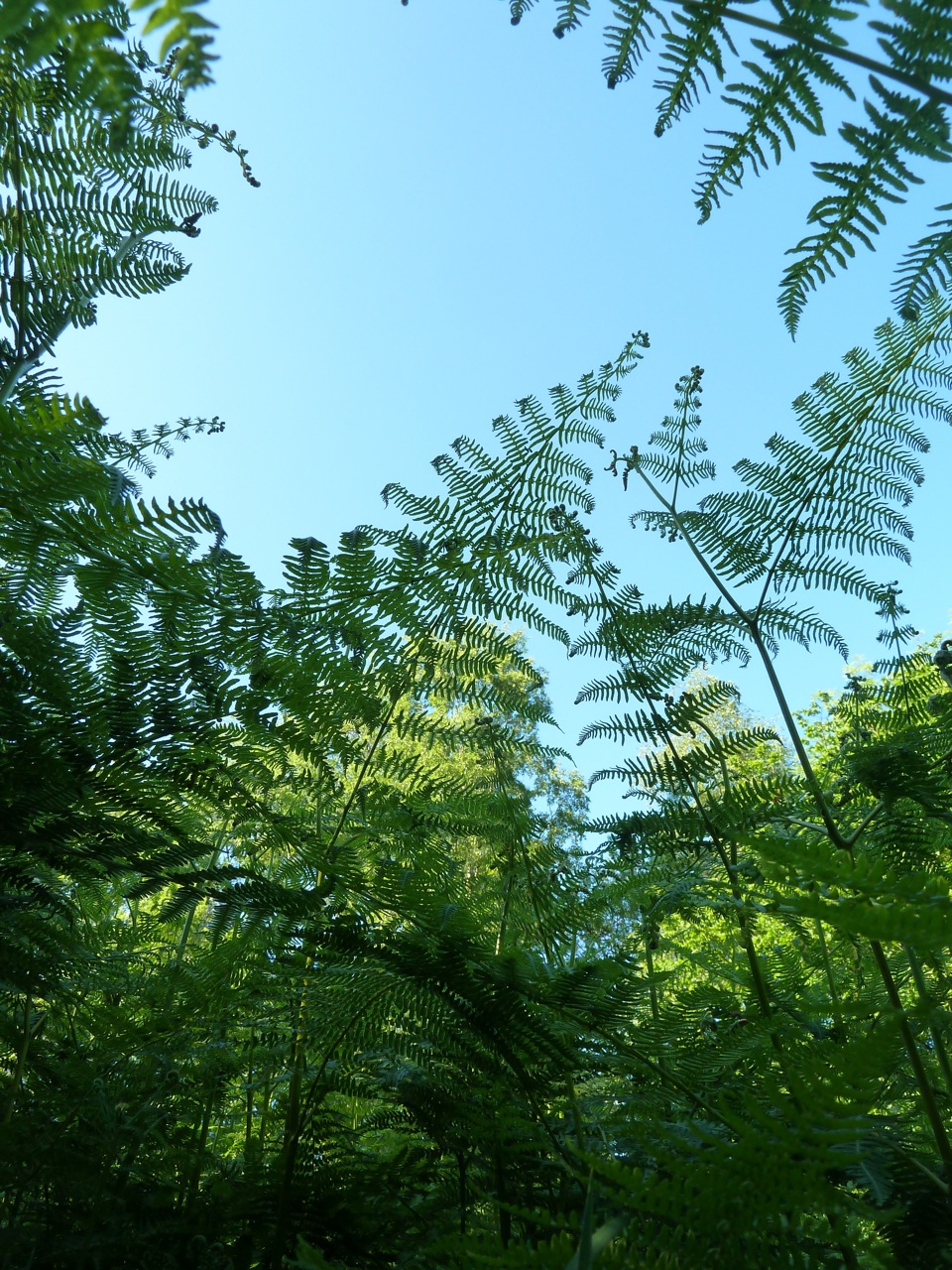
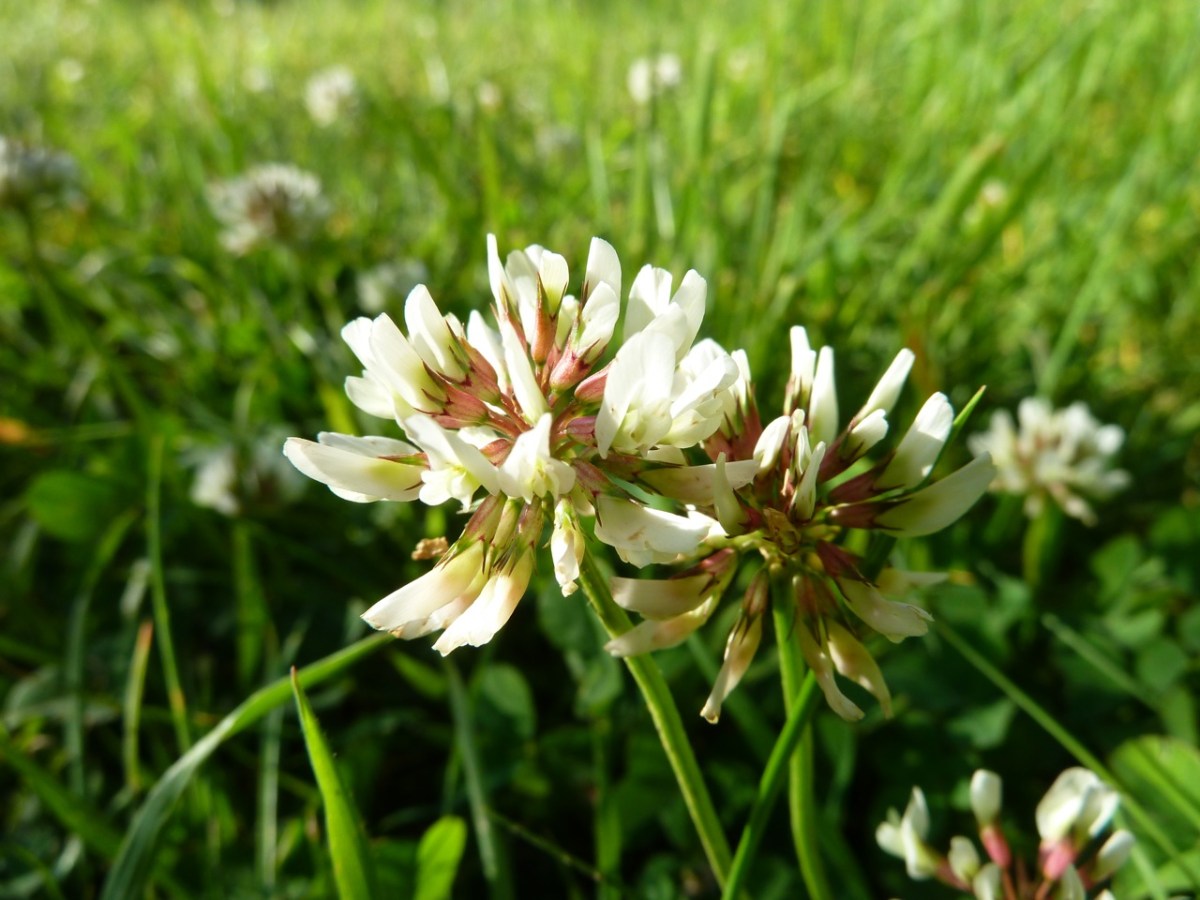
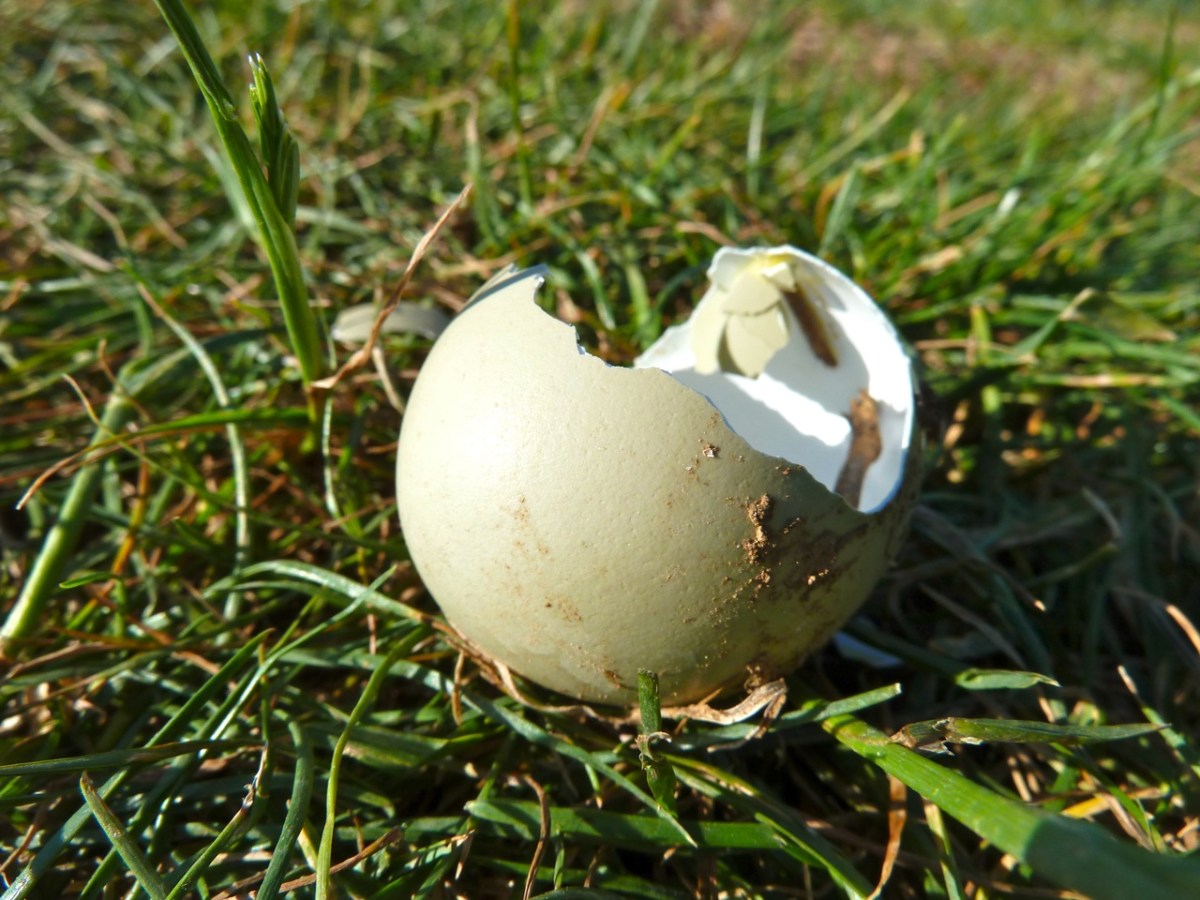
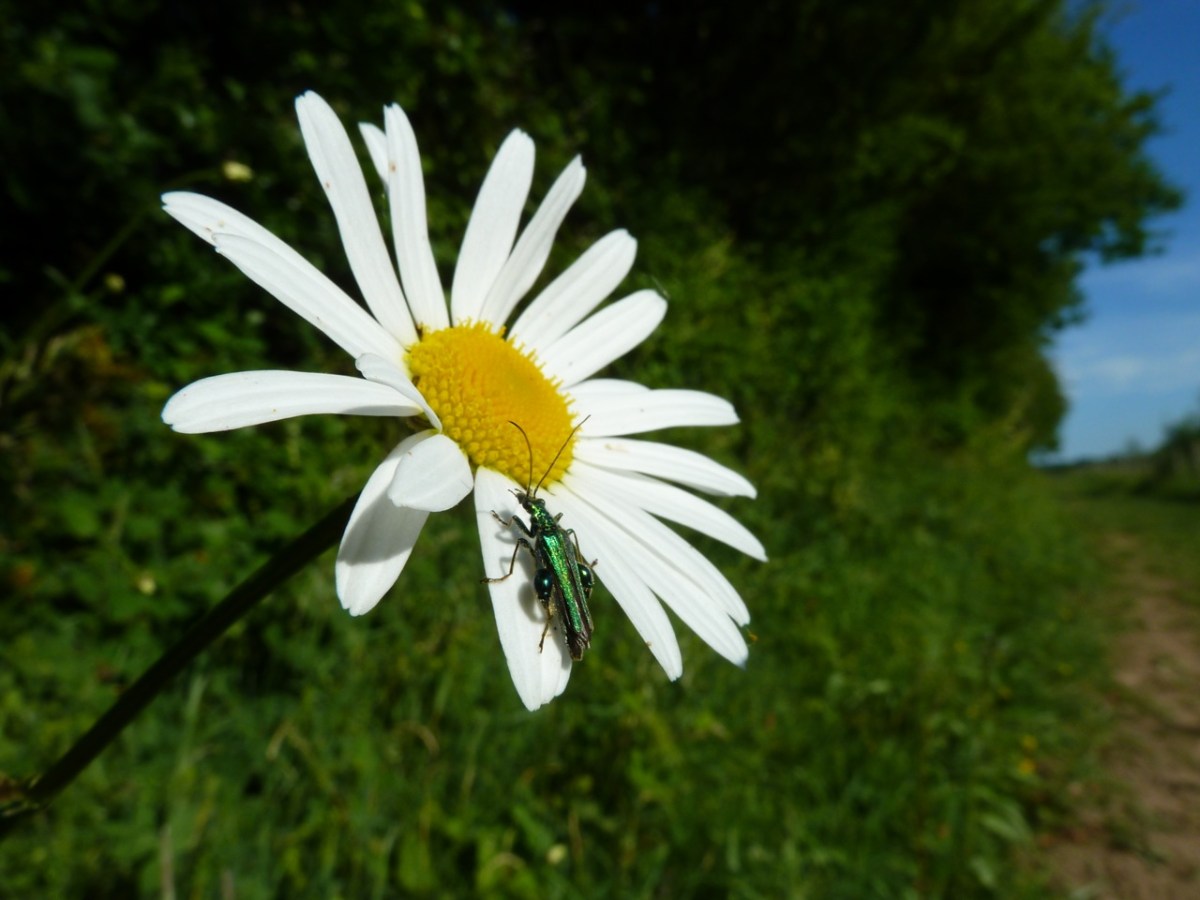
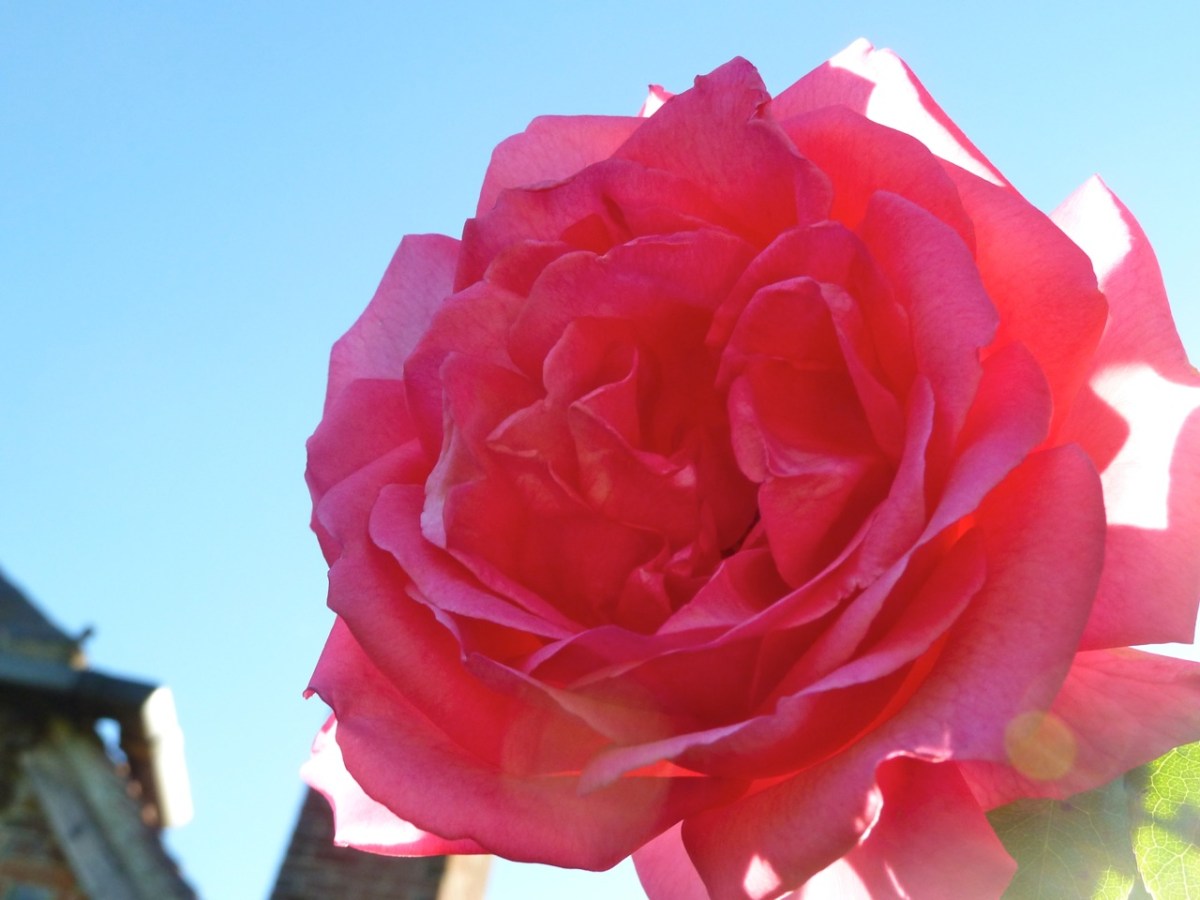
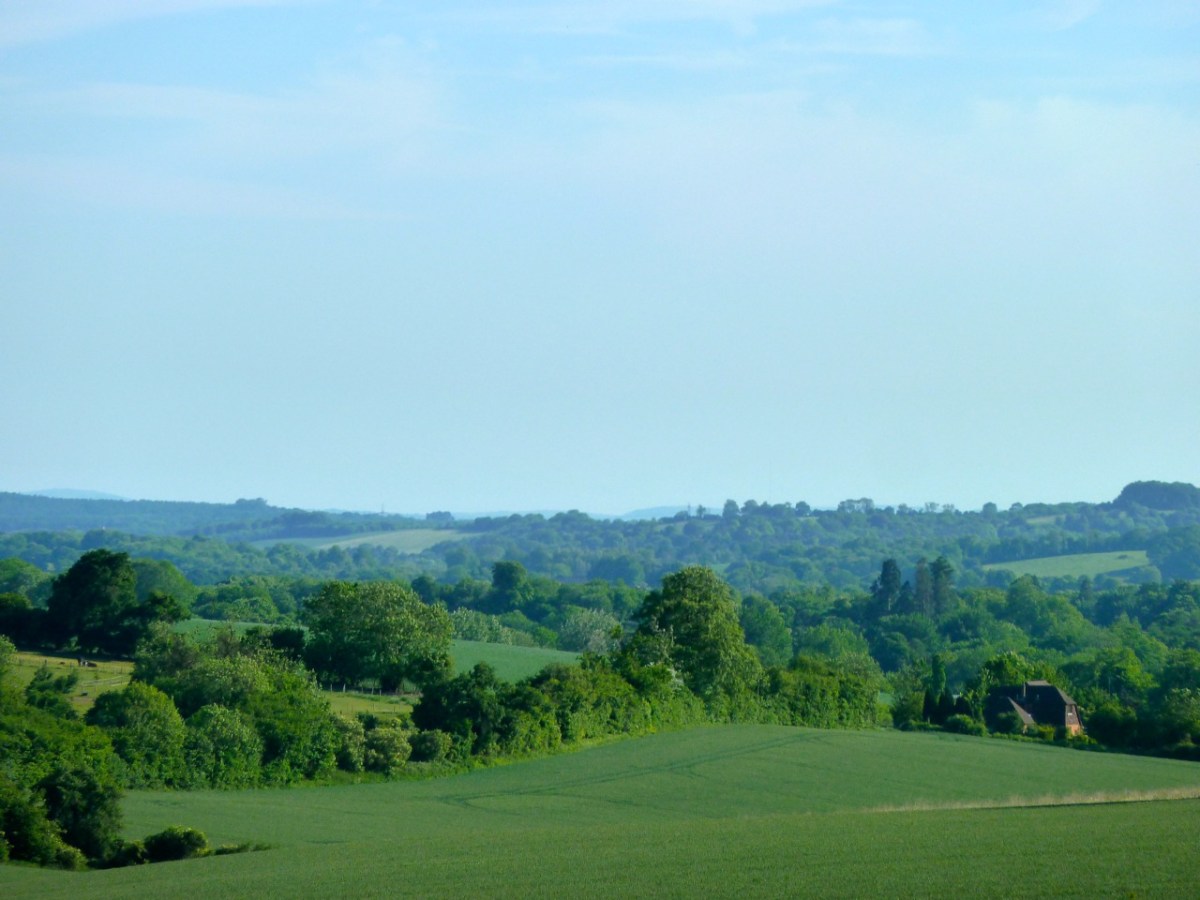
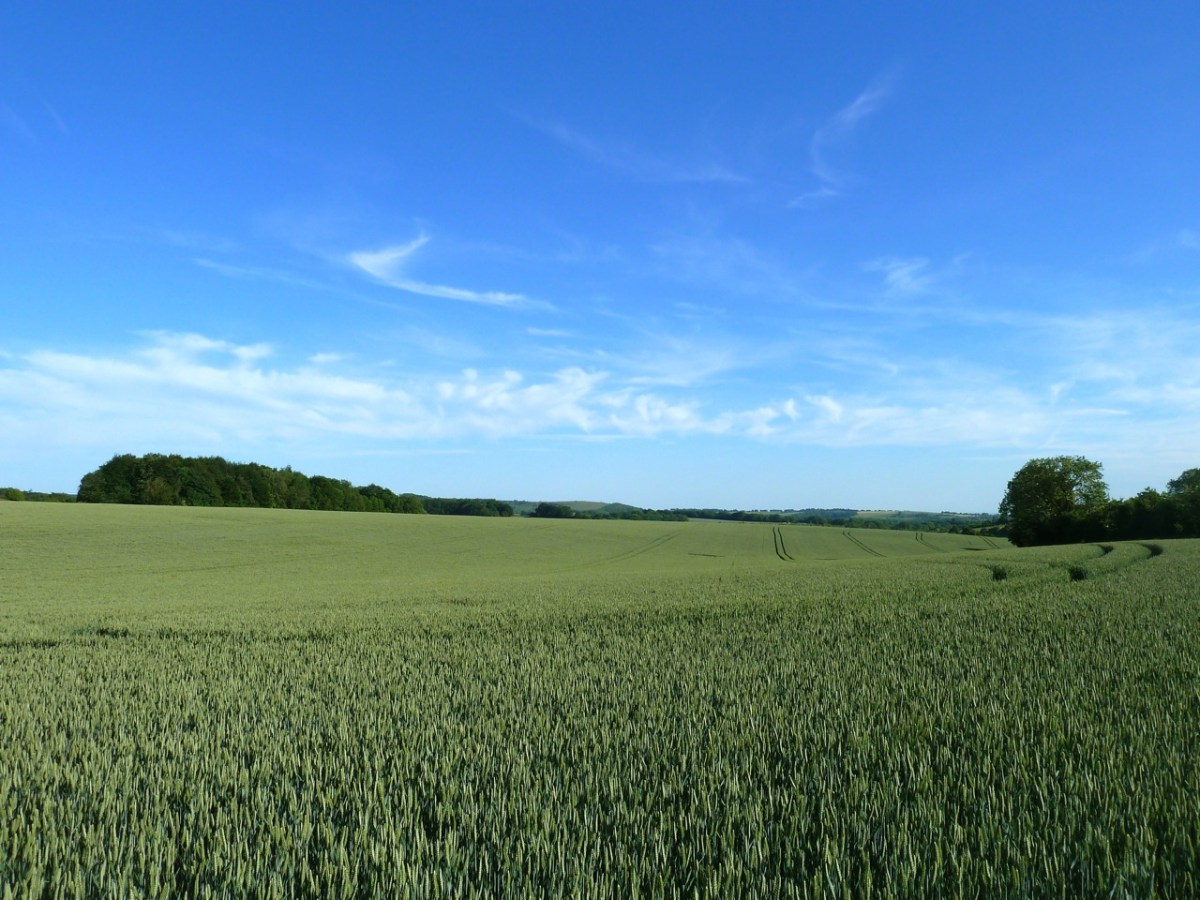
An hour’s walk in the country to the south, in the late afternoon sun


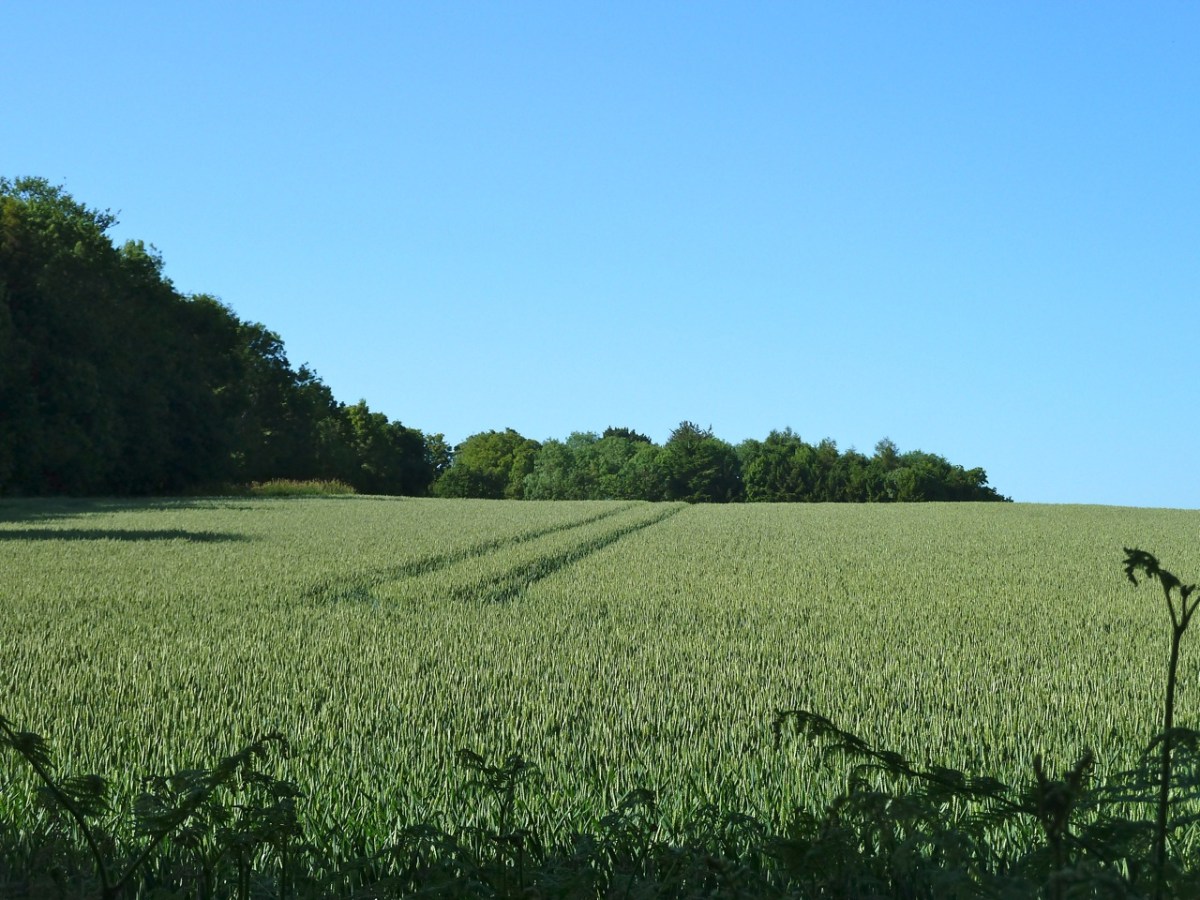

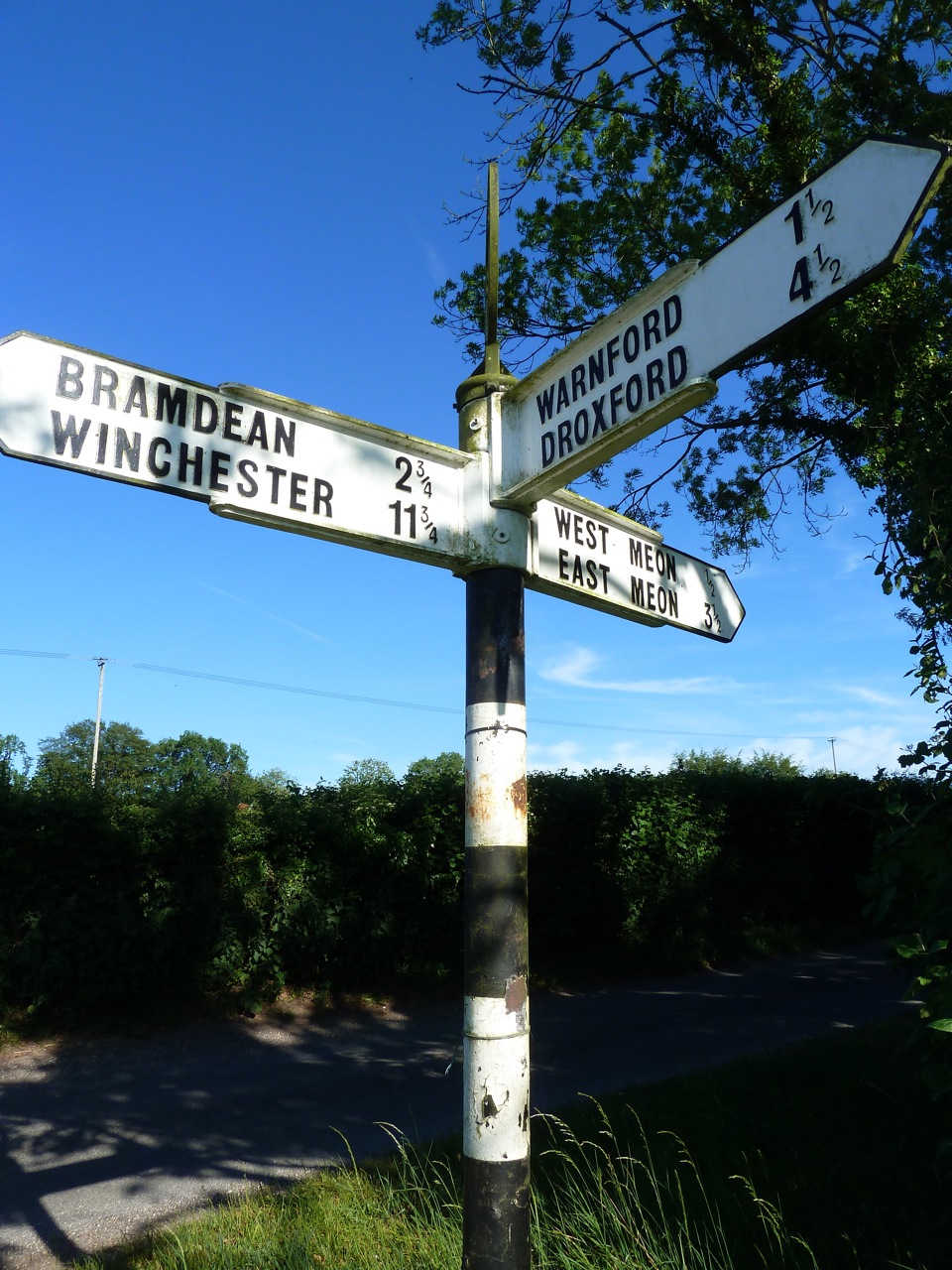
Scrap Book – Red Phone Box in Field
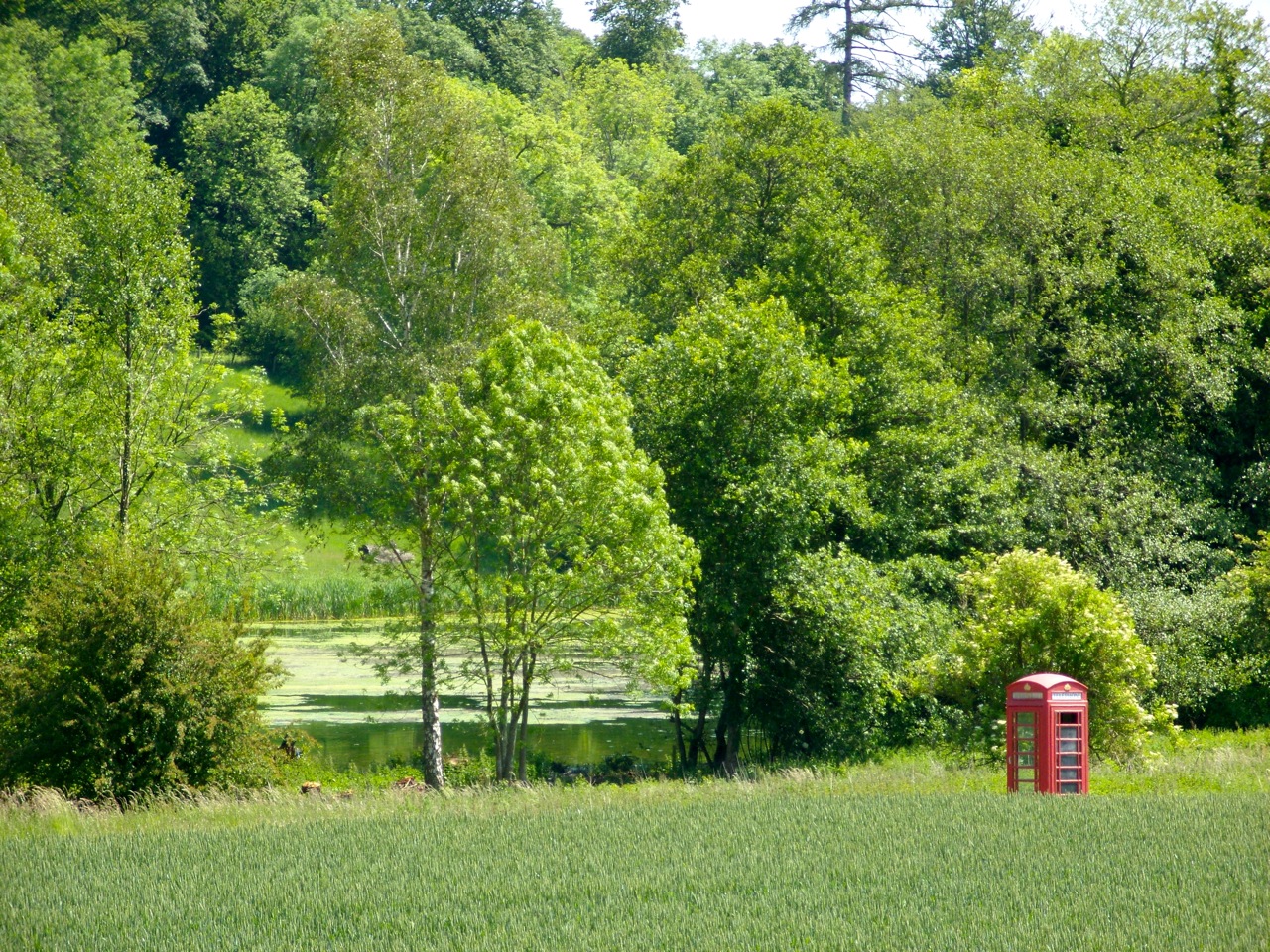
Also featured in Caroline’s book: A Year of Little Things: 100 Simple Ways to Be Happy
Tyler’s freestyle rap
Tyler, a prospective mature student at Brockwood Park, surprised everyone with a quality freestyle rap to end this evening’s informal evening. (Brockwood informal evenings are like an open mic show, with everything from classical to comedy to rock to… rap)
Countryfile Photographic Competition 2011
Here are the rules for this year’s competition. I am entering four from my year in photos.
COUNTRYFILE PHOTOGRAPHIC COMPETITION 2011
The title for the BBC Countryfile Photographic Competition 2011 is “Best In Show”. There are 12 different classes:
Farm Life
Landscapes
Birds
Working Animals
Water Worlds
Country People
Wildlife
Leisure & Pleasure
In All Weathers
Insects & Spiders
Plant Life
The Lighter Side of Country LifeThe photo the judges declare best in each class will appear in the Countryfile Calendar for 2012 sold in aid of Children In Need. The overall winner – as voted for by Countryfile viewers – will be declared “Best in Show”. The judges will also choose their favourite entry.
You can enter up to four photos in total but you must declare which class you want each photo to be judged in. Each photo can only be entered in one class. The closing date for entries is Friday 12th August 2011. The person who takes the winning photo gets to choose from a range of the latest photography equipment to the value of £1,000. The person who takes the photo the judges like best gets to choose equipment to the value of £500. Last year’s calendar raised almost £1.2m for Children In Need. Please read the rules before entering.COUNTRYFILE PHOTOGRAPHIC COMPETITION 2011: RULES
1. The title of the BBC Countryfile Photographic Competition 2011 is “Best In Show”. There are 12 different classes you can enter photos in. They are: Farm Life, Landscapes, Birds, Working Animals, Water Worlds, Country People, Wildlife, Leisure & Pleasure, In All Weathers, Insects & Spiders, Plant life, The Lighter Side of Country Life. The theme of each class is open to individual interpretation but entries must have the countryside or the natural world at their heart. Photos of domestic animals (ie pets), zoo animals and cultivated plants are not eligible. Images of British wildlife in captivity must be declared as such. The BBC’s decision as to the eligibility of individual photographs will be final and no correspondence will be entered into.
2. Photographs entered must be taken in the UK, the Channel Islands or the Isle of Man.
3. Entrants can submit up to four photos in total as prints, in colour or black and white. Entrants must state which class each photo is to be judged in. Each photo can only be entered in one class. Electronic images cannot be accepted.
4. Images may be digitally enhanced to remove spots or scratches, but not manipulated. Entrants can enhance the picture to make it brighter, clearer etc, but not manipulate the content. BBC Countryfile and the judges reserve the right to exclude any image they believe may have been excessively treated so as to alter its authenticity.
5. The competition is open to UK residents only (including residents of the Channel Islands and Isle of Man). Employees of BBC Worldwide or the BBC, as well as their immediate families are not eligible to enter. Entrants under the age of 12 years need to have parent or guardian consent to enter.
6. Entrants must not be professional photographers and, for the purposes of this competition, a professional photographer will be considered to be someone who makes more than half their annual income from the sale of their photographs.
7. Entrants must mark each photo with their name, address, contact telephone number (both daytime and evening) and which class it is being entered for.
8. The BBC will only ever use personal details for the purposes of administering the scheme. Please see the BBC’s Privacy Policy: http://www.bbc.co.uk/privacy
9. Entries should be sent to: Countryfile Photographic Competition 2011, BBC, The Mailbox, Birmingham, B1 1RF.
10 The competition closes at midnight on Friday 12th August 2011. Entries received after this date will not be considered.
The BBC cannot accept any responsibility for any problem with the postal service which may result in any entry being lost or delayed. Proof of sending is not proof of receipt.
Entries will not be returned so please remember to keep a copy. Unsuccessful entrants will not be contacted and no feedback on any entry will be provided.
11. All photographs will be judged on the following criteria:
Composition
Technical ability
Originality
Commercial appeal
12. The photographs will be judged through the following process:
Stage One
A judging panel comprised of previous finalists of the Countryfile photographic competition will review all entries and select a long-list of approximately 3,600 photographs, based on the above criteria. The long- list will comprise a maximum of 300 photographs in each class.
Stage Two
A second panel of judges will then review all the entries on the long-list and select the best photo in each of the 12 classes based on the above criteria. The panel will also select their overall favourite.
Each of the shortlisted entrants will be contacted by a member of the BBC production team within a week of judging which is scheduled for Wednesday 17th August 2011.
If after reasonable attempts a shortlisted entrant cannot be contacted, the BBC reserves the right to offer the place on the shortlist to the next best entry.
Stage Three – The Public Vote
All 12 finalists (“Best In Class”) will be featured on the ‘Countryfile’ programme on BBC1 and the audience will be asked to vote for their favourite. The winner will be the entry which receives the most votes in a telephone vote. It will be declared “Best In Show” and is the overall winner of the competition.
13. The prize will consist of £1,000 worth of photography vouchers from an outlet selected by the winner. The entry selected as the overall favourite by the judges will also receive £500 worth of photography vouchers from an outlet selected by the entrant. The prizes are as stated and cannot be deferred or transferred. There will be no cash alternatives.
14 The finalists (together with a further fourteen photographs to be selected from the entrants by the judges and/or the BBC) shall appear in the Countryfile Calendar 2012, to be sold in aid of the BBC Children in Need Appeal and the Finalists may also be published in the BBC Countryfile Magazine.
15. In the event of a technical problem or evidence of impropriety with regard to the viewers’ vote, the judges shall have the final decision. If the viewers’ vote results in a tie, the judges shall have the casting vote. The judges’ decisions will be final and no correspondence can be entered into.
16. All entries must be the original work of the entrant and must not infringe the rights of any other party. The entrants must be the sole owner of copyright in all photographs entered and must have obtained permission of any people featured in the entries or their parents/guardians if children under 16 are featured. Further, entrants must not have breached any laws when taking their photographs.
17. Prior to submission, entrants must not have offered any of their entries for sale, been paid for any publication of any of their entries or won or been a runner up in any other photographic competition with any of their entries.
18. Entrants will retain copyright in the photographs that they submit to the BBC. By entering the competition all entrants grant to the BBC the right to publish and exhibit their photographs on television and on the BBC’s website. Entrants whose photographs are one of the finalists or selected
to appear in the Countryfile Calendar 2012 pursuant to paragraph 11 above grant to the BBC (including BBC Worldwide and other publishers authorised by the BBC) the further rights to publish and exhibit their photographs in print, on their respective websites or in any other media. No fees will be payable for any of the above uses. Entrants whose photographs are one of the finalists also agree to take part in post- competition publicity. While we make every effort to credit photographers, including in printed reproductions of their work, we cannot guarantee that every broadcast use of the photographs will include the photographers’ names.
19. By entering, entrants will be deemed to have agreed to be bound by these rules and the BBC reserves the right to exclude any entry from the competition at any time and in its absolute discretion if the BBC has reason to believe that an entrant has breached these rules.
20. The BBC reserves the right to cancel this competition or alter any of the rules at any stage, if deemed necessary in its opinion, and if circumstances arise outside of its control.
21. If the winner is unable to be contacted after reasonable attempts have been made; the BBC reserves the right to either offer the prize to a runner up, or to re-offer the prize in any future competition.
22. These rules are governed by the laws of England and Wales. This competition is administered by the BBC.
23. The BBC’s code of conduct for competitions applies to this competition. You can read more about it here: http://www.bbc.co.uk/guidelines/editorialguidelines/advice/interactivity/co de
Please take your photos responsibly. Here’s some information that should help:
http://www.naturalengland.org.uk/ourwork/regulation/wildlife/licences/appexamp les.aspx (see photography section)
http://www.naturalengland.org.uk/ourwork/enjoying/countrysidecode/default.asp x
http://www.rpsnaturegroup.com (see code of practice)
Good luck!
Pollution and Overfishing Spell Trouble for Dolphins Worldwide
The International Union for the Conservation of Nature’s Red List of at-risk wildlife species considers 36 of the world’s 40 dolphin species to be in trouble
Dolphins are probably the most iconic and best loved species of the marine world. Their playful nature and high intelligence have endeared them to people for eons. But our love of dolphins might not be enough to save them from extinction brought on by overfishing, pollution, climate change and other environmental affronts perpetrated by humans.
The nonprofit International Union for the Conservation of Nature (IUCN), which maintains a worldwide “Red List” of at-risk wildlife species, considers 36 of the world’s 40 different dolphin species to be in trouble. Yes, specific events can cause problems for dolphins—researchers believe that the deaths of 300 dolphins in the Gulf of Mexico over the last year can be blamed on the BP oil spill there. But more widespread and constant forms of pollution—such as run-off of agricultural and industrial chemicals into rivers that drain into coastal areas of the ocean where dolphins spend much of their time—are having a more lasting negative effect on dolphins by poisoning them and causing reproductive problems.
Also, dolphins have long been the unwitting victims of fishermen targeting large prey, such as tuna. According to Defenders of Wildlife, fishermen started to notice a half century ago that schools of yellow fin tuna seemed to follow dolphins that swim higher in the water column, especially in the Eastern Tropical Pacific. “Fishermen there have consequently found that setting nets on dolphins to catch the tuna swimming underneath is a lucrative technique for tuna fishing, despite the fact that the practice is extremely injurious to dolphins,” reports the group, adding that some seven million dolphins have since been killed as a result of the practice.
Also, our unrelenting demand for seafood—which has caused rampant overfishing throughout the world’s oceans—means that dolphins, which feed on smaller fish such as mackerel, cod and herring as well as squid, are having a harder and harder time finding food. And in Turkey, Peru, Sri Lanka, Japan and elsewhere, dolphins are hunted as a delicacy and also to decrease competition for fish resources.
via Flipped Off: Pollution and Overfishing Spell Trouble for Dolphins Worldwide: Scientific American.
Fukushima nuclear plant is leaking like a sieve
As more details leak out about the stricken Fukushima Daiichi nuclear power plant, it’s become clear that something else is leaking—radioactive water from the cores of three damaged reactors.
Leaks have been a persistent problem at the plant since it was struck by an earthquake and tsunami on 11 March. Three reactors operating at the time of the quake went into meltdown after the tsunami wiped out emergency generators designed to circulate water through the cores. TEPCO recently admitted that all three units probably suffered complete meltdowns before workers could flood them with seawater.
Since then, reactor operators have kept water flowing to the cores and several fuel storage pools above the reactors. That same water appears to be flowing out into the basements of buildings and eventually the Pacific Ocean, where environmentalists and scientists have raised concerns about possible contamination.
The Tokyo Electric Power Company (TEPCO), which runs the plant, hoped to rectify the problem by pumping water into storage tanks until it can be reprocessed, but today Reuters reports that the storage tanks appear to be leaking.
And that’s just the start of the bad news because the reactors themselves appear to be leaking as well. TEPCO initially hoped that the leaks were largely coming from pipes that could be repaired, but they now concede that both the reactors’ pressure vessels and primary containment vessels, which are designed to contain an accident, are probably leaking water.
via Nature News Blog: Fukushima nuclear plant is leaking like a sieve.
LSD + Playing War = Impossible
“After one hour and ten minutes, with one man climbing a tree to feed the birds, the troop commander gave up, admitting that he could no longer control himself or his men. He himself then relapsed into laughter.”
The Kubota is Dead

Last night it was allegedly nicked from the gamekeeper’s cottage, driven to the bottom of the field and burnt.
Internet Traffic
In North America, Netflix is now 29.7% of peak downstream traffic and has become the largest source of Internet traffic overall. Currently, Real-Time Entertainment applications consume 49.2% of peak aggregate traffic, up from 29.5% in 2009 – a 60% increase [see figure 3]. Sandvine forecasts that the Real-Time Entertainment category will represent 55-60% of peak aggregate traffic by the end of 2011.
In Latin America, Social Networking (overwhelmingly Facebook) is a bigger source of traffic than YouTube, representing almost 14% of network traffic [see figure 4]. Real-Time Entertainment represents 27.5% of peak aggregate traffic, still the largest contributor of traffic in that region [see figure 5].
In Europe, Real-Time Entertainment continues a steady climb, rising to 33.2% of peak aggregate traffic, up from 31.9% last fall [see figure 6]. BitTorrent, a peer-to-peer (P2P) file sharing protocol, is the largest single component of both upstream (59.7%) and downstream (21.6%) Internet traffic during peak periods. In the UK, BBC’s iPlayer is 6.6% of peak downstream traffic, reflecting the demand for localized content in many markets. Overall, individual subscribers in Europe consume twice the amount of data as North Americans.
via Sandvine : Sandvine’s Spring 2011 Global Internet Phenomena Report Reveals New Internet Trends.
First week of meditation
For the last week, since the retreat in Kent, I’ve been sitting quietly for 20 minutes twice a day. The first session after yoga asana in the mornings and then again early evening, after work on a week day. The effects have been quite strong already. A twice daily exploration of consciousness, with a natural shedding of the irrelevant or unnecessary, without choice of what is relevant and necessary. Many times, from nowhere, an overwhelming bliss. Many times, an incredible build up of energy, either in the head, heart or around the base of the spine. Through the day I seem to have greater capacity for thinking and more clarity in general, with an underlying calmness as I go about my usual activities. It’s not always easy, the rough rides with thought, efforts, desire, feeling every tension, every restriction and tightness. Without feeling these, it’s unlikely they will be understood or released. Just before, I do a few rounds of alternate nostril breathing, a simple, balancing pranayama.
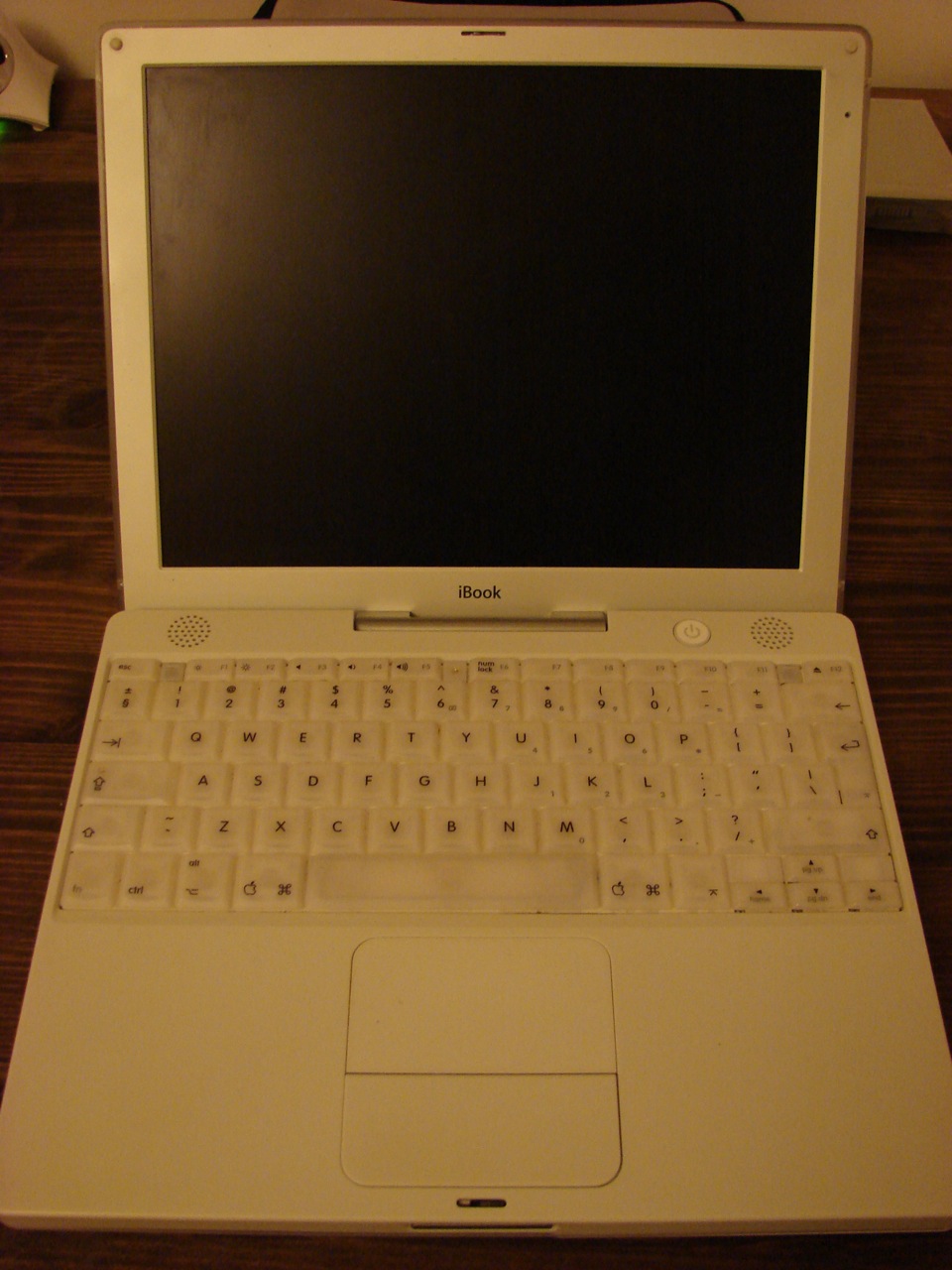
Apple Macs, 2006
I really liked the old 12″ format, iBook and PowerBook. Here’s Caroline’s transition from white to aluminium in 2006:

More radioactive water leaks into sea near stricken plant
A major new leak of highly radioactive water into the ocean near the Fukushima No. 1 nuclear power plant was discovered May 11.
Local authorities and the embassies of the United States and other countries, including neighboring nations, were notified of the latest setback at the stricken plant, which has been out of control since the March 11 Great East Japan Earthquake.
The plant’s operator, Tokyo Electric Power Co., said cesium-134 at levels about 18,000 times above government standards for wastewater discharge into the ocean was detected in the sea near the No. 3 reactor.
Workers discovered highly radioactive water in a pit connected to a trench of the No. 3 reactor around 10:30 a.m. May 11.
The water leaked into the sea through cracks on the side of the pit facing the ocean.
TEPCO stopped the leak at 6:45 p.m. by plugging the crack with concrete.
Checks on seawater outside a silt fence installed by TEPCO last month at an intake of the No. 3 reactor to stop contamination from spreading out to sea found 96 becquerels of iodine-131 per cubic centimeter, 2,400 times above safety standards, according to the utility. The silt fence is a plastic curtain hanging from floats and reaching near the sea bottom.
Inside the pit, the iodine-131 level was 3,400 becquerels per cubic centimeter, 85,000 times the permissible level.
Cesium-134 was measured at 37,000 becquerels per cubic centimeter, 620,000 times the safety limit.
TEPCO said the contaminated water was believed to be from the basement of the turbine building of the No. 3 reactor, where highly radioactive water was discovered earlier.
It is the first major leak of highly contaminated water into the sea since a leak near the No. 2 reactor last month.
via asahi.com(朝日新聞社):More radioactive water leaks into sea near stricken plant – English.
TEPCO drowning in dealing with tons of radioactive water
As if Tokyo Electric Power Co., the embattled operator of the crippled Fukushima No. 1 nuclear power plant, didn’t have enough problems, another daunting task is what to do with an estimated 90,000 tons of radioactive water.
This vast amount remains from the pumping of water to cool reactors after the plant’s regular cooling systems were disabled in the March 11 Great East Japan Earthquake and seawater from the tsunami.
The problem is growing by the day, as the volume of contaminated water keeps increasing.
TEPCO needs to treat and recycle contaminated water escaping from the facilities to maintain the cooling of the reactors without increasing the volume of contaminated water.
It signed a deal with France’s Areva SA, a nuclear engineering company, to start treating the radioactive water in June. But Areva’s equipment is capable of treating only 1,200 tons a day, and it is not clear if it can handle a total of 90,000 tons.
In dealing with this volume of contaminated water, the plant’s No. 2 reactor presents the most serious challenge of its four stricken reactors.
Workers discovered on April 2 that highly radioactive water gushed into the sea through cracks close to a pit near an intake of the No. 2 reactor. Technicians spent a total of 93 hours before successfully plugging the leaks on April 6.
The contaminated water came from buildings housing the No. 2 reactor and turbine as well as a trench.
TEPCO is transferring the contaminated water to a disposal-and-treatment facility in the compound to prevent further overflow.
The total amount of contaminated water at the No. 2 reactor was estimated at 25,000 tons before the transfer work got under way, equivalent to about 400,000 terabecquerels of radioactivity.
via asahi.com(朝日新聞社):TEPCO drowning in dealing with tons of radioactive water – English.
Beautiful Balls
Watch them all. Watch just one
Osama bin Laden’s Nose and Ears
From an article comparing the real bin Laden’s nose and ears with the man shown in the recent videos:
It’s pretty astounding that the CIA would be so cavalier as to release videos that can so easily be proven to feature someone other than the real Osama bin Laden. Then again, perhaps this is indicative of the contempt with which the CIA and US government consider the general US, and to a lesser extent world, public. I think we can safely assume that the US government and all of those behind the phony ‘war on terrorism’ (which is clearly a global war of imperial conquest) and the 9/11 attacks believe that there is little if anything that the public will not accept as long as it comes from official sources. So far, the public has done nothing to suggest that this belief is ill-founded.
In short, and once again, you are being sold a monstrous lie. And you can have no doubt that believing lies always carries consequences for the believers. The seriousness of the consequences depends on the seriousness of the lie. Given that the lie that is the official narrative of the ‘war on terror’ implicates the believers in the murder of 1.5 million Iraqi and Afghan citizens, 3,000US citizens, the torture of thousands of innocent people and the destruction of civil liberties the world over, they may want to reconsider their position.
via Exclusive: Osama bin Laden’s Nose and Left Ear — Puppet Masters — Sott.net.
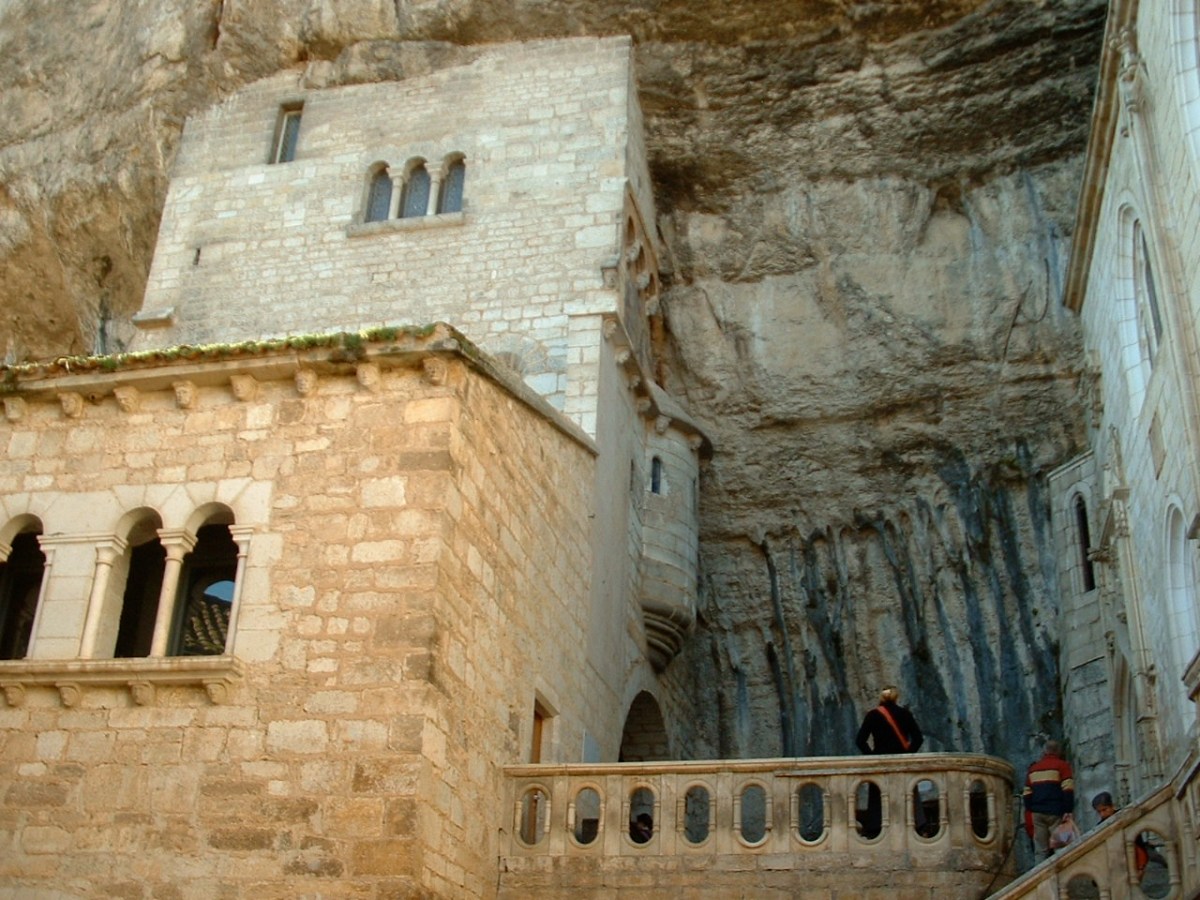
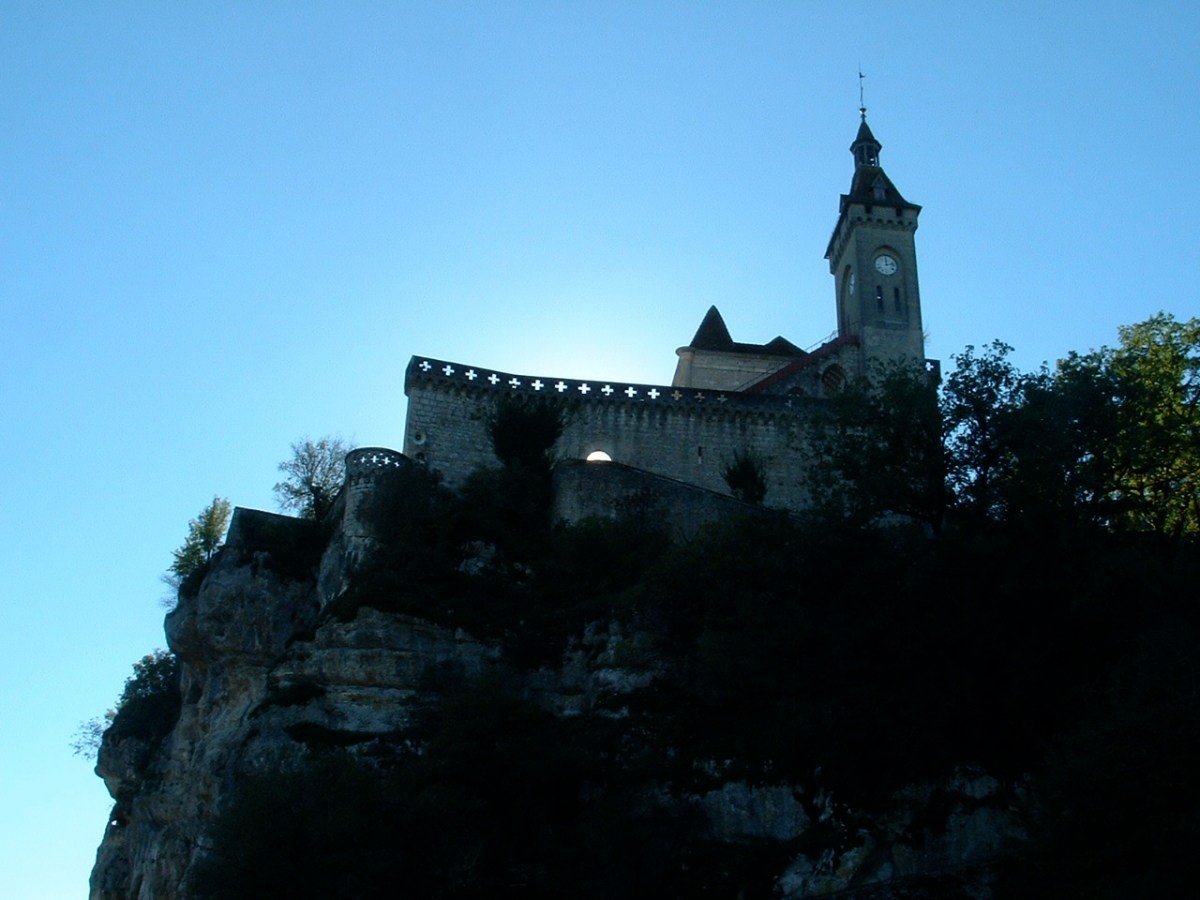
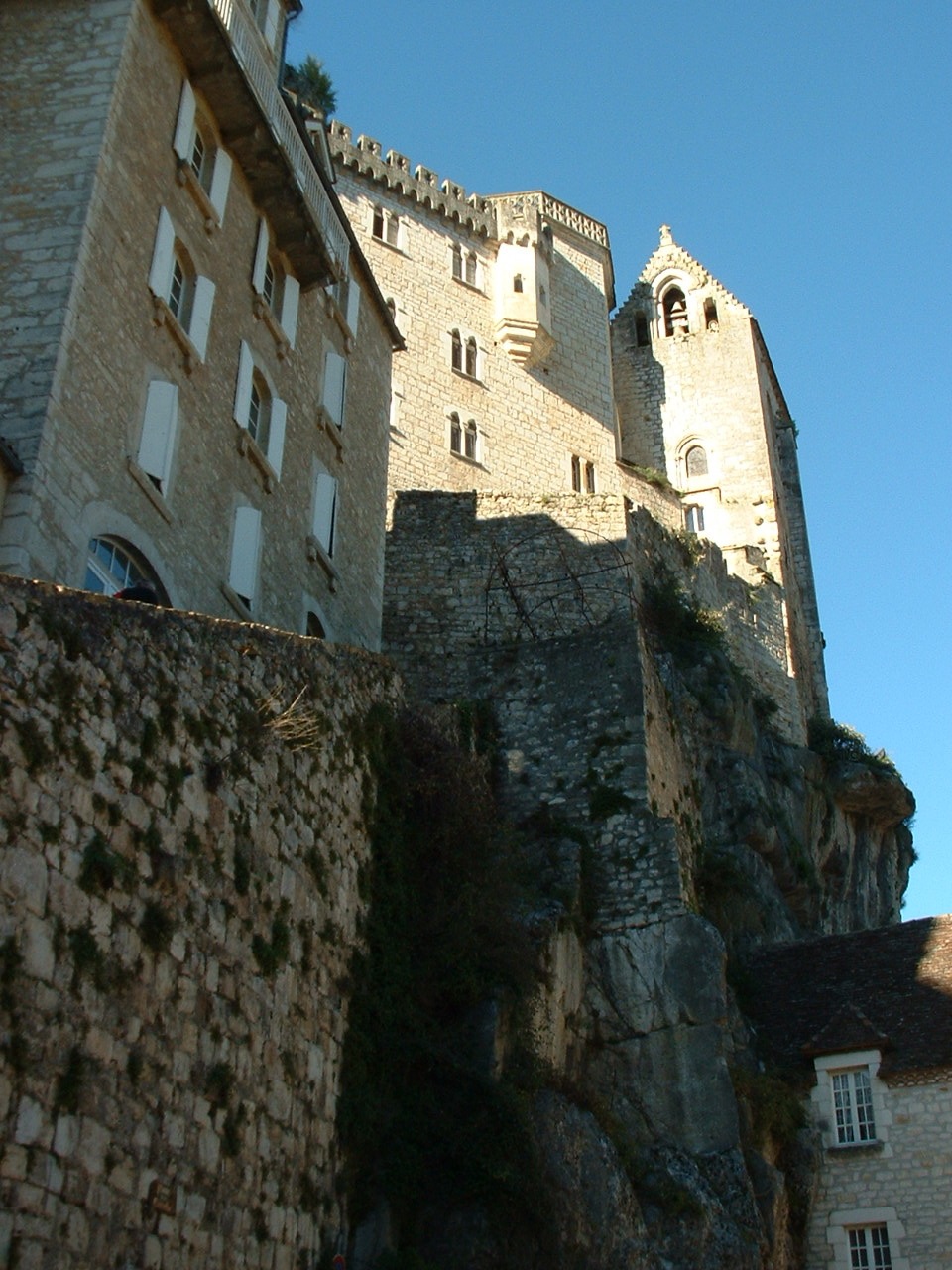
Scrap Book: Rocamadour
November 2006, Caroline and I visited my mother in France. On one excursion we went to the impressive town of Rocamdour, built into the cliff above a river. From the top of the cliff you can descend through the white-stoned town, winding down steps and into courtyards, pretending you are in Lord of the Rings. Hundreds of years ago, pilgrims would ascend to the the churches on their knees.

Meditation/stress/ageing
So how could focusing on your thoughts have such impressive physical effects? The assumption that meditation simply induces a state of relaxation is “dead wrong”, says Raison. Brain-imaging studies suggest that it triggers active processes within the brain, and can cause physical changes to the structure of regions involved in learning, memory, emotion regulation and cognitive processing.
The question of how the immaterial mind affects the material body remains a thorny philosophical problem, but on a practical level, “our understanding of the brain-body dialogue has made jaw-dropping advances in the last decade or two,” says Raison. One of the most dramatic links between the mind and health is the physiological pathways that have evolved to respond to stress, and these can explain much about how meditation works.
When the brain detects a threat in our environment, it sends signals to spur the body into action. One example is the “fight or flight” response of the nervous system. When you sense danger, your heart beats faster, you breathe more rapidly, and your pupils dilate. Digestion slows, and fat and glucose are released into the bloodstream to fuel your next move. Another stress response pathway triggers a branch of the immune system known as the inflammatory response.
These responses might help us to run from a mammoth or fight off infection, but they also damage body tissues. In the past, the trade-off for short bursts of stress would have been worthwhile. But in the modern world, these ancient pathways are continually triggered by long-term threats for which they aren’t any use, such as debt, work pressures or low social status. “Psychological stress activates these pathways in exactly the same way that infection does,” says Raison.
via How Meditation Might Ward Off the Effects of Ageing — Science of the Spirit — Sott.net.
 Falling Awake