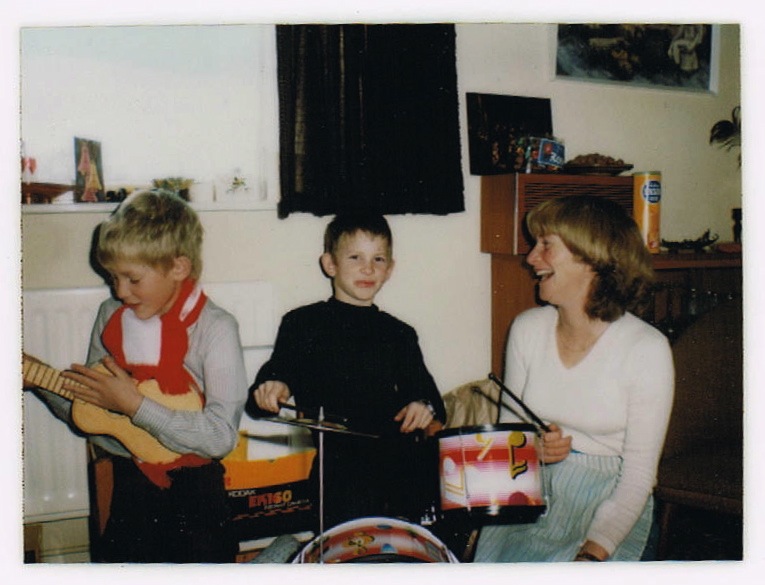
Here we are, Mum, Peter and I at Christmas. I don’t remember this in the slightest, nor our family being musical. Peter’s got his Arsenal scarf, I’m in jazz black and still with chicken pox scars. I probably thought I was in The Police, my favourite band at the time.
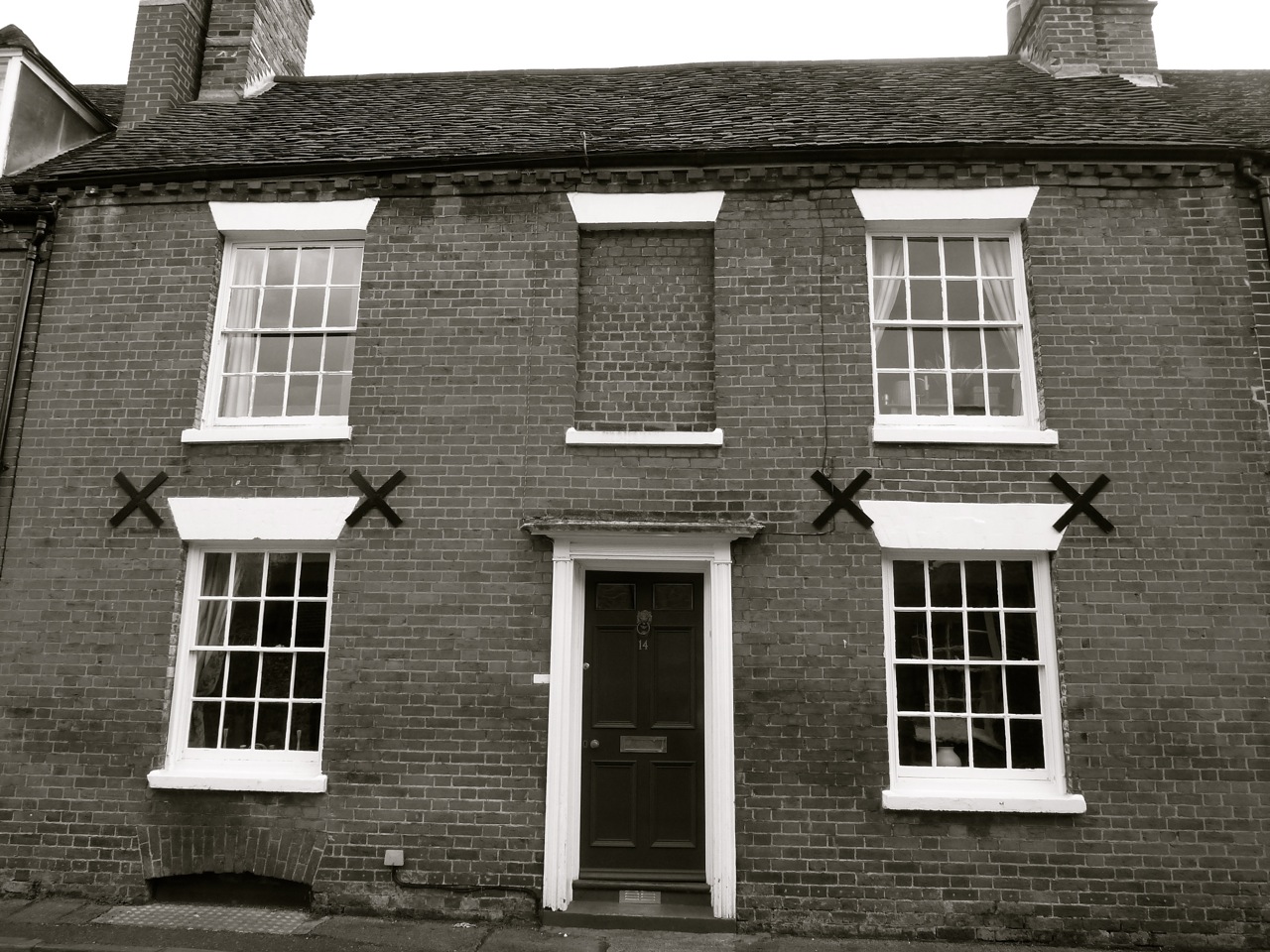
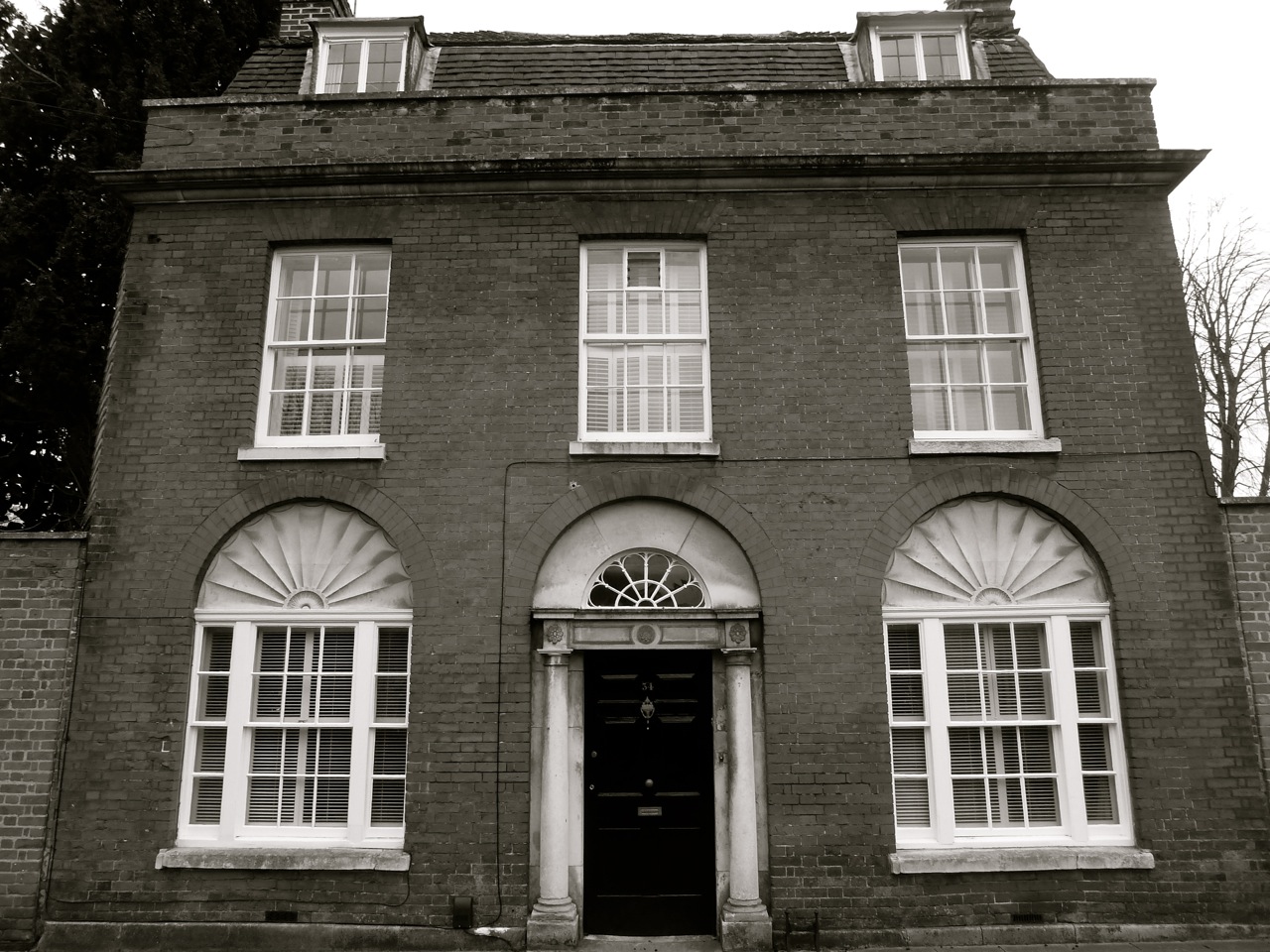
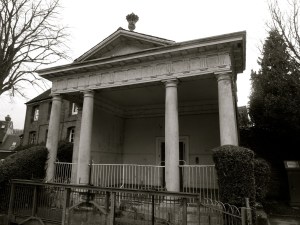
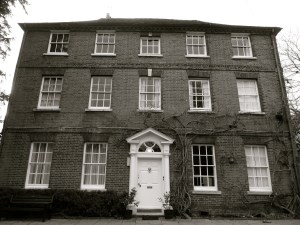
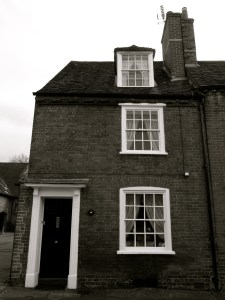
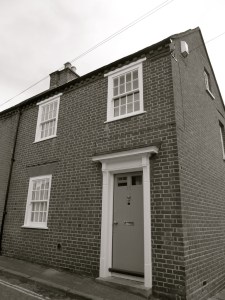
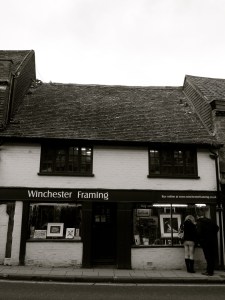
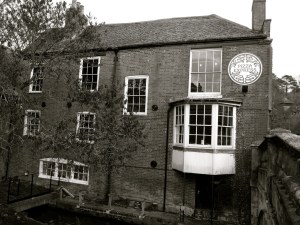
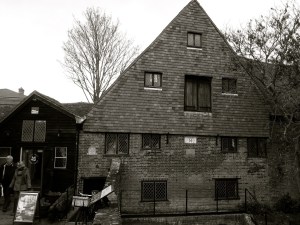
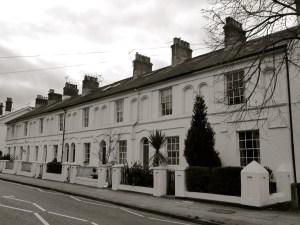
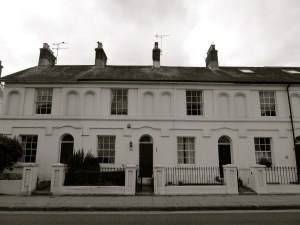
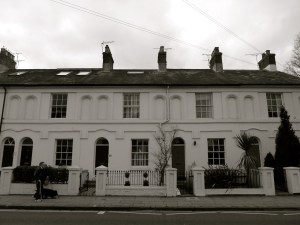
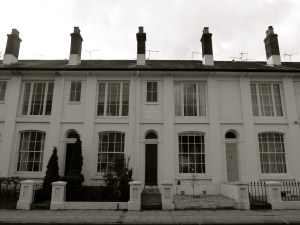
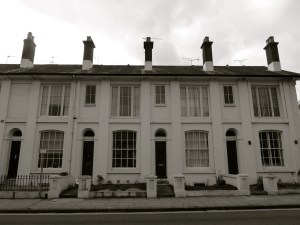
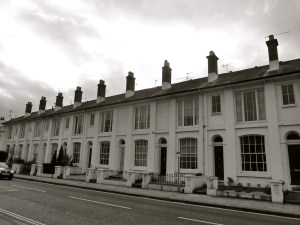
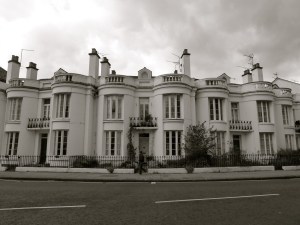
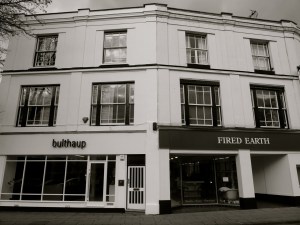
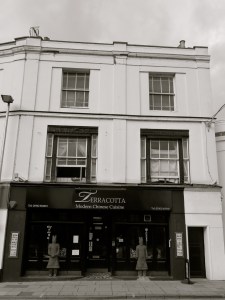
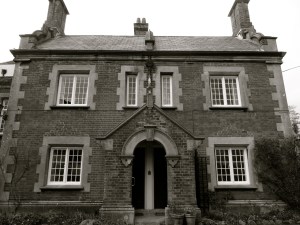
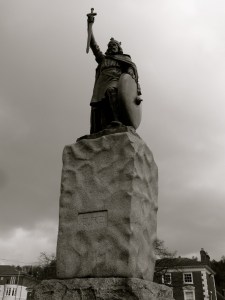
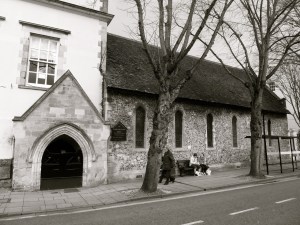
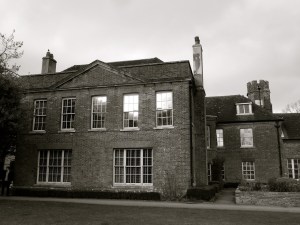
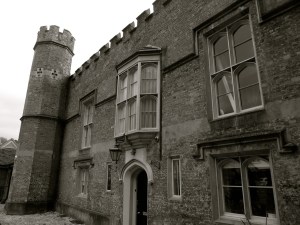
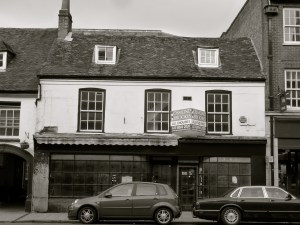
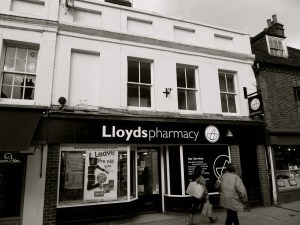
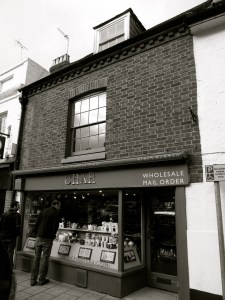
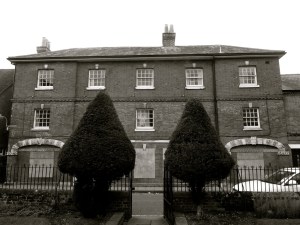
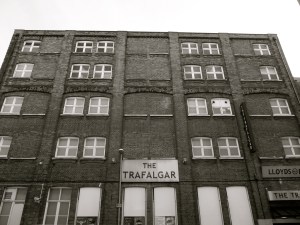
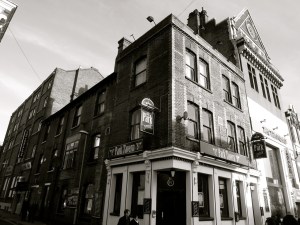
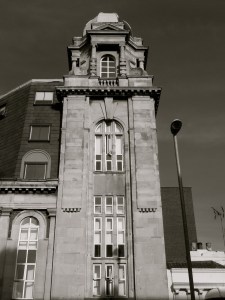
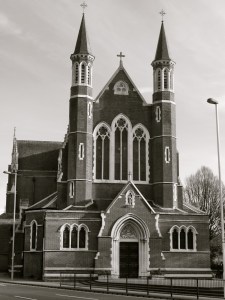
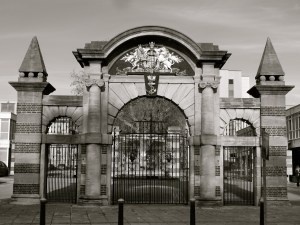
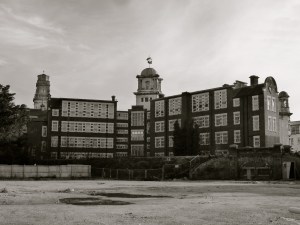
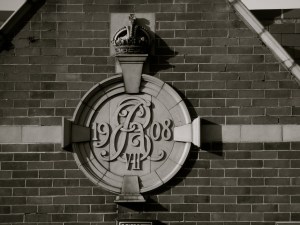
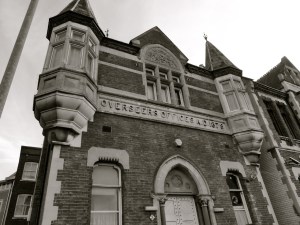
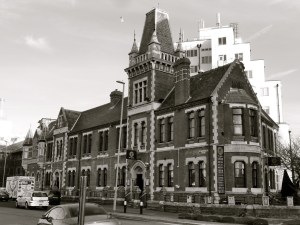
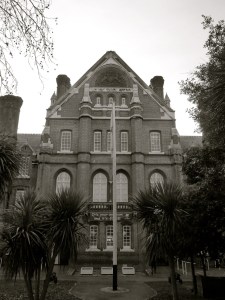
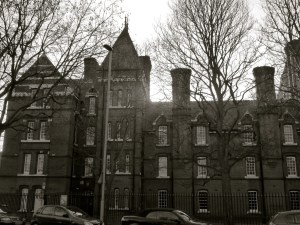
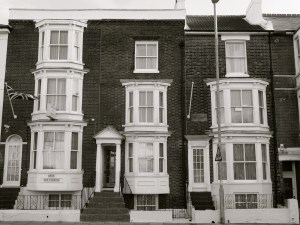
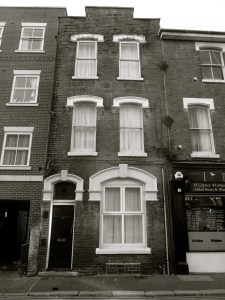
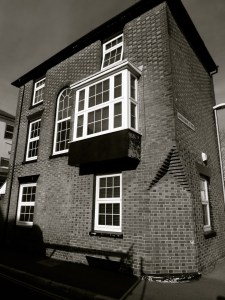
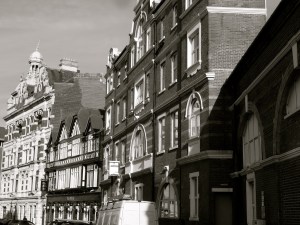
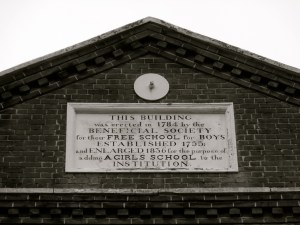
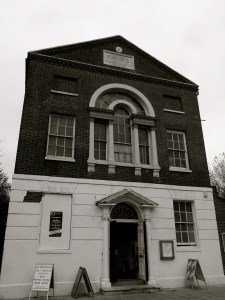
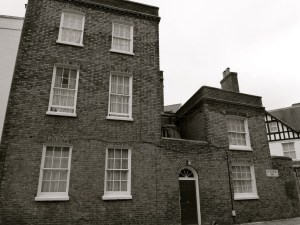
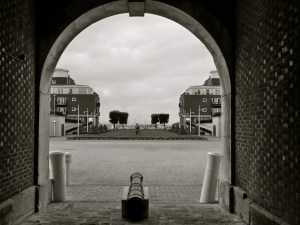
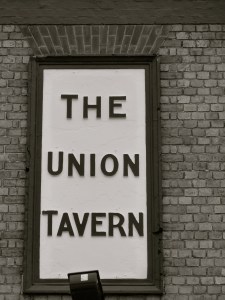
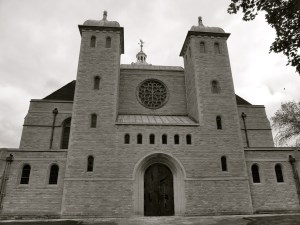
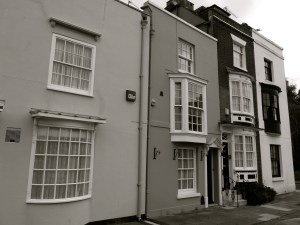
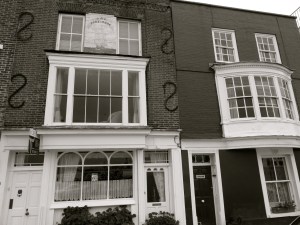
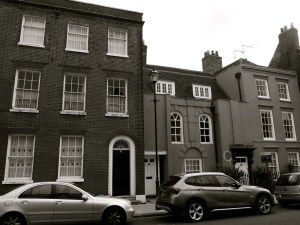
An architectural tour of the Listed Buildings in the Broadway, Eastgate and Colebrook areas of Winchester, in the east of the city. These buildings include The Guildhall, St Johns Chapel, mills, old hospitals, shops and houses, and are mostly from the 18th and 19th Century. I’m not sure how old the statue is. The shops on the north side of Broadway are built upon much older wooden structures. Colebrook St is a quiet, bricky street near the river, with many fine houses surrounding the park. Eastgate street is very busy, with traffic with three impressive terraces. Behind are the almshouses of St Johns, probably the oldest charitable foundation in the UK. In the park is Abbey House, home of the Mayor. My favourite buildings today are No 34 and No 14 Colebrook St, and the unusual curved bays at the beginning of Eastgate St.
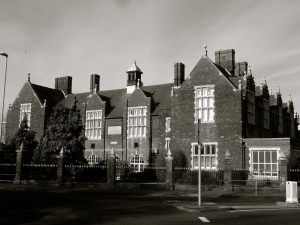
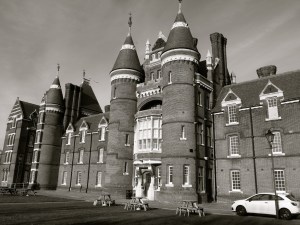
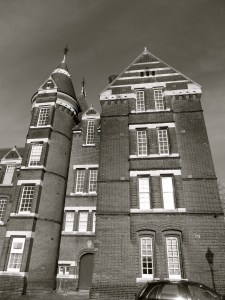
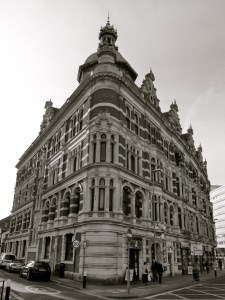
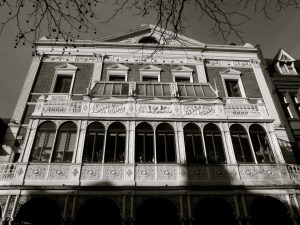
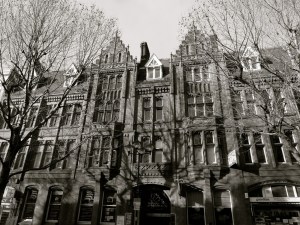
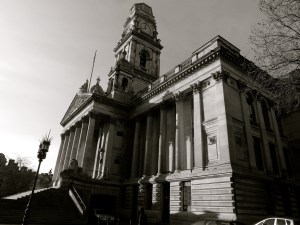
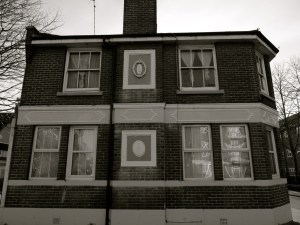
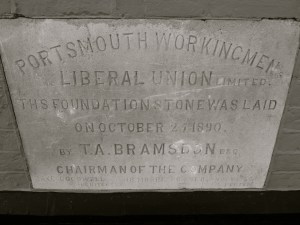
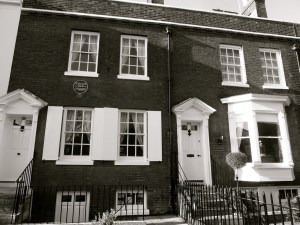
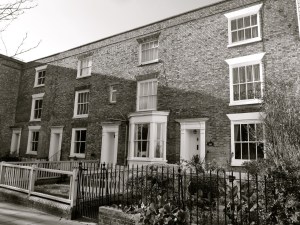
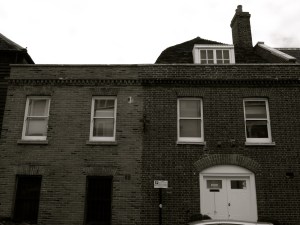
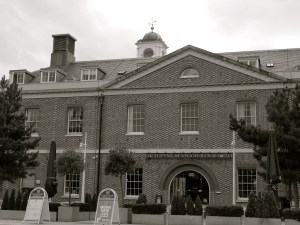
Today I walked around the Landport area of Portsmouth, seeking out those buildings not destroyed in WWII. Landport was a development outside of the original city’s defences and dockyard. Being near to the naval base, it was heavily bombed in the 1940s meaning large areas were cleared of the existing buildings. After the war and into the 1950’s, more buildings were raised in slum clearance ahead of new housing projects in Landport and to the north of the city. The walk took a couple of hours, from Old Commercial Road to the north (with the home place of Charles Dickens) down to the city centre and the terraces east of the University, then past the museum and up the west side of the centre. Here are the photos I took of the architecture, the most unusual being the museum in French Château style.
I didn’t use this beforehand or while walking, but here is a Google map of the listed buildings of Portsmouth.
Here we are, Martin and I in Combe Martin north Devon on one of many family camping trips. This is a beautiful stretch of coast, from Ilfracombe along the north of Exmoor. This camp site had an amazing view but back then we were more interested in the rope swing in the woods, even fighting with other camping kids over it. Luckily big Philip Coward was with us to sort it out. I’m rocking the skinny 80s jeans and a Fred Perry, Martin’s rocking the biggest smile.
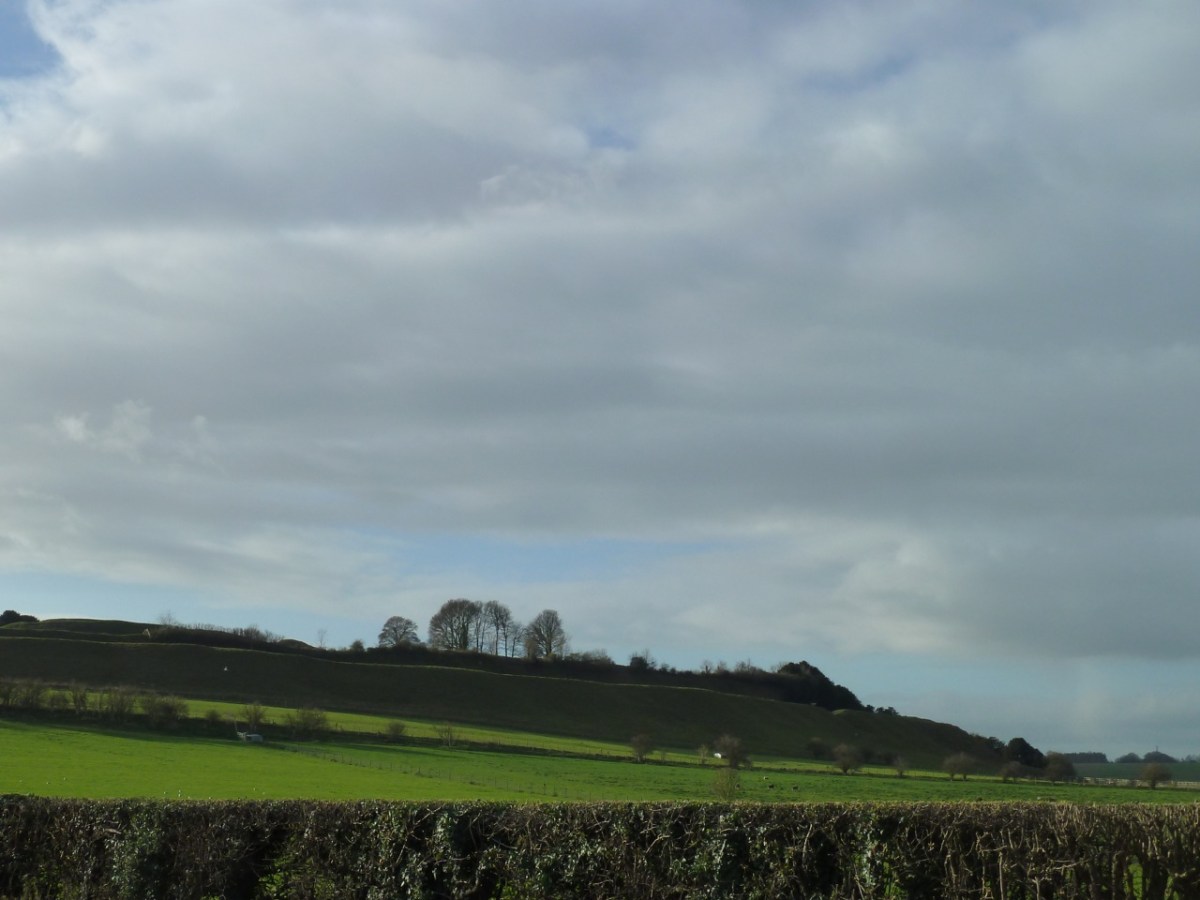
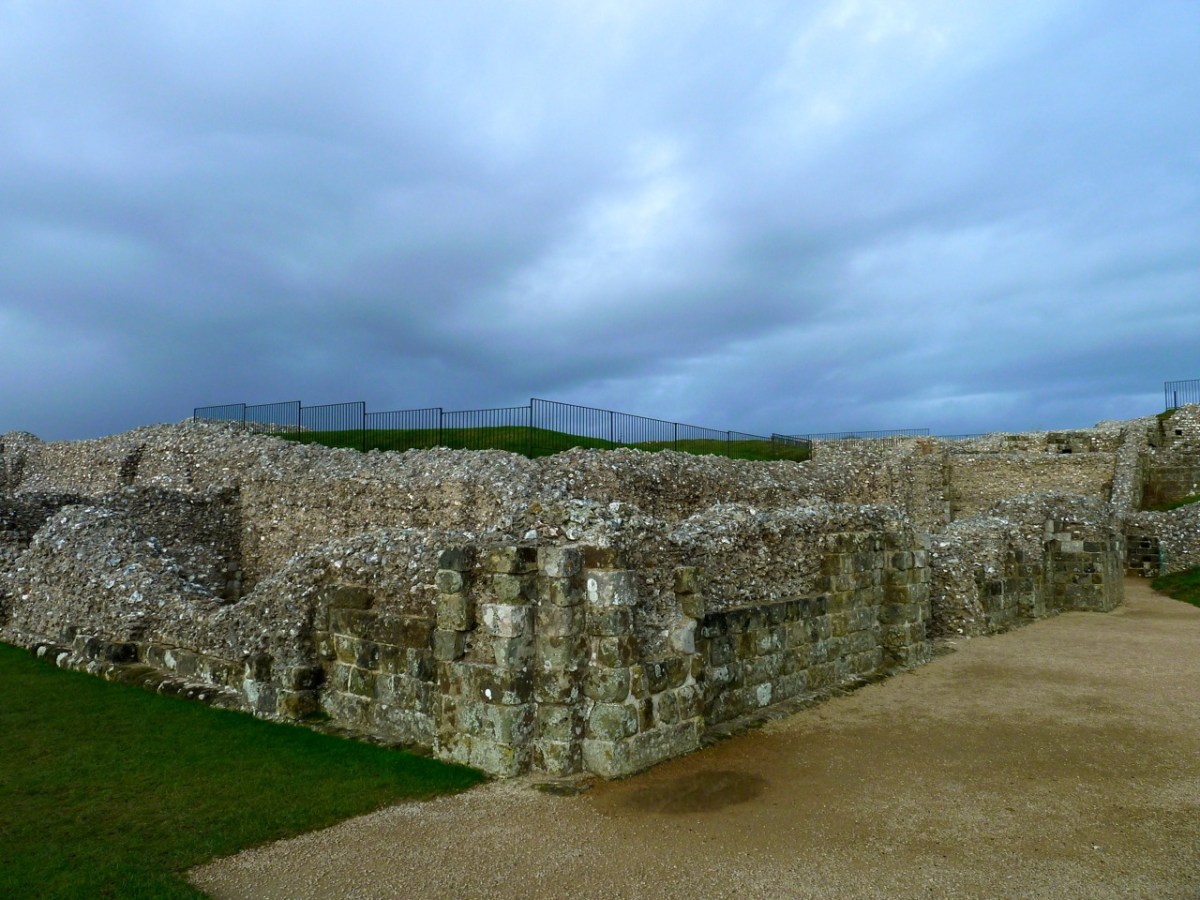
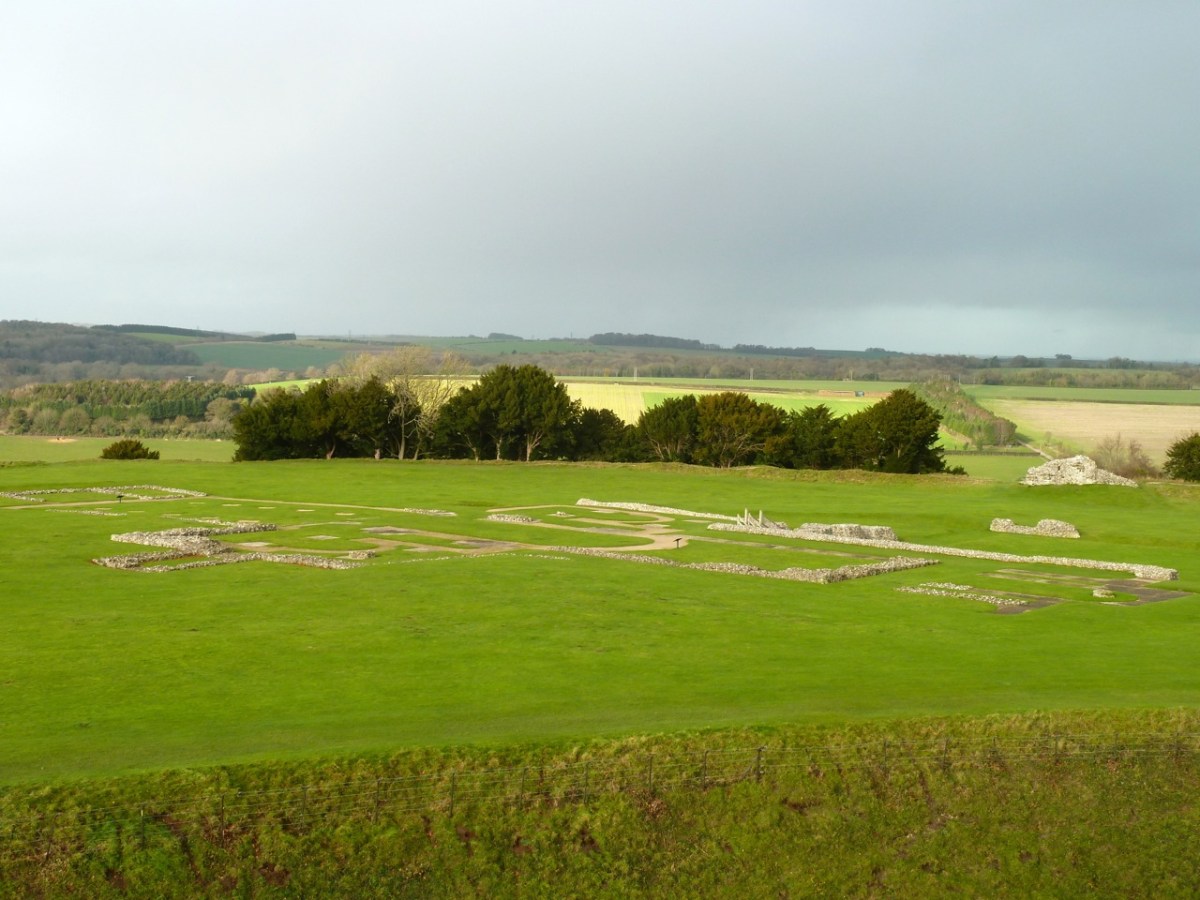
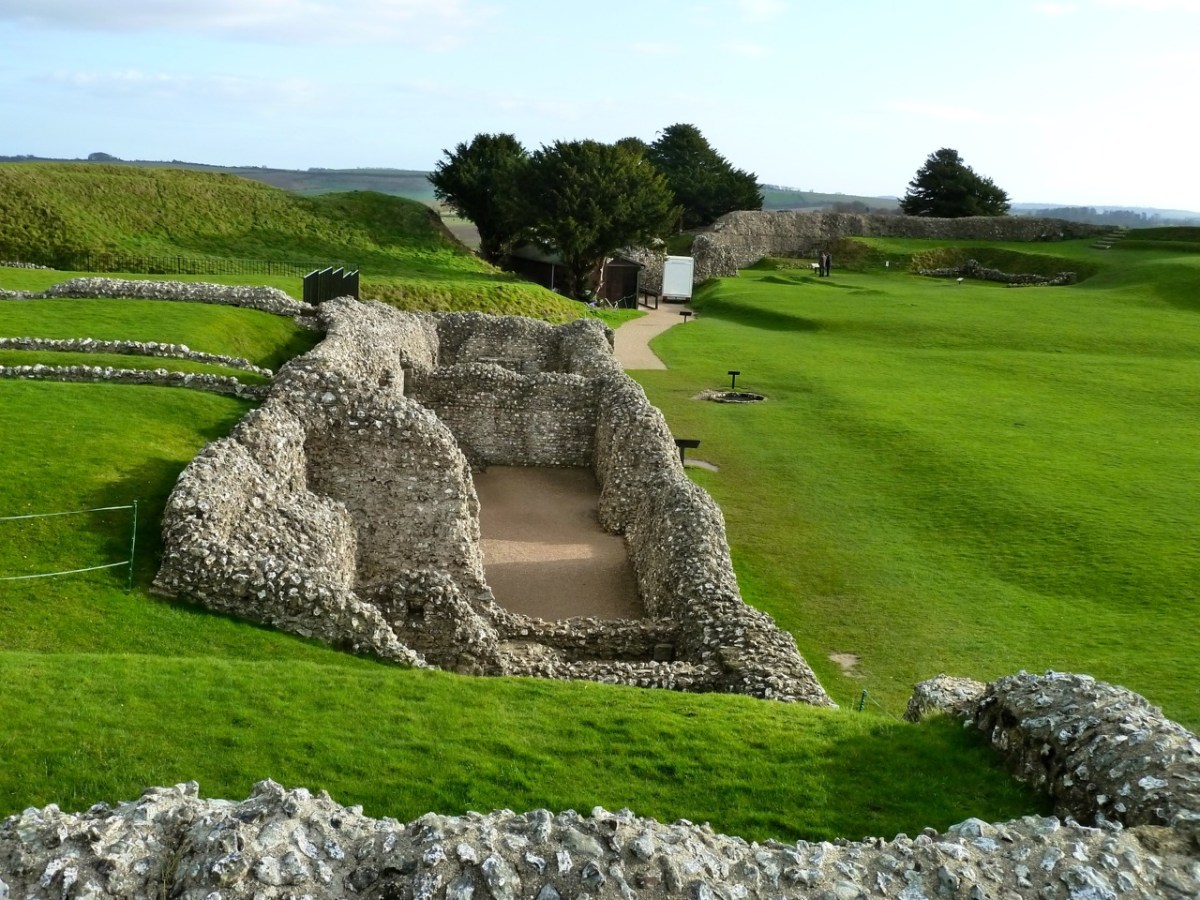
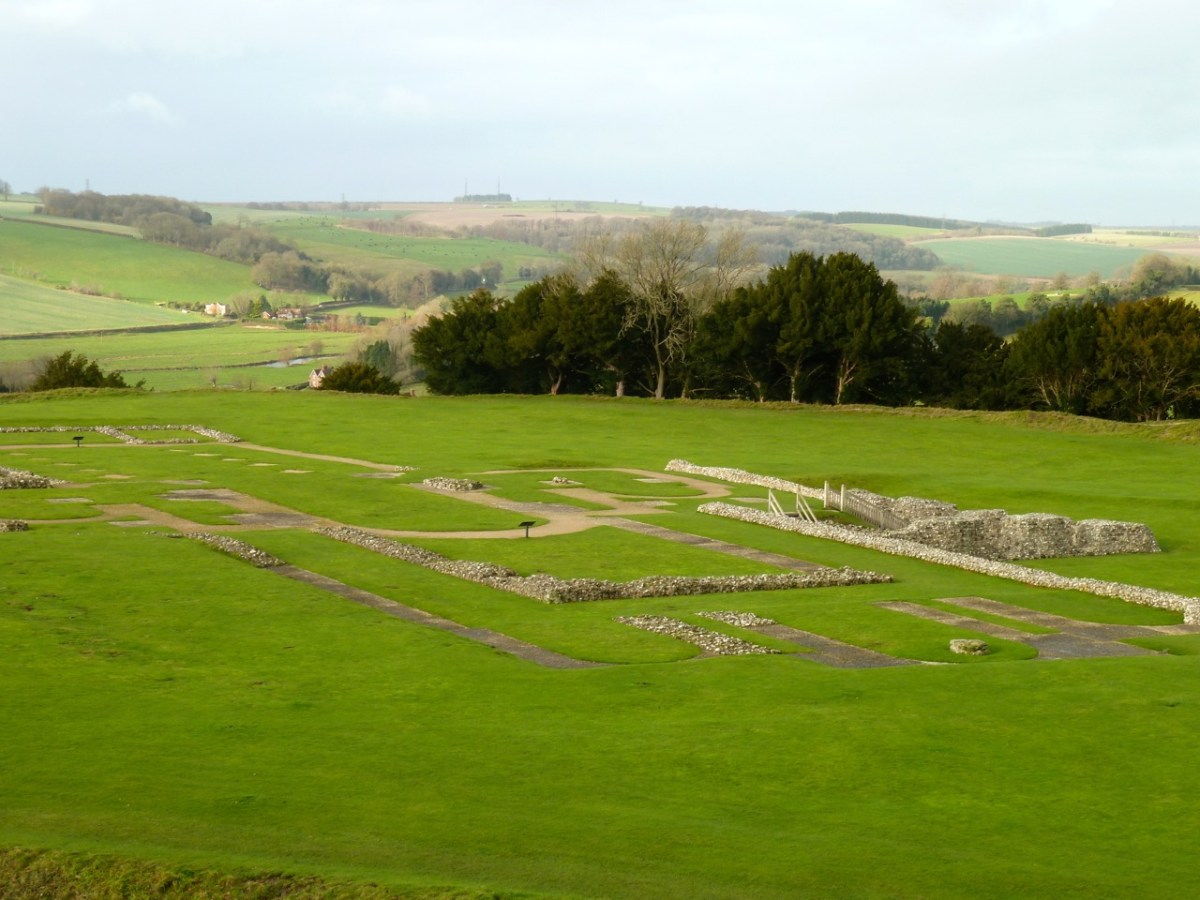
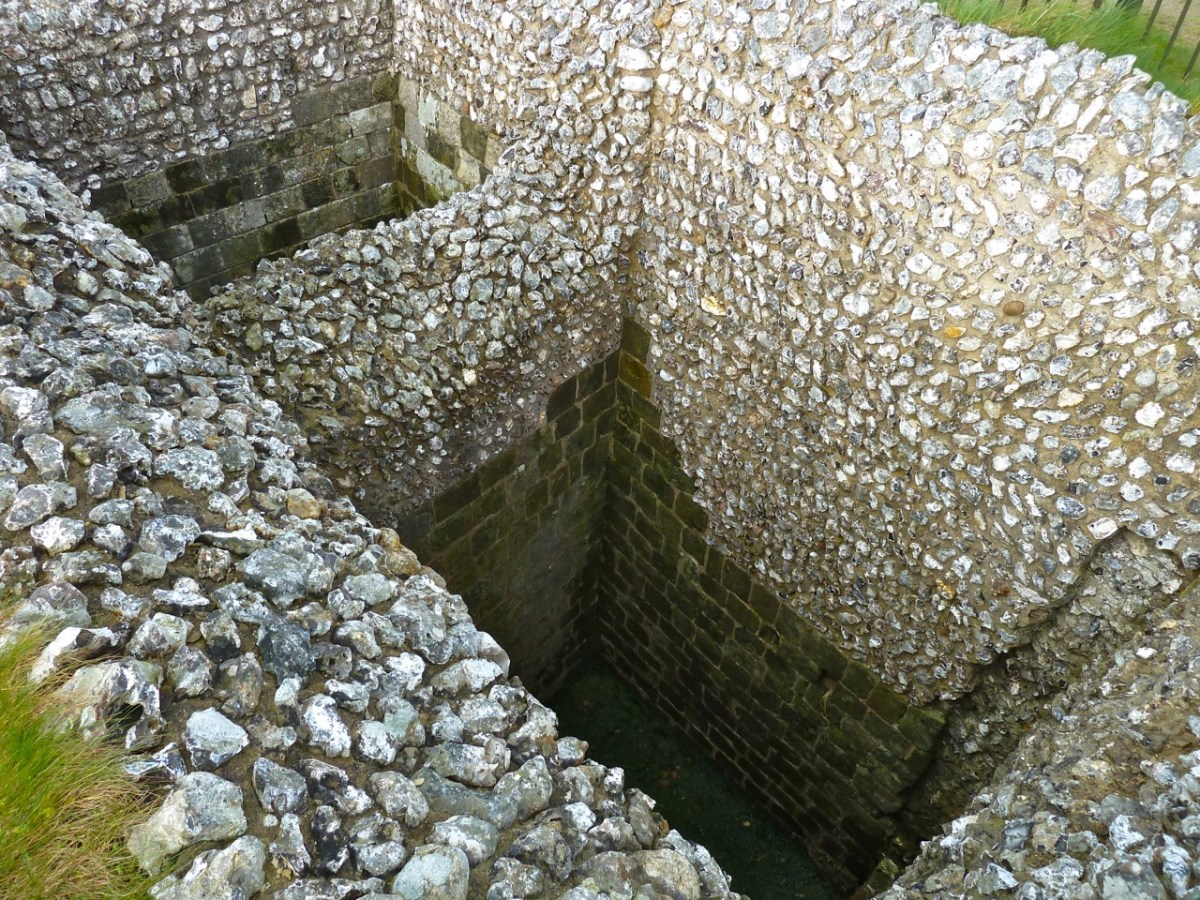
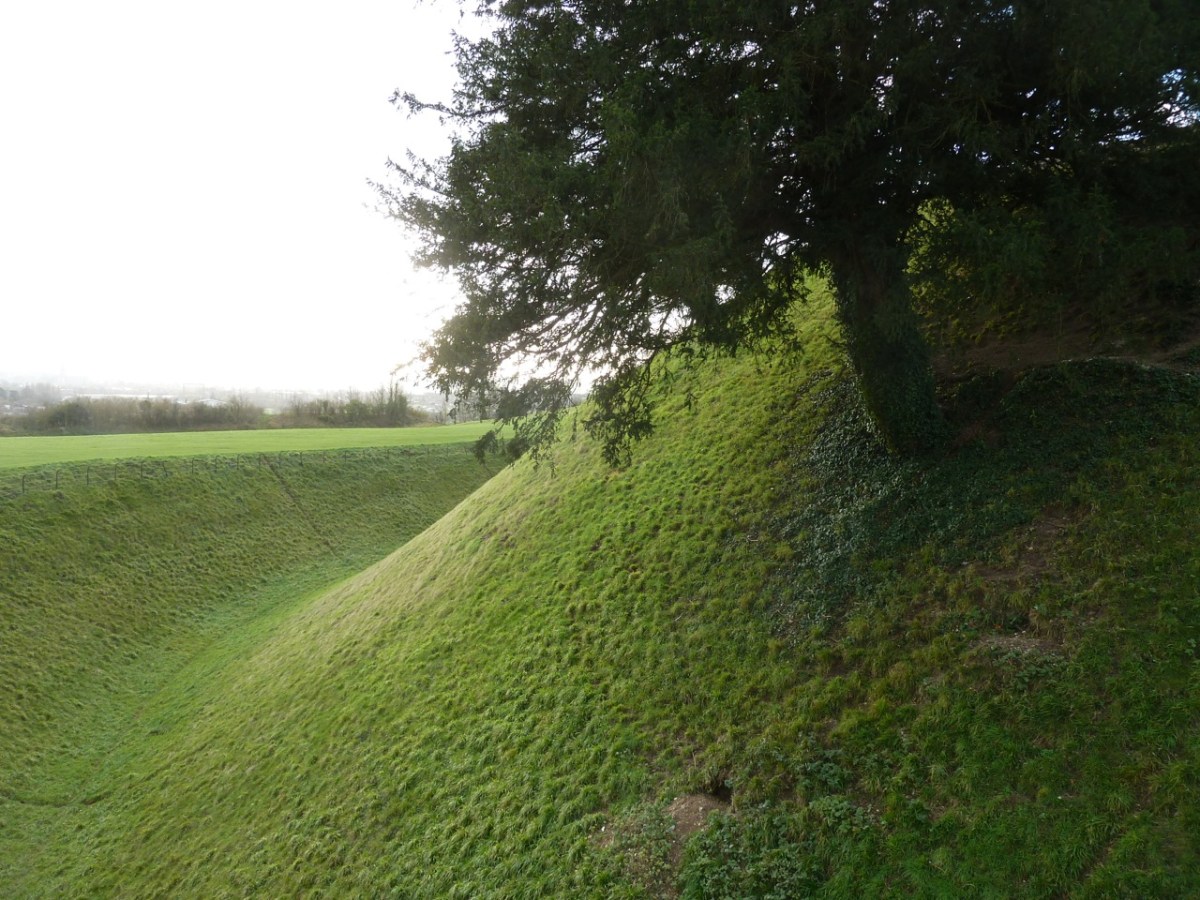
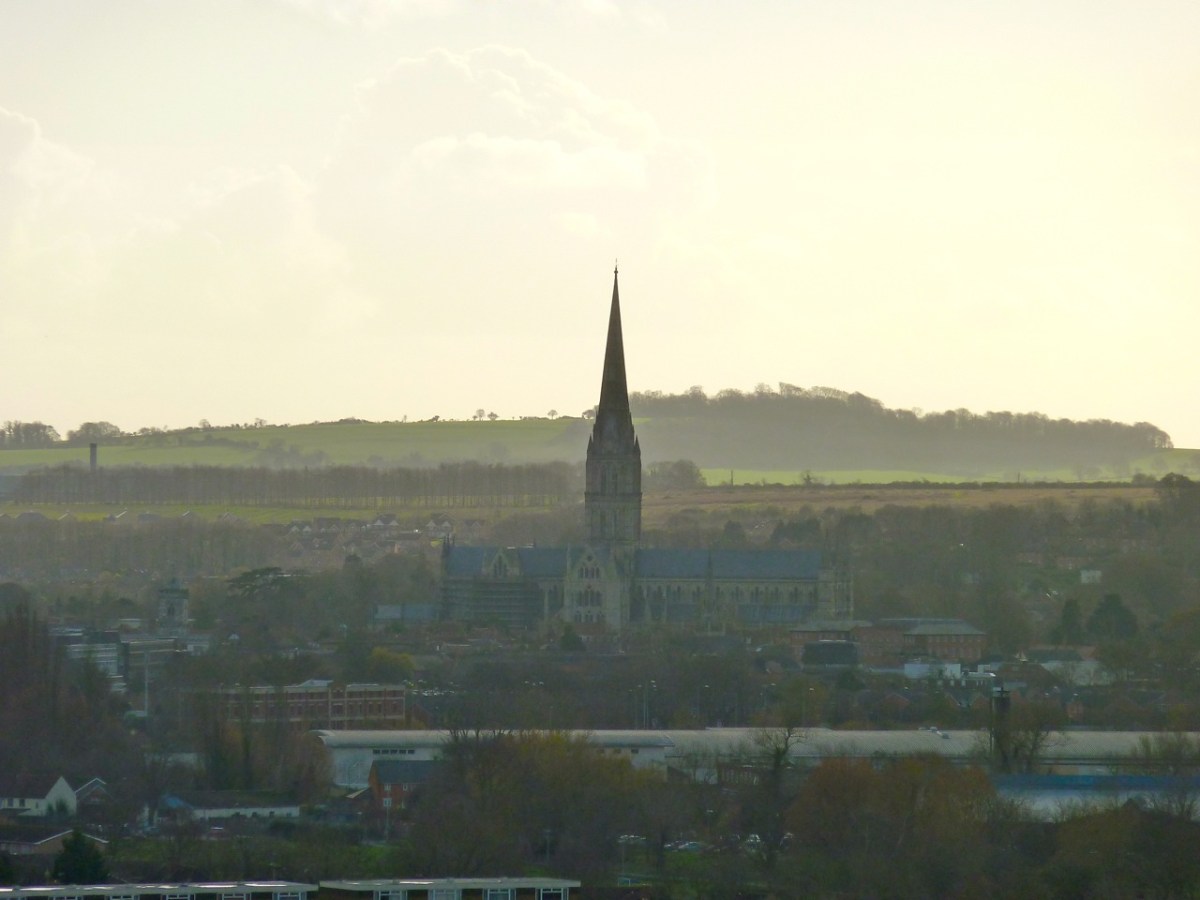
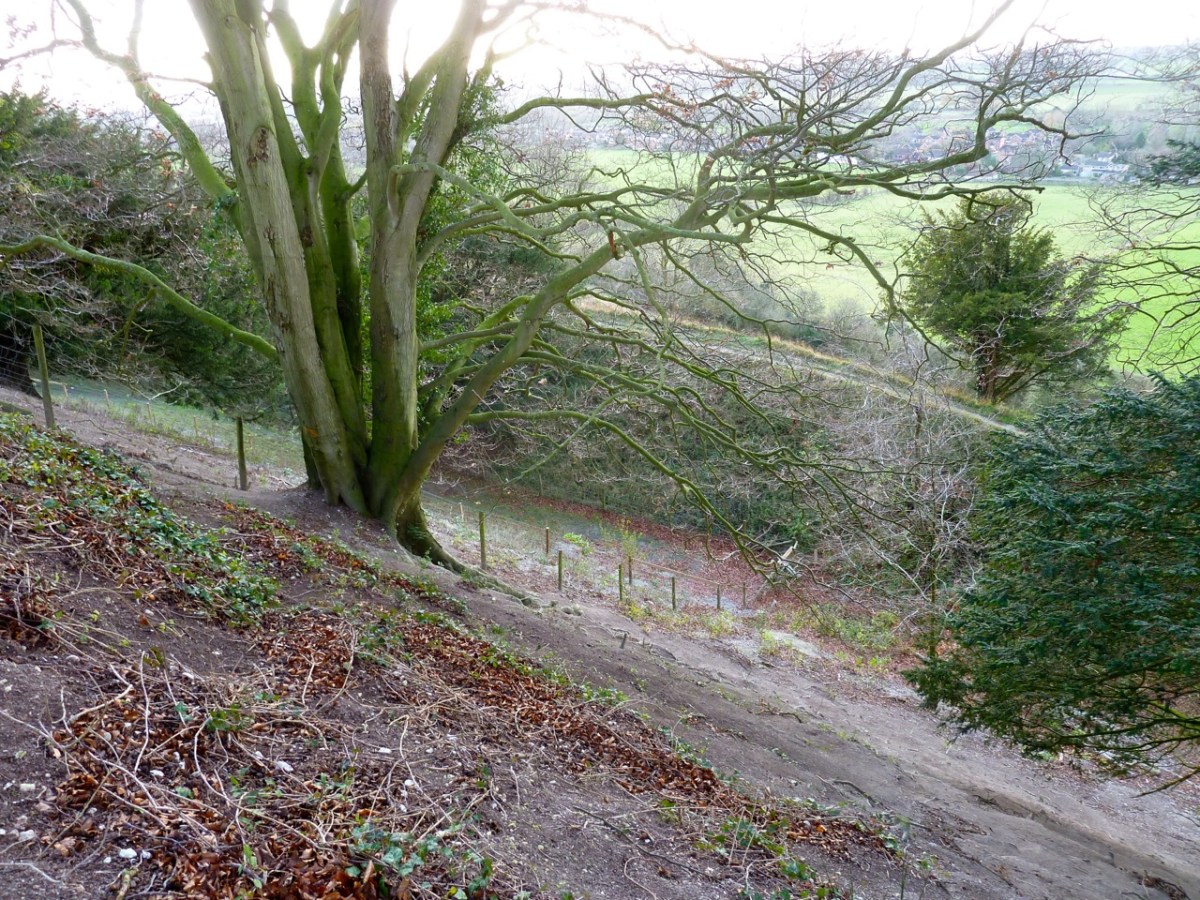
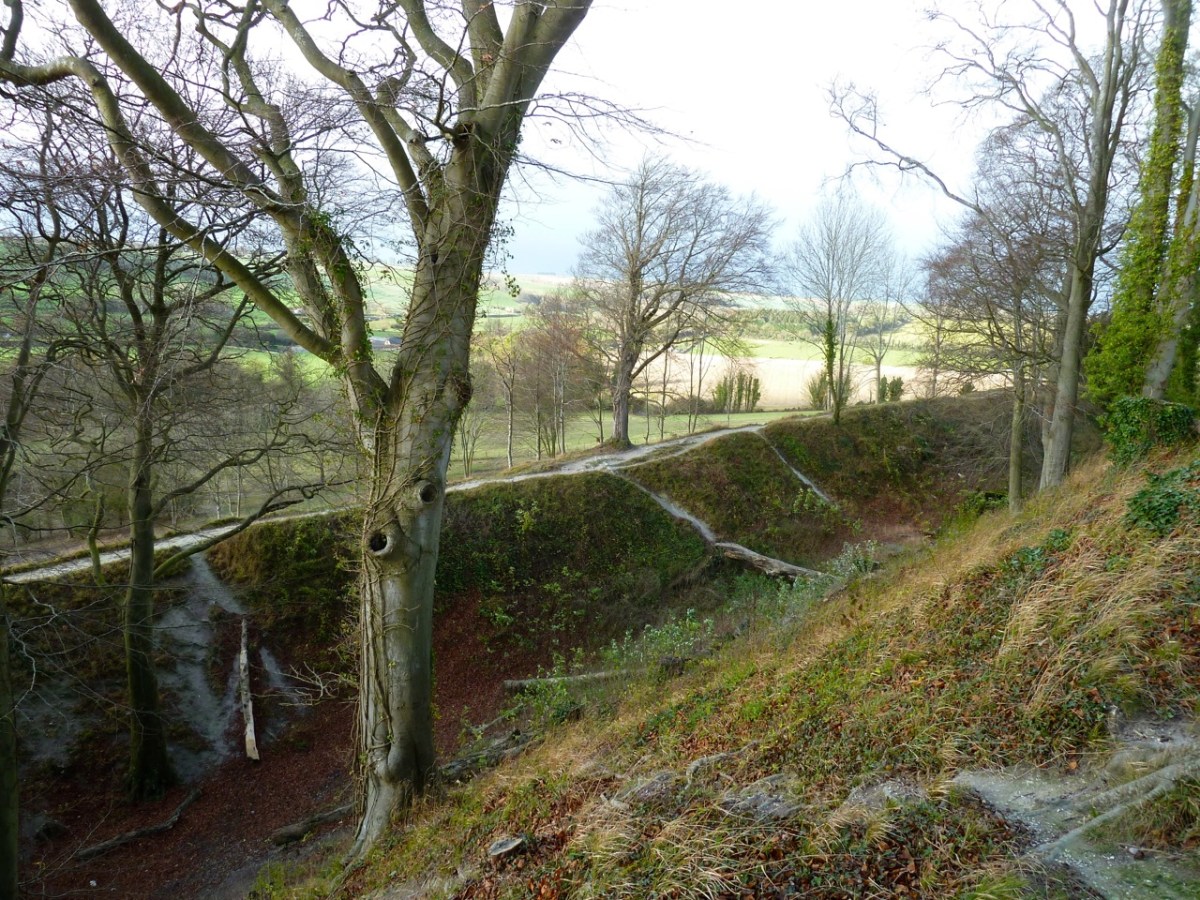
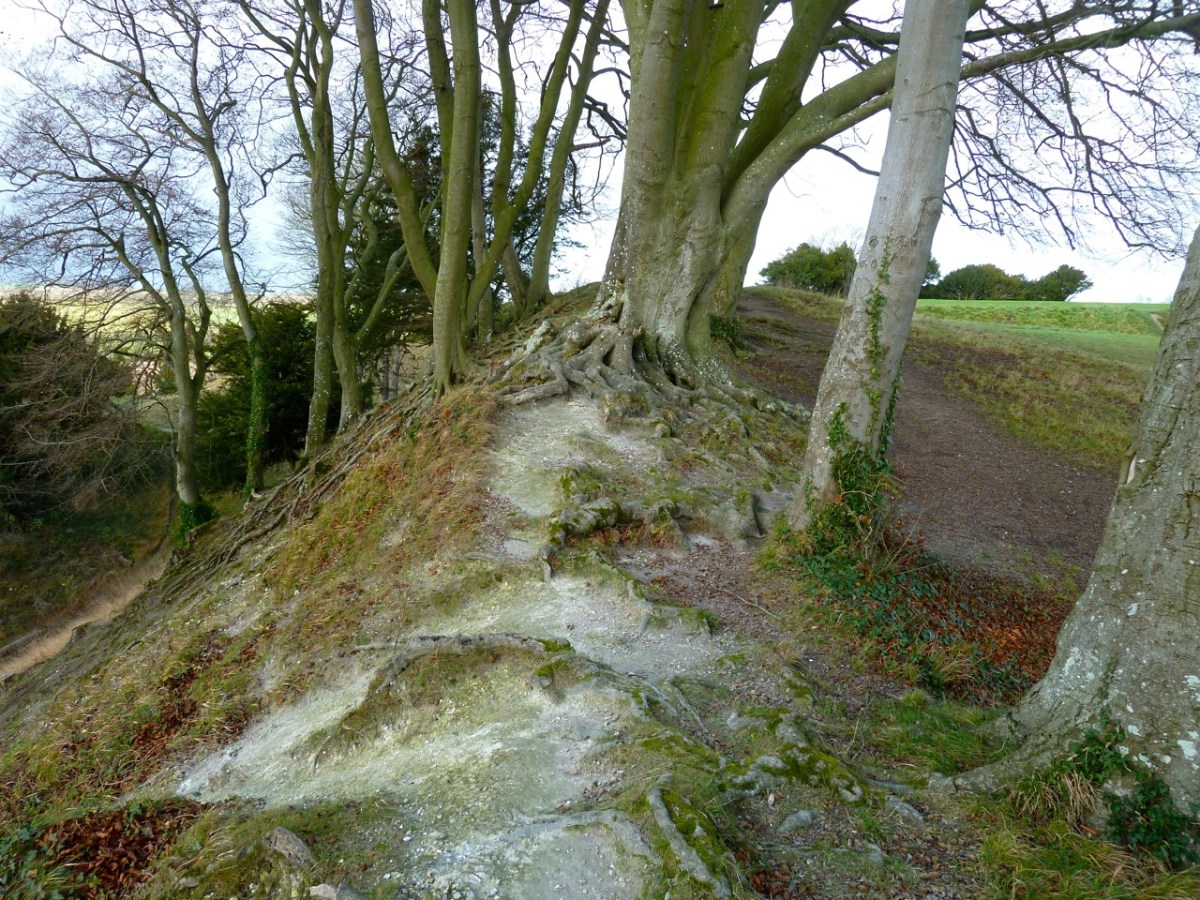
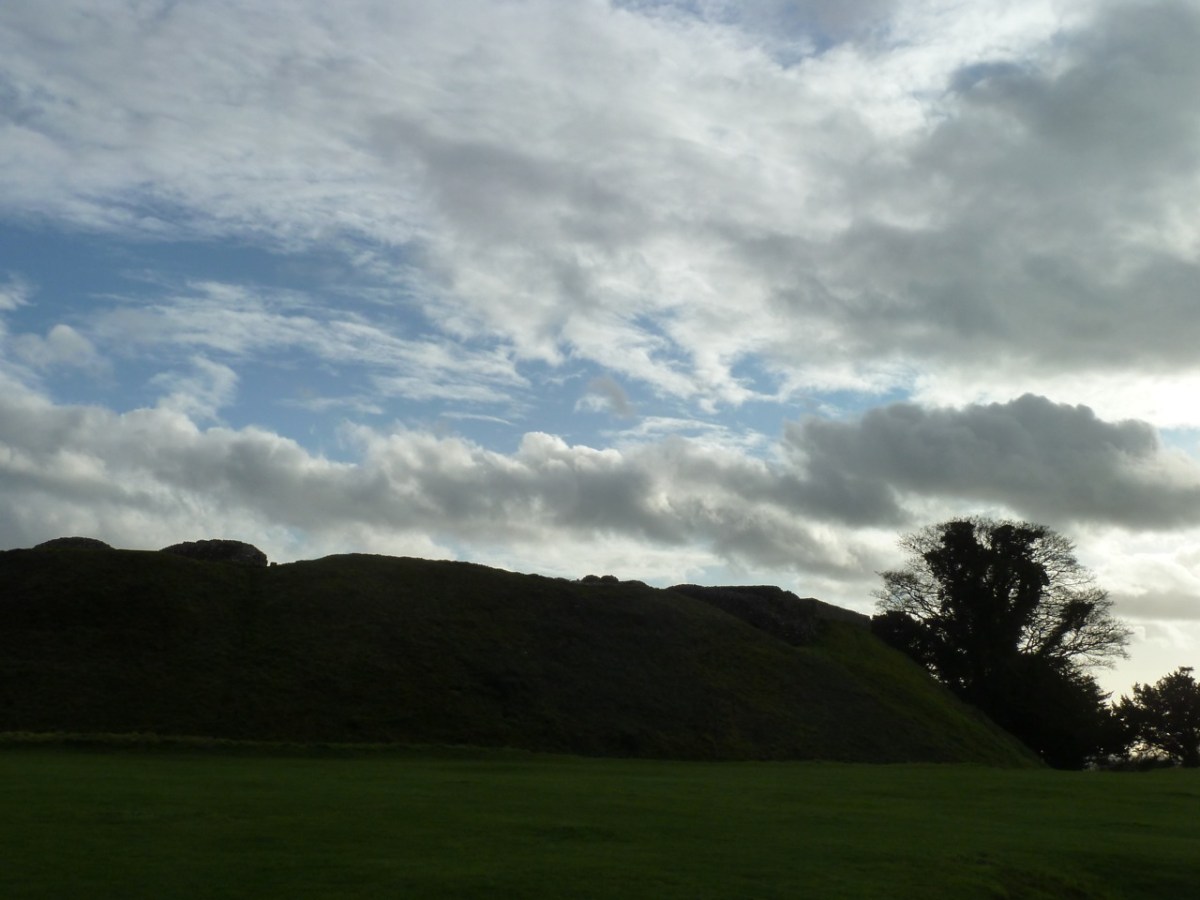
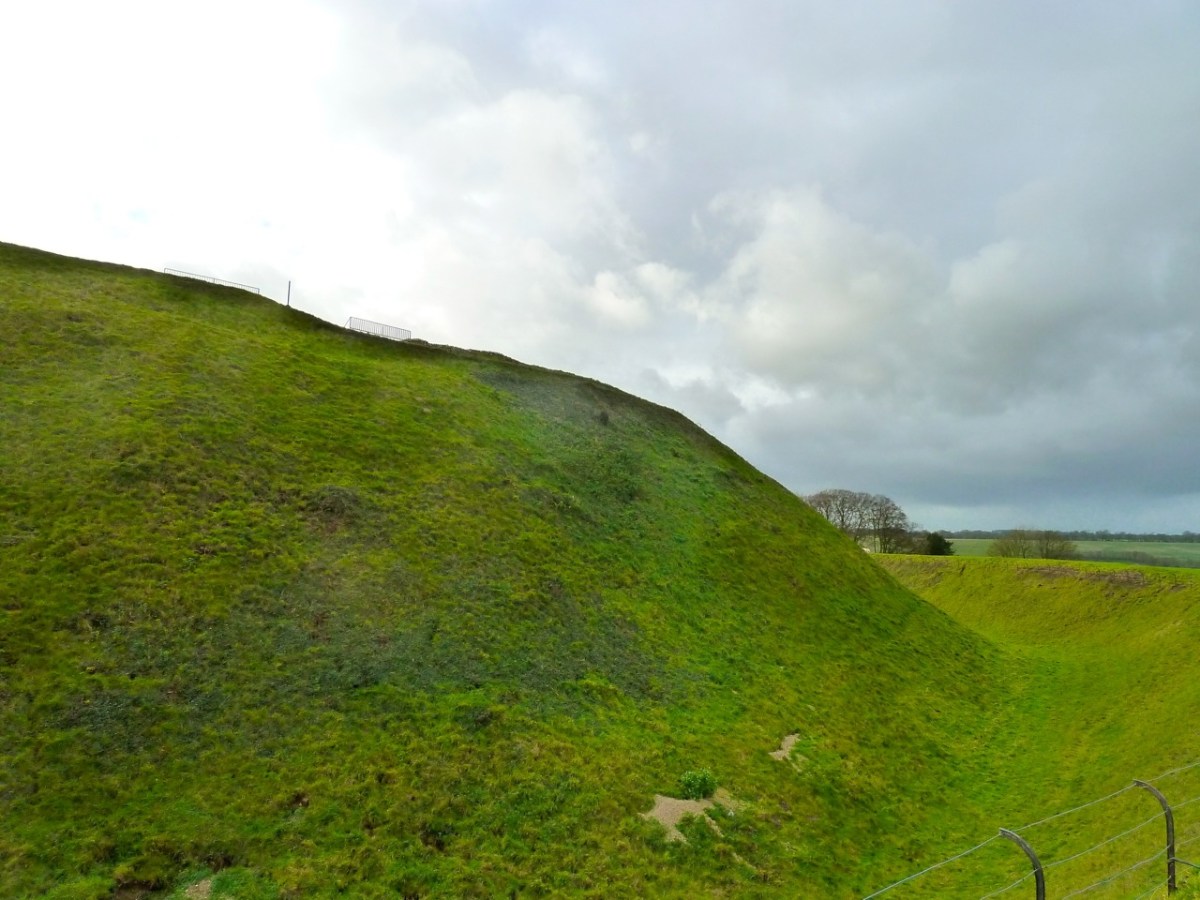
Feel the ancientness! Just north of the city of Salisbury sits the site of Old Sarum hill fort and castle. From Wiki:
The site contains evidence of human habitation as early as 3000 BC. Old Sarum is mentioned in some of the earliest records in the country. It is located on a hill about two miles north of modern Salisbury adjacent to the A345 road.
Old Sarum was originally an Iron age hill fort strategically placed on the conjunction of two trade routes and the River Avon. The hill fort is broadly oval in shape, 400 metres (1,300ft) in length and 360 metres (1,180ft) in width, it consists of a double bank and intermediate ditch with an entrance on the eastern side. The site was used by the Romans, becoming the town of Sorviodunum. The Saxons used the site as a stronghold against marauding Vikings, and the Normans built a stone curtain wall around the Iron age perimeter and a centrally placed castle on a motte protected by a deep dry moat. A royal palace was built within the castle for King Henry I and subsequently used by Plantagenet monarchs. A Norman cathedral and bishop’s residence were built at the western end of the town.
In 1219, the cathedral was demolished in favour of the new one built near the river and the townspeople moved down to the new city, then called New Salisbury or New Sarum. The castle fell out of use and was sold for materials by King Henry VIII.
Here we are, Martin, Peter and I half-buried on a holiday beach. Gran and Grandpa Hunt, seated behind, may have had something to do with this! We had many good holidays, camping in our big orange tent, with grandparents staying nearby.
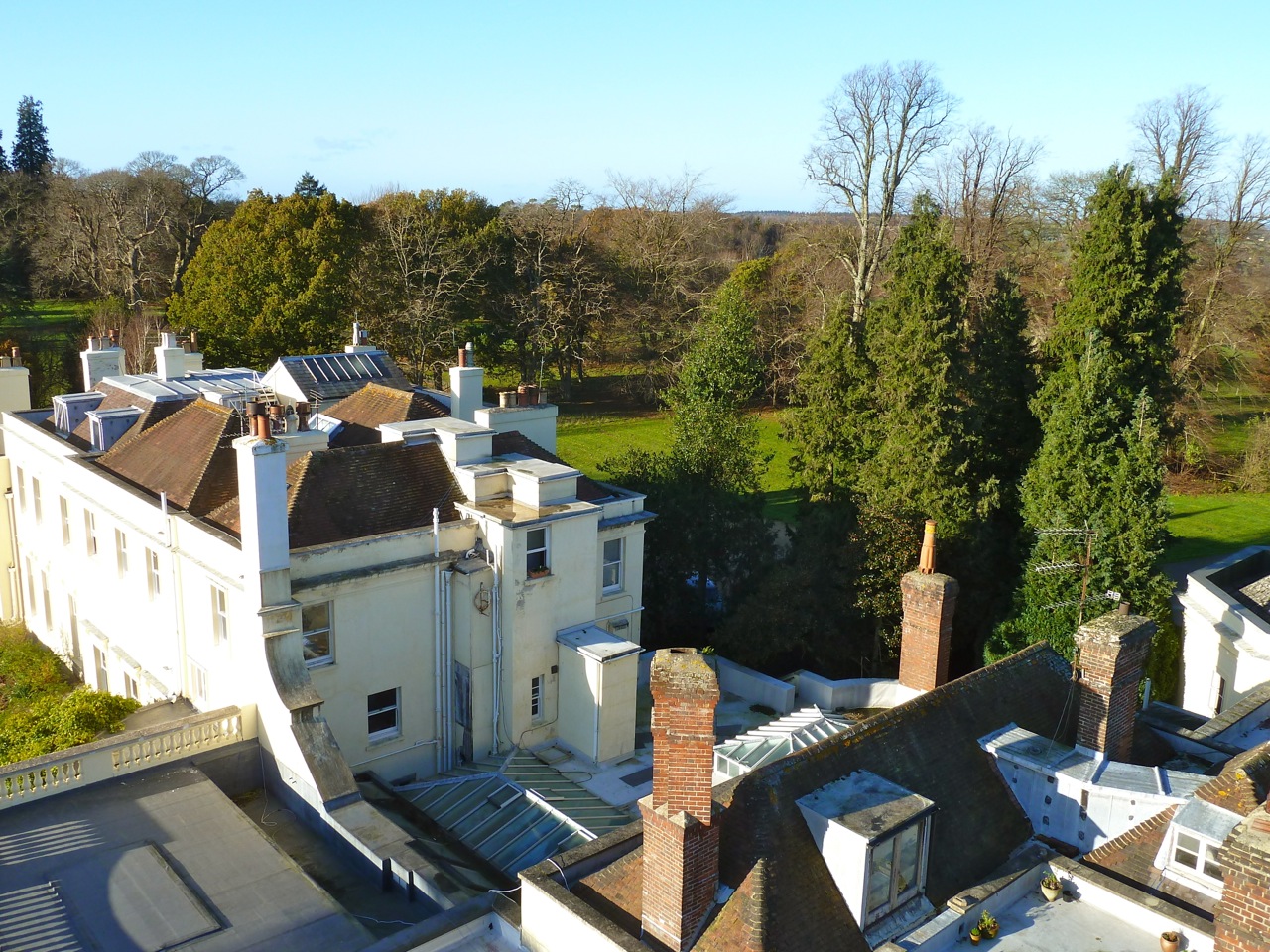
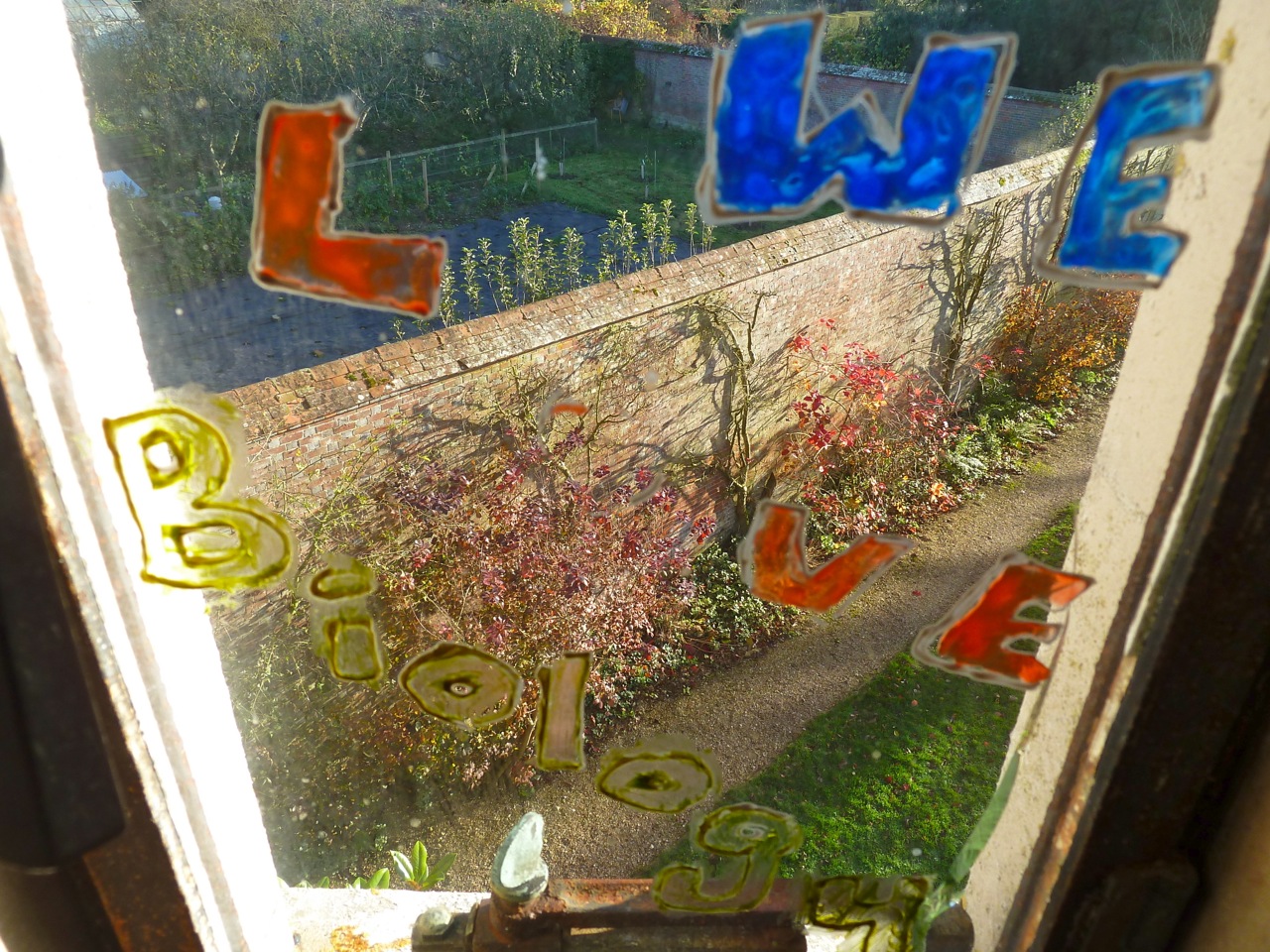
At the south-eastern end of the house is the water tower, built in 1912 by Mr. Coates in order to supply water both to the house and the neighbouring cottages he built around the same time. Like other old buildings this too has a ghost associated with it, which has its origin in the unhappy love affair and the tragic end of a young maiden who jumped off the top, during the time of Lord Chesham. The tower, apart from the water tank at the very top, now houses the biology, physics and chemistry laboratories.
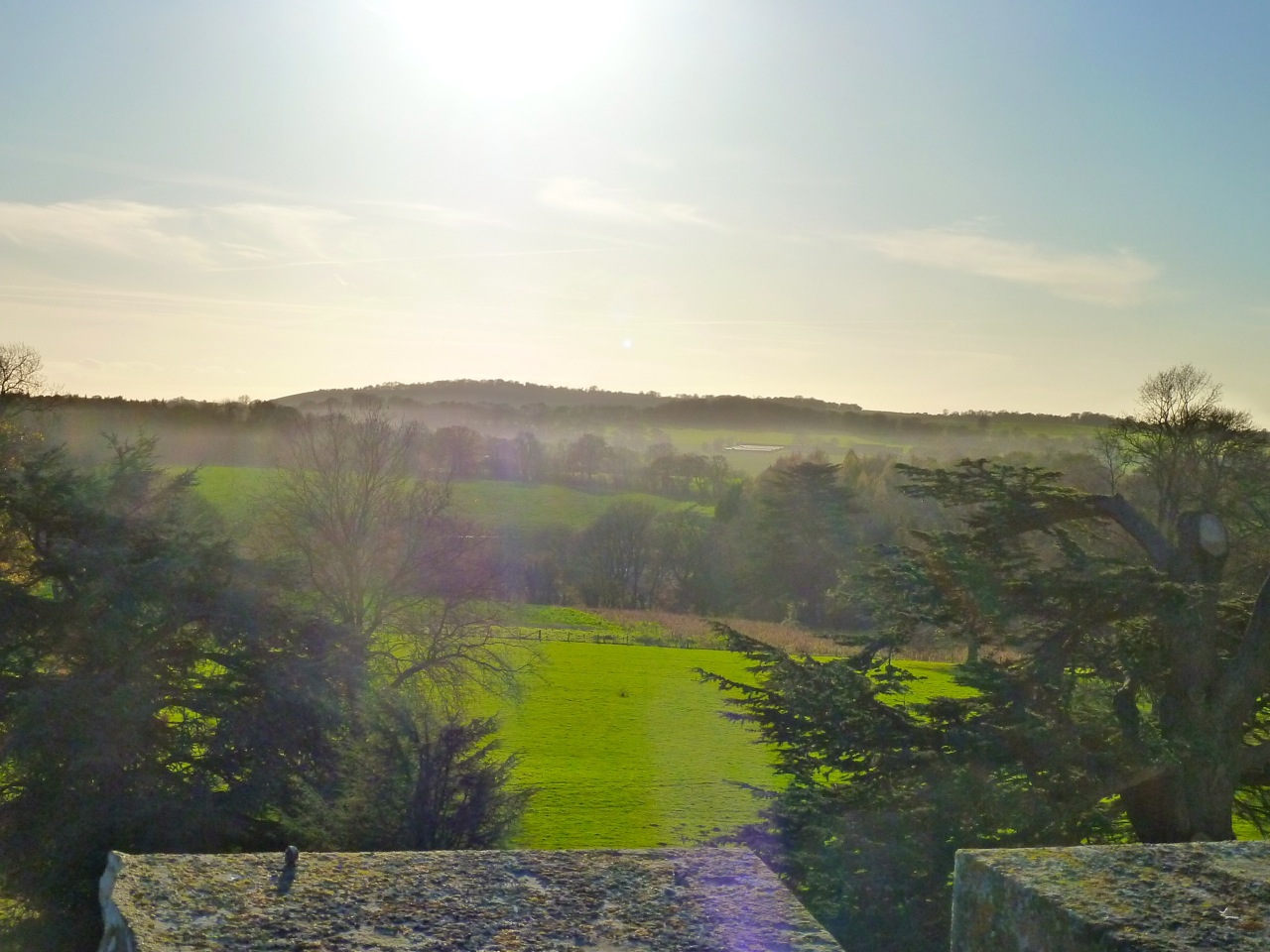
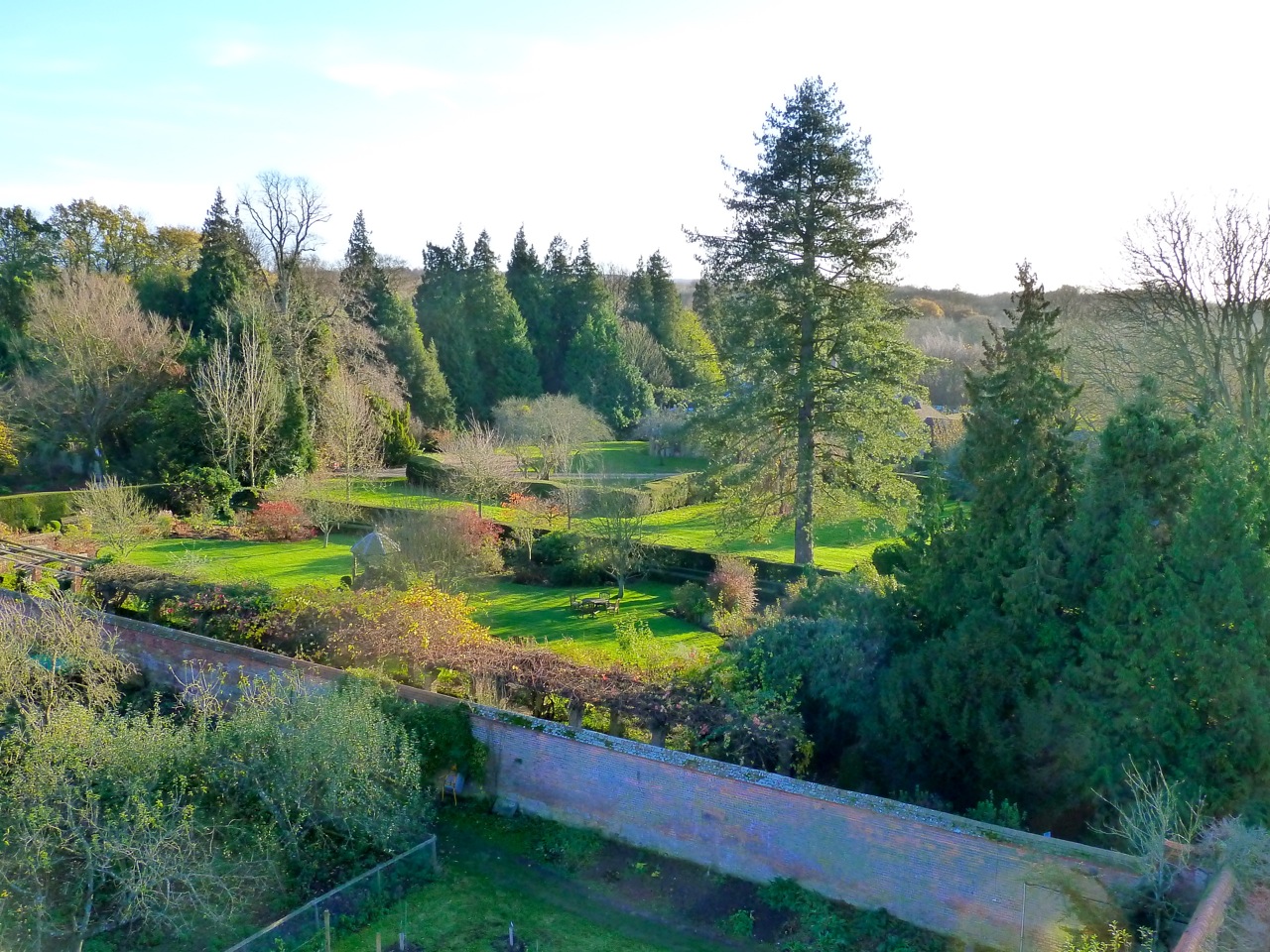
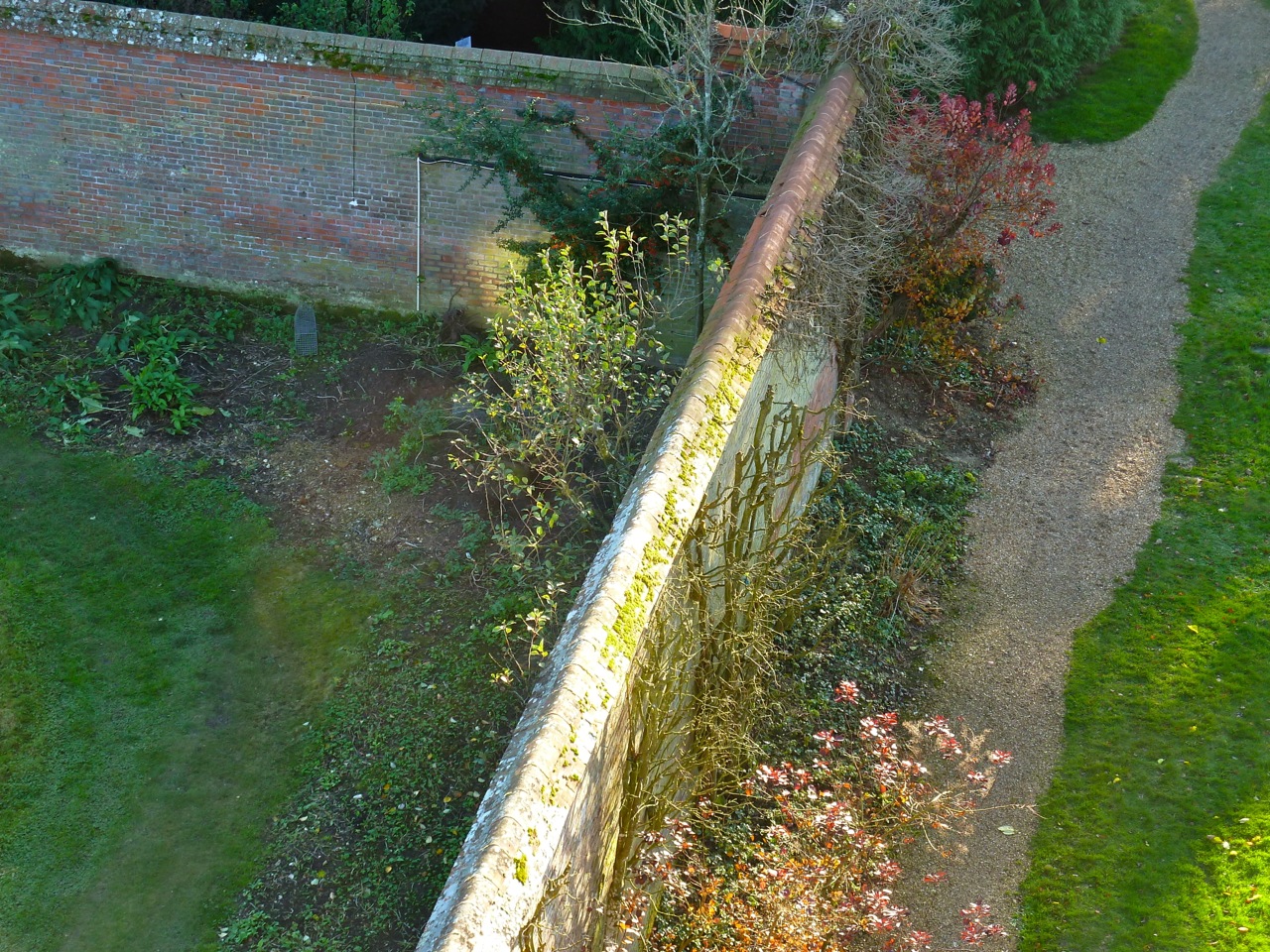
I ain’t afraid of no ghost! Especially not after lunch on a clear, bright day. Here are the views over the school, parkland and beyond.
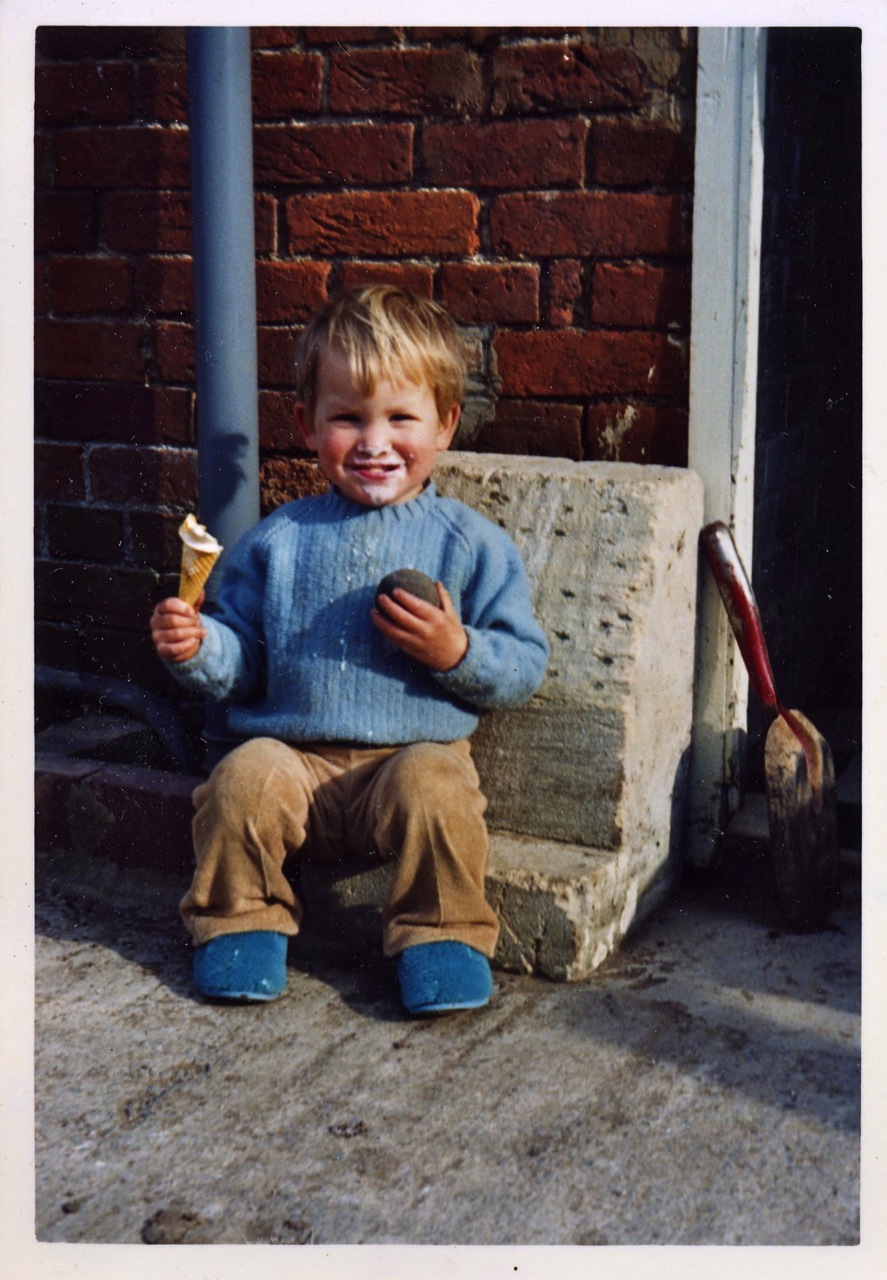
Here we are, Dad & I in the garden of Boundary House, Broughton Gifford. I’m three and a half. Dad must be just back from work, still in his brown suit and shiny shoes. Check out my red and blue combo with matching wellies! The dry stone walls were all rebuilt around this time and the large slabs were laid as a path through the vegetable garden. Back then our garden ended at the fence behind this wall, with cows or horses coming close to drink at the trough. Later we bought a diagonal slice of the field, extending the garden to the end of the hedge. In the background is the old pigsty and farm buildings we called The Camp. It was incredible! We fixed up the wooden shack and had great fun climbing the walls.
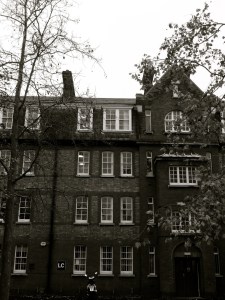
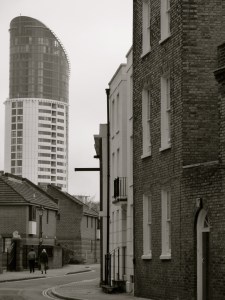
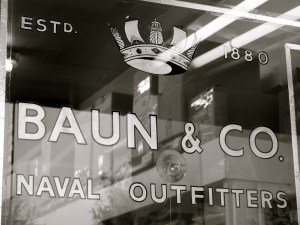
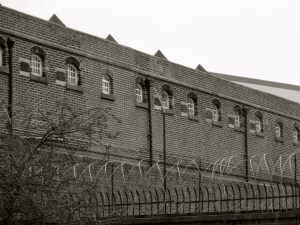
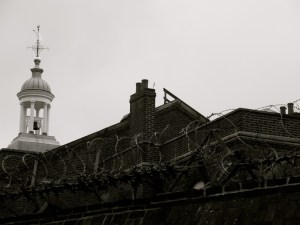
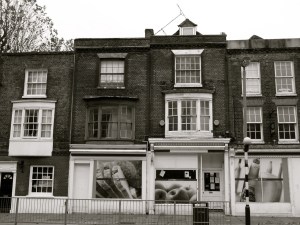
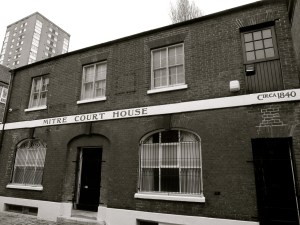
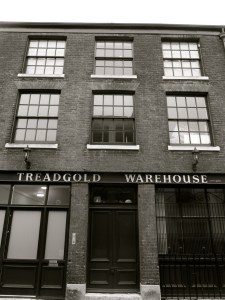
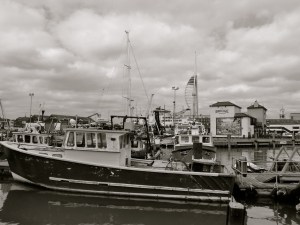
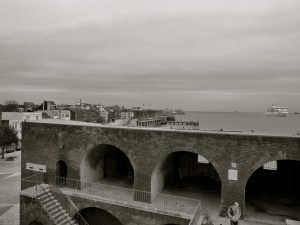
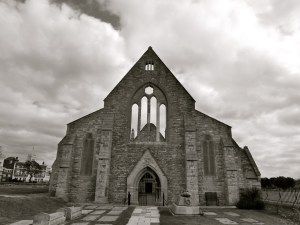
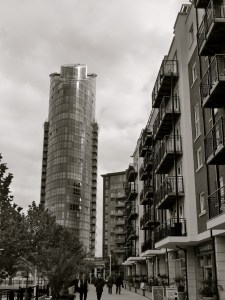
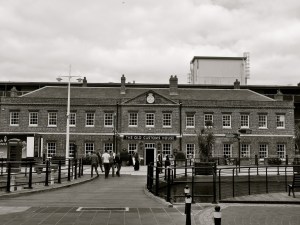
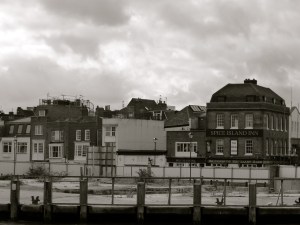
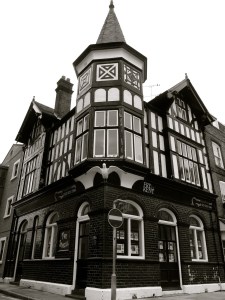
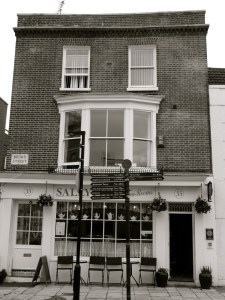
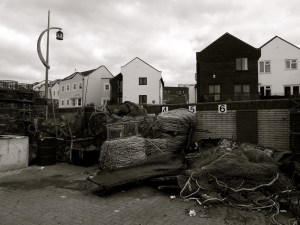
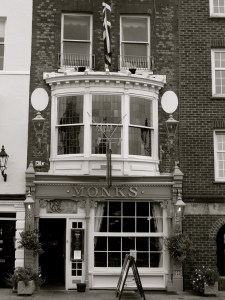
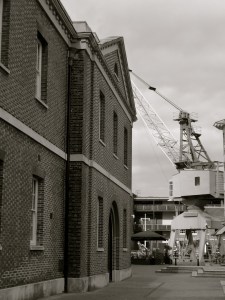
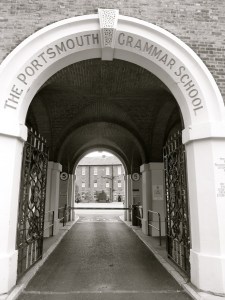
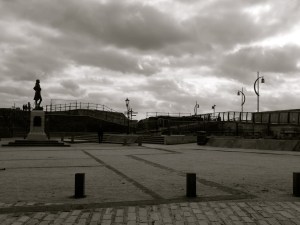
Today I walked around Portsea, between Gunwharf, the university and the naval base. The area has a much less genteel, more rugged feeling than Old Portsmouth but in amongst the council housing and blocks are some interesting old buildings. The area being right next to the naval base was heavily bombed in WWII and before that, the old slums and buildings were cleared. These photos largely focus on those buildings prior to 1900, including St George’s Square, Burnaby Terrace, Queens Street and Bonfire Corner, up against the barbed-wire walls. I didn’t get as far as The Hard, nor the base itself.
This page has some interesting history and photos of Portsea in the c19, including areas cleared of decaying houses.
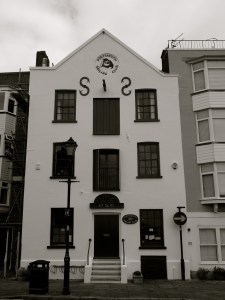
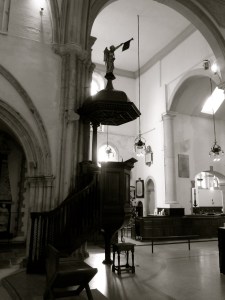
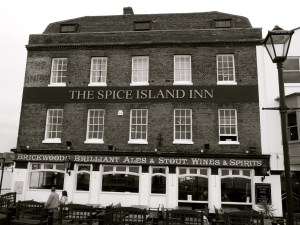
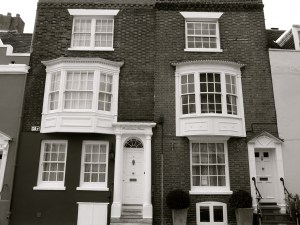
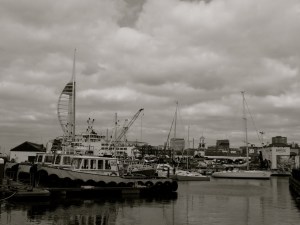
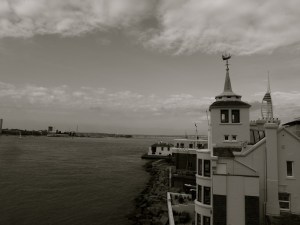
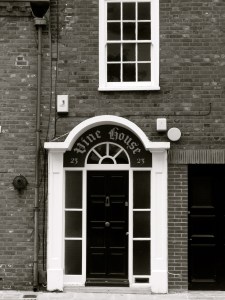
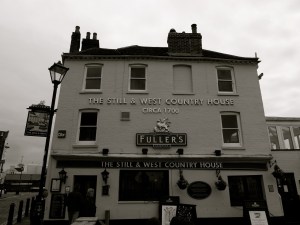
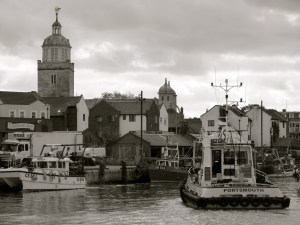
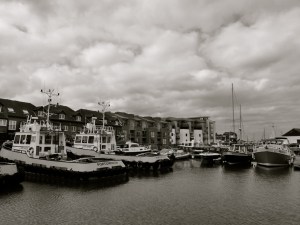
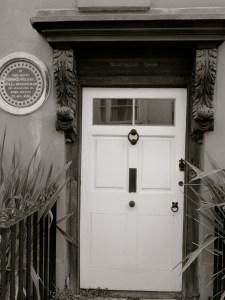
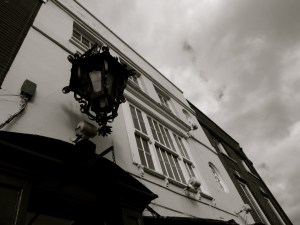
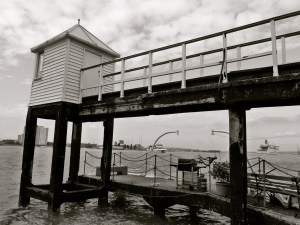
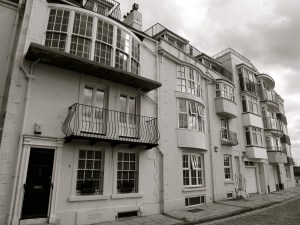
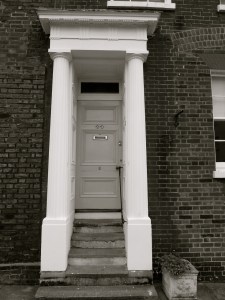
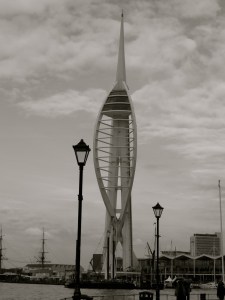
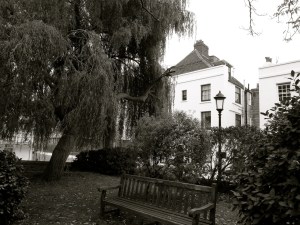
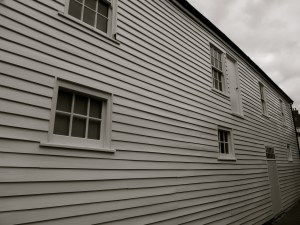
Photographs taken around Gunwharf and Old Portsmouth in October. While certain others are shopping I like to wander around the city in the immediate area of Gunwharf. Inside Gunwharf itself are many original dock buildings dating back to the c18. Past the harbour in Old Portsmouth and Spice Island you can still get a feel of the old maritime city in the time of Nelson, with many interesting Georgian buildings, doorways as well as the defences and churches. See also, Portsea
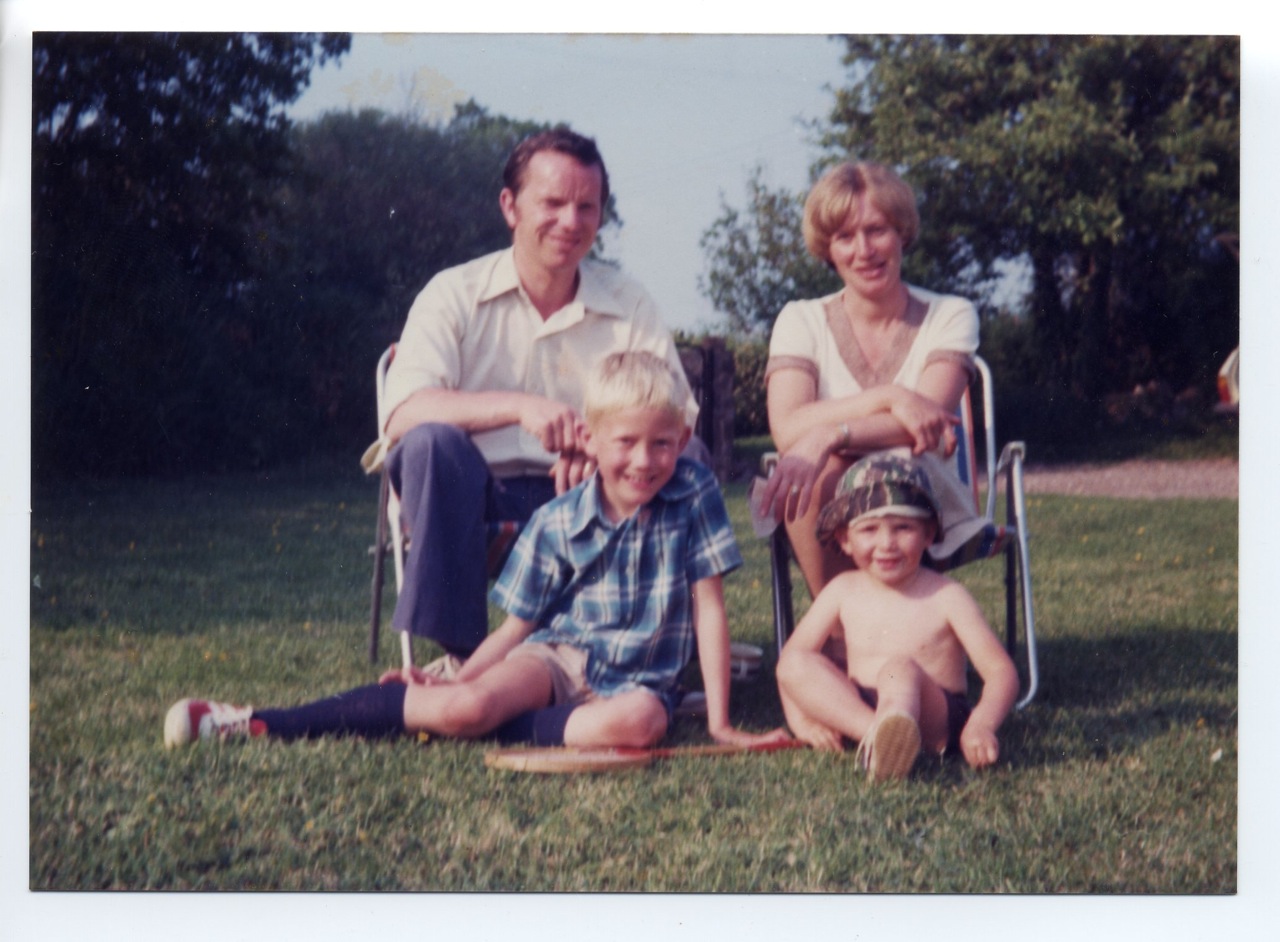
Here we are – Mum, Dad, Peter and Martin. I think this is the first picture I ever took, borrowing my Dad’s camera when I was about 6. We were on holiday in Devon, Martin aged 2 (would you say?) and Peter must be around 8.
Slept until gone 0900 – what a treat after the broken up nights. Breakfasted at 10 (great omelette chef at the hotel) and then out into Beijing. Took the subway Line 10 south for a few stations, then onto Line 1 west to Tiananmen Square.
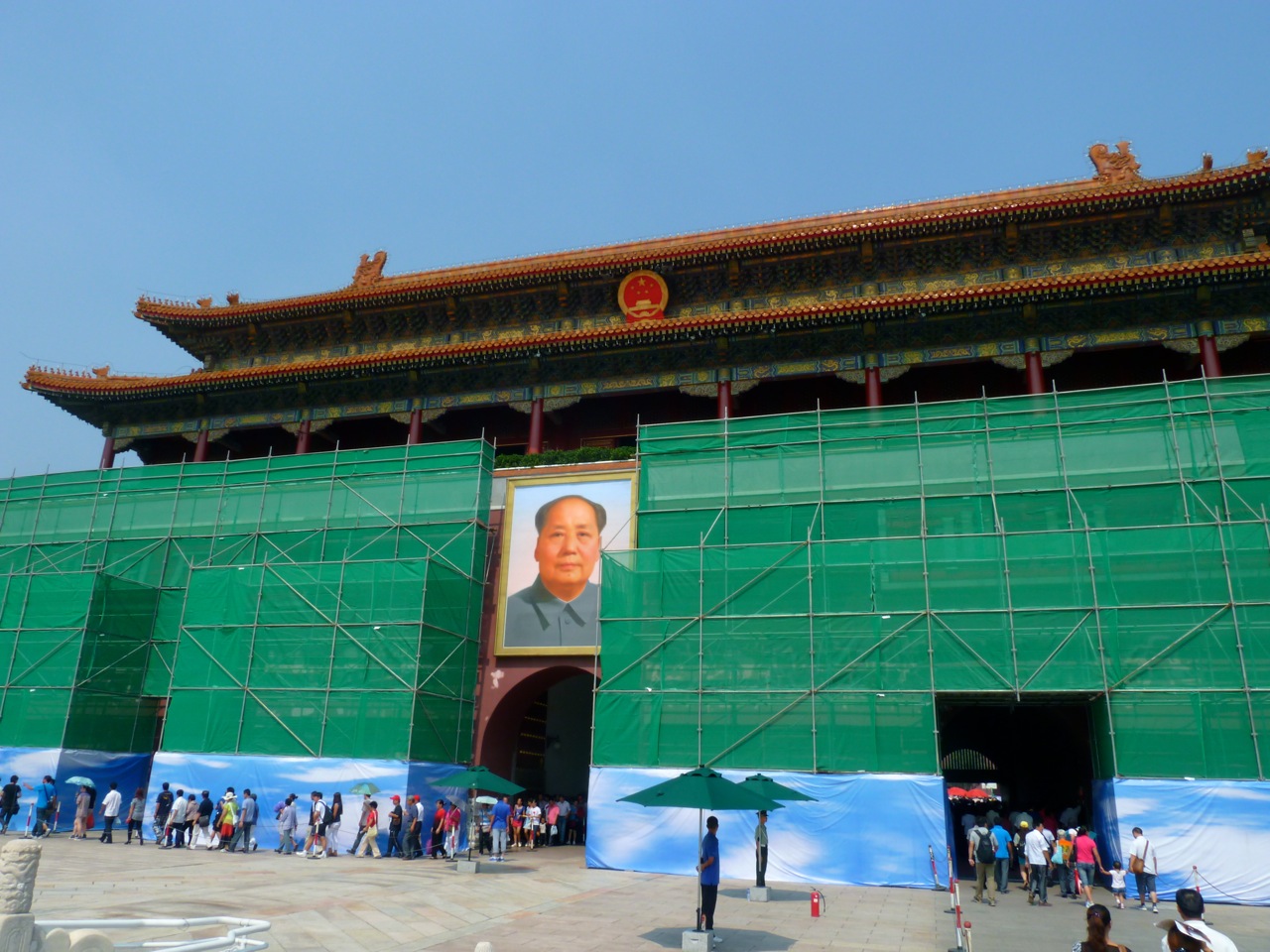
As soon as I was at pavement level the offers came – come and see our art gallery, do you need a guide, have you seen the great wall? I did go and see some student artwork and of course they did try to sell me some prints. The art was good, if derivative. I left without buying and headed into the entrance of the Forbidden City.
Past the first gate there’s a long, wide walkway with many sellers and tourists headed deeper inside. To go further you need a ticket. It was about £6 for an adult. I tried to buy an audio commentary but my money was rejected as fake. That’s odd, I thought – it came from Thomas Cook in the UK I thought. Wasn’t sure I wanted audio anyway, so headed into the paid zone, through huge gated archways, walls painted a deep red.
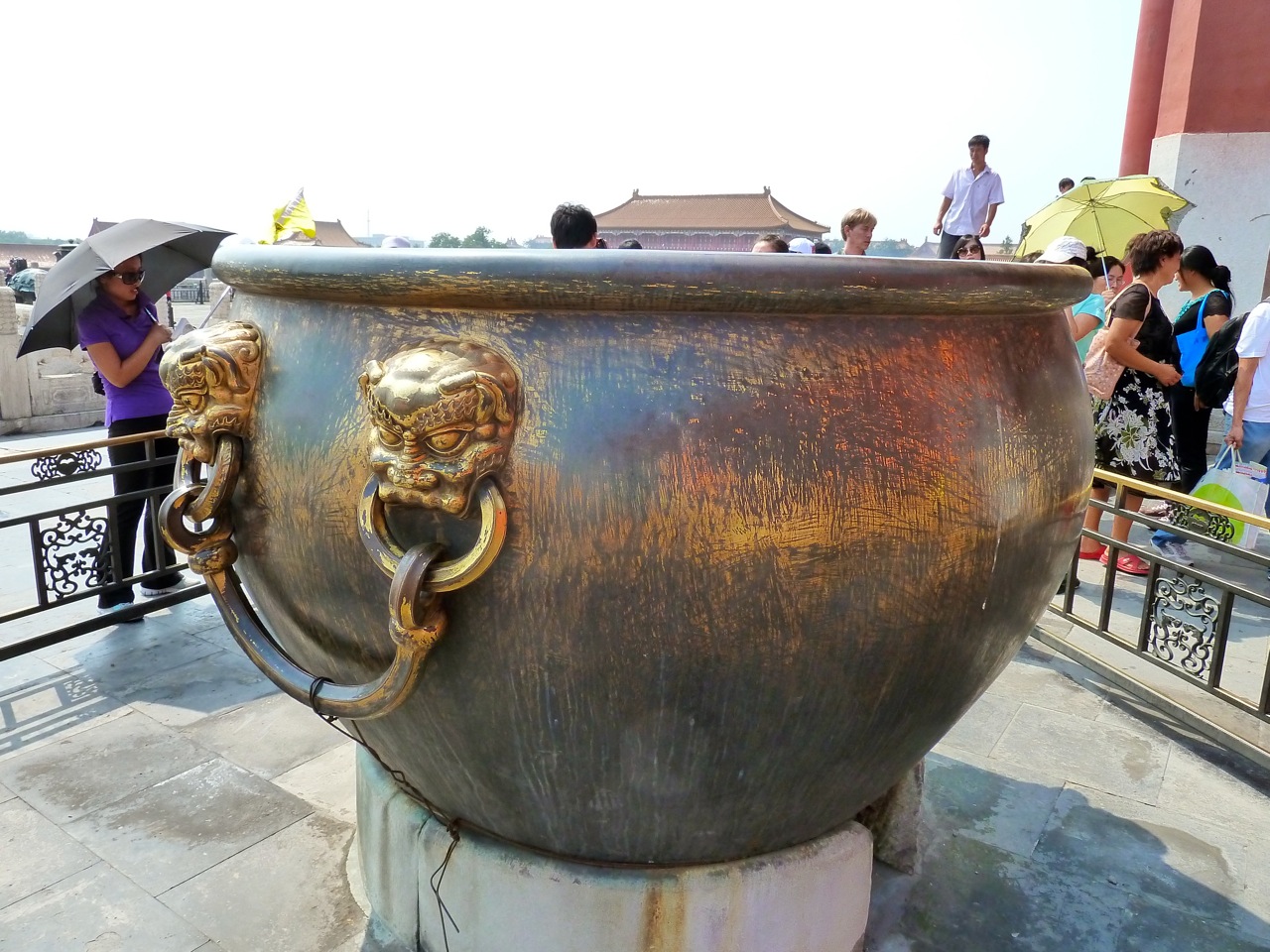
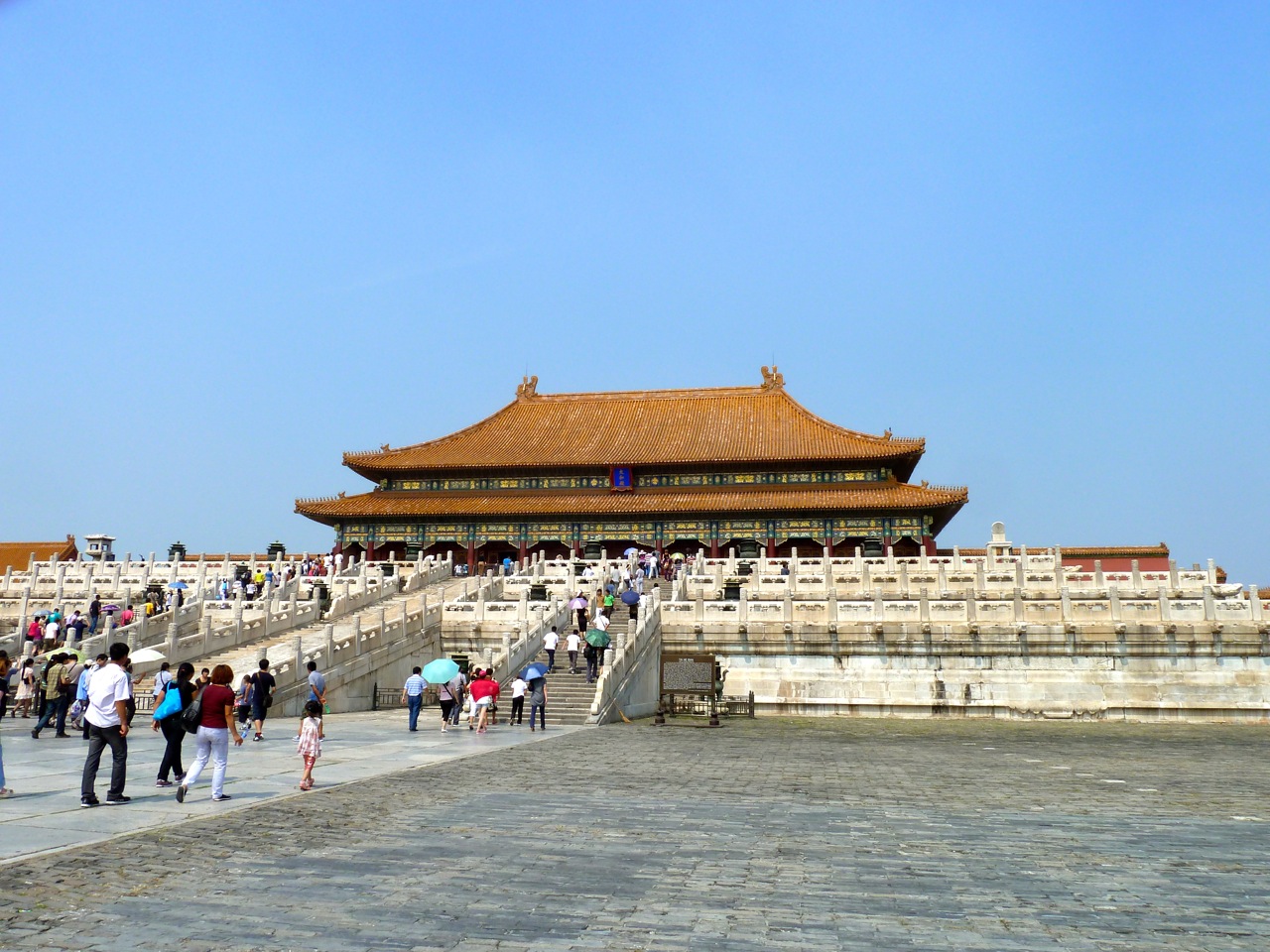
Inside are a series of very large courtyards, divided by more archways, with gold coloured roofs. Everything is on a grand scale – from the walls, the cobbles, to the cauldrons for putting out fires, kept frost free in winter by fires. A river runs through the city, with decorative white stone bridges.
Further inside, the scale gets more human, with walled streets, halls, palaces, pavilions and gardens. The temperature was well over 30c today, and often I would stand next to the air conditioners inside the exhibitions to cool down. If I faced the ac, others thought I was looking at something very interesting through the mesh. You could look into the rooms, but only through rather murky perspex.
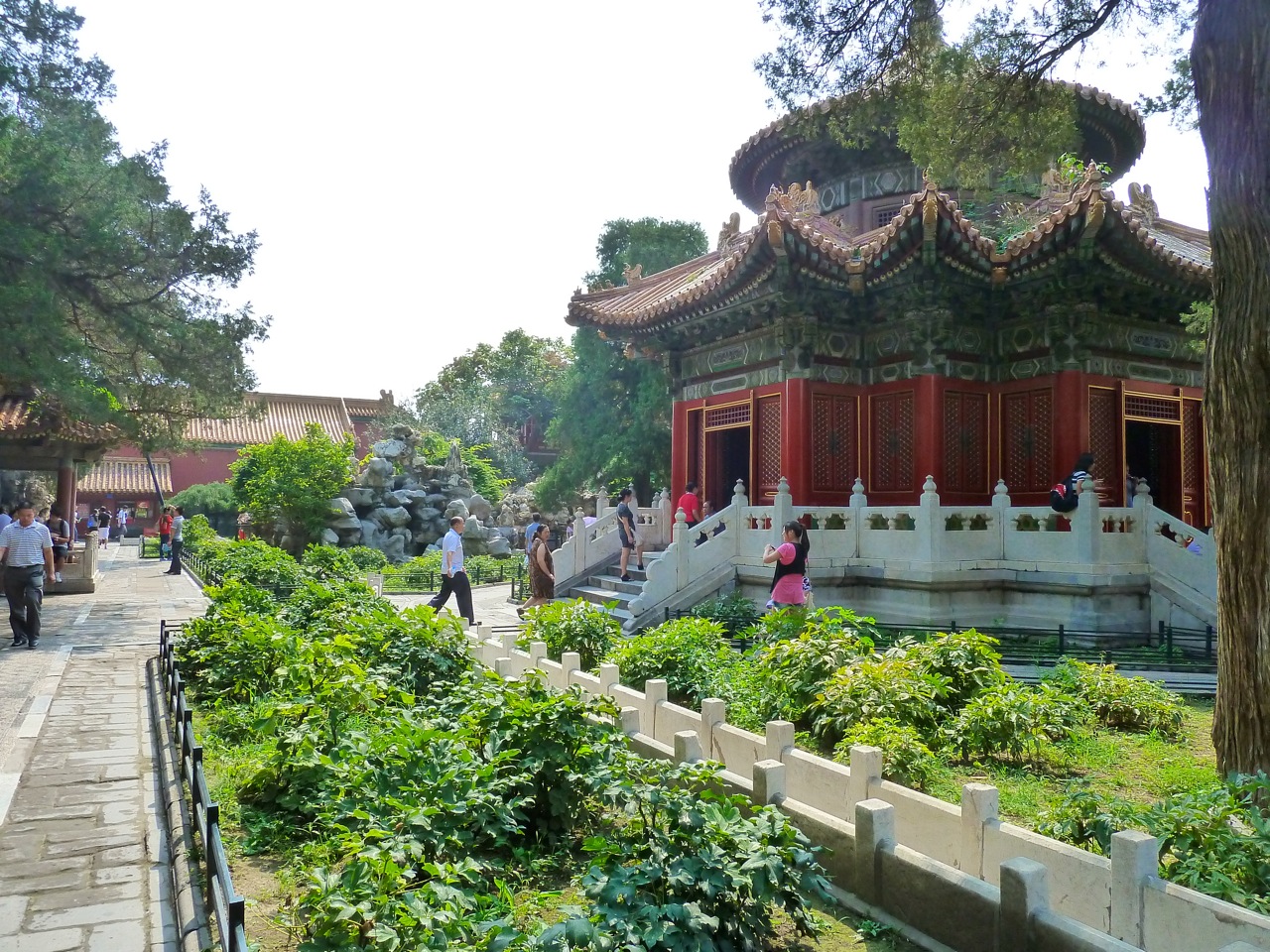
In the northern section were the palace gardens and family residences. The pavillions had names like Palace of Gathered Elegance, Palace of Earthly Honour, Hall of Mental Cultivation. The gardens had a variety of very old trees, some interesting rock formations and fish ponds. By this stage the crowds were dispersed throughout the many courts so it was possible to feel quite peaceful in places.
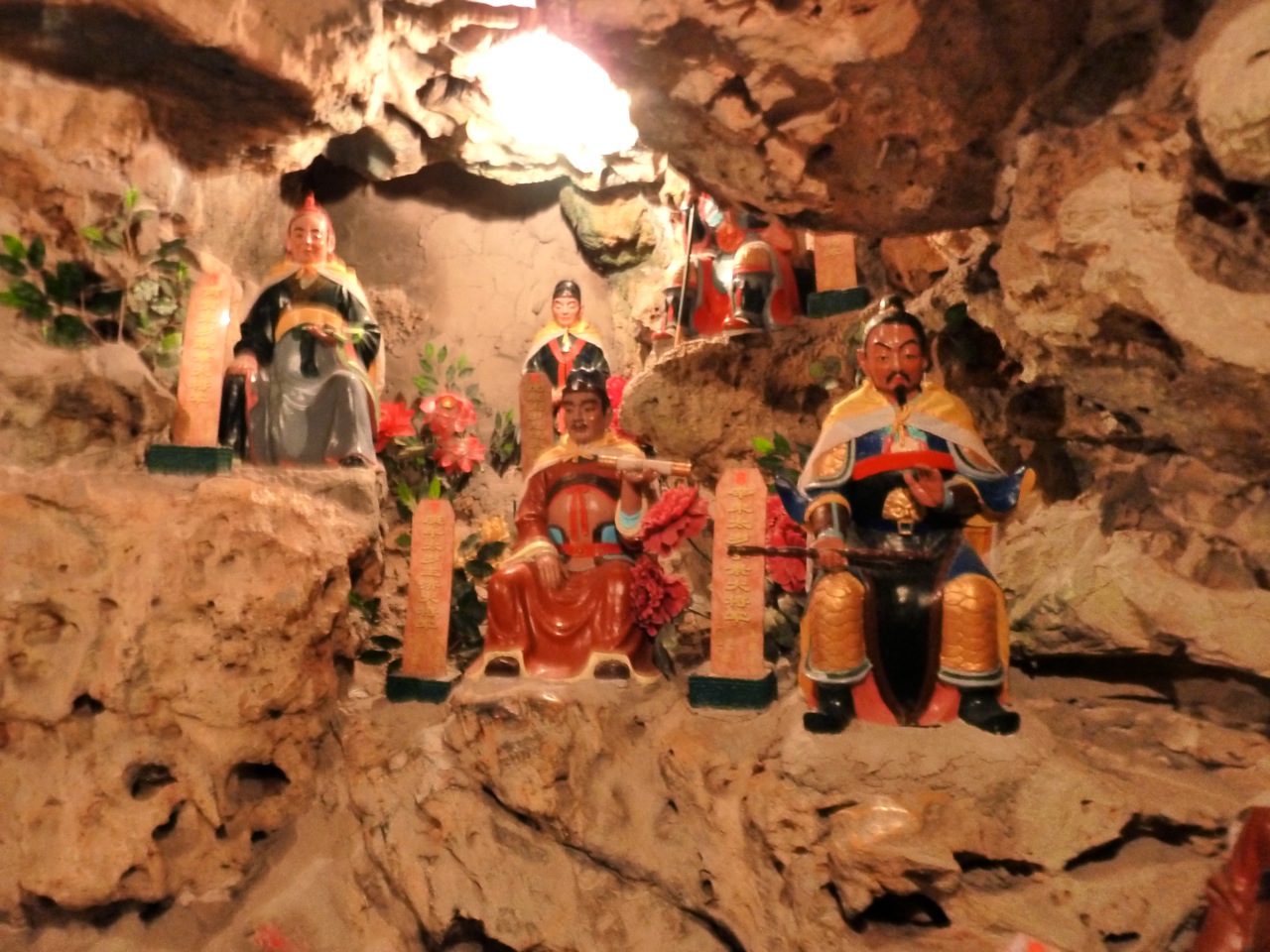
It took a couple of hours to walk round most of the ancient fortress city, 1 km long. I left via the north exit so I didn’t have to walk all the way back south, over a wide moat surrounding the whole compound. I headed west towards Beihai Park, with its large lake and White Dagoba. On climbing the hill and walking past the monument I noticed a sign saying Caves. It wasn’t highly publicised. I paid 50p to climb down tunnels hundreds of years old. I found myself laughing at the contrast – suddenly I was alone underground. Along the tunnels were 100 statues of emperor looking fellows. Each one represented three birth years. Mine was number 48, an ugly bearded little fellow. On the exit were fine views over the lake. Then a Sunday afternoon walk in the shade along the east side of the lake, paddleboats paddling and picnicking people.
So, quite a Sunday Weekend Walk, several hours. After a walk east I hopped in a taxi and headed back to the Hilton. Here’s a video I shot of that ride:
Then out for a Chinese massage at a centre near the hotel. A tiny Chinese lady dug deep into my city- and book fair-stressed body, through pyjamas, I suspect using acupressure points. She was tough! Afterwards, again the 100 Yuan note was rejected. The manager came with me to the hotel to get a replacement. I remembered then we had taken one note when selling some Chinese books on the last day of the fair.
In the evening a final meal with Zhang Dan, Derek and Marleen at an Italian restaurant near The Village. They had hundreds of photos of the owner’s uncle with celebrities – Paul McCartney, Patrick Swazee, Sigourney Weaver, Arnie, etc. Very 80s, including the music. A fairly quick meal, all of us still quite tired from the time zones and the fair. Outside the hotel, a fond goodbye as we went our separate ways – Zhang Dan to her home nearby, and tomorrow, me to Heathrow, Derek & Marleen to Bali.
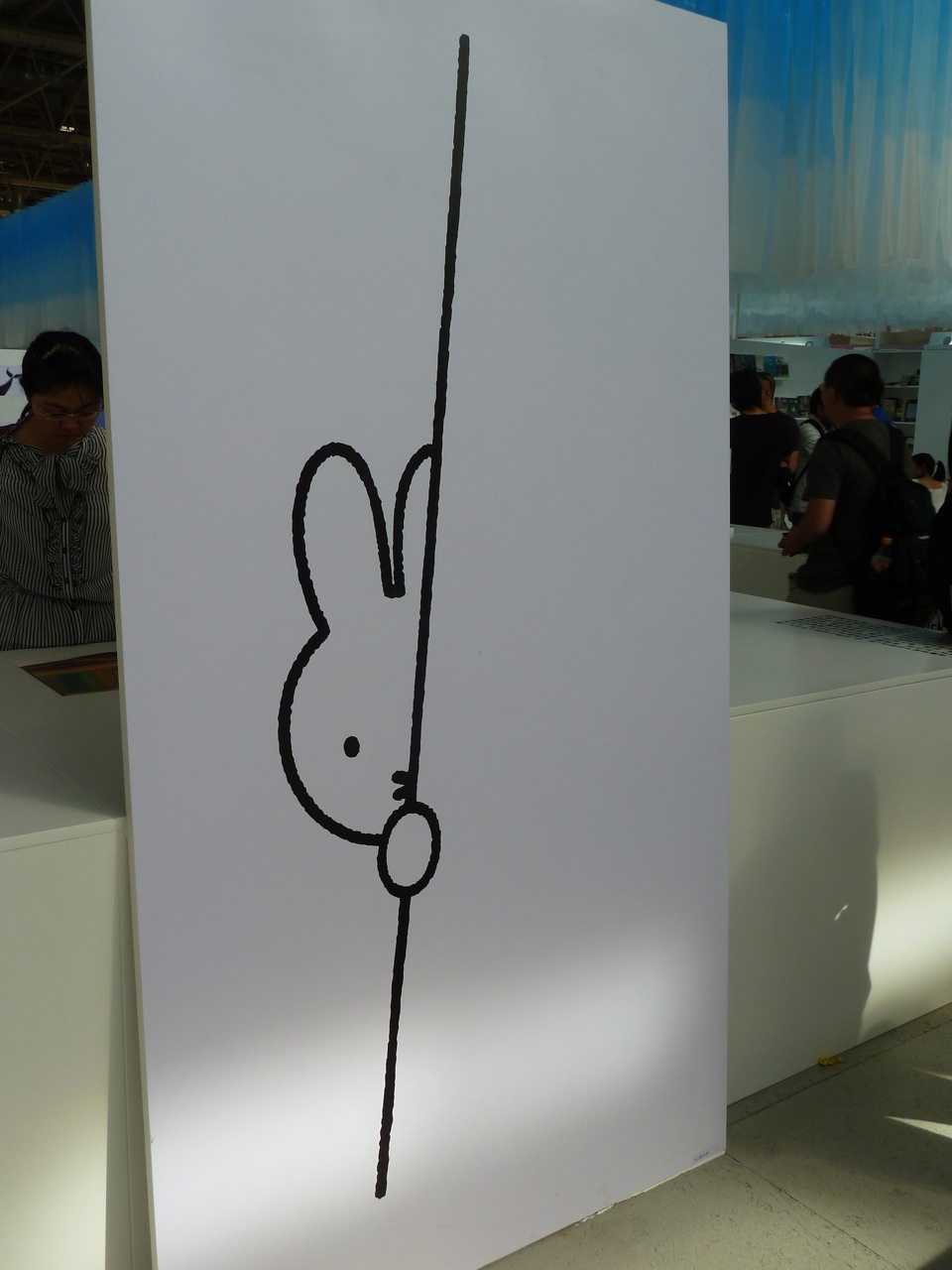
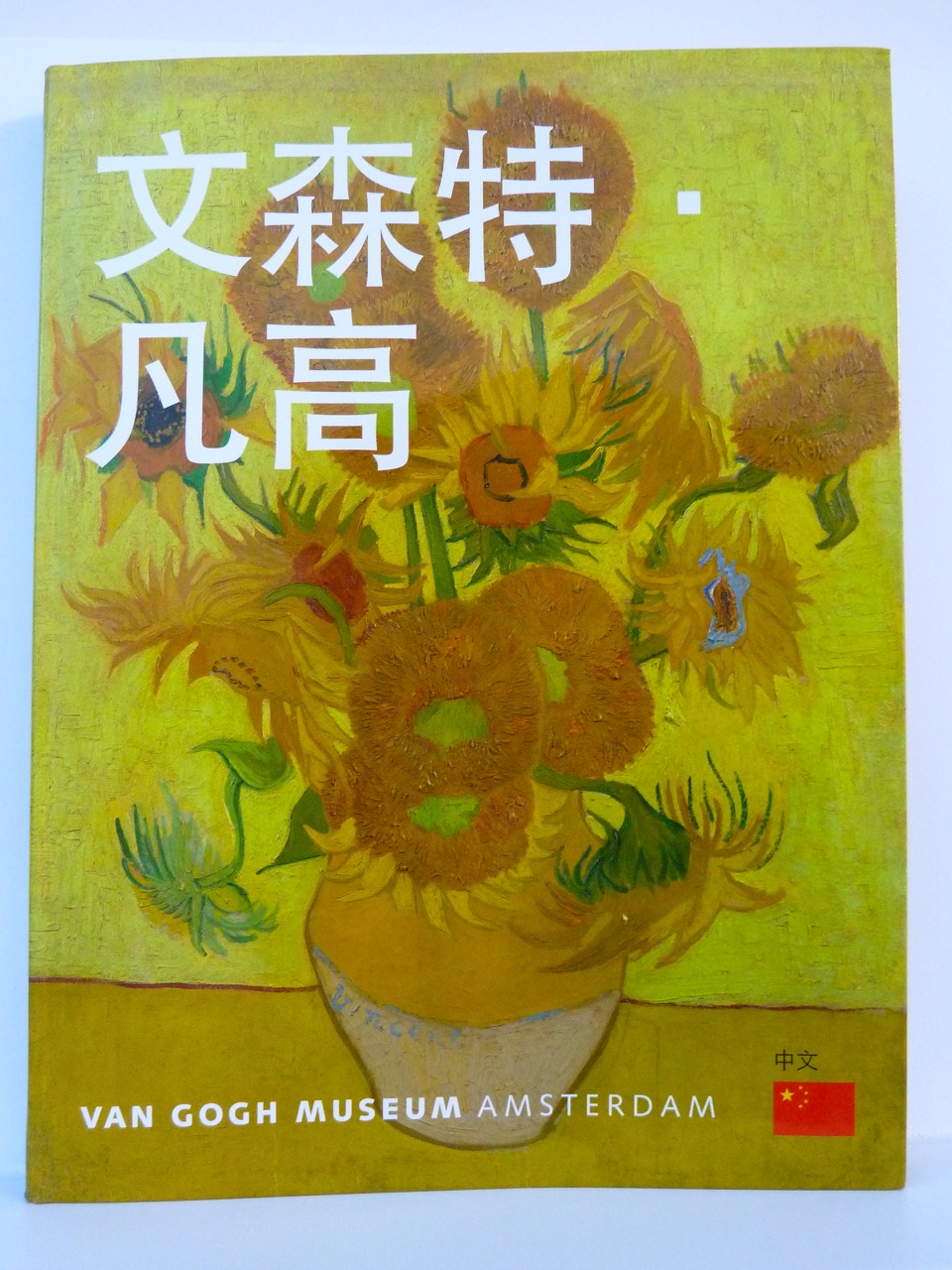
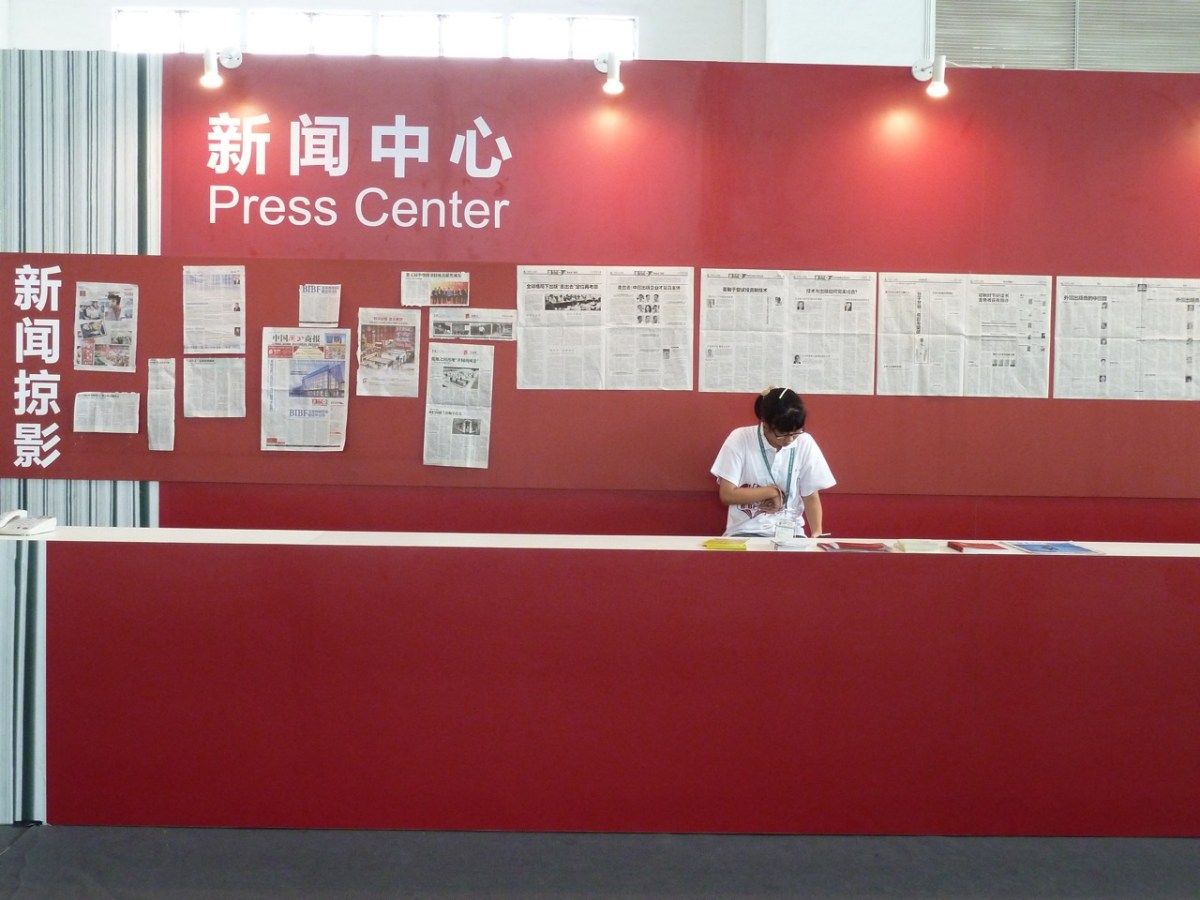
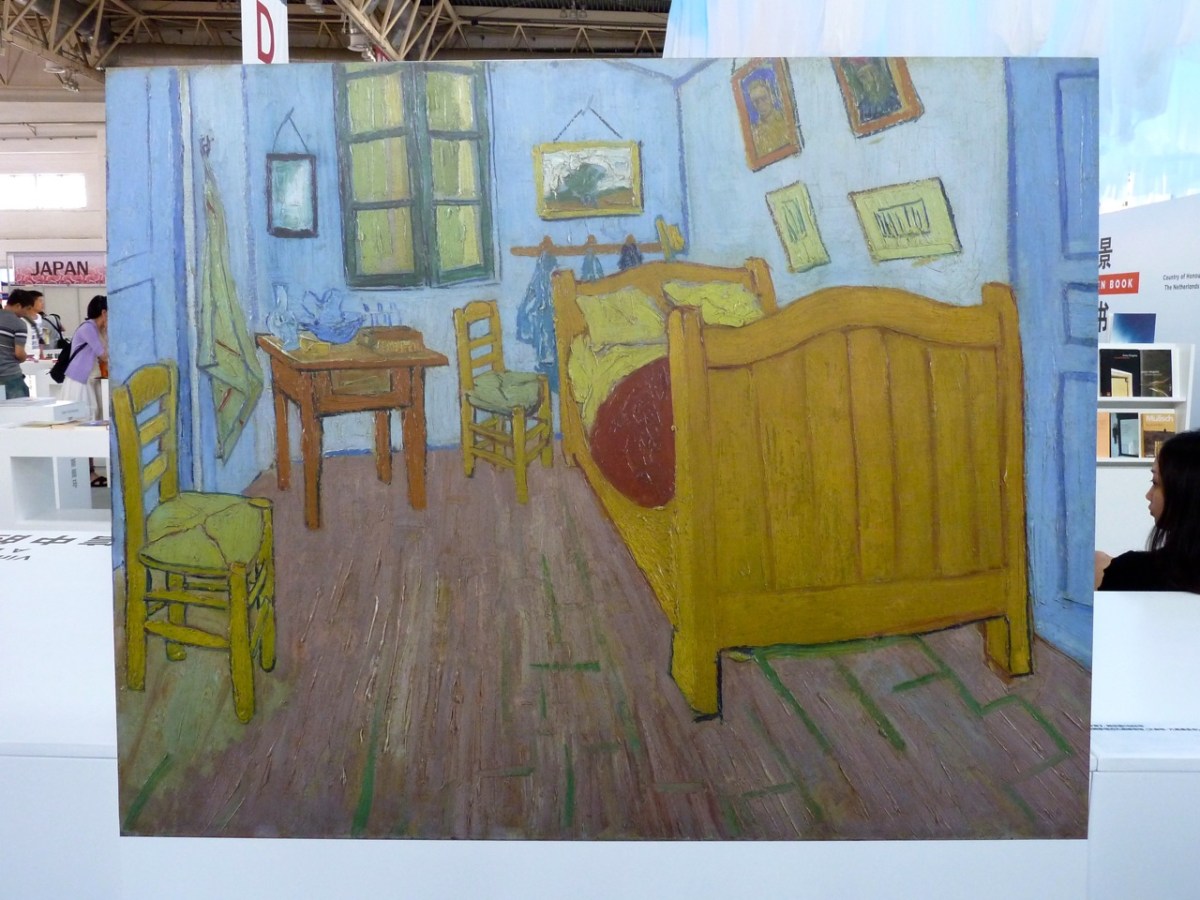
A rather uneventful day at the book fair, although successful meetings with publishers. Also took some time to wander around the place and check out the exhibitor’s stands. Van Gogh prints at the Netherlands area and the ultra modern Chinese/Asian aesthetic elsewhere. A general feeling pervades amongst exhibitors that this hall is much too far from the city centre and attendance is way down on previous years. Apparently the French and Germans are going to make a formal complaint to the organisers.
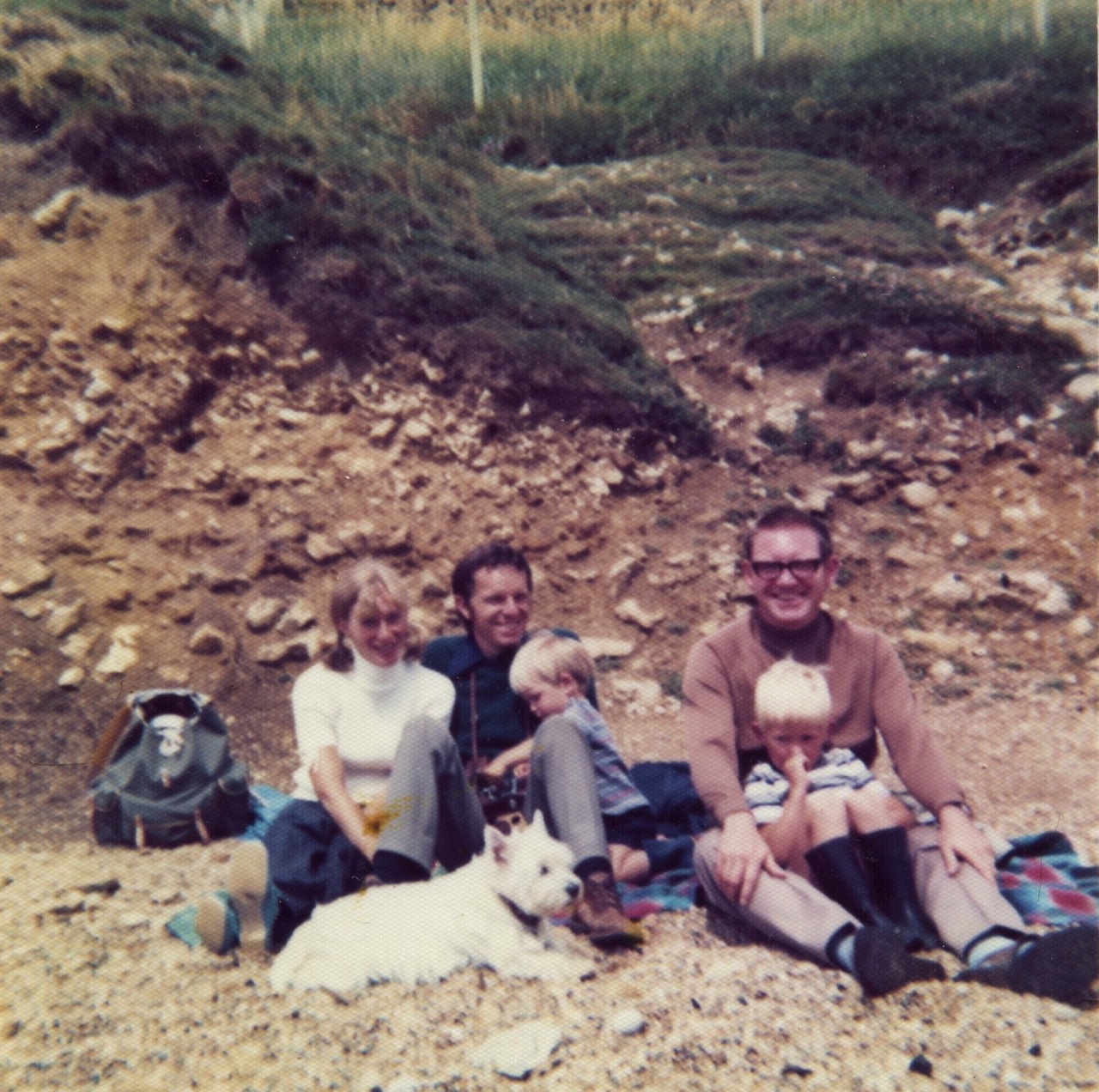
Here we are, with ‘Uncle’ John Druker – you know, one of those family friends who ends up being an uncle. I am two and a half years old, Peter four and a half, and we are holidaying in Dorset, on the Jurassic coast. Peter looks not too pleased. I’m starting my interest in photography young, which looks like it basically involved lots of twiddling. Apparently I liked twiddling. Especially doorknobs. I really like this picture of Mum and Dad – Mum looking sweet and Dad very smiley. I think the dog was Snowy – belonging to the Drukers. Blue wellies for the boys and a proper old school canvas rucksack.
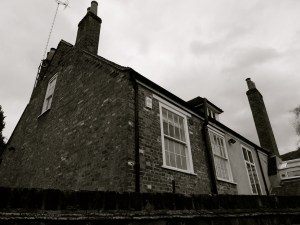
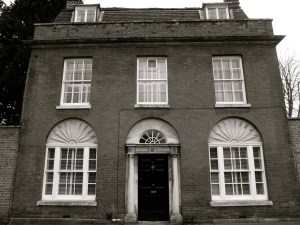
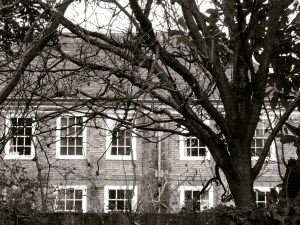
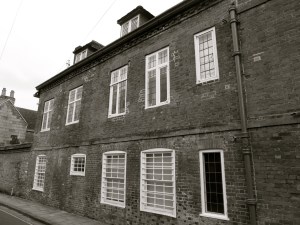
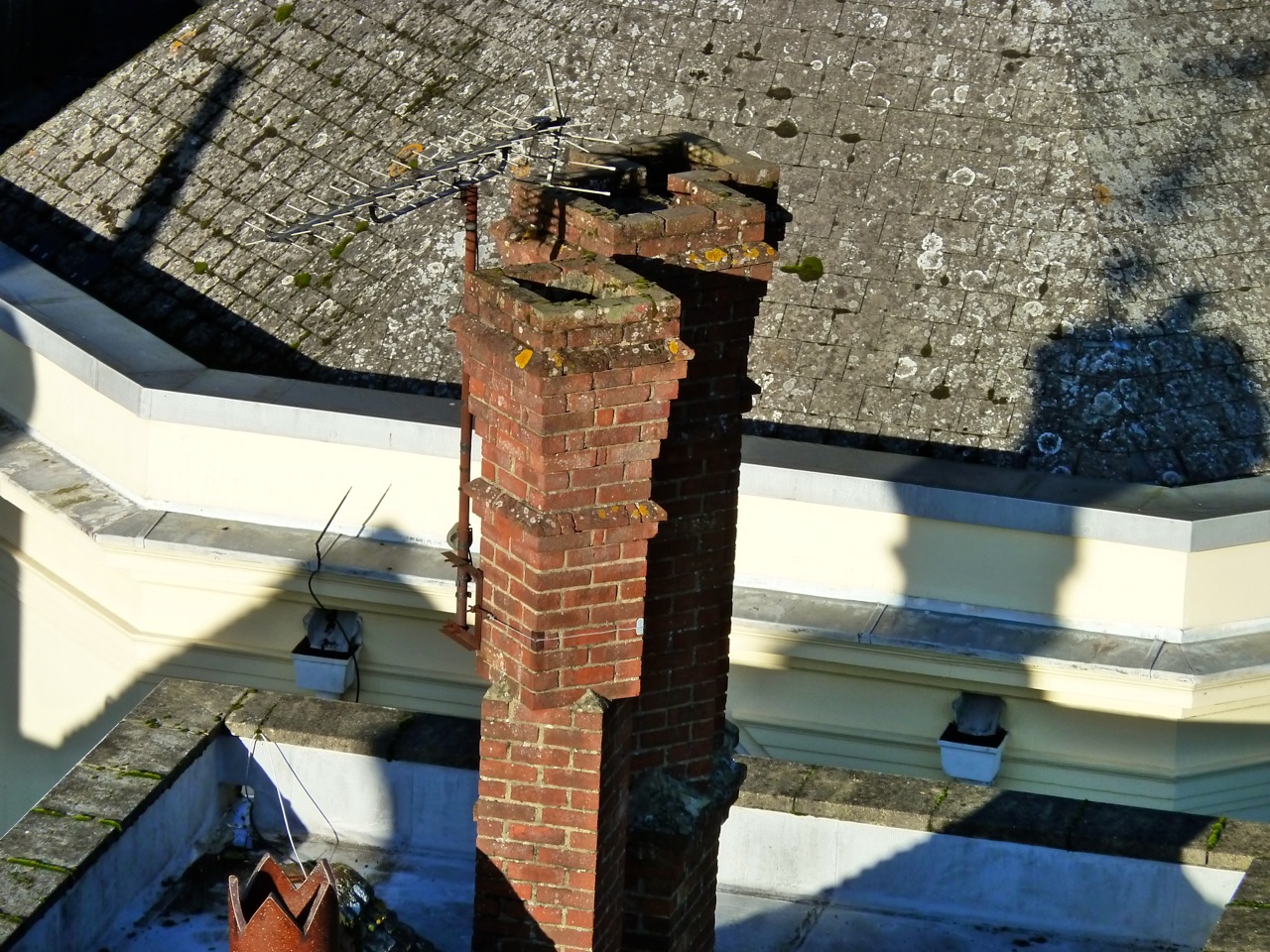
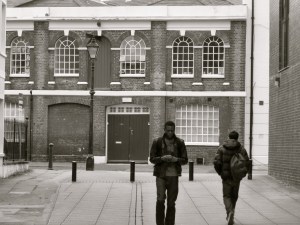
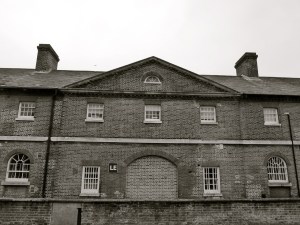
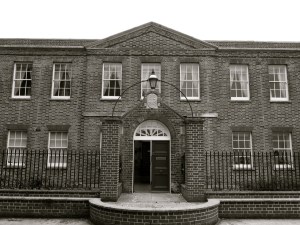
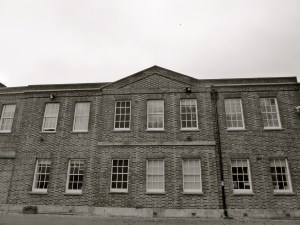
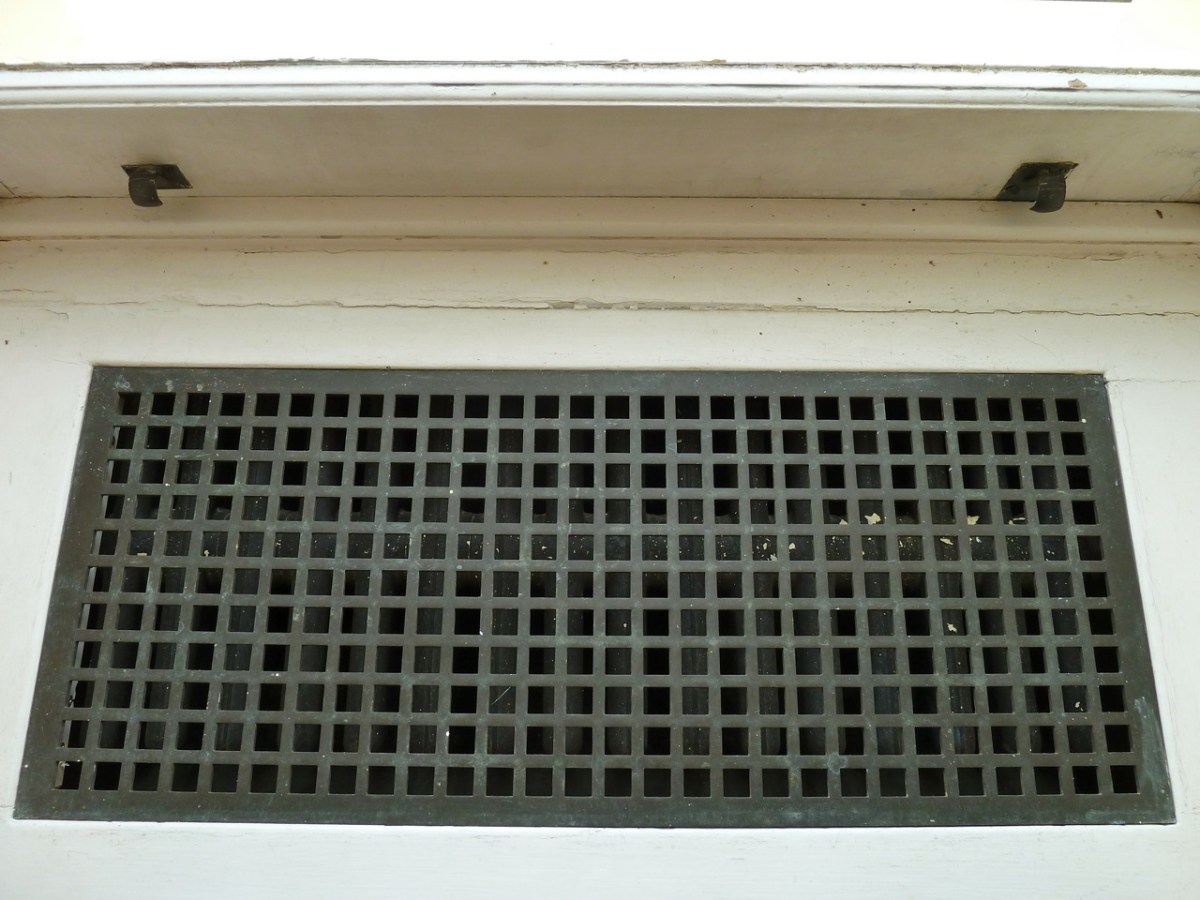
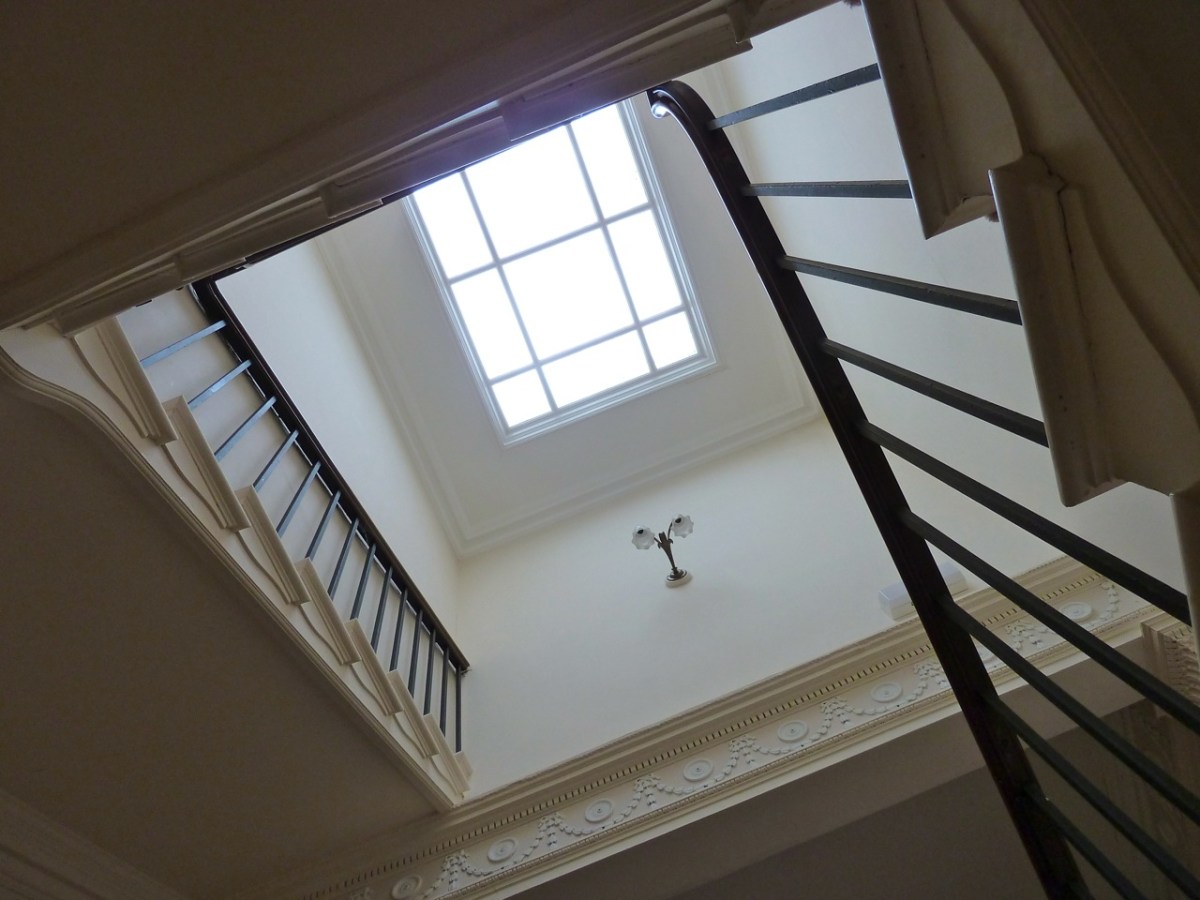
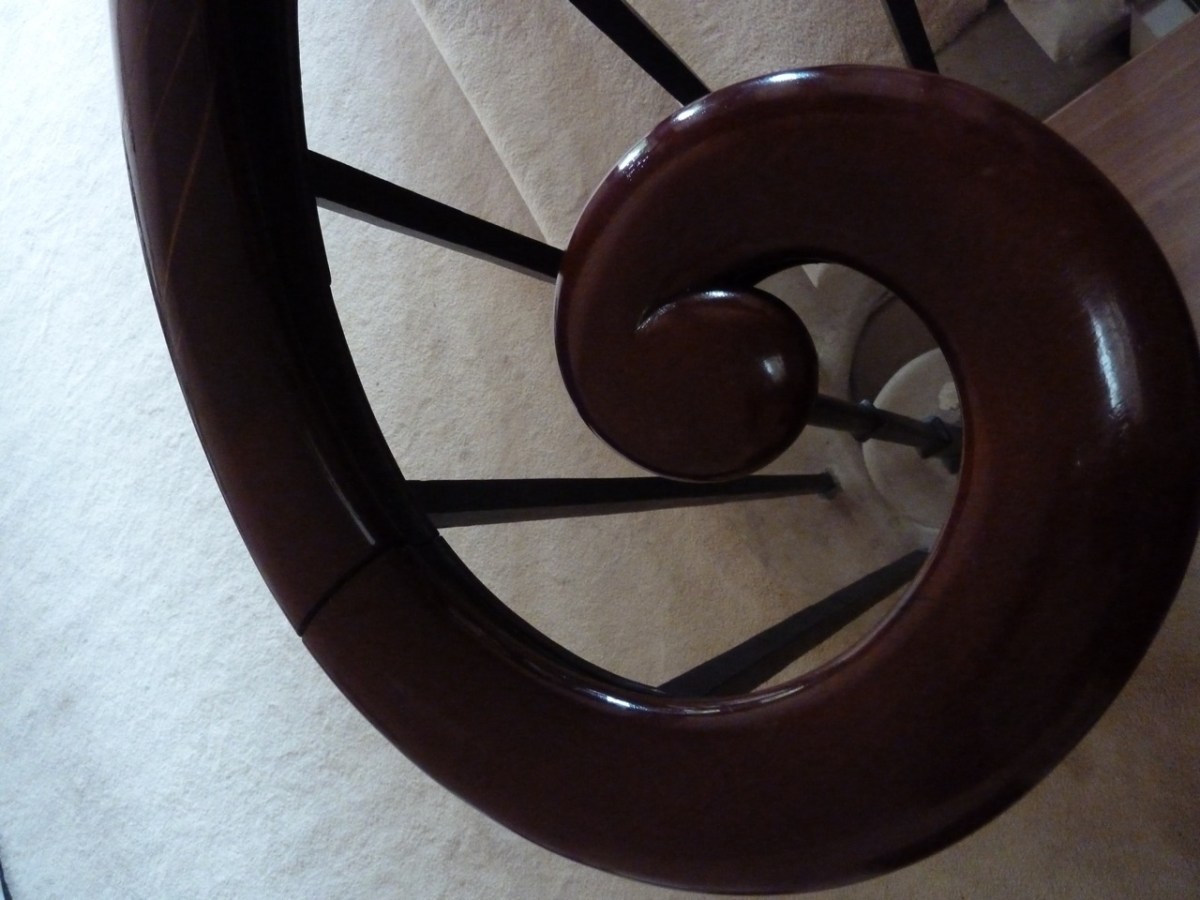
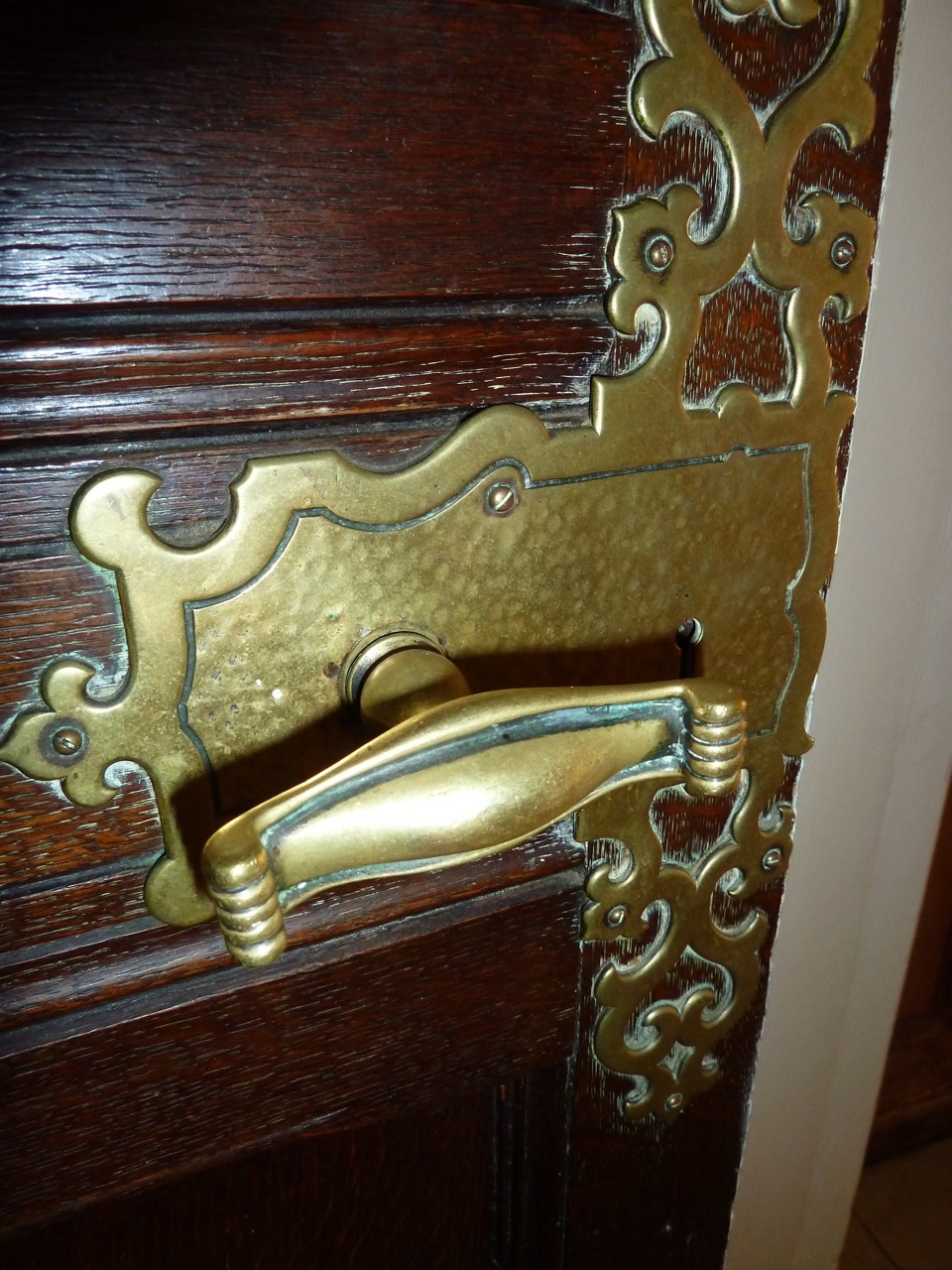
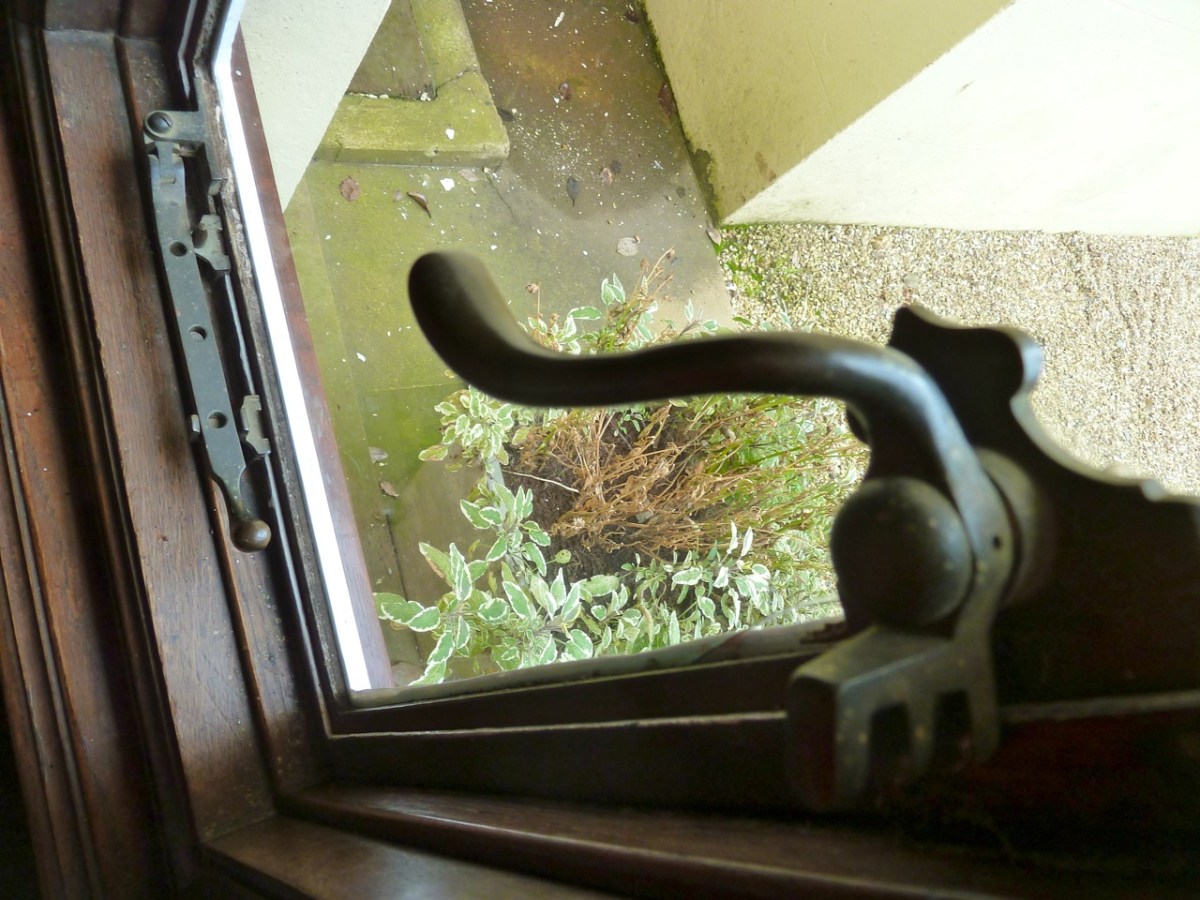
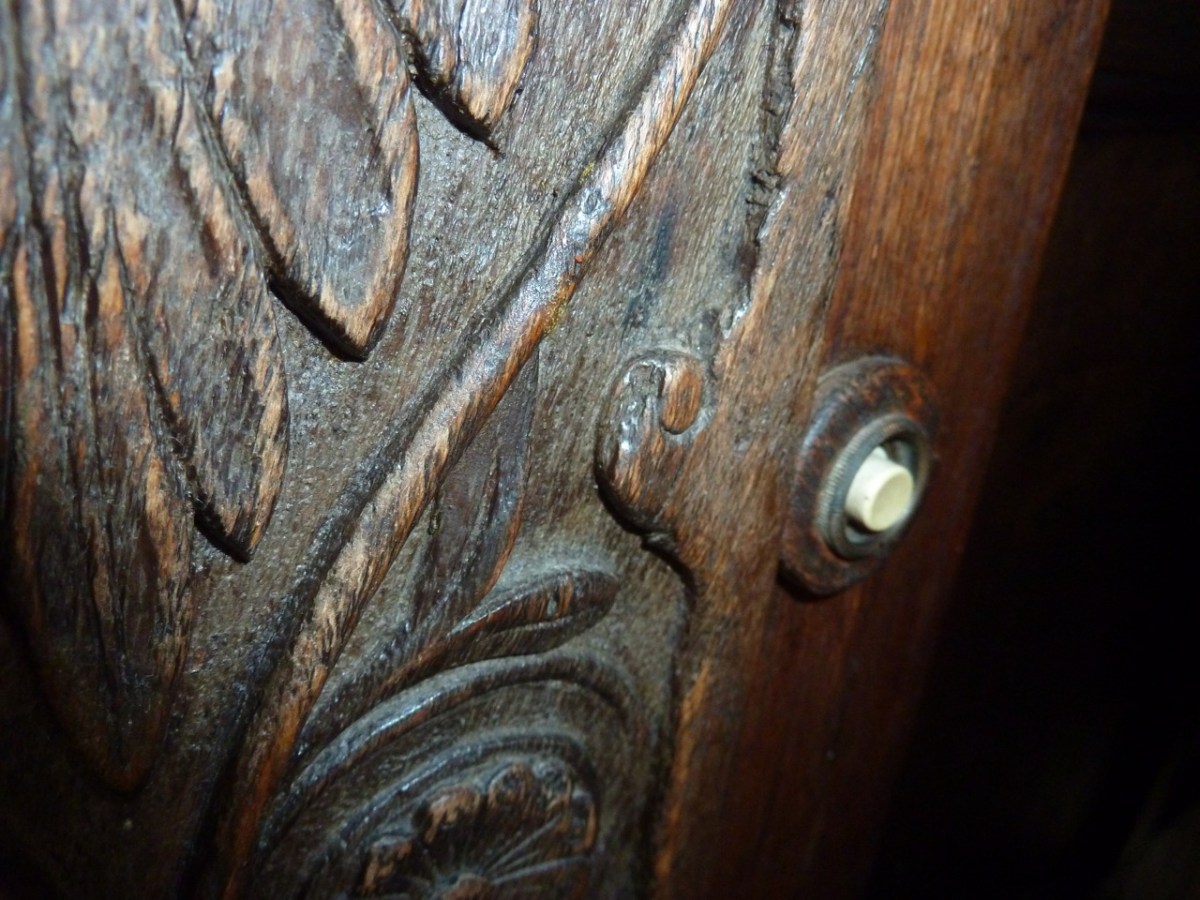
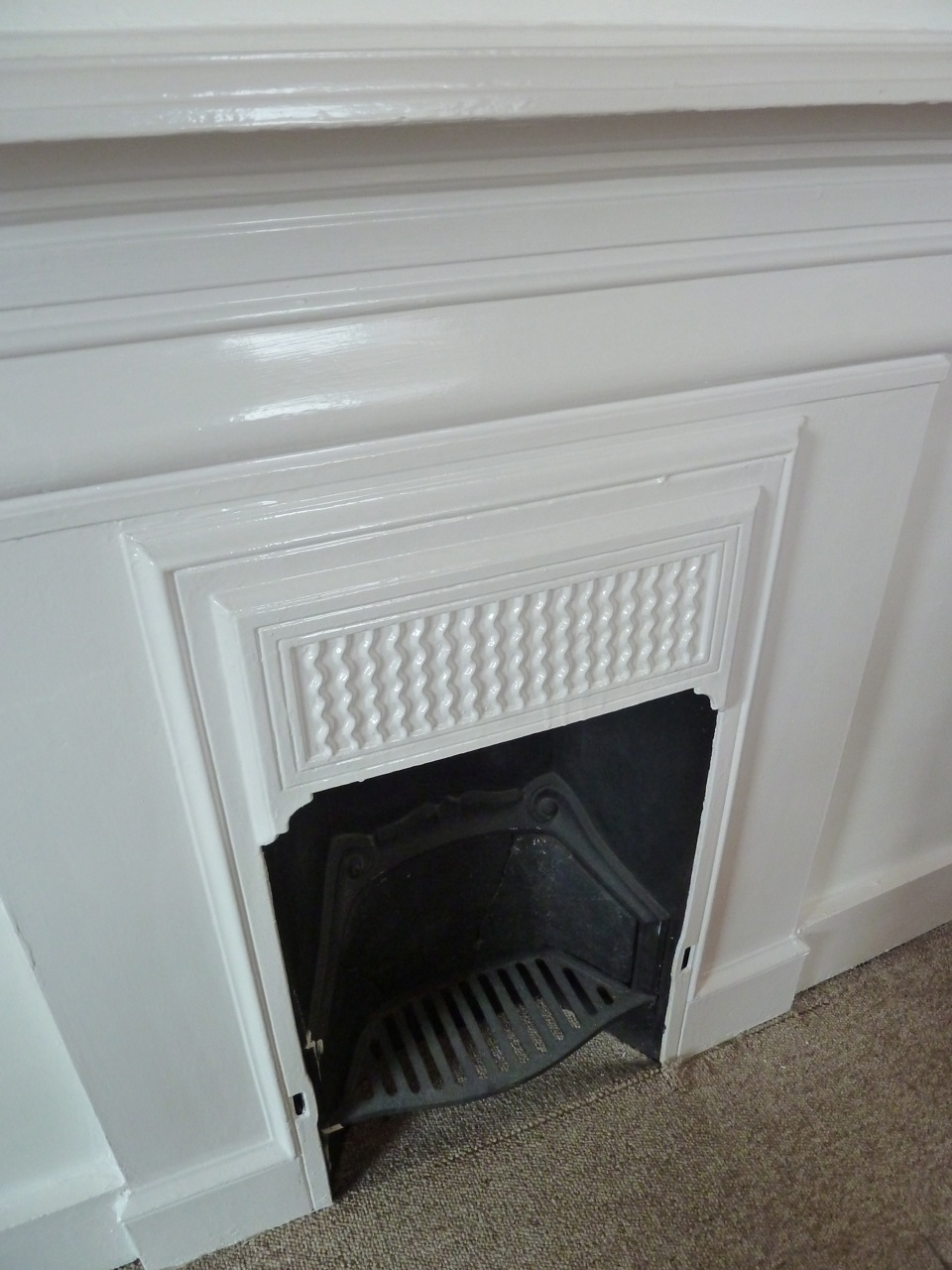
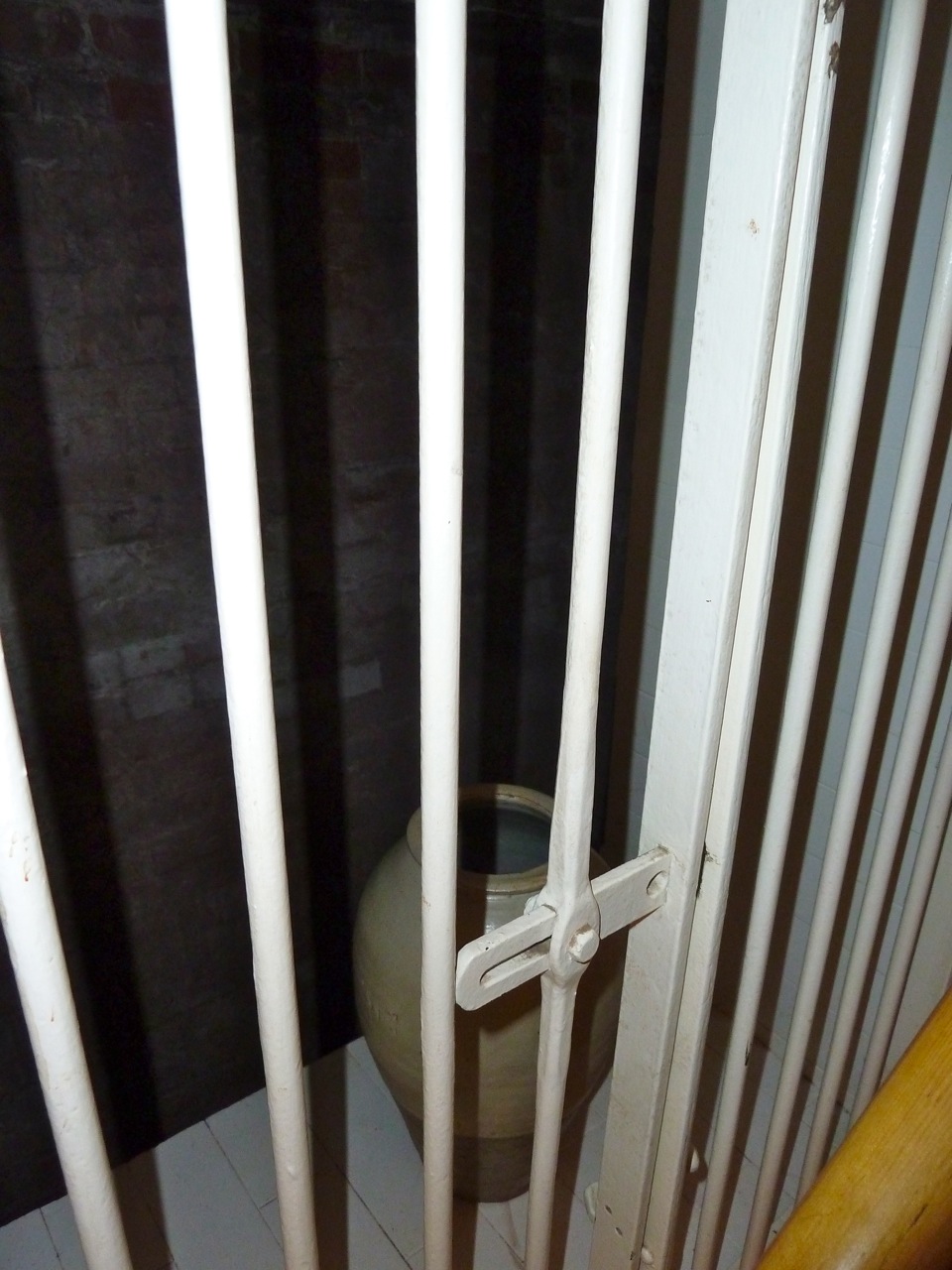
With the new term fast approaching and the school staff arriving back this week, after lunch I took a quick tour of some of Brockwood Park School before it once again fills up with people. Here are some views of some of the original(?) features of a building begun in the 18th Century.

































































































































































 Falling Awake