Morning Walk

I went out for a half hour walk at 8 this morning, before work. These be some of the thingies I saw:

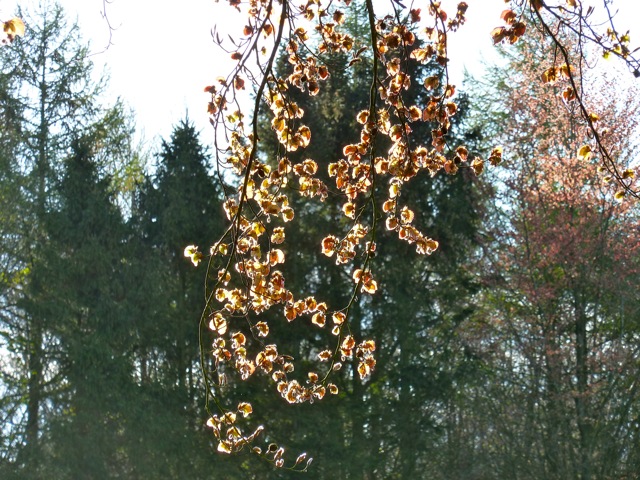
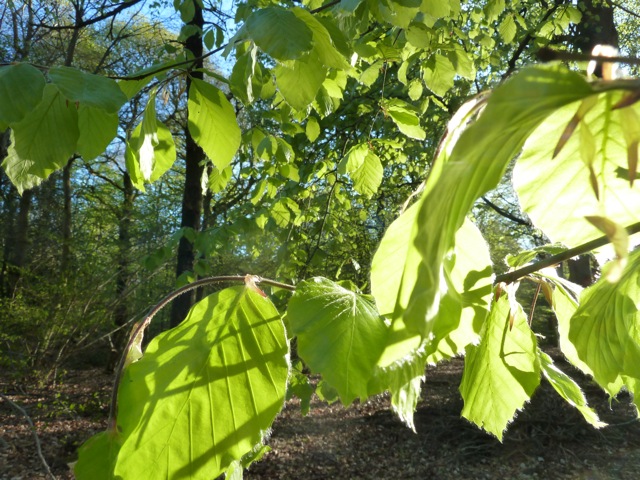
Leafy light:

The footpath says CLOSED DUE TO COMPLAINTS. Well hell they can’t just do that, so I went anyway.

Beacon Hill:

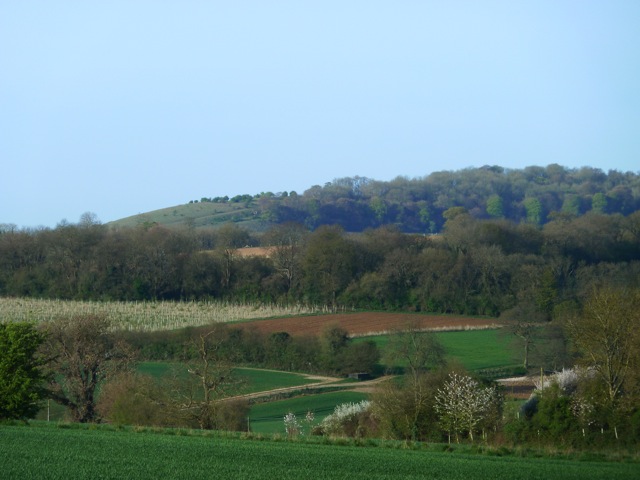
Old Winchester Hill (you can make out the burial mounds)

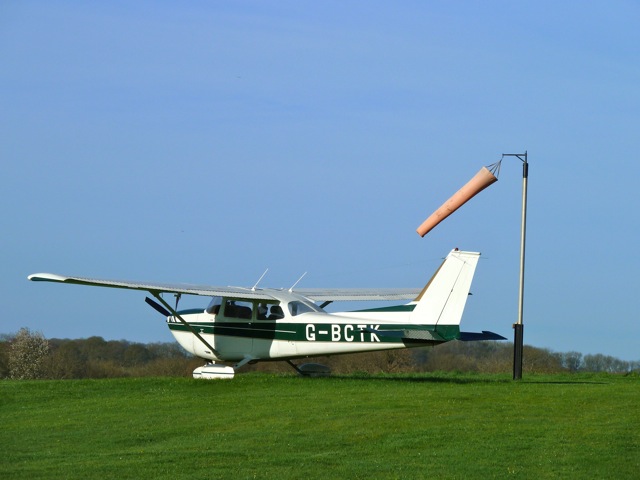
The peacock man’s plane. He takes off from a field by his house, literally a strip between crops.

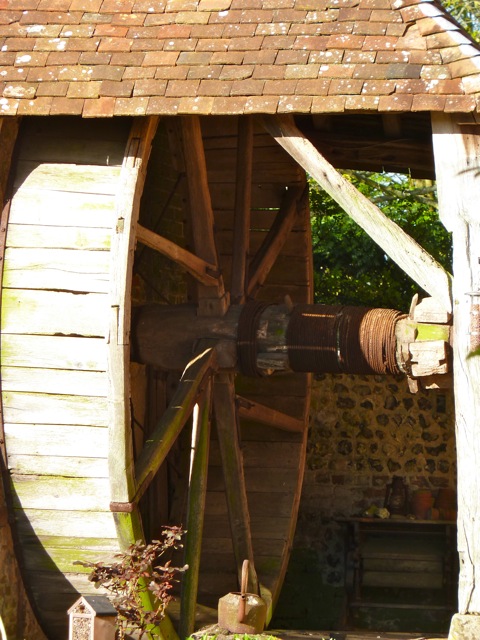
Not sure what this is about, as there’s no running water around here:

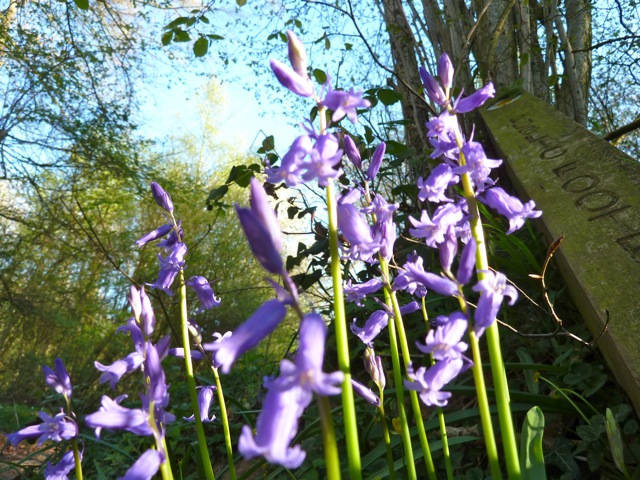
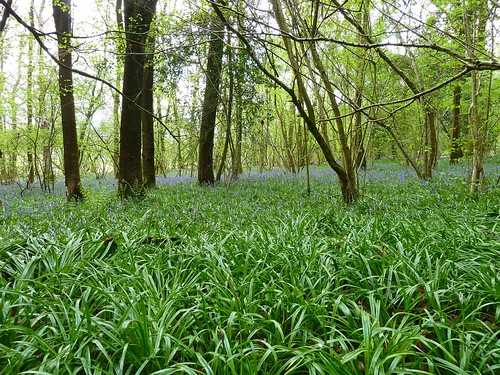
The bluebells are out! The bluebells are out!

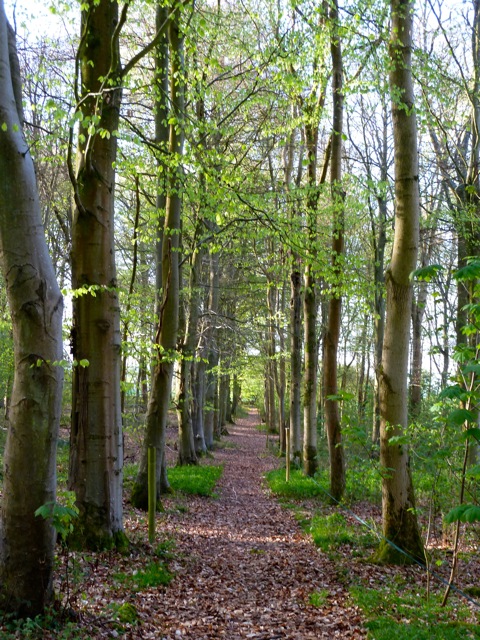
Brockwood Grove, new angle:

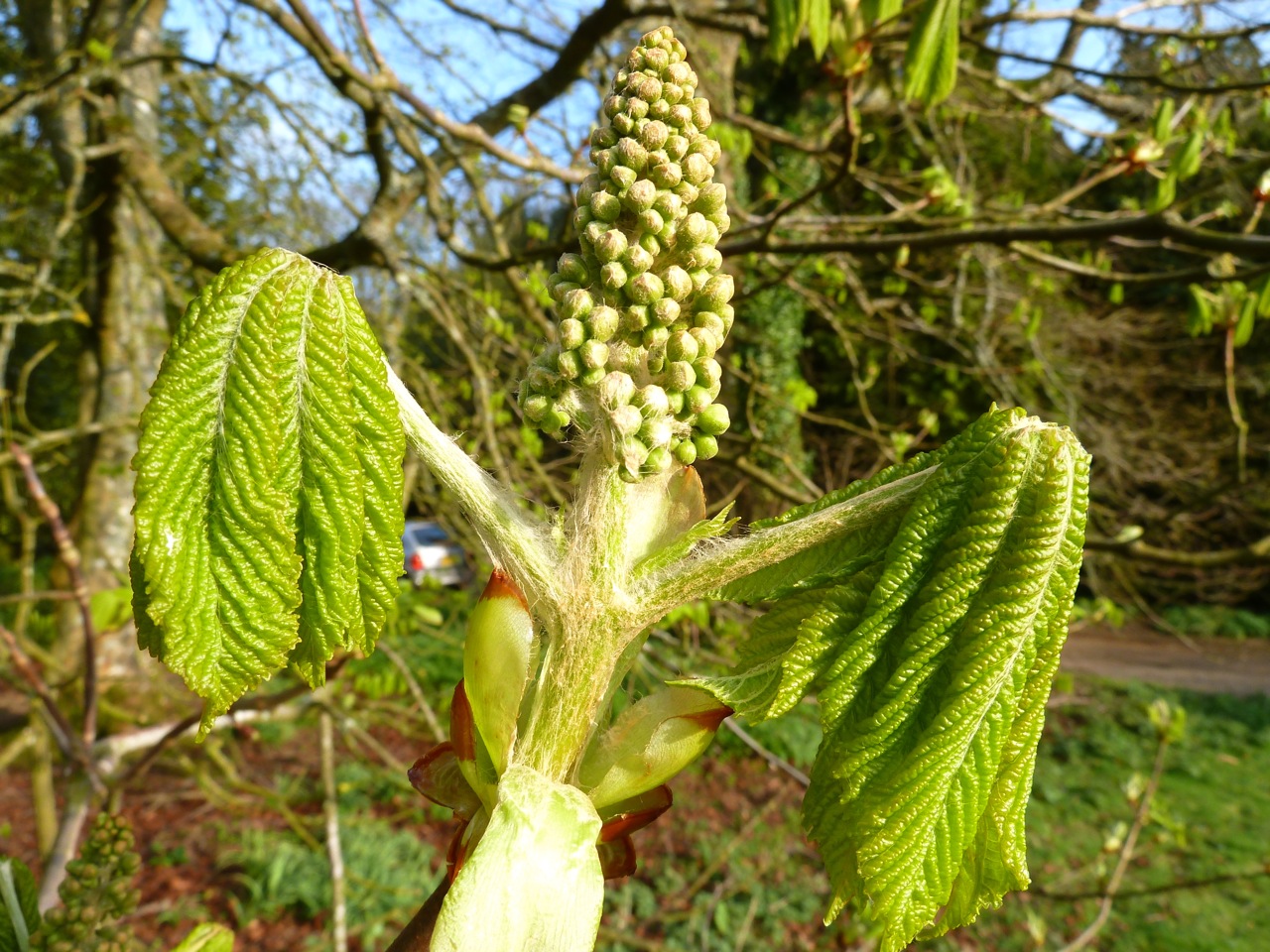
New beech against the evergreens:

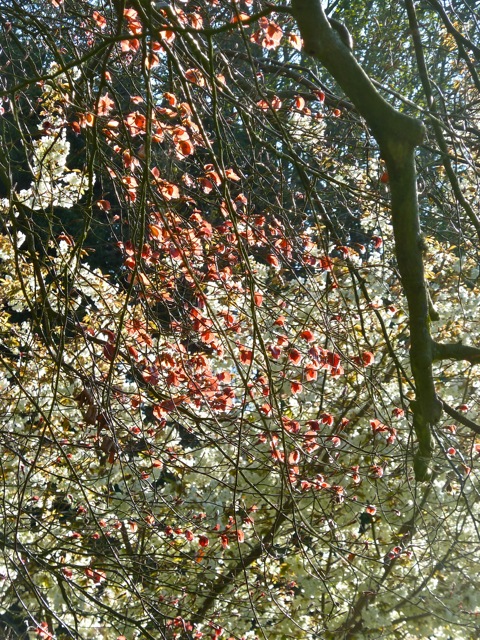
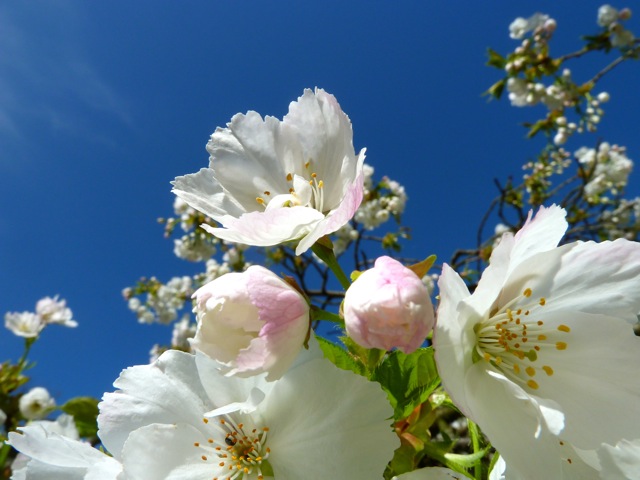
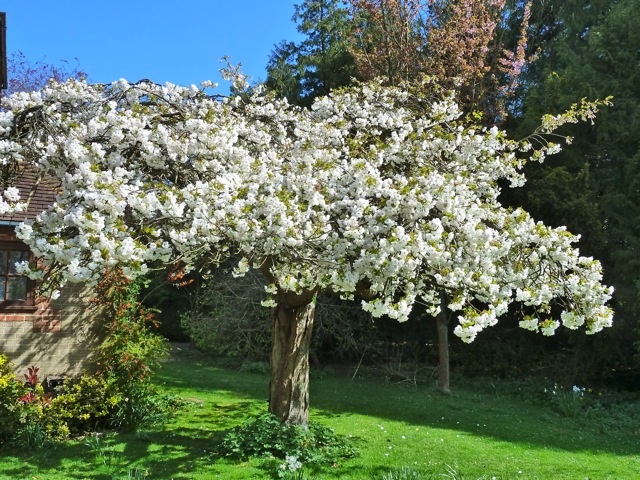
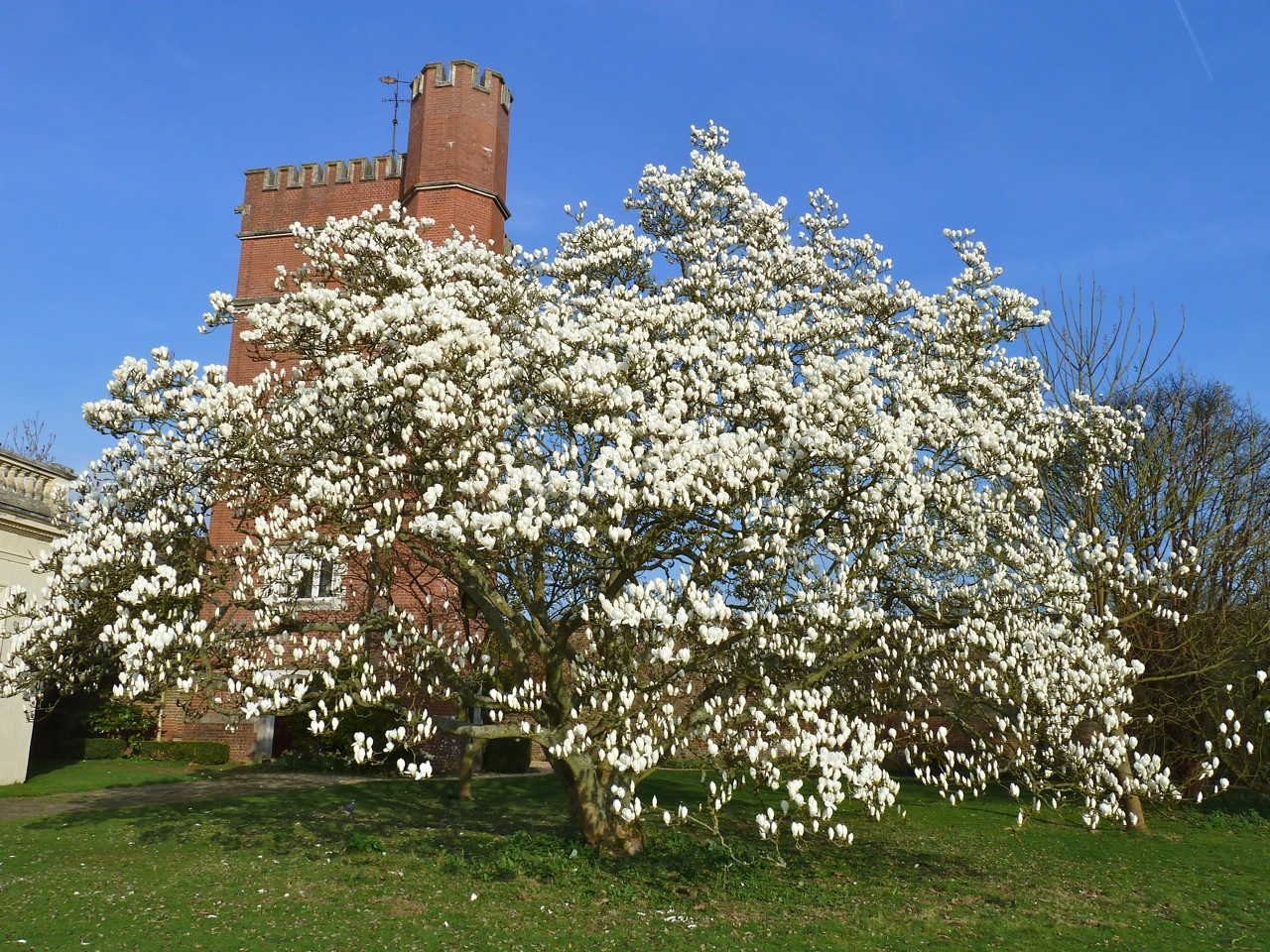
New beech against the blossom:

110324 Nature Tour of Brockwood

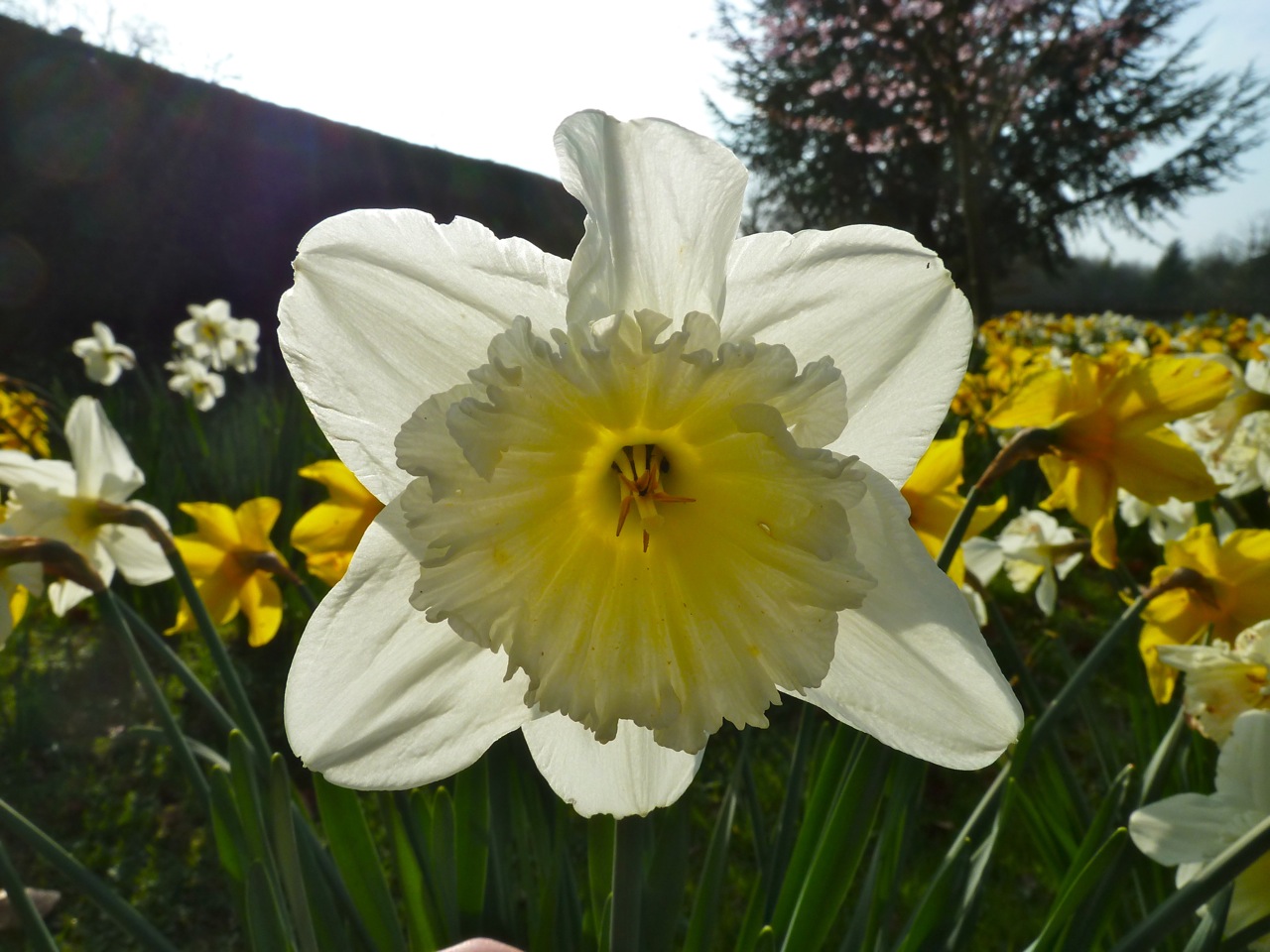
Ten days ago, Phil, a visiting biologist gave a nature tour of some of Brockwood Park. He was kind enough to let me film it. The video doesn’t contain the whole tour but an edited thirteen minutes. We learnt something about chicken relatives in the forests of India, dog’s mercury, daffodils known as Lent Lilies, the corkscrew hazel, pigeons eating stones, birds of prey regurgitating the indigestible fur, feathers and bones of their kill, the formation of flint, and the nutritious qualities of beech sap and young hawthorn leaves. The spring has advanced considerably in ten days and it’s looking so much greener than in this video:

Steps: 5544

The ocean is not a bin

Hundreds of shards reveal the threat to wildlife from debris floating in our seas

The debris from the stomach of a green sea turtle
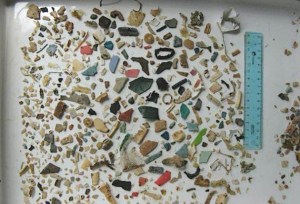
This collection of hundreds of coloured, jagged shards could be a work of abstract art. But the objects in the photograph to the right are the contents of the stomach of a sea turtle that lost its battle with plastic pollution.

Environmentalists examined the stomach of the juvenile turtle found off the coast of Argentina. The bellyful of debris that they found is symptomatic of the increasing threat to the sea turtles from a human addiction to plastic.

Sea turtles often mistake plastic items for jellyfish or other food. Ingesting non-biodegradable ocean pollution can cause a digestive blockage and internal lacerations. The result can be debilitation, followed by death.

Humans currently produce 260 million tons of plastic a year. When those products are pulled into the sea’s currents, the plastics do not biodegrade but are broken into smaller pieces which are consumed by marine life at the bottom of the food chain. An examination of gastrointestinal obstruction in a green turtle found off Florida discovered that, over the course of a month, the animal’s faeces had contained 74 foreign objects, including “four types of latex balloons, different types of hard plastic, a piece of carpet-like material and two 2-4mm tar balls.”

The biggest rubbish “swill” is the North Pacific Gyre, known as the “great garbage patch”, which is the size of Texas and contains an estimated 3.5 million items of detritus, ranging from toys to toothbrushes.

“The oceans have become one giant refuse bin for all manner of plastics. All sea turtle species are particularly prone and may be seriously harmed,” according to the biologists Colette Wabnitz, from the University of British Columbia, and Wallace Nichols, of the California Academy of Sciences. In “Plastic Pollution: An Ocean Emergency”, they write: “Continued research on the impacts of plastic on the ocean environment and human health is likely to conclude the problem is worse than currently understood.

“The symptom of this growing crisis can be seen inside and on sea turtles as well as their oceanic and terrestrial habitats. Bold initiatives that directly confront the source of plastic pollution, redesign packaging and rethink the very idea of ‘throwaway culture’ are urgently required.”

Almost all marine species, from plankton to whales, have ingested plastic. But, even in small quantities, plastic can kill sea turtles due to obstruction of the oesophagus or perforation of the bowel, the biologists said.

Fifty out of 92 turtles found dead, stranded on the shorelines of Rio Grande do Sul state in Brazil, had ingested a “considerable amount of man-made debris”.

Because young sea turtles indiscriminately feed on pelagic material, “high occurrences of plastic are common in the digestive tract of these small sea turtles,” the biologists write.

They are asking visitors to help reduce the threat from plastics during visits to coastal areas by bringing their own reusable bags and food containers, and avoiding plastic-bottled drinks.
via The plastic found in a single turtle’s stomach – Nature, Environment – The Independent.

110319 New Pond Walk

After yesterday’s rain, a bright, sunny day. We took a walk in the local area, out towards Hinton Ampner, turning back at New Pond Cottages. The daffodils were bowing to the frost as we left.
Gloves in a pot:

Brockwood Park School in the March sun:

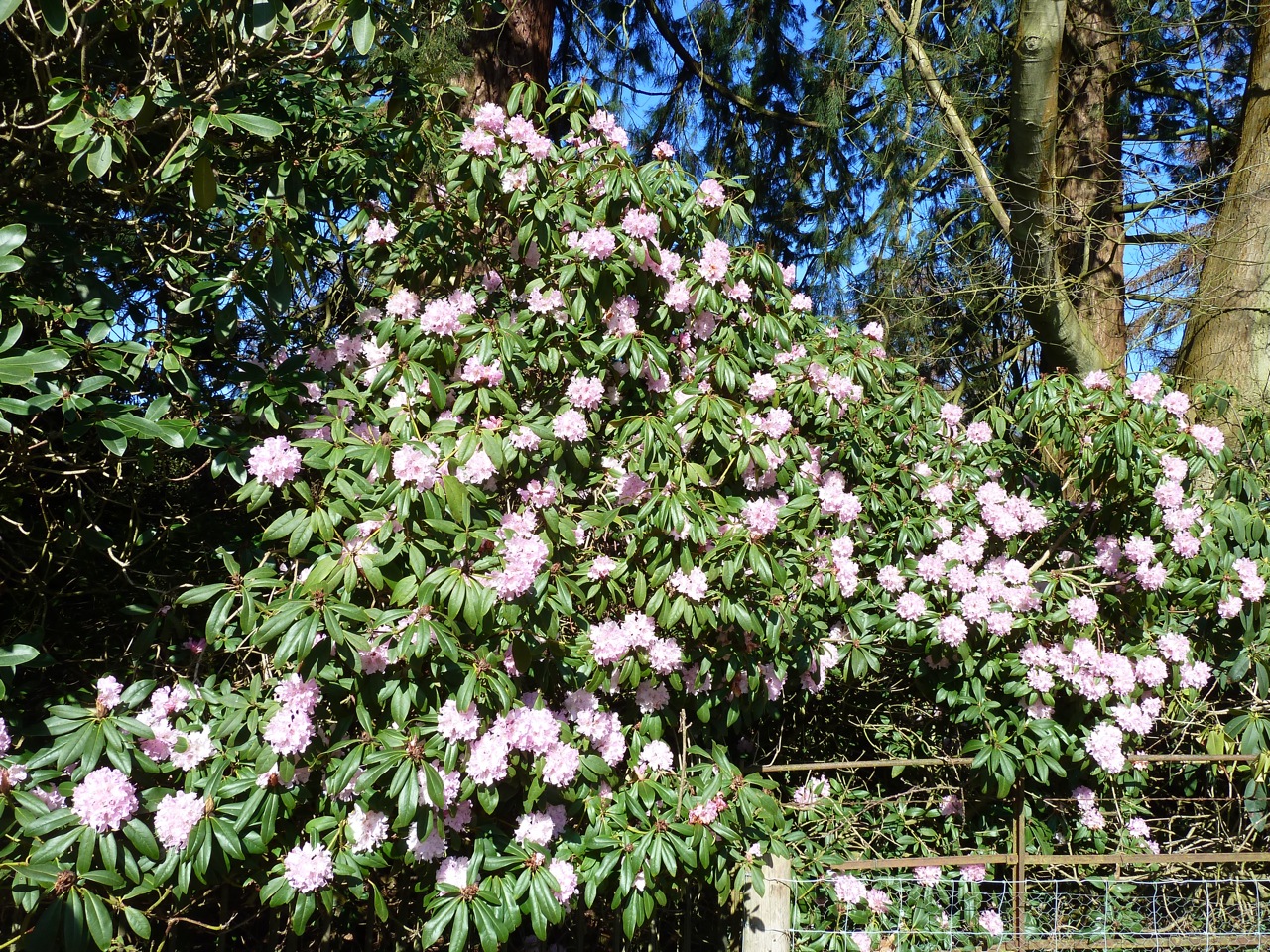
Some of the Rhododendron in the Grove are in flower:

Through the woods on the ridge above Bramdean:

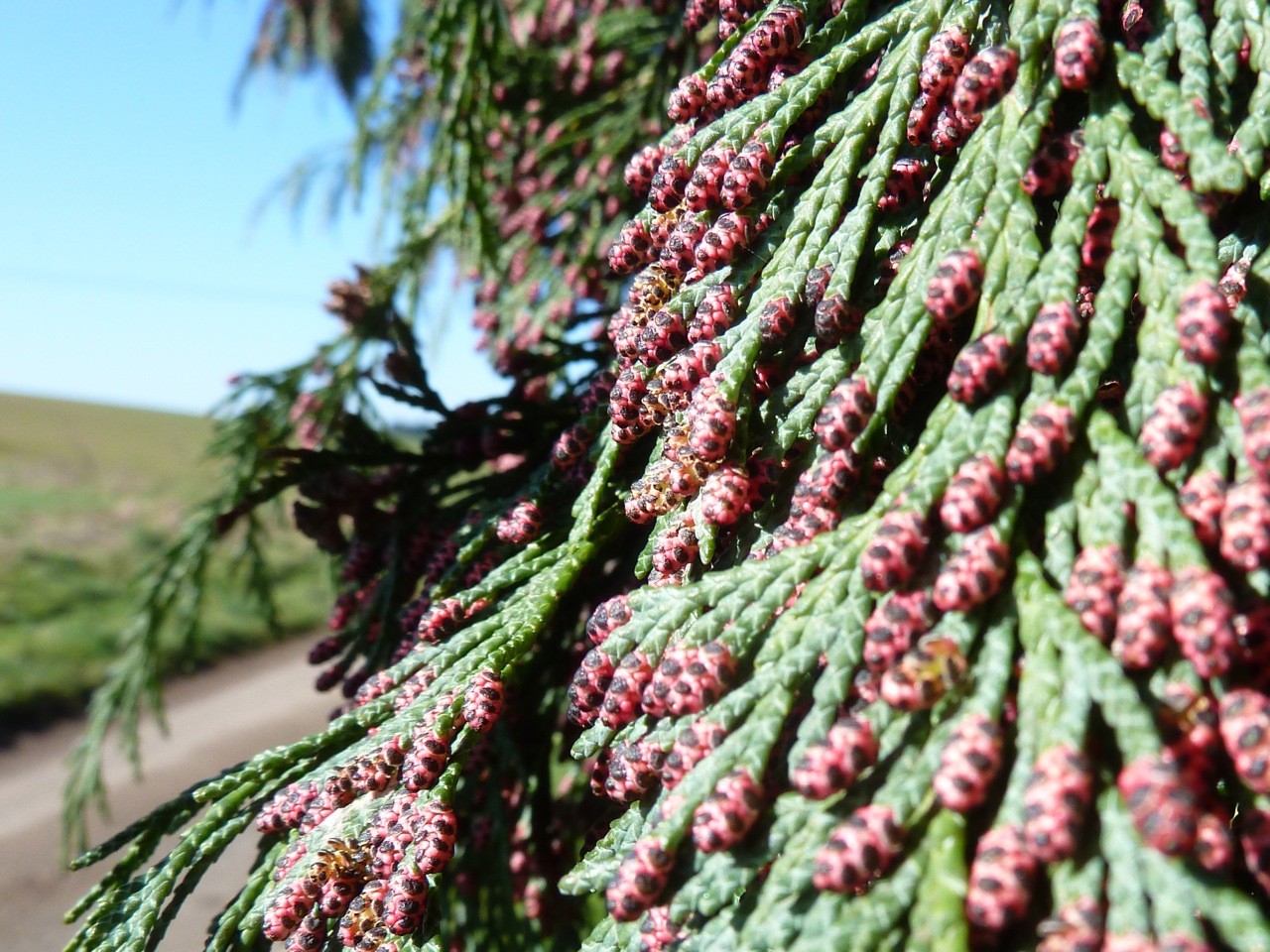
Red and black pollen pods:

The sap is rising, spring is almost here:

Going outside now to see if the Supermoon is up. The largest full moon in 18 years, I’m told.

Steps: 12,120

110217

I’ve been resting in bed again most of the day. Still feeling weak. I seem to get this every few months. I don’t go down as hard as I used to with dizziness and aches, but that same sick feeling I’ve felt for a few years now gets close by and I loose strength to do very much. There’s nothing for it but to rest up and sleep when I need.

I watched a move called Easy A. An above-average teen movie, interestingly for me set in Ojai, California where several of my friends live. The central character is quite bright yet falls into the trap of what people think of her, and is sucked under for a while by the rumour mill. You get to see quite a few shots of the city centre and surrounds, and of course a lot of the school. I really liked the parents; very funny yet caring.

Caroline passed her driving test. Good on her! The nerves failed her somewhat and she made some mistakes, but the examiner must have noticed her general competence and ability. That means no more driving practice sessions, which are quite hard on my own nerves. For the time being she’ll be able to borrow my car for work and after a while get her own.

This evening watched Human Planet about the grasslands of the world. Incredible footage of hunters stealing from lions, ambushing kudu, fishing for snakes, working with a bird to collect honey, fending off and then burning thousands of birds, catching and milking horses, and rounding cattle with helicopters. Men in copters was a strange site after 45 mins of traditional ways. Here’s a clip I uploaded of the kudu hunt:

Steps stepped: Not many more than 1000. Snoozes snoozed: Many.

110212 Durford Walk

I really enjoyed this TED video of Benjamin Zander that my friend Seppo put me on to. Zander’s measure of success is not wealth or fame but how many shining eyes there are around him. He speaks with real passion about his notion that classical music is for everyone. I know next to nothing about classical music but his descriptions and playing makes me want to understand more. What a character!

We went for a walk this morning over to the Rother the other side of Petersfield at Durford Mill. We started at the old bridge:

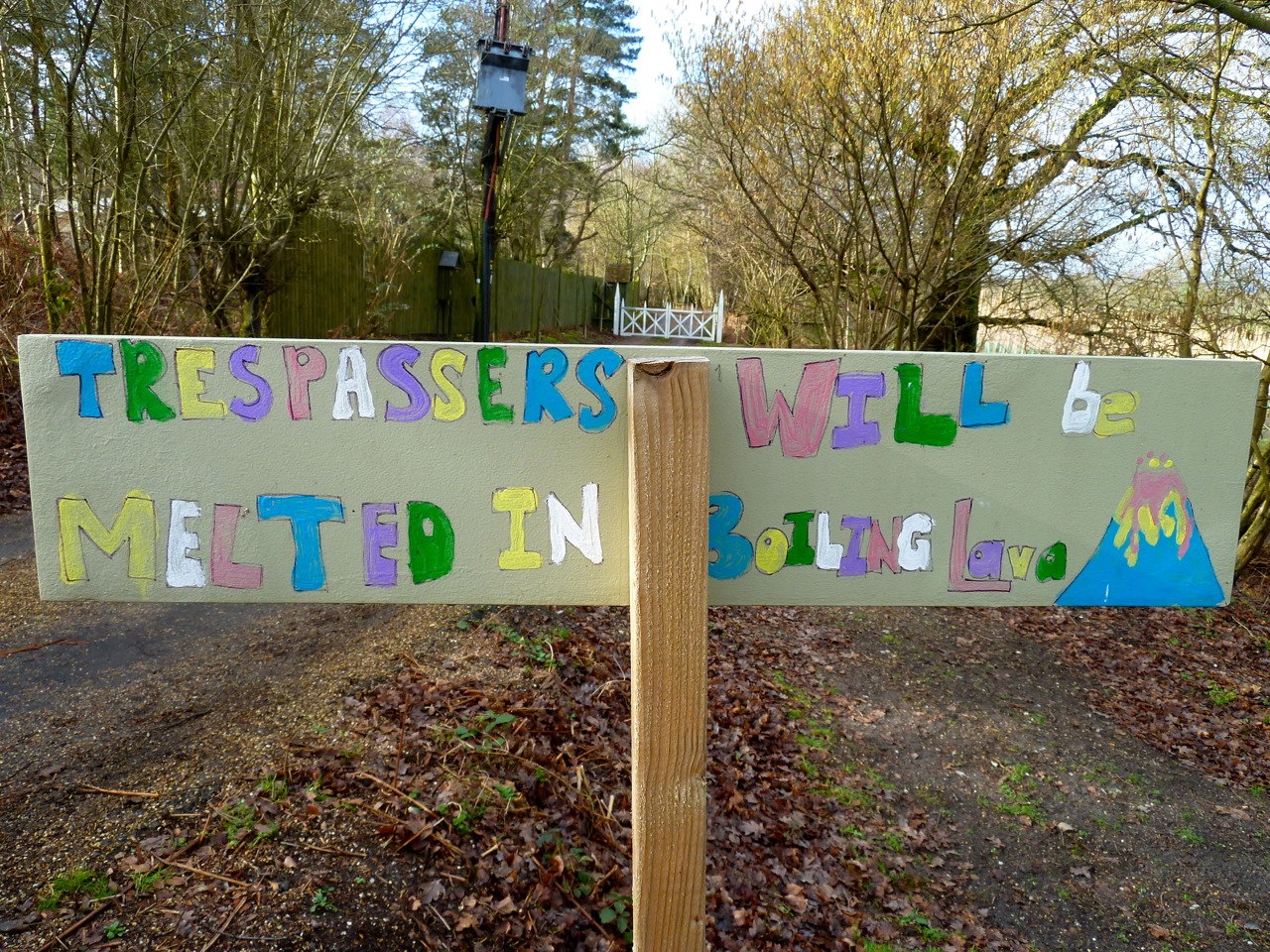
The east along the old Petersfield Midhurst branch line, a large sandpit to the south on West Heath Common. Get off my land, warn the children:

Not just lava, but boiling lava.

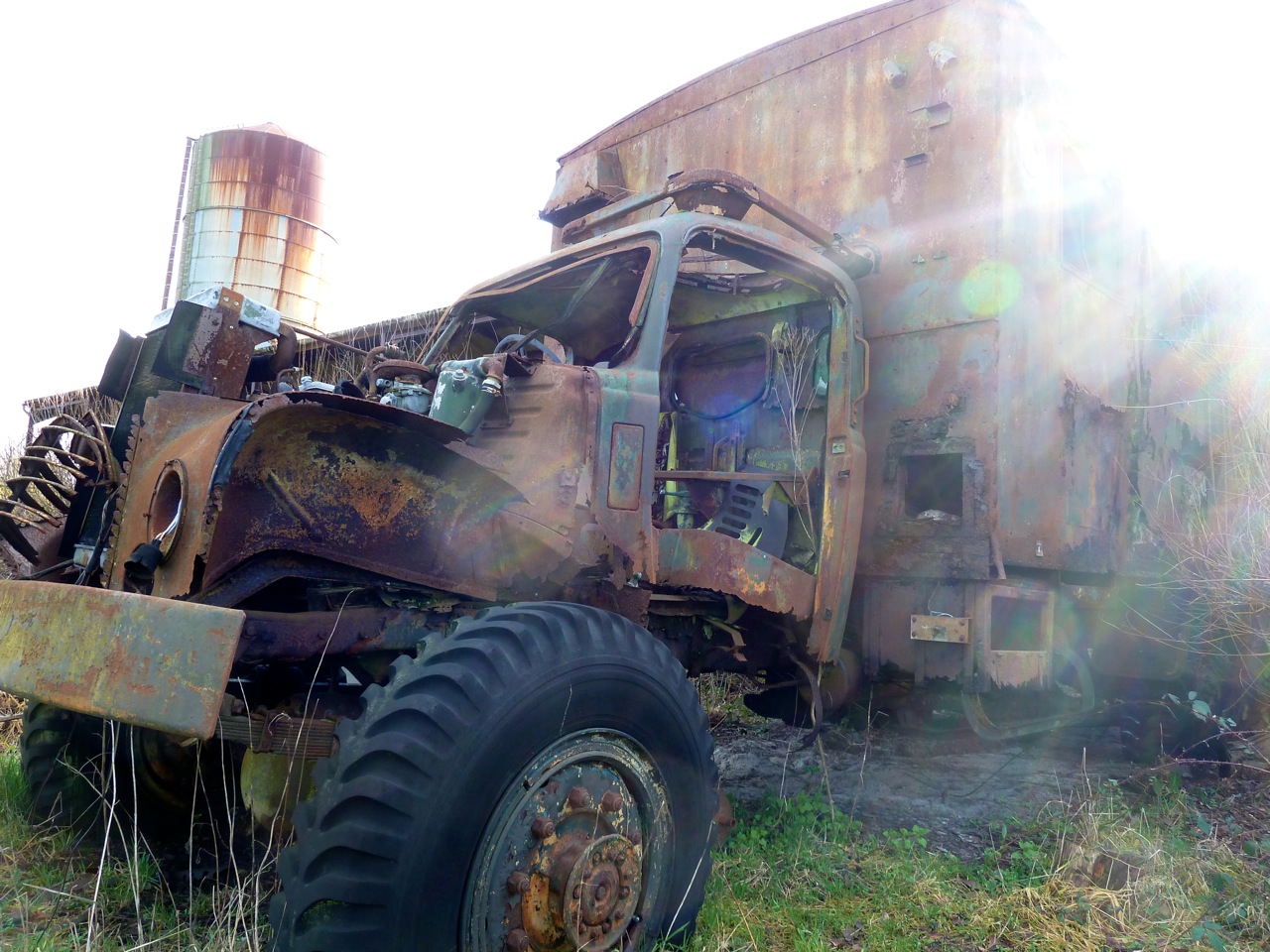
We went south to Down Park Farm where there were many dead rusting vehicles, including a couple of Fordson Majors:

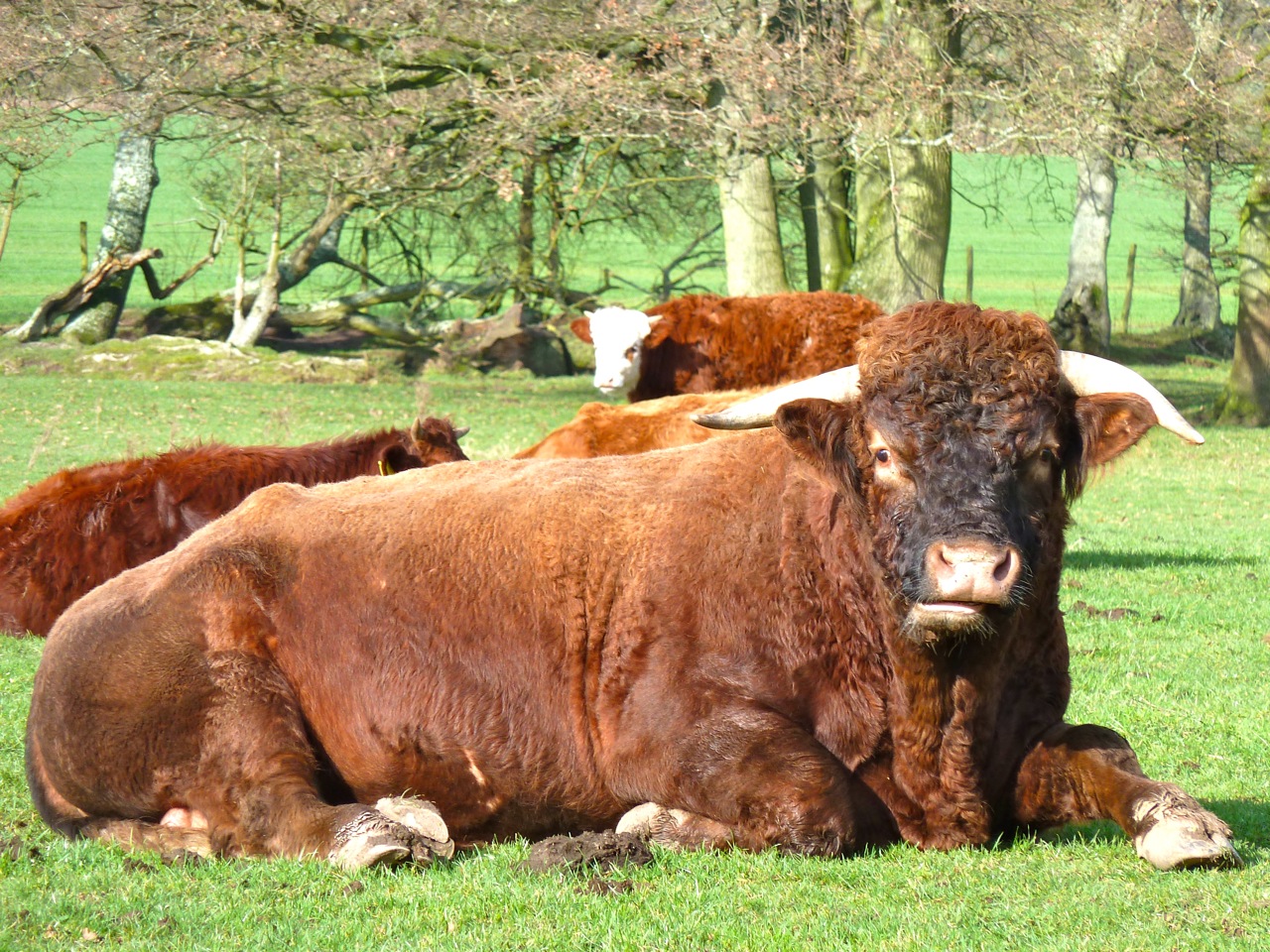
Then back west to the Rother, enjoying the sun as we trekked across open fields, glad of the non-sticky sandy soil, passing some friends:

And to Durford Abbey Farm:

With the usual happy hostages:

Another varied walk not far from home. There was a feeling of spring in the sunshine with the birdsong reflecting the change of mood.

This afternoon we got the flat together, with the desk and drawers now in the bedroom by the window and the large bookcase in the living room. I am really happy to live in such surrounds, internally and the countryside.

Steps stepped: 9477

We need one and a half (sustainable) Earths

The index for the world as a whole shows a decline of 30 per cent since 1970, while the Ecological Footprint, another of the indicators used in the report, shows that human demand on natural resources has doubled since 1966, and that humans are now using the equivalent of 1.5 sustainable planets to support our activities.

If we continue with “business as usual”, the report says, humanity will need the capacity of two Earths to absorb greenhouse gas emissions and keep up with natural resource consumption by 2030.

“The indicators clearly demonstrate that the unprecedented drive for wealth and wellbeing of the past 40 years is putting unsustainable pressures on our planet,” said James Leape, the director-general of WWF International. “The Ecological Footprint shows a doubling of our demands on the natural world since the 1960s, while the Living Planet Index tracks a fall of 30 per cent in the health of species that are the foundation of the ecosystem services on which we all depend.”

The report, published every two years, documents the changing state of biodiversity and humanity’s consumption of natural resources. For the first time, the current, eighth edition looks at trends in biodiversity by countries’ income – which highlights, it says, “an alarming rate of biodiversity loss in low-income countries”.

The report notes: “This has serious implications for people in these countries. Although all depend on ecosystem services for their wellbeing, the impact of environmental degradation is felt most directly by the world’s poorest and most vulnerable people.”

It also calculates a second measure of human demand on natural resources, the Water Footprint, which shows that 71 countries are currently experiencing water stress.

But perhaps the most notable aspect of the report is its revelation of the astonishingly rapid rate of biodiversity loss in the tropics, and in poorer tropical countries in particular. This is mainly a reflection of the enormous levels of deforestation across the tropical belt in nations such as Brazil, the Democratic Republic of Congo and Indonesia – although the declines are not just due to logging, but also to land use change, development, pollution, overuse of resources and overfishing.

via Living Planet: The world is not enough – Nature, Environment – The Independent.

Weekend Walk: Steep and Ashford Chace

Starting at the village of Steep, near Petersfield in Hampshire. We parked next to the church, just next to Bedales School, attended by Lily Allen, Daniel Day-Lewis and John Wyndham. Just the three of them. In a class together. The church has an interesting wood beamed tower, with tile cladding.

Steep Church

It was a sunny morning, and walking through the woods was delightful. Such abundance of new growth, and the bluebells near their full glory.

Bluebells Path

Bluebells Wood

This area between Ashford Hangers and Petersfield is known as Little Switzerland. Very little. But quite charming. The hangers rise sharply to the north west.

Bushy Hill

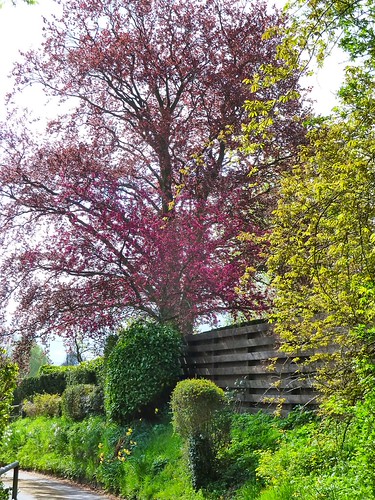
I like how the puce of the smaller tree brings out the colour of the copper beech’s new leaves:

Blossom and Beech

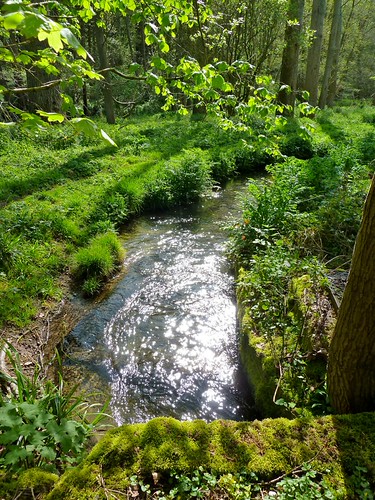
Back into the woods and across Ashford Stream. Dappled light all around.

Ashford Stream
Continue reading

The wonders of ‘Wonders of The Solar System’

The Wonders of The Solar System is my favourite programme right now. It’s presented with a refreshing attitude of awe and wonder by the casual and relaxed Brian Cox who, believe it or not, was in D:ream. Things can only get better. Great locations, great imagery, well written and presented.

Among the things I learnt in Ep 1:

Take all the energy used in one year by one country, the USA.
The sun produces one million times this energy in a single second.

Clouds then clumps of hydrogen collapse under their own gravity, heating up, fusing into helium.
Hotter and hotter, this ignites forming a star, a sun.

The sun accounts for 99% of the solar system’s mass.

VLT stands for… erm, Very Large Telescope.

For those in the UK, the first two episodes can currently be seen here