Hampshire Architecture – TE Owen’s Southsea

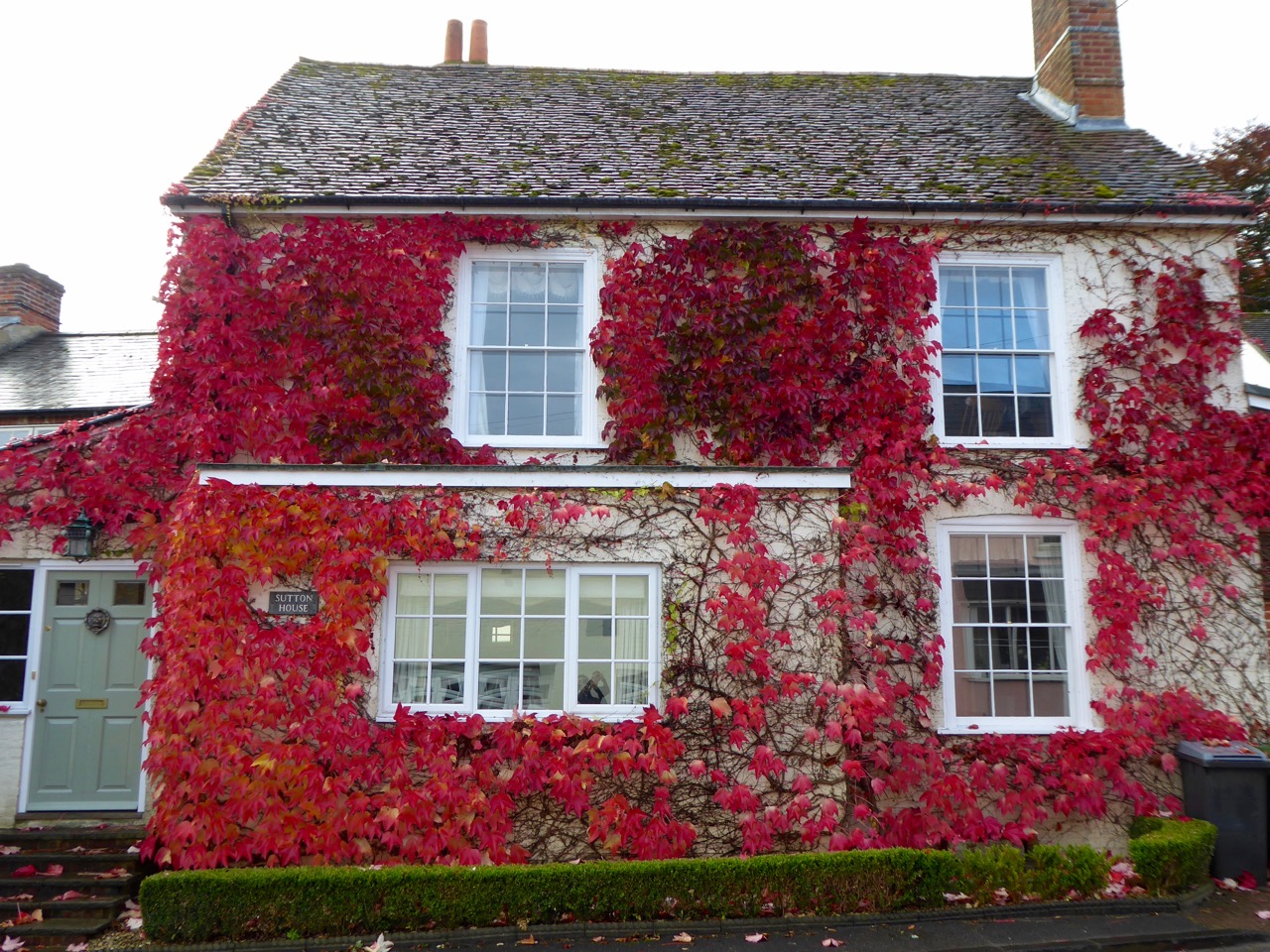
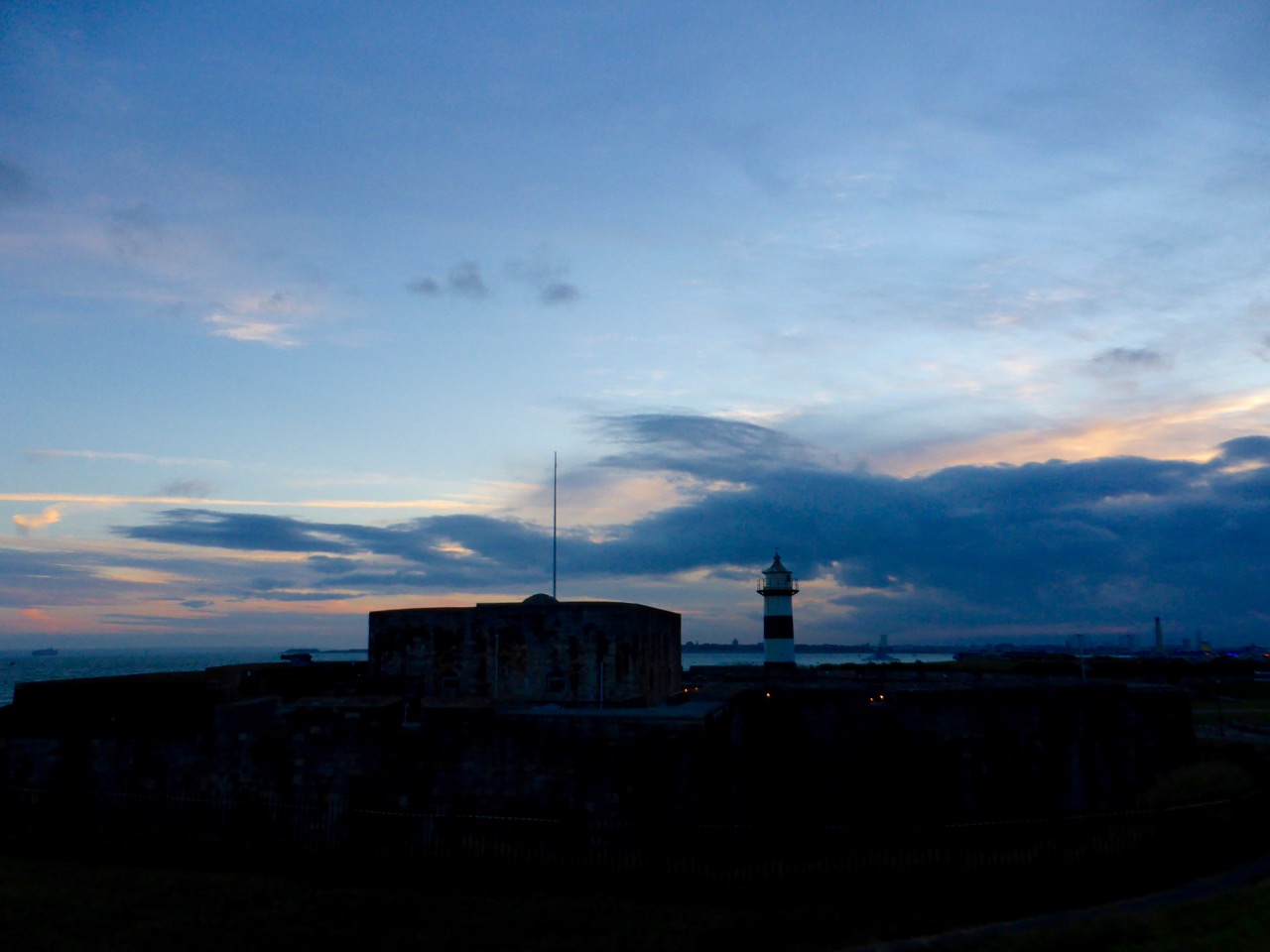
In the 19th Century Southsea spread eastwards from the initial building east of the Portsmouth walls. This growth was slow at first, from around 1830-60, with the creation of the villa suburbs around Kent Road, Sussex Road, Queens Crescent, Portland Road, Grove Road South, The Vale and Villers Road. These roads were planned and built for the most part by TE Owen, who gave them a spacious feel with walled gardens, curved roads and gentrified villas, lodges and terraces. It’s some kind of leafy, expensive, stucco heaven. He centred this new suburb on St Jude’s Church (1851). To the south are Netley and Clifton Terraces, by Gauntlett.

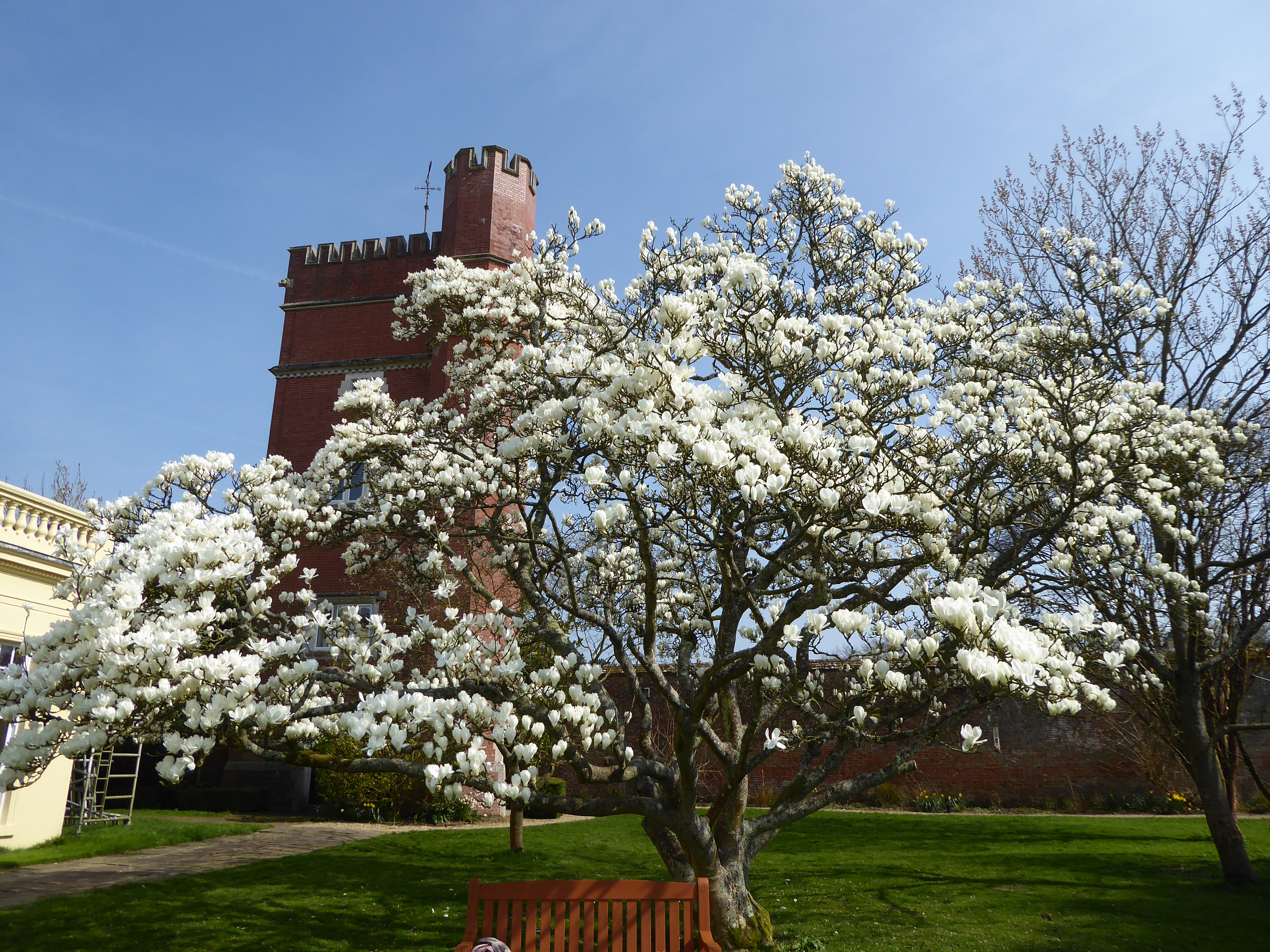
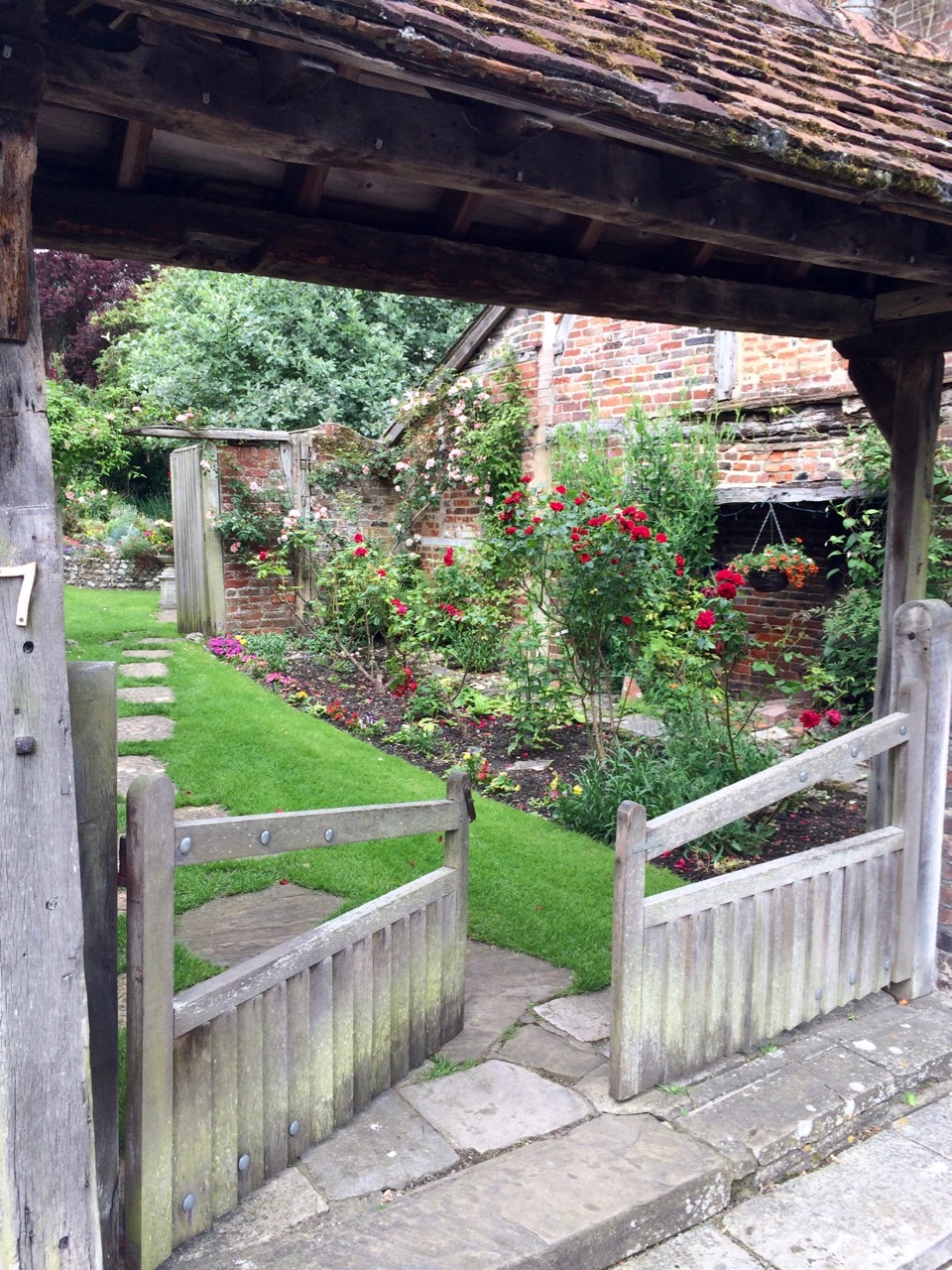
Thank you to all the owners who allowed me on their property to get better views. Here I present the listed buildings of central Southsea, along with some general views, starting with my favourite today, 3 Queens Place:

3 Queens Place Southsea 1847 (Owen)

Hampshire Architecture – Southsea: The Terraces, Castle Road and King Street areas

In the early Nineteenth Century, building spread outside of the city’s defensive walls with their moats and vast ravelins. Facing the battlements to the west, running north to south, several terraces were established, beginning around 1809. Southsea meets Portsmouth here and the space offered must have been very appealing compared to the cramped conditions of Old Portsmouth and Portsea. From the north, the terraces are named Hampshire, Landport, King’s, Jubilee and Bellevue. Much of the area was bombed in WWII and since modified, but many of the early C19 houses survive, with the characteristic maritime bay windows seen in Old Portsmouth. Behind the terraces, small streets were established by skilled tradesmen: the ‘mineral streets’ of Croxton Town – but were all bombed. Just further east are Great Southsea Street and Castle Street, with many plain but stylish town houses, my favourite designs, and a couple of older villas, along with early 1900s pubs and antique shops. Southsea Lodge was built in the C18, before there really was a Southsea, and before it was a resort, in what must have been a fairly rural area. To the north are a couple of other pockets of C19 houses, in King Street and Gloucester View and Mews. Gloucester View is a well kept secret, a superb terrace of identical houses in a cul-de-sac. Gloucester Mews in Norfolk Street hints at Owen’s Southsea to come. Park Lodge may have been built by T. E. Owen’s father. Further west towards the old city are the former Clarence Barracks, now Portsmouth Museum, a quite spectacular affair built for officers, and the Victorian lower school of the grammar school.

Here I present the listed buildings of west Southsea, and Portsmouth east of the wall:

How King’s Terrace once looked:

Kings Terrace Southsea

Meditation Journal 6 May 2013

A total action, a total seeing, an action whole, that has no residue. An action that has after effects of only the possibility of more right action. At some point, due to habit loops, I suppose, the non-total actions resume and thought takes over the game of time, with its memories and projections, fantasies and concerns. And yet in the quiet of sitting, the whole actions can return at any point, from a direction not expected, familiar yet new new new. In these moments there’s an absence of feeling that I should be doing something else, that something else is more important. In these moments there is no where else to be, nothing else to be doing, nothing more valuable or more beneficial than here and now, when I am not, but only awareness is. This is not a state or something to get to, and it’s closer by than I ever imagined.  

Meditation Journal 5 May 2013

May 5

That thing being avoided, it’s not what I think it is. From a distance it warns me of all kinds of things as to its nature. It’s fronting. Go near with a tender heart and caring attitude and it will start to change. It might get worse in it’s extreme behaviour and intensity, but stay with it, in affectionate yet skeptical awareness, and that intensity can’t last long. The games and the fornting are soon revealed for what they are: layers of protection. Thought wrapped around emotion, round and round. Curiosity allows the connection to continue, the soft listening. The breath may go wild, panting, shallow, fast and ragged. Stay there, without force or expectation. The body may react in shaking, exquisite tensions, all sorts of things, but that’s part of the game: it’s all good. Ultimately, I discover I am it, or I am doing it. For me at least, this inquiry needs quietude, some time doing nothing, sitting still, time to breathe, to listen, to connect, to allow things to change as my reactions change, to see the subtler doings, where my approach is refined and the right awareness is forged in the fire of attention.
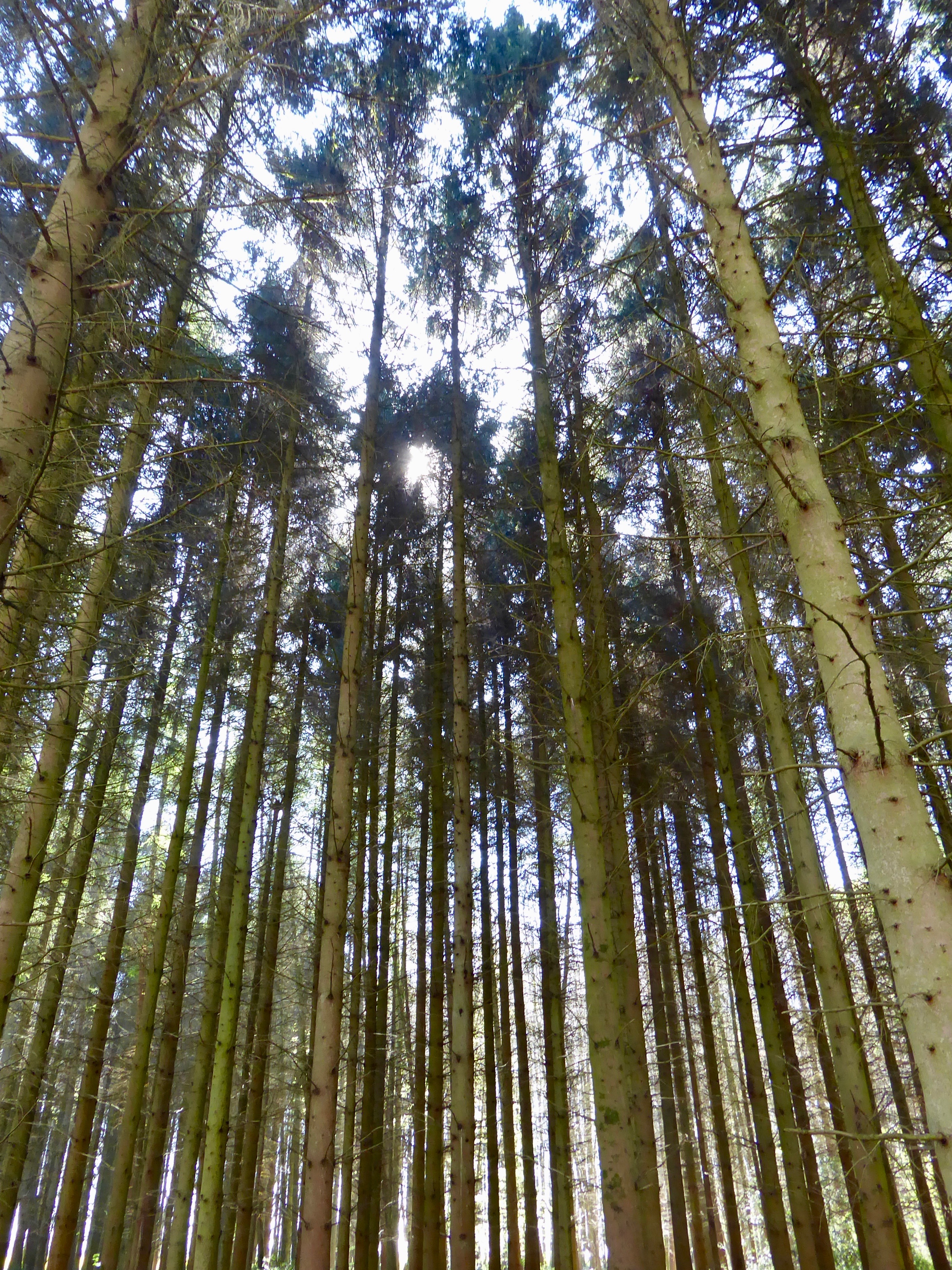
Cheriton Wood

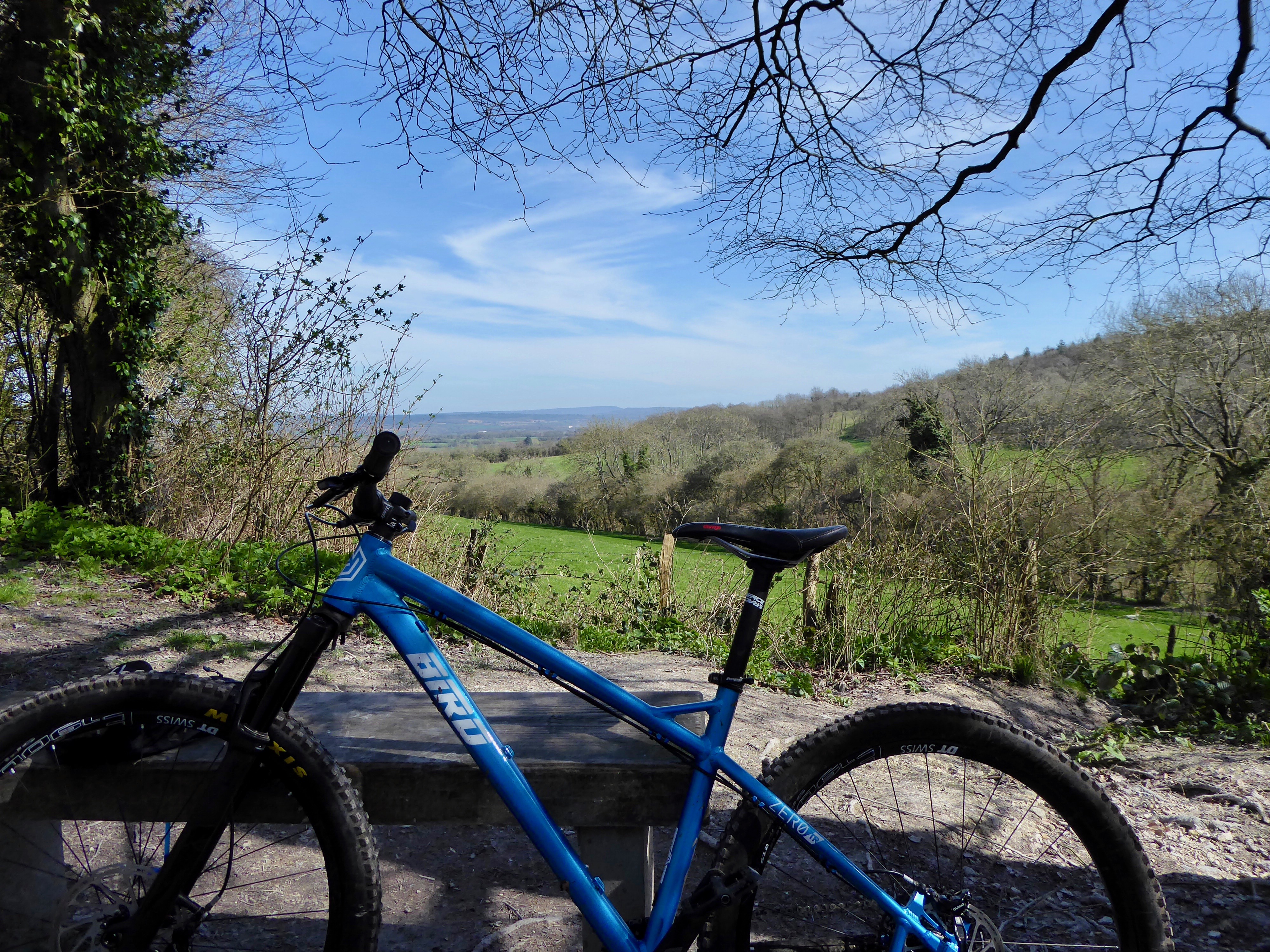
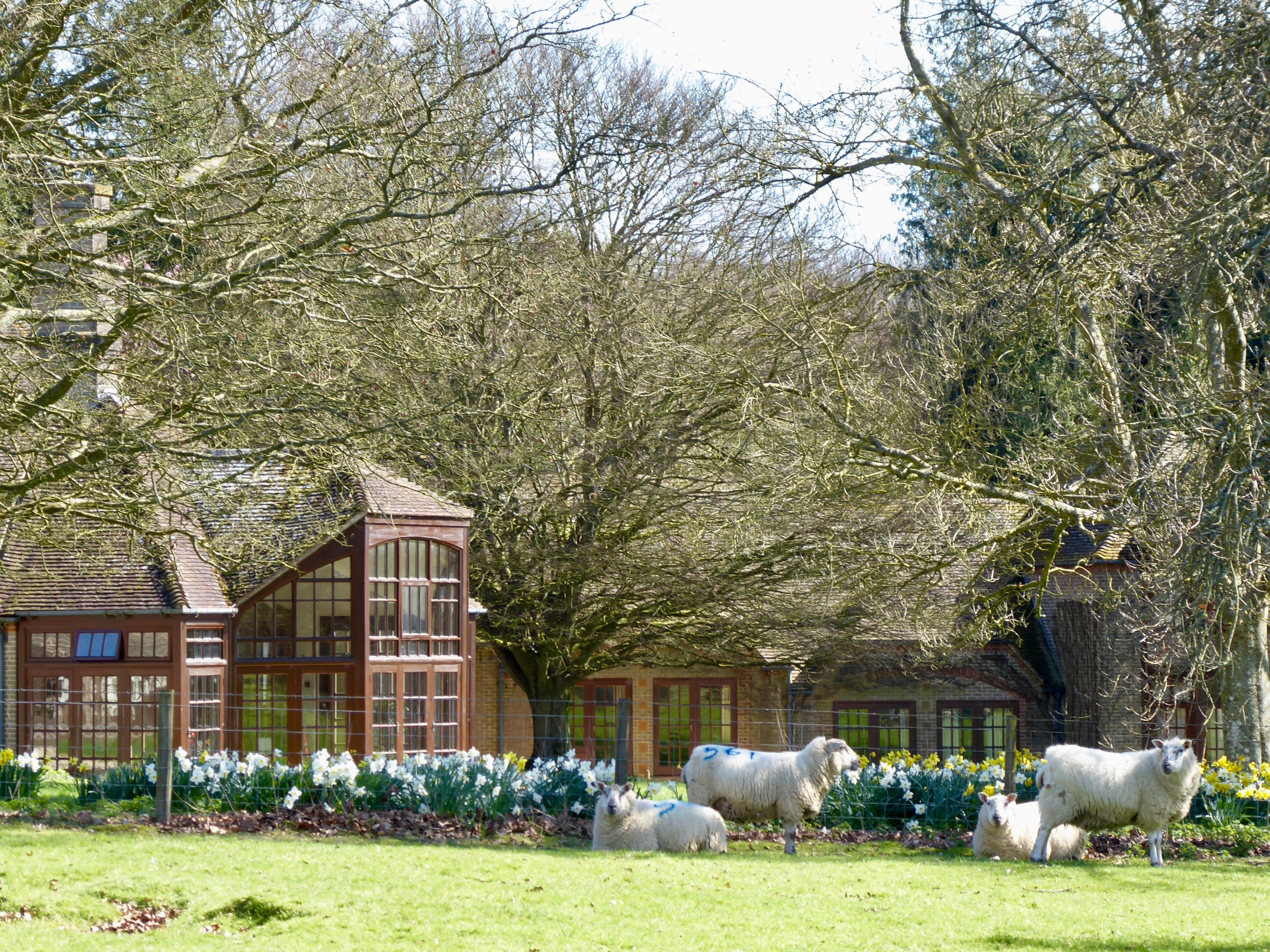
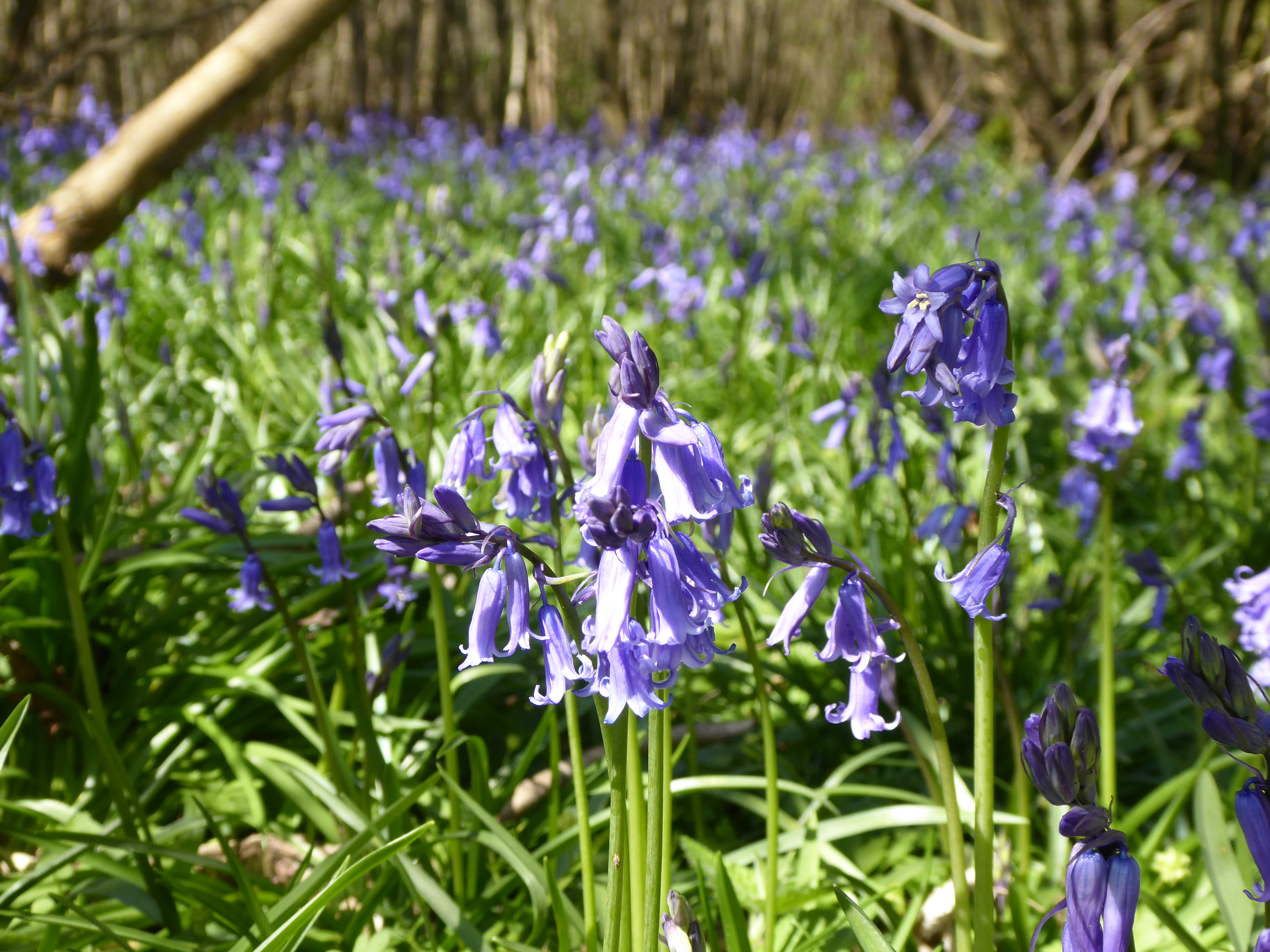
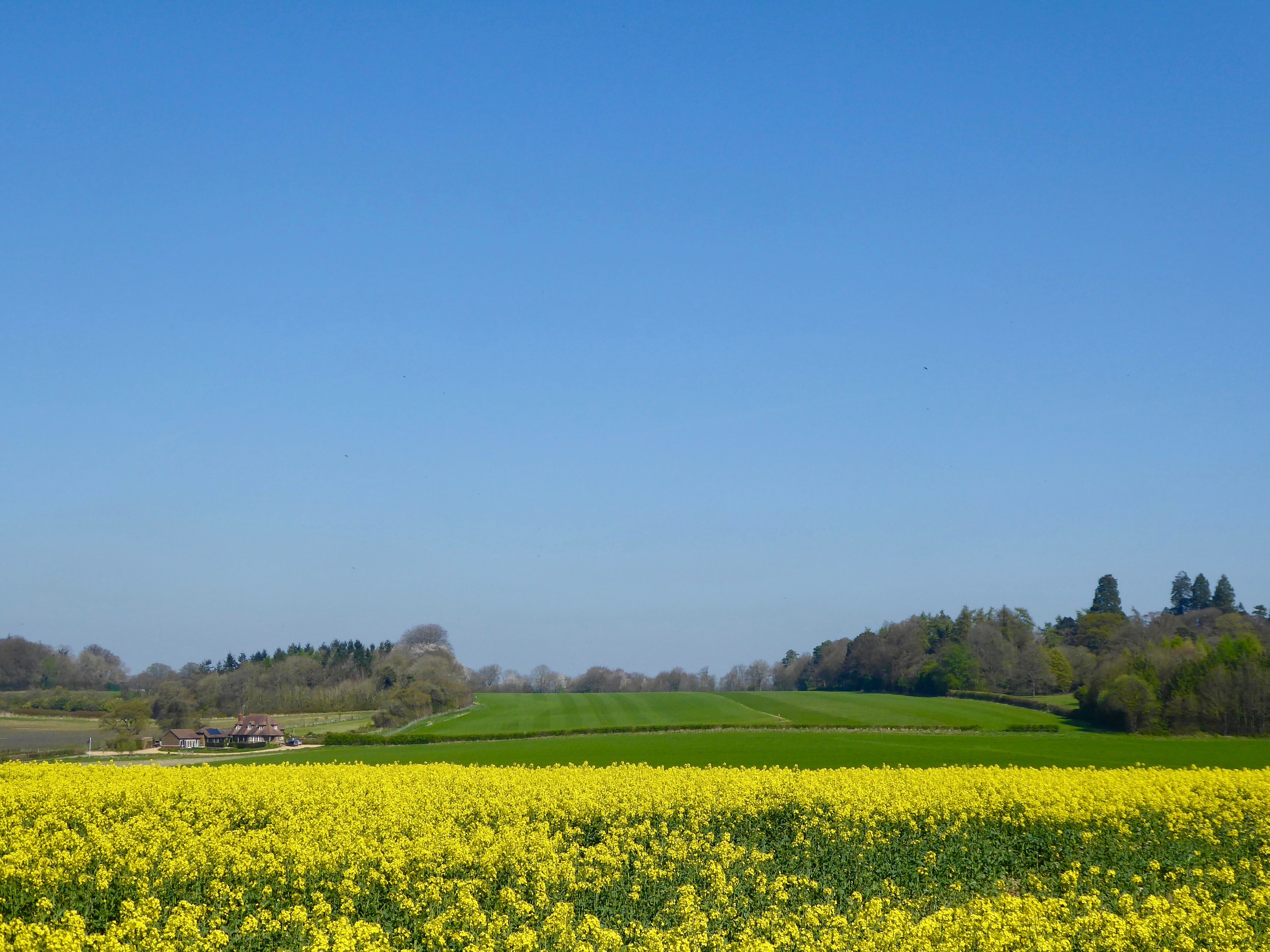
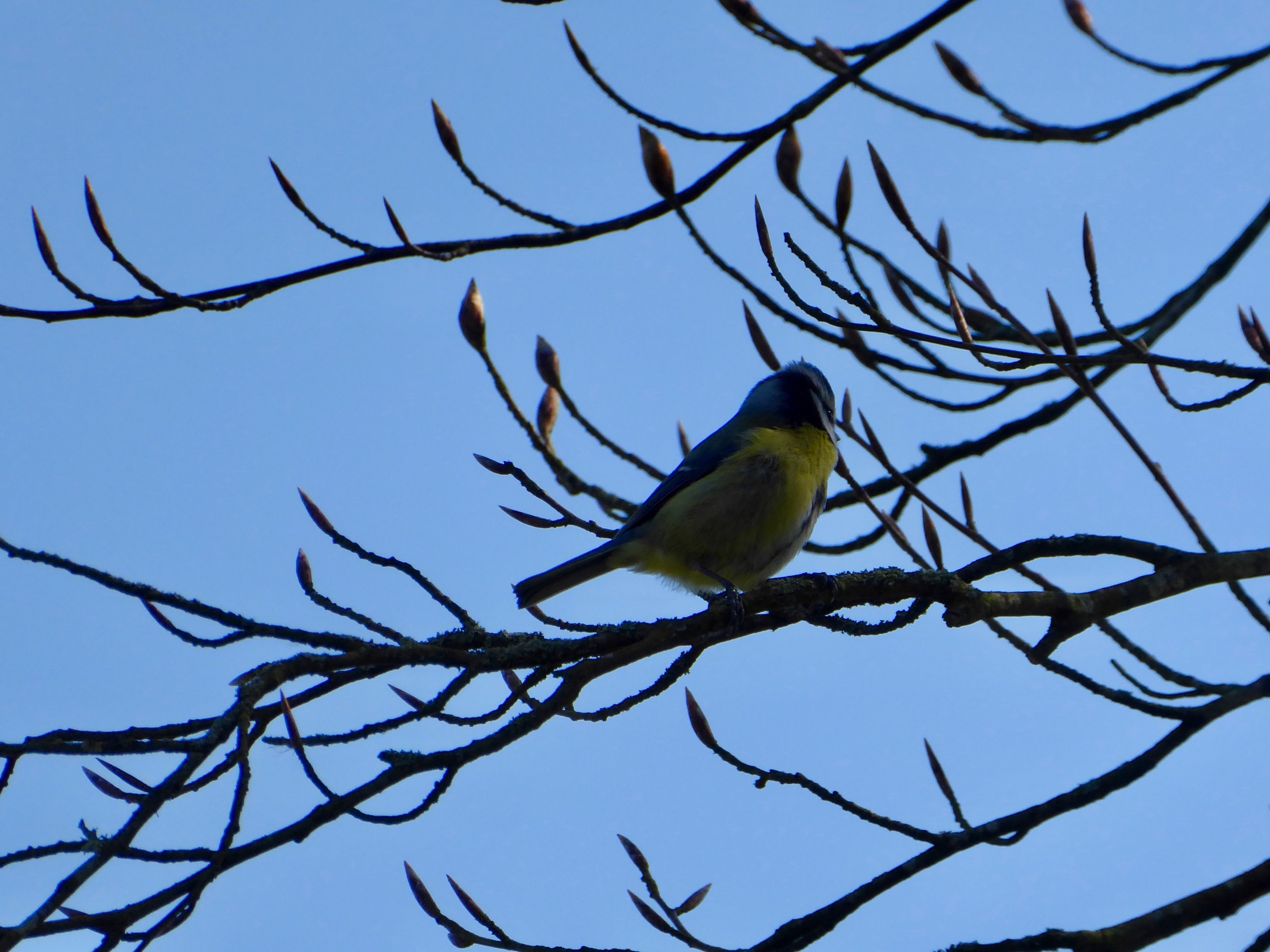
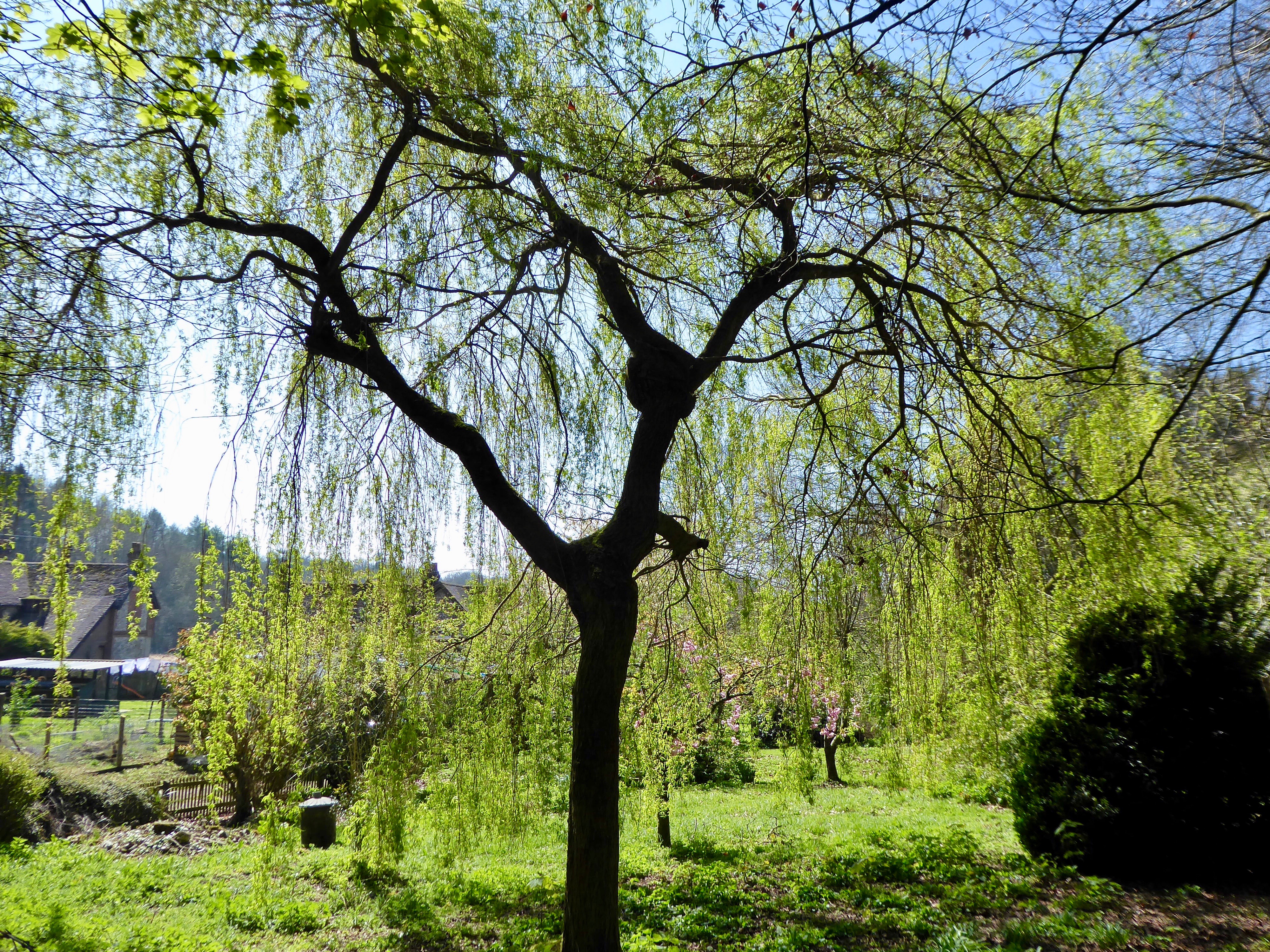
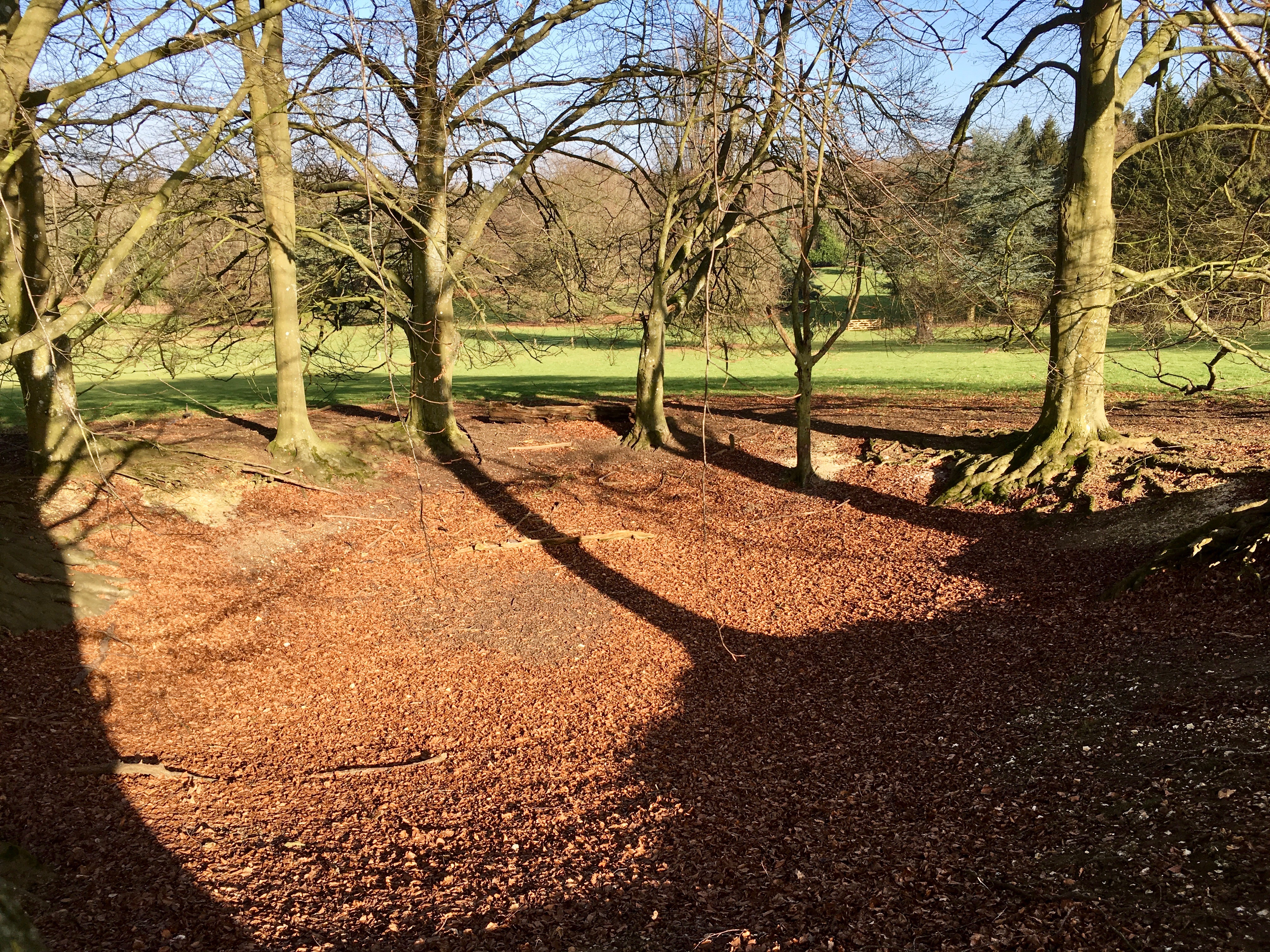
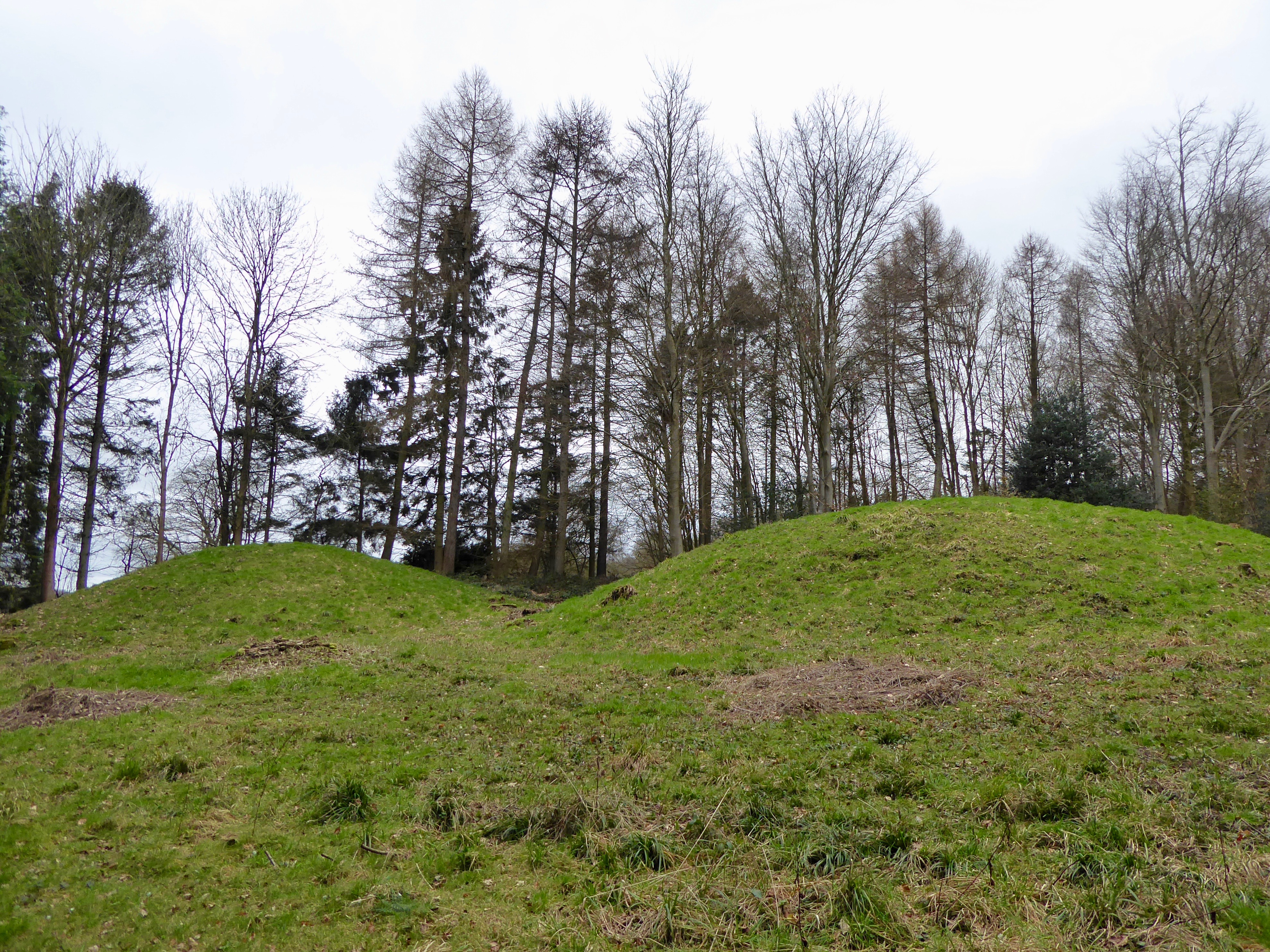
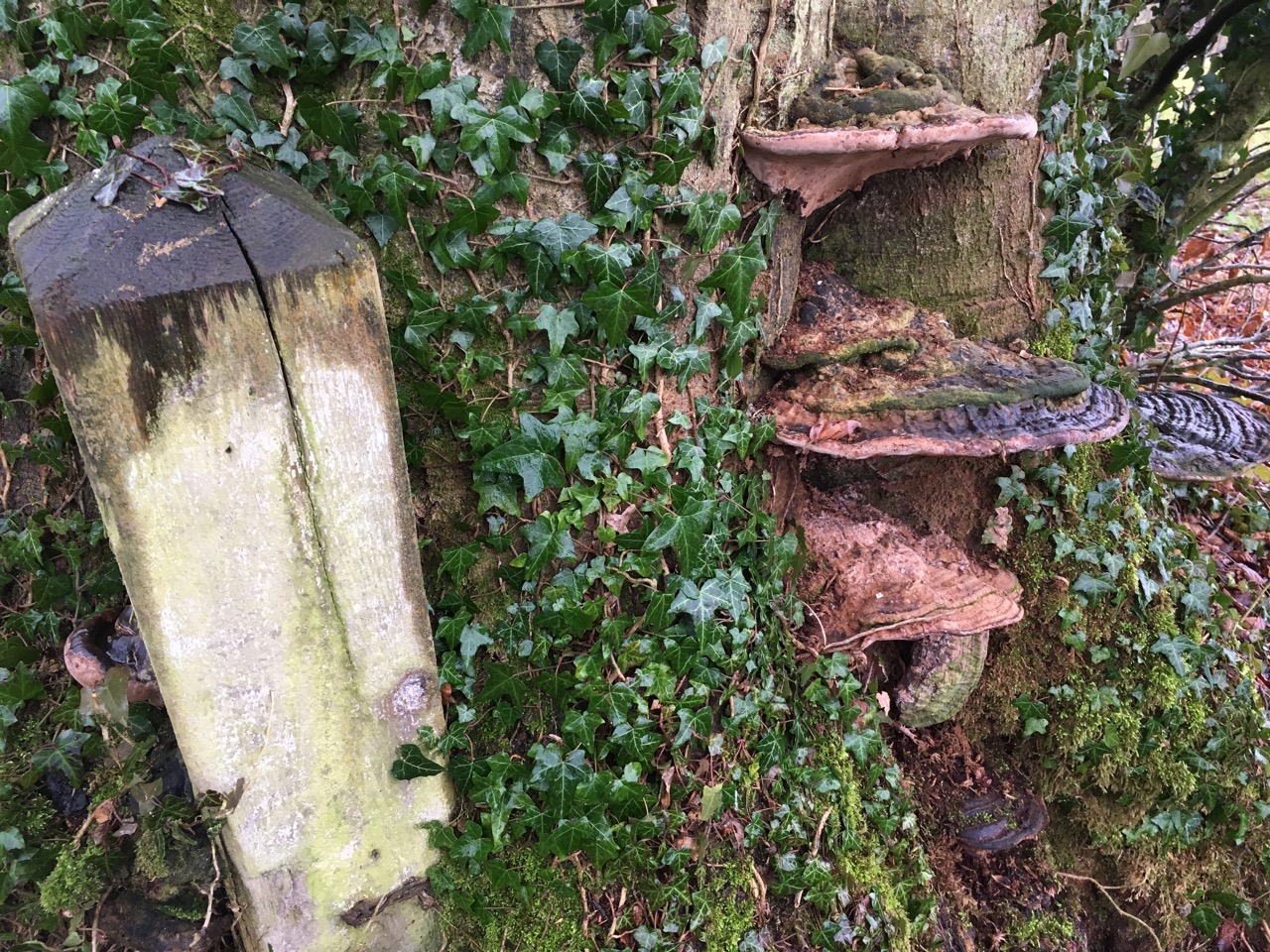
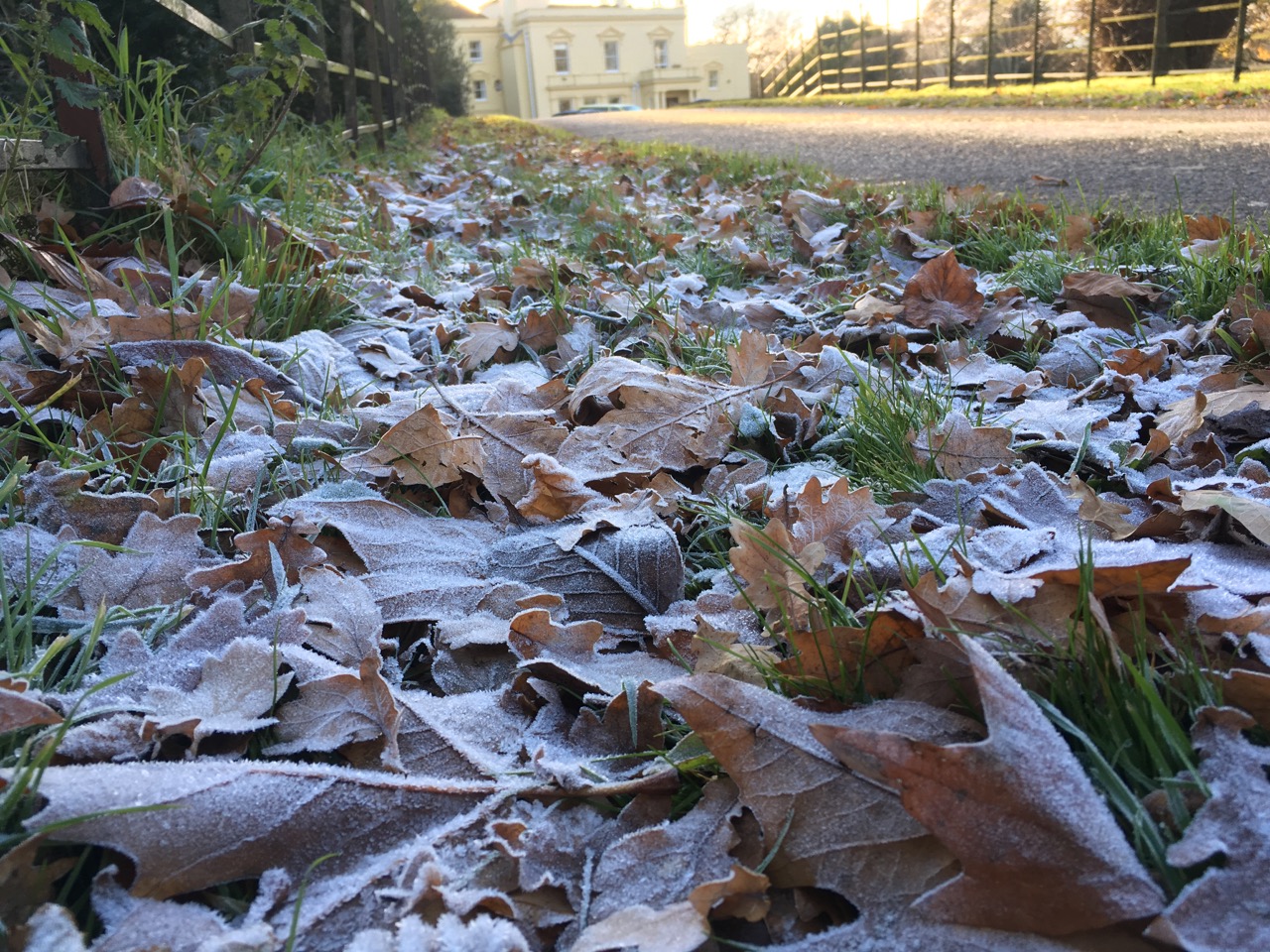
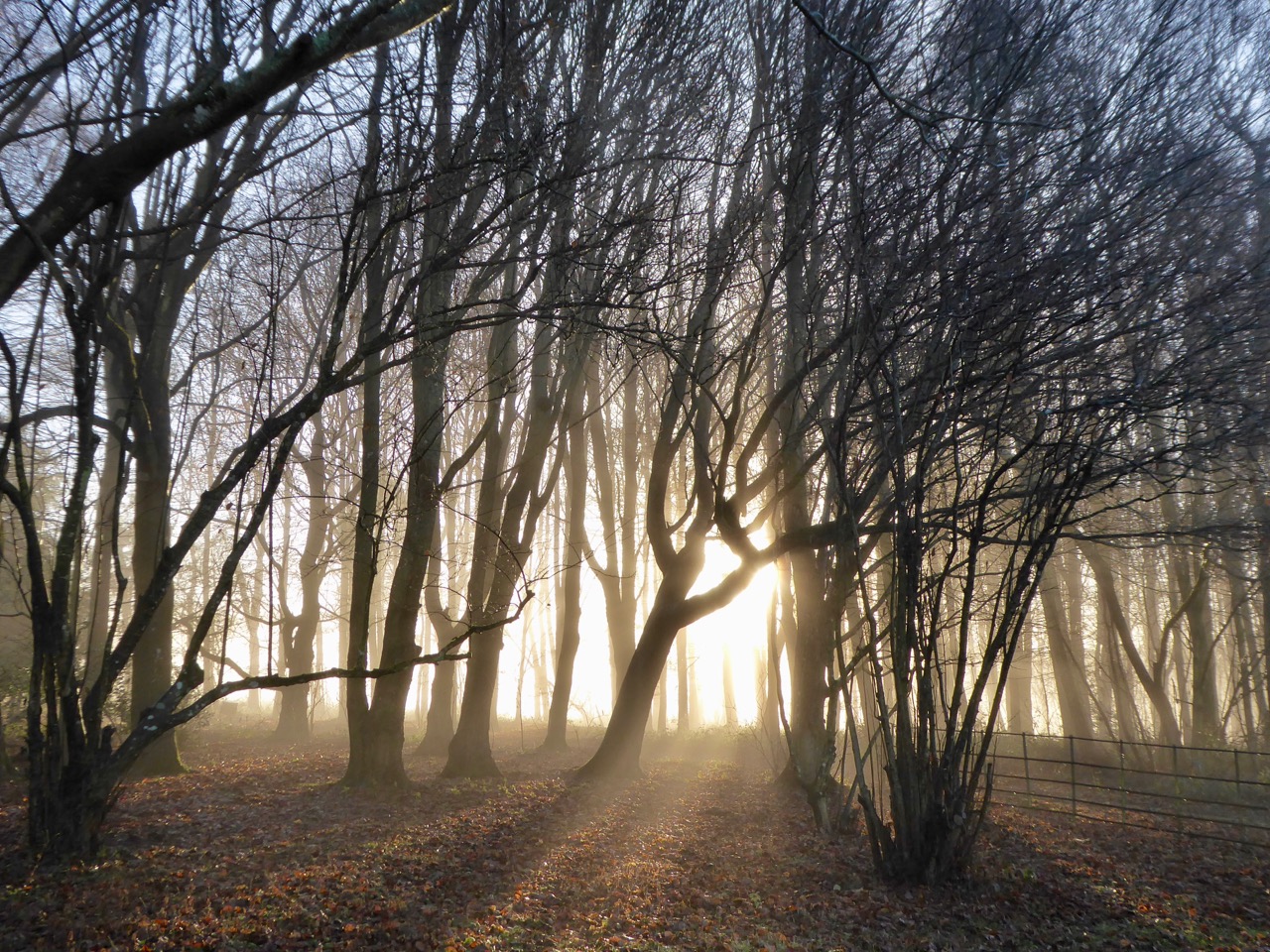
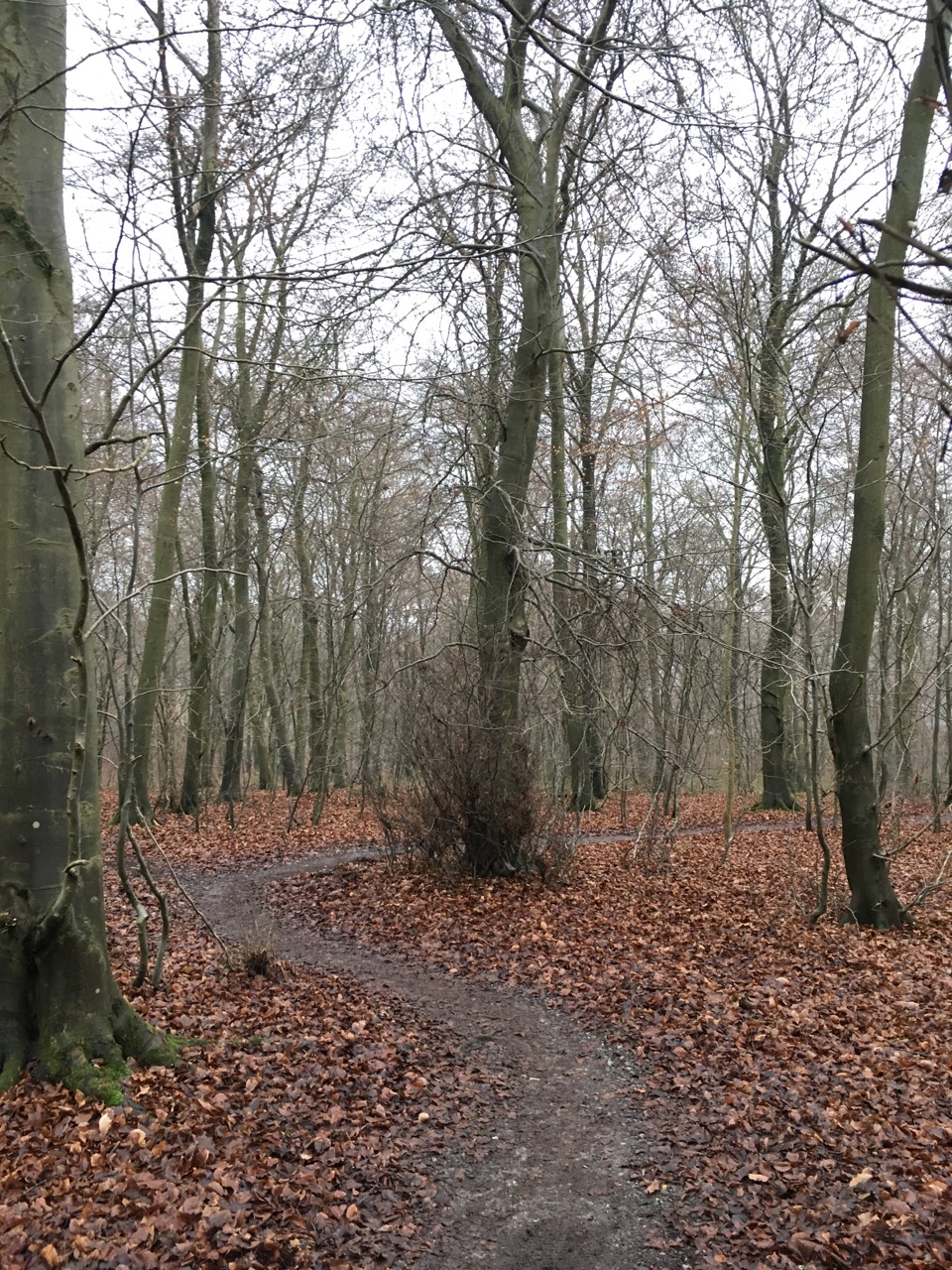
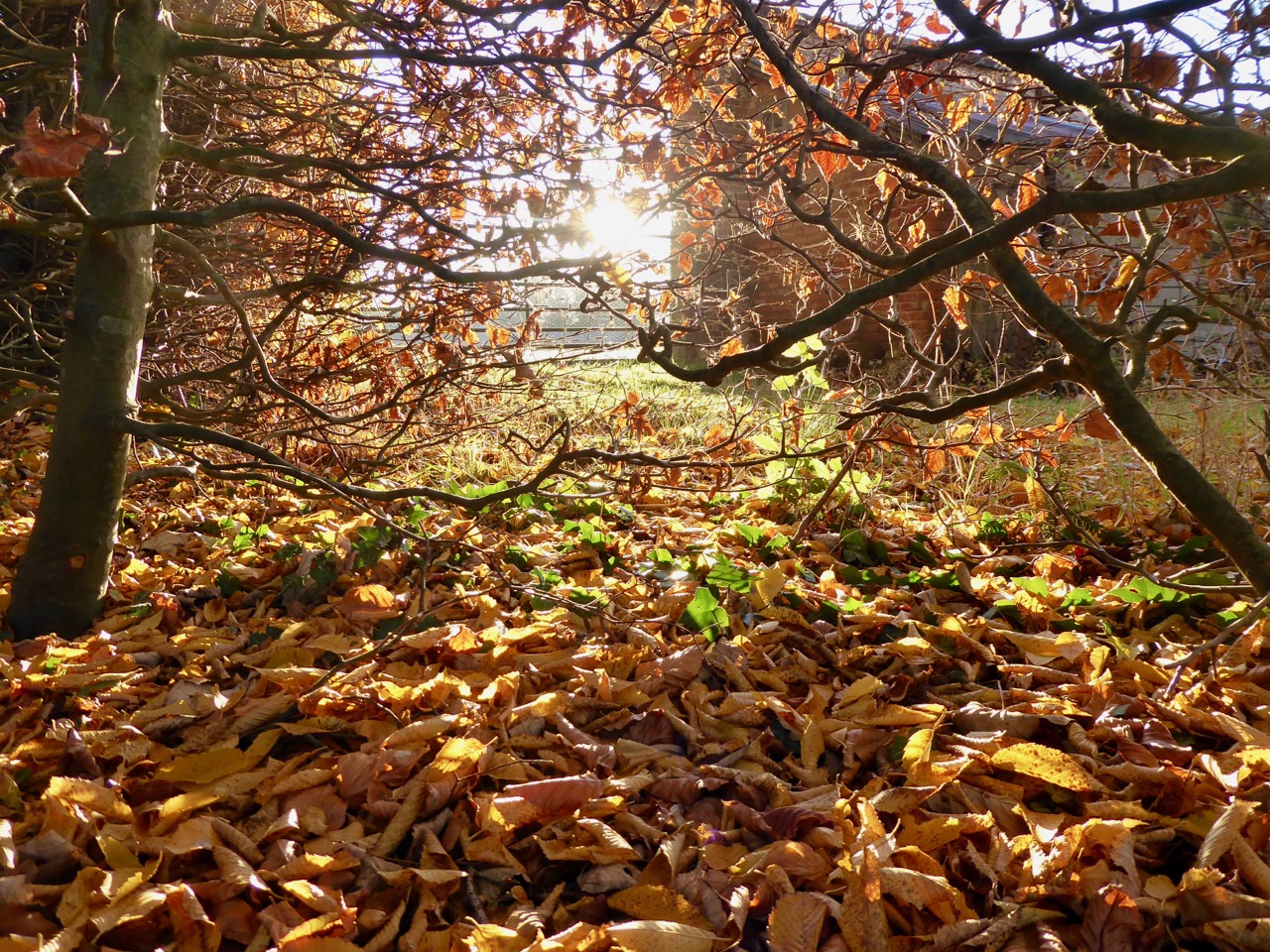
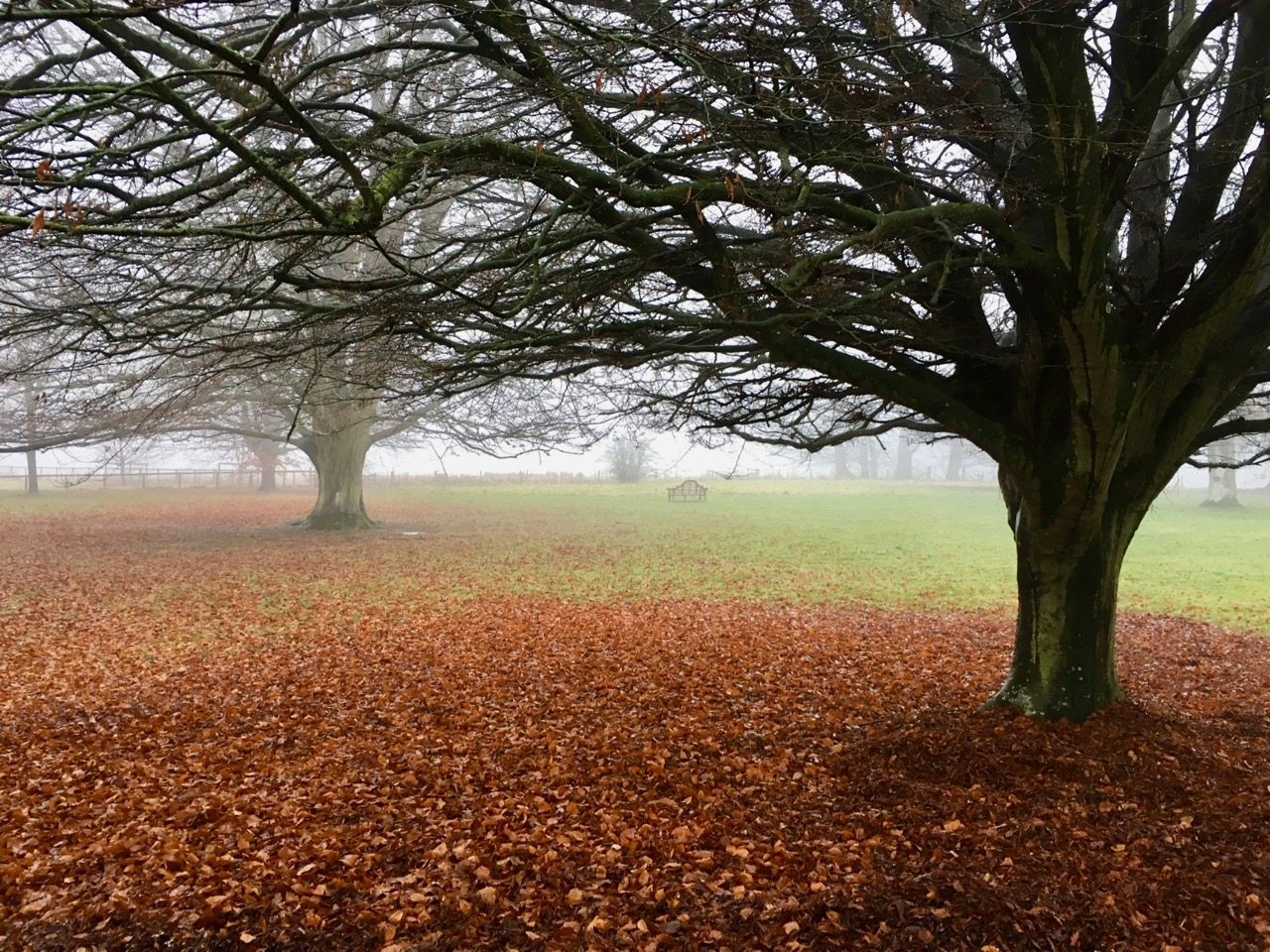
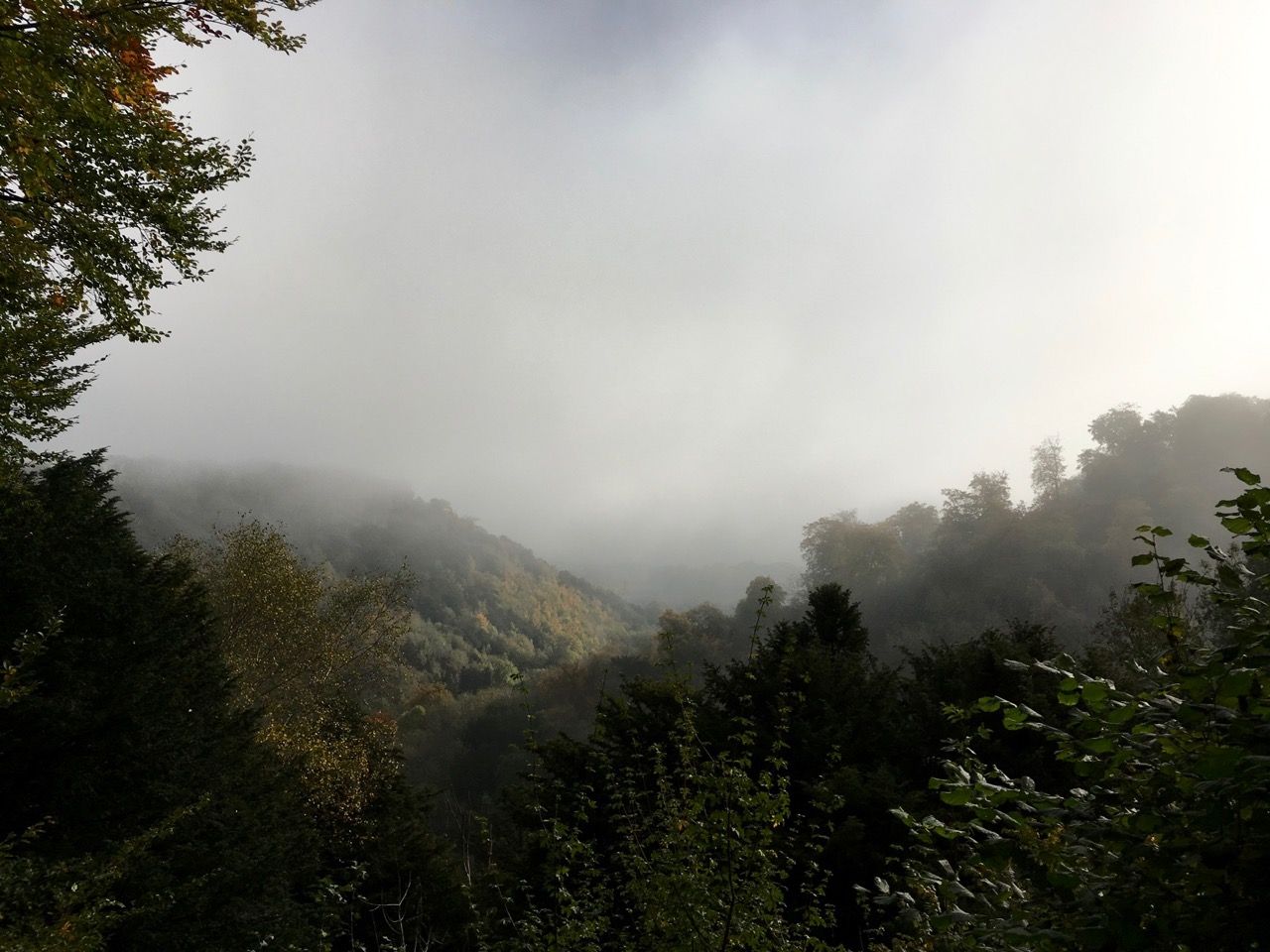
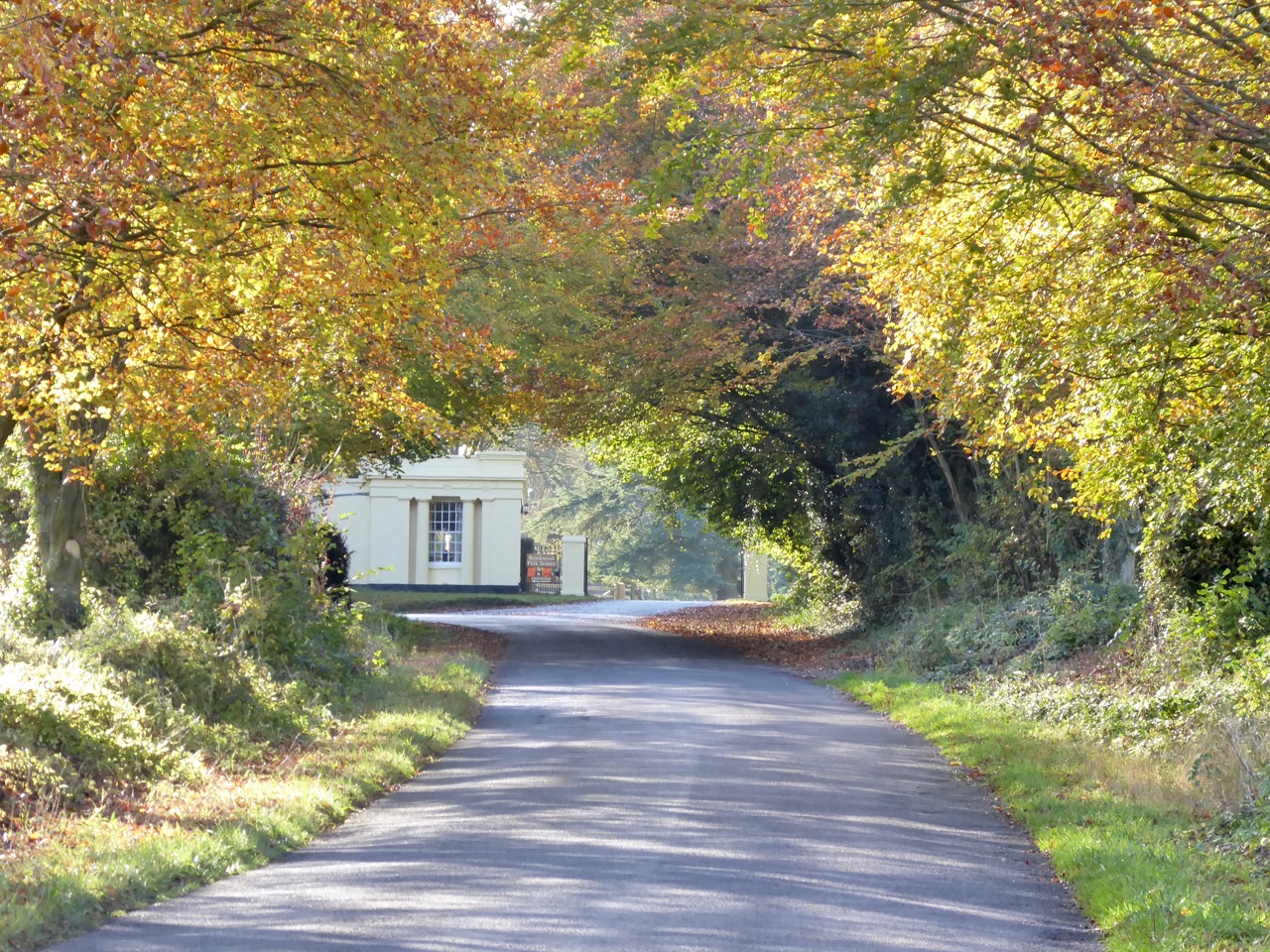
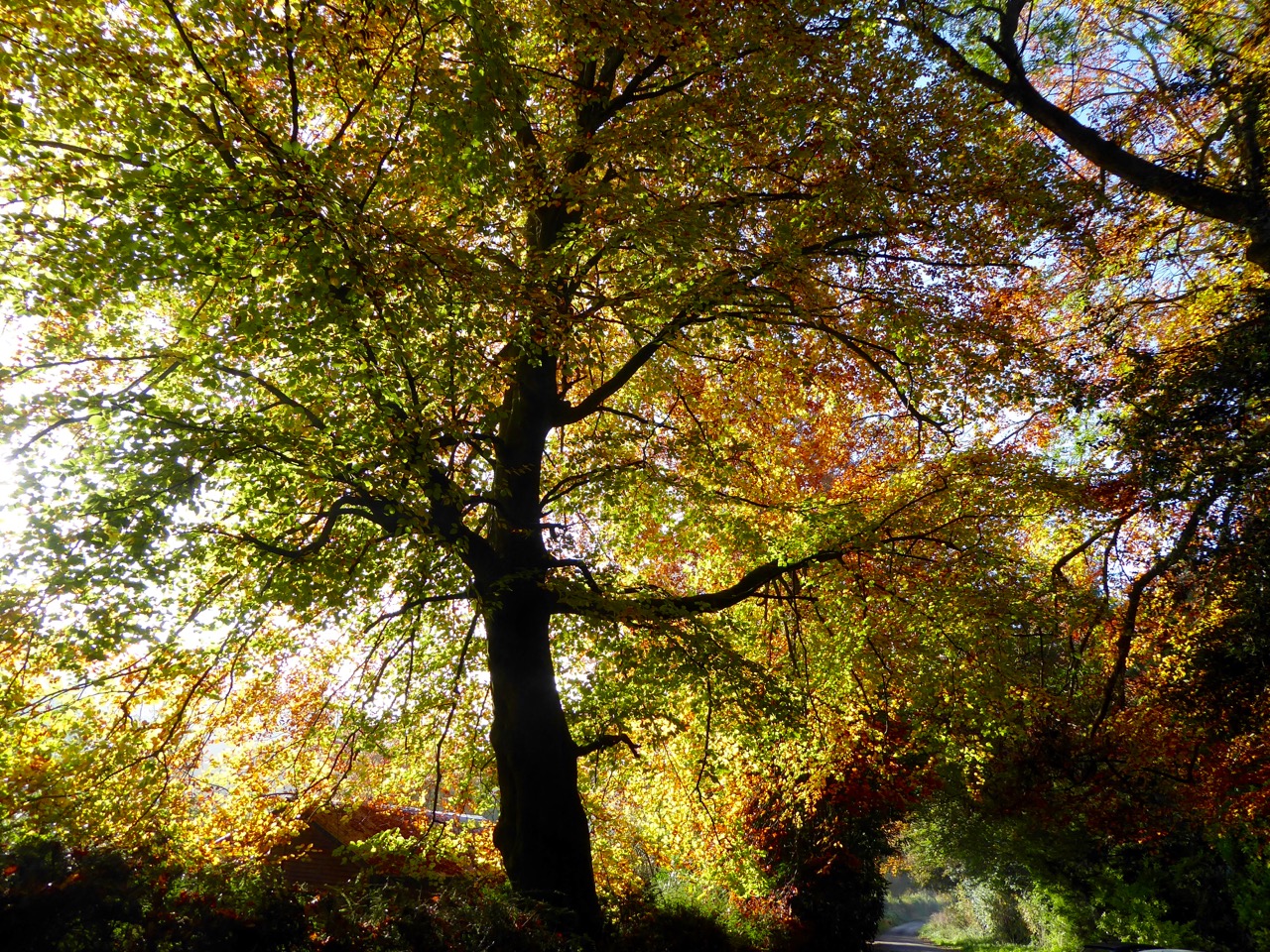
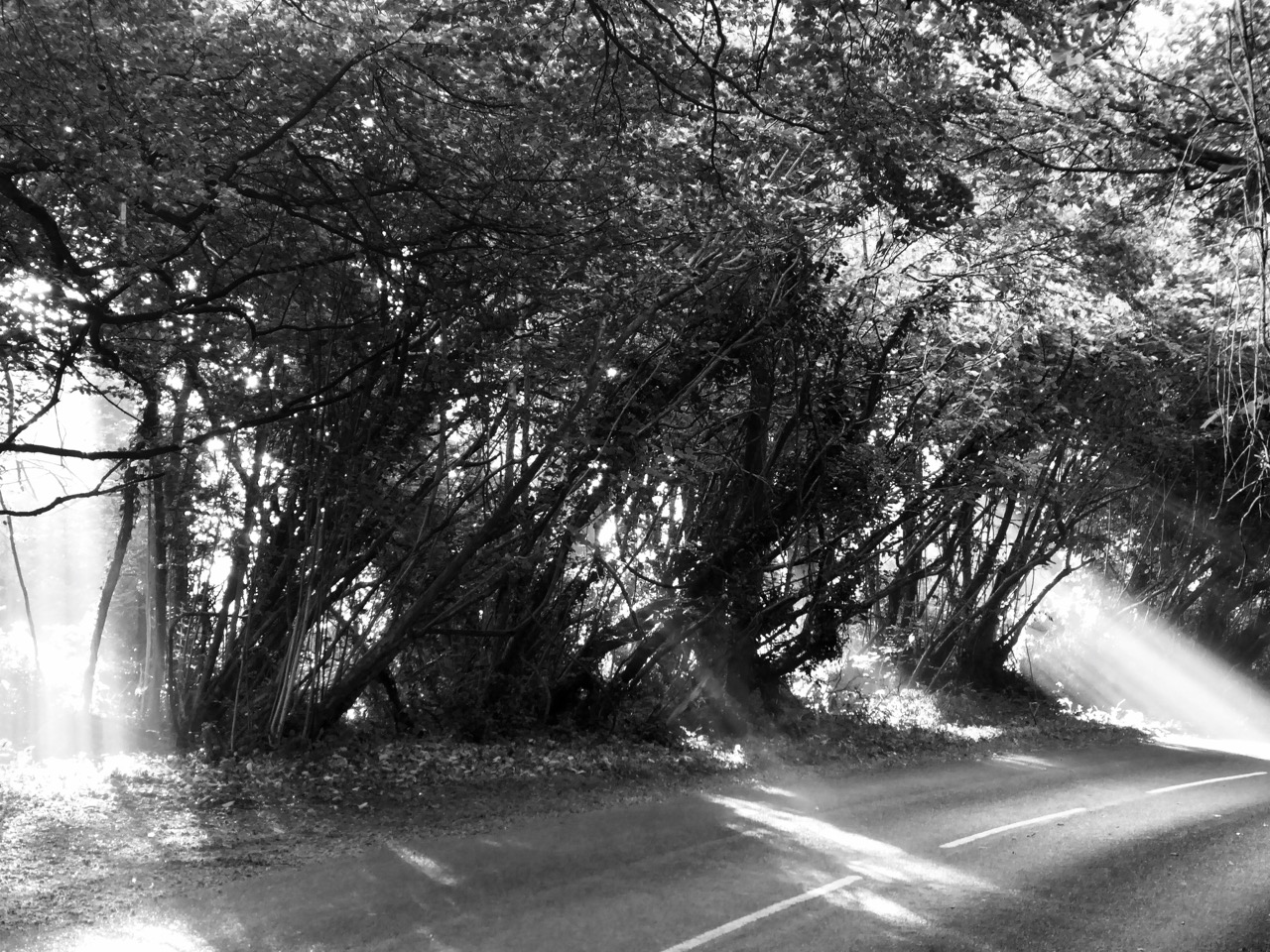
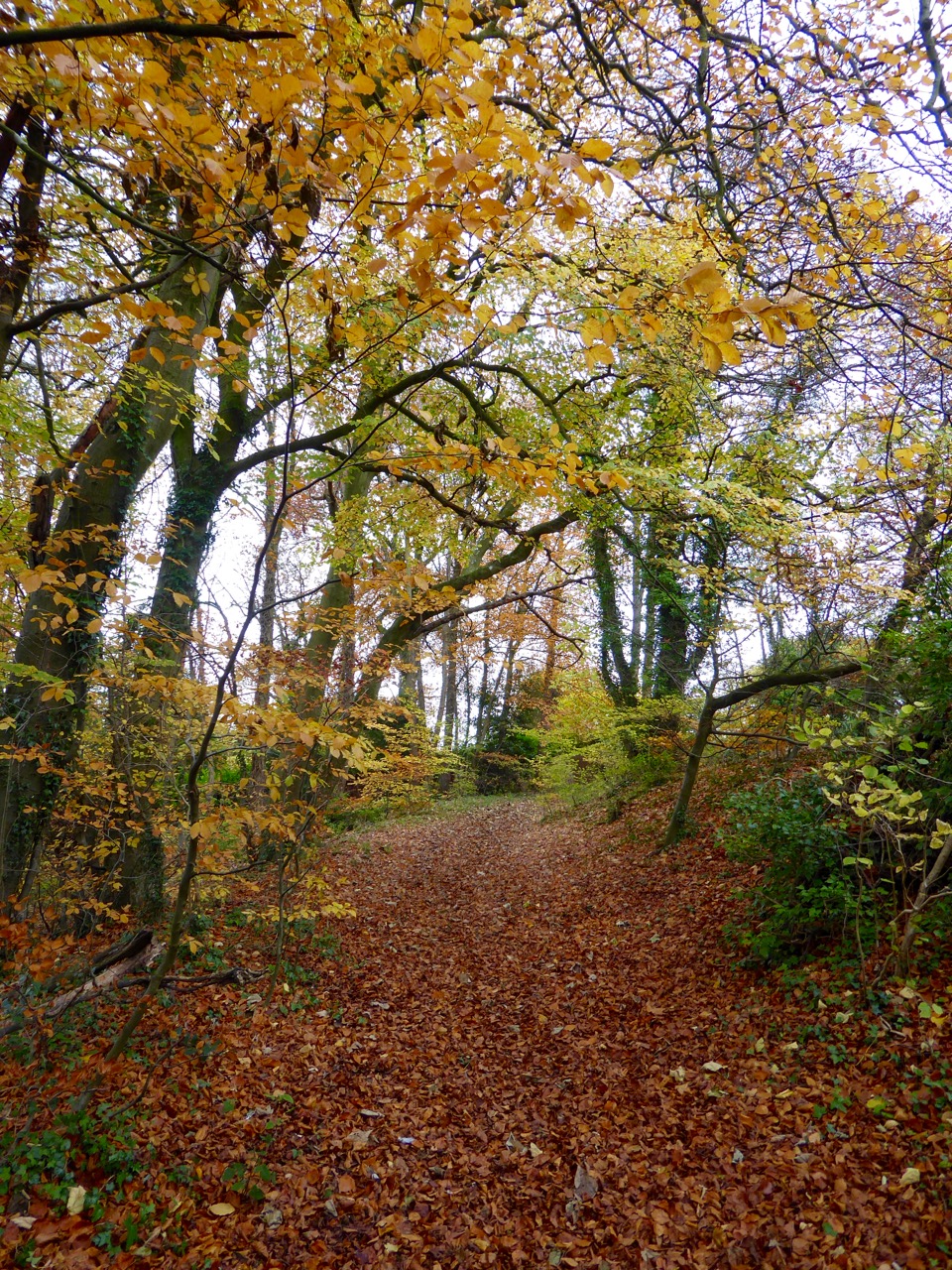
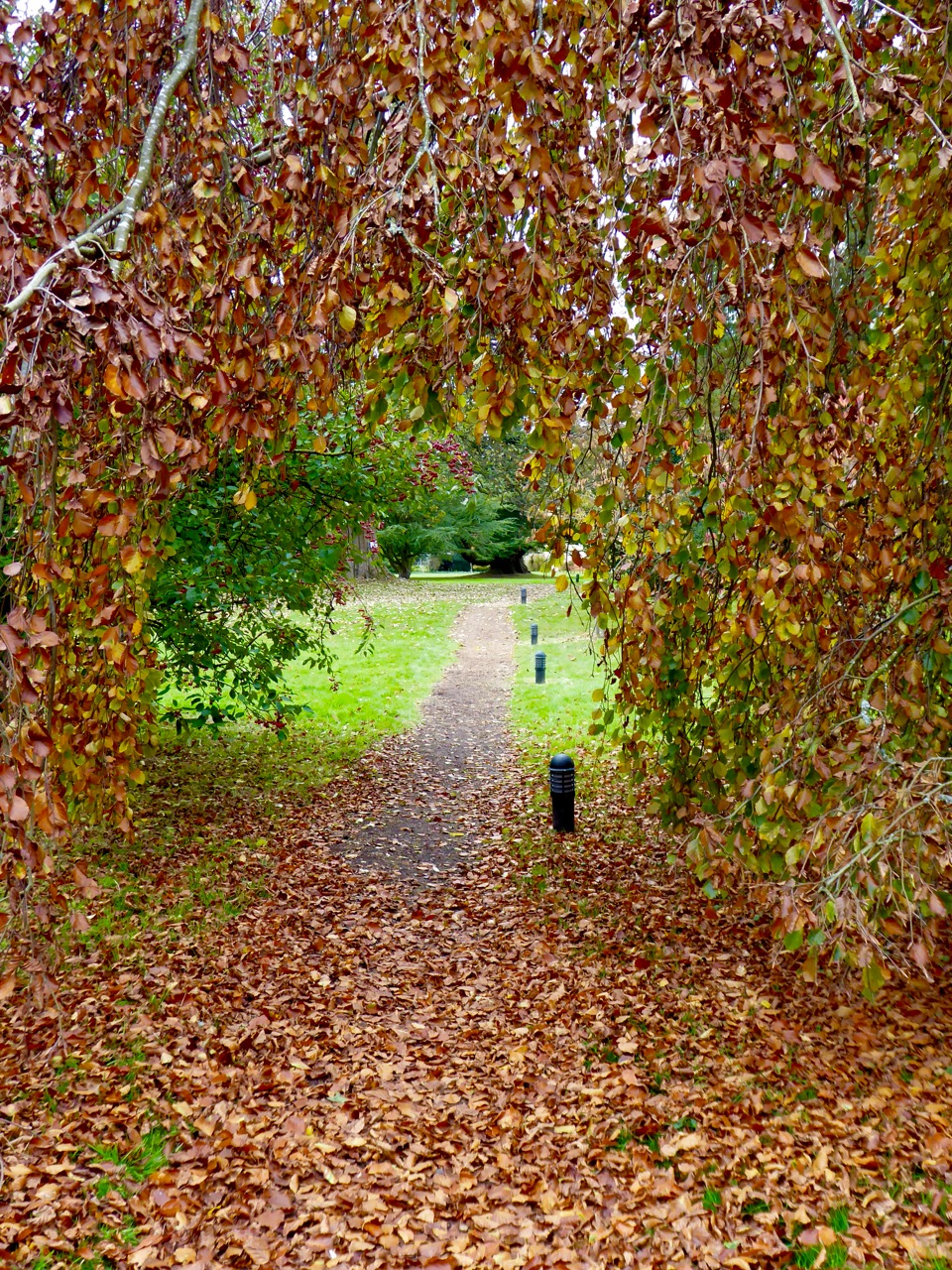
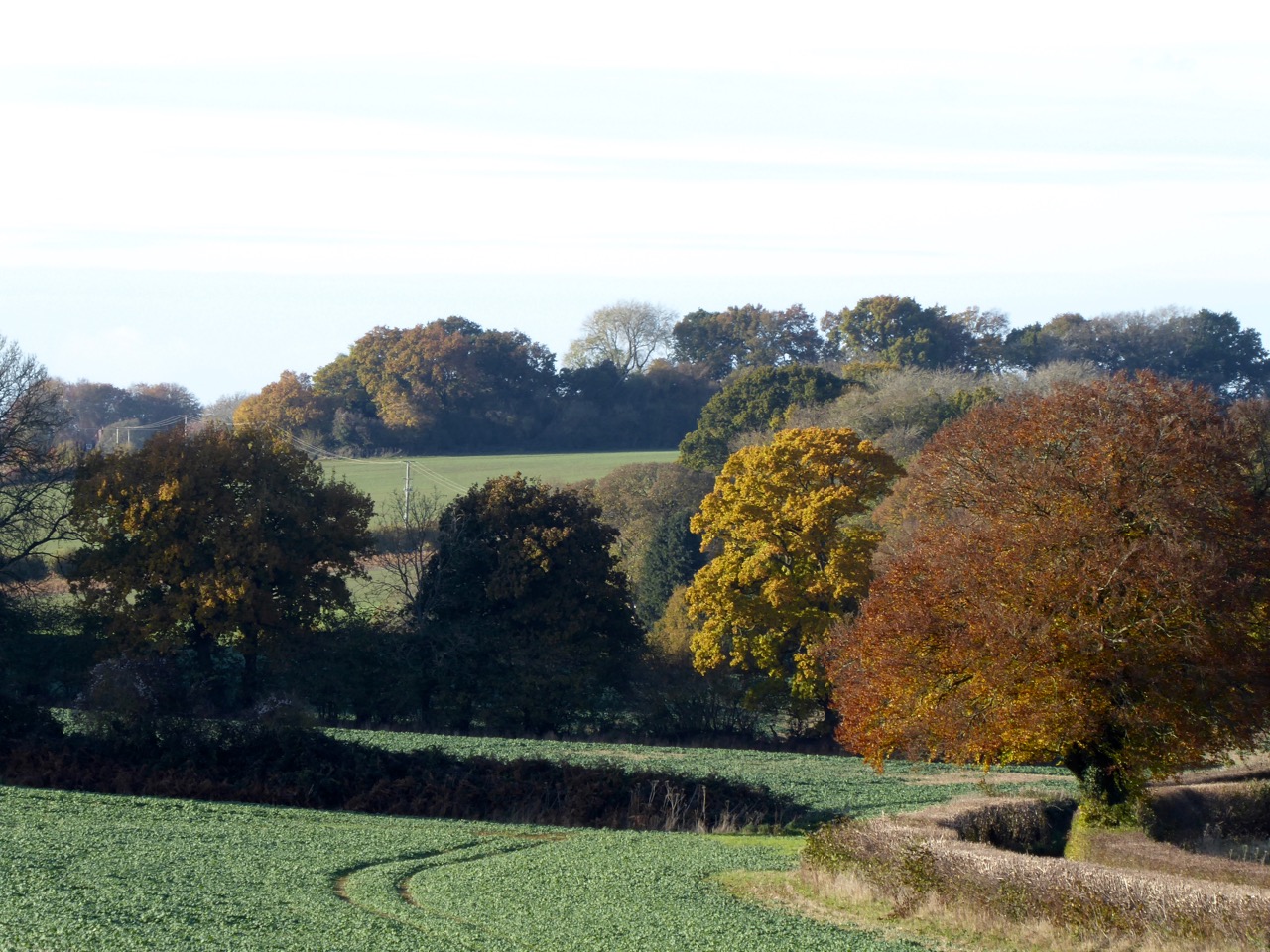
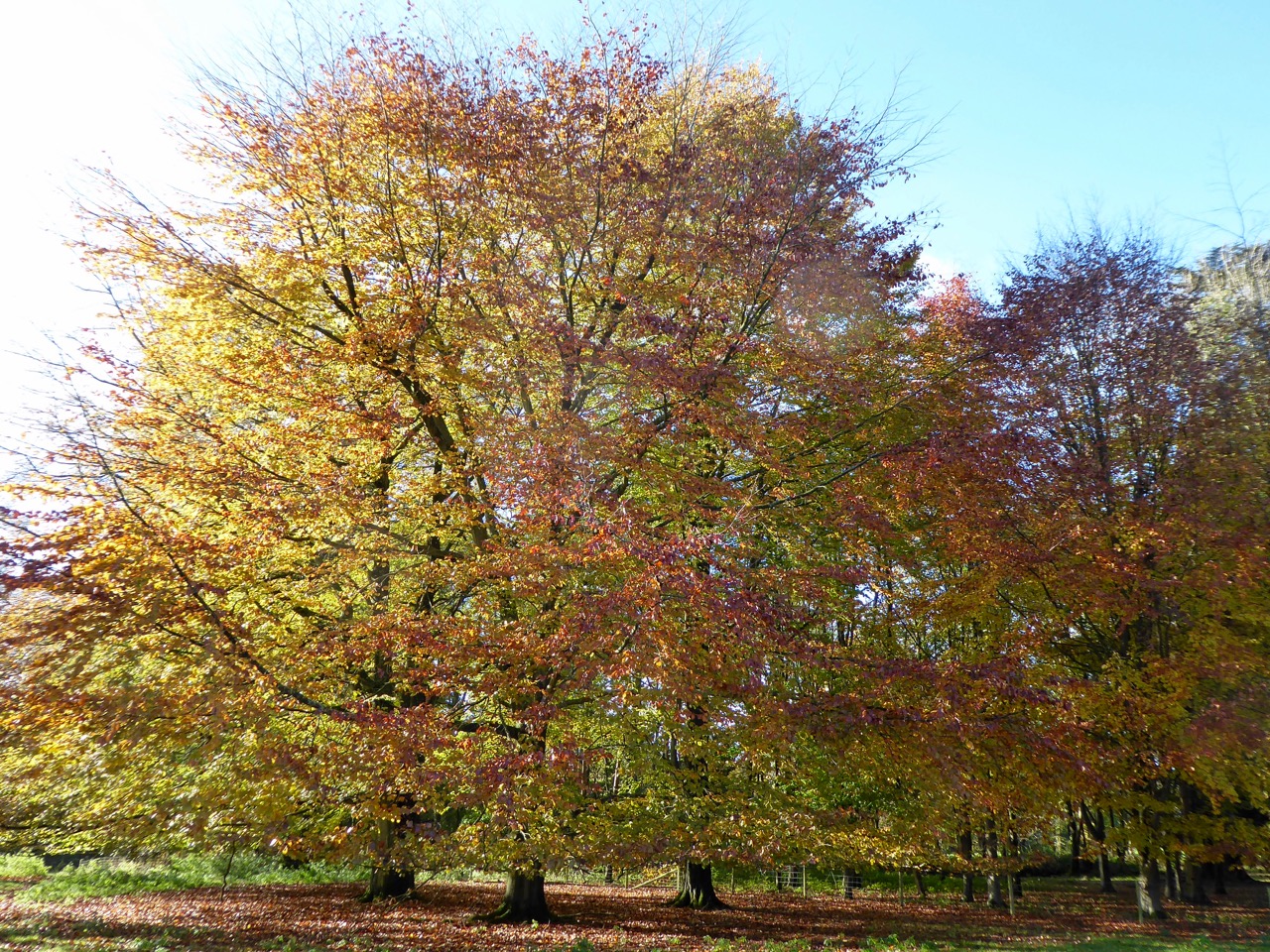
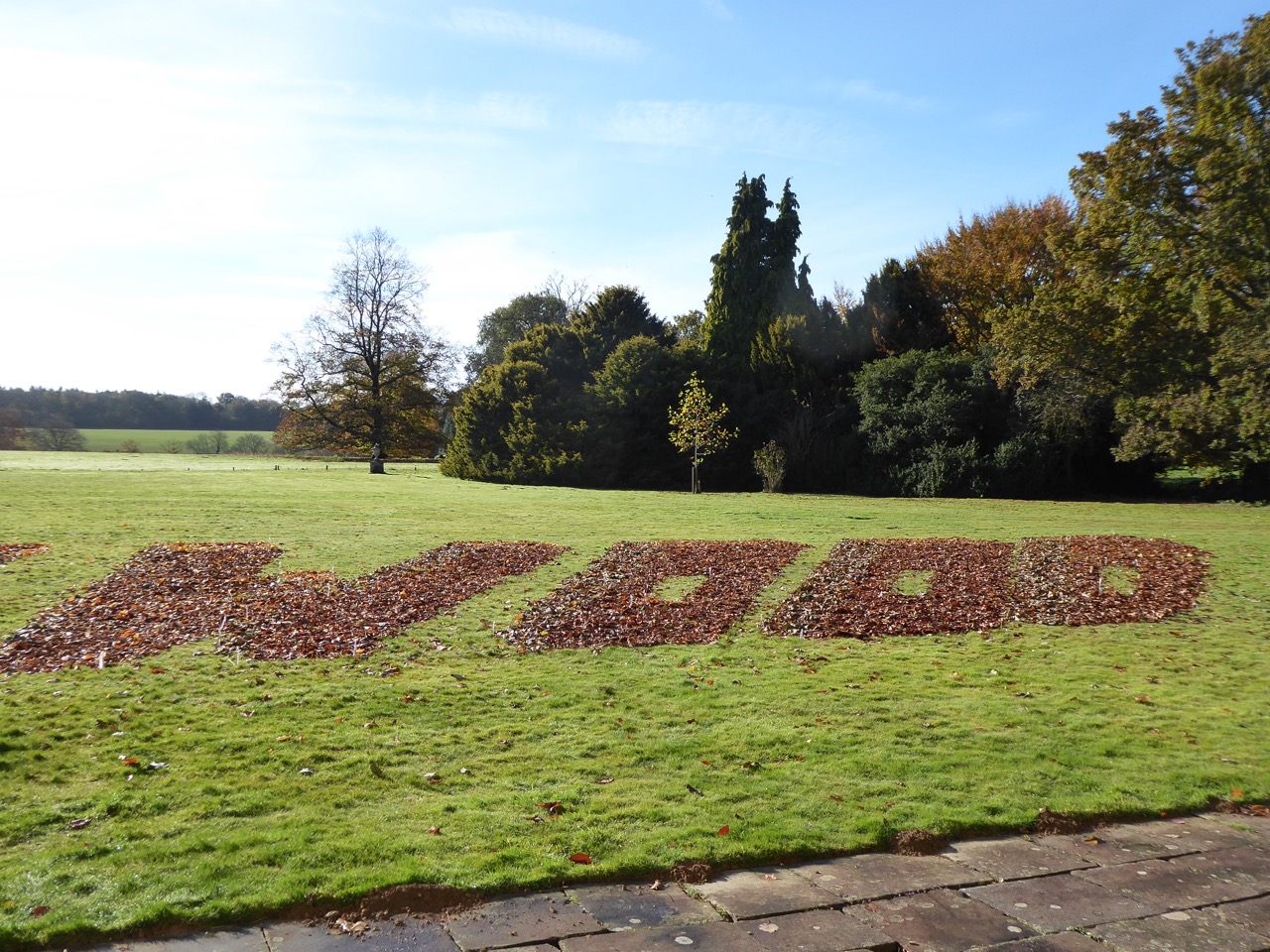
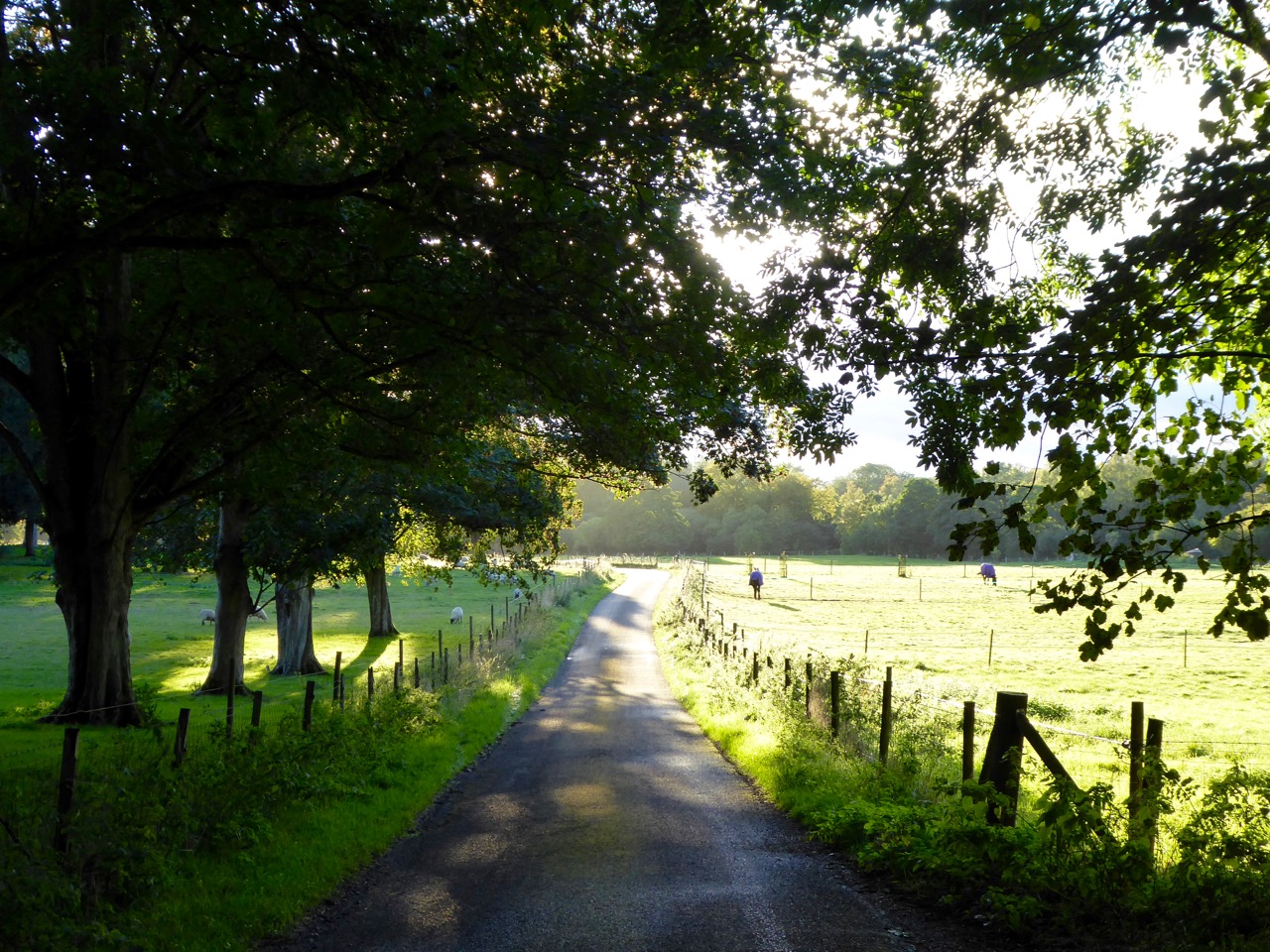
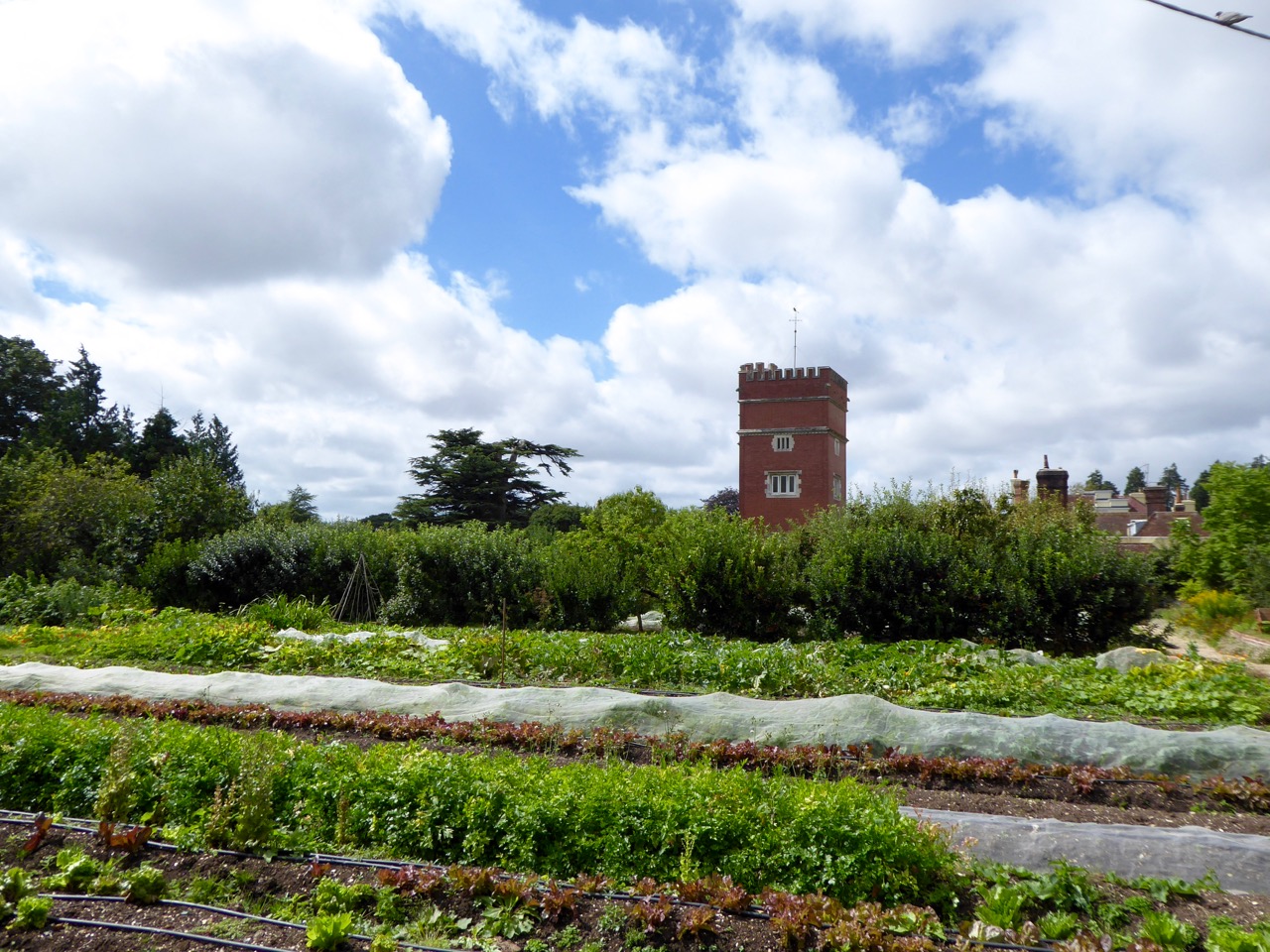
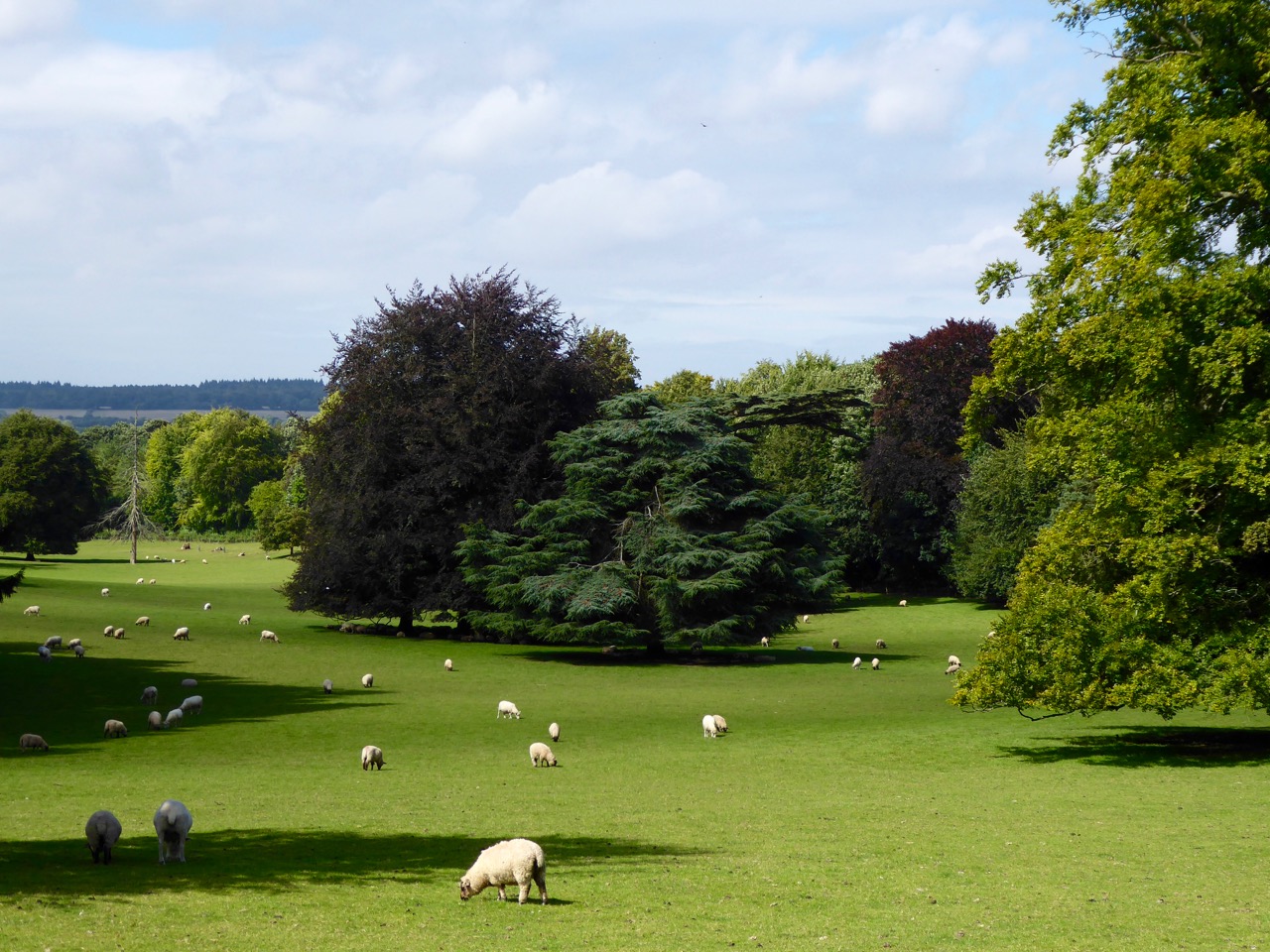
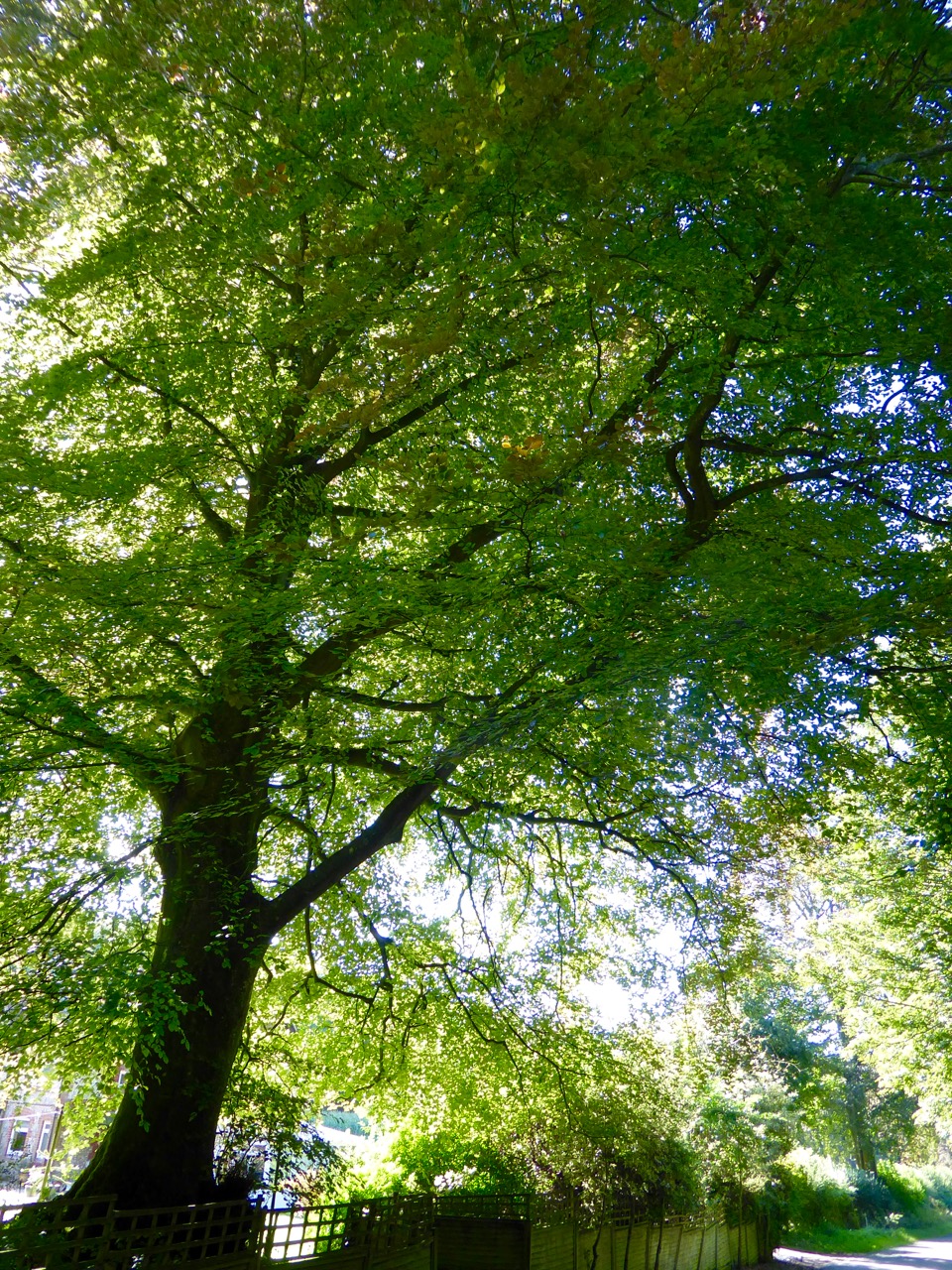
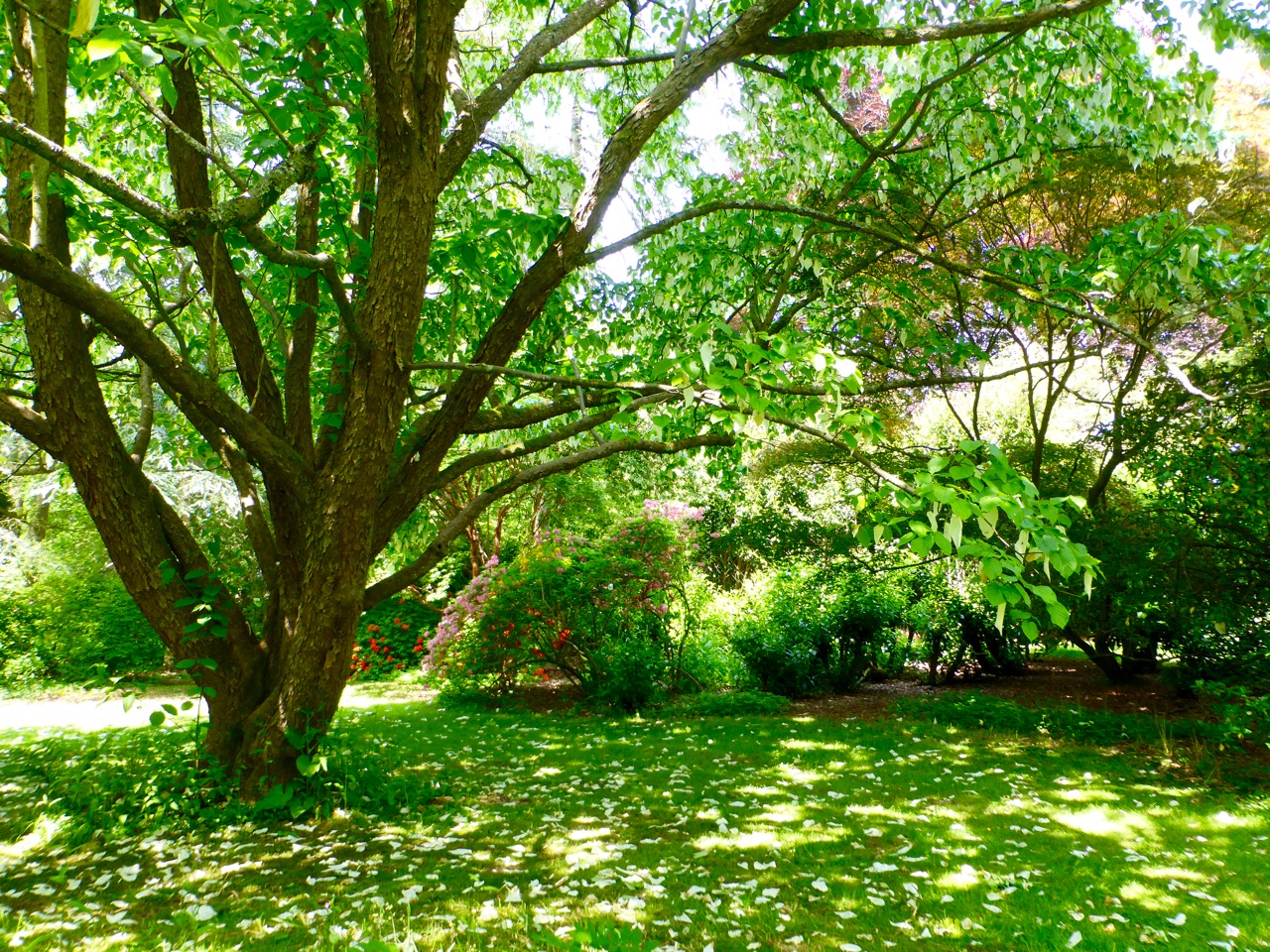
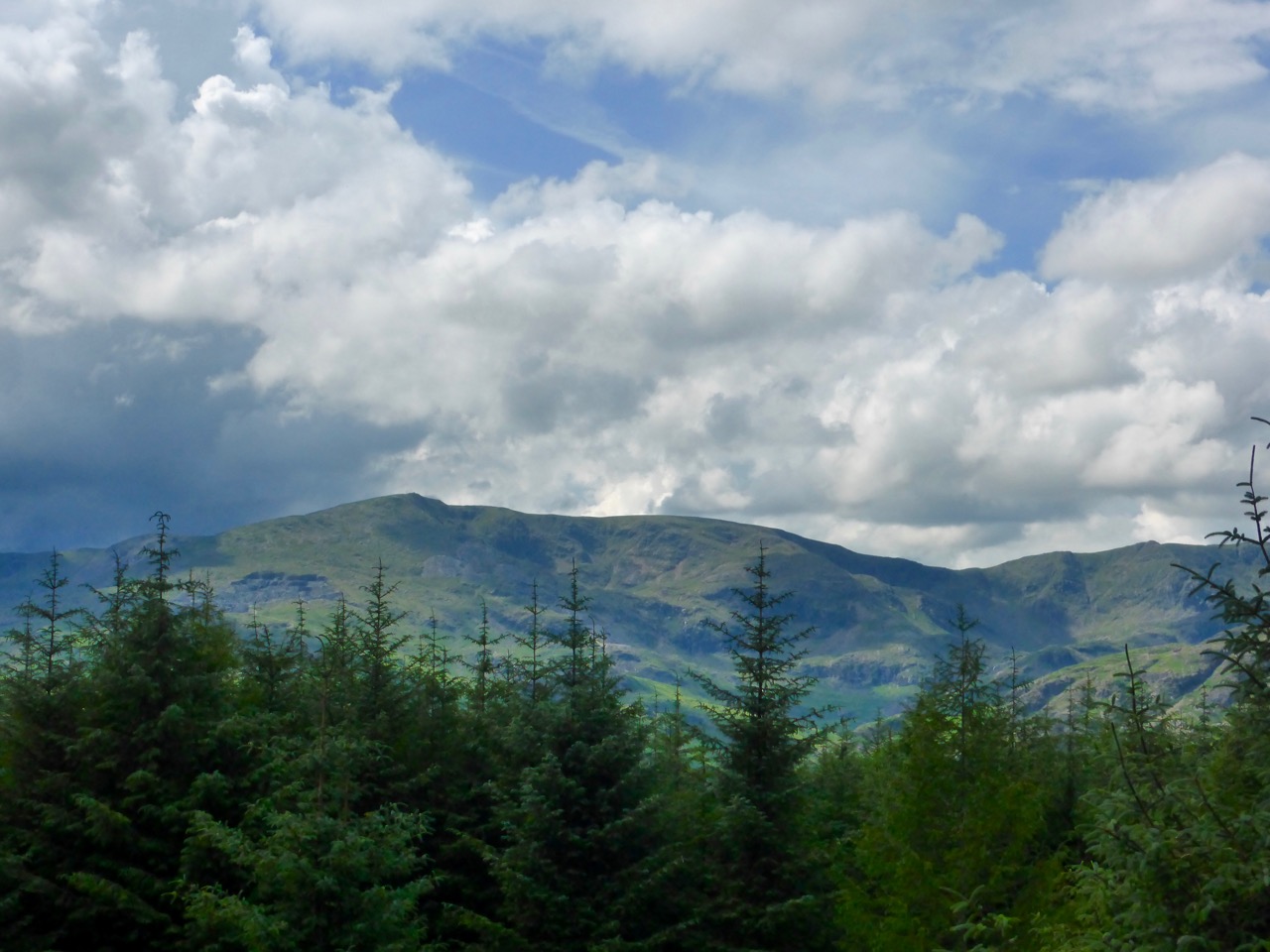
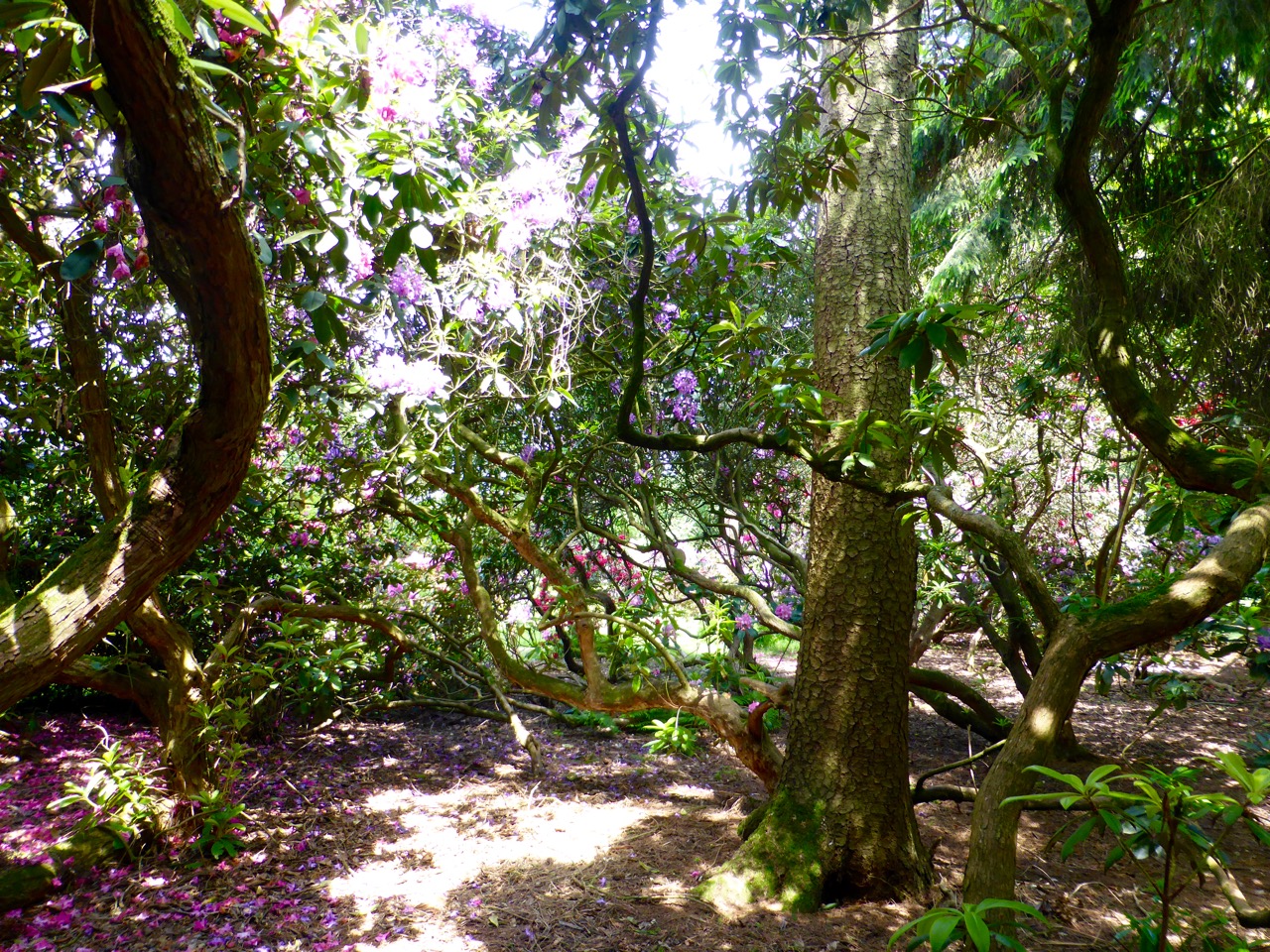
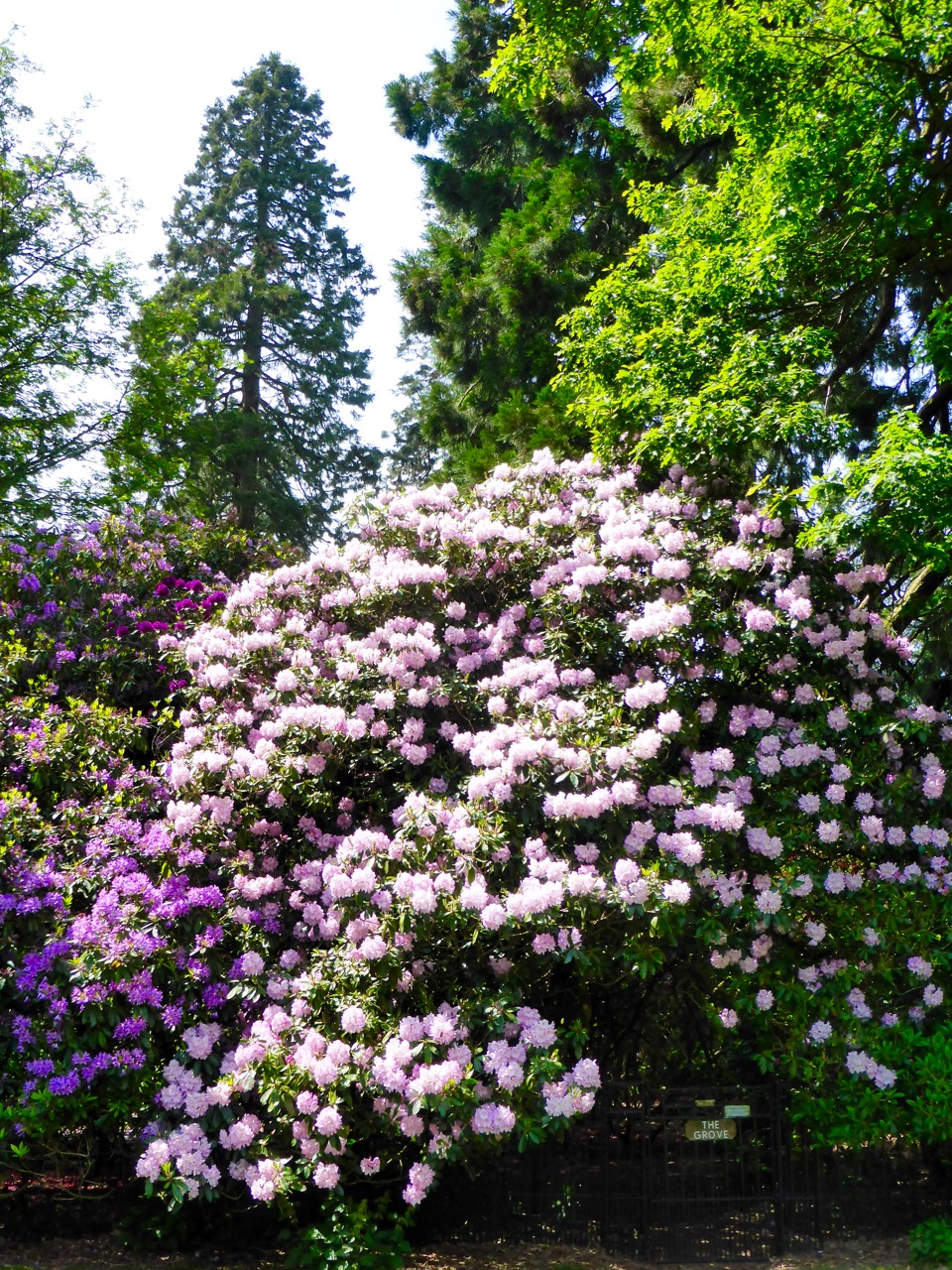
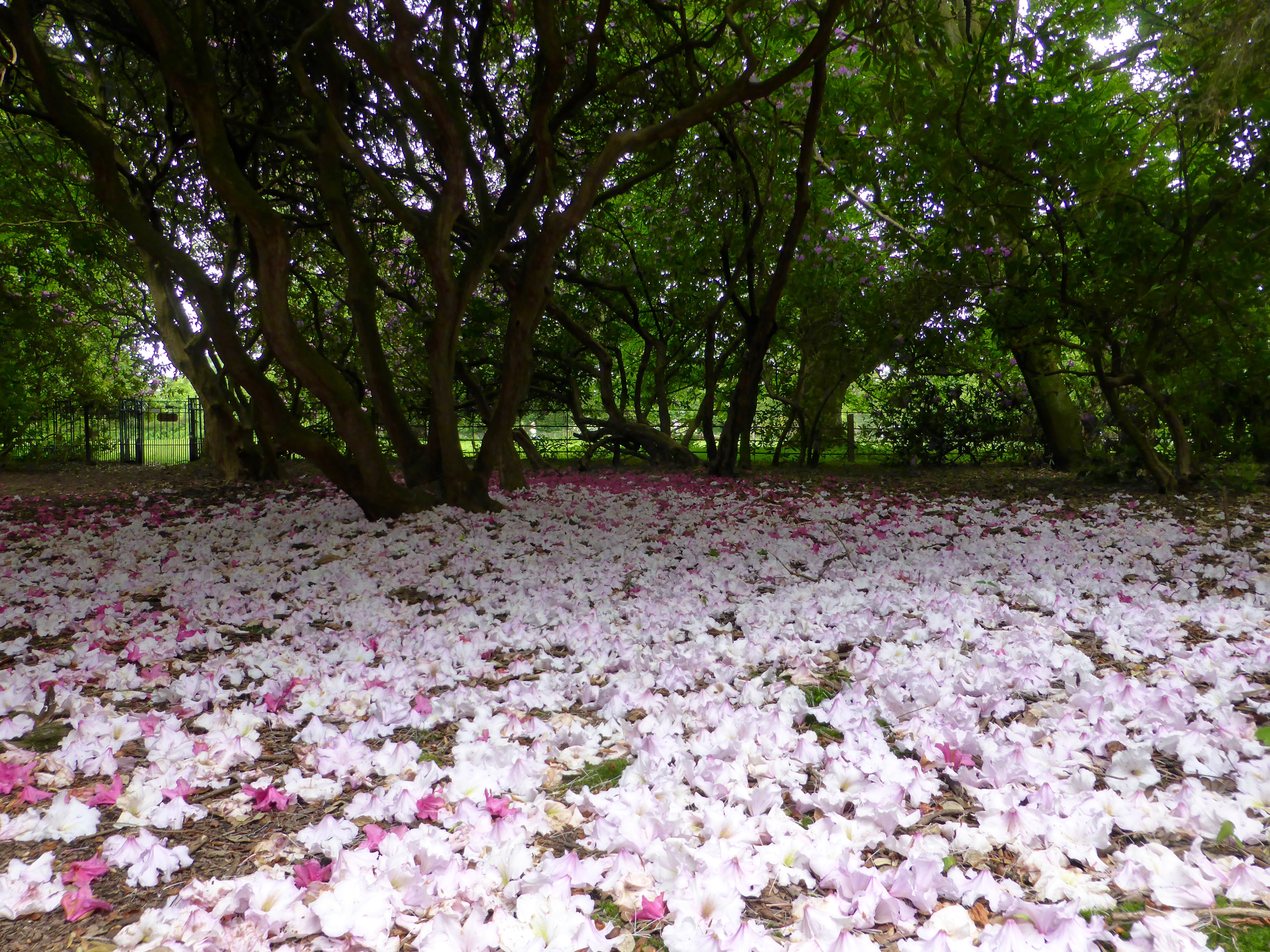
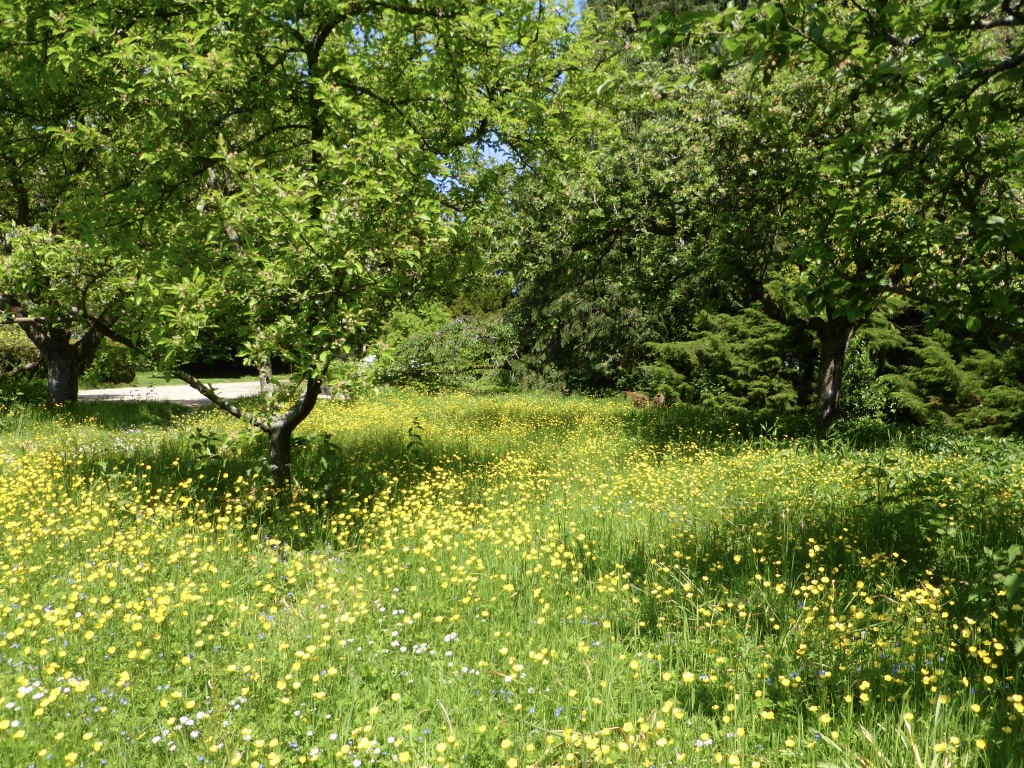
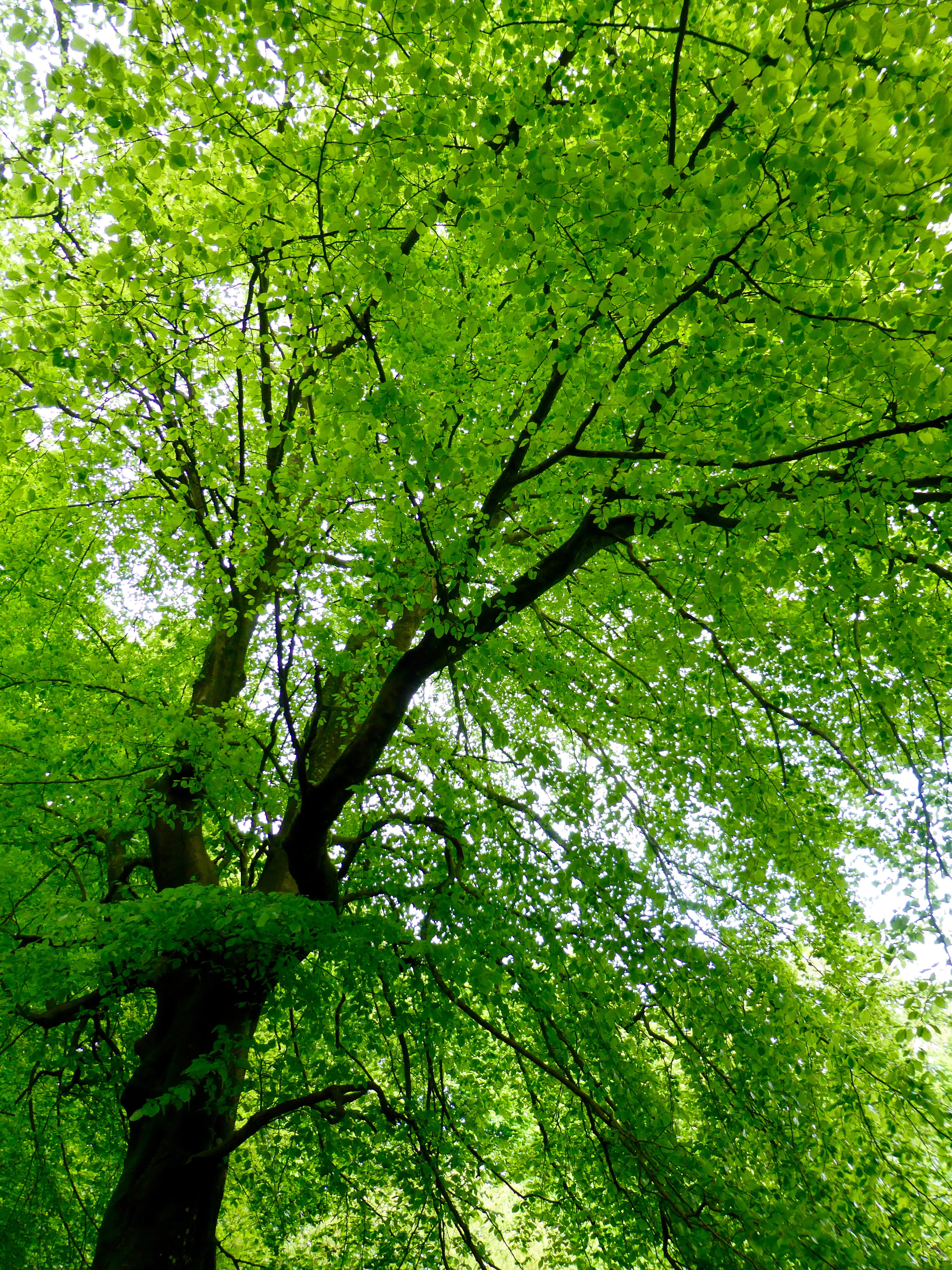
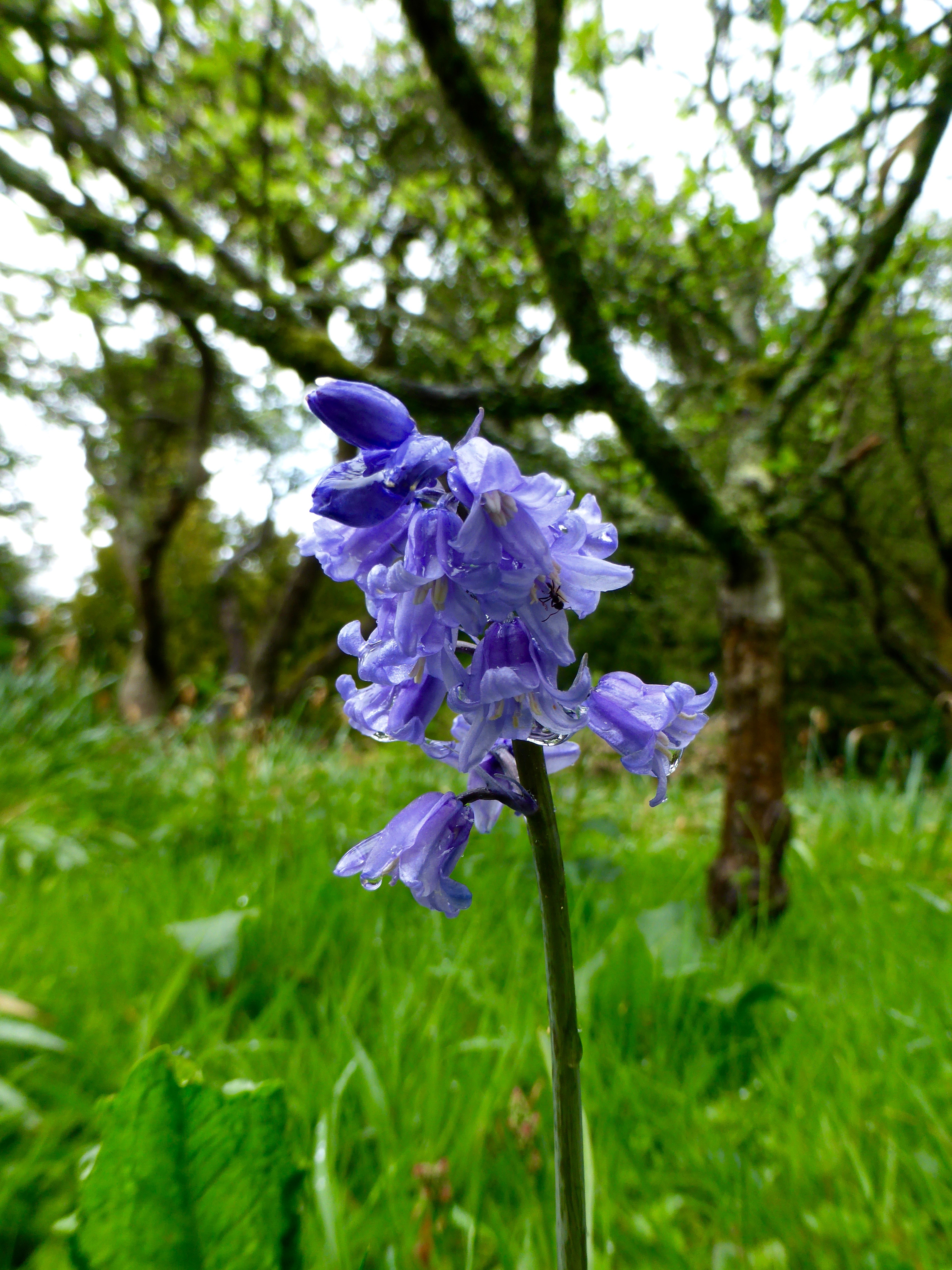
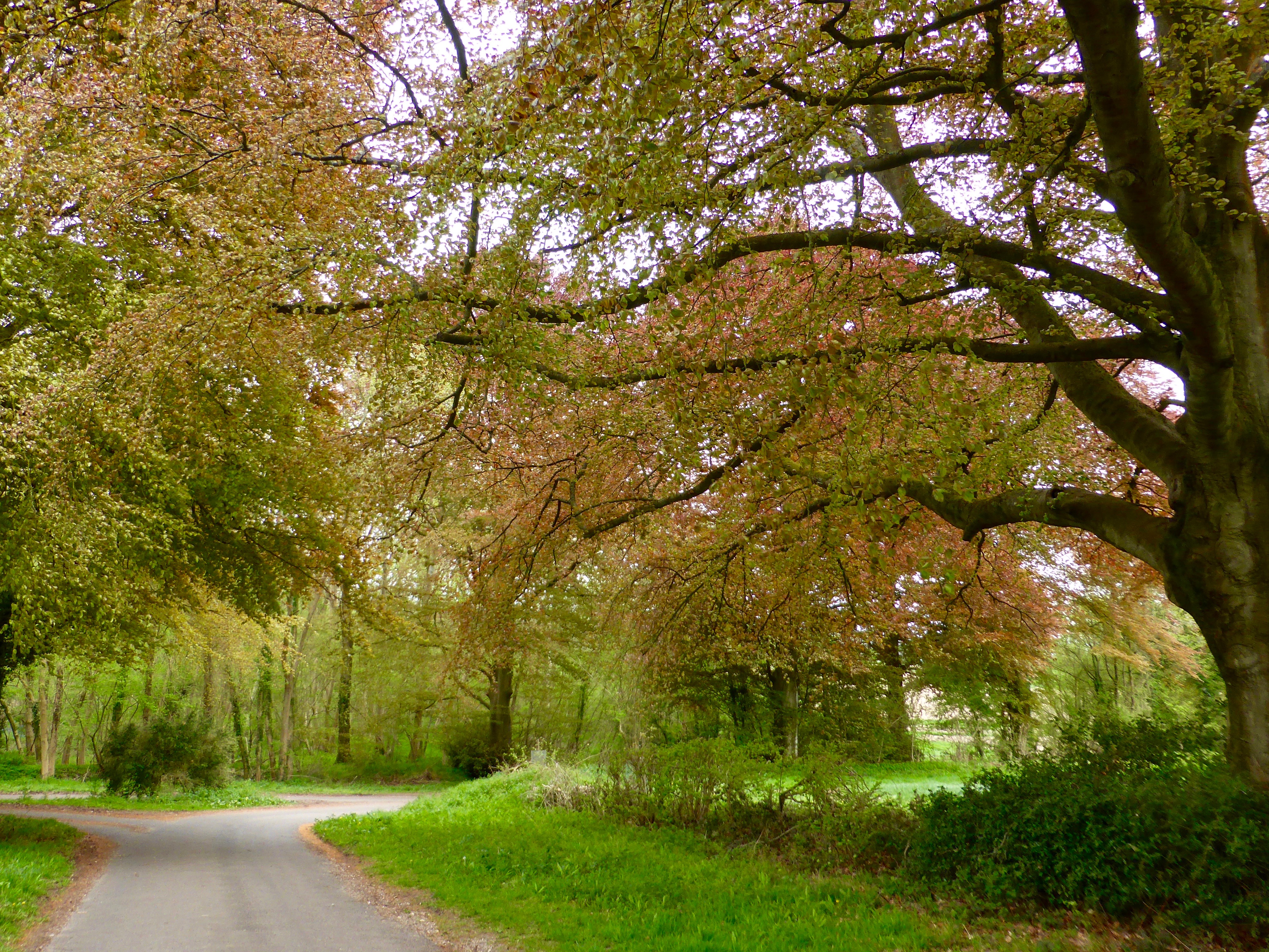
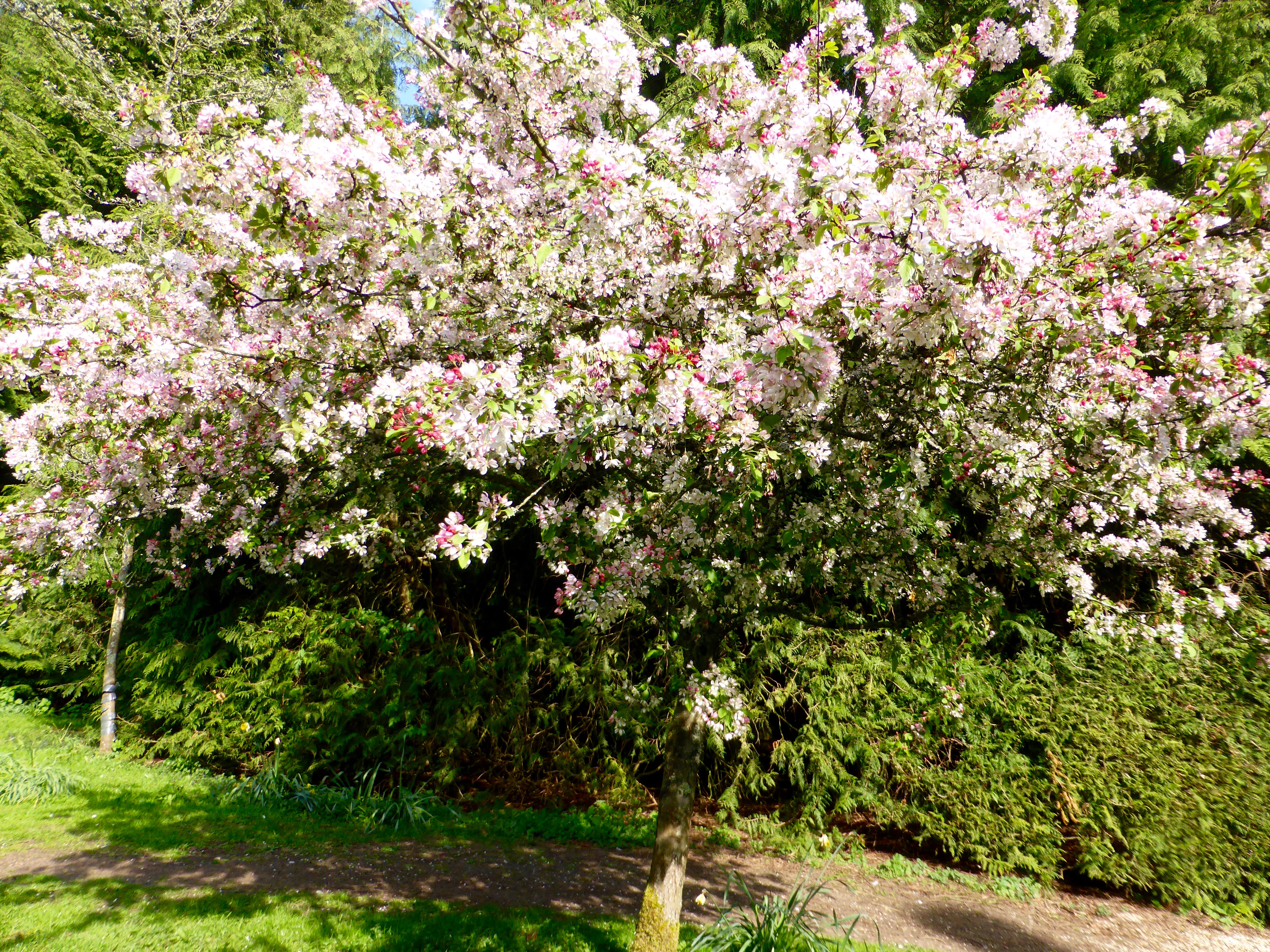
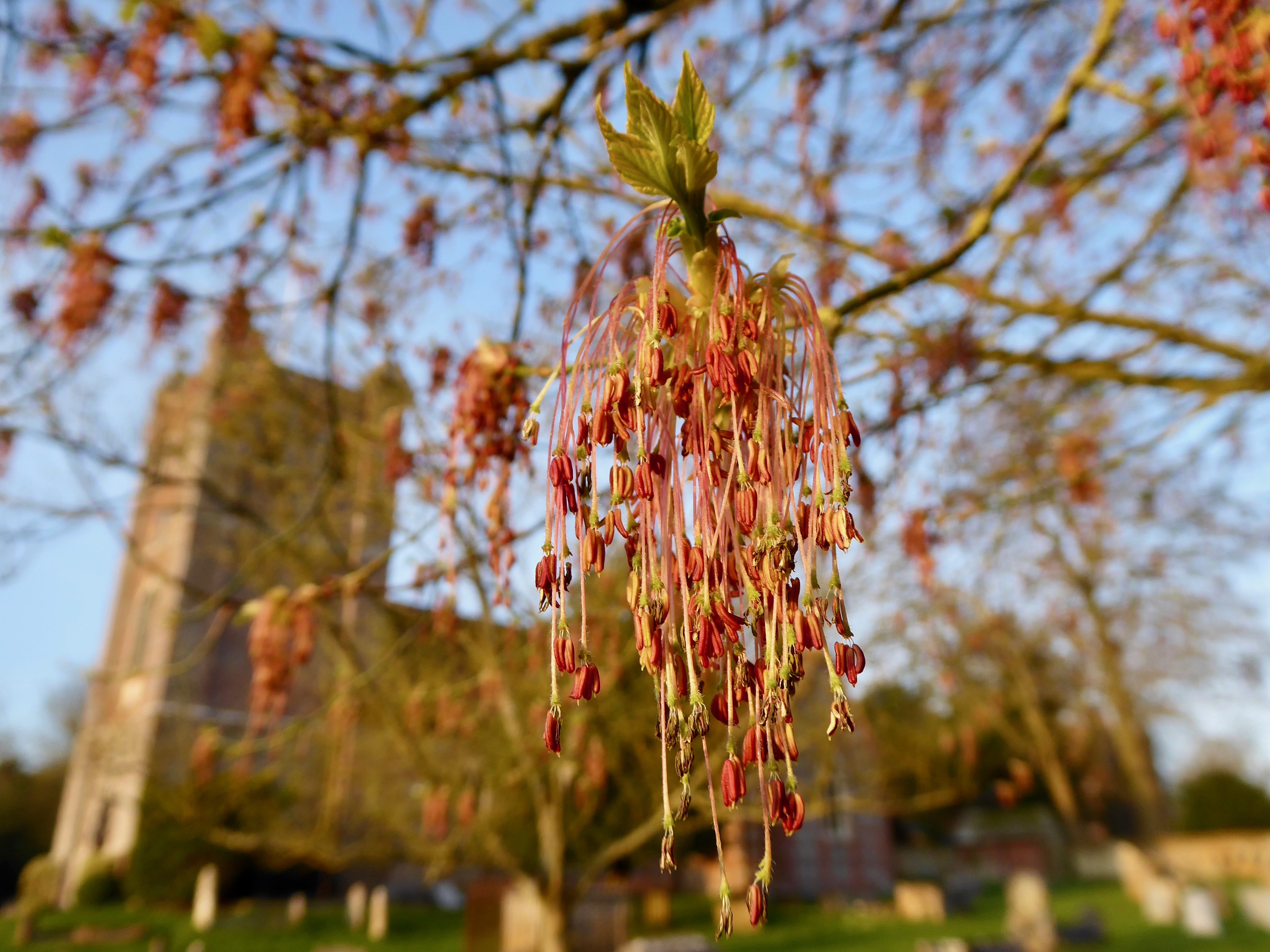
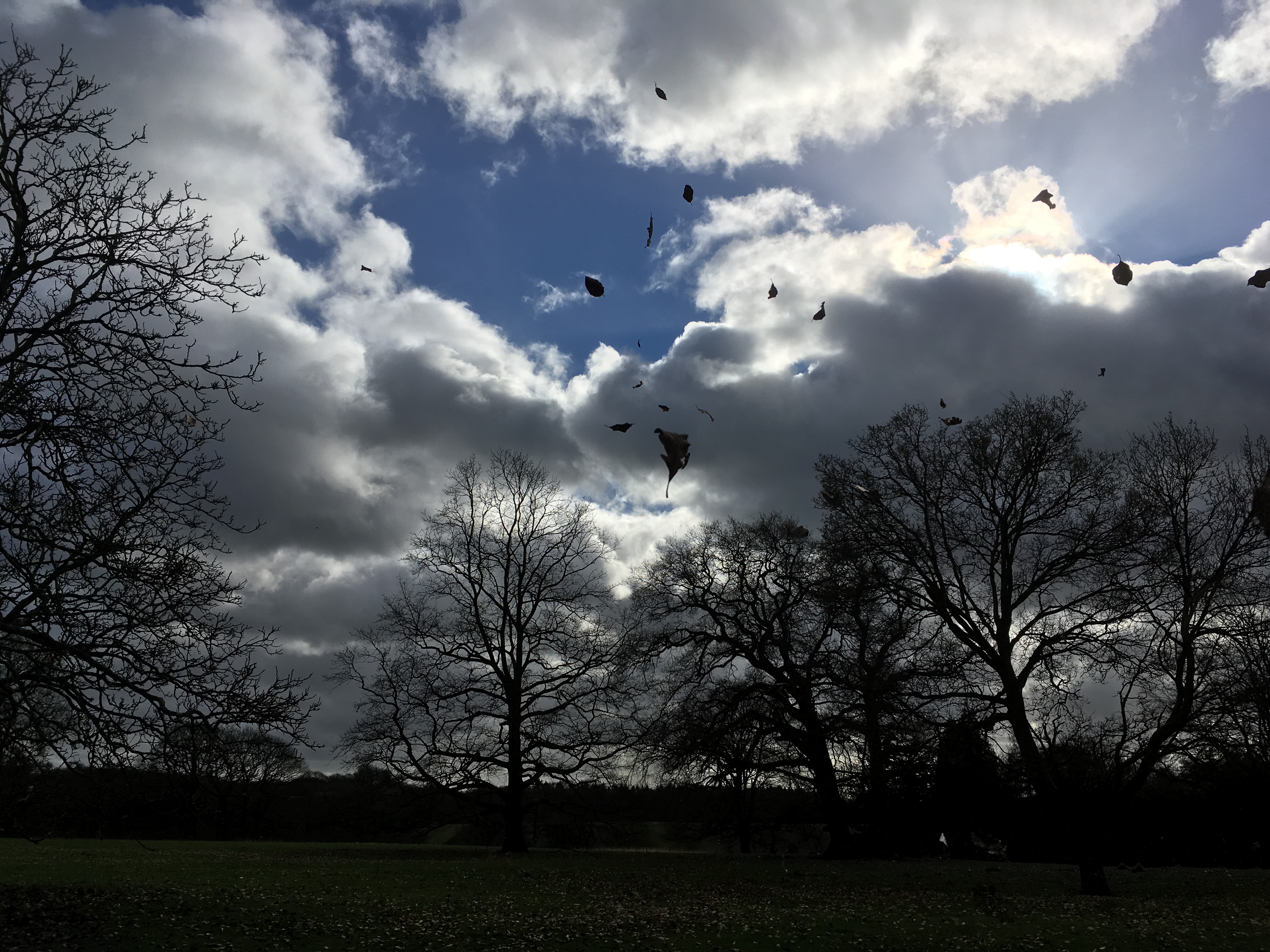
Not far to the north west of where I live is the largest wood in the area, Cheriton Wood. It’s near the site of one of the famous battles in the (Un)Civil War. I think it was closed to the public for most of the time I’ve lived here but is now open under the CROW Act. Here are some images from walking through the woods, and just outside the trees.

Meditation Journal 2 May 2013

Vipassana Meditation May 2

Waking up early now, naturally at 5-something or 6-something, with the birds and the sun. To the stool or cushion I go. Trepedacious but welcoming the chance to… what… make friends with myself. It sounds corny as hell, but how can one be comfortable with life, and allow change, if one is antagonistic within?

Usually the first twenty minutes are breathing and allowing thought to catch up with things it wants to think about. There’s not much I can do about that. I’m not big on the whole ‘bring the awareness back to the breath’ stuff. Thoughts processing, clearing up a few things, running back and forward. Then the emotional side shows up, and this needs a slightly different kind of attention, the mind naturally quieting. A kind attention. An embrace. And then later, the deep sensations of the body begin to express. Today deep into the eye areas, and the gums and teeth. A different attention again, one of the body, with a steady, unjudging gaze of the mind, overseeing operations but without taking control.

This is becoming good fun, and very very good for me. So much so that I even want to continue come evening time for another hour.

Meditation Journal 23 April 2013

Breathing, breathing, thinking, thinking, thinking, thi… thought sees its own doing and is suddenly unwound and a purer presence is apparent, action in the moment unfolding rather than continuing on familiar lines. Sensation, sensation, sensation, sens… where has it gone, that pain which was so dominant moments ago? Waves of bliss, ecstasy, wellbeing, from the base of the spine to the top of the head, a sense of tingling lightness across the sides of the head, an expansion, openness. Anxiety, anxiety, anxiety, anx… it shifts and mutates as it is listened to, touched, let go of, without a purposeful letting go.

Deep rest early in the morning, beyond that which eight hours of sleep can touch.

Weekend Walk 46 – Hambledon to Bishop’s Waltham – Allan King’s Way

Third stage of the Allan King’s Way.

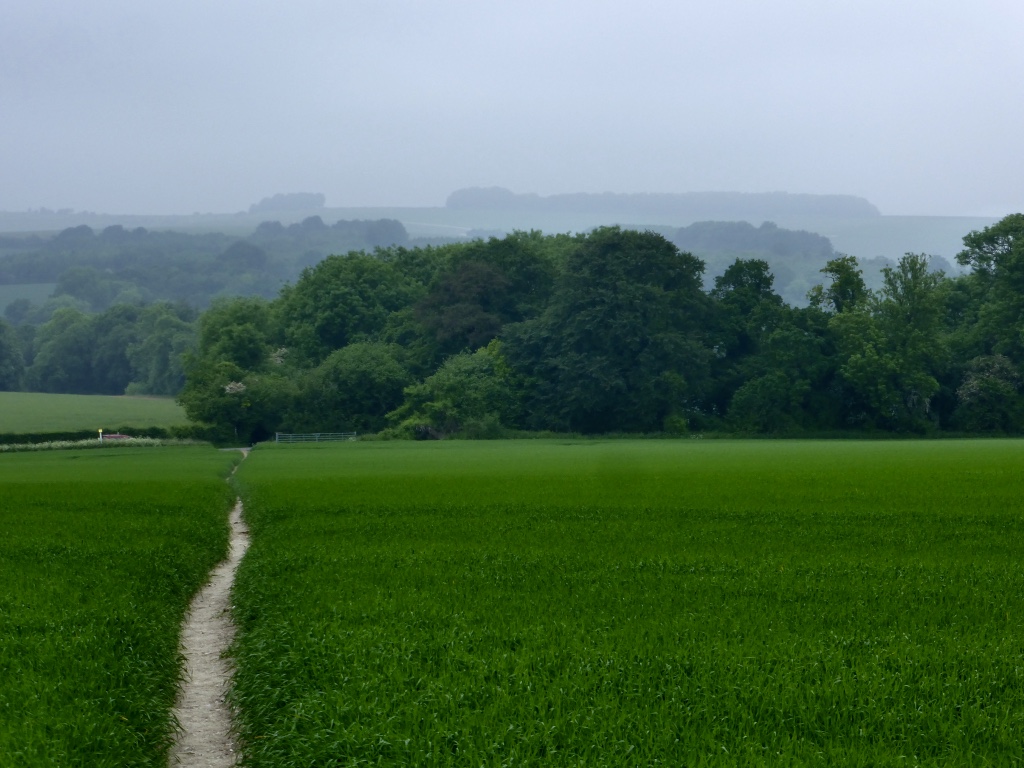
A spring walk from the village of Hambledon in East Hampshire to Bishop’s Waltham with its Medieval palace, on market day. The path crosses the Meon Valley at Soberton before climbing to the semi-urban areas of Swanmore and Waltham Chase. This walk linked up places I hadn’t thought of as being near each other, intersecting the usual transport and valley routes.

Hampshire Architecture – Portsmouth: High Street, Penny Street, Peacock Lane, Grand Parade

Here we have the central area of Old Portsmouth. High street runs from just inside the now flattened defensive town walls, down to the coast near to the Square Tower, where it meets Broad Street and Grand Parade, just past the cathedral. At the north eastern end are the former Cambridge Barracks, now the Portsmouth Grammar School. In between are many C18 and C19 town houses, pubs and a former bank. Grand Parade is next to the Royal Garrison Church, and Penny Street runs parallel with the High Street, with a few surviving pre-war buildings. The narrow Peacock lane joins the two streets. Pembroke Road joins Old Portsmouth to Southsea, where along with Landport, gentrified properties overspilled when the old town got too crowded. The Cathedral was started in the C13 and underwent many additions over the centuries, including a large extension to the south west in the 1990s. To the north is Landport Gate, redesigned in 1760 and remaining in its original location but without the earth banks of the walls either side. Here are all the listed buildings of this area and a couple of street views:

A map of Portsmouth in 1762, showing the defensive walls and extent of the old town:

Portsmouth Map C18 1762

Quit smoking by smoking

I haven’t smoked since the 90s and this is something along the lines of how I stopped smoking:

Forget about stopping smoking. Rather, you are going to make it a meditation. When you are taking the packet of cigarettes out of your pocket, move slowly. Enjoy it, there is no hurry. Be conscious, alert, aware; take it out slowly, with full awareness. “Then take the cigarette out of the packet with full awareness, slowly, not in the old hurried way, unconscious way, mechanical way. Then start tapping the cigarette on your packet, but very alertly. Listen to the sound, just as Zen people do when the kettle  starts singing and the tea starts boiling… and the aroma. Then smell the cigarette and the beauty of it… Then put it in your mouth, with full awareness, light it with full awareness. Enjoy every act, every small act, and divide it into as many small acts as possible, so you can become more and more aware. Then have the first puff… Fill your lungs deeply. Then release the smoke, relax, another puff, and go very slowly. If you can do it, you will be surprised; soon you will see the whole stupidity of it. Not because others have said that it is stupid, not because others have said that it is bad. You will see it. And the seeing will not just be intellectual. It will be from your total being.

~ Osho

(This dude did a lot of crazy things and crazy people often surrounded him, but he also sometimes made a lot of sense.)

Meditation Journal 21 April 2013

Vipassana Meditation April 21

Allowing. Accepting. Feeling. Connection. Is-ness. No other place to be. Contact. A blurring of the supposed lines between me and my body, my body and I. The origins being discovered of deep aches, held tensions, hangups. Is it all in the mind? Or at least in the mind’s reactions? Quietly sitting for one hour, having naturally woken with the sun.

Meditation Journal 20 April 2013

Vipassana Meditation April 20

Much milder than two days before. And in the midst of the head rapidly shaking side to side, a sudden bliss, a feeling that all is okay, at least right here. Bliss comes from nowhere known. It doesn’t seem to be caused. Evidence would suggest elsewhere that in fact all is not okay. Yet maybe it is. After all, how could things be any other way than they are?

In this local body, there’s the crunchy tensions in the neck, tightness in the tight foot arches, the tender right wrist and sharp right arm up near the shoulder. There’s slight fear in the mind, lifting as the sitting went on and vanishing in the moments of warm wellbeing during and after the head shaking. The hour passed very quickly.
Meditation Journal 18 April 2013

Vipassana Meditation April 18

It’s getting crazier. After the thoughts have settled and the agitation that I carried forward has ceased, the organism takes over. I maintain a sense of equanimity throughout, quietly watching as the strange ritual commences. A ritual familiar yet variable, never formulaic.  Right hand shaking so very fast. I take a peak and it’s really going for it, wobbling, shaking, rotating, flopping – by my side or overhead, over to the left. A deep knot at the right side of my neck, tingling sharply, then suddenly my head is shaking left and right, again very rapidly, up into the lower skull, then inside the skull around the back and right of the brain, shaking, shaking. There’s tension in there? Nothing I can do. I find myself sometimes thinking of unresolved technical problems somehow, while this intensity is going on. When I’m back in attention, the tension sensation intensifies, as do the movements. Then my whole torso is rolling around, rotating from the waist, like an ancient dance, from sitting. Then I’m arched forward on my hands and the head and neck stretched forward. Soon the right arm shakes again and gives way, so the torso takes my weight and brings me back upright and my arm is free to rave. Afterwards, this all feels exhausting and yet enlivening, like some old, old, very old tiredness has lifted, things I’ve been carrying have been liberated. It’s not so conscious, I guess because this is happening in the unconscious arena where the choice to hold, or not to, is taking place.
Hampshire Architecture – Portsmouth: Lombard Street, St Thomas Street, Broad Street, Bath Square

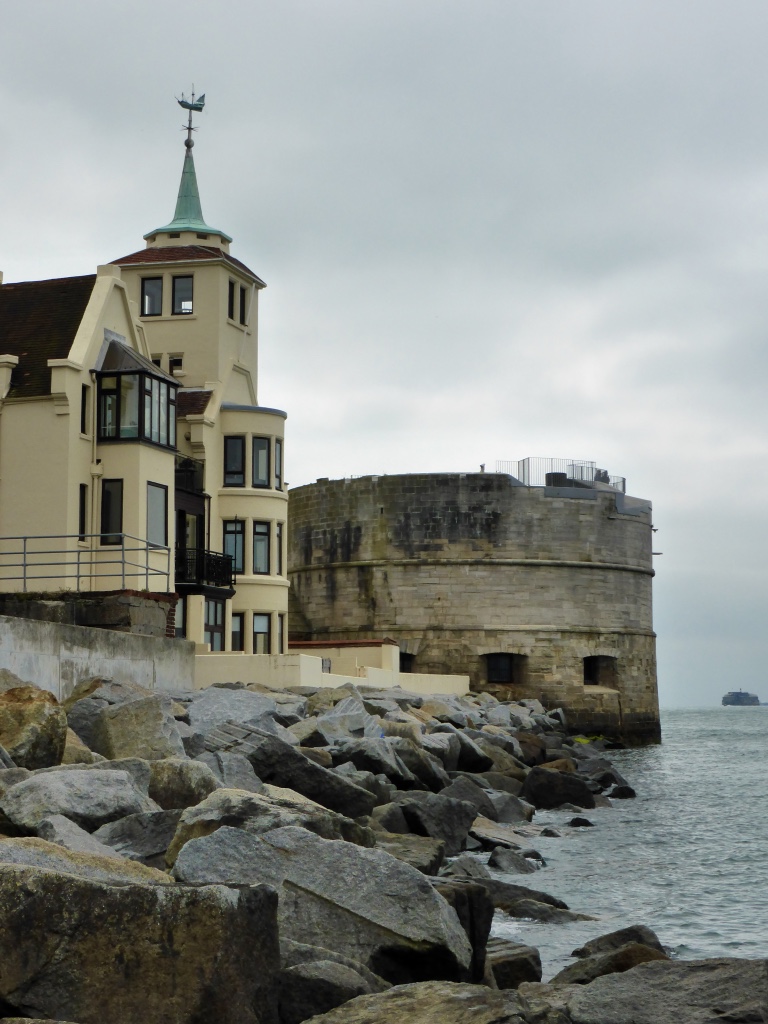
This area of Old Portsmouth feels very nautical, with narrow town houses, usually three story, squeezed in to form non-uniform terraces, many with those characteristic maritime bays on the first floor. Lombard Street and St Thomas Street are just east of The Camber harbour, with The Point being on the west side: Broad Street and Bath Square leading towards the narrow entrance to Portsmouth Harbour. All of this area was within the old walled city. Apart from the town houses, one can find fortifications, an old savings bank, historic inns, a former bathing house (Quebec House), the Popinjays warehouse, the sailing club and an old customs watch house with an observation hut. Most of the buildings are C18, with some C17 and C19. The landmark former Seagull Restaurant is from the early C20.

Lombard Street:Lombard St Portsmouth

The listed buildings of Lombard Street and St Thomas Street, Old Portsmouth:

Broad Street Portsmouth:

Broad St Portsmouth

The listed buildings of The Point / Spice Island, Old Portsmouth:

Bath Square, Old Portsmouth:

Bath Square Portsmouth

Meditation Journal 17 April 2013

Vipassana Meditation April 17

1 hour

Deep in the early hours of the morning, white fire in the right calf. Same in right wrist. Head shaking side to side in sweeping movements and in tiny micro vibrations like a power plate. Eyes scrunched. Right foot arch cramping. Belly drawn in and up, pulling the colon in tight, massaging inside. Moans. Dribbles. Coughs. Hand taught. Lips contorted. Neck sharp, up under the skull. Even a brain pain. All this not at the same time, thank goodness, but often one or two concurrent. Not much of the subtle awareness and deep release today. Then back to bed for a good sleep.

Meditation Journal 16 April 2013

Vipassana Meditation April 16

1 Hour

My body feels relaxed, muscles soft, shoulders and face less concerned. The ongoing ‘work’ is still very physical: deep into the neck and shoulders, and at the inner eyes and into the forehead. Right arm, wrist and feet, but these to a lesser extent than previously. Resistance to sitting: I don’t want to feel anything, just get on with the day. But I know how that goes. And I know that it’s not strong resistance, rather more like a child’s excuses not to do something perceived as slightly less fun than… watching TV or something. A few minutes after sitting down it’s gone, but there’s the ‘all over the place’ attention, scattered, dashing here and there in thought and memories. Suddenly it’s unwound and there I am, awake, daydreams over. A strong nausea soon passes and I can begin passing attention from head to feet and back again. All this is about half an hour. Then the aches, pains, tensions, tingles are immediately apparent; I don’t have to look for them. And when that’s all there is, a high-pitched pain in the neck, for example, that’s all there is. There’s no room or need for thinking at all. And it moves, the pain, so I follow it carefully, slowly, up into the skull, down into the shoulders. Then from the wrist, up the arm, back to the same spot until, suddenly, there’s no sensation – gone – and then there’s another in a different place. Repeat as necessary.

Meditation Journal 15 April 2013

Vipassana Meditation April 15

Then towards the end of the hour I find that my eyes are open and it’s over for now. Previously, moments of there being nothing but the sensation. It starts out as what I call ‘pain’ but by staying with it, or noticing any moving away, it’s no longer pain but something else, something I don’t know about – I could call it intensity but that’s still fixing it as a thing. And it’s moving, changing, evolving, doing it’s thing of it’s own accord. And the essence of this practice is that it can’t do it on it’s own – express naturally – it needs ‘me’ as a watcher, witness, observer, or beyond these ‘doing’ states, it needs awareness. It needs awareness because without it it’s locked down, alone, isolated. Tenderly I approach and in my approach it’s clear where I am not moving with care, where I’m moving with ambition or a goal, or using force, and the seeing of the non-tenderness is its undoing. Even tenderness itself may be contrived and if so that too ceases. It’s a natural dropping of the unnatural, and only then something new can take place. In the context of the pain, this ‘new’ is release, change, ending.

Meditation Journal 14 April 2013

Vipassana Meditation April 14

That’s where it’s at. Shutting up. Sitting still. Listening, watching, attending. What could be simpler? That’s probably why it’s not so common: it seems the answer, the thing to do is elsewhere, in the doing, in the experiences to be had, in the life to live and sheer gettingness of worldly life. Not to ignore worldly life, but worldy life without inner work is hollow and all to fragile in its successes and fun.

I’ve been practising lying down, about every other day. But it’s not the same. Sleep is too close by. The body is too relaxed, has to do too little. The slight work in sitting up changes a lot. The energy too is more awake, more daytimey. It’s not like sleep where there’s nothing to do, it’s not like daily activity, it’s between the two, but it’s a step away from bed relaxation. And while there, sat still this morning there was the certainty that there is nothing else to be doing at that moment. Nothing I am missing out on, nothing I should be doing, no experience grander or learning deeper. This is it. Of course I then start scheduling it in: more of this please. Or even just working out when I have time. Again, it’s simpler: if there is nothing else more valid, just do it. Once or twice a day, for an hour each time. No scheduling or persuasion needed.