
Food
Forks Over Knives
More plants, fewer animal products. Because the standard Western diet is causing you all kinds of grief.
Is Junk Food Really Cheaper?
THE “fact” that junk food is cheaper than real food has become a reflexive part of how we explain why so many Americans are overweight, particularly those with lower incomes. I frequently read confident statements like, “when a bag of chips is cheaper than a head of broccoli …” or “it’s more affordable to feed a family of four at McDonald’s than to cook a healthy meal for them at home.”
This is just plain wrong. In fact it isn’t cheaper to eat highly processed food: a typical order for a family of four — for example, two Big Macs, a cheeseburger, six chicken McNuggets, two medium and two small fries, and two medium and two small sodas — costs, at the McDonald’s a hundred steps from where I write, about $28. (Judicious ordering of “Happy Meals” can reduce that to about $23 — and you get a few apple slices in addition to the fries!)
In general, despite extensive government subsidies, hyperprocessed food remains more expensive than food cooked at home. You can serve a roasted chicken with vegetables along with a simple salad and milk for about $14, and feed four or even six people. If that’s too much money, substitute a meal of rice and canned beans with bacon, green peppers and onions; it’s easily enough for four people and costs about $9. (Omitting the bacon, using dried beans, which are also lower in sodium, or substituting carrots for the peppers reduces the price further, of course.)
Another argument runs that junk food is cheaper when measured by the calorie, and that this makes fast food essential for the poor because they need cheap calories. But given that half of the people in this country (and a higher percentage of poor people) consume too many calories rather than too few, measuring food’s value by the calorie makes as much sense as measuring a drink’s value by its alcohol content. (Why not drink 95 percent neutral grain spirit, the cheapest way to get drunk?)
Besides, that argument, even if we all needed to gain weight, is not always true. A meal of real food cooked at home can easily contain more calories, most of them of the “healthy” variety. (Olive oil accounts for many of the calories in the roast chicken meal, for example.)In comparing prices of real food and junk food, I used supermarket ingredients, not the pricier organic or local food that many people would consider ideal. But food choices are not black and white; the alternative to fast food is not necessarily organic food, any more than the alternative to soda is Bordeaux.
The alternative to soda is water, and the alternative to junk food is not grass-fed beef and greens from a trendy farmers’ market, but anything other than junk food: rice, grains, pasta, beans, fresh vegetables, canned vegetables, frozen vegetables, meat, fish, poultry, dairy products, bread, peanut butter, a thousand other things cooked at home — in almost every case a far superior alternative.
Lunch!

Brown rice, aubergine, peppers, tomatoes, green leaves, potato and green beans, lettuce and carrot.
Big up Eva and Matt in the kitchen!
Golden Retriever Stew? Why You Eat the Animals You Do
I wanted to understand the psychological mechanisms that allow us to carry out violence toward other beings, human and nonhuman, specifically as they pertained to meat eating. And what I discovered was that the very same psychological mechanisms that allow us to harm other humans enable us to harm nonhumans. Of course, people’s feelings about animals don’t exist in a vacuum, so I started analyzing the broader social system of which we’re all a part. That’s what led me to identify what I call “carnism.”
To help explain carnism, I often tell people this story: Imagine that you’re a guest at a dinner party and you’re eating a delicious beef stew. It’s so delicious, in fact, that you ask your host for the recipe. Flattered, she replies, “The secret is in the meat: You need to start out with three pounds of well-marinated golden retriever.” Your reaction to that story—the repulsion—is an example of carnism. Carnism is the invisible belief system that conditions us to eat certain animals. It’s a dominant system that’s institutionalized and structural in America and abroad. People tend to assume it’s only vegans and vegetarians who bring their beliefs to the dinner table. But the fact is that most people in America, for example, eat pigs and not dogs exactly because they do have a belief system; it’s just that their belief system has been invisible.
When you’re born into this dominant, carnistic culture, you inevitably absorb the system’s logic as your own. In other words, we learn to see the world through the lens of carnism. Carnism conditions us to disconnect psychologically and emotionally from the truth of our experience when we eat meat (and other animal products). It allows us to disconnect the meat on our plate from the living being it once was. When people sit down to a plate of beef stew, they’re not thinking about the cow that it came from. They’re not saying, “I’m eating a dead animal.” They’re saying, “I’m eating food,” and therefore they’re feeling no disgust. However, if that same person were fed a guinea pig or swan, they would likely not be able to help but envision a living being, and feel repulsed eating that animal.
via Carnism and Why You Eat the Animals You Do – Food – GOOD.
Meaty Goodness!
Lunch!

Big up the kitchen team!
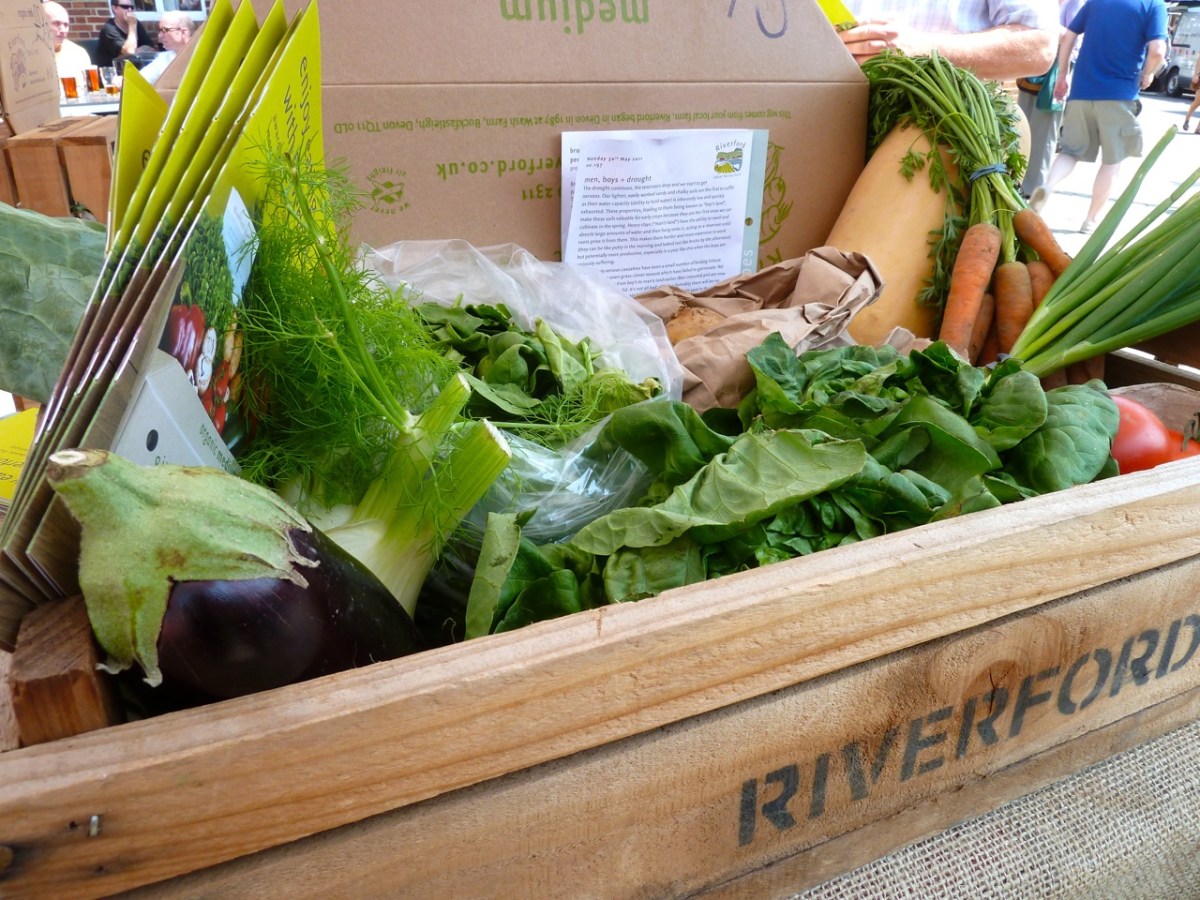
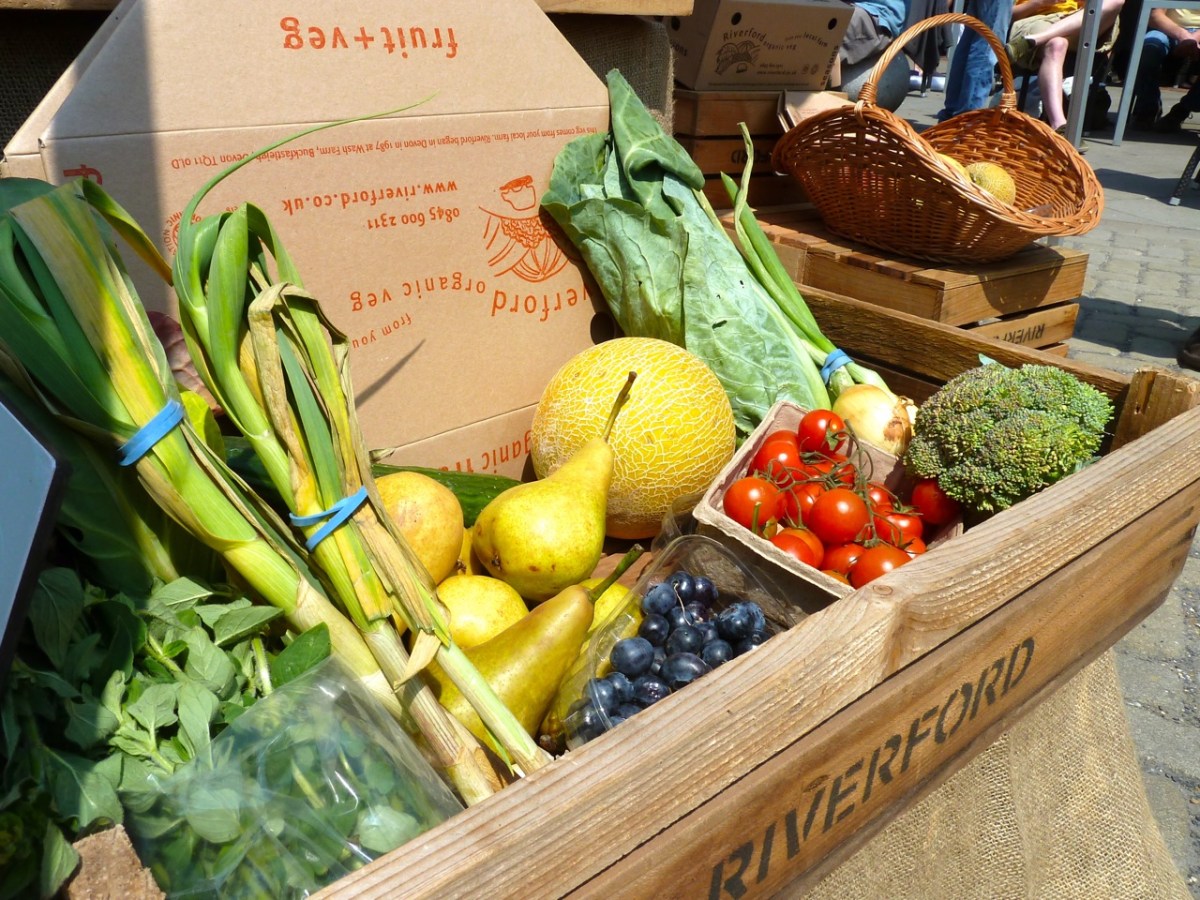
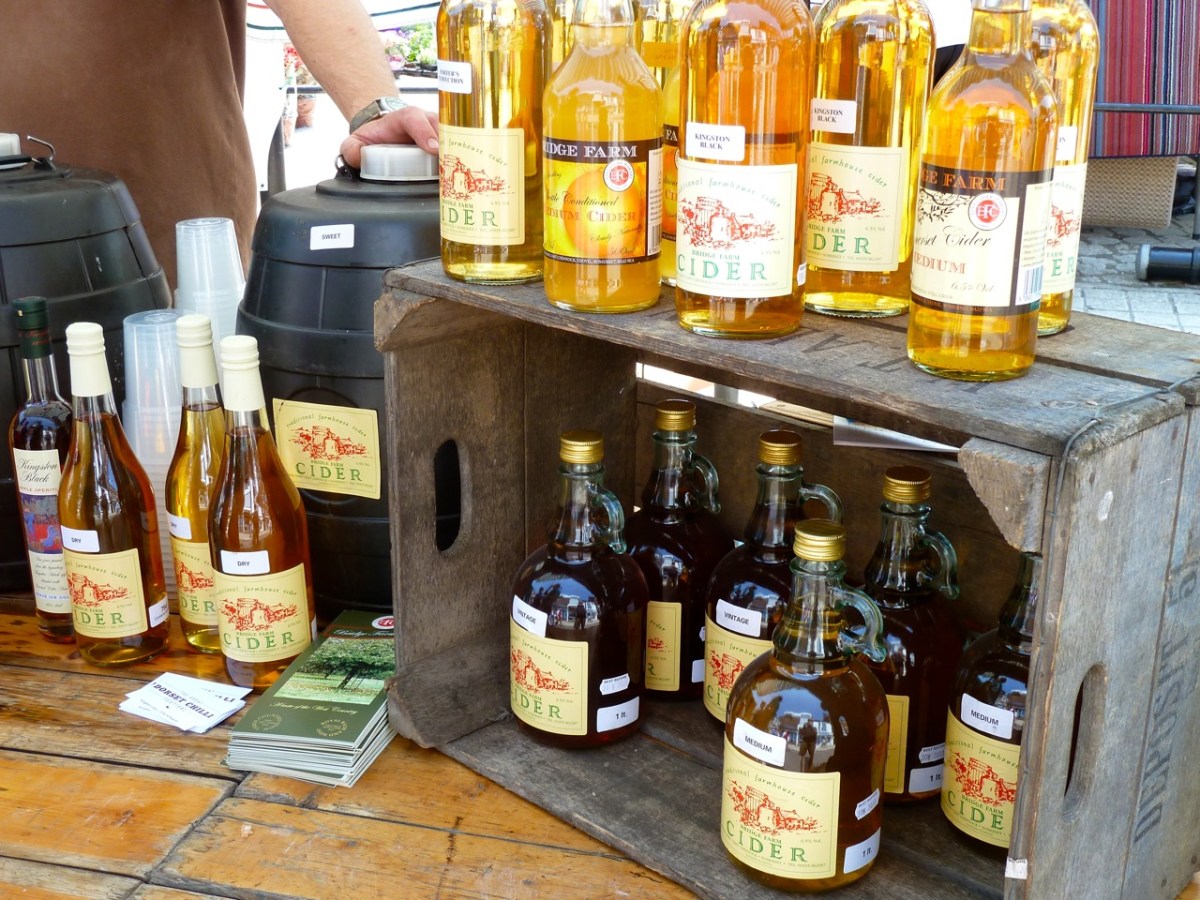
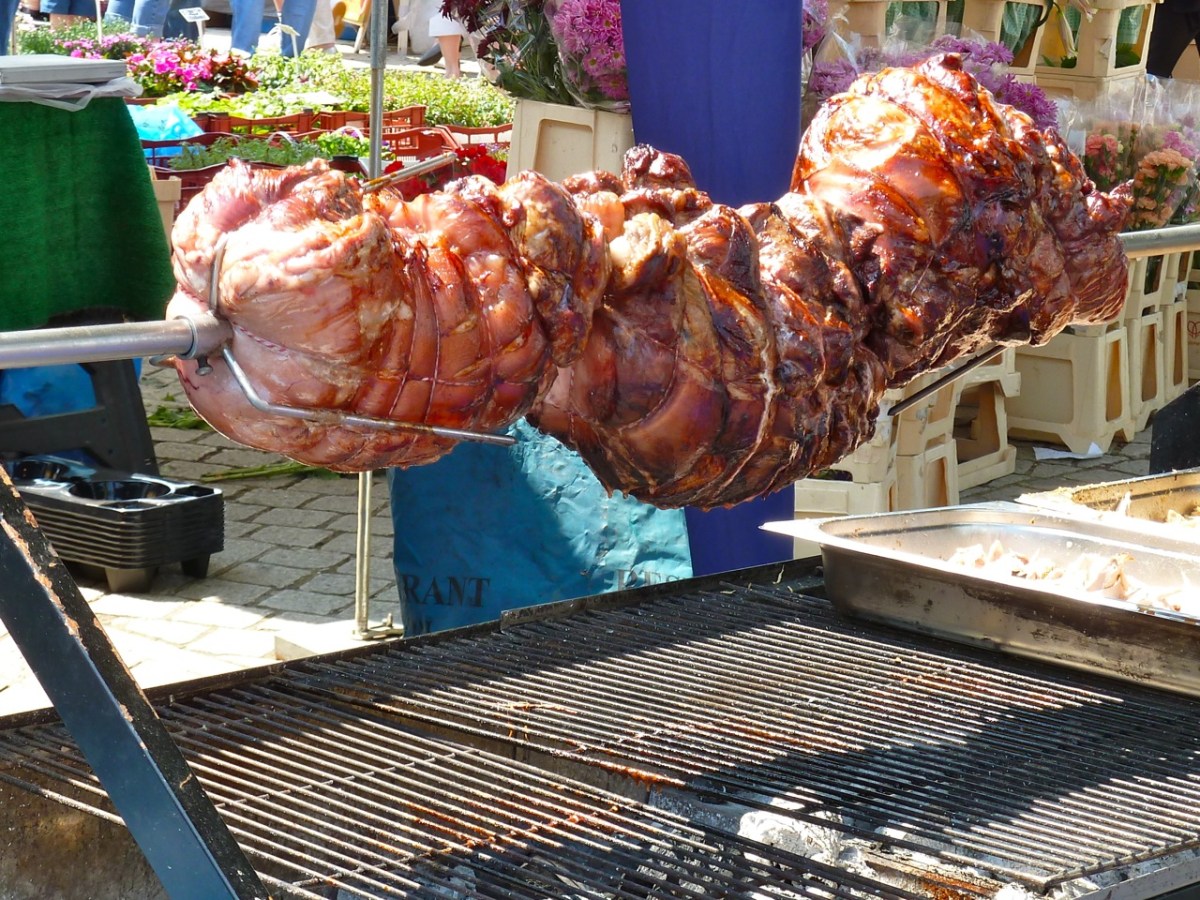
Petersfield Festival of Food & Drink 2011
Images from the first day of the festival on Saturday 4th June







It’s sad bad news about the fish
More than 40 species of marine fish currently found in the Mediterranean could disappear in the next few years. According to a study for the IUCN Red List of Threatened Species™ on the status of marine fish in the Mediterranean Sea, almost half of the species of sharks and rays (cartilaginous fish) and at least 12 species of bony fish are threatened with extinction due to overfishing, marine habitat degradation and pollution.
Commercial species like Bluefin Tuna (Thunnus thynnus), Dusky Grouper (Epinephelus marginatus), Sea Bass (Dicentrarchus labrax) or Hake (Merluccius merluccius) are considered threatened or Near Threatened with extinction at the regional level mainly due to overfishing.
“The Mediterranean and Eastern Atlantic population of the Atlantic Bluefin Tuna (Thunnus thynnus) is of particular concern. There has been an estimated 50% decline in this species’ reproduction potential over the past 40 years due to intensive overfishing,” says Kent Carpenter, IUCN Global Marine Species Assessment Coordinator. “The lack of compliance with current quotas combined with widespread underreporting of the catch may have undermined conservation efforts for this species in the Mediterranean.”
The use of fishing gear, such as fishing lines, gill or trawling nets, and the illegal use of driftnets means that hundreds of marine animals with no commercial value are captured, threatening populations of many species of sharks, rays and other fish, as well as other marine animals including dolphins, whales, turtles and birds.
“The use of trawling nets is one of the main problems for conservation and sustainability of many marine species,” says Maria del Mar Otero, IUCN-Med Marine Programme Officer. “Because it is not a selective technique, it captures not only the target fish but also a high number of other species while also destroying the sea bottom, where many fish live, reproduce and feed.”
via IUCN – Home.
Plastic Rice, Anyone?
China’s history with food safety is a rocky one, but even in the annals of robbery and abuse, this will go down in infamy.
Various reports in Singapore media have said that Chinese companies are mass producing fake rice made, in part, out of plastic, according to one online publication Very Vietnam.
The “rice” is made by mixing potatoes, sweet potatoes and plastic. The potatoes are first formed into the shape of rice grains. Industrial synthetic resins are then added to the mix. The rice reportedly stays hard even after being cooked.
The Korean-language Weekly Hong Kong reported that the fake rice is being sold in the Chinese town of Taiyuan, in Shaanxi province.
“A Chinese Restaurant Association official said that eating three bowls of this fake rice would be like eating one plastic bag. Due to the seriousness of the matter, he added that there would be an investigation of factories alleged to be producing the rice,” Very Vietnam noted.
via China’s poor treated to fake rice made from plastic: report | The Raw Story.
Fast Food: How to get as much fat, salt and sugar inside you as possible

Take Kentucky Fried Chicken. My source called it “a premier example” of putting more fat on our plate. KFC’s approach to battering its food results in “an optimised fat pick-up system”. With its flour, salt, MSG, maltodextrin, sugar, corn syrup and spice, the fried coating imparts flavour that touches on all three points of the compass while giving the consumer the perception of a bargain – a big plate of food at a good price.
Initially, KFC meals were built around a whole chicken, with a pick-up surface that contained “an enormous amount of breading, crispiness and brownness on the surface. That makes the chicken look like more and gives it this wonderful oily flavour.” Over time, the company began to realise there was less meat in a chicken nugget compared with a whole chicken, and a greater percentage of fried batter. But the real breakthrough was popcorn chicken. “The smaller the piece of meat, the greater the percentage of fat pick-up,” said the food designer. “Now, we have lots of pieces of a cheaper part of the chicken.” The product has been “optimised on every dimension”, with the fat, sugar and salt combining with the perception of good value virtually to guarantee consumer appeal.
He walked me through some offerings at other popular food chains. Burger King’s Whopper touched on the three points of the compass – then was altered for further effect. In its first, stripped-down form, the burger was explosively rich in fat, sugar and salt. Then the chain began adding more beef, extra cheese or a layer of bacon. McDonald’s broke new ground in another way – by making food available on a whim. “The great growth has been the snacking occasion. You get hungry, you want something, your mind pushes off the reality of what you ought to eat, and you end up picking up a hamburger and a giant soda or french fries.”
Next they introduced a high-fat, high-salt morning meal. “They took what they learned from the core lunch and dinner menu, and applied it to breakfast. The sausage McMuffin and the egg McMuffin are stand-ins for the hamburger. In effect, you are eating a morning hamburger.”
This kind of food disappears down our throats so quickly after the first bite that it readily overrides the body’s signals that should tell us, “I’m full.” The food designer offered coleslaw as an example. When its ingredients are chopped roughly, it requires time and energy to chew. But when cabbage and carrots are softened in a high-fat dressing, coleslaw ceases to be “something with a lot of innate ability to satisfy”.
Eight Ways In-Vitro Meat will Change Our Lives
Artificial meat coming in 3-10 years. This article outlines so many benefits, not least:
4. Healthier Planet.Today’s meat industry is a brutal fart in the face of Gaia. A recent Worldwatch Institute report “Livestock and Climate Change” accuses the world’s 1.5 billion livestock of responsibility for 51% of all human-caused greenhouse gas emissions. Statistics are truly shitty: cattle crap 130 times more volume than a human, creating 64 million tons of sewage in the United States that’s often flushed down the Mississippi River to kill fish and coral in the Gulf of Mexico. Pigs are equally putrid. There’s a hog farm in Utah that oozes a bigger turd total than the entire city of Los Angeles. Livestock burps and farts are equally odious and ozone-destroying. 68% of the ammonia in the world is caused by livestock creating acid rain, 65% of the nitrous oxide, 37% of the methane, 9% of the CO2, plus 100 other polluting gases.
via Eight Ways In-Vitro Meat will Change Our Lives | h+ Magazine.
Mainstream egg production: cruel from the very start
These chicks, the ones which aren’t ground to death because they are males, end up in battery cages laying your eggs. Please buy free-range, organic, small scale produced eggs.
 Falling Awake